EN

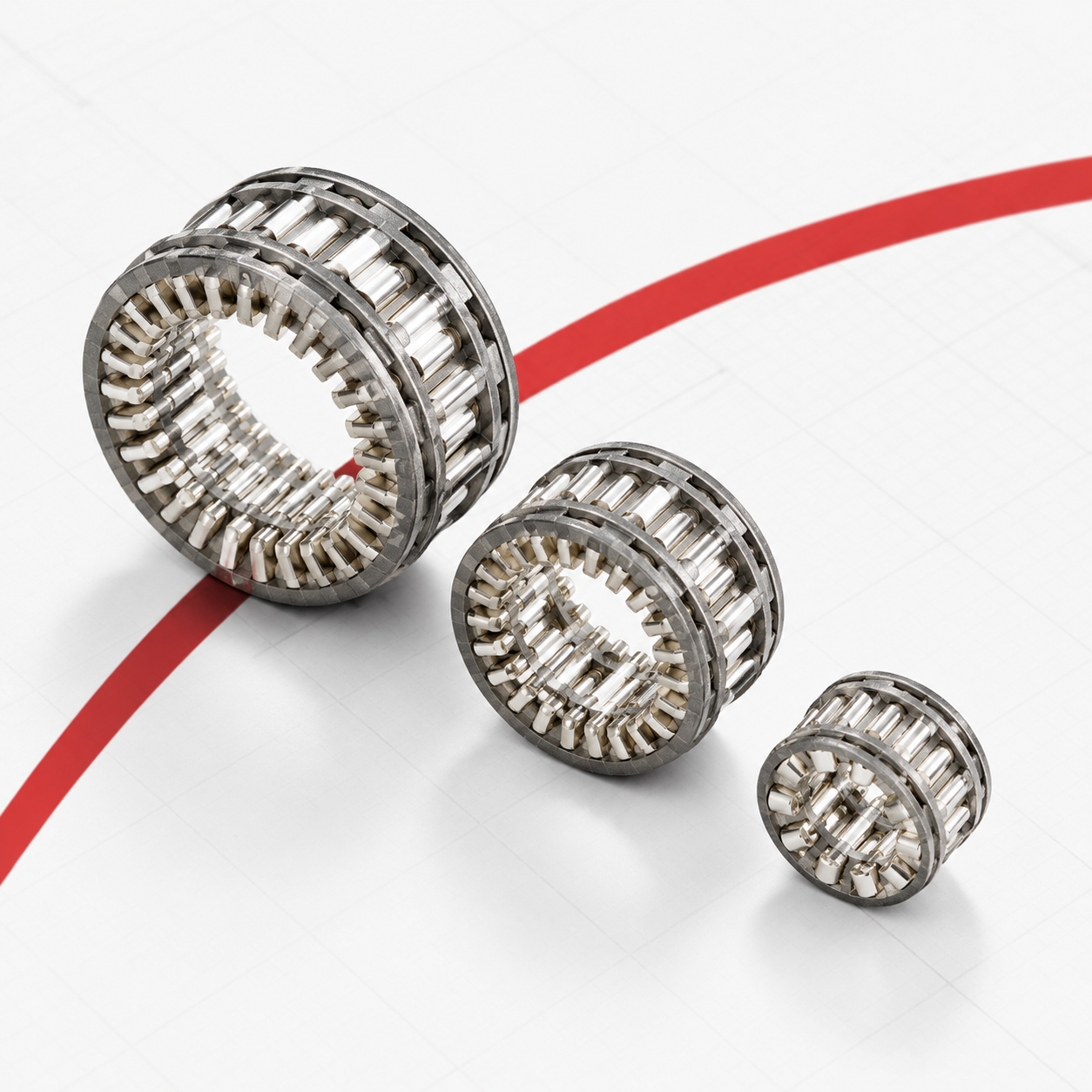
Tulip Contact (Jaw Contact) 630A – 1250A
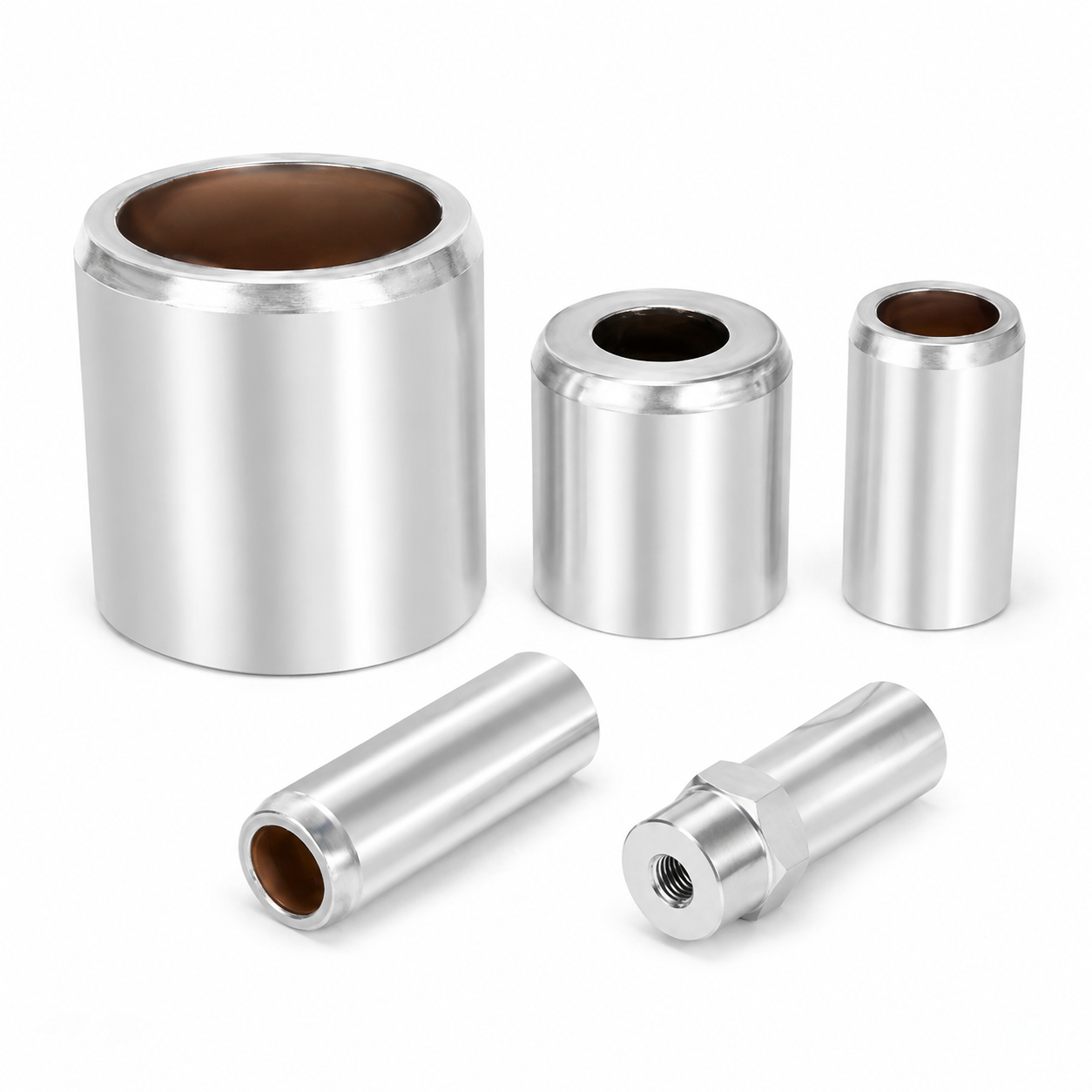
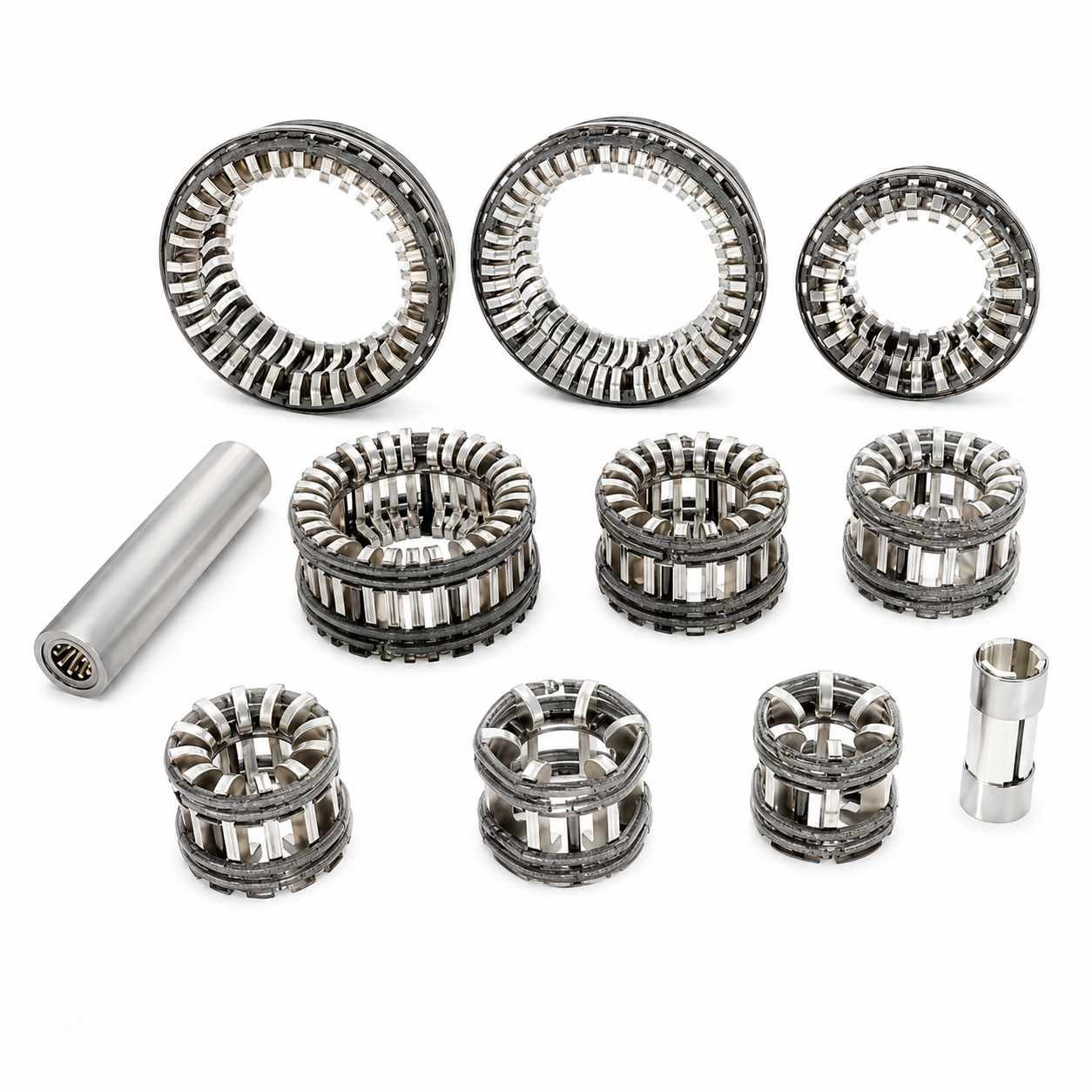
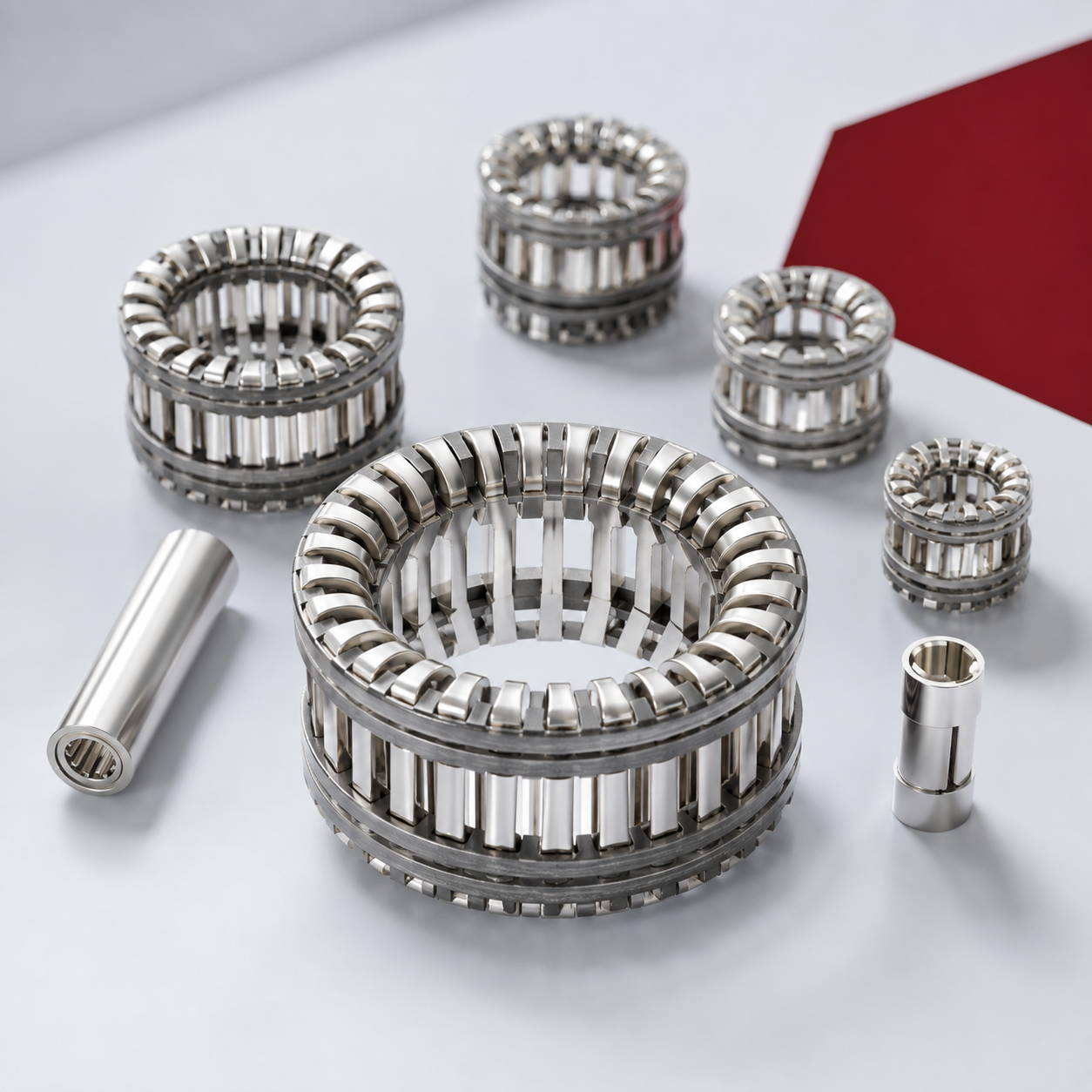
Multi-finger silver-plated copper tulip contacts. Drop-in replacement for VS1, VD4. Low contact resistance; prevents oxidation in Gulf coastal environments. Our Tulip Contacts, also known as jaw contacts or finger contacts, serve as the critical conductive interface for withdrawable vacuum circuit breaker (VCB) handcarts within medium-voltage switchgear. Engineered from high-conductivity T2 electrolytic copper with optional silver or tin plating, these contacts ensure minimal electrical resistance and stable temperature rise under continuous load. Designed for 630A to 3150A ratings, they provide a reliable, drop-in solution for various standard VCB chassis, ensuring consistent performance in power distribution networks, particularly within the demanding environmental conditions of the GCC region.
- Overview
- Applications
- Technical Data
- Services
- Quality Control
- Recommended Products
Tulip Contacts (Jaw Contacts) - 630A to 3150A, Silver-Plated Copper
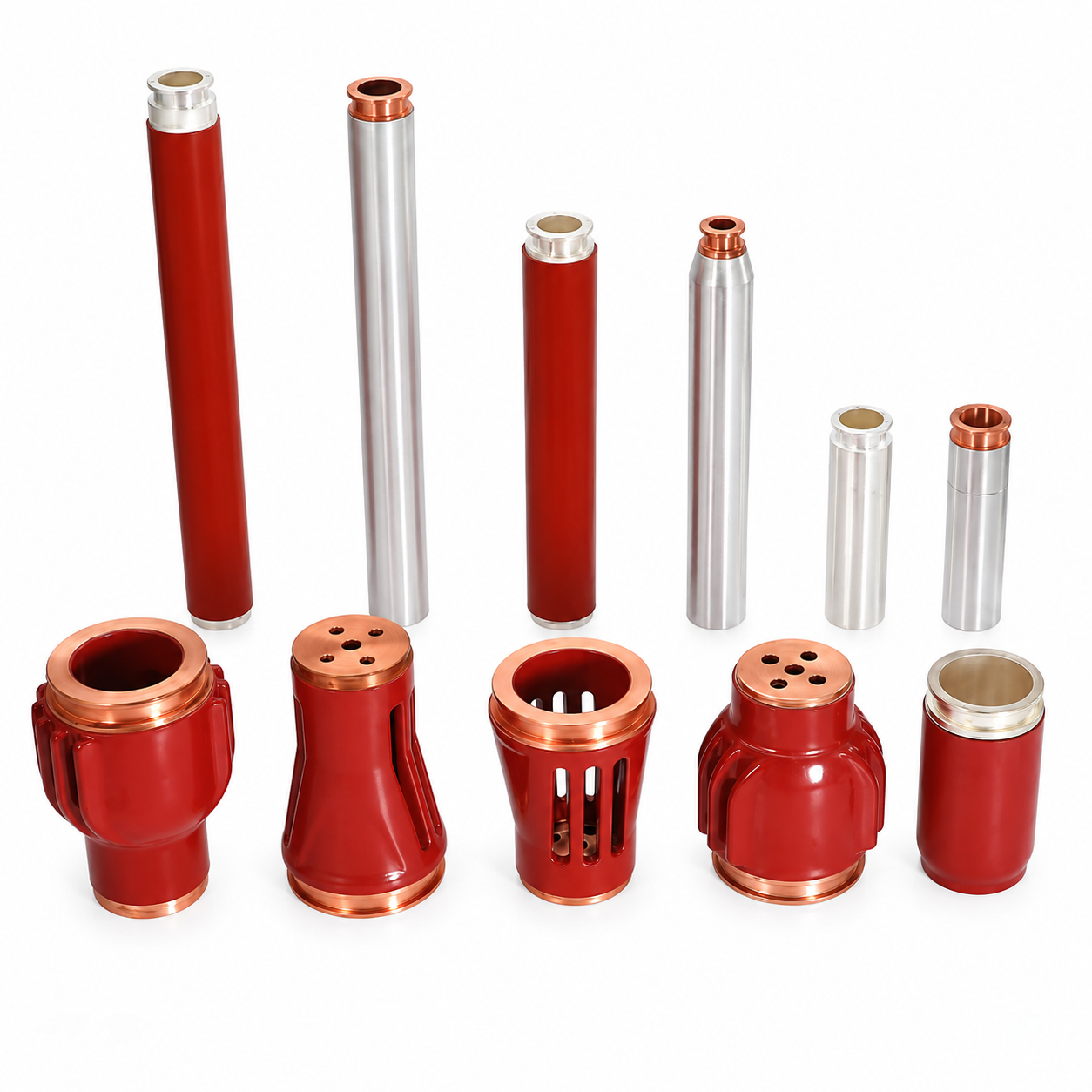
Tulip contact is the sliding electrical interface between a withdrawable circuit breaker trolley and the fixed conductors of the switchgear panel. A circular array of spring-loaded copper fingers grips the fixed contact bar, carrying full rated current through a joint that is made and broken mechanically every time the breaker is racked. MOLDVOLT manufactures tulip contacts rated 630A to 3150A for 12kV and 24kV switchgear.
THE MOST COMMON CAUSE OF SWITCHGEAR OVERHEATING
Contact resistance at this interface determines the temperature rise of the whole current path, and it degrades invisibly. Each racking operation abrades a little plating. Oxidation and sulphidation attack the exposed base metal. Spring pressure relaxes with thermal cycling. Resistance rises, which generates heat, which accelerates oxidation and further relaxes the springs. The process compounds until a thermal event occurs, and by then the damage extends to the contact box and often the busbar.
Nothing about this is visible during normal operation. Thermal imaging catches it if the panel is surveyed regularly, which in practice many installations across our markets are not. This is why tulip contacts are the highest-turnover spare in any withdrawable switchgear fleet and why contact quality is worth specifying properly rather than buying on price.
THREE THINGS CONTROL CONTACT RESISTANCE
Base material: T2 grade electrolytic copper or copper-silver alloy, verified by mill certificate.
Plating: 8-12 microns of silver, measured by X-ray fluorescence and recorded per batch. Under-plating is invisible on delivery and only reveals itself years later as a thermal fault, so this is measured rather than assumed.
Spring force: calibrated and verified on every finger, ensuring uniform current sharing. If a few fingers carry a disproportionate share of the current because others have relaxed, those fingers overheat regardless of how good the plating is.
Finger count scales with rating - 16 fingers at 630A up to 60 fingers at 3150A - keeping temperature rise within the 70K limit of IEC 62271-1.
PLATING CHOICE IS A MARKET DECISION
Silver plating gives the lowest contact resistance and is standard for indoor panels in clean, dry switchrooms. Tin plating resists sulphide attack far better and is the correct specification for coastal Gulf installations, West African industrial sites and any location where salt fog or industrial pollution reaches the panel interior. Choosing silver by default in a coastal substation is a specification error that shows up as accelerated degradation.
COMPATIBILITY AND SUPPLY
Drop-in replacements for VS1, VD4, VPR, Eaton and other standard handcart breaker footprints. Supplied as OEM production to drawing and as stocked spares. Where the original part is obsolete, send a sample and we will produce an equivalent.
PRIMARY APPLICATIONS
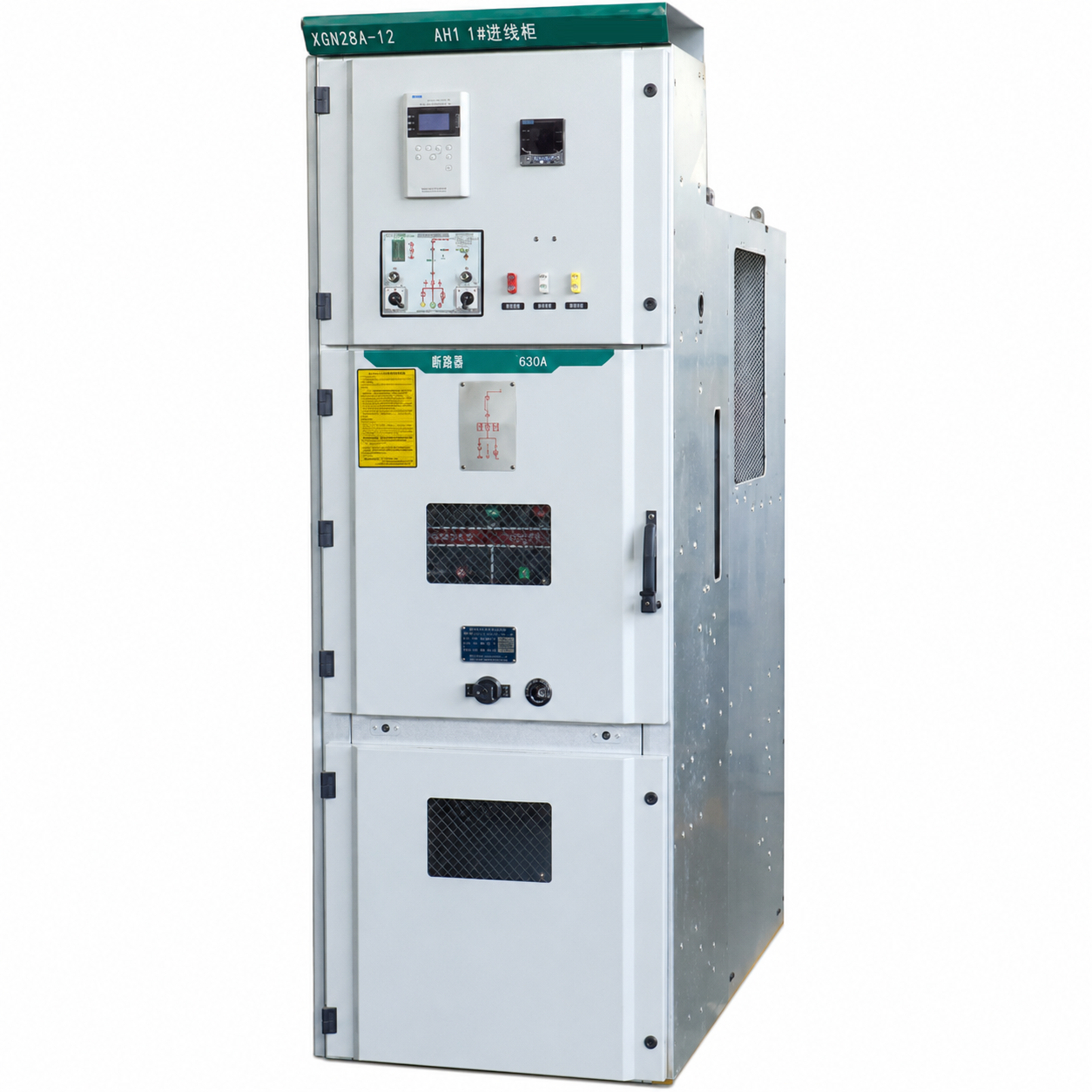
- Withdrawable VCB trolley main current interface in KYN28-12 and KYN28-24 metal-clad switchgear - the primary application.
- Isolating contacts on PT and metering trolleys.
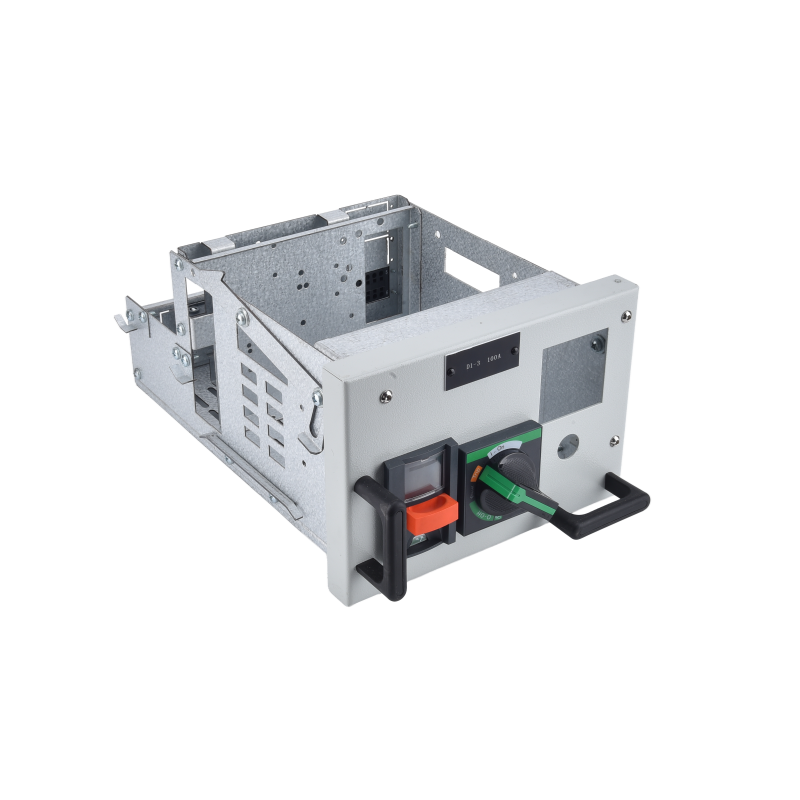
- Withdrawable LV motor control centre drawer contacts, using the appropriate LV rating.
- GIS and RMU internal connection points, using ball-type spherical variants.
- Replacement spares for withdrawable switchgear across the installed base in Africa, CIS and the Middle East.
- Breaker refurbishment and switchgear service workshop stock.
- Panel builder production stock.
- Retrofit projects fitting new breaker trolleys to existing panels.
WHY THIS IS THE NUMBER ONE SWITCHGEAR SPARE
Tulip contacts are consumable by design. They wear every time the breaker is racked, they degrade chemically in polluted and humid atmospheres, and their spring force relaxes with thermal cycling. Unlike most switchgear components they have a finite service life measured in racking operations and years of exposure, not decades.
Because limited spare parts availability is consistently identified as a leading barrier in Middle East and African electrical markets, and because a degraded contact takes a feeder out of service with no warning, tulip contacts should head the two-year spares list for any withdrawable switchgear fleet. We hold standard ratings in stock and supply single-piece emergency replacements as well as production volumes.
MAINTENANCE GUIDANCE
Contact wear should be assessed at every panel maintenance: check plating condition, measure contact resistance against the commissioning baseline, and verify finger spring force. Replace tulip contact and contact box as a pair - fitting a new tulip contact into a worn contact box simply moves the problem to the other side of the joint.
SELECTION GUIDANCE
Specify by rated current, contact bar dimensions and geometry, finger count and array diameter, breaker model for compatibility, and plating type appropriate to the environment.
REGIONAL FIT
- Middle East: coastal salt fog and high ambient. Tin plating and verified elevated-temperature performance.
- Africa: very high replacement demand across an aged installed base with limited OEM support.
- Russia and CIS: verified low-temperature spring performance.
- Eastern Europe: standard IEC service, silver plating in clean switchrooms.
NOT SUITABLE FOR
Fixed-type switchgear with bolted busbar joints, which has no sliding contact interface. Current ratings above the selected type.
| Category | Parameter | Value / Specification |
|---|---|---|
| RATINGS & FINGER COUNT |
630 A | 16 fingers |
| 1000 A | 24 fingers | |
| 1250 A | 24 fingers | |
| 1600 A | 32 fingers | |
| 2500 A | 48 fingers | |
| 3150 A | 60 fingers | |
| ELECTRICAL | Rated voltage | 12 kV / 24 kV switchgear service |
| Rated current | 630 / 1000 / 1250 / 1600 / 2500 / 3150 A | |
| Short-time withstand current | 25 kA / 31.5 kA for 4 s, matched to panel rating | |
| Peak withstand current | 63 kA / 80 kA | |
| Rated temperature rise | Within 70 K per IEC 62271-1 at rated current | |
| Contact resistance | Measured and recorded per piece | |
| MATERIAL & PLATING |
Base material | T2 grade electrolytic copper, or Cu-Ag (copper-silver) alloy |
| Material verification | Mill certificate retained per batch | |
| Surface treatment | Silver plated standard; tin plating available for coastal and industrial atmospheres | |
| Plating thickness | 8 – 12 microns | |
| Plating verification | X-ray fluorescence measurement, recorded per batch | |
| Spring material | Stainless steel or beryllium copper, corrosion resistant | |
| Spring force | Calibrated and verified per finger for uniform current sharing | |
| MECHANICAL | Array diameter | Matched to contact bar geometry, custom |
| Finger length and profile | To drawing | |
| Insertion force | Specified to suit racking mechanism | |
| Mechanical life | 2,000 racking operations minimum | |
| Compatibility | VS1, VD4, VPR, Eaton and equivalent handcart breaker footprints | |
| Variants | Standard circular tulip, ball-type spherical for GIS and rotating connections | |
| SERVICE CONDITIONS |
Operating temperature | −40 °C to +105 °C |
| Humidity | Suitable for tropical and high-humidity service | |
| Pollution | Tin plating specified for coastal salt fog and industrial sulphide environments | |
| TESTING (Every Piece or Batch) |
Contact resistance measurement | — |
| Plating thickness verification | By X-ray fluorescence | |
| Spring force calibration | Calibrated and verified | |
| Dimensional inspection | Critical fit dimensions 100% checked | |
| Visual inspection | For plating defects and finger deformation | |
| Temperature rise verification | On type samples at rated current | |
| Salt-spray corrosion testing | For coastal-service parts | |
| OPTIONS | Coastal / industrial plating | Tin plating for coastal and industrial atmospheres |
| Custom geometry | Custom array diameter, finger count and profile to drawing | |
| Spherical variant | Ball-type spherical for GIS and rotating contacts | |
| Branding & packaging | Customer part numbering and packaging | |
| Low-temperature springs | Low-temperature verified spring material for GOST 15150 service | |
| Reverse engineering | From physical sample for obsolete parts |
SPECIFICATION AND SOURCING
- Send a drawing, a sample or a photograph with the existing part number and we will identify the equivalent and confirm fit before you commit to an order.
- Reverse engineering from a physical sample where the original part is obsolete or the OEM no longer supplies it - common for aged KYN28, HXGN and imported panels still in service across Africa, CIS and the Middle East.
- OEM and private-label production to your drawings, with your part numbering and packaging.
- Material and plating selected for the destination environment: silver plating for lowest contact resistance indoors, tin plating for coastal and industrial atmospheres where salt fog and sulphides attack silver.
WHY THIS MATTERS COMMERCIALLY
Limited local technical expertise and difficult spare parts supply are consistently identified as the main barriers in Middle East and African electrical markets. A panel is out of service for as long as it takes the part to arrive. We hold consumable items in stock and quote fleet spares lists against your installed base so the part is on the shelf before it is needed.
QUANTITY AND LEAD TIME
- Stock items dispatched from inventory; typical production lead time 15-25 days for standard specifications.
- Low minimum order quantities on standard parts - we supply single-piece emergency replacements as well as bulk production volumes.
- Air freight for breakdown situations, sea freight consolidation for planned restocking.
TESTING AND DOCUMENTATION
- Routine testing per applicable IEC standard with results supplied per batch.
- Material certificates, plating thickness reports and dimensional inspection records available on request.
- Certification support for SONCAP, KEBS PVoC, SABER and GOST R submissions where the component ships as a standalone consignment.
AFTER-SALES
- Technical response within 24 hours; application engineering support for fit, assembly torque and maintenance intervals.
- Warranty against manufacturing and material defects: 12 months from delivery.
- Framework and call-off agreements available for panel builders, utilities and switchgear service workshops.
MATERIAL CONTROL
- Copper verified as T2 grade electrolytic copper or specified copper-silver alloy, with mill certificates retained per batch.
- Epoxy resin verified as cycloaliphatic grade with documented gel time, viscosity and filler ratio; general-purpose bisphenol resin is not accepted for outdoor or high-humidity service because of its poorer tracking and UV resistance.
- Plating thickness measured by X-ray fluorescence and recorded per batch - typically 8-12 microns of silver on contact surfaces. Under-plating is invisible on delivery and only shows up years later as a thermal fault, so this is measured rather than assumed.
PROCESS CONTROL
- APG (Automatic Pressure Gelation) casting under controlled mould temperature, injection pressure and gel time, producing a void-free matrix. Voids initiate partial discharge, and partial discharge is what eventually punctures an insulator in service.
- Vacuum degassing of resin before injection to eliminate entrapped air.
- Controlled post-cure cycle to relieve internal stress and stabilise dimensions.
- Contact finger spring force calibrated and verified against specification, ensuring uniform current sharing across all fingers.
ROUTINE TESTING - EVERY PIECE OR EVERY BATCH
- Partial discharge test on insulation components, typically below 10 pC at 1.1 times rated voltage.
- Power-frequency withstand voltage test.
- Contact resistance measurement on current-carrying parts.
- Dimensional inspection against drawing, with critical fit dimensions 100% checked.
- Visual inspection for cracks, voids, plating defects and surface finish.
- Mechanical load testing on insulators against rated cantilever strength.
TYPE TESTING
- Insulators verified to IEC 60168 and IEC 62217; contacts and conductive parts verified for temperature rise within the 70K limit of IEC 62271-1 at rated current.
- Thermal cycling and, for parts destined for coastal service, salt-spray corrosion testing.
TRACEABILITY AND SYSTEM
- ISO 9001 quality management system.
- Batch numbering linking finished parts back to raw material certificate and process records.
- Certificates of conformity, material certificates and test reports issued with each shipment.
- Retained samples held per production batch for future reference in the event of a field query.