EN

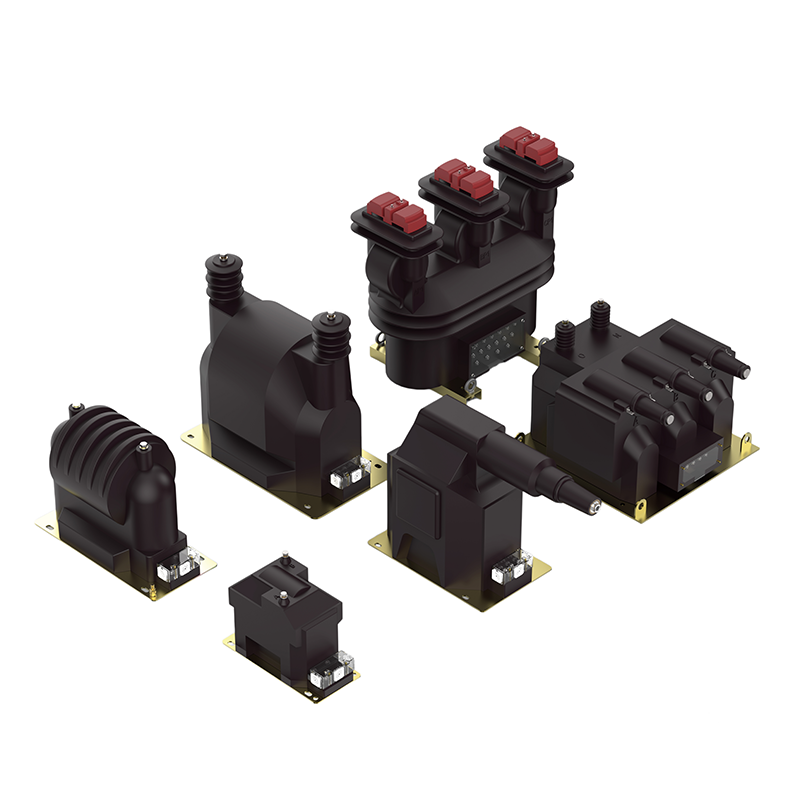
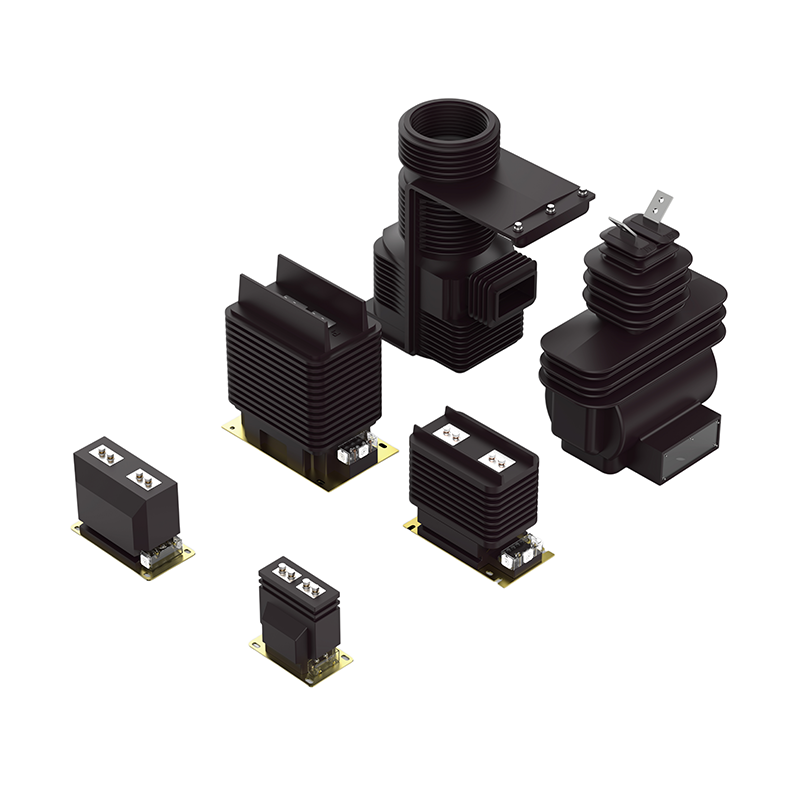
Category Overview: Instrument Transformer for MV Applications
Instrument transformers form the critical measurement and protection interface in medium-voltage electrical substations, industrial switchgear panels, and grid connection applications. This category covers two principal transformer types: the current transformer (CT), which steps down high primary currents to a standardized secondary signal for protection relays and revenue meters; and the voltage transformer (VT), which reduces high primary voltage to a safe, measurable secondary level for metering, earth-fault detection, and relay-based protection schemes. Both transformer types are manufactured and type-tested to IEC and GB international standards, making each transformer compatible with mainstream MV switchgear panels and protection systems across utility substations, solar farm grid connections, and industrial power distribution networks worldwide.
From a technical specification standpoint, the selection parameters that matter most for any instrument transformer are voltage class, accuracy class, burden rating, and insulation type. These are not interchangeable decisions: an undersized accuracy class can cause protection relay misoperation during a fault event, while an incorrect insulation choice for the installation environment leads to accelerated transformer dielectric degradation that may not be visible until it causes a failure in service. Buyers who prioritize unit price over transformer specification fit sometimes discover at commissioning that the specification gap carries a remediation cost significantly higher than the price differential they were optimizing against. Transformer procurement decisions are driven by technical specifications rather than brand preference alone.
Key Transformer Characteristics
The JDZ(X)W-33 outdoor voltage transformer is an epoxy-cast transformer designed for 33kV outdoor installations, including outdoor substations, solar farm grid connection switchyards, and 33kV distribution networks in exposed environments. This voltage transformer uses cycloaliphatic epoxy encapsulation, providing resistance to UV radiation, salt fog, humidity, and industrial pollution — making it suitable for coastal installations and high-humidity tropical climates where standard epoxy grades show surface degradation within a few years of energization. The transformer is available in single-winding and triple-winding configurations, supporting metering accuracy classes of 0.2 and 0.5 alongside a 6P protection class output, enabling simultaneous revenue billing and relay protection from a single transformer body.
The LZZBJ9-11 and LZZBJ9-33 indoor current transformer models are epoxy-cast units designed for 11kV and 33kV indoor medium-voltage applications, including utility substations, industrial MV distribution rooms, and solar plant step-up substation buildings. This current transformer type uses fully sealed, flame-retardant epoxy insulation to resist humidity, dust accumulation, and condensation in switchroom environments without constant climate control. Each current transformer supports 0.2S and 0.5 metering accuracy classes alongside 10P protection class, with dual-core and triple-core configurations that allow a single transformer body to feed both a revenue meter and a protection relay independently — an important feature for panel builders integrating metering and protection circuits within a constrained transformer bay.
- Voltage classes: 11kV and 33kV instrument transformer range
- Current transformer accuracy: 0.2S, 0.5 (metering); 10P (protection)
- Voltage transformer accuracy: 0.2, 0.5 (metering); 6P (protection)
- Transformer insulation: epoxy-cast (indoor); cycloaliphatic epoxy-cast (outdoor)
- Core configurations: single-core, dual-core, triple-core current transformer; single and triple-winding voltage transformer
- Standards: IEC and GB international standards for each transformer type
Common Transformer Applications
Instrument transformers in this category serve a wide range of MV electrical infrastructure applications. Utility distribution substations represent the primary application context, where a current transformer and voltage transformer are installed in every feeder bay and bus section to provide measurement and protection inputs for substation automation systems and revenue billing. Industrial power distribution — including manufacturing plants, mining sites, and process industry facilities with MV incoming supplies — uses instrument transformers at the main incoming breaker bay for both metering and fault protection.
Renewable energy projects, particularly solar PV farms, have become a significant application segment for 33kV instrument transformers. Grid connection switchyards for solar farms require outdoor-rated voltage transformer units that withstand full outdoor exposure through seasonal humidity cycles, with UV stability matched to the 20-25 year asset life of the plant. The cycloaliphatic epoxy encapsulation of the JDZ(X)W-33 outdoor voltage transformer addresses this requirement. Passing the IEC type test is a necessary starting point for any transformer, not a guarantee of long-term reliability in a coastal or high-UV installation — the gap typically shows up when ambient humidity and UV exposure levels differ from the test protocol assumptions.
Panel builders and system integrators assembling MV switchgear panels use current transformer and voltage transformer units supplied as matched sets with switchgear panels, simplifying secondary circuit integration. Accuracy class pairing, burden calculation, and relay compatibility are verified at the panel assembly stage, reducing the risk of post-commissioning protection misoperation from a current transformer accuracy class mismatch with the connected relay burden.
How to Select the Right Transformer
Selecting the correct instrument transformer for an MV application involves a set of sequential decisions. Working through them in order produces a transformer specification that is both technically correct and appropriate for the installation environment.
Step 1 — Confirm transformer voltage class. Current transformer and voltage transformer units are rated by their maximum system voltage. For 11kV nominal systems, an 11kV-class transformer is appropriate. For 33kV systems, a 33kV-rated transformer is required. Verify the actual maximum operating voltage against the transformer rated maximum — not just the nominal class label.
Step 2 — Define transformer accuracy class by application. Revenue metering requires Class 0.2 or 0.2S accuracy for a current transformer. Protection applications use Class 10P for a current transformer and Class 6P for a voltage transformer, which specify behavior under fault current conditions rather than metering precision. If the same transformer body must feed both a metering relay and a protection relay, a dual-core or triple-core configuration is required. Splitting a single-core transformer output between two circuits compromises both functions.
Step 3 — Select transformer insulation type for the installation environment. Indoor instrument transformer units in controlled environments use standard flame-retardant epoxy. Outdoor transformer installations — or indoor installations without climate control in tropical or coastal environments — require outdoor-grade cycloaliphatic epoxy encapsulation. The rated current on a transformer nameplate is based on a standard ambient temperature assumption, typically 40°C under IEC. In climates where ambient temperatures regularly exceed that — common in Egypt, Kenya, Indonesia, and equatorial regions — confirm the applicable derating factor with the transformer specification sheet before finalizing the current ratio.
Step 4 — Verify transformer burden and ratio. The current transformer or voltage transformer burden specifies the maximum connected secondary load. A transformer with a burden rating lower than the actual connected relay and meter burden causes a secondary voltage drop that degrades metering accuracy. Specify the transformer burden after the secondary circuit design is complete, not before — this constraint applies regardless of whether the transformer meets the stated accuracy class on its nameplate.
Why Transformer Specification Matters for International Buyers
Instrument transformer procurement for international projects involves a compliance verification layer that is often underestimated at the specification stage. IEC compliance is a necessary starting point for any transformer, but it does not provide uniform market acceptance across all target countries. Russia (GOST), Brazil (ABNT/INMETRO), and Indonesia (SNI) each maintain national certification requirements alongside IEC compliance, and the documentation required to demonstrate conformance differs by market. Buyers importing transformer products for projects in these markets should confirm the applicable certification requirement with the project technical authority or local grid operator before purchase order placement.
Buying decisions for current transformer and voltage transformer products are heavily influenced by rated parameters, type test evidence, accuracy class compatibility with the connected protection system, and the supplier ability to provide complete documentation for project submittal review. For buyers sourcing from an established export manufacturer with multi-region shipment experience across Southeast Asia, Eastern Europe, South America, the Middle East, and Africa, the compliance documentation pathway for each transformer type tends to be more predictable — available type test reports, calibration certificates, and transformer documentation formats are known quantities before the order is placed. This matters most at the project submittal stage, when a specification error or documentation gap in the proposed transformer creates schedule and cost impacts disproportionate to the price saving that motivated the original shortlisting decision.