EN

What Is MV Metal-Clad Switchgear?
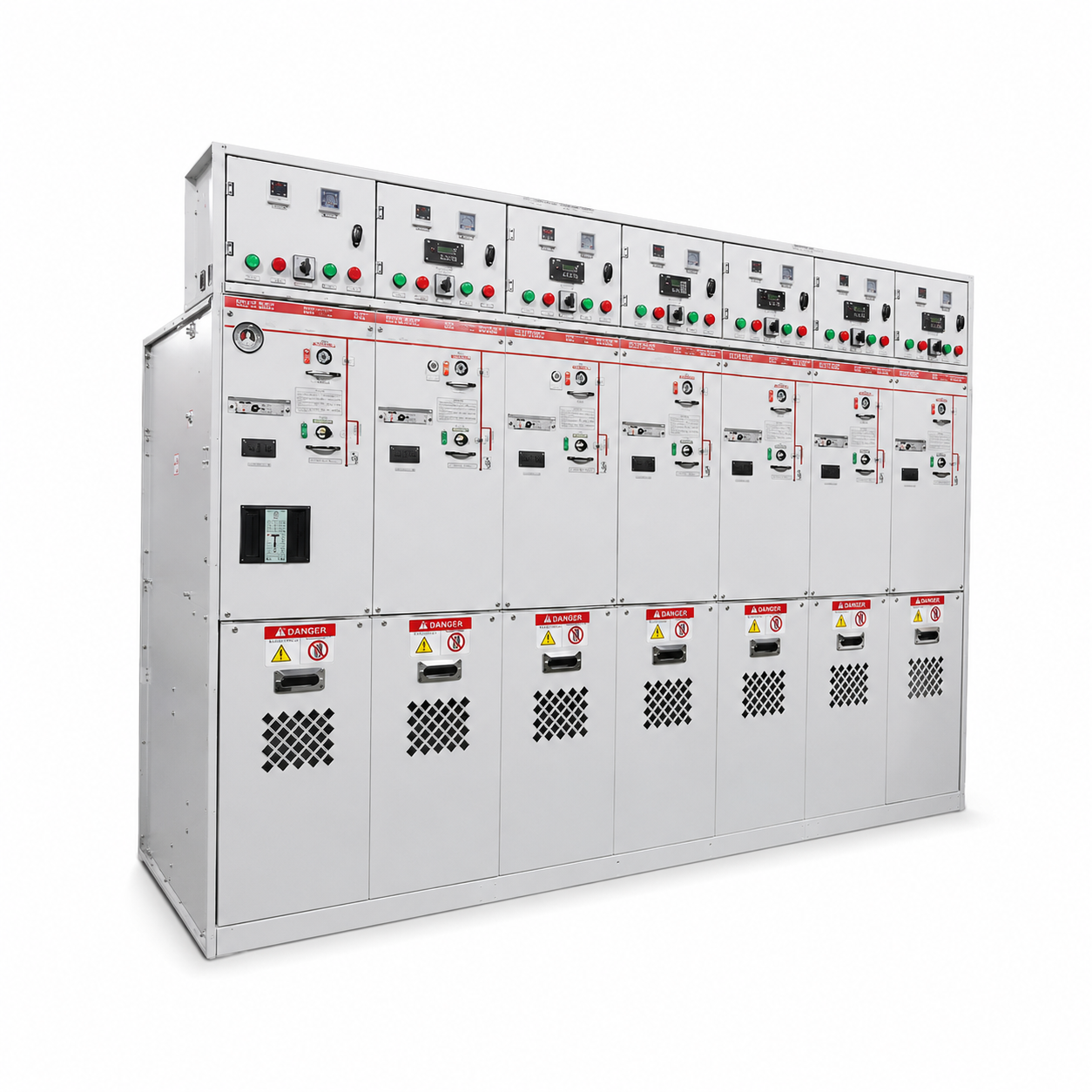
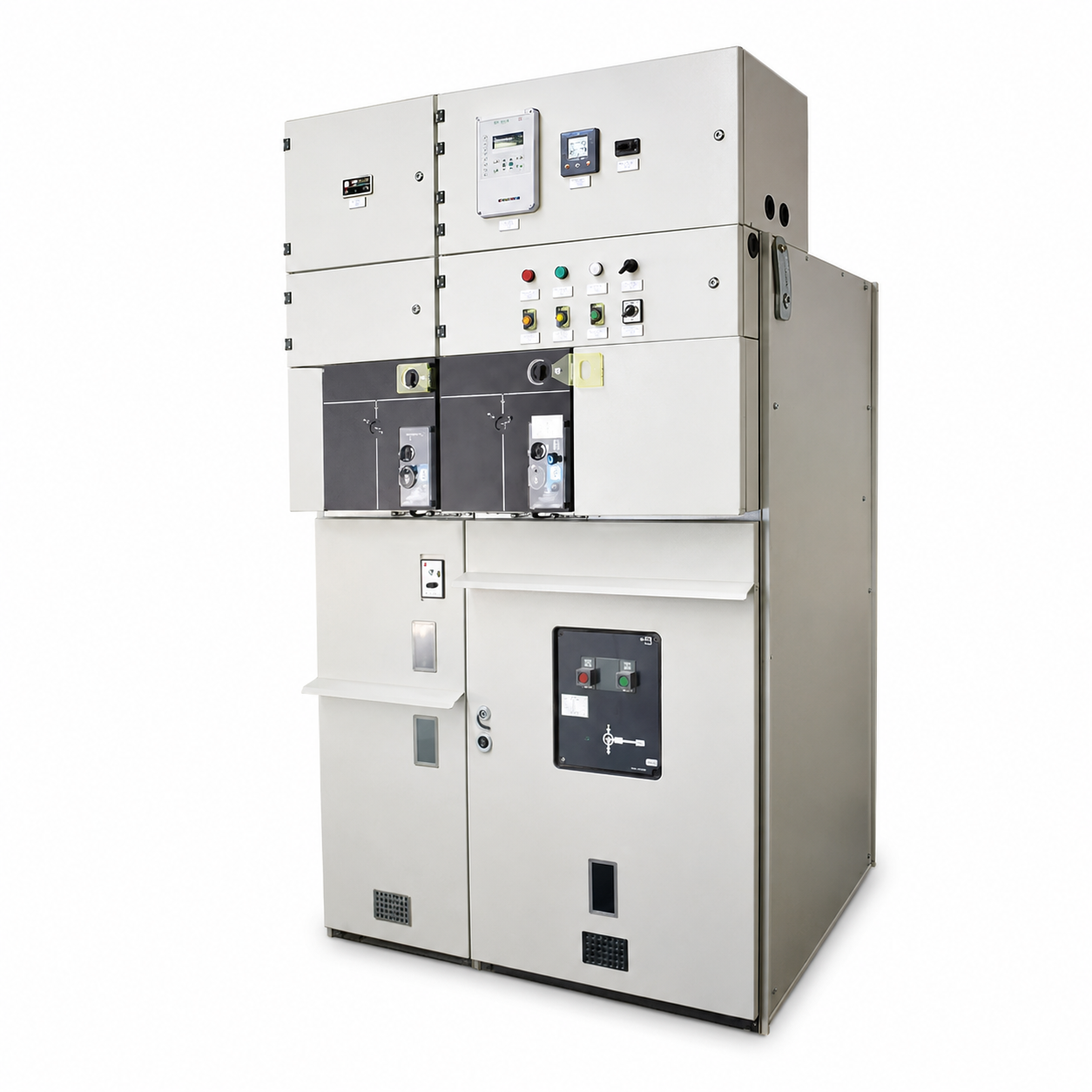
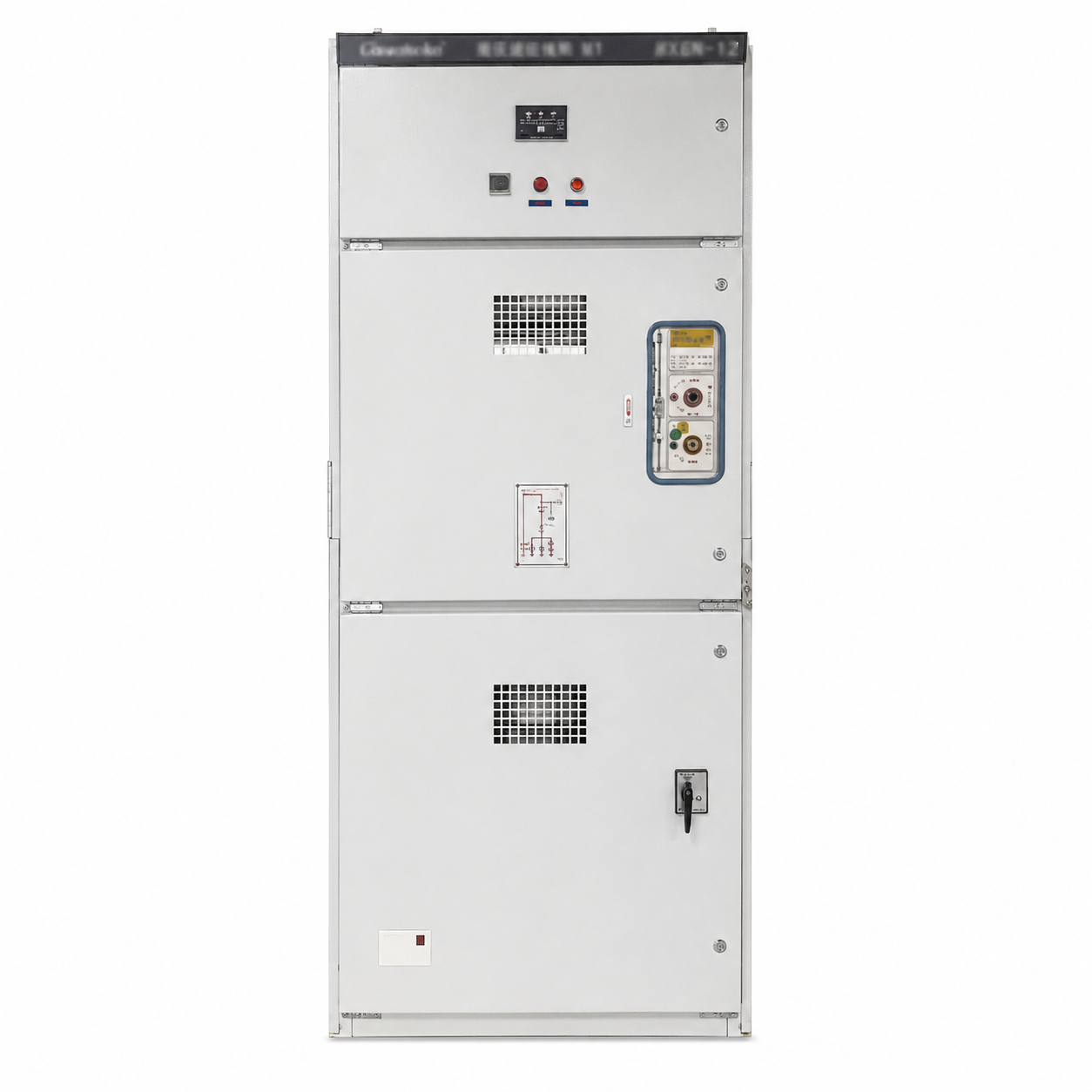
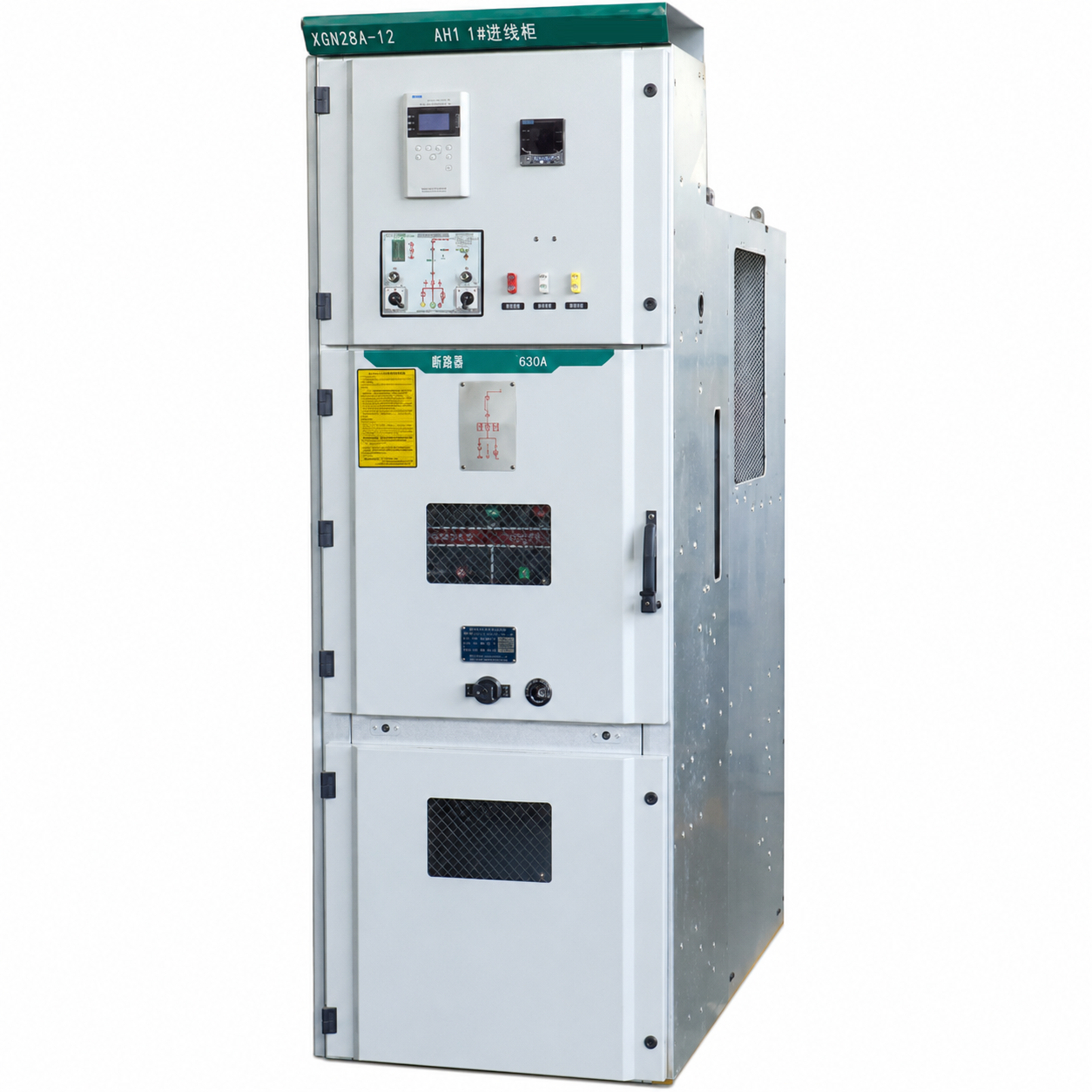
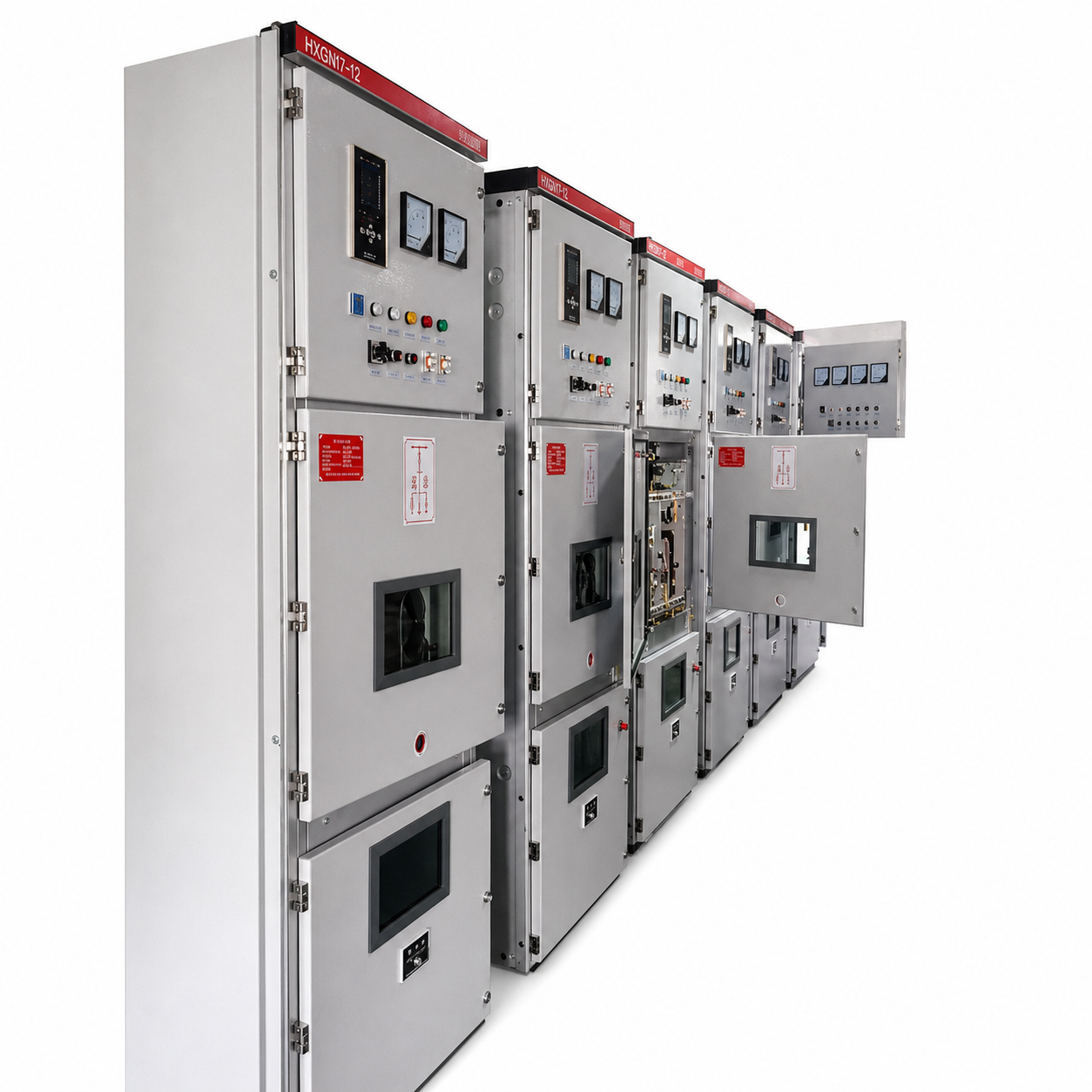
MV Metal-Clad Switchgear refers to indoor medium-voltage distribution assemblies in which every primary component — busbars, circuit breaker, cable terminations, and low-voltage instrument circuits — is housed in a separate, earthed metal compartment. This full compartmentalization is the defining characteristic that separates metal-clad construction from simpler metal-enclosed designs: an internal arc or fault in one compartment cannot propagate to an adjacent bay, and neighboring panels remain energized during maintenance or fault clearance. The construction standard for this performance level is IEC 62271-200, and achieving a recognized internal arc classification (IAC) under that standard requires the earthed barriers and interlocked access provisions that MV Metal-Clad Switchgear provides by design.
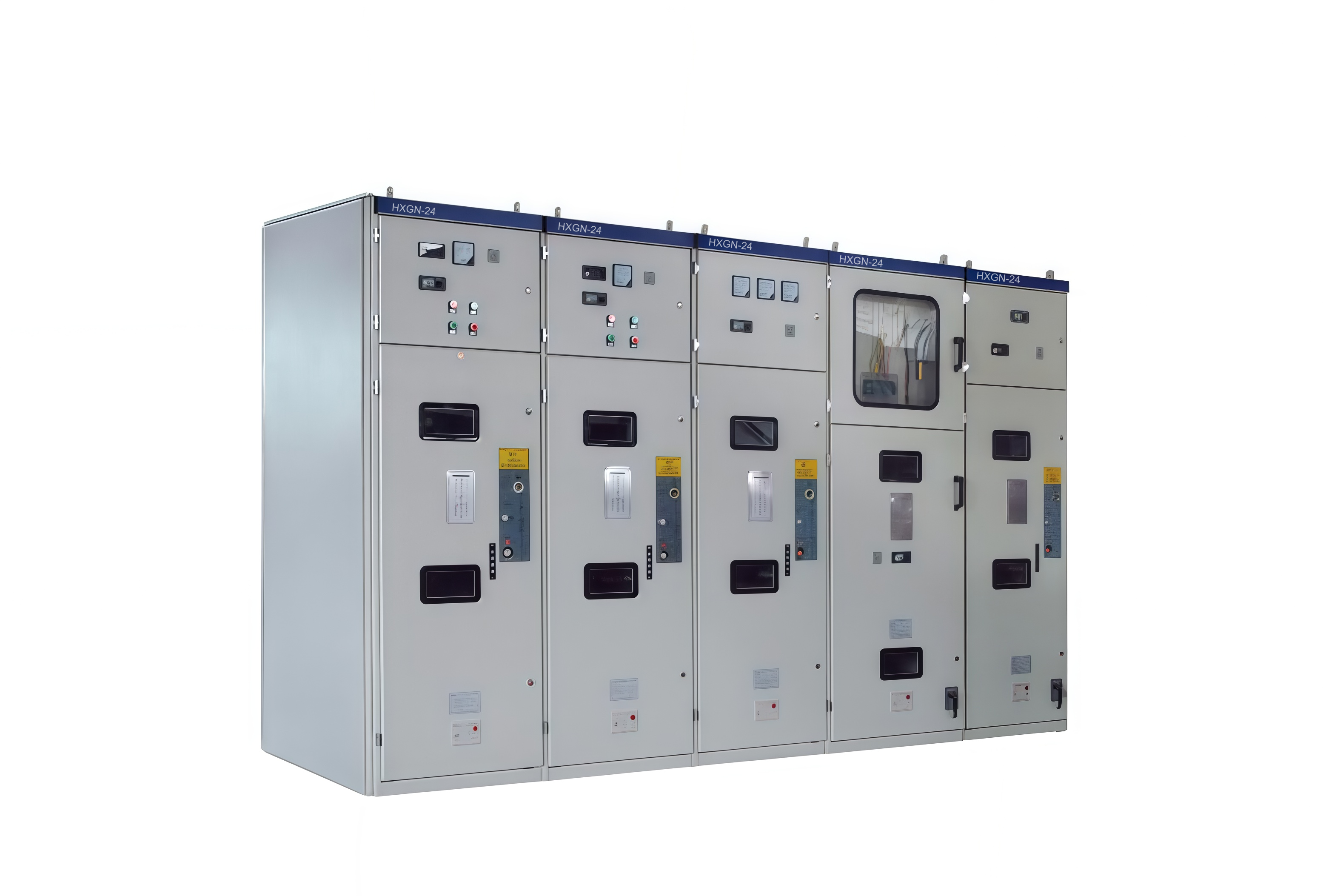
This MV Metal-Clad Switchgear category covers 12kV and 24kV indoor assemblies across three distinct platforms: the KYN28 withdrawable armored draw-out series, the HXGN fixed ring main cabinet series, and the C-GIS SF6 gas-insulated ring main unit series. Each platform is engineered for different maintenance environments, installation footprints, and grid voltage requirements.
Key Characteristics of MV Metal-Clad Switchgear
- Four-compartment architecture: Busbar, circuit breaker, cable, and LV instrument compartments are physically separated by earthed metal barriers. Personnel working in the cable compartment are protected from energized busbars, and adjacent bays can remain live during single-bay maintenance operations.
- Withdrawable circuit breaker (KYN28 series): The vacuum circuit breaker (VCB) can be extracted to Service, Test, or Isolated positions on a handcart trolley. Breaker inspection, testing, and replacement do not require the busbar to be de-energized — a significant operational advantage in continuous-service industrial and utility installations.
- Fixed ring main configuration (HXGN series): Compact, lower-cost alternative for secondary distribution points where breaker withdrawal is not operationally required. The reduced panel depth and simpler mechanism lower installation footprint in space-constrained substation rooms.
- Gas-insulated sealed design (C-GIS): SF6-filled sealed stainless steel tank as the primary insulation medium. The IP65 enclosure protection makes this platform appropriate for coastal, desert, and underground installations where humidity, salt fog, or fine dust would degrade an air-insulated panel over time.
- Arc flash safety compliance: Full metal compartmentalization is the structural basis for achieving an IAC rating under IEC 62271-200. MV Metal-Clad Switchgear with a confirmed IAC rating provides documented arc flash incident energy values that site safety assessments can reference directly — a procurement requirement that has become standard in industrial and utility specifications.
- Voltage class and regional market coverage: 12kV panels serve 10kV, 11kV, and 12kV distribution networks in Eastern Europe, the Middle East, and Africa. 24kV panels cover 20kV and 22kV systems in Russian and Gulf markets. CIS-deployment units are available in GOST 15150 climatic classification versions.
Common Applications for MV Metal-Clad Switchgear
MV Metal-Clad Switchgear is specified where the consequences of a bay fault extending to the entire busbar are unacceptable and where maintenance access during live-plant operation is a routine requirement. Typical installation categories include:
- Utility secondary substations serving urban distribution feeders at 10kV to 22kV
- Industrial power distribution centers in process plants, mines, and manufacturing facilities requiring live-panel maintenance capability
- Renewable energy grid connection switchyards where large feeder lineups must be maintained against a continuous generation schedule
- Compact secondary substations in commercial developments, hospitals, and data centers where the HXGN fixed ring main design provides a smaller footprint with adequate protection performance
- Coastal, underground, and desert substations where the C-GIS sealed platform provides IP65 protection against environmental ingress that would compromise an air-insulated design
How to Select the Right MV Metal-Clad Switchgear Platform
Selecting MV Metal-Clad Switchgear from the withdrawable, fixed, and gas-insulated platforms involves a sequential evaluation of several project-specific parameters. As an electrical engineer who has evaluated switchgear specifications across multiple grid projects, most specification errors trace back to selecting the product format before the operating parameters are confirmed. The following decision sequence covers the primary gates.
Step 1 — Confirm system voltage and select the rated voltage class. Identify the network operating voltage and choose the corresponding MV Metal-Clad Switchgear rated voltage class: 12kV class for 10kV to 12kV systems; 24kV class for 20kV to 22kV systems. Gulf projects at 11kV use 12kV-class equipment but may require 60Hz-rated switchgear and high-ambient derating documentation; Russian 10kV and 20kV systems require GOST 15150 climatic classification verification before installation approval is granted.
Step 2 — Assess fault level and rated short-circuit capability. The MV Metal-Clad Switchgear must be rated at or above the prospective fault current at the installation busbar. You might expect that specifying exactly at the calculated fault level is sufficient — the complication is that grid reinforcement over the next five to ten years can raise fault levels at existing substations beyond the original switchgear rating. Confirm the available fault current for the planned service lifetime, not just the commissioning-day value.
Step 3 — Determine the maintenance model: withdrawable or fixed. The case for withdrawable circuit breakers (KYN28 series) over fixed-mounted alternatives is strongest when the installation requires the breaker to be tested, inspected, or replaced during planned outage windows without de-energizing the entire busbar. This applies to most utility feeder panels and to industrial facilities where production continuity is a binding constraint. If the system has full feeder redundancy and breaker exchange can be planned around complete substation outages, the simpler HXGN fixed ring main design may offer better value — the added cost and panel depth of the draw-out mechanism are harder to justify when the operational pattern does not require it.
Step 4 — Evaluate environmental conditions and choose insulation medium. For indoor installations in controlled environments, the KYN28 and HXGN air-insulated platforms cover the full application range. When the installation is coastal, underground, or in an environment with fine airborne particulate or salt fog, the C-GIS sealed gas-insulated design is appropriate: its IP65 enclosure and sealed primary tank eliminate the environmental exposure that degrades air-insulated insulators over time. The trade-off is gas management: C-GIS units require periodic SF6 gas density monitoring, and maintenance teams should confirm that gas monitoring capability is available at the installation site before specifying a sealed-tank design in a remote location.
Step 5 — Confirm ambient temperature rating and derating. The rated current on a MV Metal-Clad Switchgear nameplate is based on a 40°C maximum ambient temperature assumption under IEC standards. In climates where site ambient temperatures regularly exceed 45°C to 50°C — as occurs in Gulf and equatorial African installations — the effective safe continuous loading is lower than the nameplate value. Request high-ambient derating documentation and verify that the derated current at the actual maximum site ambient is sufficient for the calculated maximum demand.
Step 6 — Specify the protection relay and secondary system scope at order stage. MV Metal-Clad Switchgear panels are typically supplied with provision for protection relays, CTs, VTs, and control wiring as part of the panel scope. Specifying the relay type, CT accuracy class, and control circuit voltage at the time of order avoids commissioning delays caused by relay-CT burden mismatches or auxiliary voltage incompatibilities discovered after the panels are manufactured.
MV Metal-Clad Switchgear Compliance for International Buyers
Procurement of MV Metal-Clad Switchgear for export markets involves navigating certification and documentation requirements that vary significantly by country. IEC 62271-200 compliance is the baseline for international project specifications, but several target markets impose additional requirements that IEC test certificates alone do not satisfy. Russian and CIS installations typically require GOST 15150 climatic classification documentation; Gulf utility projects may require authority review of type test reports against local grid connection technical requirements before installation approval is granted. Confirming the specific documentation requirements of the destination market before placing an order prevents costly delays at the import or grid-connection approval stage.
From experience reviewing international MV Metal-Clad Switchgear procurement processes, the most common documentation gap is not an absence of test certificates — it is certificates that cover a rated parameter range that does not precisely match the specification. Wide price variation among competing quotations for apparently identical specifications is typically a reliable indicator that the compared panels are not equivalent in type test coverage or rated short-circuit breaking capability. Buyers should request and compare the type test report index — not just the product datasheet — before evaluating price differentials.
MV Metal-Clad Switchgear Selection Checklist
- System voltage confirmed and rated voltage class selected (12kV or 24kV)
- Prospective fault current verified with headroom for network reinforcement
- Maintenance operational model reviewed; withdrawable (KYN28) or fixed (HXGN) selected based on outage planning requirements
- Environmental conditions assessed; air-insulated or gas-insulated (C-GIS) selected based on IP and ingress protection requirements
- Maximum site ambient temperature confirmed; rated current derating check completed for high-ambient climates
- Market certification requirements identified; GOST 15150, IEC, or local utility approval documentation confirmed with supplier
- Arc flash classification requirement confirmed; IAC rating verified against site safety standard
- Protection relay type, CT accuracy class, and control voltage specified at order stage