EN

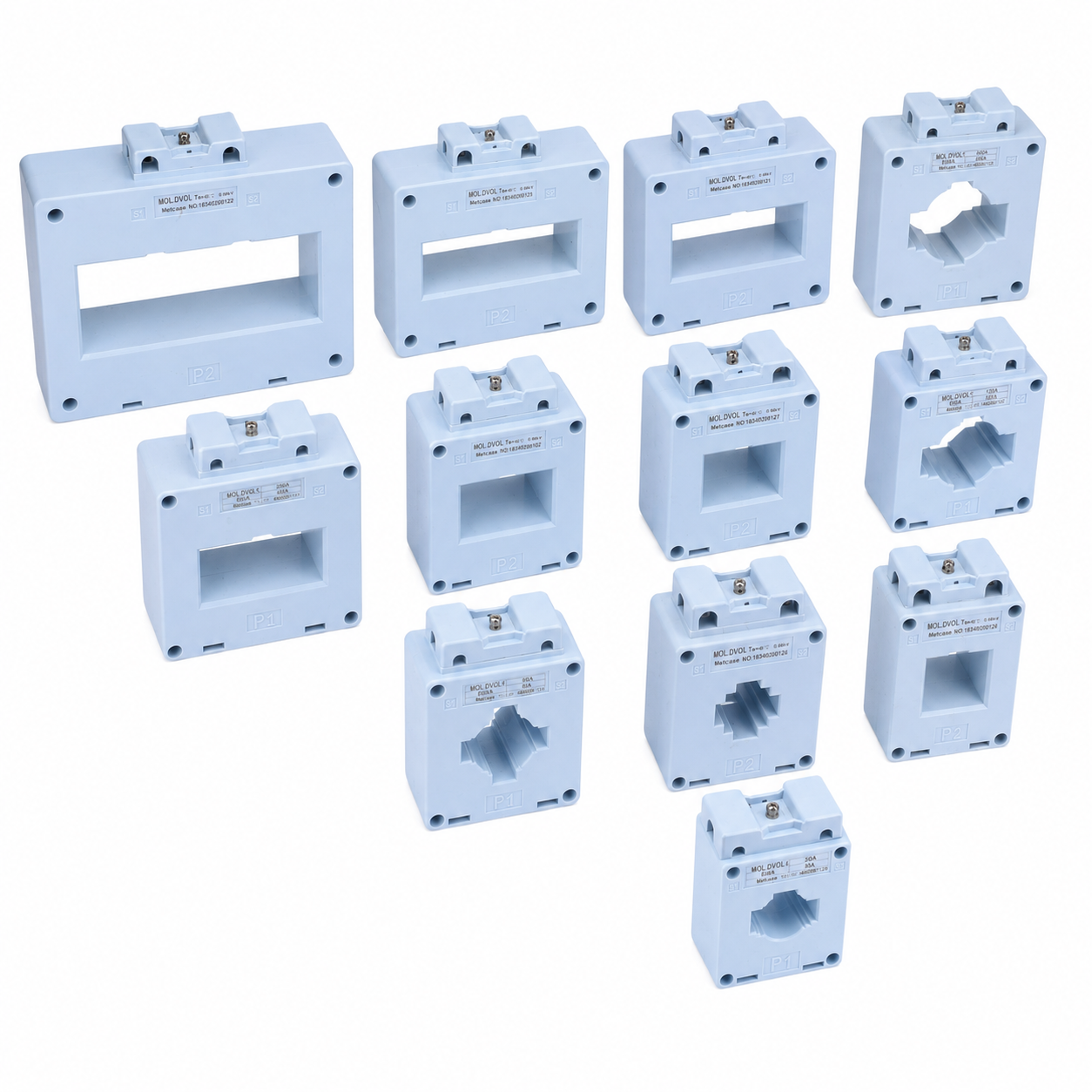
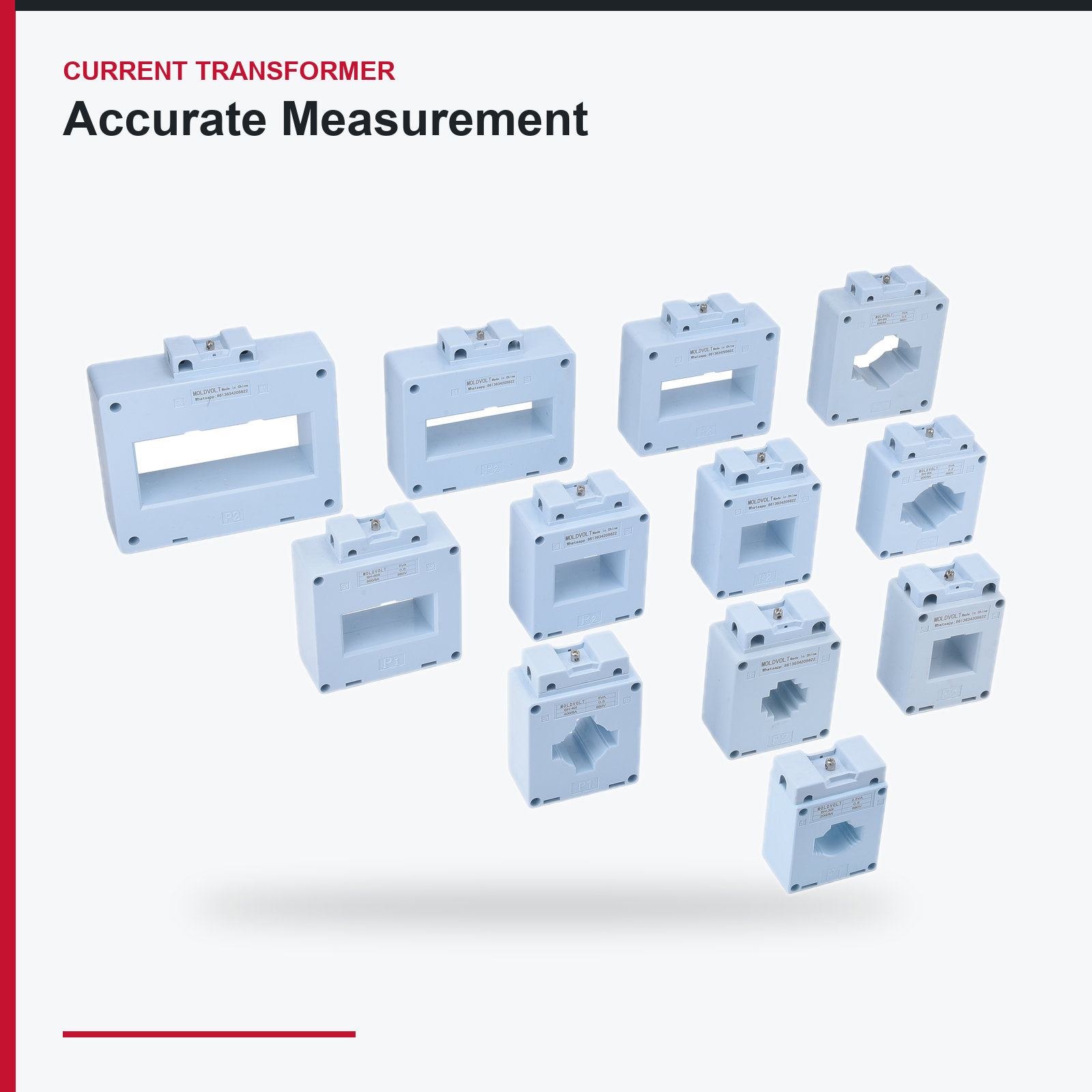
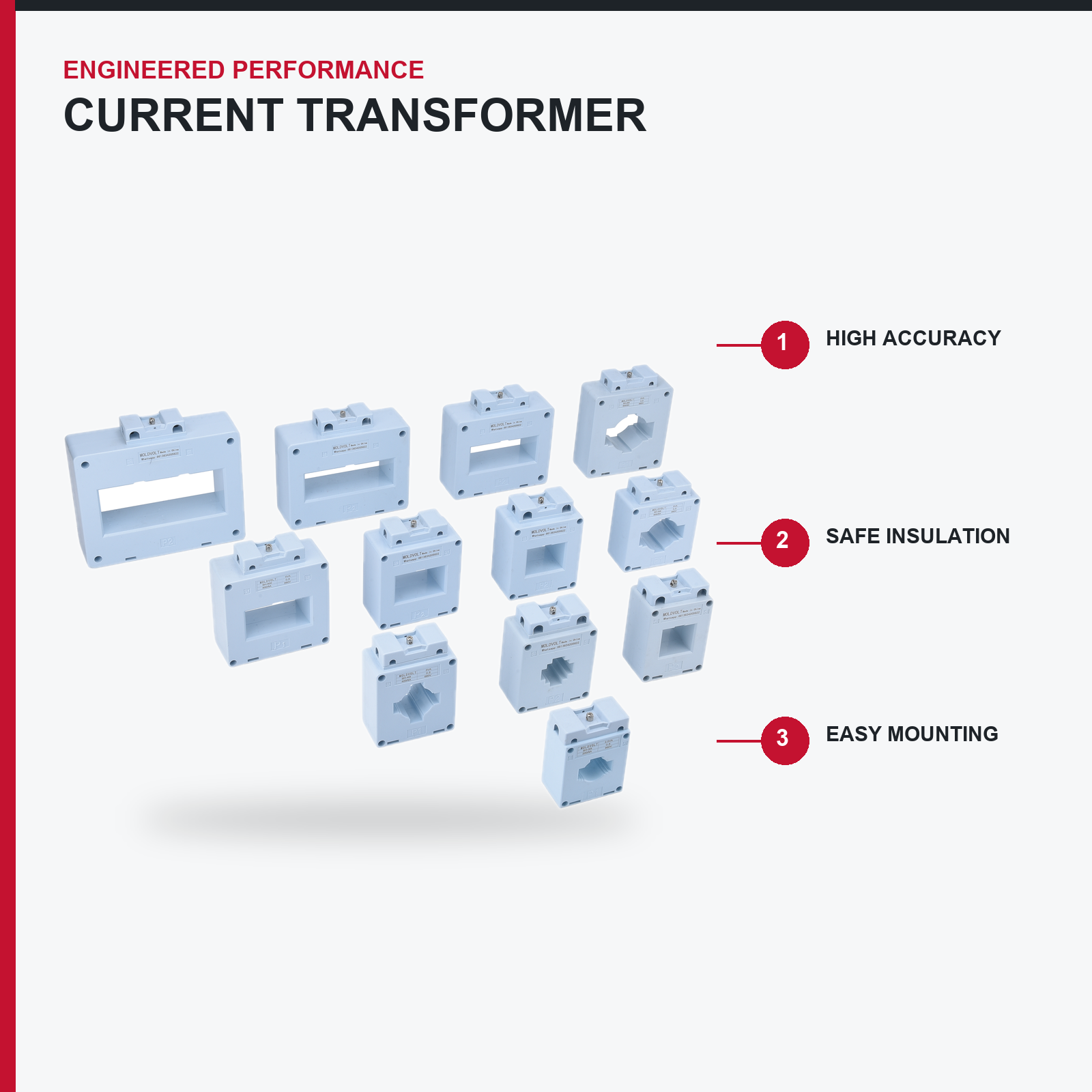
BH-0.66 Low Voltage Current Transformer - 0.66 kV, 5A to 5000A, IEC 61869-2
BH-0.66 low voltage current transformer, 0.66kV, 5A-5000A, accuracy class 0.2S/0.5/0.5S/1.0 and protection 5P10/10P10. IEC 61869-2. Bar and window types.
- Overview
- Applications
- Technical Data
- Services
- Quality Control
- Recommended Products
BH-0.66 Low Voltage Current Transformer - 0.66 kV, 5A to 5000A, IEC 61869-2
BH-0.66 is the current transformer used throughout low voltage switchgear: ammeters, energy meters, protection relays, motor protection and power quality monitoring. It is a simple component with one property that is frequently specified carelessly, and that carelessness costs the customer money every month.
ACCURACY CLASS IS A BILLING DECISION
If a CT feeds an energy meter used for tariff billing, tenant sub-billing or an energy management target, its accuracy class directly determines whether the customer is billing correctly. A class 1.0 CT where class 0.5S was required means the meter is legitimately allowed to be wrong by more than the customer's entire efficiency programme is trying to save. On the other hand, fitting class 0.2S on a simple panel ammeter is money spent for nothing.
The rule is simple: class 0.2S or 0.5S for revenue and sub-billing metering, class 0.5 or 1.0 for panel indication, and a protection class such as 5P10 or 10P10 for relay circuits. Do not use a metering CT for protection - a metering core is designed to saturate above a few times rated current specifically to protect the meter, which is precisely the wrong behaviour when a relay needs to see fault current.
THE BURDEN MISTAKE
A CT only achieves its stated accuracy within its rated burden. Long secondary wiring runs, several instruments in series and undersized secondary cable together add up, and a CT running over-burdened is out of class no matter what the label says. Tell us the instruments and the cable run length and we will state the required VA rating - it is a two-minute calculation that avoids a metering system that is quietly inaccurate for twenty years.
THE SAFETY RULE THAT IS BROKEN MOST OFTEN
Never open-circuit the secondary of an energised current transformer. The secondary voltage rises to a dangerous level, the core saturates hard, and the CT can be destroyed and the person working on it injured. Every secondary circuit must include shorting terminals, and every commissioning and maintenance procedure must use them. We supply shorting terminal blocks with the CT for exactly this reason, and it is worth stating the rule explicitly in the operating manual you hand to the client.
WHAT WE SUPPLY
Bar-primary and window-type CTs, single and dual core, from 5A to 5000A primary with 5A or 1A secondary, in metering and protection classes, moulded in flame-retardant material with clear ratio and polarity marking, and with the routine test record for each unit.
PRIMARY APPLICATIONS
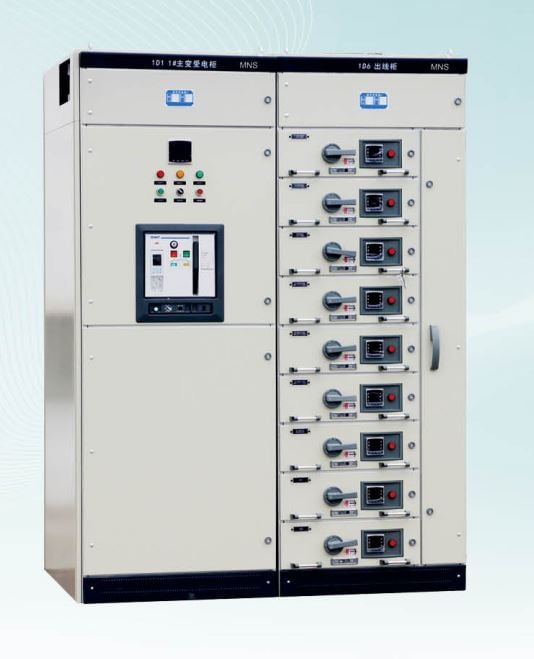
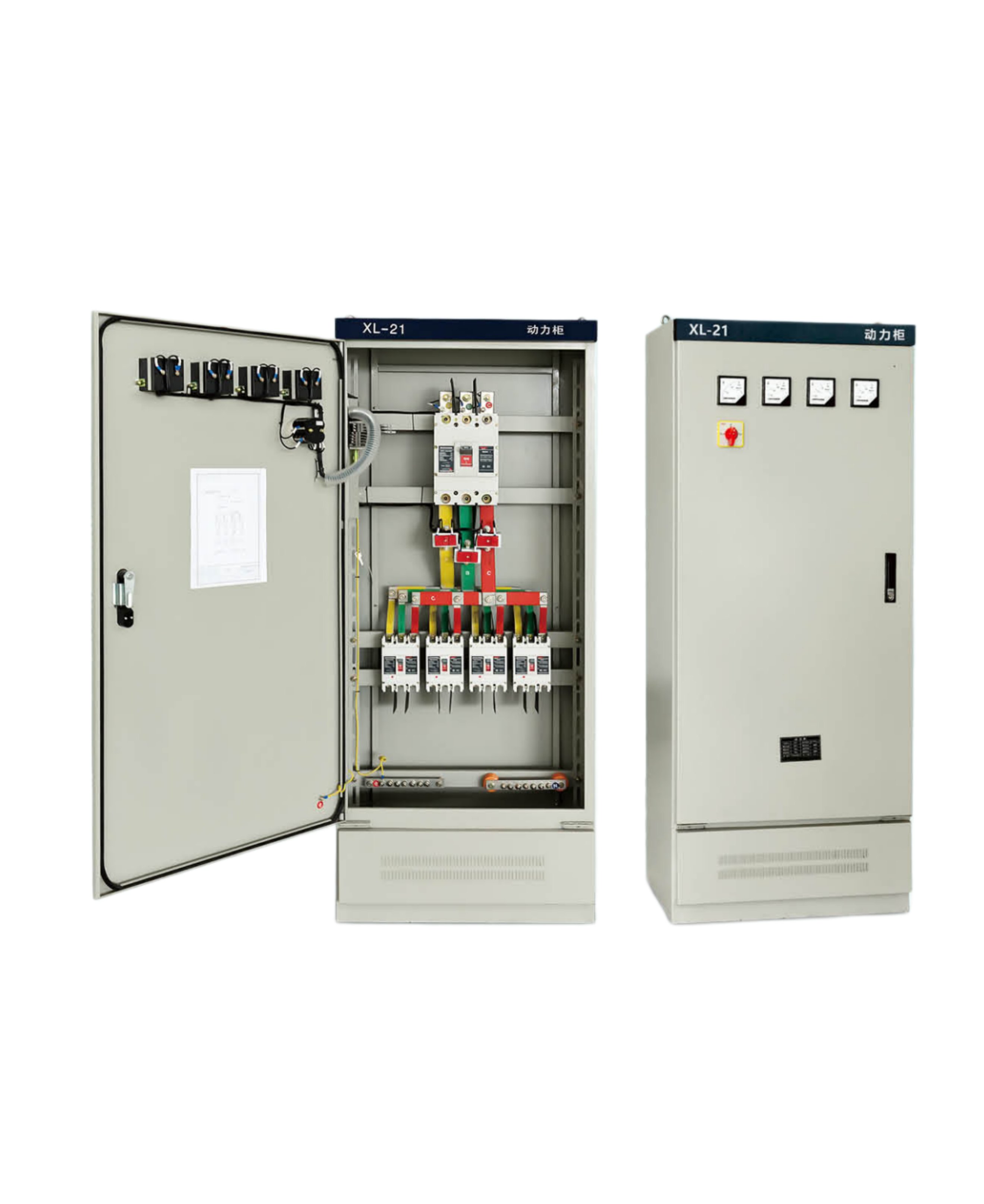
- Panel ammeter and multifunction meter circuits in GGD, XL-21, GCS, GCK and MNS boards.
- Energy metering for billing, tenant sub-billing and energy management systems.
- Protection relay inputs: overcurrent, earth fault, differential and directional.
- Motor protection relay current inputs in motor control centre drawers.
- Power quality and harmonic monitoring.
- Transformer LV side metering and protection.
- Generator output metering and protection.
- Capacitor bank control and power factor correction controllers.
- Solar PV plant export and import metering.
- Retrofit metering on existing boards using window-type CTs over the existing bar or cable.
SELECTION INPUTS WE NEED
Primary current, secondary current (5A or 1A), the purpose - metering or protection - the connected instruments and their VA burden, the secondary cable run length and cross-section, and the busbar or cable dimension the CT must fit over. Those six figures fully determine the correct CT.
REGIONAL FIT
- Middle East: utility and district cooling projects frequently specify class 0.5S or better for billing metering, and the CT class is checked at handover. High switchroom ambient affects long-term insulation life, so temperature class matters on continuously loaded feeders.
- Africa: energy management and sub-billing are growing rapidly as tariffs rise and generation costs bite, which makes correct metering class a commercial issue for the end client. Humidity and dust make insulation quality and clear permanent marking practical requirements.
- Russia and CIS: 380V/220V systems, EAC under TR CU 004/2011 and TR CU 020/2011; note that TR CU 004 covers equipment for 50 to 1000 V, which includes this product.
- Eastern Europe: 400V, CE under LVD 2014/35/EU and EMC 2014/30/EU, with metering accuracy class specified formally on commercial and industrial projects.
NOT SUITABLE FOR
Medium voltage circuits - those require MV instrument transformers to the relevant part of IEC 61869. DC measurement, which requires a shunt or Hall-effect sensor. Direct connection of a metering-class CT to a protection relay where fault current must be transformed faithfully.
TECHNICAL DATA - BH-0.66 Current Transformer
Compliance: IEC 61869-1, IEC 61869-2, GB 20840.2
| Category | Item | Parameter Details |
| GENERAL RATINGS | Rated insulation voltage | 0.66 kV |
| Highest voltage for equipment | 0.72 kV | |
| Power-frequency withstand voltage | 3 kV / 1 min | |
| Rated frequency | 50 Hz / 60 Hz | |
| Insulation class | E (120 C) standard; B (130 C) and F (155 C) available | |
| Type | bar primary, or window (ring) type for busbar or cable | |
| CURRENT RATINGS | Rated primary current | 5 / 10 / 15 / 20 / 30 / 40 / 50 / 75 / 100 / 150 / 200 / 250 / 300 / 400 / 500 / 600 / 750 / 800 / 1000 / 1200 / 1500 / 2000 / 2500 / 3000 / 4000 / 5000 A |
| Rated secondary current | 5 A standard; 1 A for long secondary runs | |
| Rated continuous thermal current | 1.2 x rated primary current | |
| Rated short-time thermal current (Ith) | 40 - 100 x rated primary, 1 s | |
| Rated dynamic current (Idyn) | 2.5 x Ith | |
| ACCURACY - METERING CORES | Accuracy classes | Class 0.2S: revenue and high-accuracy billing metering Class 0.5S: sub-billing and energy management metering Class 0.5: general metering Class 1.0: panel indication |
| Instrument security factor (FS) | FS5 or FS10, limiting the current passed to the meter under fault conditions | |
| ACCURACY - PROTECTION CORES | Accuracy classes | Class 5P10: 5% composite error at 10 x rated current Class 10P10: 10% composite error at 10 x rated current Class 5P20 and 10P20 available |
| Accuracy limit factor | 10 or 20 | |
| BURDEN | Rated output | 2.5 / 5 / 10 / 15 / 20 / 30 VA |
| Selection rule | the sum of instrument burden plus secondary cable burden must not exceed the rated output, or the stated accuracy class is not met | |
| Note | long secondary runs favour a 1 A secondary, which reduces cable burden by a factor of 25 for the same conductor size | |
| CONSTRUCTION | Core | grain-oriented silicon steel; nickel alloy on high-accuracy classes |
| Winding | enamelled copper | |
| Encapsulation | flame-retardant moulded insulating material, UL 94 V-0 grade | |
| Terminals | secondary terminals S1 and S2, screw type with terminal cover | |
| Marking | ratio, class, burden, Ith, polarity (P1-P2, S1-S2), serial number | |
| Sealing provision | for revenue metering applications | |
| WINDOW AND BUSBAR DIMENSIONS | Window sizes | rectangular: 30×10 / 40×10 / 50×10 / 60×10 / 80×10 / 100×10 / 120×10 mm round: 20 / 30 / 40 / 50 mm diameter |
| Busbar compatibility | Multiple busbar arrangements accommodated on larger window sizes | |
| Mounting | DIN rail, panel, busbar-supported or foot mounting | |
| SAFETY - MANDATORY | Safety requirement | The secondary circuit must never be open-circuited while the primary is energised. Shorting terminal blocks are supplied and must be installed in every secondary circuit for safe commissioning and maintenance. |
| ENVIRONMENT | Ambient temperature | -25 C to +55 C |
| Relative humidity | up to 95% | |
| Pollution degree | 3 | |
| Altitude | up to 2000 m |
TESTING - EVERY UNIT
Ratio and polarity check; winding resistance; accuracy verification at defined
burden points; power-frequency withstand test on the insulation; excitation
characteristic where applicable to protection cores; rating plate verification
CERTIFICATION SUPPORT
Type-test reports to IEC 61869-2, routine test certificate per unit, and
declarations for EAC (TR CU 004/2011 and TR CU 020/2011), CE (LVD and EMC),
SASO SABER, SONCAP and KEBS PVoC
PROTECTION DEVICES SPECIFIED FOR THE BOARD, NOT SOLD OFF A SHELF
A breaker is only correct in the context of the board it sits in - the fault level at that point, the cable it protects, the device upstream of it and the ambient inside the cubicle. We supply the device together with the selection work, because a mis-specified breaker is discovered during commissioning, in front of the client.
1. SELECTION AND COORDINATION SUPPORT
Send us the single-line diagram, the prospective fault level and the feeder schedule. We return frame sizes, breaking capacities, trip unit types and setting recommendations, with discrimination checked between upstream and downstream devices. Cascading and back-up protection assessed where it saves cost legitimately.
2. AMBIENT AND ALTITUDE DERATING
Gulf switchrooms run at 50-55 C, well above the IEC +40 C reference. We supply the derating tables and state the corrected current rating for your actual cubicle temperature, so the board does not nuisance-trip in its first summer. Altitude correction provided where required.
3. SUPPLY MATCHED TO THE ASSEMBLY
Devices supplied with the correct mounting kit, terminal shrouds, phase barriers, connection bars and auxiliary contacts for the cabinet type - including the drawer-mounted variants for GCK, GCS and MNS. One part number, everything fits.
4. STOCK AND PROJECT SCHEDULING
Frame sizes and accessories held in stock for distributor call-off. Project quantities scheduled against your assembly programme so devices arrive with the cabinet build, not three weeks after it.
5. OEM AND PRIVATE LABEL
Brand marking and private-label packaging for distributors developing their own range, with territory protection and NDA.
6. CERTIFICATION AND TEST DOCUMENTATION
Type-test reports to IEC 60947-2 for breakers and IEC 61869-2 for current transformers, routine test certificates, characteristic and let-through curves, and the declarations required for EAC, CE, SASO SABER, SONCAP and KEBS PVoC submissions.
7. AFTER-SALES
24-hour technical response. Replacement trip units, auxiliary contacts and coils kept available. Warranty 12 months from commissioning or 18 months from shipment.
8. COMMERCIAL TERMS
FOB, CFR, CIF, DDP, Ex-Works. Consolidated loading with cabinets and components. Trade Assurance, T/T, L/C. Samples for type approval before volume.
QUALITY CONTROL - EVERY DEVICE TESTED, EVERY BATCH DOCUMENTED
Protection devices are the last line between a fault and a fire, and they are also the most counterfeited items in our markets. Every unit is routine tested and every batch is traceable to its type-test evidence, so the certificate in your submittal actually corresponds to the device in the board.
TYPE TESTING
Devices are type tested to the applicable standard - IEC 60947-2 for circuit breakers, IEC 61869-2 for current transformers - covering rated current and temperature rise, rated breaking and making capacity, short-time withstand, dielectric properties, mechanical and electrical endurance, and, for instrument transformers, accuracy class and burden performance. Type-test reports are supplied with the certification package.
ROUTINE TESTING - 100% OF PRODUCTION
1. Dielectric withstand test at the rated test voltage, and insulation resistance measured and recorded.
2. Main circuit resistance measured against the specified limit - the earliest indicator of a poor internal joint.
3. Mechanical operation - opening, closing, and reset verified over repeated operations.
4. Trip unit verification - thermal and magnetic, or electronic, checked against the tripping characteristic at defined test points.
5. Auxiliary and alarm contact function verified.
6. For current transformers: ratio and polarity check, winding resistance, accuracy at defined burden points, and excitation characteristic where applicable.
7. Rating plate data verified against the ordered specification - the check that catches a mis-picked frame size before it reaches the customer.
TRACEABILITY
8. Every unit carries a serial number linked to its production batch, routine test record and type-test reference.
9. Incoming component inspection with supplier certificate traceability.
10. In-process inspection at sub-assembly and final assembly stages.
WHAT YOU RECEIVE
Routine test certificate, type-test report, tripping characteristic and let-through curves, dimensional and mounting drawings, and the declarations required for EAC under TR CU 004/2011 and TR CU 020/2011, CE under LVD and EMC, SASO SABER, SONCAP and KEBS PVoC submissions.
INDEPENDENT VERIFICATION
Third-party inspection by SGS, BV, TUV or Intertek accepted and coordinated on request. Pre-shipment inspection with photographs issued for every order. Samples supplied for your own type-approval testing before volume. ISO 9001 quality management applies throughout.