EN

LZZBJ9-11 / LZZBJ9-33 Indoor Epoxy-Cast Current Transformer - 11kV and 33kV
- Overview
- Applications
- Technical Data
- Services
- Quality Control
- Recommended Products
LZZBJ9-11 / LZZBJ9-33 Indoor Epoxy-Cast Current Transformer - 11kV and 33kV
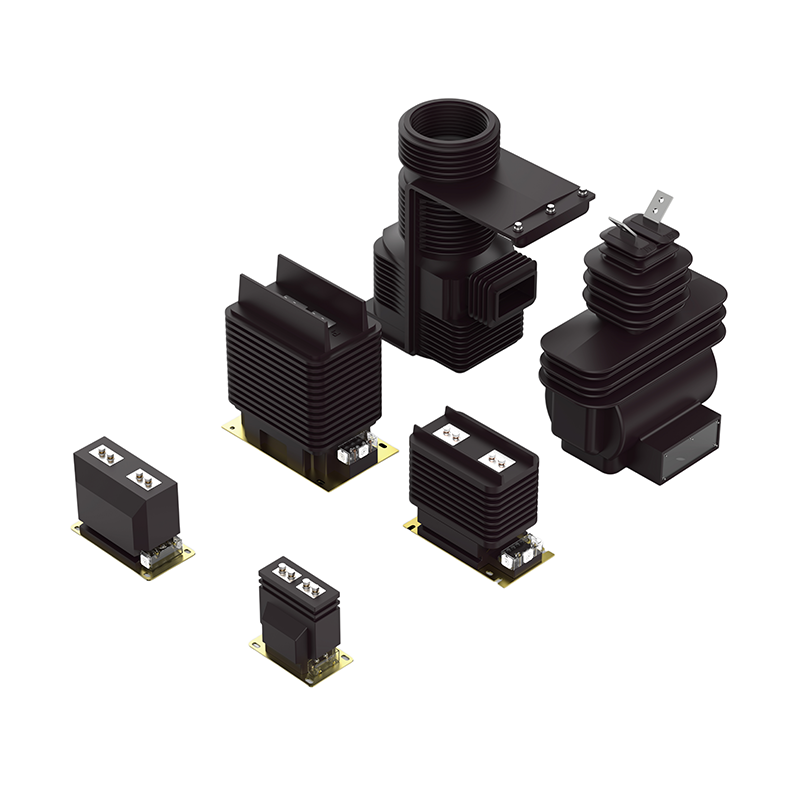
LZZBJ9-11 and LZZBJ9-33 are indoor support-type current transformers with vacuum-cast epoxy resin insulation, for 11kV and 33kV medium-voltage power systems at 50Hz or 60Hz. Built to IEC 61869-2 and GB/T 20840.2, they are the standard metering and protection CTs installed in KYN28-12 switchgear, compact secondary substations and ring main units across the Middle East, Africa, South Asia and Southeast Asia.
WHAT A CURRENT TRANSFORMER DOES AND WHY THE SPECIFICATION MATTERS
A current transformer scales high primary current down to a standard 5A secondary output that metering instruments and protection relays can use. The accuracy class is not a technical formality - it is a commercial decision. A class 0.2S CT on a revenue meter stays accurate from 1% to 120% of rated primary current, which matters on feeders that spend most of their time lightly loaded. A class 0.5 CT is accurate only from 5% upward. On a feeder that idles at partial load for most of the day, the difference between 0.2S and 0.5 class is unbilled energy, month after month.
The S classes were created for exactly this application. Specify 0.2S for revenue metering and tenant sub-billing wherever the load profile is variable. Specify 0.5 for panel indication and non-billing measurement. Specify a protection class - 10P10 or 10P20 - for relay circuits. Do not use a metering core for protection: a metering core saturates above a few times rated current to protect the meter, which is precisely the wrong behaviour when a relay needs to see fault current.
SEALED EPOXY CONSTRUCTION
The entire body is vacuum-cast in flame-retardant epoxy resin, forming a hermetically sealed structure with no internal air gaps. Dust, humidity, salt fog and condensation cannot degrade the insulation. This is what allows the same CT to serve a Gulf coastal substation, a desert-sited solar PV panel and a sub-Saharan industrial plant without any change to the product.
VOLTAGE CLASS SELECTION
LZZBJ9-11 is designed for 11kV networks - the standard distribution voltage across the Middle East, Africa and Southeast Asia. LZZBJ9-33 is designed for 33kV networks common in Sub-Saharan Africa, South Asia and parts of Southeast Asia. The two voltage classes are not interchangeable: the 33kV type has a physically taller insulating body and higher dielectric clearances to meet the elevated insulation requirement. Specify by the nominal network voltage, not by the switchgear compartment size.
THE OPEN-CIRCUIT RULE
Never open-circuit the secondary of an energised current transformer. The secondary voltage rises to a dangerous level, the core saturates, and the CT can be destroyed and the person working on it injured. Every secondary circuit must include shorting terminals and every commissioning and maintenance procedure must use them.
PRIMARY APPLICATIONS
- Revenue and sub-billing energy metering in utility and industrial substations - specify class 0.2S, which meets the accuracy requirement from 1% of rated primary current regardless of feeder loading profile.
- Current indication and monitoring in MV incomer and feeder panels - class 0.5 is the standard for panel ammeters and SCADA current inputs.
- Overcurrent, earth-fault and restricted earth-fault protection for feeders, transformers and large MV motors - specify class 10P10 or 10P20 to provide the relay with an accurate and unsaturated signal under fault conditions.
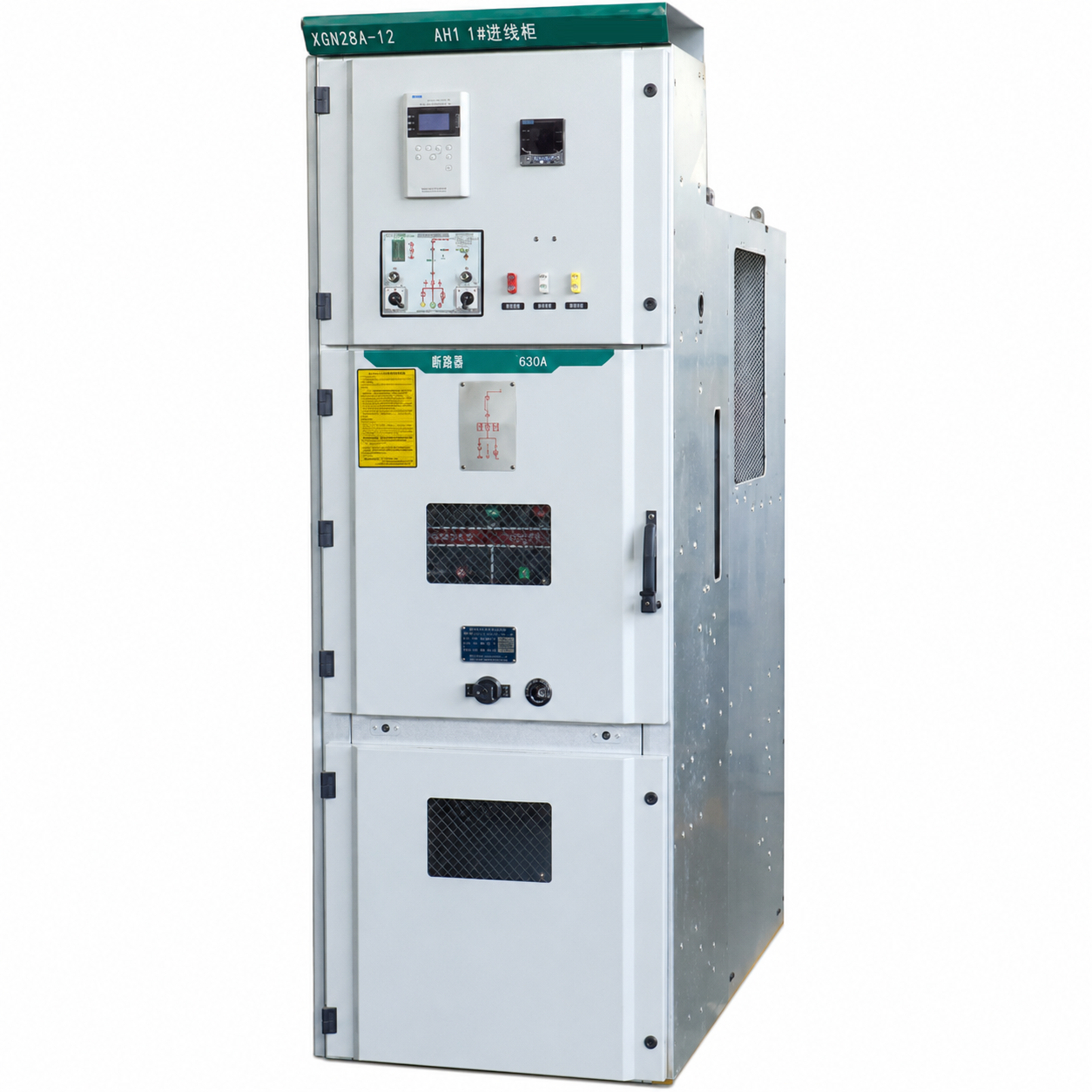
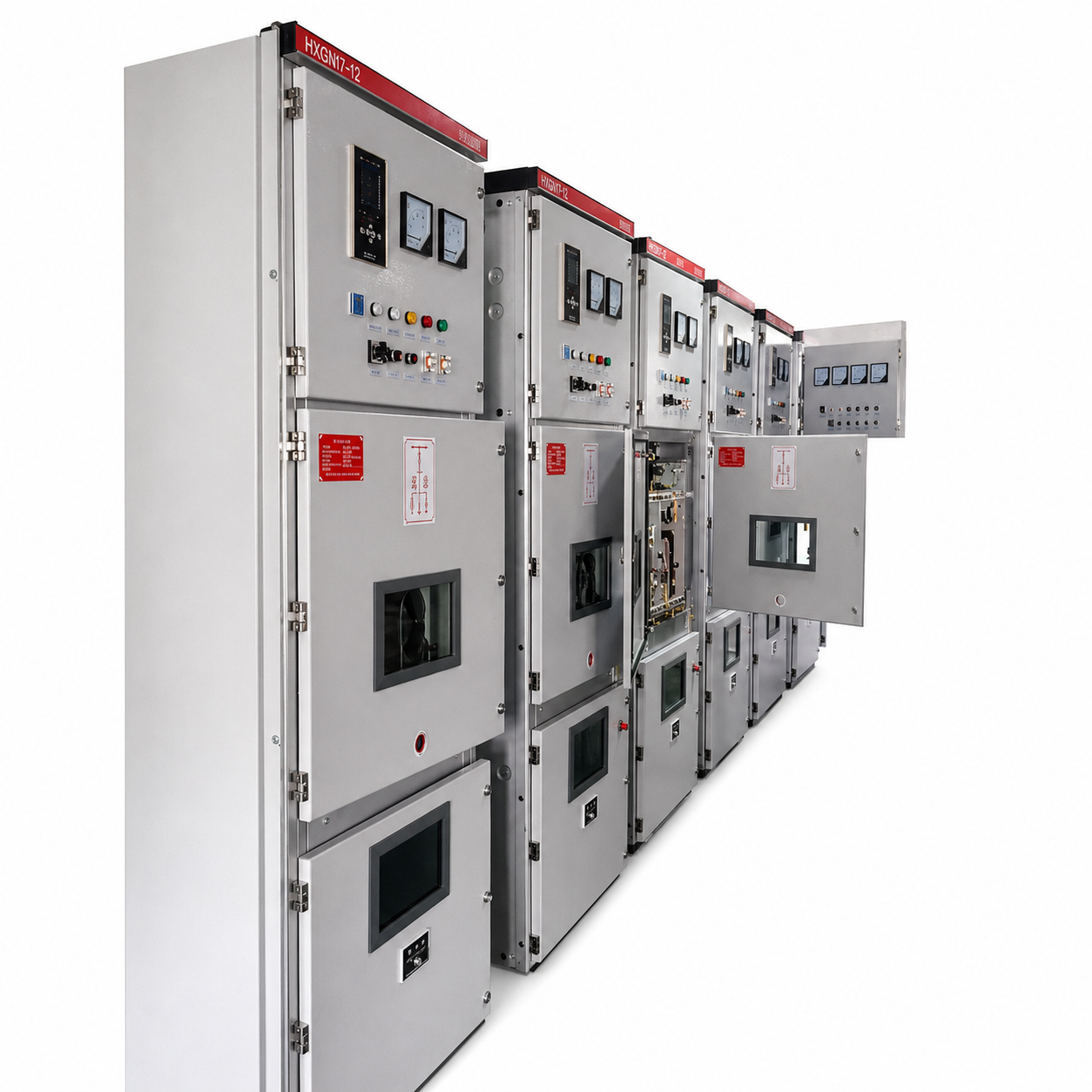
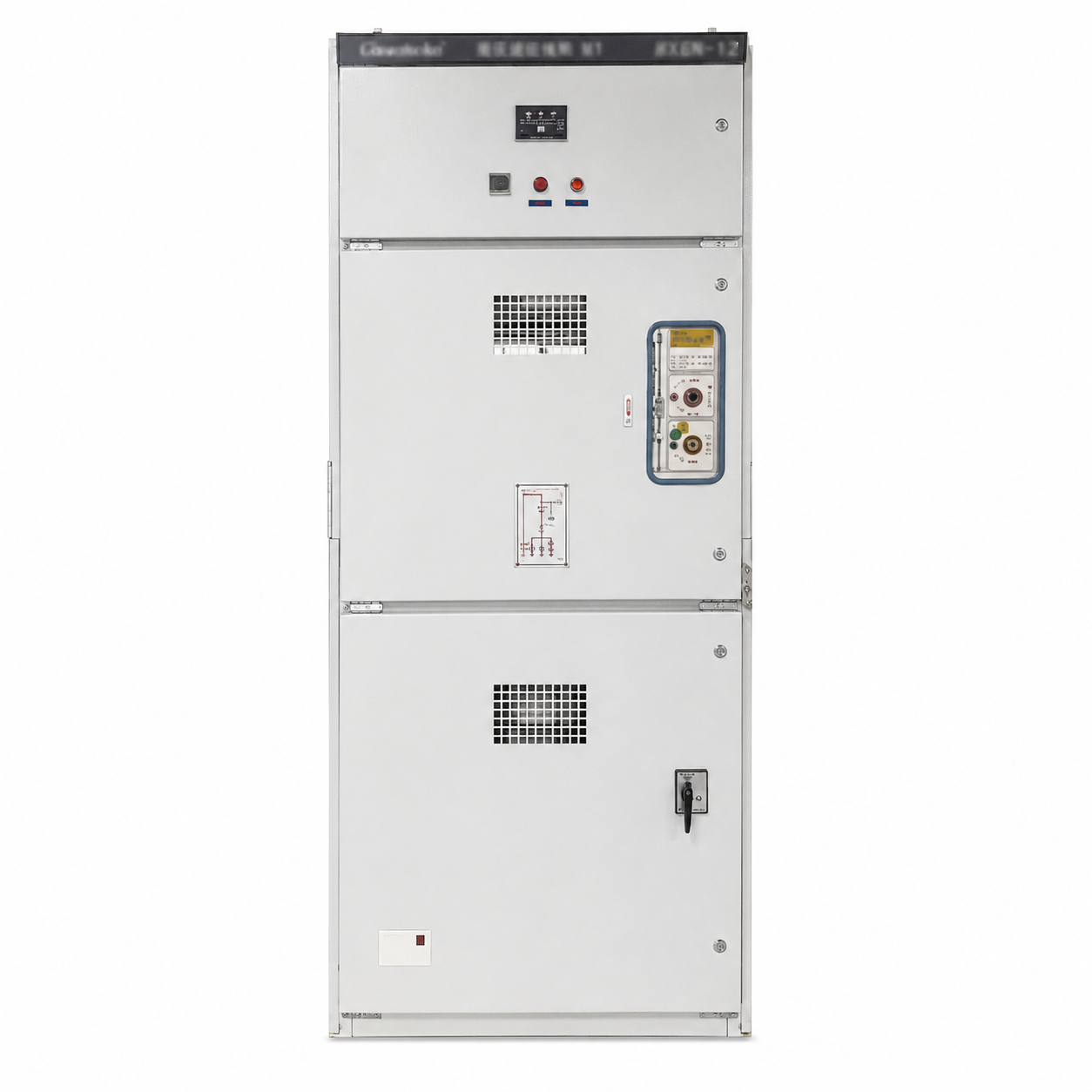
- KYN28-12 metal-clad switchgear incomer, bus-section and feeder panels - the primary installation environment for LZZBJ9-11.
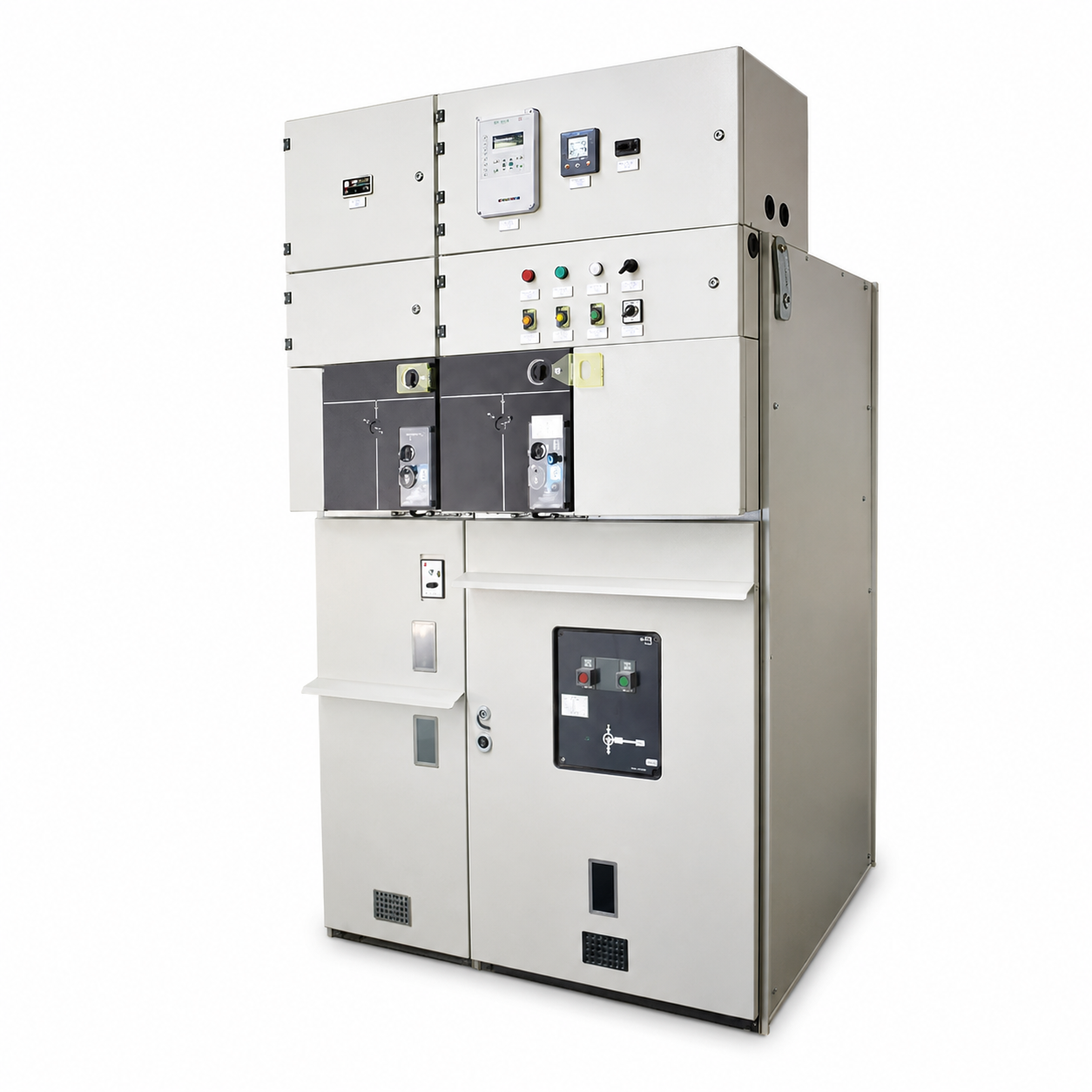
- 33kV switchgear panels and compact secondary substations feeding 33/11kV and 33/0.4kV step-down transformers - the primary installation environment for LZZBJ9-33.
- Solar PV and wind farm step-up substation metering and protection panels, where sealed epoxy construction is unaffected by desert dust or coastal humidity.
- Industrial plant MV distribution in high-pollution environments: cement, steel, mining, chemical and petrochemical facilities where conventional CT insulation degrades.
- Utility grid upgrade and retrofit projects across the Middle East, Africa and South Asia, replacing aged CTs in existing switchgear without modifying the panel.
- Motor feeder protection in 11kV and 33kV motor control applications, where the protection CT must remain accurate up to the short-circuit level.
VOLTAGE CLASS AND REGIONAL FIT
- LZZBJ9-11: 11kV networks across Saudi Arabia, UAE, Qatar, Oman, Kuwait, Iraq, Nigeria, Kenya, Ghana, Tanzania, South Africa, India and Southeast Asia. Saudi projects verified at 60Hz.
- LZZBJ9-33: 33kV networks across Sub-Saharan Africa (Nigeria, Kenya, South Africa, Ghana, Tanzania), South Asia (India, Pakistan, Bangladesh, Sri Lanka) and parts of Southeast Asia. Available at 50Hz and 60Hz.
NOT SUITABLE FOR
Outdoor pole-mounted installation without a protective enclosure. Protection duty using a metering-class core - a metering CT saturates above a few multiples of rated current, which removes the fault-current signal from the relay at exactly the moment it is needed.
TECHNICAL DATA - LZZBJ9-11 / LZZBJ9-33
Compliance: IEC 61869-2, GB/T 20840.2
| Item | LZZBJ9-11 | LZZBJ9-33 |
| Rated voltage | 11 kV | 33 kV |
| Rated frequency | 50 Hz / 60 Hz | 50 Hz / 60 Hz |
| Rated primary current | 50 / 75 / 100 / 150 / 200 / 300 / 400 / 500 / 600 A | 50 / 75 / 100 / 150 / 200 / 300 / 400 / 500 / 600 / 800 / 1000 / 1200 A |
| Rated secondary output | 5 A (1 A on request) | 5 A (1 A on request) |
| Rated burden (VA) | 10 VA / 10/15 VA | 15/20 VA / 15/15/20 VA |
| Accuracy class combinations | 0.2S, 0.5, 0.2S/10P10, 0.5S/10P10 | 0.2S/10P10, 0.5/10P10, 0.2S/0.5/10P10 |
| Rated short-time thermal current (1 s) | 5 kA - 60 kA (rms), matched to primary ratio | 5 kA - 80 kA (rms), matched to primary ratio |
| Rated dynamic stability current | 12.5 kA - 150 kA (peak), matched to primary ratio | 12.5 kA - 200 kA (peak), matched to primary ratio |
| Core configuration | single-core or dual-core | single-core, dual-core or triple-core |
| Insulation | vacuum-cast flame-retardant epoxy resin, fully enclosed | vacuum-cast flame-retardant epoxy resin, fully enclosed |
| Mounting | indoor, vertical support post | indoor, vertical support post |
| Ambient temperature | -5 ℃ to +40 ℃ | -5 ℃ to +40 ℃ |
| Relative humidity | daily average not exceeding 95%, non-condensing | daily average not exceeding 95%, non-condensing |
PRE-SALES SELECTION
- Accuracy class review against the metering and protection schedule: 0.2S for revenue billing from low-load conditions, 0.5 for indication, 10P10 or 10P20 for relay circuits. Dual-core configurations combining a metering core and a protection core on the same CT are standard for feeder panels.
- Burden calculation. A CT delivers its rated accuracy only within its rated VA. Long secondary cable runs, multiple instruments in series and undersized cable all consume VA. Provide the instrument schedule and cable run lengths and we will calculate the required burden rating - this is a standard check that prevents a metering system from being out of class from day one.
- Ratio selection against primary feeder current. Over-sized ratios result in the CT running at a small fraction of its rated primary current, which moves the operating point into the non-guaranteed accuracy band. Specify the ratio closest to the expected maximum demand, not the installed fuse rating.
- Non-standard primary ratios, triple-core configurations, special terminal arrangements and high-altitude versions available on request. State the panel model, available mounting height and secondary circuit details when enquiring.
MARKET ACCESS AND DOCUMENTATION
- Type-test reports to IEC 61869-2 / GB/T 20840.2 issued with the shipment.
- Third-party certification (KEMA, ASTA, CESI, TUV) available where tender documents require witnessed evidence.
- Certification support for SASO SABER, SONCAP, KEBS PVoC, ICIGI and GOST R submissions where required for the destination market.
TESTING AND DELIVERY
- 100% routine testing before dispatch per IEC 61869-2: ratio and polarity verification, insulation resistance, power-frequency withstand, burden and accuracy class confirmation across the full current range.
- Accuracy verified at 1%, 5%, 20%, 100% and 120% of rated current for all 0.2S class units.
- Individual routine test certificate supplied per serial number.
- Export packing with desiccant and moisture barrier for seaborne shipment.
- Documentation: routine test report, type-test certificate, dimensional drawing, wiring schematic, spare parts list.
AFTER-SALES
- Installation and commissioning guidance, including secondary circuit shorting procedure and polarity verification.
- Replacement units confirmed against original mounting dimensions before dispatch - standard retrofit into existing switchgear without panel modification.
- Technical response within 24 hours.
- Warranty: 18 months from delivery or 12 months from commissioning, whichever expires first.
TYPE TESTING
- Type tested to IEC 61869-2 / GB/T 20840.2: ratio accuracy across the full current range, insulation withstand (power-frequency and lightning impulse), temperature rise, short-time and dynamic thermal current withstand, and mechanical endurance.
- Third-party type-test reports from KEMA, ASTA, CESI or TUV available where tender documents require witnessed evidence rather than a manufacturer's own record.
INCOMING MATERIAL CONTROL
- Epoxy resin and hardener accepted against batch certificate of conformity; material qualification controls the dielectric properties of the finished insulation.
- Magnetic cores verified for material grade and cross-section against design specification; core grade determines the accuracy class behaviour and the protection core saturation characteristic.
- Secondary winding wire diameter and insulation grade verified per batch.
- Nameplate engraving verified for ratio, accuracy class, burden and thermal current rating before assembly.
IN-PROCESS INSPECTION
- Vacuum casting process monitored and recorded: pot temperature, vacuum level and cure cycle. Voids in the epoxy body are the primary insulation failure mode and vacuum casting is the control measure.
- Dimensional check after moulding: insulating body height, terminal position and mounting interface verified against drawing before winding installation.
- Turns count verified against design for each winding and core combination.
- Partial discharge test on epoxy body before final assembly: partial discharge above threshold indicates a void and the part is rejected.
ROUTINE TESTING - 100%, NO SAMPLING
- Ratio and polarity verification at rated burden: every unit confirmed at primary test current before dispatch.
- Accuracy class confirmation at 1%, 5%, 20%, 100% and 120% of rated primary current for 0.2S class units; at 5%, 20%, 100% and 120% for 0.5 class units.
- Power-frequency withstand voltage on primary winding to earth and across terminals.
- Insulation resistance measurement on all windings.
- Composite error verification for protection class cores.
- Serialised routine test report issued with every unit.
TRACEABILITY AND SYSTEM
- ISO 9001 quality management system.
- Serial number traceability to epoxy batch, core material batch and winding production record.
- Permanent nameplate with ratio, accuracy class, burden, thermal current rating, serial number and manufacturing date.
- Test records retained for the warranty period and available on request.