Main Electrical Switchgear Solutions | IEC 61439-Compliant

All Categories
Customer Perspectives on Main Electrical Switchgear Solutions

Customer Perspectives on Main Electrical Switchgear Solutions

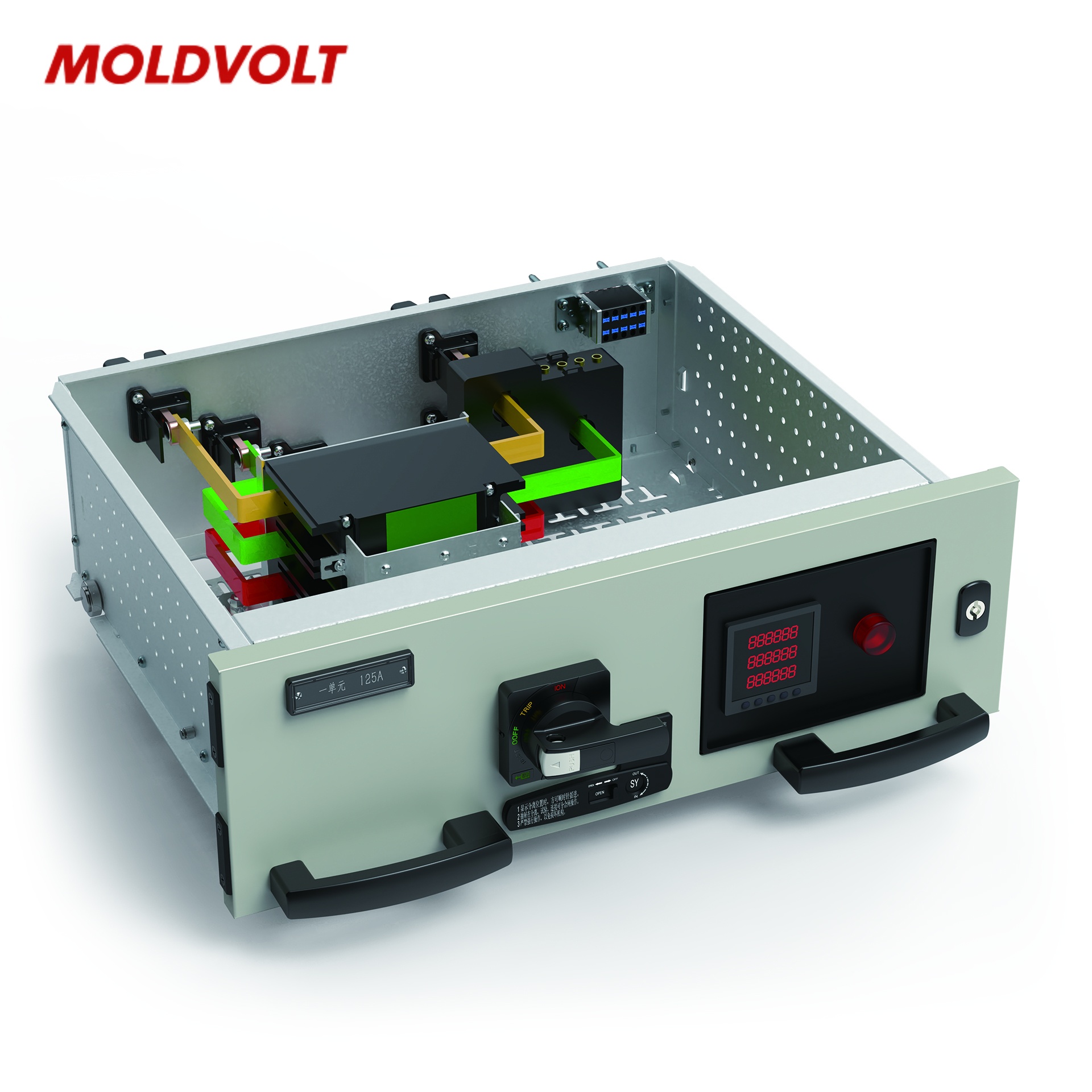
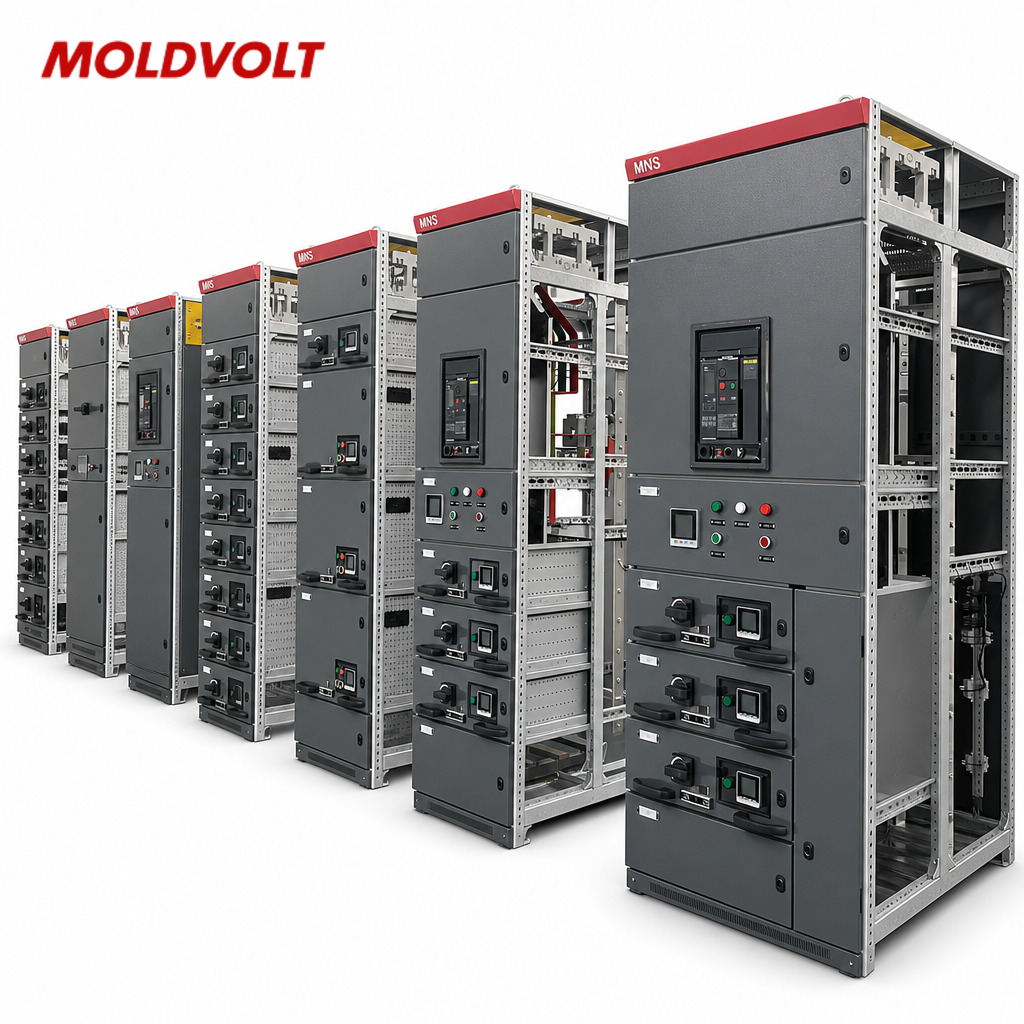
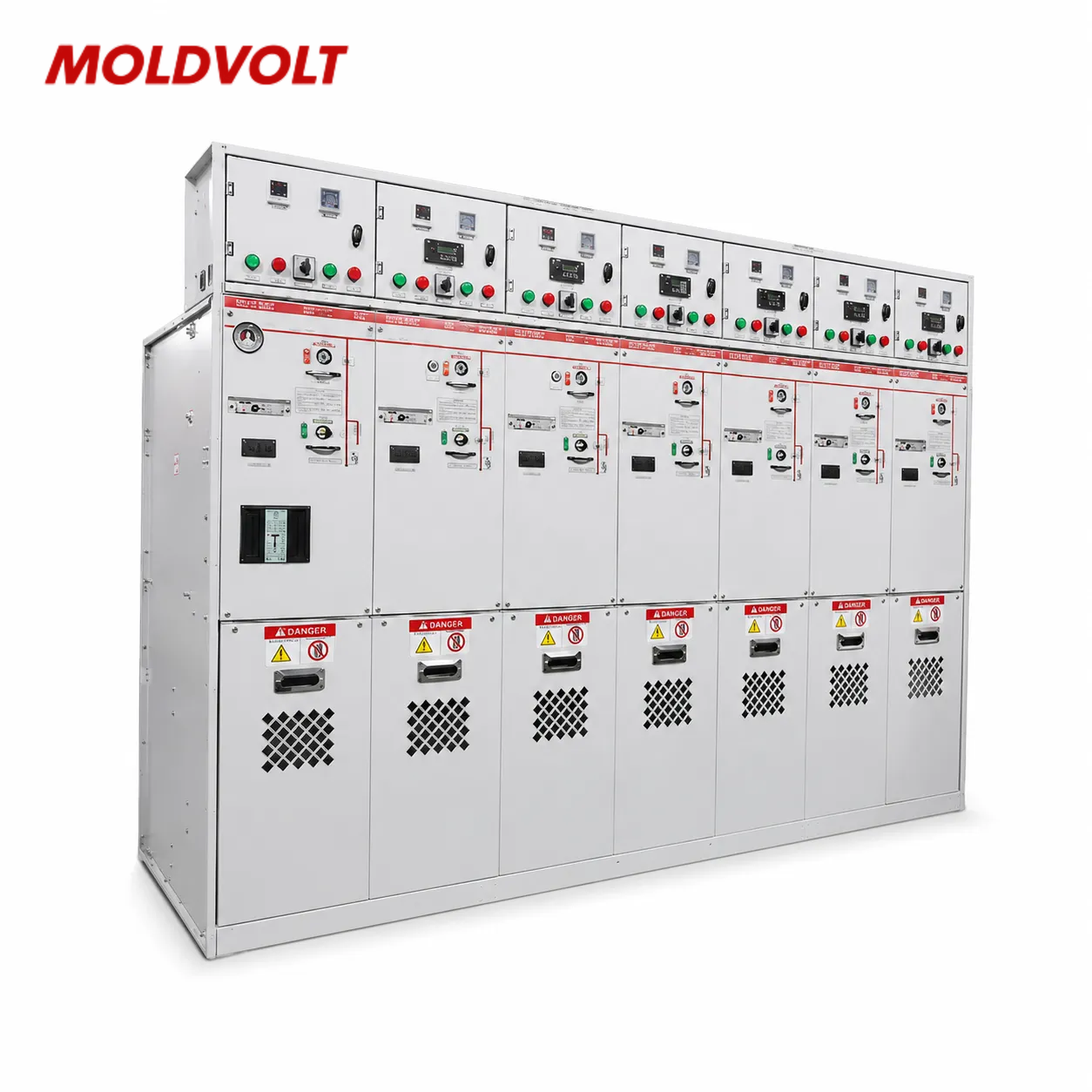
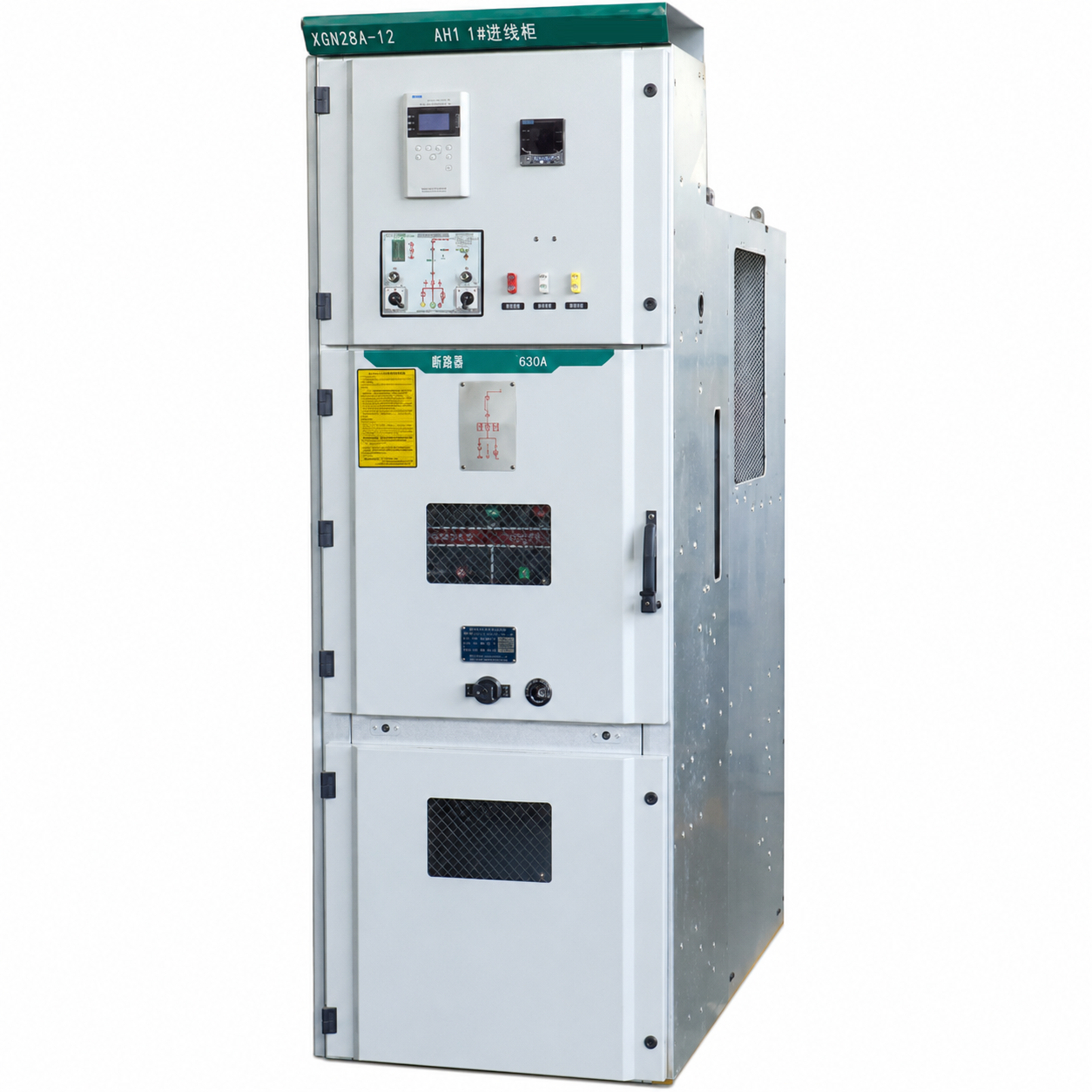
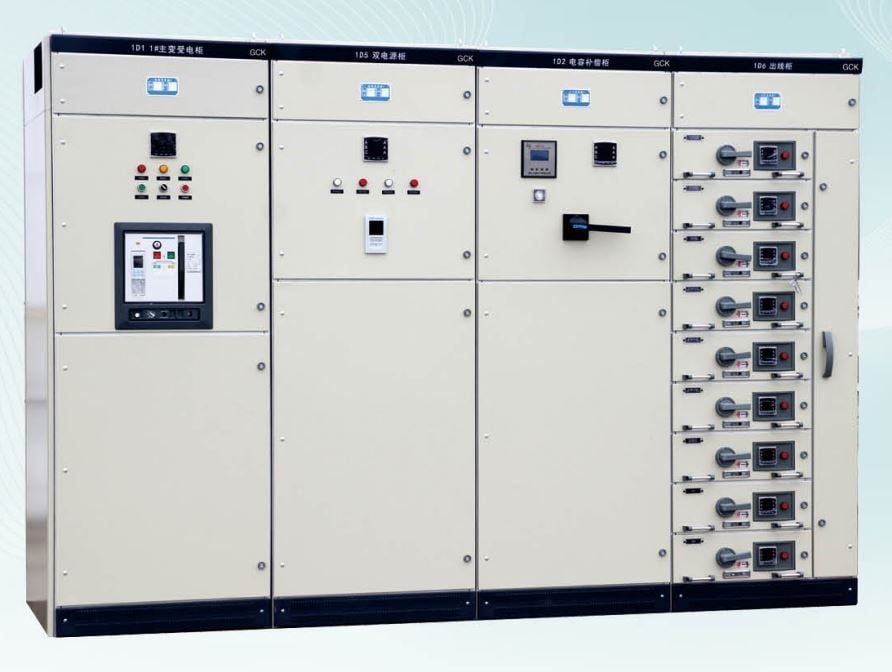
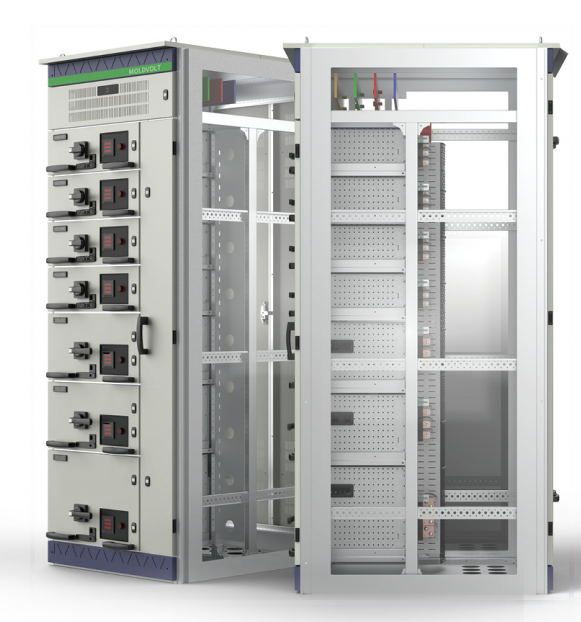
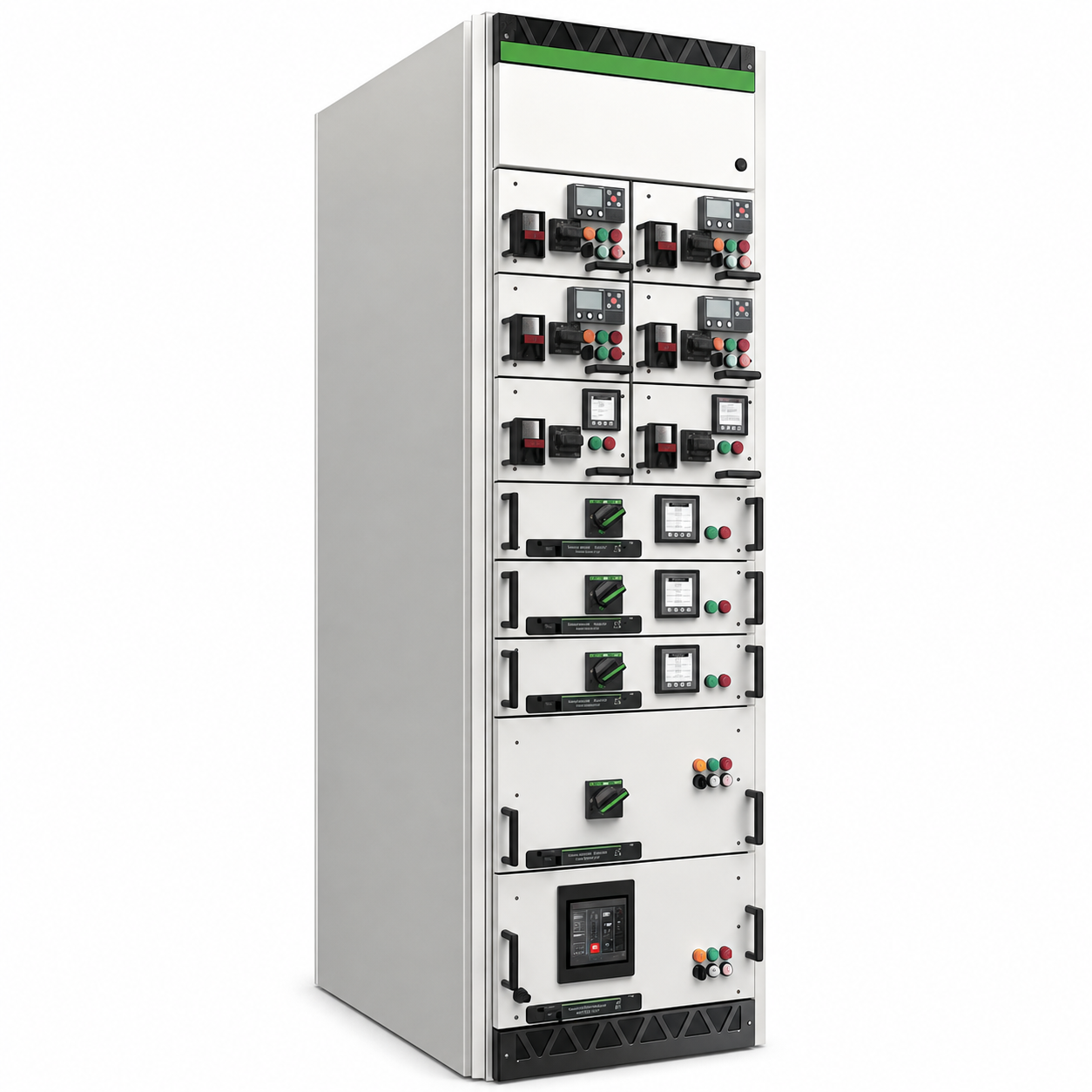
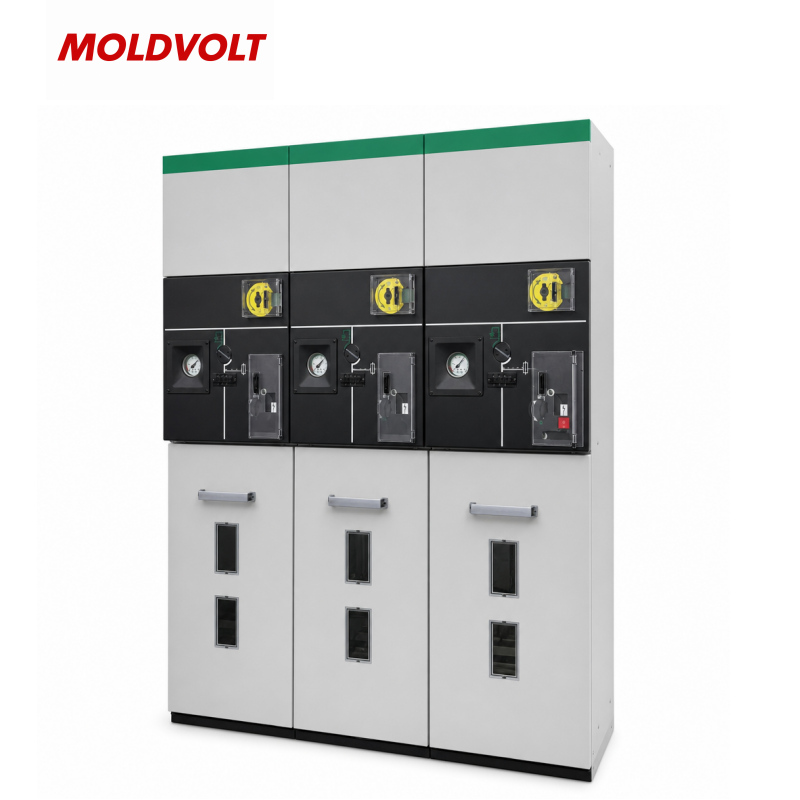
Main electrical switchgear serves as a central point for receiving, controlling, protecting, and distributing power throughout industrial facilities, commercial buildings, and infrastructure projects. Depending on system requirements, assemblies may include circuit breakers, busbar systems, metering instruments, and protective relays. Rated voltage, continuous current, and short-circuit withstand capability should match the electrical design and anticipated loads. For example, a manufacturing plant may use its main switchgear to distribute incoming utility power to production lines, lighting, HVAC systems, and auxiliary equipment. Clearly arranged feeders and accessible components can simplify maintenance planning. Appropriate protection coordination and compliance with applicable standards help support safe operation and dependable integration with downstream distribution equipment.
Get A Quote

Case Study

Main Electrical Switchgear for Manufacturing Plants

Manufacturing plants depend on main electrical switchgear to distribute incoming power to machinery, production lines, motors, and auxiliary systems. Equipment selection should reflect the facility's load schedule, rated voltage, prospective short-circuit current, and expected expansion. Circuit breakers and coordinated protective devices help manage electrical faults within their specified capabilities. Separate outgoing feeders can organize power distribution across production areas, supporting circuit identification and maintenance planning. Optional metering can provide information about electricity consumption and load demand. Before installation, engineers should confirm cable arrangements, enclosure requirements, protection settings, and applicable standards. These considerations help align the main switchgear with the plant's electrical infrastructure.

Main Electrical Switchgear for Commercial Buildings

Commercial buildings require organized power distribution for lighting, HVAC systems, elevators, office equipment, and essential services. Main electrical switchgear receives power from the utility supply or another source and distributes it through appropriately rated outgoing circuits. Depending on the project, the assembly may include metering, surge protection, and provisions for standby power integration. Designers should evaluate demand calculations, short-circuit ratings, installation space, and local electrical codes. For a multistory office building, clearly identified feeders can simplify coordination between electrical contractors and maintenance teams. Careful planning supports integration with downstream panels and helps accommodate future changes in building electrical demand.

Main Electrical Switchgear for Infrastructure Projects

Infrastructure installations, including water treatment plants, transport facilities, and utility support buildings, require dependable electrical distribution for essential equipment. Main electrical switchgear can be configured around the incoming supply, connected loads, operating environment, and required protection functions. Pump motors, ventilation equipment, and control systems may have different starting and operating characteristics that influence equipment selection. Engineers should assess fault levels, enclosure protection, cable entry, and maintenance access before approving the design. Metering options can help operators review electrical consumption and demand patterns. A complete technical specification helps ensure the switchgear integrates with the site's distribution network and meets relevant safety requirements.

Related products

Main electrical switchgear is a central assembly used to receive and distribute electrical power while providing switching, isolation, and circuit protection. It commonly serves manufacturing facilities, commercial buildings, infrastructure projects, and utility installations. Depending on the electrical design, the assembly may incorporate circuit breakers, busbars, metering devices, protective relays, and control components. Selecting the appropriate system requires evaluating rated voltage, continuous current, prospective short-circuit current, incoming supply characteristics, and connected load demand. Low-voltage installations commonly operate at up to 1,000 V AC, although the required rating depends on the specific application and applicable standards. Busbar configuration, enclosure dimensions, cable entry, and maintenance clearances also influence equipment selection. For example, a production plant may need dedicated outgoing feeders for machinery, lighting, and auxiliary services, while a commercial complex may require coordinated distribution across several building areas. Appropriate protection coordination helps ensure compatibility between the main switchgear and downstream distribution equipment. Before requesting a quotation, buyers should prepare a single-line diagram, load schedule, fault-level information, installation conditions, and applicable standards. Reviewing these details supports accurate engineering, appropriate equipment selection, and effective integration into the overall electrical system.
Frequently Asked Questions

What is main electrical switchgear used for?

Main electrical switchgear receives power from an incoming source and distributes it to downstream circuits. It commonly incorporates circuit breakers, busbars, and protective devices to support switching and electrical fault management. Applications include manufacturing facilities, commercial buildings, infrastructure installations, and other sites requiring centralized power distribution.
Typical components include incoming circuit breakers, busbars, outgoing feeder breakers, metering instruments, and protective relays. The exact configuration depends on the system voltage, load requirements, protection strategy, and project specifications. Additional monitoring or control functions may be included where required by the electrical design.
Determine the system voltage, maximum expected load current, prospective short-circuit current, incoming supply arrangement, and number of outgoing feeders. Consider environmental conditions, enclosure protection, future expansion, and applicable standards. An electrical engineer should verify the ratings and protection coordination before equipment selection and installation.
Yes. Depending on the manufacturer's capabilities, main electrical switchgear can be configured with different busbar arrangements, circuit breakers, metering devices, enclosure dimensions, and cable entry options. Providing a single-line diagram, load schedule, and installation details helps the manufacturer develop a configuration that meets the project's electrical and spatial requirements.
Applicable standards depend on the switchgear type, voltage level, destination market, and installation requirements. IEC 61439 covers relevant low-voltage switchgear and controlgear assemblies. Buyers should confirm the required standard, design verification, routine testing, and local electrical code requirements with the manufacturer before approving the final specification.

Related article

From High-Voltage Insulators to Low-Voltage Switchgear: A Vietnamese Manufacturer’s Transformation, Together with Us‌

08

Sep

From High-Voltage Insulators to Low-Voltage Switchgear: A Vietnamese Manufacturer’s Transformation, Together with Us‌

View More
How to customize cabinet dimensions to fit existing switchgear layouts?

26

Sep

How to customize cabinet dimensions to fit existing switchgear layouts?

Step 1: Accurate Site Assessment and Dimensional BenchmarkingMeasuring mechanical layout, clearances, and structural constraints in legacy electrical roomsA successful retrofit begins with a meticulous site survey. Older electrical rooms rarely match...
View More
What electrical switchgear testing items are required before site commissioning?

21

Oct

What electrical switchgear testing items are required before site commissioning?

Insulation Integrity and Dielectric Strength Verification Megger testing of busbars, cables, and instrument transformer circuits Megger testing is a foundational pre-commissioning check for electrical switchgear, measuring insulation resistance (IR...
View More
Cable clamp vs cable tie: which one delivers long term stability in panels?

27

Oct

Cable clamp vs cable tie: which one delivers long term stability in panels?

Mechanical Performance Under Thermal Stress Polymer creep and thermal expansion mismatch in nylon cable ties at 60–85°C Nylon 6/6 cable ties undergo measurable mechanical degradation when exposed continuously to 60–85 °C. At the...
View More

Customer Testimonials

Michael Turner

Main electrical switchgear helps coordinate incoming power, circuit protection, and outgoing feeders. Matching equipment ratings to facility loads supports organized distribution and maintenance planning across manufacturing plants and commercial installations.

David Wilson

A properly specified main switchgear assembly helps contractors coordinate supply connections, protective devices, and metering. Clear circuit identification supports installation planning and routine maintenance in large commercial buildings.

Get a Free Quote

Our representative will contact you soon.
Email
Mobile/WhatsApp
Name
Company Name
Message
0/1000
Centralized Power Distribution and Protection

Centralized Power Distribution and Protection

Main electrical switchgear consolidates incoming power connections, busbar distribution, protective devices, and outgoing feeders within a coordinated assembly. Its configuration should reflect the electrical system's rated voltage, continuous current, and prospective short-circuit levels. For example, a manufacturing facility may use dedicated feeders to supply production machinery, lighting, and auxiliary services from a central distribution point. Properly selected circuit breakers and protection settings help coordinate the main assembly with downstream equipment. Designers should also consider cable entry, working clearances, and future load growth. A clearly defined technical specification supports equipment selection and integration with the facility's wider electrical infrastructure.
Flexible Configuration for Different Facilities

Flexible Configuration for Different Facilities

Main electrical switchgear can be configured to suit industrial plants, commercial buildings, infrastructure facilities, and utility support applications. Options may include different busbar arrangements, circuit breaker types, metering functions, and enclosure dimensions. A commercial building may prioritize clearly separated feeders for HVAC, lighting, elevators, and essential services, while an industrial site may require distribution for motors and production equipment. Installation conditions, environmental exposure, maintenance access, and anticipated expansion should guide the final design. Reviewing these factors before manufacture helps align the assembly with project requirements. Appropriate engineering verification supports reliable integration into the intended power distribution system.

Get a Free Quote

Our representative will contact you soon.
Email
Mobile/WhatsApp
Name
Company Name
Message
0/1000