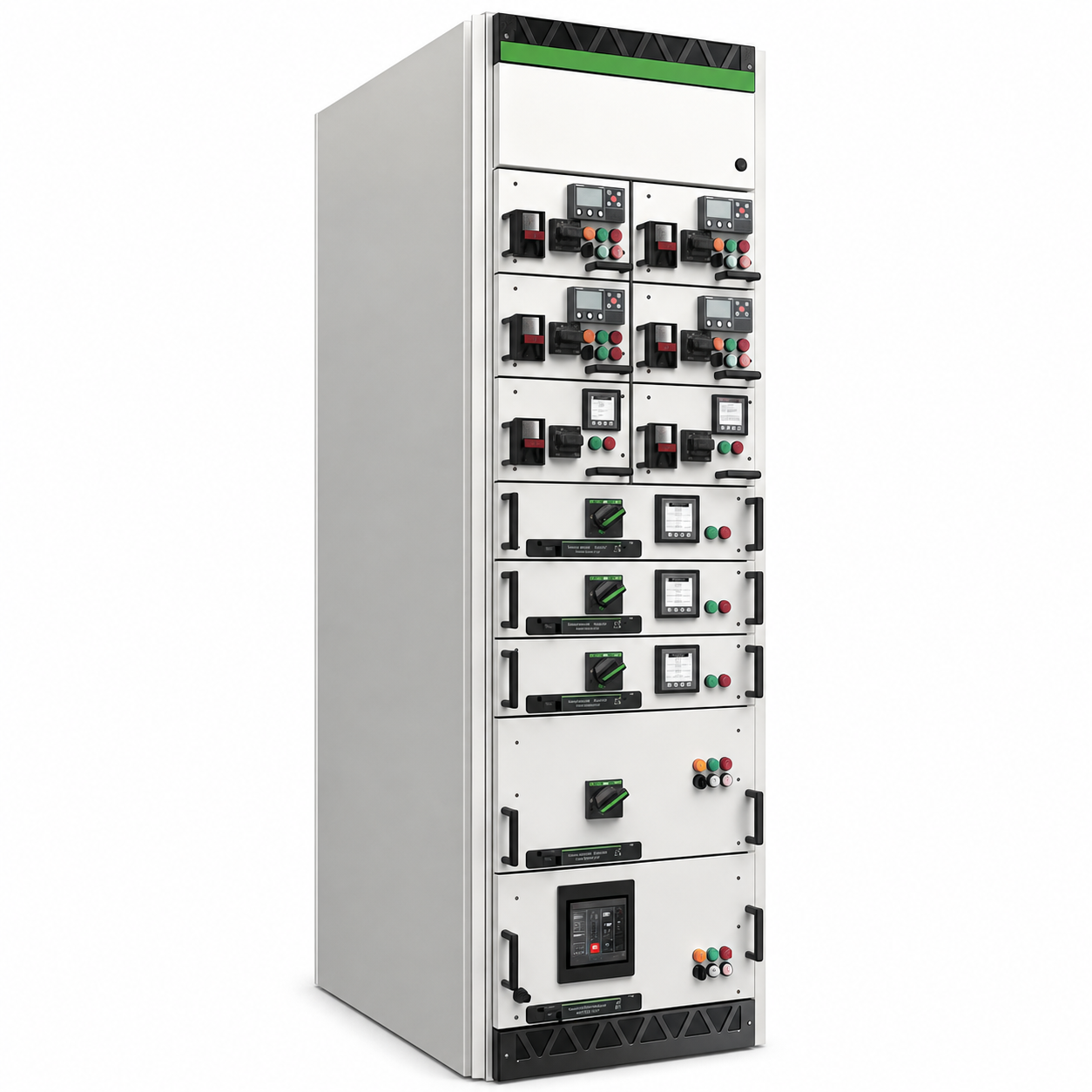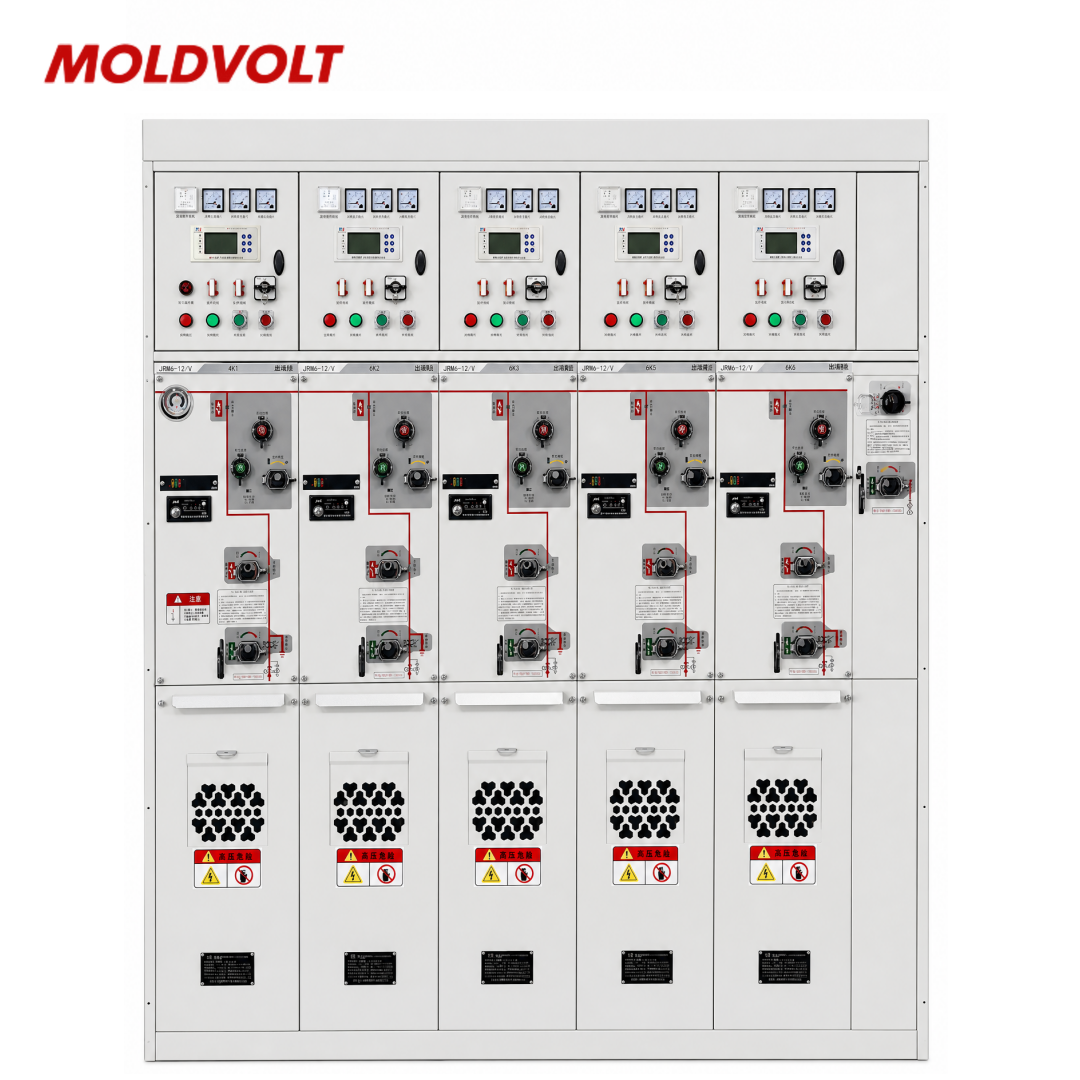
Switchgear Electrical Solutions: Reliable Power Distribution for Industry

All Categories
Customer Reviews for Switchgear Electrical Solutions

Customer Reviews for Switchgear Electrical Solutions

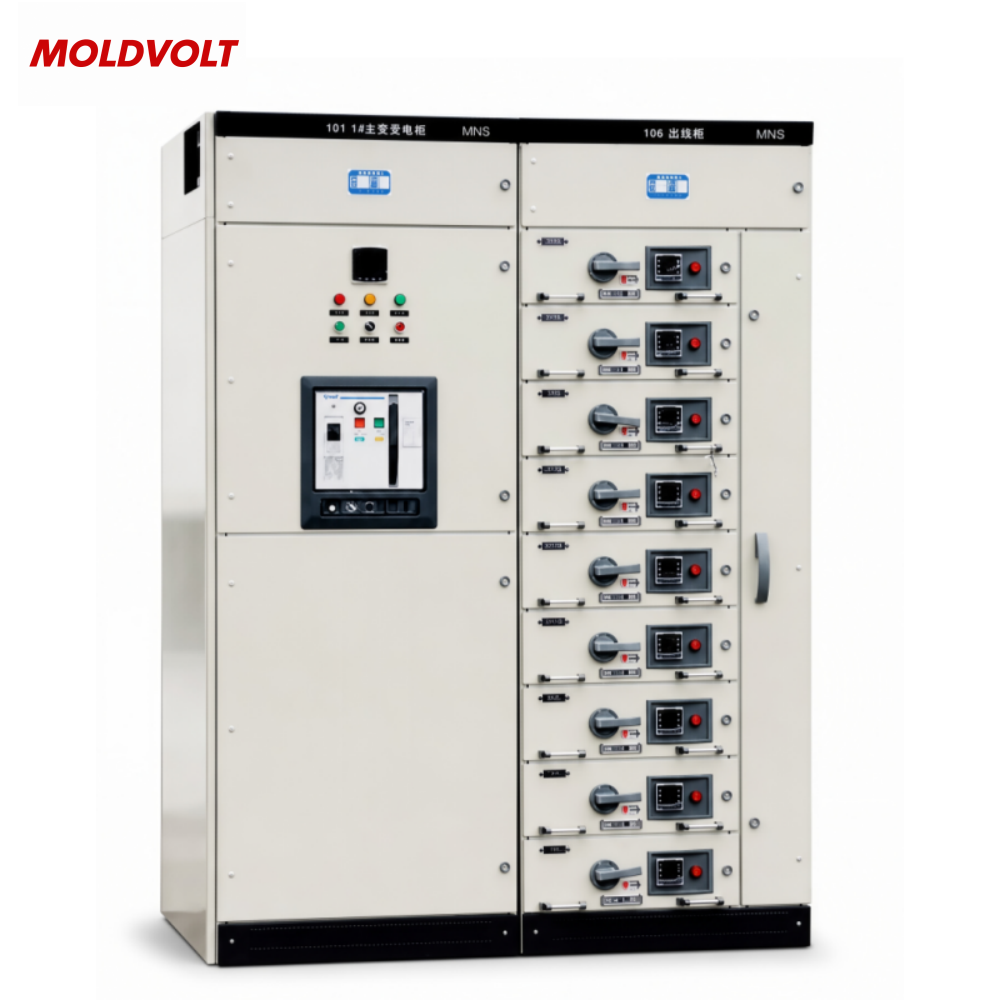
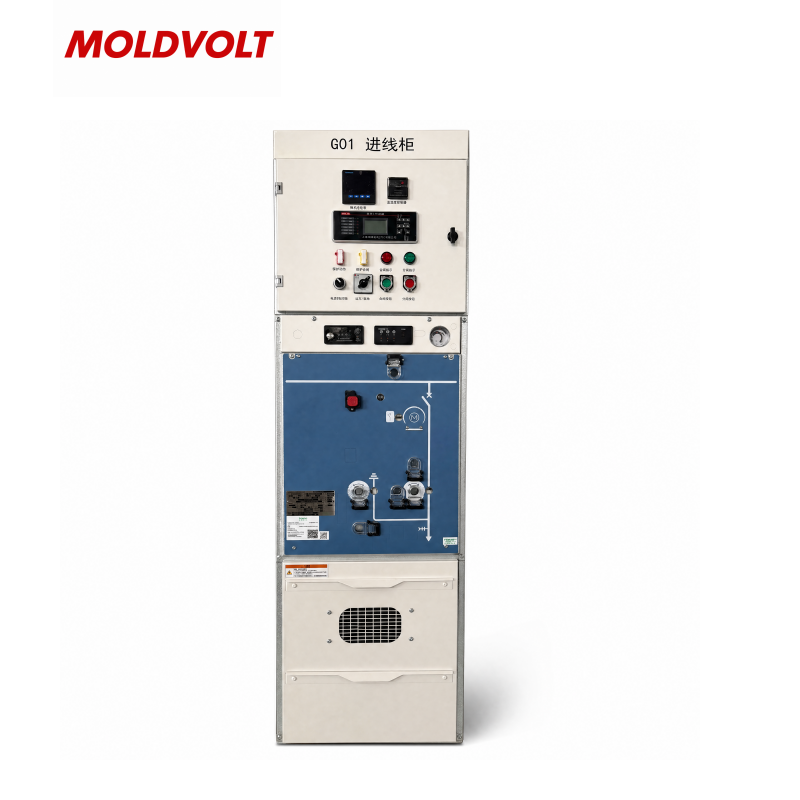
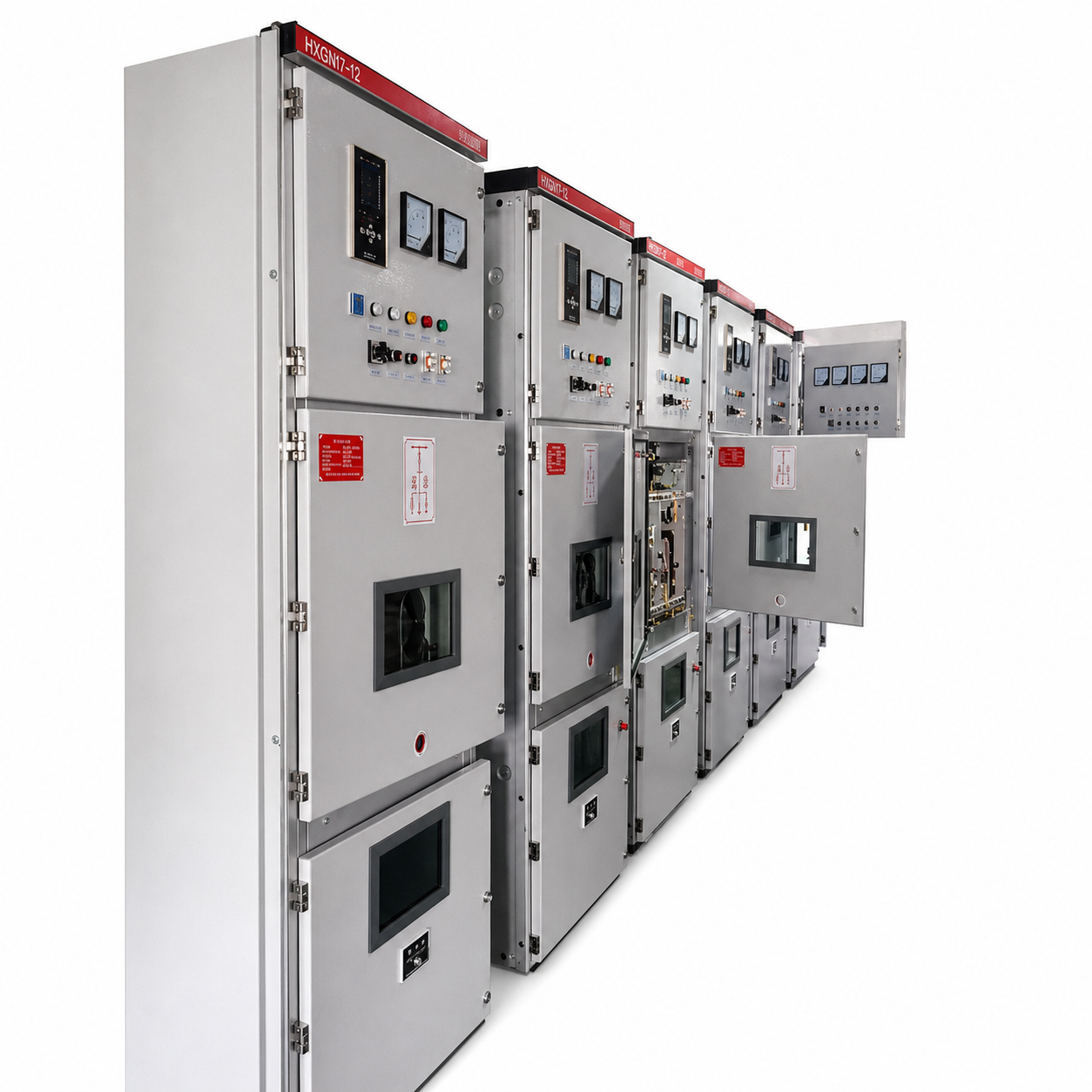
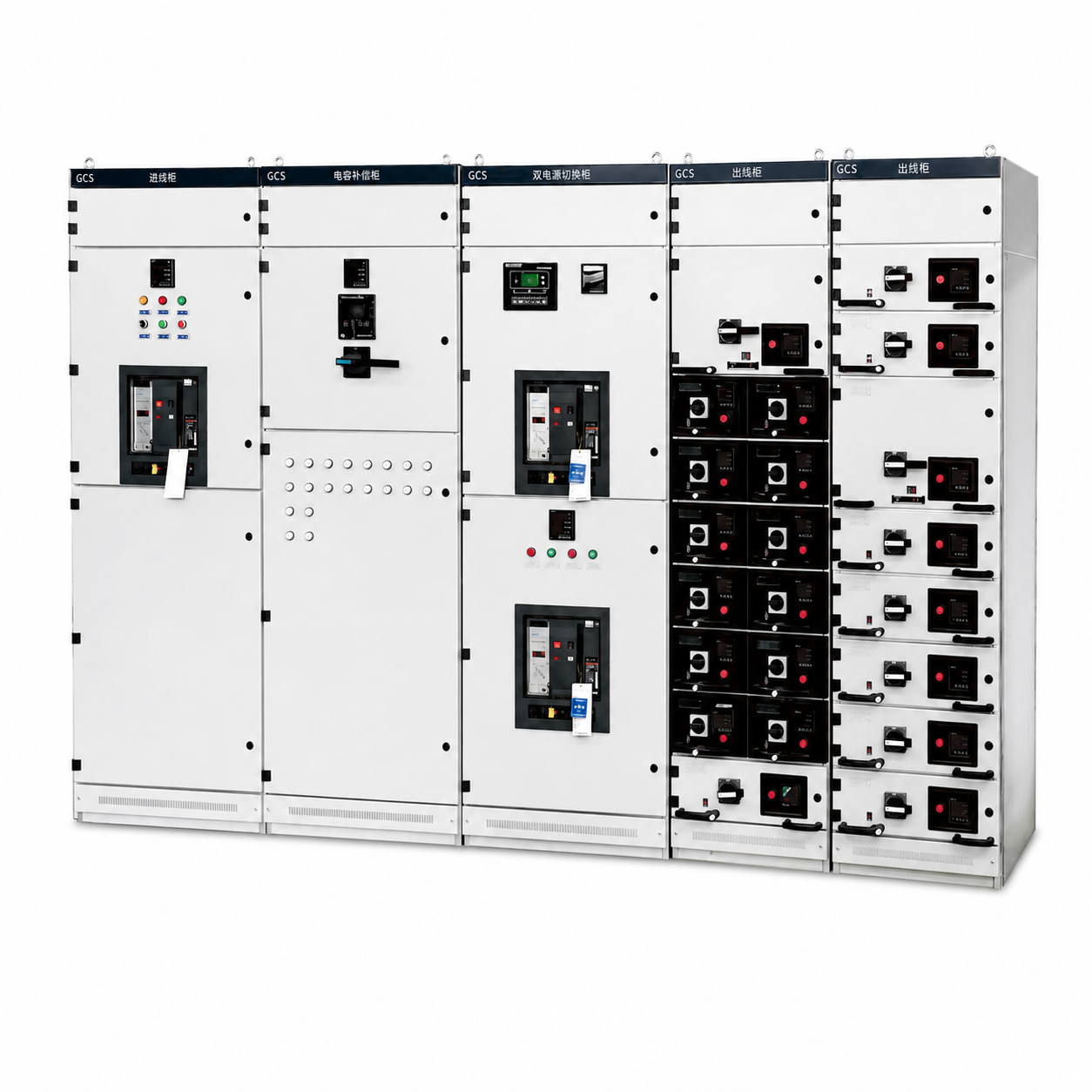
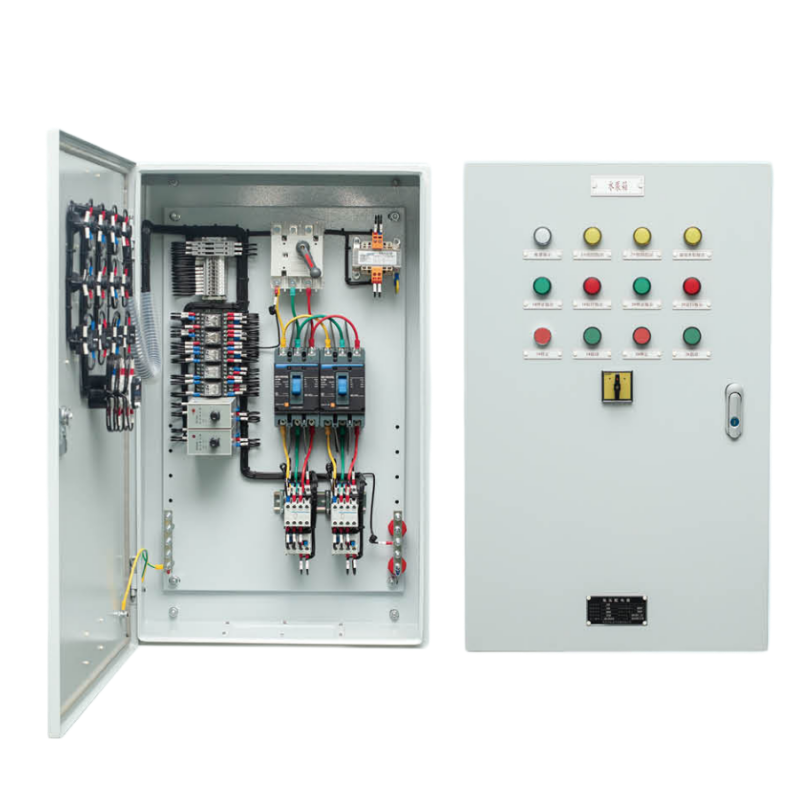
VoltCabinet provides switchgear electrical solutions designed to support dependable power distribution across manufacturing facilities, commercial buildings, infrastructure projects, and utility installations. Properly selected switchgear helps control electrical circuits, isolate faults, and protect connected equipment against abnormal operating conditions. Configurations can be tailored to rated voltage, current capacity, short-circuit requirements, and installation environments. For example, a factory operating several production lines can benefit from coordinated circuit protection that limits unnecessary interruptions when an individual circuit develops a fault. By combining application-specific engineering, suitable component selection, and practical maintenance considerations, VoltCabinet helps customers develop electrical distribution systems that support operational continuity, equipment protection, and long-term serviceability.
Get A Quote

Case Study

Industrial Manufacturing Electrical Distribution

Manufacturing plants depend on stable electrical distribution to operate motors, processing equipment, conveyors, and auxiliary systems. A suitable switchgear electrical configuration can integrate circuit breakers, busbars, protective relays, and isolation devices according to the facility's electrical design. Before selecting equipment, engineers evaluate operating voltage, expected load, prospective fault current, and protection coordination. For a factory with multiple production lines, selective protection can help isolate a faulty circuit while keeping unaffected equipment energized when system conditions permit. VoltCabinet can support project-specific equipment configurations based on technical specifications and installation requirements. Appropriate engineering studies and commissioning tests remain essential for safe, dependable operation.

Commercial Building Power Management

Commercial buildings require organized electrical distribution for lighting, elevators, ventilation, air conditioning, and other essential services. Switchgear electrical equipment provides the switching and isolation functions needed to manage circuits and respond to electrical faults. A carefully planned configuration considers peak demand, available installation space, cable routing, maintenance access, and future expansion. For a multi-floor office building, appropriately selected distribution equipment can simplify circuit management and support maintenance activities without unnecessary disruption to unaffected areas. VoltCabinet can help customers evaluate equipment requirements against project drawings and technical schedules, while qualified engineers verify protection settings, applicable standards, and installation safety before energization.

Infrastructure and Utility Electrical Systems

Infrastructure facilities and utility installations need electrical equipment matched to their operating conditions and fault levels. Switchgear electrical systems may serve substations, transportation facilities, industrial utility rooms, and distribution networks. Selection criteria include rated voltage, continuous current, insulation performance, short-circuit withstand capability, environmental conditions, and required switching functions. VoltCabinet can support project-based configurations that align equipment specifications with site layouts and operational requirements. Before commissioning, qualified personnel should verify grounding arrangements, interlocking functions, protection coordination, and relevant test documentation. This systematic process helps improve maintenance planning, support safe switching operations, and maintain dependable electrical distribution throughout the equipment's intended service life.

Related products

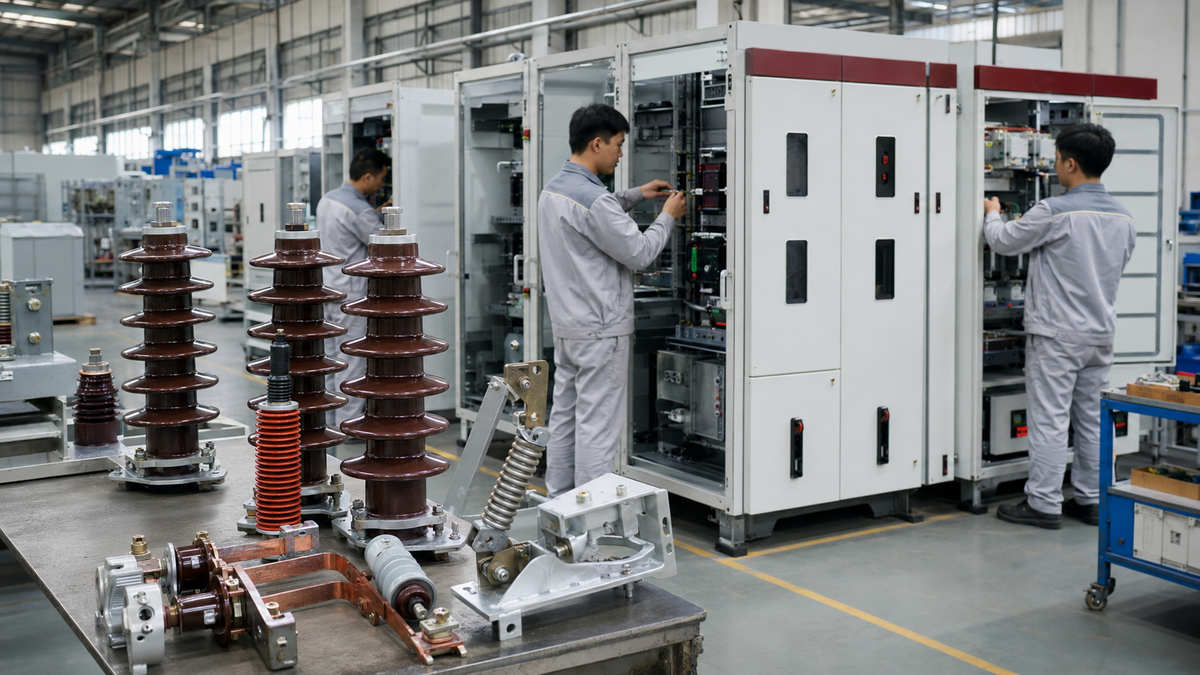
VoltCabinet supports switchgear electrical applications that require dependable power distribution, circuit control, and fault isolation. Depending on project requirements, a switchgear assembly may incorporate circuit breakers, disconnectors, busbars, protective relays, current transformers, and voltage transformers. These components perform complementary functions, helping operators control electrical circuits and enabling protective devices to respond when abnormal conditions occur. Equipment selection starts with the system's rated voltage, continuous current, prospective short-circuit current, load characteristics, and installation environment. Industrial facilities may prioritize motor protection and operational continuity, while commercial buildings often require organized distribution, accessible maintenance points, and capacity for future expansion. Manufacturing quality, assembly inspection, electrical testing, and clear technical documentation are important considerations when evaluating switchgear suppliers. Applicable IEC standards or other project-specific requirements should guide design verification and acceptance procedures. VoltCabinet can support customized configurations based on customer drawings, equipment schedules, and site constraints. For new installations or electrical system upgrades, matching equipment specifications to actual operating conditions helps improve safety, simplify maintenance, and support reliable long-term performance.
Frequently Asked Questions

What Is Switchgear Electrical Equipment Used For?

Switchgear electrical equipment controls, protects, and isolates electrical circuits within power distribution systems. It is commonly used in factories, commercial buildings, substations, and infrastructure facilities. Depending on its configuration, switchgear can help manage power flow, interrupt fault currents, and provide safe isolation for inspection and maintenance activities.
Evaluate rated voltage, continuous current, prospective short-circuit current, installation conditions, and connected loads. Consider protection coordination, enclosure requirements, maintenance access, and potential future expansion. Provide project drawings and technical specifications to your supplier, and have qualified electrical engineers verify the design before procurement and installation.
Depending on the application, switchgear may include circuit breakers, disconnectors, busbars, protective relays, current transformers, and voltage transformers. Each component serves a specific switching, measurement, or protection function. The final configuration depends on the system voltage, fault levels, distribution arrangement, and applicable technical requirements.
Yes. Configurations may be adapted to project-specific voltage ratings, current requirements, enclosure dimensions, busbar arrangements, cable entry, and control interfaces. Customers should provide installation drawings and technical schedules so the supplier can assess compatibility, required protection functions, applicable standards, and testing expectations.
Routine maintenance helps identify loose connections, insulation deterioration, mechanical wear, and other developing problems. Inspection intervals depend on equipment design, operating conditions, manufacturer guidance, and applicable regulations. Qualified technicians should follow approved procedures, including appropriate isolation and safety precautions, to maintain equipment reliability and protect personnel.

Related article

From High-Voltage Insulators to Low-Voltage Switchgear: A Vietnamese Manufacturer’s Transformation, Together with Us‌

08

Sep

From High-Voltage Insulators to Low-Voltage Switchgear: A Vietnamese Manufacturer’s Transformation, Together with Us‌

View More
How to customize cabinet dimensions to fit existing switchgear layouts?

26

Sep

How to customize cabinet dimensions to fit existing switchgear layouts?

Step 1: Accurate Site Assessment and Dimensional BenchmarkingMeasuring mechanical layout, clearances, and structural constraints in legacy electrical roomsA successful retrofit begins with a meticulous site survey. Older electrical rooms rarely match...
View More
Insulator dimension design follows international high voltage standards strictly.

16

Oct

Insulator dimension design follows international high voltage standards strictly.

Core IEC Standards Governing Insulator Dimension Design IEC 60383: Mechanical and Electrical Requirements for Ceramic and Glass Insulators The IEC 60383 series defines the mechanical and electrical test regimes that ceramic and glass insulators mus...
View More
Cable clamp vs cable tie: which one delivers long term stability in panels?

27

Oct

Cable clamp vs cable tie: which one delivers long term stability in panels?

Mechanical Performance Under Thermal Stress Polymer creep and thermal expansion mismatch in nylon cable ties at 60–85°C Nylon 6/6 cable ties undergo measurable mechanical degradation when exposed continuously to 60–85 °C. At the...
View More

Customer Testimonials

David Miller

Our team needed dependable electrical distribution equipment for a manufacturing facility. The proposed switchgear configuration helped organize circuit protection, simplify maintenance planning, and support reliable power delivery across multiple production areas.

James Wilson

We required a suitable switchgear solution for a commercial building upgrade. The technical discussions clarified equipment ratings, installation requirements, and protection considerations, helping our team prepare a more efficient procurement plan.

Get a Free Quote

Our representative will contact you soon.
Email
Mobile/WhatsApp
Name
Company Name
Message
0/1000
Reliable Circuit Protection for Demanding Electrical Environments

Reliable Circuit Protection for Demanding Electrical Environments

Reliable switchgear electrical performance begins with equipment selected for the actual demands of the installation. VoltCabinet can support configurations based on rated voltage, operating current, fault levels, and environmental conditions. Circuit breakers and protective relays, when correctly selected and coordinated, help detect abnormal electrical conditions and disconnect affected circuits. In a manufacturing facility with multiple motor-driven processes, this approach can reduce the likelihood of unnecessary interruptions to unaffected production areas. Engineering assessments should confirm interruption ratings, protection settings, grounding arrangements, and applicable installation requirements. By addressing these factors before commissioning, project teams can improve maintenance planning, support personnel safety, and establish a more dependable electrical distribution system.
Flexible Switchgear Configurations for Project-Specific Requirements

Flexible Switchgear Configurations for Project-Specific Requirements

Electrical distribution projects differ in capacity, layout, operating environment, and future expansion plans. VoltCabinet can support switchgear configurations tailored to industrial plants, commercial properties, infrastructure facilities, and utility applications. Design considerations may include cabinet dimensions, busbar arrangements, cable connections, control interfaces, and access for routine inspections. For example, a growing manufacturing facility may require additional distribution circuits as new production equipment is introduced. Planning for expansion at the specification stage can help avoid unnecessary redesign and installation disruption. Final equipment selection should follow verified electrical calculations and applicable standards. Aligning the configuration with site conditions and operational requirements supports practical installation, efficient maintenance, and dependable long-term power distribution.

Get a Free Quote

Our representative will contact you soon.
Email
Mobile/WhatsApp
Name
Company Name
Message
0/1000