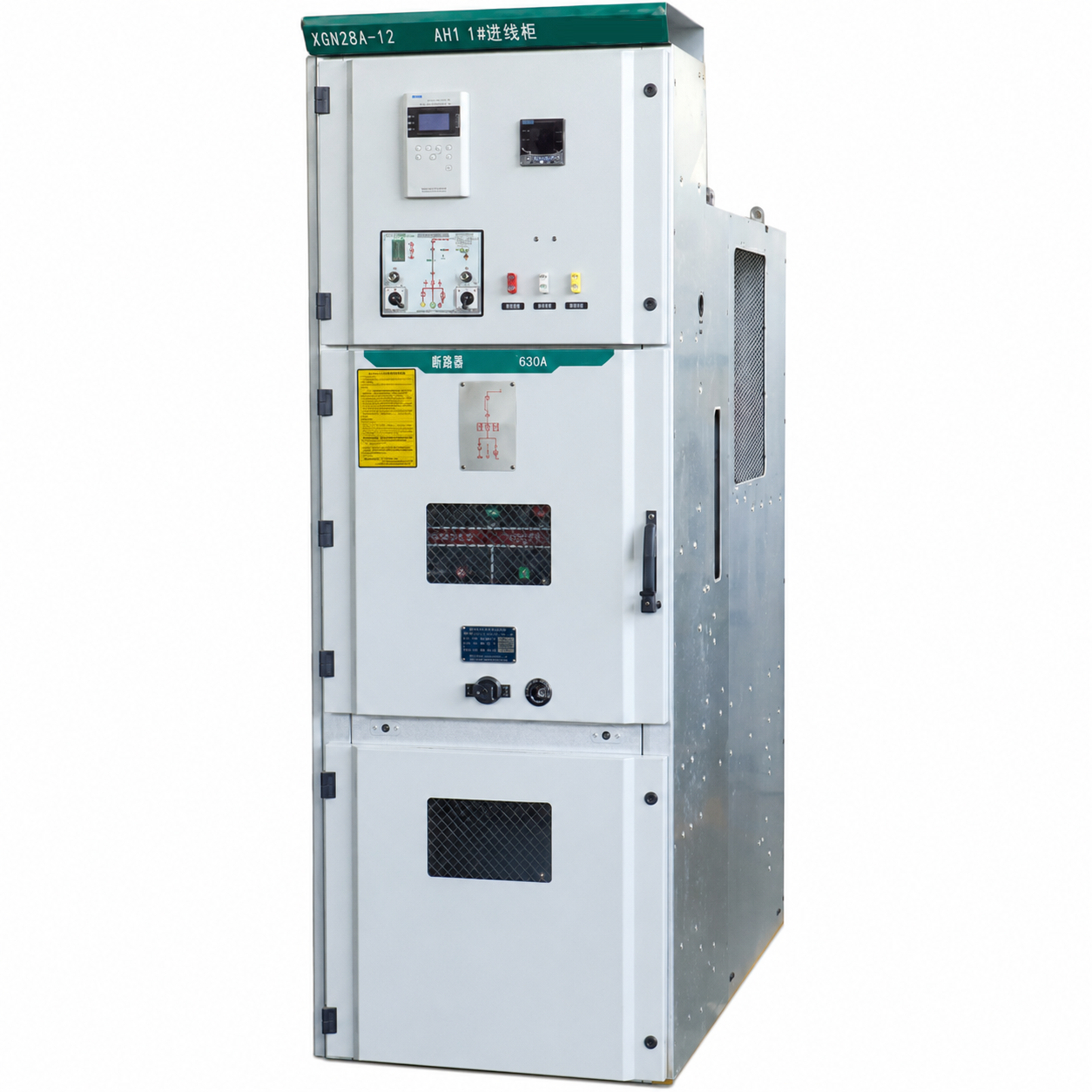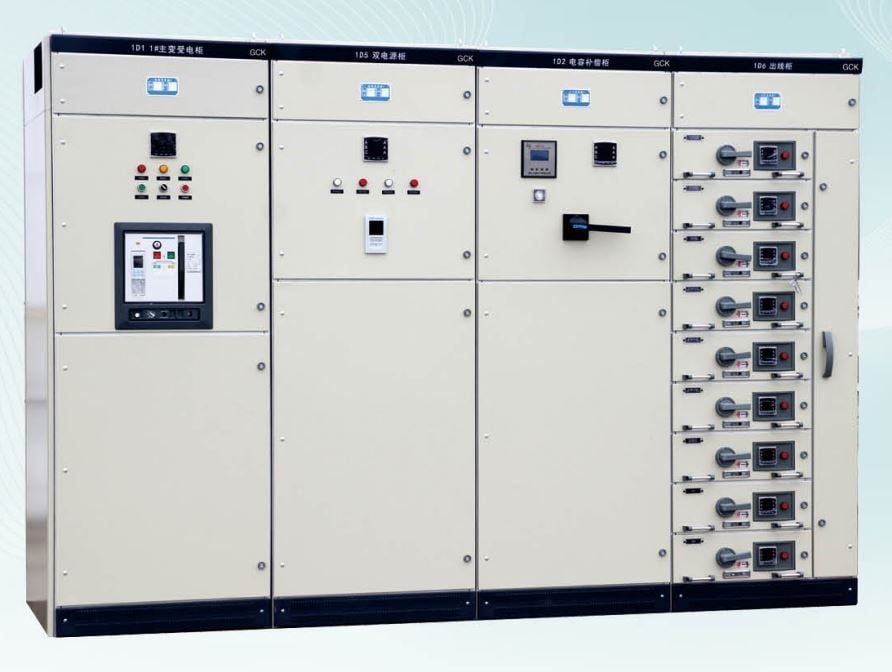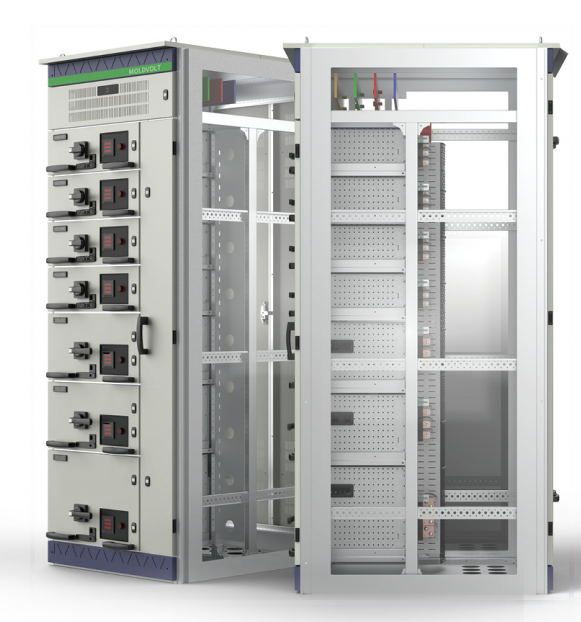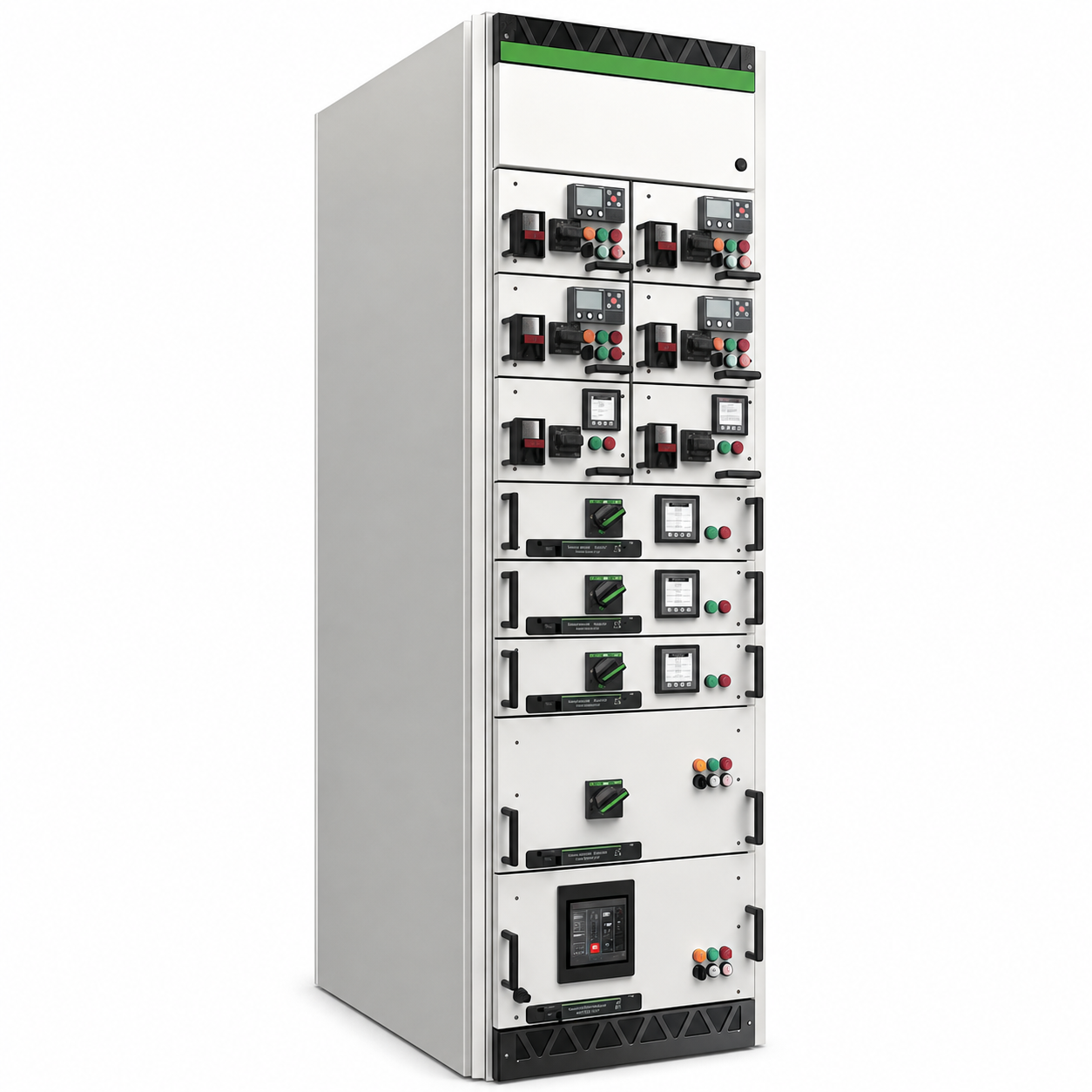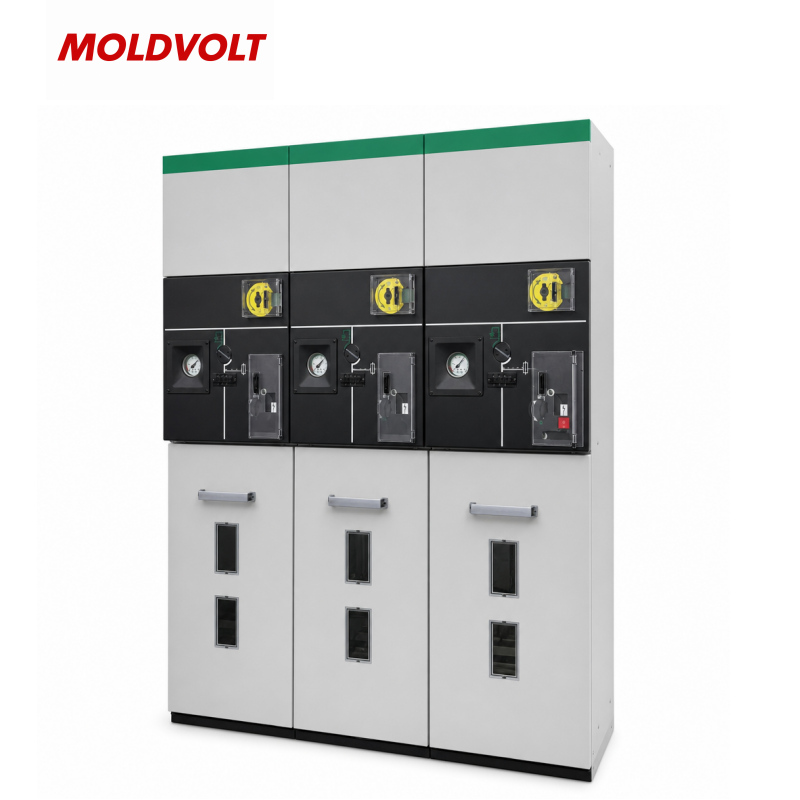
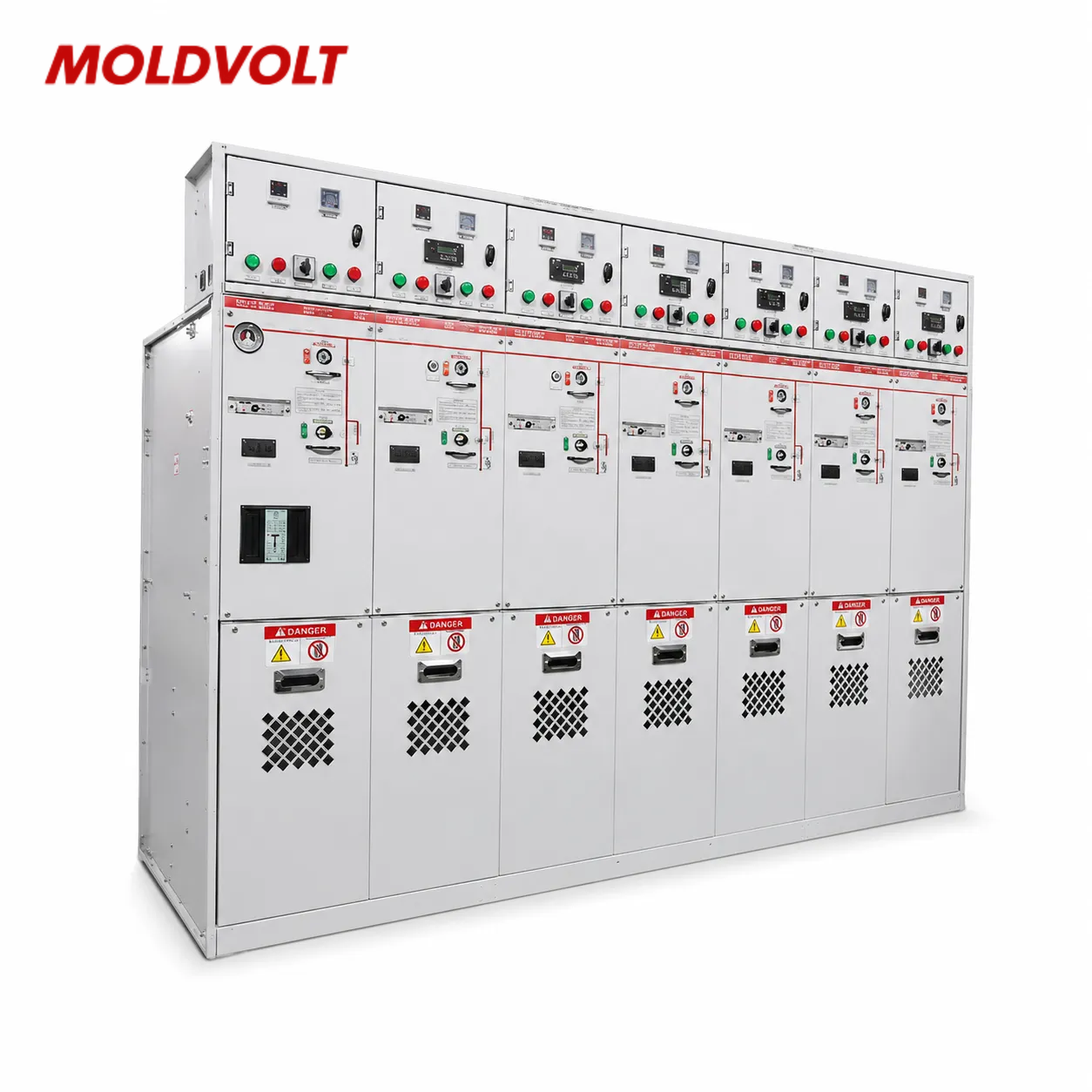
Main electrical switchgear is a central assembly used to receive and distribute electrical power while providing switching, isolation, and circuit protection. It commonly serves manufacturing facilities, commercial buildings, infrastructure projects, and utility installations. Depending on the electrical design, the assembly may incorporate circuit breakers, busbars, metering devices, protective relays, and control components. Selecting the appropriate system requires evaluating rated voltage, continuous current, prospective short-circuit current, incoming supply characteristics, and connected load demand. Low-voltage installations commonly operate at up to 1,000 V AC, although the required rating depends on the specific application and applicable standards. Busbar configuration, enclosure dimensions, cable entry, and maintenance clearances also influence equipment selection. For example, a production plant may need dedicated outgoing feeders for machinery, lighting, and auxiliary services, while a commercial complex may require coordinated distribution across several building areas. Appropriate protection coordination helps ensure compatibility between the main switchgear and downstream distribution equipment. Before requesting a quotation, buyers should prepare a single-line diagram, load schedule, fault-level information, installation conditions, and applicable standards. Reviewing these details supports accurate engineering, appropriate equipment selection, and effective integration into the overall electrical system.
08
Sep
26
Sep
21
Oct
27
Oct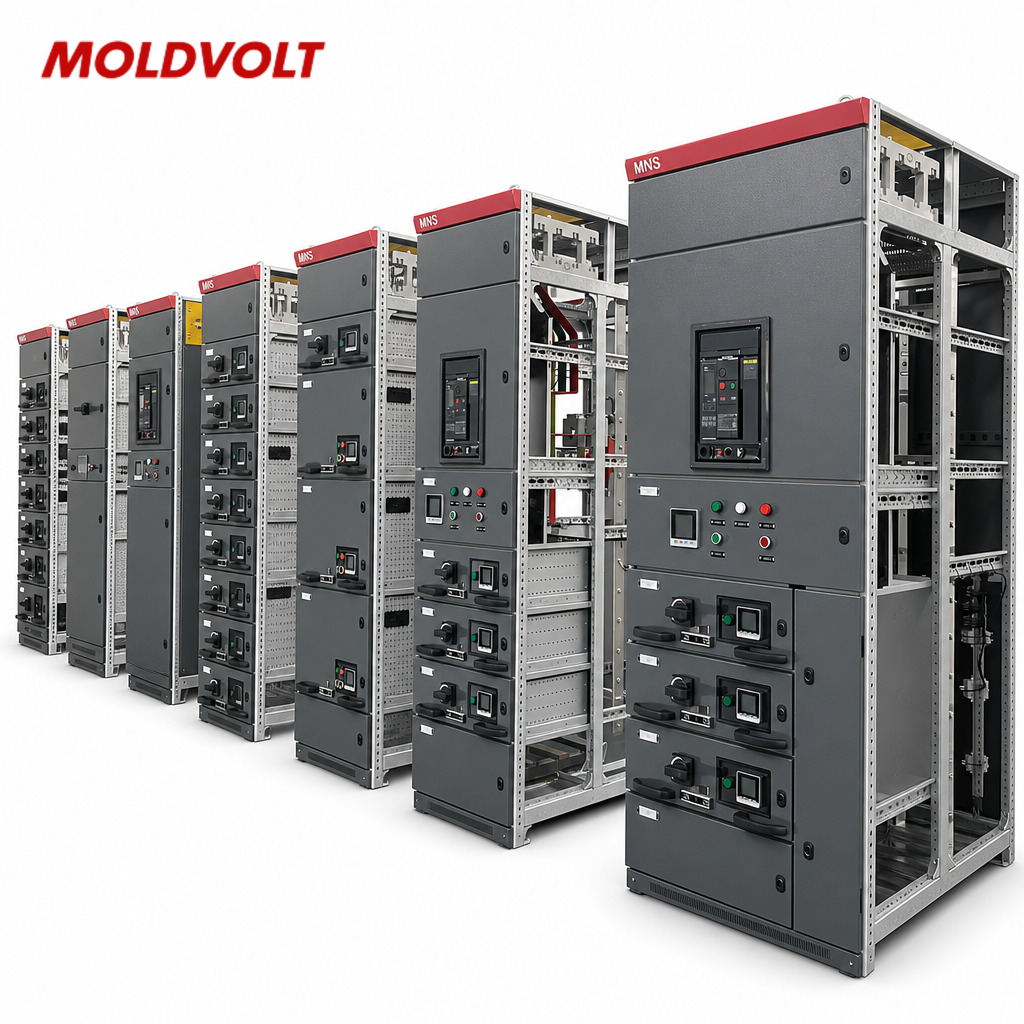

Copyright © 2026 by ZHEJIANG XIANGHONG ELECTRIC CO., LTD - Privacy Policy
 EN