Overview
The global transition to clean energy is reshaping electrical infrastructure at every scale -from rooftop solar installations to multi-gigawatt offshore wind farms and grid-scale battery storage facilities. As renewable generation capacity expands, so does the complexity of the electrical systems required to collect, condition, store, and deliver that power reliably to the grid.
Low-voltage distribution cabinets are indispensable across the entire renewable energy power chain. They manage inverter output aggregation on solar farms, supply auxiliary and control power throughout wind turbine substations, integrate battery energy storage systems (BESS) with grid-tie inverters, and provide the plant-level motor control and protection infrastructure that keeps generation assets operating around the clock. In renewable energy, where generation is intermittent and every hour of unplanned downtime represents lost revenue and grid stability risk, the reliability of LV switchgear is not a secondary consideration -it is a core project requirement. Our distribution cabinets are built to meet that standard: weathering-resistant, IEC 61439-compliant, and engineered for the demanding outdoor and semi-outdoor environments where renewable energy infrastructure operates.
Solar PV Plants -Inverter Output Aggregation & Plant Auxiliary Power
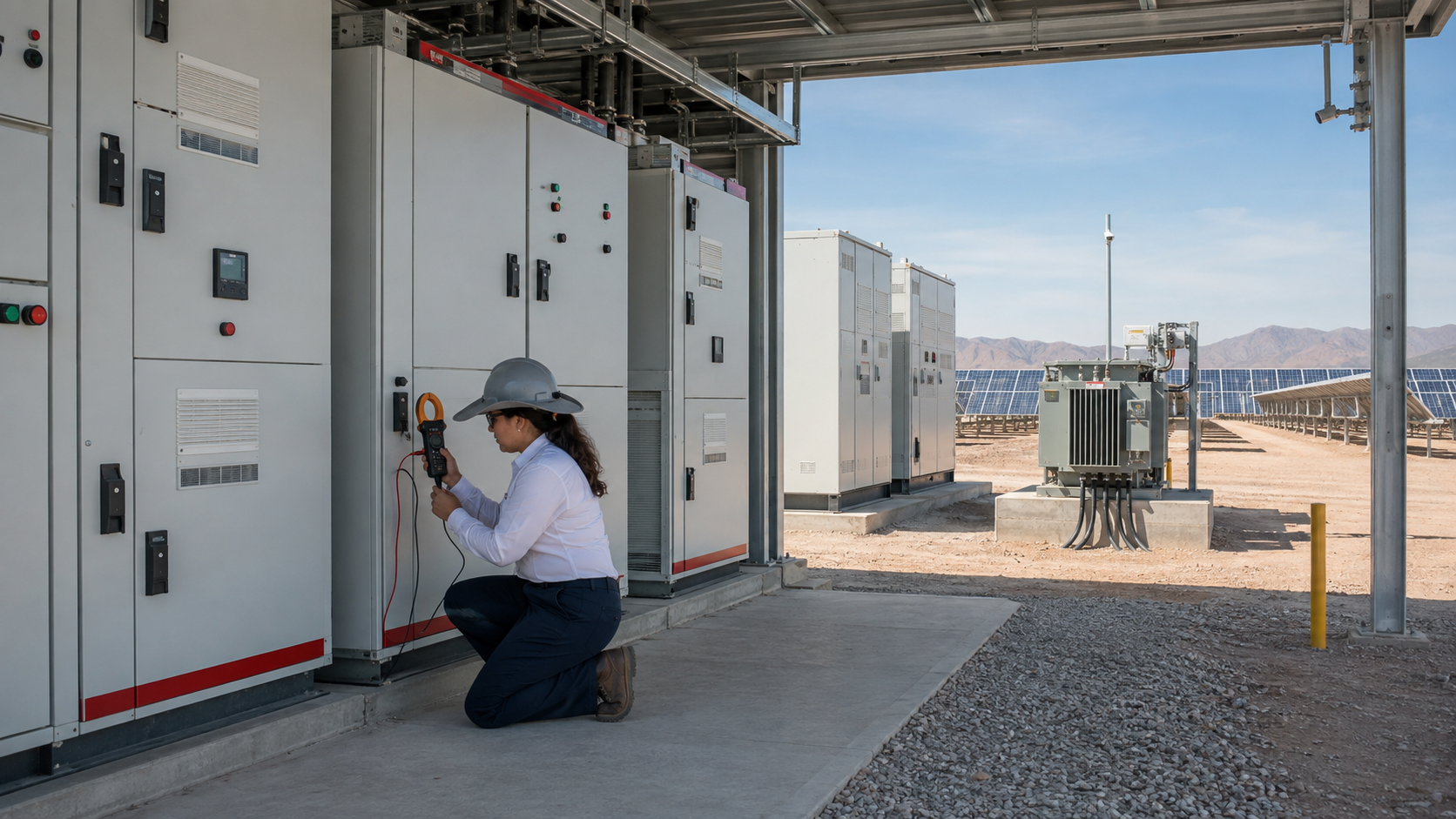
In a utility-scale solar PV plant, strings of panels feed DC power into string or central inverters, which convert it to 400V AC. The outputs of multiple inverters are then aggregated at LV combiner switchboards before stepping up through MV transformers for grid injection. This inverter aggregation stage is one of the most critical distribution points in the plant -handling high continuous currents, frequent cycling as cloud cover varies generation output, and the harmonic-rich waveforms that inverters produce.
Our LV distribution panels and busbar systems -rated to 4000A and designed for high-harmonic environments -provide the current aggregation and protection coordination that solar plant electrical engineers require. Downstream, dedicated auxiliary distribution boards supply the plant's operational loads: inverter cooling fans, tracker drive motors, and communications equipment, security systems, and site lighting. These auxiliary loads must remain powered even when the plant is de-energized for maintenance, requiring careful separation from the generation circuit and reliable, independent supply from the grid or a site generator.
Wind Farms -Turbine Substation & Collector Network Auxiliary Power
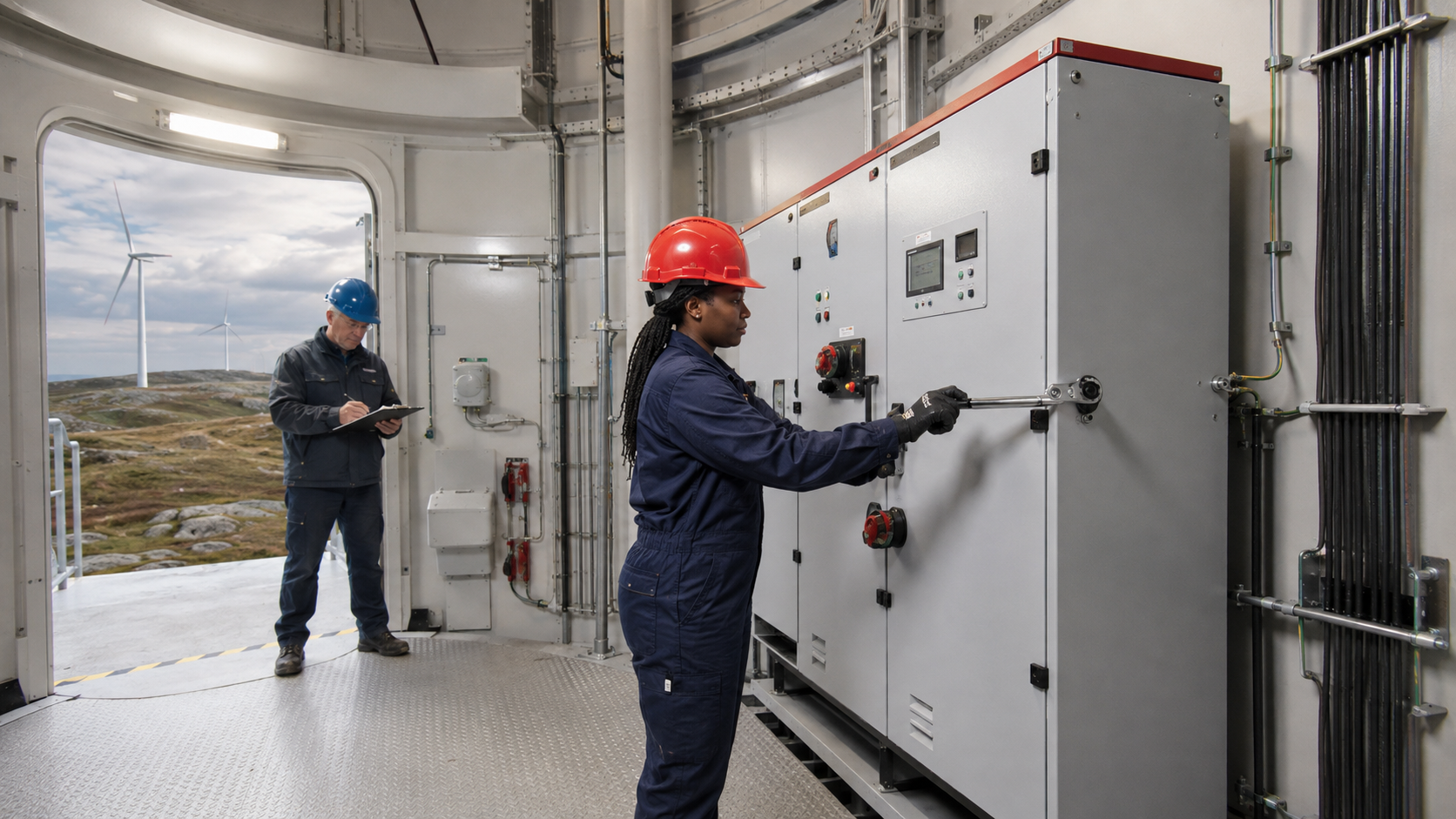
Each wind turbine contains its own internal LV electrical system -supplying the pitch and yaw control systems, nacelle HVAC, blade heating (in cold-climate installations), safety lighting, and condition monitoring equipment. At the base of each turbine or in a dedicated substation building, a compact LV distribution board manages this auxiliary load, operating in environments subject to extreme temperature ranges, high humidity, salt-laden air in coastal and offshore applications, and continuous mechanical vibration from the turbine structure.
At the collector substation level, where power from multiple turbines is aggregated before grid connection, larger LV distribution panels supply the substation's own auxiliary loads: transformer cooling, protection relay panels, and substation lighting and heating. Our switchgear components -with IP54/IP65-compatible enclosure ratings, corrosion-resistant finishes, and high-insulation epoxy resin busbar supports rated to 4500V withstand -are engineered specifically for the environmental severity of wind farm electrical rooms, whether onshore or in offshore substation platforms.
Battery Energy Storage Systems (BESS) -Grid-Scale Storage Integration
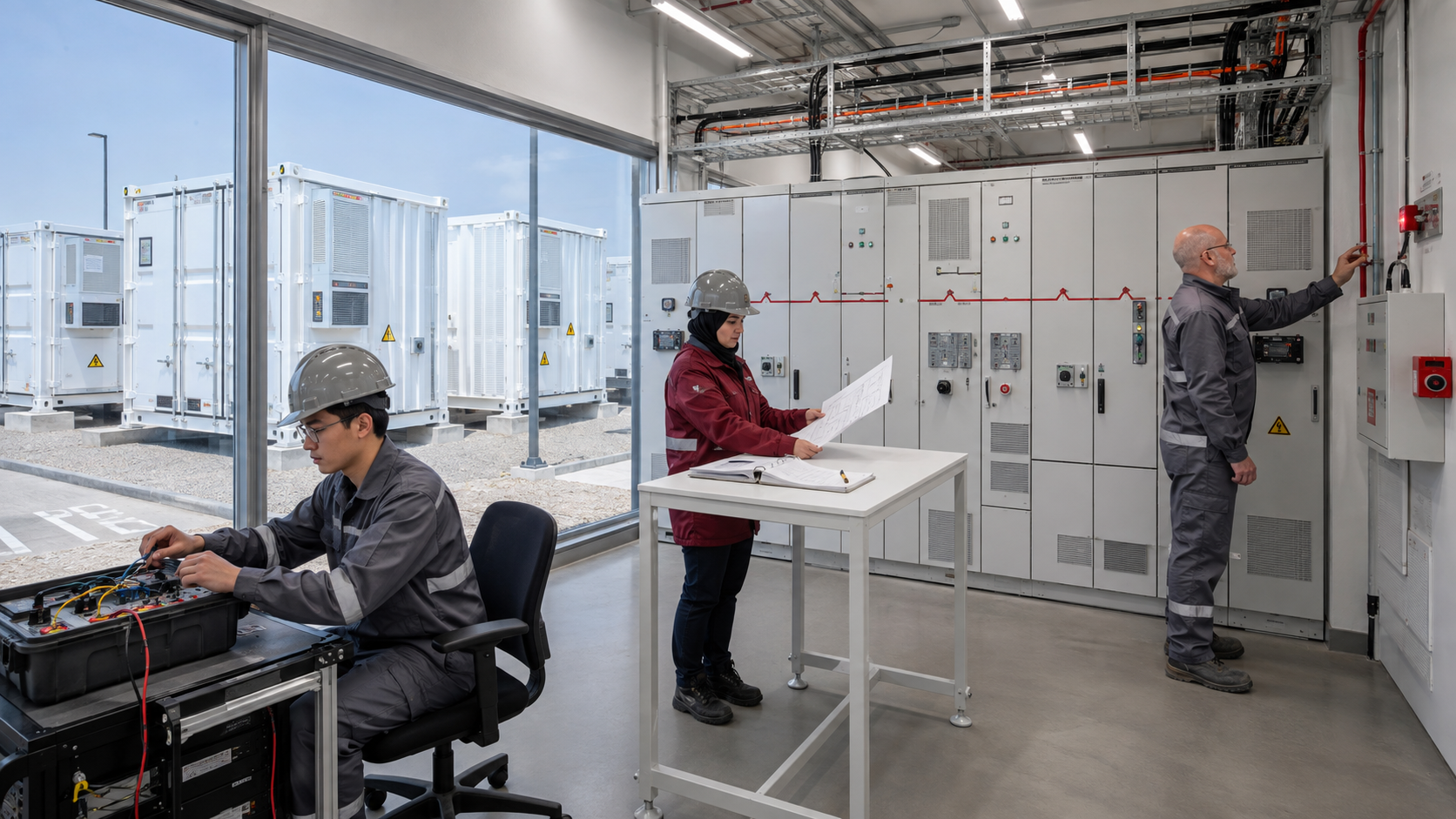
Battery energy storage is the fastest-growing segment of the renewable energy sector, providing the grid balancing, frequency regulation, and peak shaving capability that intermittent solar and wind generation requires. A utility-scale BESS installation typically consists of battery modules, bi-directional power conversion systems (PCS), and LV distribution infrastructure that manages power flow between the battery DC bus, the PCS inverters, and the AC grid connection point.
The LV distribution boards in a BESS facility must handle bi-directional power flow, manage the protection coordination between multiple PCS units operating in parallel, and maintain continuous availability -since a BESS facility is often contracted to deliver frequency response services with response times measured in milliseconds. Our heavy-duty busbar connectors, plug-in drawer isolators, and mechanically interlocked earthing switch assemblies provide the switching precision and fault isolation reliability that BESS electrical engineers demand. Auxiliary distribution boards within the BESS enclosures supply battery management systems (BMS), thermal management units, fire suppression systems, and site monitoring infrastructure -all of which must remain operational regardless of the state of charge or discharge of the battery asset.
Hybrid Power Plants & Microgrids -Integrated Generation & Storage
Increasingly, renewable energy projects combine solar PV, wind generation, BESS, and diesel or gas backup generation in a single integrated hybrid power plant or microgrid -particularly for remote mining operations, island grids, and off-grid industrial facilities. These installations require sophisticated LV distribution architecture that can manage multiple simultaneous power sources, execute seamless source switching via Automatic Transfer Switches (ATS), and maintain stable voltage and frequency to sensitive process loads regardless of which generation source is active.
Our LV distribution panels, ATS-compatible operating mechanisms, and bus-tie interlock systems support the complex switching logic of hybrid power plant architectures. Generator paralleling panel accessories and high-current busbar systems provide the mechanical and electrical foundation for control systems to manage load sharing, source prioritization, and black-start sequencing -the capability to restore power to the entire plant from a de-energized state using only on-site generation assets.
Operations & Maintenance Infrastructure -Site-Wide Auxiliary Power
Every renewable energy facility -regardless of generation technology -requires reliable site-wide auxiliary power for the systems that keep the plant operational: SCADA and communications networks, perimeter security and CCTV, site roads and access lighting, maintenance workshops, and staff welfare facilities. In large solar or wind farms spread across hundreds of hectares, this auxiliary power network is itself a significant distribution challenge, requiring strategically located distribution boards, robust cable protection, and switchgear that field technicians can safely operate and maintain with minimal specialist training.
Our compact distribution board accessories, padlock-ready isolator handles, and clearly labeled operating mechanisms are designed with field maintainability in mind -enabling the site operations team to safely isolate, test, and restore individual circuits without the need for specialist contractors, reducing both maintenance cost and response time when faults occur.
Why Our Products Fit Renewable Energy
Renewable energy projects are developed to tight financial models where every component decision affects both CAPEX and the long-term OPEX of the asset over a 25–35 year operational life.
From utility-scale solar farms in the Middle East to offshore wind substations in Northern Europe and grid-scale BESS facilities across North America, our factory-direct LV distribution components provide the durability, certification, and application expertise that renewable energy infrastructure demands.

Copyright © 2026 by ZHEJIANG XIANGHONG ELECTRIC CO., LTD - Privacy Policy
 EN