Overview
Data centers are among the most power-intensive and uptime-critical facilities ever built. Every millisecond of electrical interruption translates into lost transactions, corrupted data, SLA penalties, and reputational damage that can take years to recover. Whether a Tier II colocation facility or a hyperscale Tier IV campus, the electrical infrastructure must be designed for continuous availability - with full redundancy, precise fault isolation, and the ability to perform maintenance on live systems without any impact to the IT load.
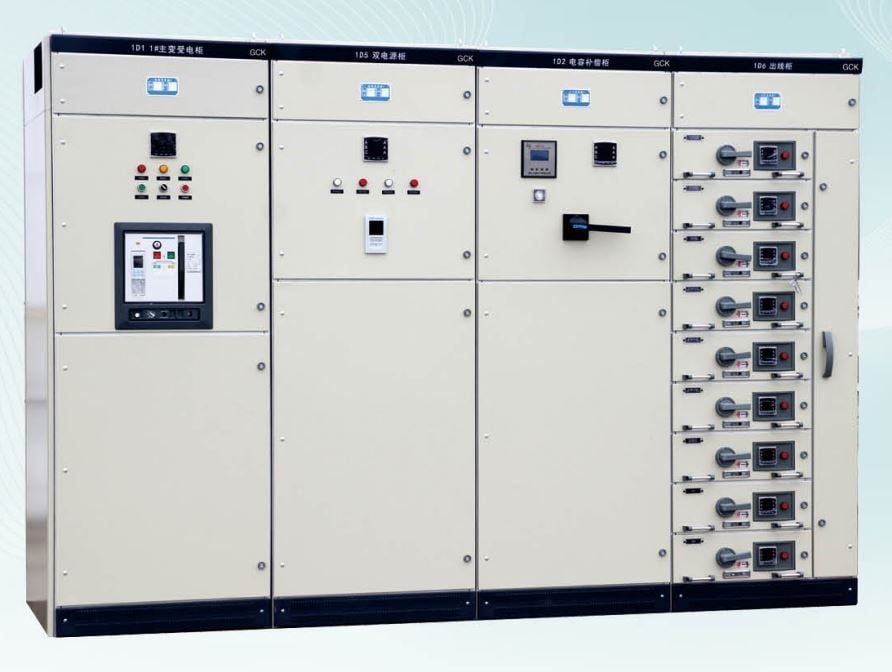
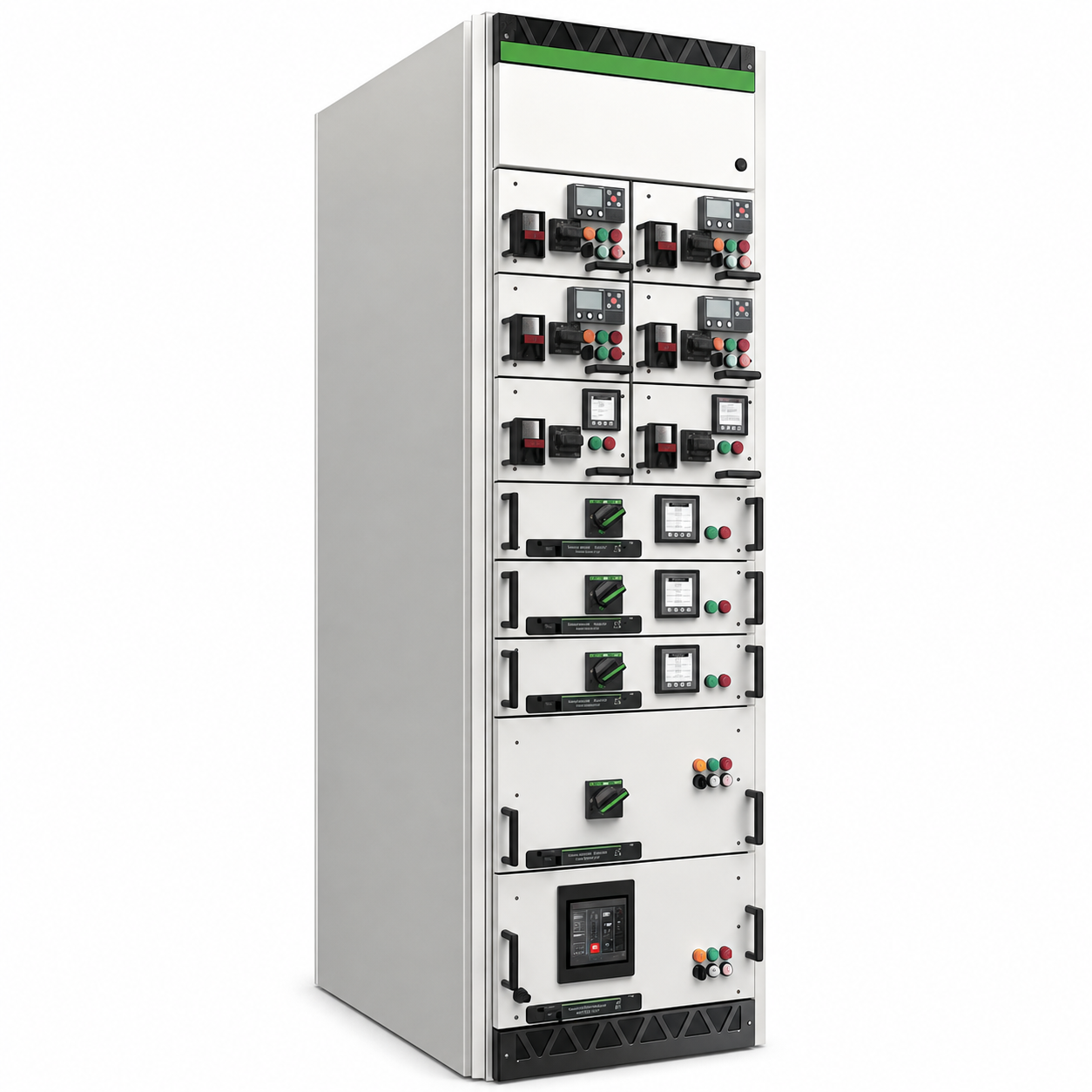
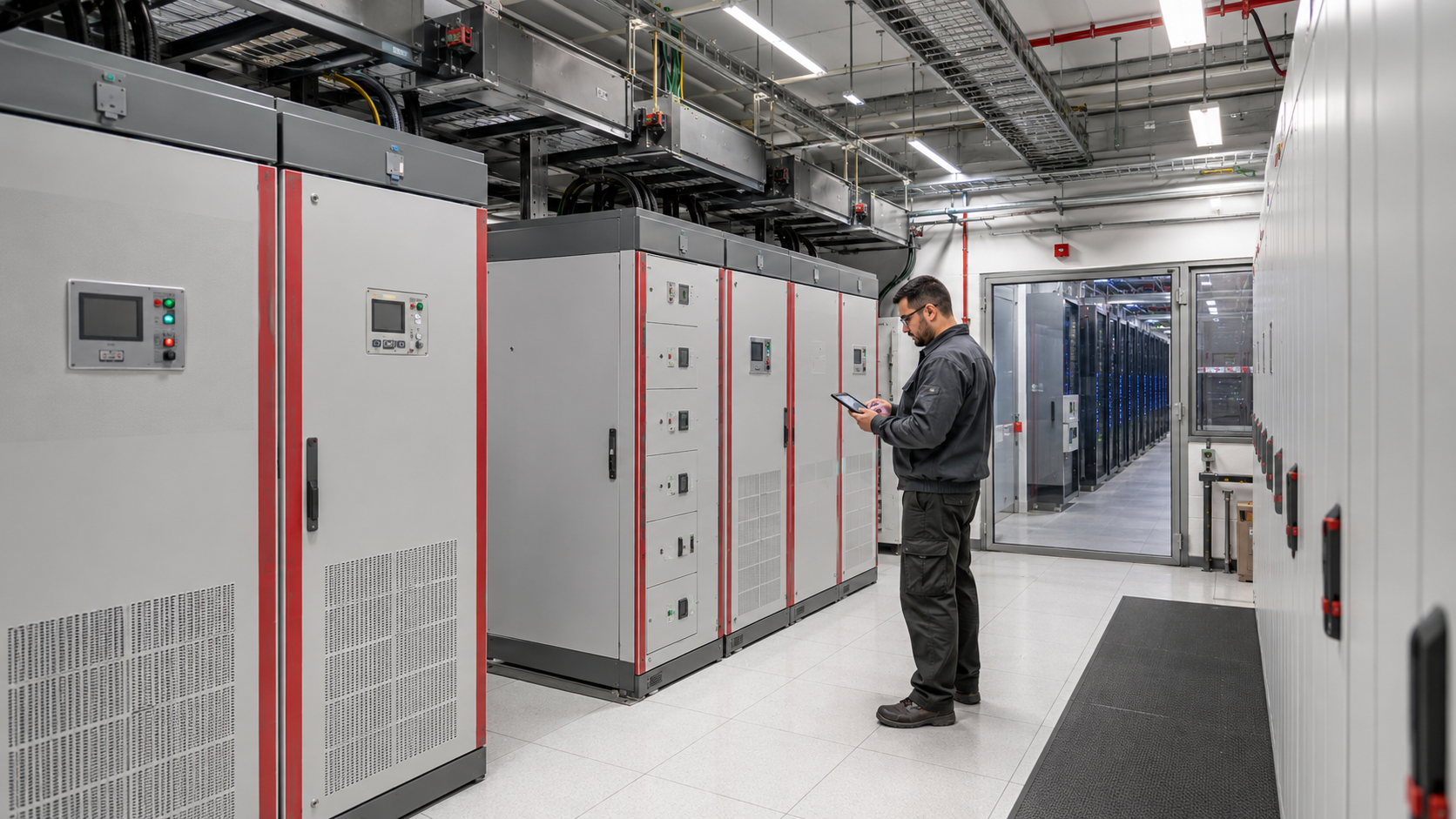
Low-voltage distribution cabinets sit at the heart of this power chain. From the main LV switchboard receiving utility supply, through generator paralleling panels, UPS input/output distribution boards, and precision cooling MCCs, every link in the data center power path depends on switchgear that combines exceptional reliability, arc flash safety, and the mechanical precision required for live-panel maintenance in a zero-downtime environment. Our LV distribution cabinets are engineered to meet these demands - IEC 61439-compliant, designed for N+1 and 2N redundant architectures, and built to the dimensional and insulation standards that data center electrical engineers specify.
Main LV Switchroom - Utility Intake & Primary Distribution
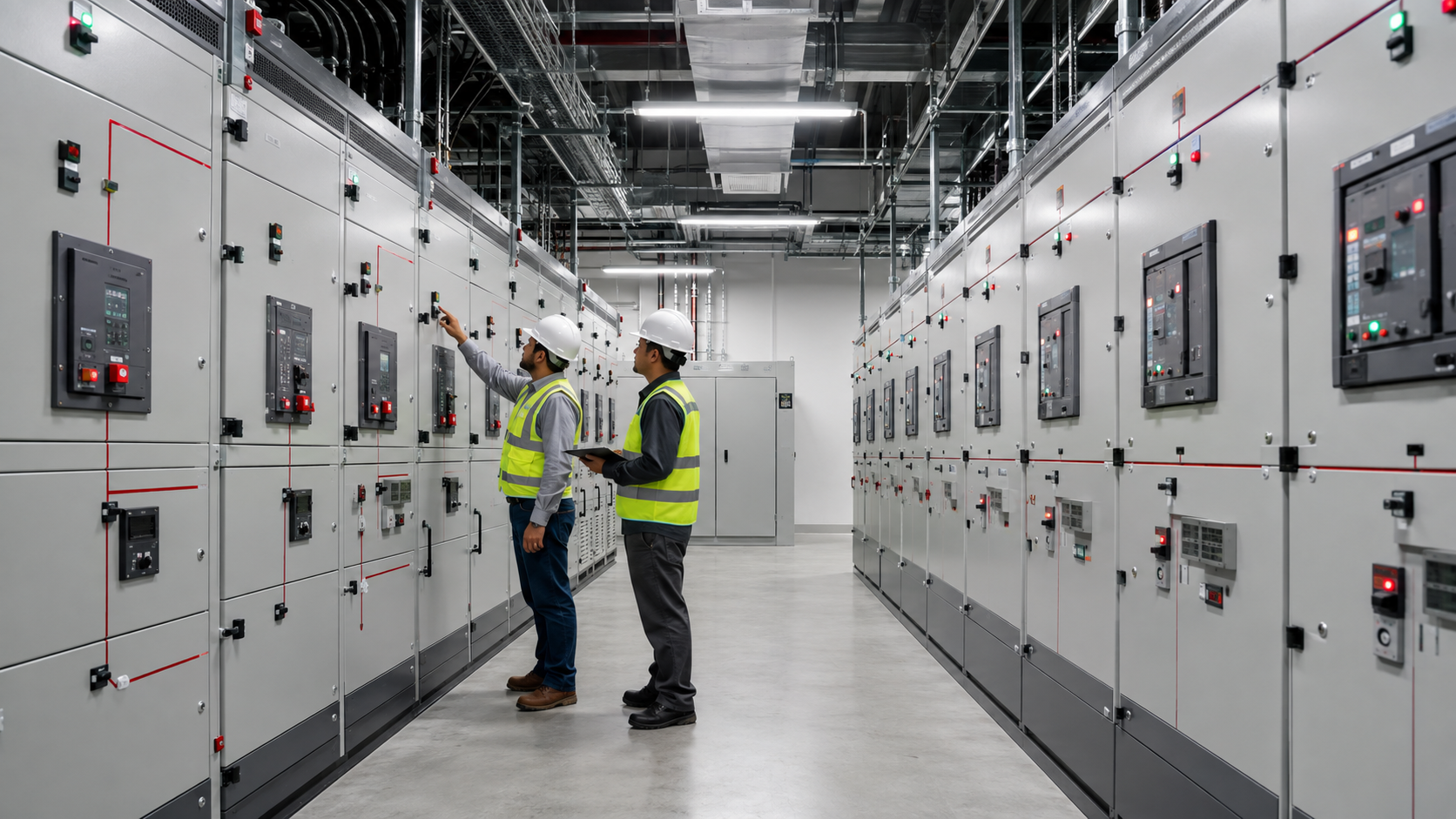
Power enters the data center at medium voltage from the utility grid, steps down through transformers to 400V (or 480V in North American facilities), and arrives at the main LV switchboard - the first and most critical distribution point in the facility. In a Tier III or Tier IV design, this level is fully redundant: two independent utility feeds, two transformer banks, and two main switchboard sections operating in bus-split configuration, each capable of carrying 100% of the facility load independently.
Our main distribution panels and bus-tie assemblies support this architecture with high-current busbar systems rated from 630A to 4000A, mechanically interlocked bus-tie breaker arrangements, and instrumentation-ready designs that support real-time power monitoring and integration with the facility's DCIM (Data Center Infrastructure Management) platform. Every component is selected for the long-term reliability that a 24/7 critical facility demands, with no tolerance for contact degradation, loose connections, or insulation breakdown over the design life of the installation.
Generator Paralleling & ATS Panels - Backup Power Switchover
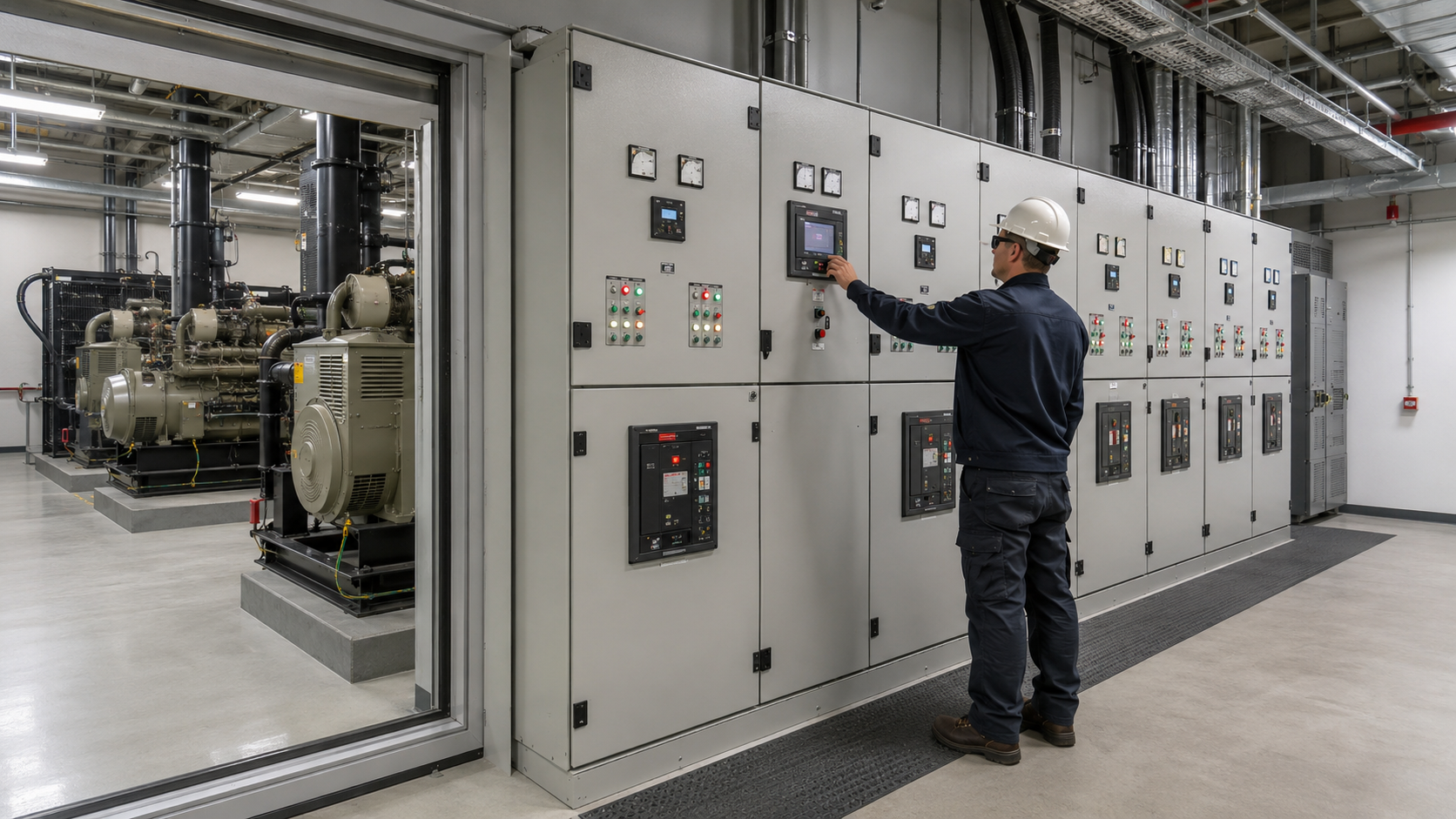
When utility supply fails, standby diesel generators must come online and assume the full facility load before UPS battery reserves are depleted - typically within 10-15 seconds. In larger facilities, multiple generators operate in parallel, requiring sophisticated synchronizing and load-sharing switchgear. Automatic Transfer Switches (ATS) or Static Transfer Switches (STS) execute the changeover at the distribution board level, seamlessly transferring critical loads between utility and generator supply.
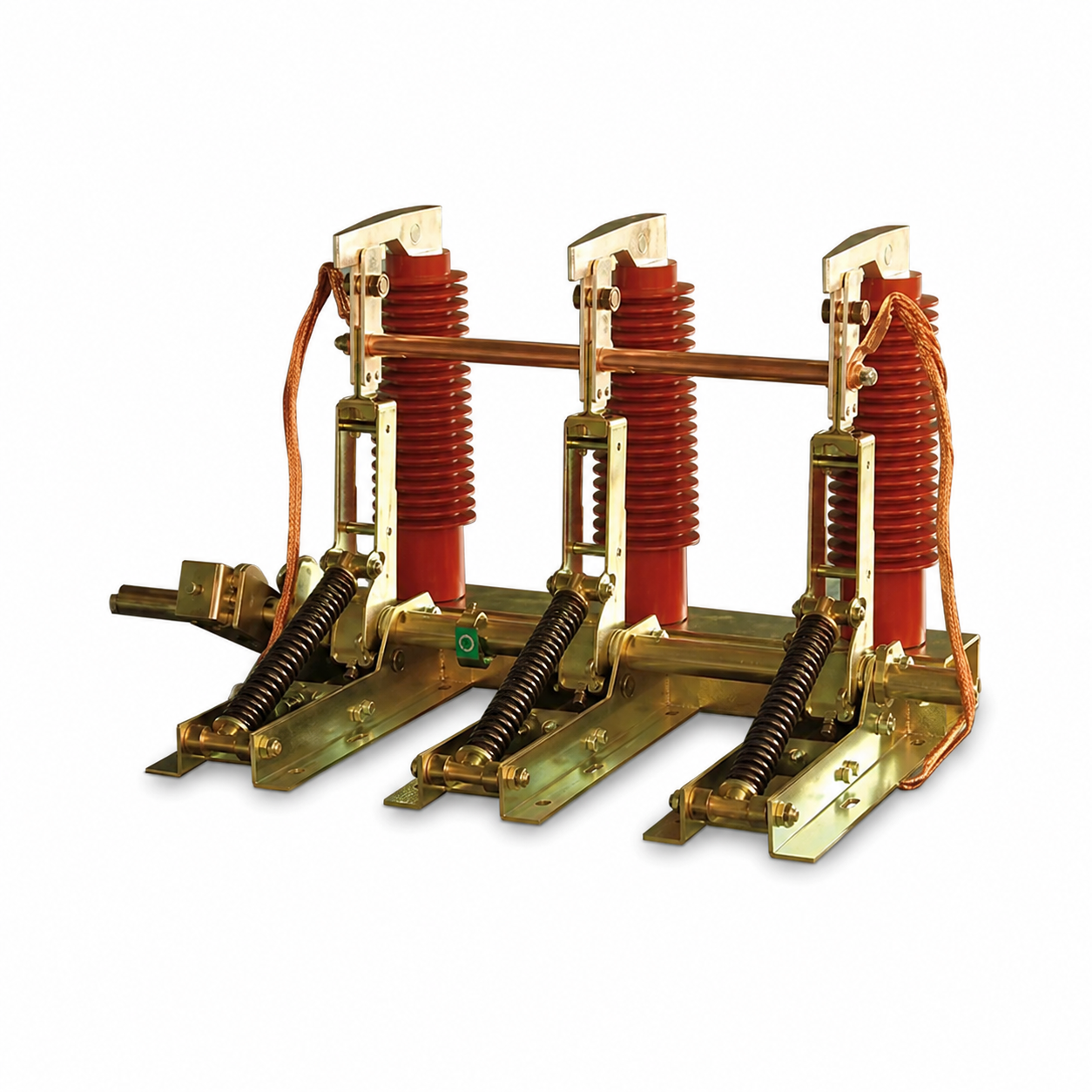
Our switchgear components - including generator paralleling panel accessories, ATS-compatible operating mechanisms, and high-integrity busbar connectors - are built to perform reliably in the high-cycling, high-stakes environment of generator switchover testing and real utility outage events. Mechanical interlocks and earthing switch assemblies prevent dangerous back-feed conditions during generator run-up and load transfer, protecting both personnel and equipment.
UPS Input / Output Distribution - Critical Power Path
The UPS system is the last line of defense against power interruption for IT loads. On the input side, dedicated LV distribution boards feed each UPS module from the main switchboard, with individual circuit protection and metering per UPS string. On the output side, UPS output distribution boards - sometimes called Static Distribution Boards (SDBs) or Critical Distribution Panels (CDPs) - distribute conditioned, battery-backed power to the raised floor or overhead busway feeding server racks.
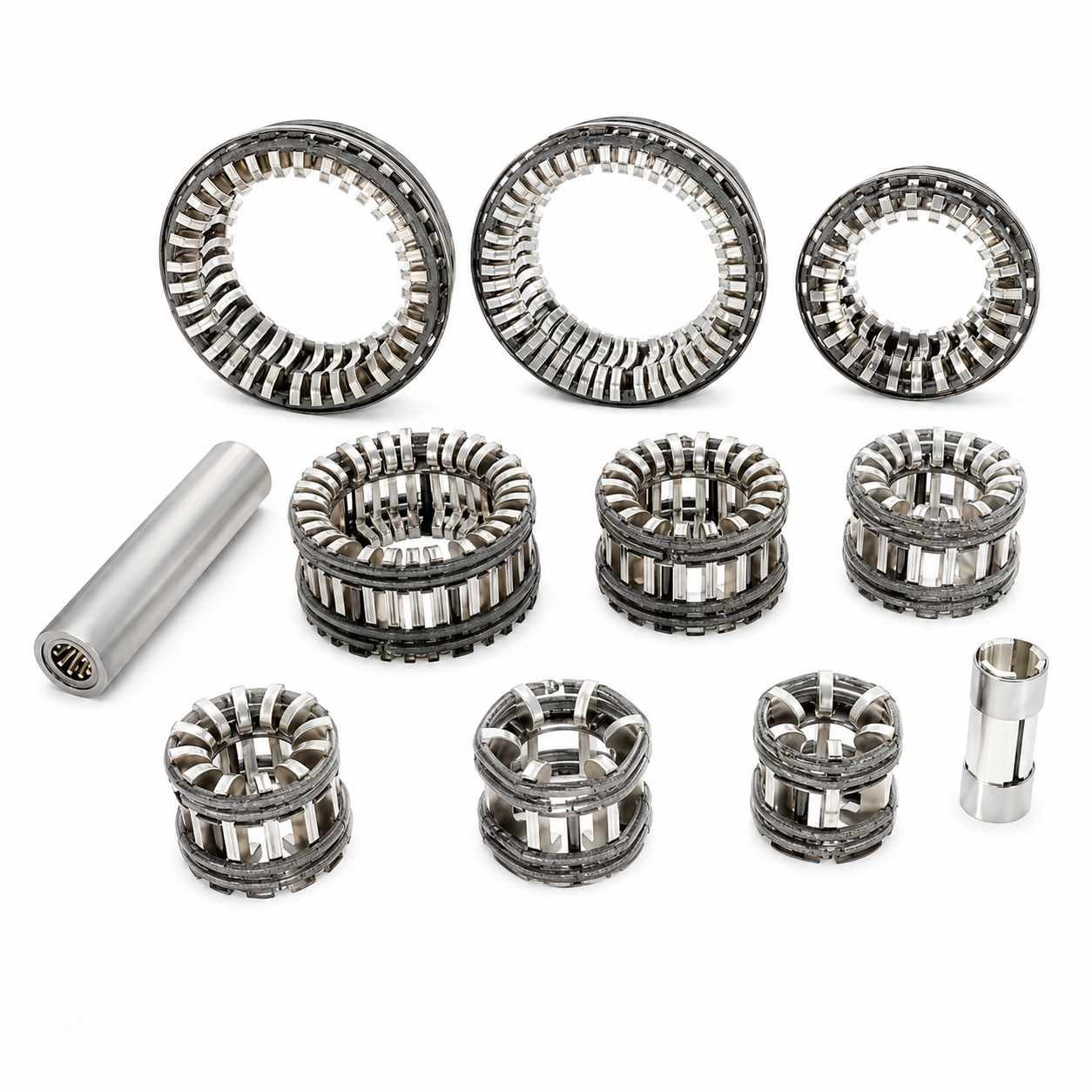
These boards operate in the most demanding portion of the power chain: continuously energized, frequently accessed for capacity additions, and required to maintain clean power quality in the presence of UPS-generated harmonics and non-linear IT loads. Our plug-in drawer connectors, modular busbar systems, and precision operating mechanisms enable circuits to be added or reconfigured under live conditions - supporting the rolling capacity expansions that characterize active data center operations without requiring outages to the protected IT load.
Precision Cooling - CRAC / CRAH Motor Control Centers
Data center cooling infrastructure - Computer Room Air Conditioning (CRAC) units, Computer Room Air Handlers (CRAHs), chiller plants, cooling towers, and condenser water pump sets - represents the second largest electrical load in the facility after the IT equipment itself. These are all motor-driven loads requiring dedicated motor control centers for protection, isolation, and in many cases, variable speed drive (VFD) control.
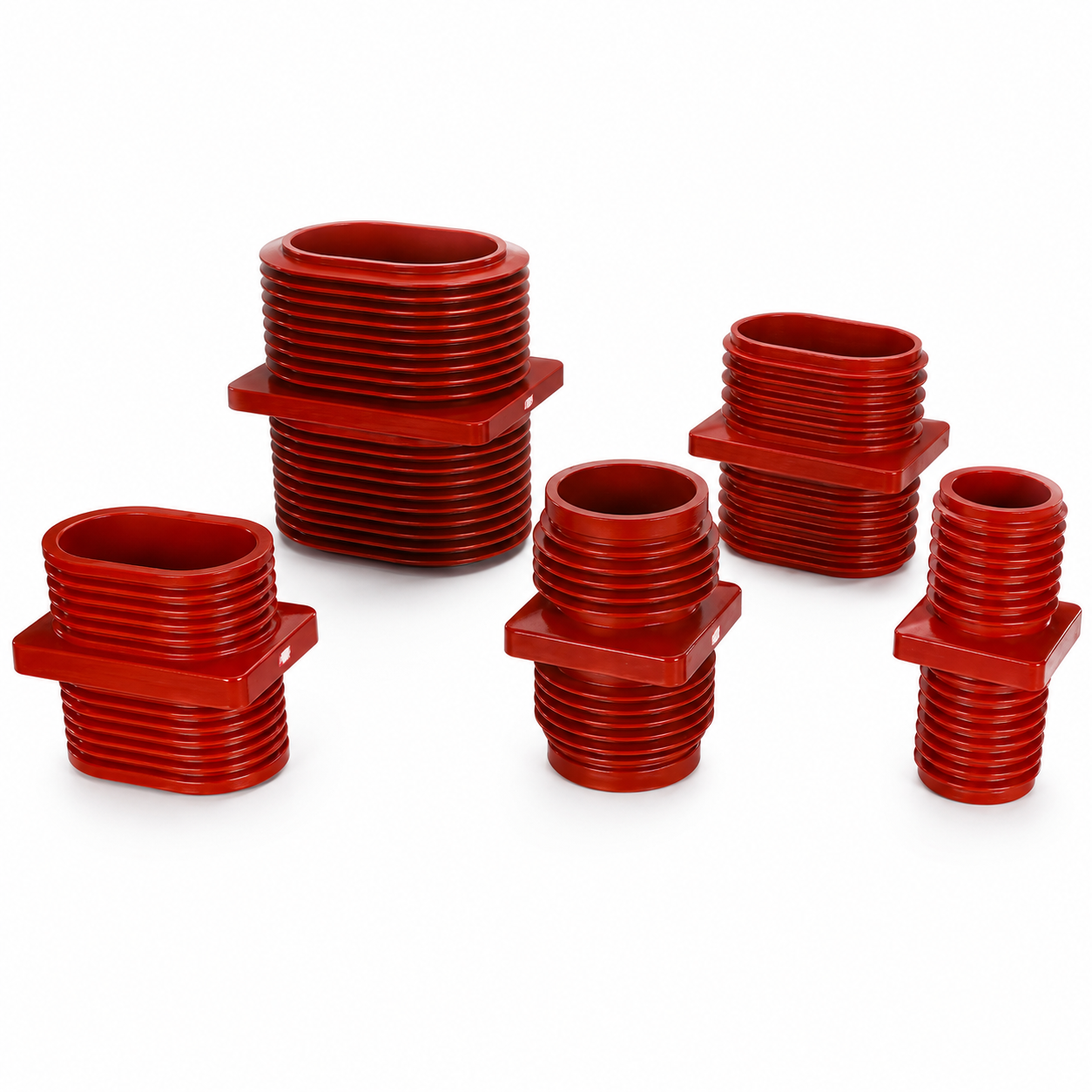
Cooling redundancy is as critical as power redundancy: an N+1 cooling failure in a high-density data hall can cause thermal shutdown of servers within minutes. Our MCC drawer connectors, busbar insulators, and interlock mechanisms are engineered for the high-availability cooling environment - supporting fast drawer extraction and reinsertion for unit swap-out, and maintaining insulation integrity in the presence of VFD-induced harmonic currents and the elevated ambient temperatures found in plant rooms adjacent to active data halls.
Why Our Products Fit Data Centers
Data center electrical procurement is driven by three non-negotiable requirements: zero downtime, long-term reliability, and the ability to perform maintenance without outages. Our LV distribution components are engineered to support all three.
From hyperscale campuses to edge colocation facilities, our factory-direct LV distribution components provide the precision, reliability, and application support that mission-critical data center infrastructure demands.

Copyright © 2026 by ZHEJIANG XIANGHONG ELECTRIC CO., LTD - Privacy Policy
 EN