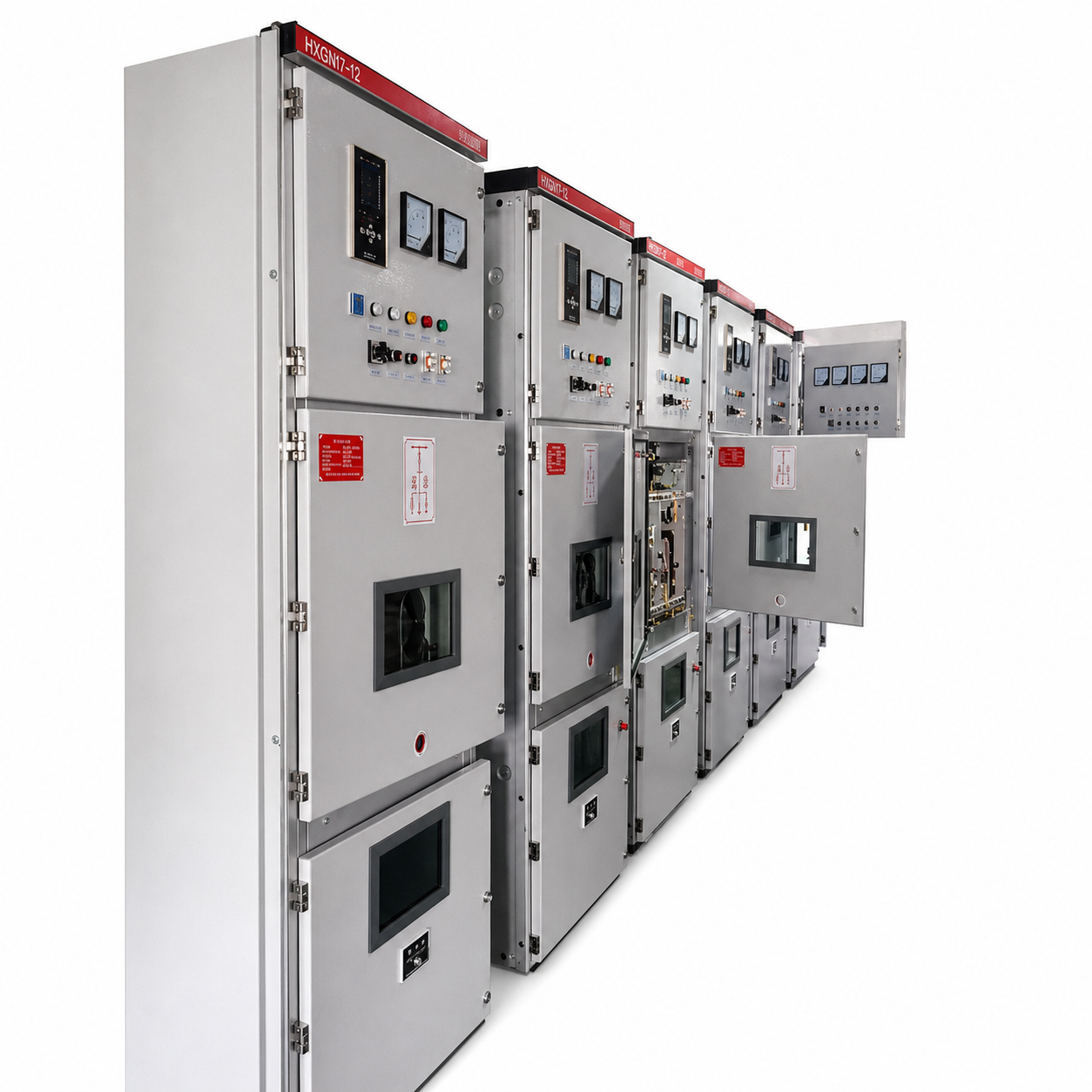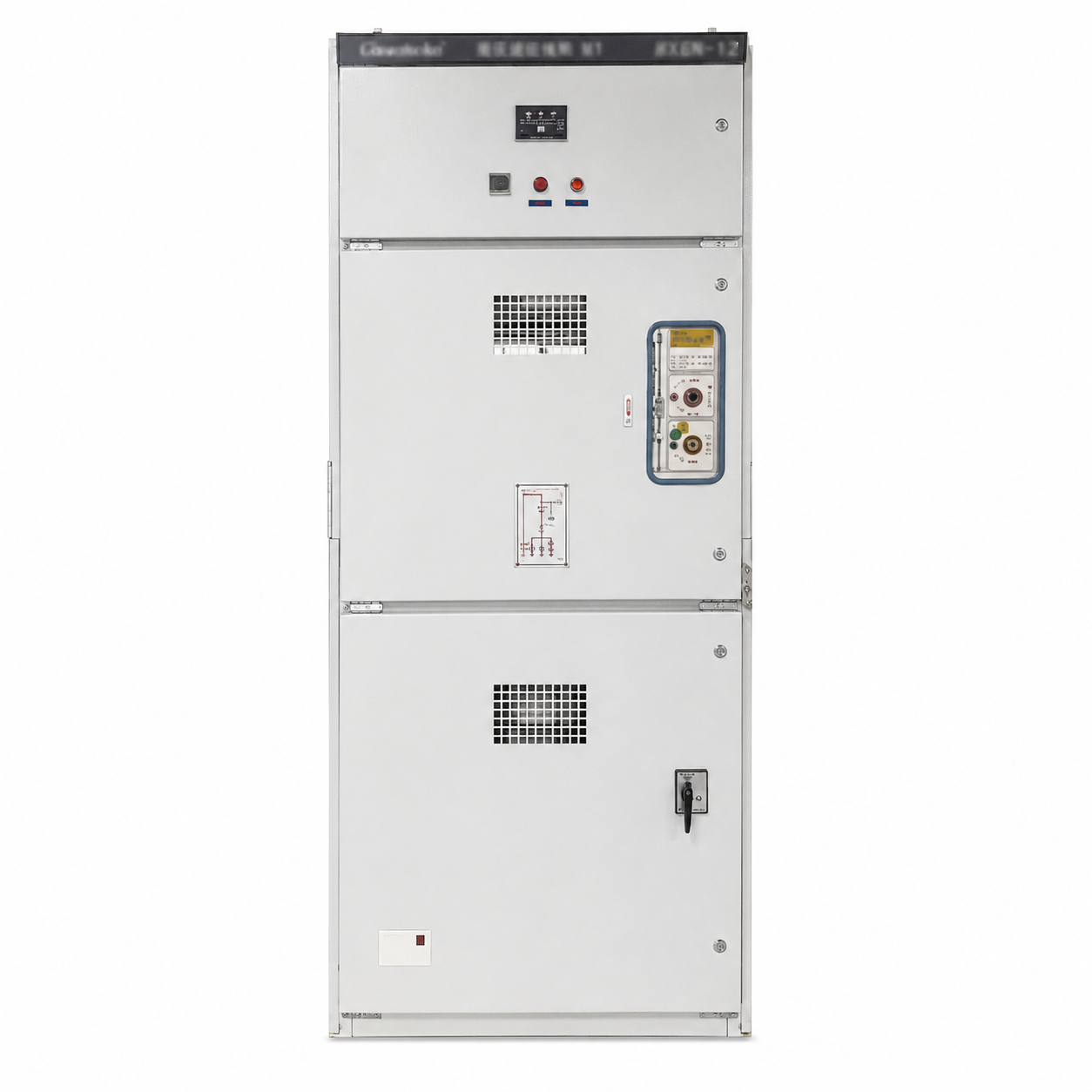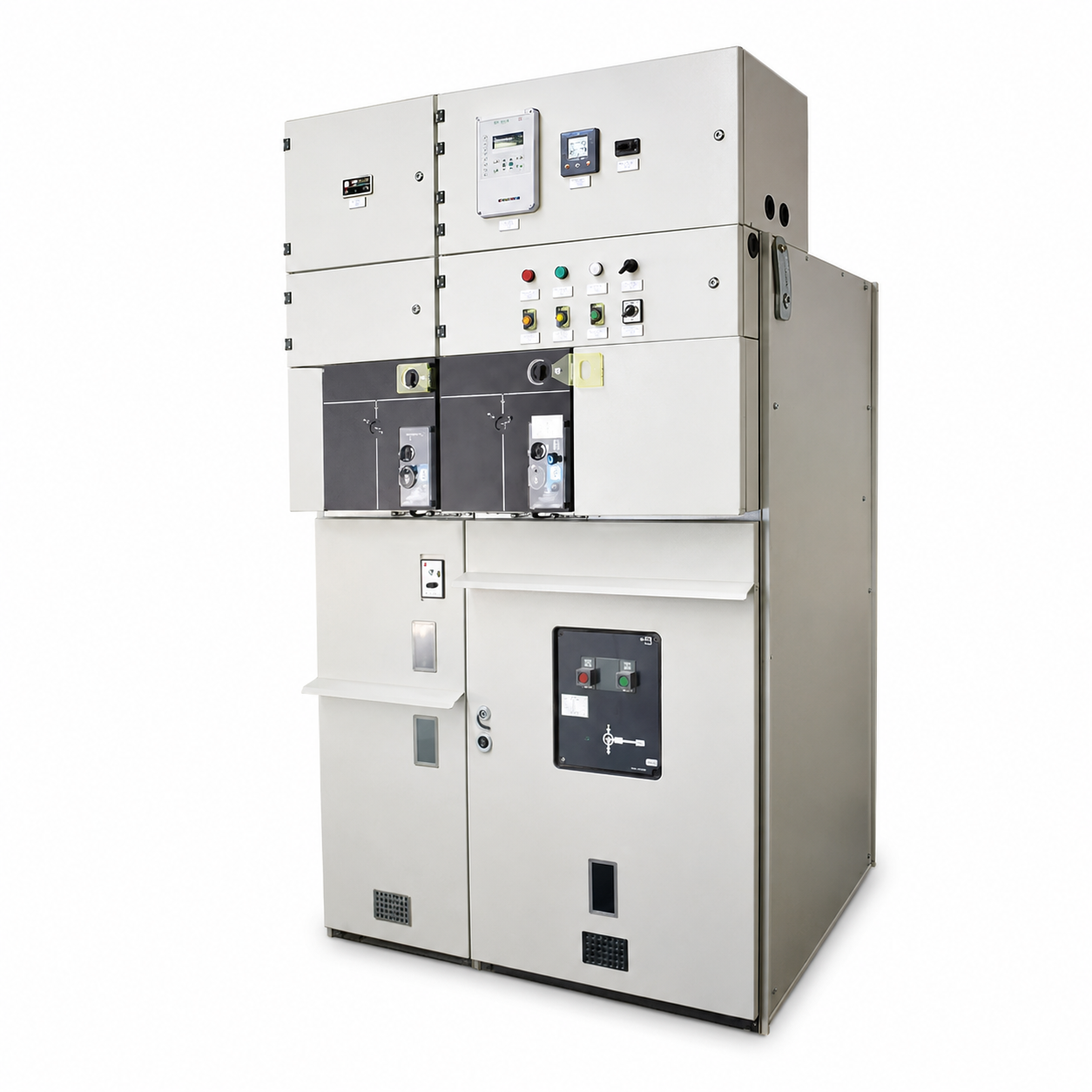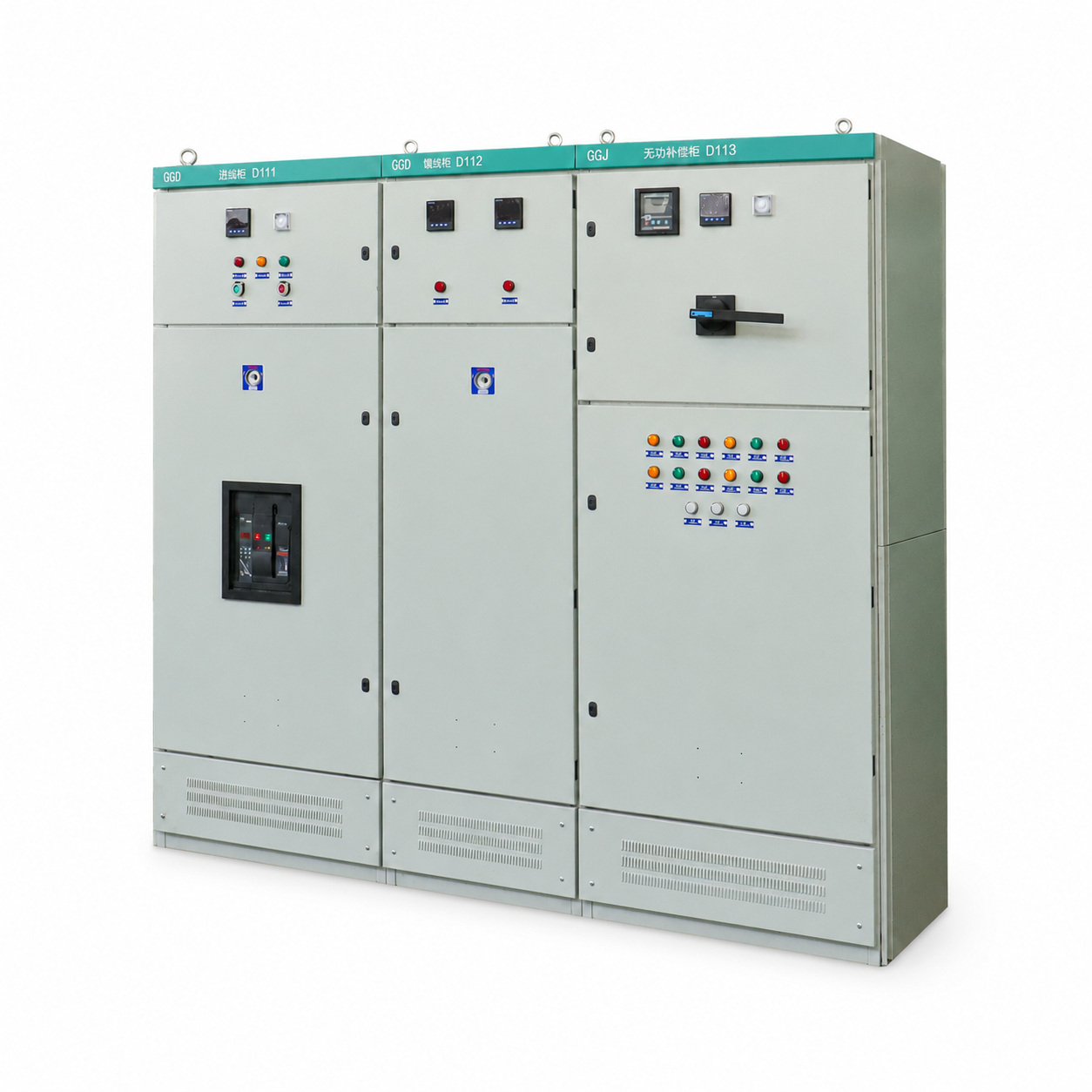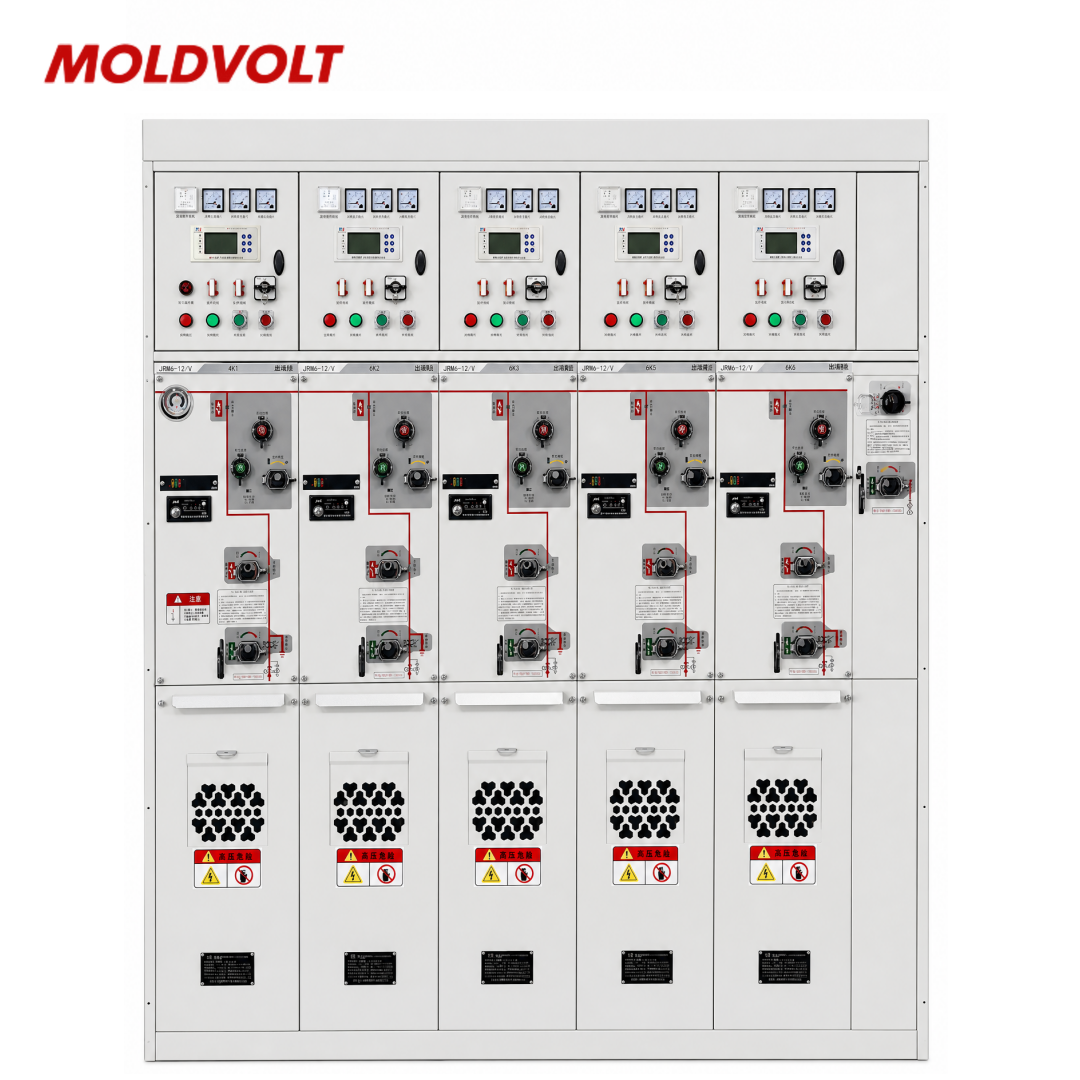
Switchgear protection combines protective devices, sensing equipment, control circuits, and switching mechanisms to detect abnormal electrical conditions and isolate affected circuits. Common applications include industrial plants, commercial buildings, substations, and infrastructure facilities. Depending on system requirements, protection functions may include overcurrent, earth-fault, differential, undervoltage, and breaker-failure protection. Effective protection begins with an accurate understanding of the electrical network. Engineers assess rated voltage, load current, prospective short-circuit levels, conductor capabilities, and the characteristics of connected equipment. Relay settings must be coordinated so that the intended protective device operates under the specified fault conditions. This selectivity helps reduce unnecessary interruptions to unaffected circuits. For example, a manufacturing facility may use feeder protection to isolate a motor fault while keeping other production areas energized, where the protection design permits. In substations, transformer and busbar protection may require dedicated schemes based on the system configuration and risk assessment. Protection performance also depends on suitable circuit breaker ratings, correct wiring, commissioning tests, and periodic maintenance. Buyers should request protection coordination studies, relay setting documentation, and relevant test records. Applying appropriate standards and following manufacturer instructions helps maintain dependable protection throughout the equipment's service life.
08
Sep
23
Sep
16
Oct
27
Oct

Copyright © 2026 by ZHEJIANG XIANGHONG ELECTRIC CO., LTD - Privacy Policy
 EN