Electrical Service Panel Solutions for Commercial & Industrial Use

All Categories
Customer Feedback on Electrical Service Panel Solutions

Customer Feedback on Electrical Service Panel Solutions

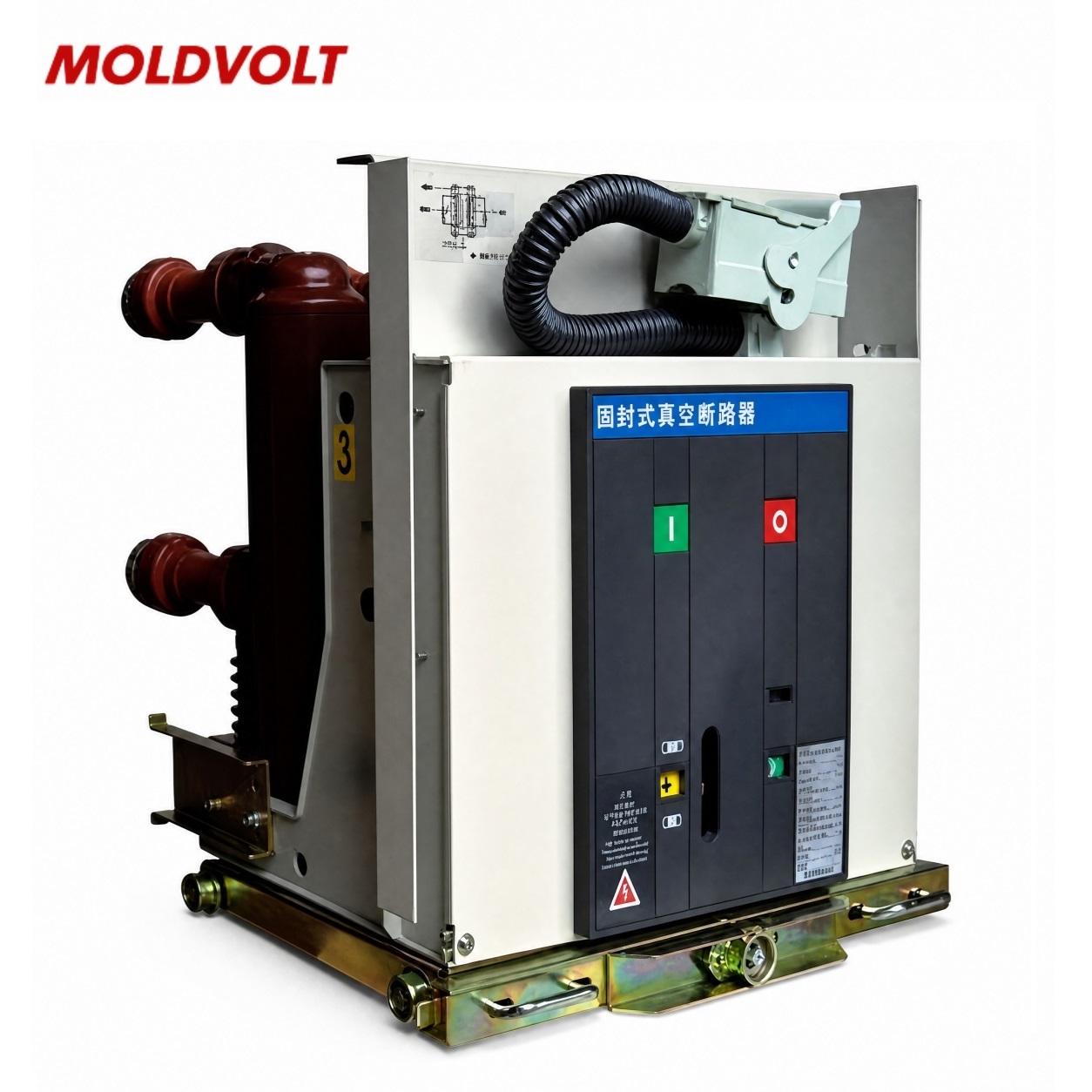
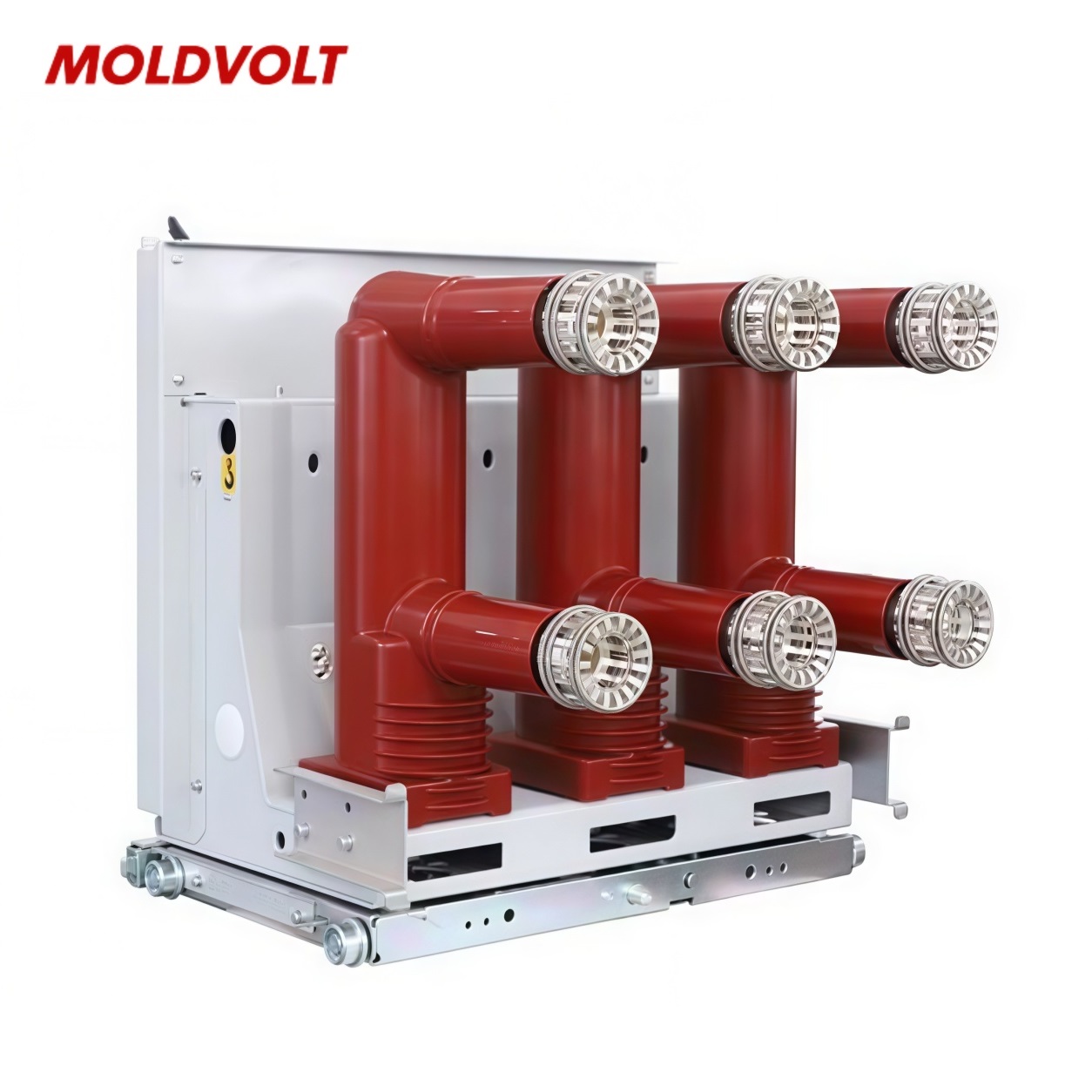
Voltcabinet provides electrical service panel solutions designed to support dependable power distribution across commercial buildings, industrial facilities, and infrastructure projects. Each configuration can be planned around incoming power requirements, circuit arrangements, installation space, and downstream equipment needs. A well-organized panel helps technicians identify circuits, simplify maintenance, and coordinate electrical connections more efficiently. For projects involving multiple loads, clearly structured layouts can also support troubleshooting and future expansion. Buyers can discuss rated voltage, current capacity, enclosure dimensions, protection devices, and applicable standards before confirming specifications. By aligning panel design with actual operating conditions, project teams can improve installation planning, maintainability, and long-term electrical system reliability.
Get A Quote

Case Study

Commercial Building Power Distribution

A commercial property developer required an electrical service panel arrangement for a multi-floor office building with lighting, HVAC equipment, elevators, and general-purpose outlets. The project team organized incoming power connections and outgoing circuits according to the building's electrical drawings. Circuit identification and accessible component placement helped electricians complete installation checks and locate individual circuits during maintenance. For a representative 12-unit commercial project, the panel schedule provided a practical reference for coordinating connections across separate areas. Final ratings and protective-device selections must always follow the approved electrical design, local regulations, and the actual connected load. This approach supports orderly commissioning and more manageable building operations.

Industrial Equipment Power Management

An industrial facility needed an electrical service panel to distribute power to production machinery, auxiliary equipment, ventilation systems, and workshop lighting. The engineering team evaluated motor starting characteristics, expected operating loads, fault protection, and the site's environmental conditions before finalizing the configuration. Separating circuits by equipment group made isolation and maintenance procedures easier to organize. For a workshop operating several production lines, this structured arrangement can help technicians identify the relevant supply circuit without unnecessarily disturbing unrelated equipment. The final panel specification should account for available fault current, conductor sizing, protective coordination, and applicable industrial standards. Proper installation and testing remain essential to safe, dependable operation.

Electrical Infrastructure Upgrade

A facility modernization project required an updated electrical service panel to accommodate additional equipment and reorganize existing circuits. The project team reviewed the original distribution arrangement, available installation space, incoming supply characteristics, and planned load growth before selecting the replacement configuration. A documented circuit schedule helped contractors coordinate cable termination, labeling, and commissioning activities. In a representative upgrade involving three equipment zones, grouping outgoing circuits by operational area provided a clearer maintenance reference. Before replacement, qualified electricians must verify service capacity, grounding arrangements, protection requirements, and compatibility with existing infrastructure. Careful planning helps reduce avoidable installation changes and supports future electrical system expansion.

Related products

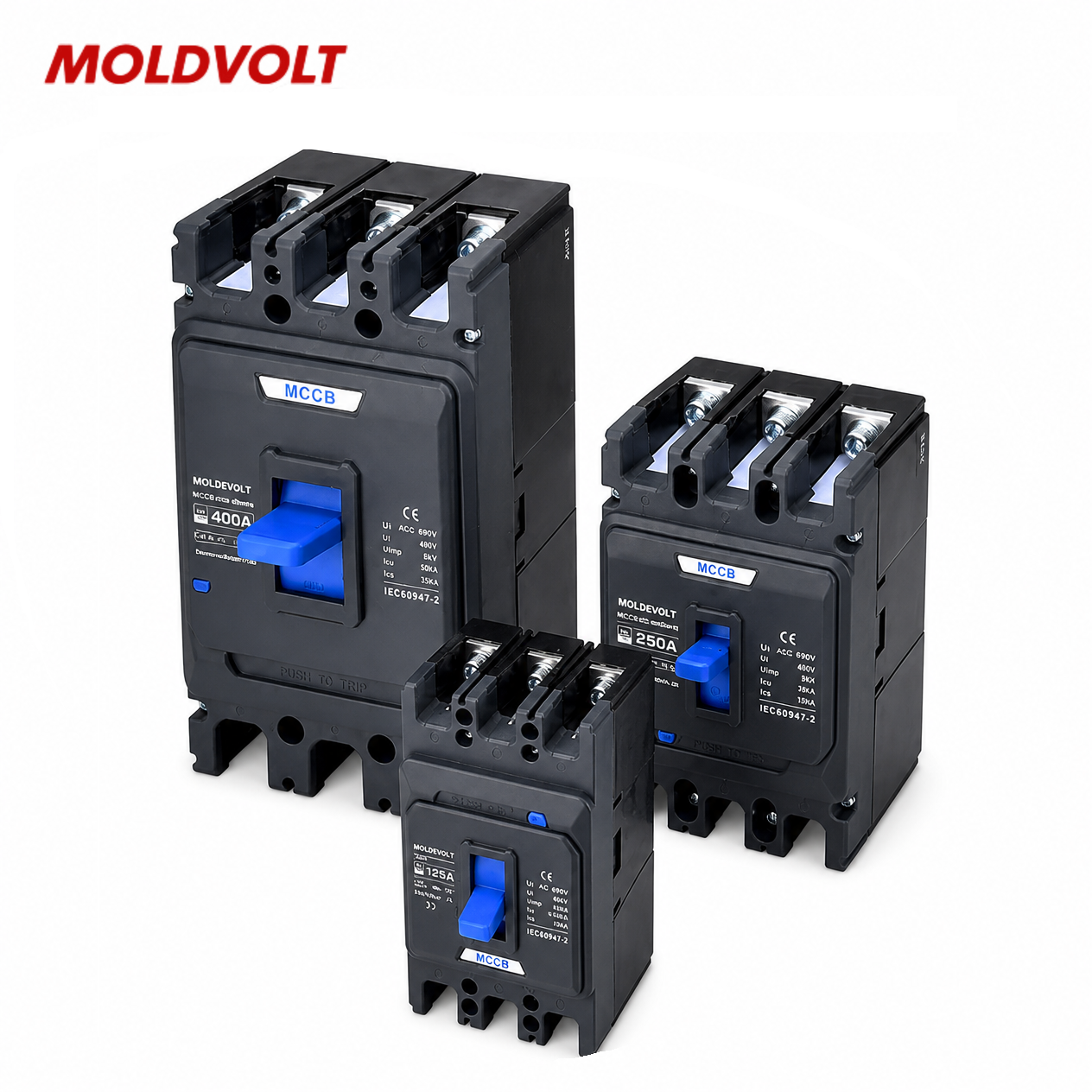
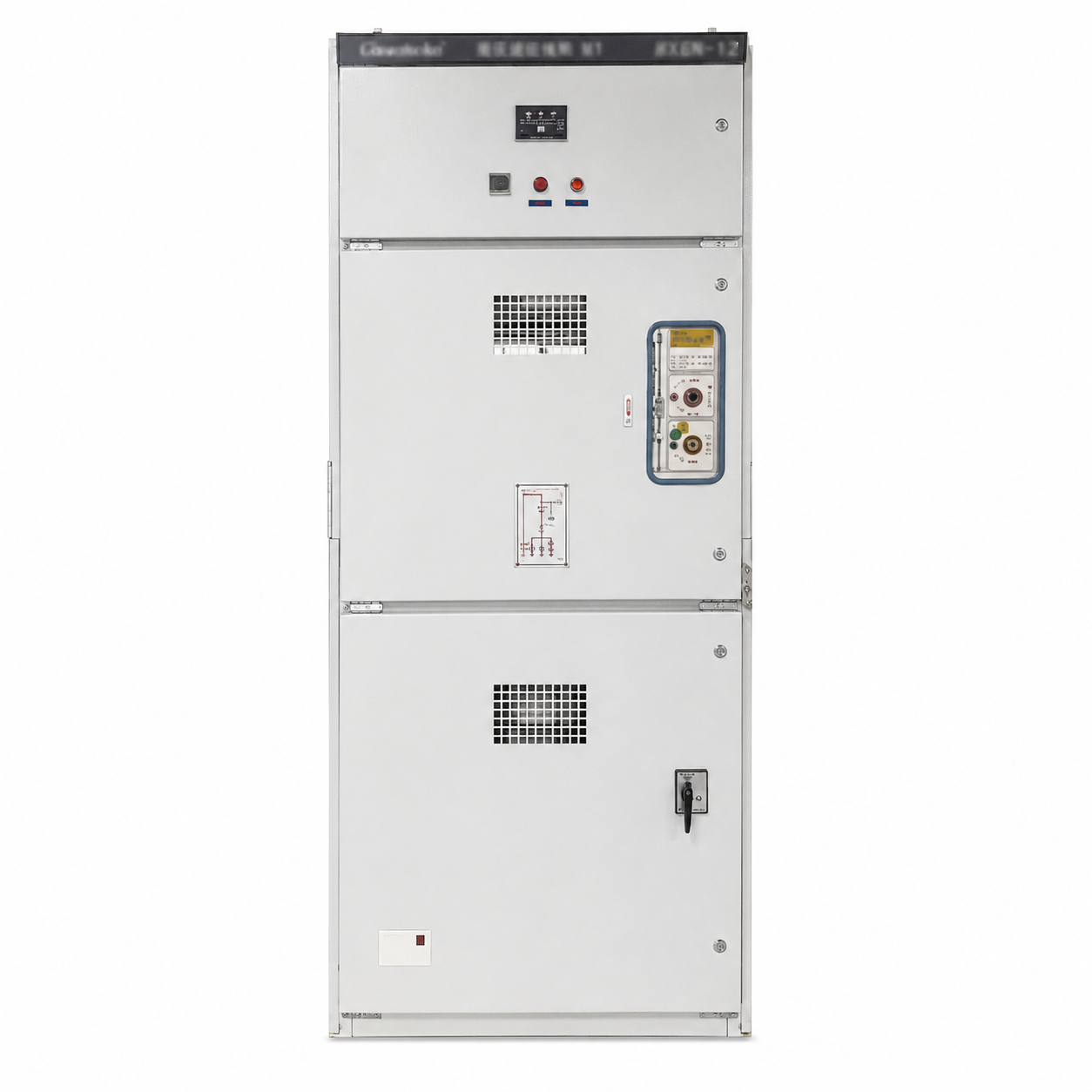
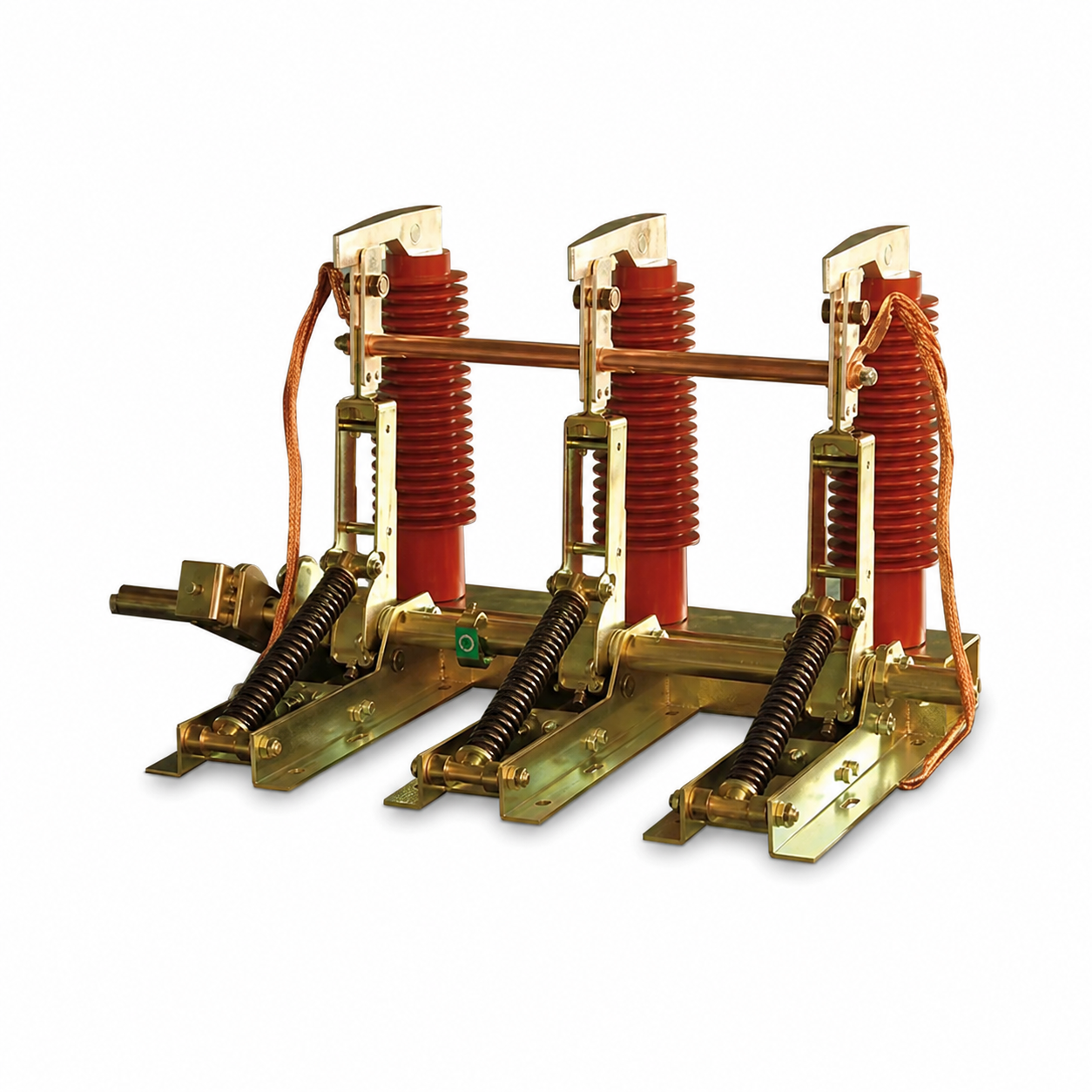
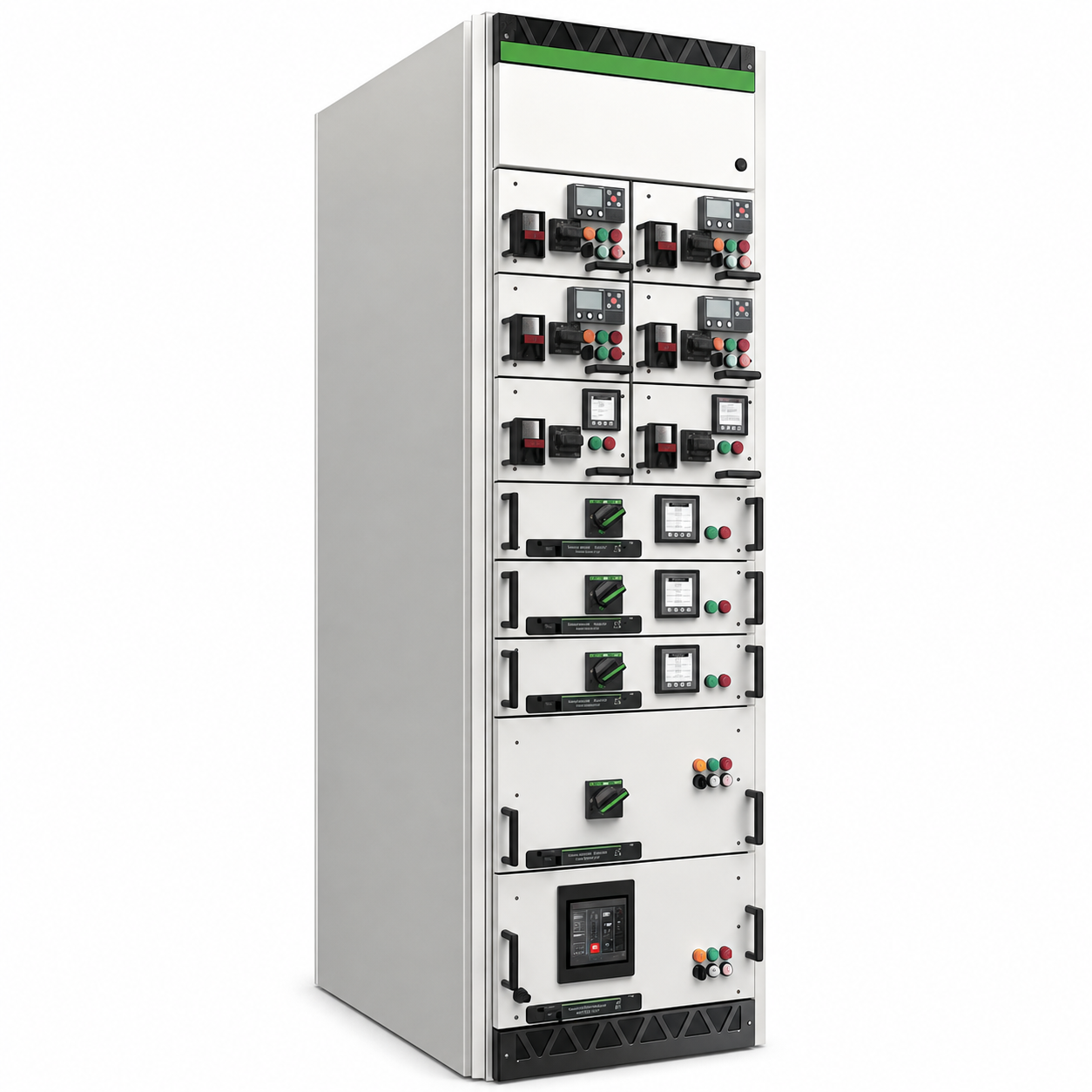
An electrical service panel serves as a central point for receiving incoming electrical power and distributing it through appropriately protected circuits. Voltcabinet supports project-oriented panel selection by helping buyers evaluate voltage ratings, current requirements, enclosure dimensions, circuit configurations, and installation conditions. Applications may include commercial buildings, manufacturing workshops, warehouses, utility facilities, and equipment rooms. Effective panel engineering begins with an understanding of connected loads and expected operating conditions. Design considerations include busbar capacity, short-circuit withstand requirements, protective-device coordination, grounding, heat dissipation, and accessibility for inspection. Enclosure protection should also reflect the installation environment, including indoor exposure, dust, moisture, and temperature variations. For example, a manufacturing facility adding two production machines may need to reassess its service capacity, outgoing circuit allocation, and upstream protection before expanding the distribution system. A properly documented configuration helps engineers and installers coordinate these changes more effectively. When evaluating an electrical service panel supplier, buyers should request technical drawings, component specifications, inspection records, and applicable conformity documentation. Final selection should comply with local electrical codes and project requirements. Clear technical communication before production helps align procurement, installation, and commissioning expectations.

Frequently Asked Questions

What Information Is Needed to Specify an Electrical Service Panel?

Provide the nominal voltage, required current rating, phase configuration, estimated connected load, incoming supply details, number of outgoing circuits, enclosure dimensions, and installation environment. Applicable electrical standards and protection requirements are also important. Engineering review helps establish a suitable configuration and identify missing information before manufacturing or procurement begins.
Start by calculating the expected load and reviewing equipment starting currents, available fault current, operating conditions, and future expansion plans. Confirm protective-device coordination, enclosure requirements, grounding arrangements, and applicable regulations with a qualified electrical engineer. The final specification should reflect the actual installation rather than relying solely on nominal capacity.
Project-specific configurations may accommodate different enclosure sizes, circuit counts, component arrangements, cable entry positions, and monitoring requirements. Customization depends on the selected product range, technical feasibility, and applicable standards. Share your drawings and electrical specifications with the supplier to confirm available options, engineering requirements, and production feasibility before placing an order.
Applicable standards depend on the installation location, voltage level, panel classification, and intended application. Requirements may include IEC 61439 for relevant low-voltage switchgear and controlgear assemblies or applicable UL standards for North American installations. Confirm the exact standard, certification scope, and local electrical code requirements before selecting equipment for a project.
Request the technical datasheet, general arrangement drawing, electrical schematic, bill of materials, rated operating parameters, and relevant inspection or test documentation. Where required, obtain evidence of applicable certifications and conformity assessments. Reviewing these documents before production helps confirm design compatibility, clarify responsibilities, and reduce avoidable changes during installation and commissioning.

Related article

Cabinet corrosion resistance determines service life in coastal engineering sites.

23

Sep

Cabinet corrosion resistance determines service life in coastal engineering sites.

Why Coastal Environments Accelerate Cabinet CorrosionThe chloride-humidity synergy: How salt aerosols and sustained high RH drive electrochemical degradationCoastal atmospheres subject cabinet enclosures to a uniquely aggressive combination of airbor...
View More
Insulator dimensional tolerance controls assembly efficiency in switchgear.

25

Sep

Insulator dimensional tolerance controls assembly efficiency in switchgear.

Why Insulator Dimensional Tolerance Is the Silent Driver of Switchgear Assembly EfficiencyIn high-voltage switchgear, insulators do much more than prevent flashover—they serve as load-bearing anchors that dictate how quickly and precisely busbars, ci...
View More
What switchgear maintenance items prevent unexpected power outage risks?

10

Oct

What switchgear maintenance items prevent unexpected power outage risks?

Top 3 Root Causes of Switchgear-Related Power Outages Insulation degradation and partial discharge: leading precursors to cascade failure Insulation systems in switchgear degrade gradually under electrical, thermal, and environmental stress. Cracks...
View More
Cable clamp vs cable tie: which one delivers long term stability in panels?

27

Oct

Cable clamp vs cable tie: which one delivers long term stability in panels?

Mechanical Performance Under Thermal Stress Polymer creep and thermal expansion mismatch in nylon cable ties at 60–85°C Nylon 6/6 cable ties undergo measurable mechanical degradation when exposed continuously to 60–85 °C. At the...
View More

Customer Testimonials

James Miller

Our electrical service panel project supported a 12-unit commercial facility with organized circuit distribution and clearly labeled connections, simplifying maintenance and improving installation efficiency.

Daniel Wilson

The panel solution met our project specifications and helped streamline equipment integration. Clear documentation and practical configuration options made procurement and installation coordination easier.

Get a Free Quote

Our representative will contact you soon.
Email
Mobile/WhatsApp
Name
Company Name
Message
0/1000
Project-Specific Electrical Service Panel Configurations

Project-Specific Electrical Service Panel Configurations

Different facilities require different approaches to electrical power distribution. A commercial building may prioritize organized lighting and HVAC circuits, while a manufacturing plant may need dedicated supplies for motors, production machinery, and auxiliary systems. Voltcabinet supports specification discussions around rated voltage, current capacity, circuit quantity, component placement, enclosure dimensions, and cable entry arrangements. For example, a facility with three operating zones can benefit from a clearly documented circuit schedule that helps electricians identify the relevant distribution sections. Such organization supports maintenance planning and future modifications. Final configurations must be confirmed against load calculations, available fault current, applicable standards, and installation conditions to ensure technical suitability.
Technical Coordination from Specification to Installation

Technical Coordination from Specification to Installation

Successful electrical service panel procurement depends on accurate communication between the buyer, panel supplier, electrical engineer, and installation contractor. Important details include incoming supply characteristics, protective-device requirements, conductor arrangements, environmental exposure, and the available installation footprint. Voltcabinet can discuss project requirements and configuration options to help buyers establish a clearer technical specification before procurement. For an industrial upgrade involving two additional machines, reviewing connected loads and circuit allocation in advance can help identify capacity constraints before installation begins. Buyers should confirm drawings, component selections, testing requirements, and documentation expectations before approving production. Qualified professionals must complete installation, verification, and commissioning according to local electrical codes.

Get a Free Quote

Our representative will contact you soon.
Email
Mobile/WhatsApp
Name
Company Name
Message
0/1000