Electricity Load Management for Circuit Breakers [Guide]

All Categories
Customer Reviews for Electricity Load Management Solutions

Customer Reviews for Electricity Load Management Solutions

Electricity load refers to the electrical power consumed by connected equipment and circuits over a given period or under specific operating conditions. Understanding load demand helps engineers size distribution panels, select circuit breakers, and plan suitable conductors for commercial and industrial installations. Key considerations include connected equipment ratings, operating schedules, starting currents, power factor, and anticipated expansion. VoltCabinet supports electrical distribution projects where load requirements influence panel configuration and protective equipment selection. For example, a manufacturing facility adding production machinery should evaluate both normal operating demand and relevant starting conditions before upgrading its distribution system. Thorough load assessment supports appropriate equipment sizing, safer operation, and more effective capacity planning.
Get A Quote

Case Study

Electricity Load Planning for Manufacturing Facilities

A manufacturing facility planned to install additional production machinery and needed to determine whether its existing electrical distribution system could support the increased demand. Engineers collected equipment ratings, operating schedules, and motor starting requirements to estimate the expected load. They then reviewed panel capacity, feeder ratings, and circuit breaker specifications against the proposed operating conditions. The assessment identified areas requiring further engineering verification before equipment procurement. This process helped the facility organize its expansion requirements and reduce the risk of selecting undersized distribution components. Similar projects should consider demand diversity, power factor, and future growth rather than simply adding equipment nameplate ratings.

Commercial Building Electricity Load Evaluation

A commercial building project required an electricity load assessment before adding HVAC equipment, lighting circuits, and office workstations. The design team reviewed connected loads, expected operating hours, and the distribution arrangement to establish a realistic demand estimate. This information informed decisions about panel capacity, feeder sizing, and protective device selection. Engineers also considered whether the existing supply could accommodate the proposed additions without exceeding its design limits. Before implementation, qualified professionals verified the calculations against applicable electrical codes and project requirements. A structured load assessment helps building owners plan electrical upgrades, improve distribution organization, and reduce avoidable equipment replacement costs.

Electricity Load Analysis for Distribution Panel Upgrades

An industrial operator needed to upgrade a distribution panel serving multiple production areas. The project team reviewed existing circuit loads, recorded equipment demand, and identified proposed additions to establish the revised electrical requirements. Engineers then evaluated the panel's rated current, busbar capacity, feeder limitations, and protective device coordination. Special attention was given to loads with high starting currents and equipment operating simultaneously. The assessment helped define the information needed for the final engineering design and equipment specification. For panel upgrades, load calculations should be verified by qualified professionals using appropriate measurement data, design assumptions, and local electrical requirements before installation begins.

Related products

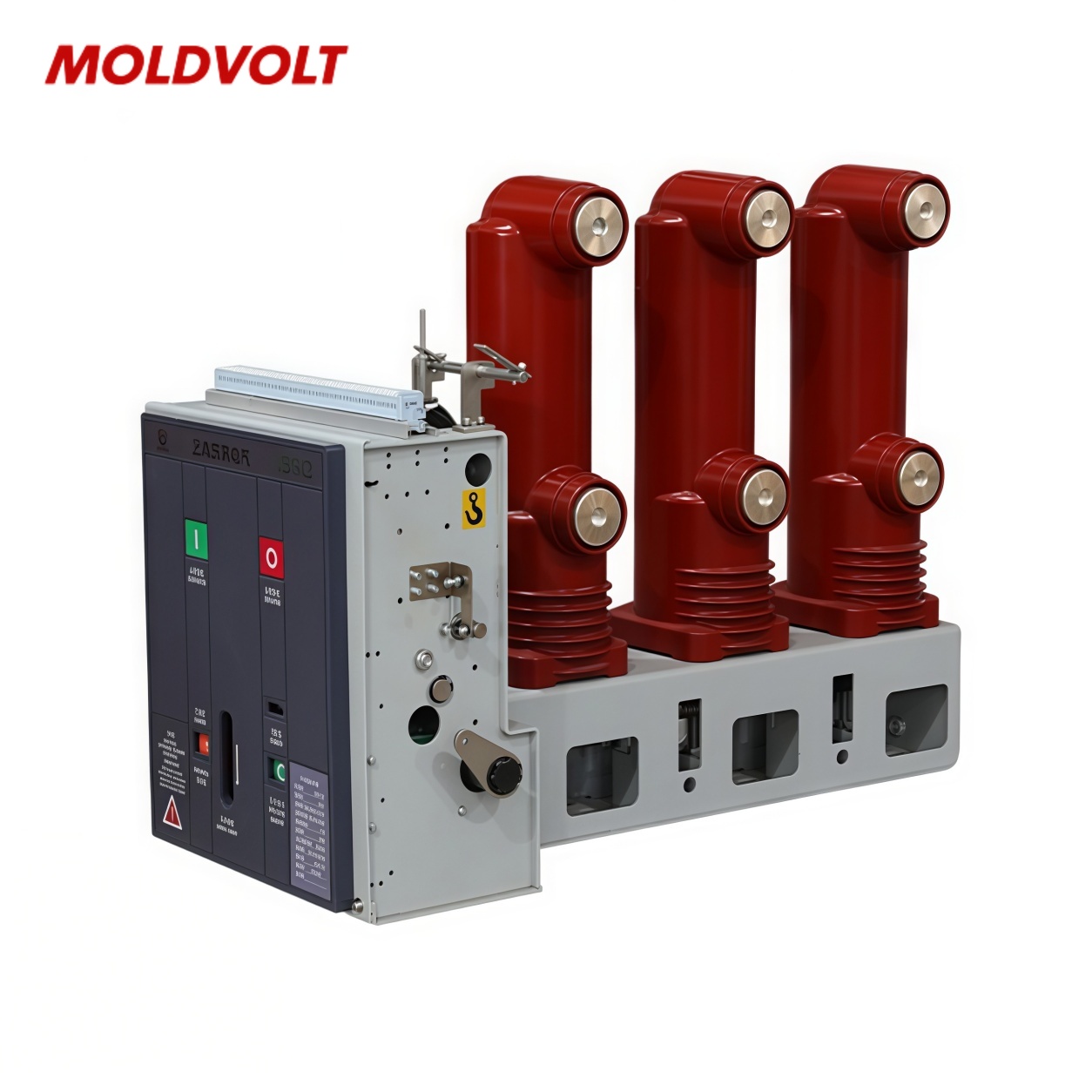
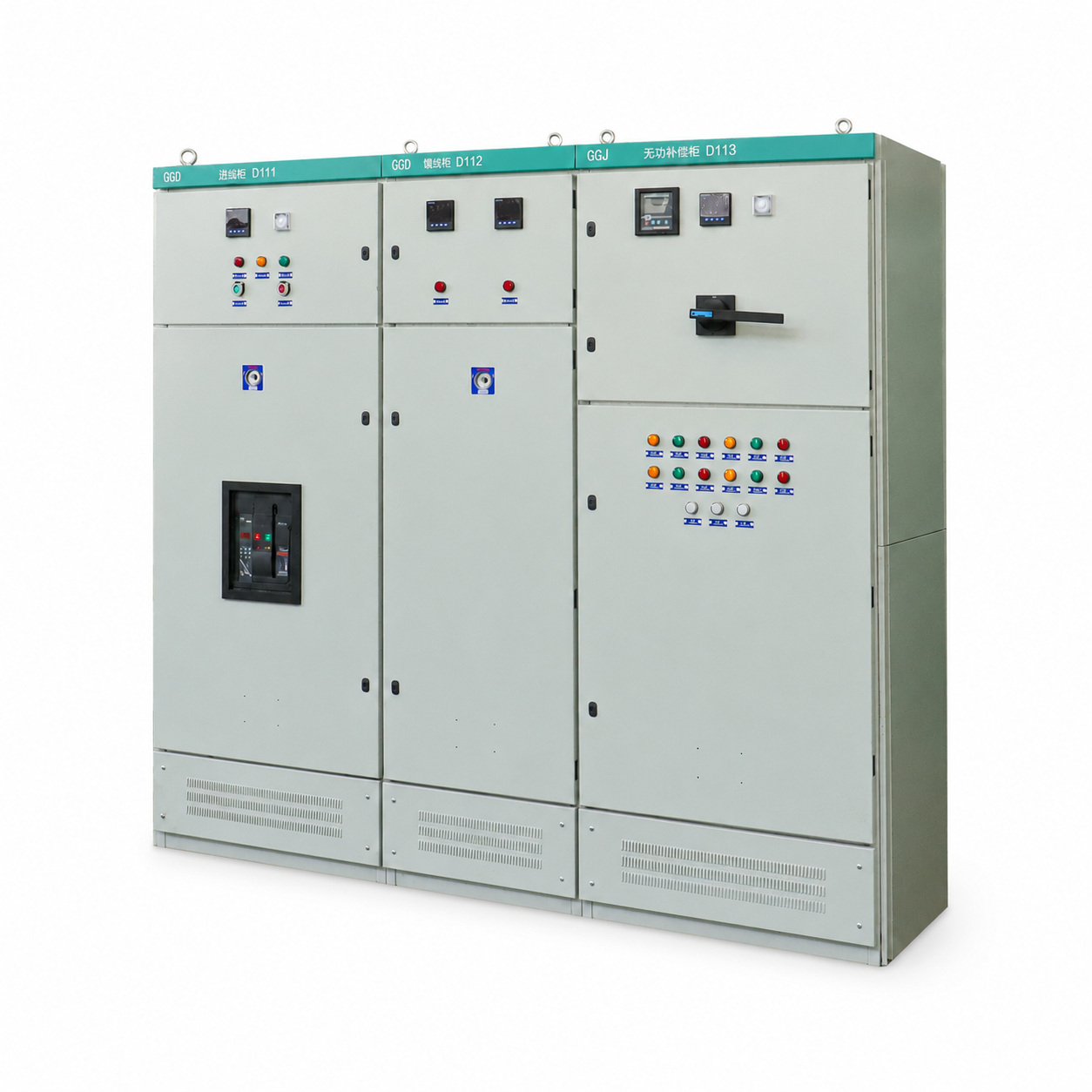
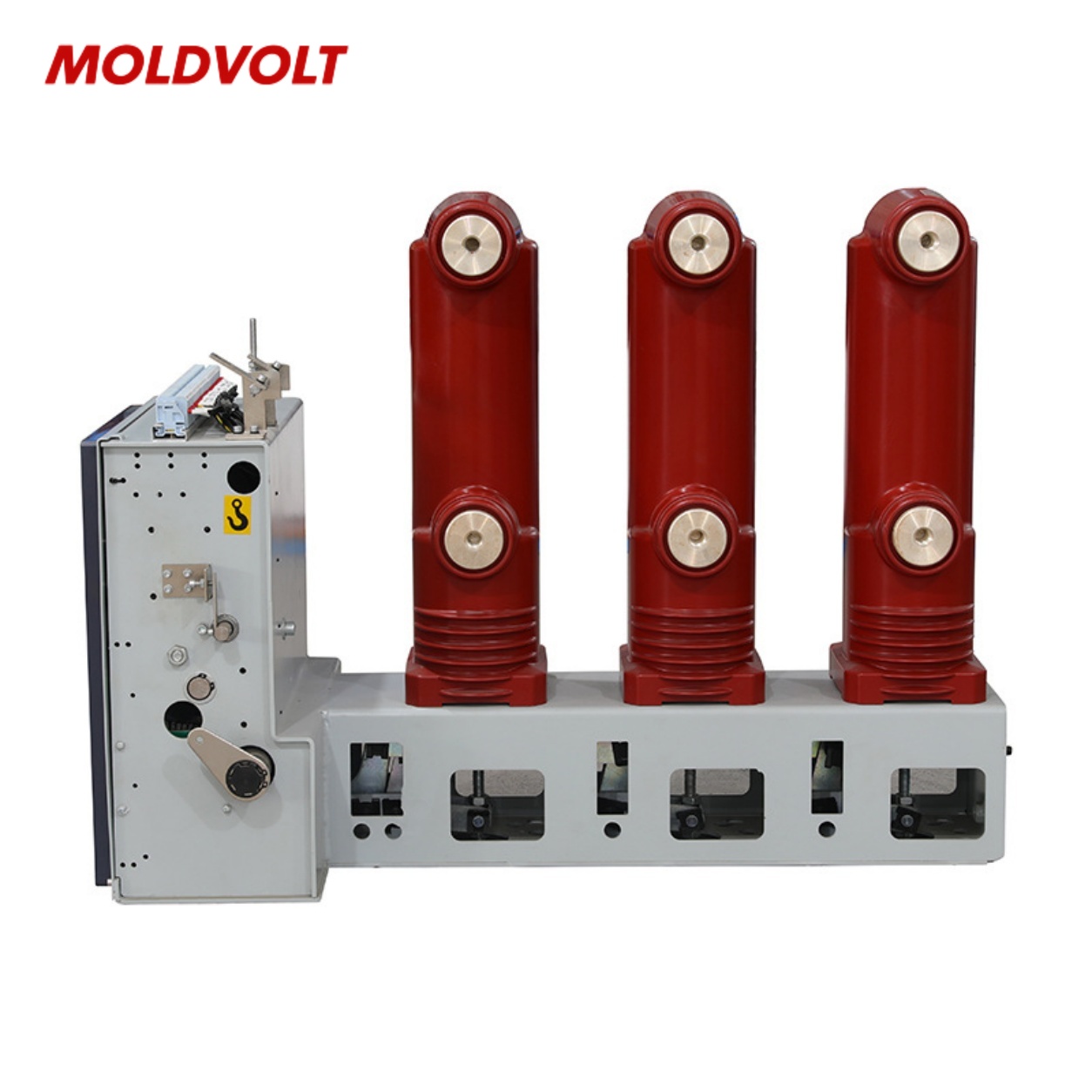
Electricity load describes the power demanded by electrical equipment and systems during operation. It can be expressed in watts or kilowatts for active power, while apparent power is commonly expressed in volt-amperes or kilovolt-amperes. Understanding the distinction helps engineers evaluate electrical capacity, current requirements, and equipment selection. Connected load represents the total rated demand of installed equipment, whereas maximum demand reflects the highest demand expected or measured over a defined interval. These figures are not necessarily identical because equipment may operate at different times or below its rated capacity. VoltCabinet supports electrical distribution projects involving switchgear, distribution panels, and protective devices selected according to application requirements. Load information helps determine suitable panel ratings, circuit breaker specifications, feeder capacity, and available expansion space. For example, a warehouse installing additional lighting, ventilation, and material-handling equipment should review its expected demand before modifying the distribution system. Three phase installations may also require consideration of phase balance, power factor, and motor starting characteristics. Actual design calculations must account for applicable standards, operating conditions, and the characteristics of the connected loads. Providing accurate equipment schedules and expected demand helps suppliers evaluate distribution requirements and supports better coordination during procurement, installation, and commissioning.

Frequently Asked Questions

What does electricity load mean?

Electricity load refers to the power required by connected electrical equipment during operation. It may describe an individual appliance, a branch circuit, or an entire facility. Understanding load helps engineers estimate demand, select suitable conductors and protective devices, and determine whether the electrical distribution system has adequate capacity.
Electricity load calculations begin with equipment ratings, expected operating conditions, and applicable demand factors. For single phase systems, active power can be estimated using voltage, current, and power factor. Three phase calculations also account for the phase configuration. Qualified engineers should verify assumptions and apply relevant electrical standards.
Connected load is the combined rated capacity of installed electrical equipment. Maximum demand is the highest load expected or recorded over a specified period. Maximum demand may be lower than connected load because equipment does not always operate simultaneously or at full capacity. Both values support distribution planning.
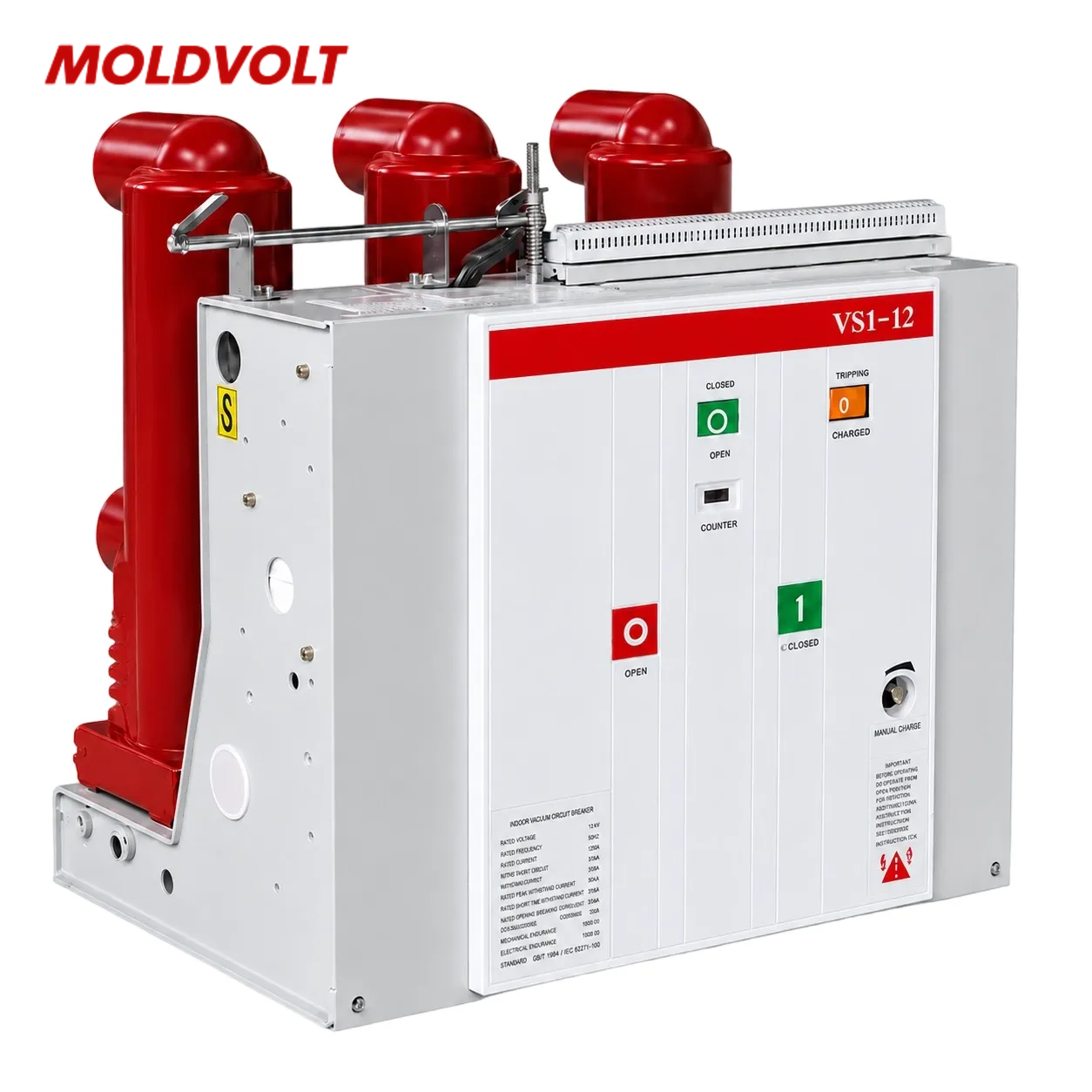
Load assessment helps establish the required operating current and informs circuit breaker selection. The breaker must coordinate with conductor ampacity, equipment requirements, and available fault current. Motor starting characteristics and other temporary current changes may also matter. Final selection should comply with applicable codes and manufacturer specifications.
Yes. Additional equipment may exceed the available capacity of a panel, feeder, or upstream supply. Before expansion, qualified professionals should review calculated demand, busbar ratings, conductor capacity, and protective devices. A new sub panel can organize circuits, but it does not independently increase the electrical service's total capacity.

Related article

Cabinet corrosion resistance determines service life in coastal engineering sites.

23

Sep

Cabinet corrosion resistance determines service life in coastal engineering sites.

Why Coastal Environments Accelerate Cabinet CorrosionThe chloride-humidity synergy: How salt aerosols and sustained high RH drive electrochemical degradationCoastal atmospheres subject cabinet enclosures to a uniquely aggressive combination of airbor...
View More
Insulator dimensional tolerance controls assembly efficiency in switchgear.

25

Sep

Insulator dimensional tolerance controls assembly efficiency in switchgear.

Why Insulator Dimensional Tolerance Is the Silent Driver of Switchgear Assembly EfficiencyIn high-voltage switchgear, insulators do much more than prevent flashover—they serve as load-bearing anchors that dictate how quickly and precisely busbars, ci...
View More
What switchgear maintenance items prevent unexpected power outage risks?

10

Oct

What switchgear maintenance items prevent unexpected power outage risks?

Top 3 Root Causes of Switchgear-Related Power Outages Insulation degradation and partial discharge: leading precursors to cascade failure Insulation systems in switchgear degrade gradually under electrical, thermal, and environmental stress. Cracks...
View More
Insulator mechanical strength supports busbar fixing inside switchgear cabinets.

13

Oct

Insulator mechanical strength supports busbar fixing inside switchgear cabinets.

Critical Mechanical Load Demands on Insulators for Busbar Support Static, Dynamic, and Short-Circuit Electrodynamics: Quantifying Peak Forces (Up to 250 kA) Busbar support insulators must simultaneously manage three distinct mechanical load regimes...
View More

Customer Testimonials

James Miller

We needed to assess electricity load requirements for an industrial distribution project. Reviewing connected equipment, operating current, and peak demand helped our team clarify panel capacity and protection specifications before installation.

Daniel Wilson

Our commercial project required careful evaluation of electrical loads across multiple circuits. The technical discussions helped us organize load data, review breaker ratings, and plan distribution equipment around expected operating demand.

Get a Free Quote

Our representative will contact you soon.
Email
Mobile/WhatsApp
Name
Company Name
Message
0/1000
Load-Based Equipment Selection for Electrical Distribution

Load-Based Equipment Selection for Electrical Distribution

Reliable electrical distribution begins with an accurate understanding of the loads that equipment must serve. Industrial facilities may combine motors, production machinery, lighting, and control systems, while commercial buildings often include HVAC equipment, elevators, and office circuits. Each load type can influence current demand, starting conditions, and protection requirements. VoltCabinet supports distribution equipment planning where these factors affect panel and switchgear specifications. For example, a factory expansion should evaluate expected simultaneous demand before choosing a new main breaker or distribution board. Reviewing equipment schedules, operating patterns, power factor, and available supply capacity helps engineers develop a more suitable configuration and avoid preventable sizing errors.

Distribution Capacity Planning for Future Expansion

Distribution Capacity Planning for Future Expansion

Electricity load planning should consider both present demand and realistic future operating requirements. A facility expecting additional machinery or building services may need extra circuit positions, suitable busbar capacity, and an appropriately rated feeder arrangement. However, unused breaker spaces alone do not guarantee that a panel can support additional electrical demand. Engineers must verify the upstream supply, conductor ratings, protective devices, and calculated maximum demand. VoltCabinet supports project discussions involving electrical distribution equipment and panel configurations. Providing anticipated load increases, system voltage, equipment schedules, and installation conditions helps clarify project requirements before procurement. This approach supports better expansion planning and more informed investment decisions.

Get a Free Quote

Our representative will contact you soon.
Email
Mobile/WhatsApp
Name
Company Name
Message
0/1000