High Voltage Fuse Guide: Reliable Protection for Transformers & Capacitor Banks

All Categories
Reviews Title 1: Reliable Protection for High Voltage Equipment

Reviews Title 1: Reliable Protection for High Voltage Equipment

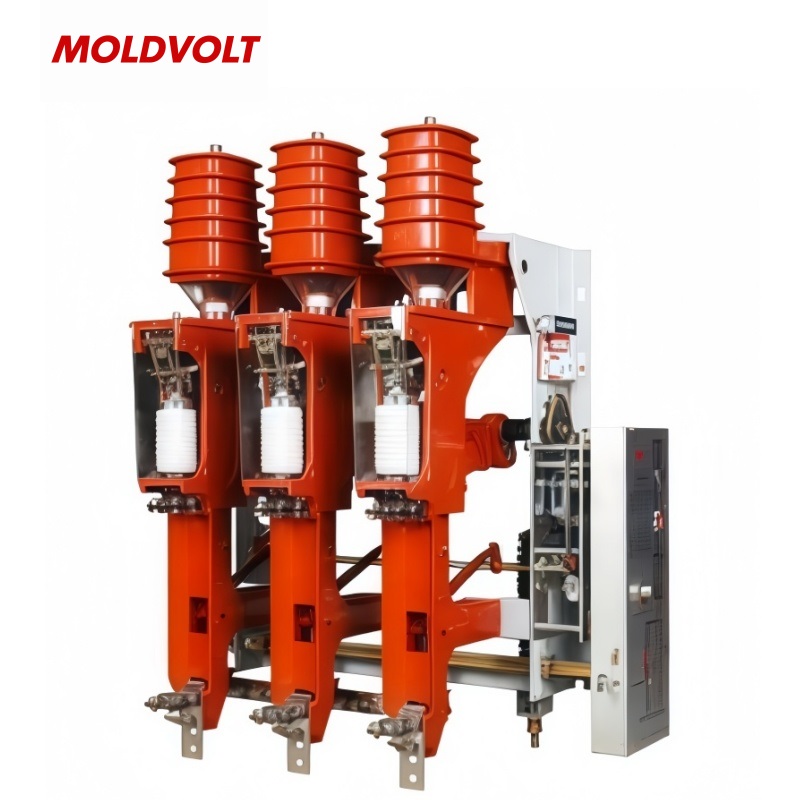
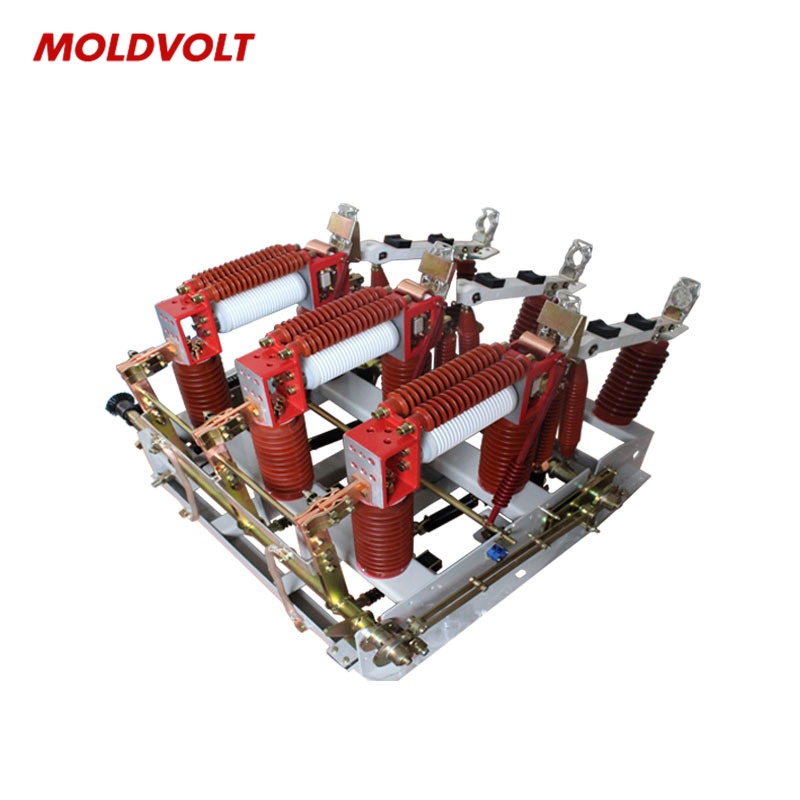
High voltage fuses provide reliable overcurrent and short-circuit protection for transformers, capacitor banks, voltage transformers, and other electrical equipment. Designed to interrupt excessive fault currents within specified operating conditions, they help limit equipment damage and improve power system safety. Available in different voltage classes, current ratings, and fuse characteristics, they accommodate diverse industrial and utility applications. For example, a 35kV distribution network requires fuse protection coordinated with transformer capacity and prospective fault current. Carefully selected fuse elements and arc-quenching materials support dependable interruption performance. Appropriate coordination with upstream and downstream protective devices helps improve electrical reliability, reduce equipment replacement risks, and maintain stable power distribution.
Get A Quote

Case Study

Transformer Short Circuit Protection

An industrial facility required dependable protection for its 35kV distribution transformers. Unexpected short circuits and excessive current conditions could damage transformer windings, insulation, and associated electrical equipment. High voltage fuses were selected according to transformer ratings, primary voltage, prospective fault current, and coordination requirements. The fuse elements provide a controlled interruption mechanism when current exceeds specified operating characteristics. Proper selection helps limit fault energy and reduce the possibility of extensive equipment damage. Engineers also evaluated transformer inrush current to avoid unnecessary fuse operation during energization. This coordinated protection arrangement supports safer transformer operation and more reliable industrial power distribution.

Capacitor Bank Overcurrent Protection

A utility power distribution project required protective devices for capacitor banks used in voltage regulation and power factor improvement. Capacitor installations can experience internal element failures, switching transients, and abnormal current conditions. High voltage fuses were selected based on capacitor unit ratings, system voltage, discharge characteristics, and expected operating conditions. Their interruption capability helps isolate faulty capacitor units and limit the impact of electrical failures on surrounding equipment. Engineers considered fuse characteristics and capacitor protection requirements to achieve appropriate coordination. Correct installation and periodic inspection further support dependable operation, helping maintain power quality and reduce unnecessary interruptions across the distribution network.

Voltage Transformer Circuit Protection

A high voltage substation required reliable fuse protection for voltage transformers used in metering, monitoring, and protection systems. Faults within voltage transformer circuits can affect measurement accuracy and compromise connected protection equipment. Suitable high voltage fuses were selected according to system voltage, transformer specifications, and required interruption characteristics. Their compact installation arrangement supports integration into substation equipment while providing protection against specified fault conditions. Engineers also evaluated insulation requirements, fuse dimensions, and coordination with the wider electrical protection system. This approach helps protect voltage transformer circuits, improve equipment reliability, and support stable monitoring and control operations.

Related products

High voltage fuses are protective devices designed to interrupt excessive current and isolate faulty electrical circuits under specified conditions. They are widely used in medium and high voltage distribution systems to protect transformers, capacitor banks, voltage transformers, and other electrical equipment. Common designs include current-limiting fuses and expulsion-type fuses, each offering different interruption characteristics and application suitability. Current-limiting designs use specially engineered fuse elements and quartz sand to help extinguish the arc and limit fault current. Manufacturing processes involve precision fuse element production, contact assembly, insulation component processing, sealing, and electrical performance testing. Important selection parameters include rated voltage, rated current, breaking capacity, minimum breaking current where applicable, and time-current characteristics. For example, a 35kV transformer installation requires fuse ratings coordinated with transformer inrush current and prospective short-circuit conditions. Proper engineering evaluation and compliance with applicable IEC standards help ensure dependable protection, electrical safety, and long-term operating reliability.

Frequently Asked Questions

What is the main function of a high voltage fuse?

A high voltage fuse protects electrical equipment against excessive current and short circuits. When current exceeds its specified operating characteristics, the fuse element melts and interrupts the circuit. This helps isolate faults, limit equipment damage, and improve the safety of electrical distribution systems.
Common types include current-limiting fuses and expulsion-type fuses. Current-limiting designs use specially engineered fuse elements and arc-quenching materials to restrict fault current. Expulsion fuses use arc-extinguishing mechanisms and are commonly applied in suitable outdoor distribution installations.
Selection requires evaluating rated voltage, rated current, breaking capacity, time-current characteristics, and prospective fault current. For transformer applications, engineers must also consider inrush current and coordination with other protective devices to prevent unnecessary fuse operation during normal energization.
High voltage fuses are commonly installed in transformer protection assemblies, capacitor banks, voltage transformer circuits, and medium voltage distribution networks. Their application depends on system voltage, equipment characteristics, available fault current, and the required protection coordination.
A high voltage fuse generally requires replacement after it operates and interrupts a fault. Before replacement, technicians should identify and correct the underlying problem, verify equipment condition, and select a replacement with compatible electrical ratings and interruption characteristics.

Related article

What cable clamp material suits high temperature switchgear cabinets?

19

Sep

What cable clamp material suits high temperature switchgear cabinets?

Understanding High-Temperature Challenges in Switchgear CabinetsTypical Operating Temperatures and Thermal Stress Sources (Busbars, Load Cycling, Enclosure Design)Switchgear cabinets experience elevated temperatures primarily due to resistive losses ...
View More
Why cabinet condensation leads to insulation failure in electrical equipment?

21

Sep

Why cabinet condensation leads to insulation failure in electrical equipment?

The Science of Cabinet Condensation: How Temperature, Humidity, and Design InteractDew Point Formation Inside Enclosures Due to Thermal GradientsCondensation inside an electrical cabinet is not simply a matter of seal failure—it is governed by the de...
View More
How to customize cabinet dimensions to fit existing switchgear layouts?

26

Sep

How to customize cabinet dimensions to fit existing switchgear layouts?

Step 1: Accurate Site Assessment and Dimensional BenchmarkingMeasuring mechanical layout, clearances, and structural constraints in legacy electrical roomsA successful retrofit begins with a meticulous site survey. Older electrical rooms rarely match...
View More
What electrical switchgear testing items are required before site commissioning?

21

Oct

What electrical switchgear testing items are required before site commissioning?

Insulation Integrity and Dielectric Strength Verification Megger testing of busbars, cables, and instrument transformer circuits Megger testing is a foundational pre-commissioning check for electrical switchgear, measuring insulation resistance (IR...
View More

Customer Testimonials

Michael Brown

We selected these high voltage fuses for our 35kV distribution project. Their dependable fault interruption and stable electrical performance helped protect transformers and improve operational reliability.

James Wilson

These fuses provided reliable protection for our industrial electrical equipment. Their practical installation design and suitable current ratings helped simplify maintenance and support safer power distribution.

Get a Free Quote

Our representative will contact you soon.
Email
Mobile/WhatsApp
Name
Company Name
Message
0/1000
Precision Fuse Elements for Effective Fault Interruption

Precision Fuse Elements for Effective Fault Interruption

The fuse element is central to the protective performance of a high voltage fuse. Its material, dimensions, and structural design determine how the device responds to different current levels and interruption conditions. Current-limiting fuses commonly incorporate precisely engineered elements combined with quartz sand to support effective arc extinction and fault current limitation. For example, transformer protection in a 35kV distribution system requires fuse characteristics that accommodate normal operating current while responding appropriately to abnormal conditions. Accurate manufacturing and electrical testing help maintain consistent time-current performance. Properly specified fuse elements contribute to dependable equipment protection and improved electrical system reliability.
Advanced Arc Quenching and Insulation Design

Advanced Arc Quenching and Insulation Design

Effective arc interruption is essential for high voltage fuse safety and reliability. Current-limiting fuse designs commonly use quartz sand surrounding the fuse element to absorb arc energy and assist in extinguishing the electrical arc after element melting. Insulating housings and contact structures must also withstand specified electrical and thermal stresses. For capacitor bank and transformer protection applications, suitable arc-quenching performance helps reduce the impact of fault conditions on surrounding equipment. Manufacturing quality, material selection, and dimensional accuracy all influence product consistency. Appropriate dielectric and interruption testing helps verify that each fuse meets its specified operating requirements under demanding electrical conditions.

Get a Free Quote

Our representative will contact you soon.
Email
Mobile/WhatsApp
Name
Company Name
Message
0/1000