High Voltage Surge Arrester: Reliable 110kV+ Protection

All Categories
Reviews Title 1: Reliable Protection for High Voltage Substations

Reviews Title 1: Reliable Protection for High Voltage Substations

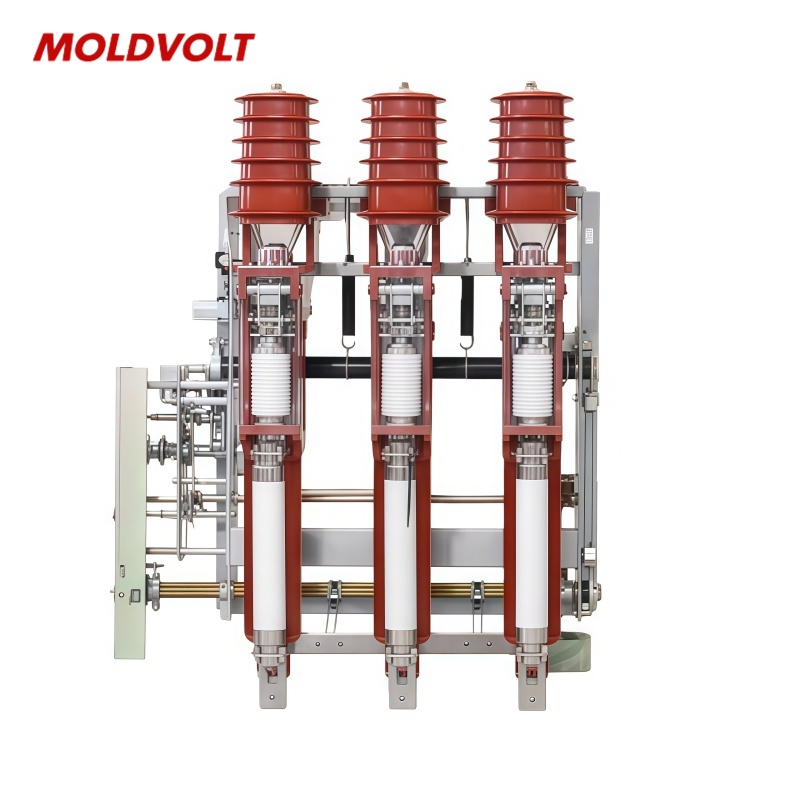
High voltage surge arresters protect transformers, switchgear, transmission lines, and other critical electrical equipment against lightning strikes and switching overvoltages. Designed for demanding power distribution environments, they provide a controlled discharge path that helps prevent insulation damage and unexpected equipment failures. Depending on system requirements, metal oxide technology offers fast response and reliable voltage limitation without requiring complex operating procedures. Available for different voltage ratings and installation configurations, these arresters support substations, industrial facilities, renewable energy plants, and utility networks. Selecting an appropriate rated voltage and energy capability helps improve system reliability, reduce maintenance risks, and extend the service life of valuable electrical infrastructure.
Get A Quote

Case Study

110kV Substation Lightning Protection

A regional power utility required dependable overvoltage protection for its 110kV substation, where lightning exposure and switching operations presented risks to transformers and other high-value equipment. High voltage surge arresters were selected according to the system voltage, insulation coordination requirements, and expected operating conditions. Their metal oxide varistor technology provides a nonlinear voltage-current characteristic, allowing transient overvoltages to be discharged safely toward ground. The installation supports improved insulation protection and more stable substation operation. Proper grounding and coordination with connected equipment further help reduce electrical stress and minimize the risk of costly service interruptions.

Industrial Power Distribution Protection

An industrial manufacturing facility needed to strengthen protection across its medium and high voltage distribution infrastructure. Voltage surges caused by switching operations and external electrical disturbances could affect transformers, motors, and switchgear. High voltage surge arresters were incorporated into the protection design to limit transient overvoltages and safeguard sensitive equipment. The selection process considered rated voltage, continuous operating voltage, nominal discharge current, and installation conditions. This coordinated approach helps maintain insulation integrity and supports uninterrupted production. For facilities operating around the clock, dependable surge protection can also reduce equipment replacement costs and improve long-term electrical system reliability.

Renewable Energy Grid Connection

A renewable energy project required effective surge protection at its grid connection point to safeguard transformers and high voltage electrical equipment. Exposure to lightning and switching transients made suitable arrester selection essential. Metal oxide surge arresters were integrated into the electrical protection arrangement based on the network voltage and insulation coordination study. Their fast response helps limit transient voltage levels and reduce the likelihood of insulation breakdown. The solution supports reliable power transmission between the renewable energy installation and the utility grid. Correct placement, grounding, and routine inspection remain important for maintaining dependable protection throughout the operating life of the installation.

Related products

High voltage surge arresters are essential protective components in modern electrical transmission and distribution systems. They are commonly installed near transformers, switchgear, substations, and overhead line equipment to control transient overvoltages caused by lightning and switching events. Modern metal oxide surge arresters typically use zinc oxide varistor elements, which provide nonlinear electrical resistance and effective voltage limitation. Manufacturing quality is critical, involving varistor element preparation, precision assembly, insulation processing, sealing, and electrical performance testing. Each product should be selected according to its rated voltage, maximum continuous operating voltage, nominal discharge current, residual voltage, and energy absorption requirements. For example, a 110kV substation requires protection coordinated with its transformer insulation level and grounding arrangement. Different housing materials and installation structures can accommodate indoor, outdoor, and specialized power applications. Reliable production controls and appropriate testing help ensure consistent performance, electrical safety, and long-term service reliability.
Frequently Asked Questions

What is the primary function of a high voltage surge arrester?

A high voltage surge arrester protects electrical equipment from transient overvoltages caused by lightning strikes and switching operations. It provides a low-impedance path for surge currents and limits the voltage across connected equipment, helping prevent insulation damage and unexpected failures in substations and power distribution networks.
Selection depends on the system's nominal voltage, maximum continuous operating voltage, grounding arrangement, insulation coordination, and expected temporary overvoltages. Engineers should also evaluate nominal discharge current and energy absorption requirements to ensure that the arrester provides suitable protection under actual operating conditions.
Metal oxide surge arresters use zinc oxide varistor elements with nonlinear resistance characteristics. They respond effectively to transient overvoltages without requiring conventional spark gaps in gapless designs. This construction supports reliable voltage limitation, simplified operation, and reduced maintenance requirements in modern high voltage electrical systems.
Common installation locations include electrical substations, transformer terminals, transmission lines, switchgear assemblies, and renewable energy grid connections. Their placement depends on the equipment being protected, expected surge exposure, insulation coordination, and grounding conditions within the electrical installation.
Regular inspections should check housing condition, contamination, sealing integrity, grounding connections, and signs of thermal damage. For critical installations, leakage current monitoring and periodic electrical assessments can help identify deterioration. Following manufacturer recommendations and applicable maintenance standards supports dependable long-term protection.

Related article

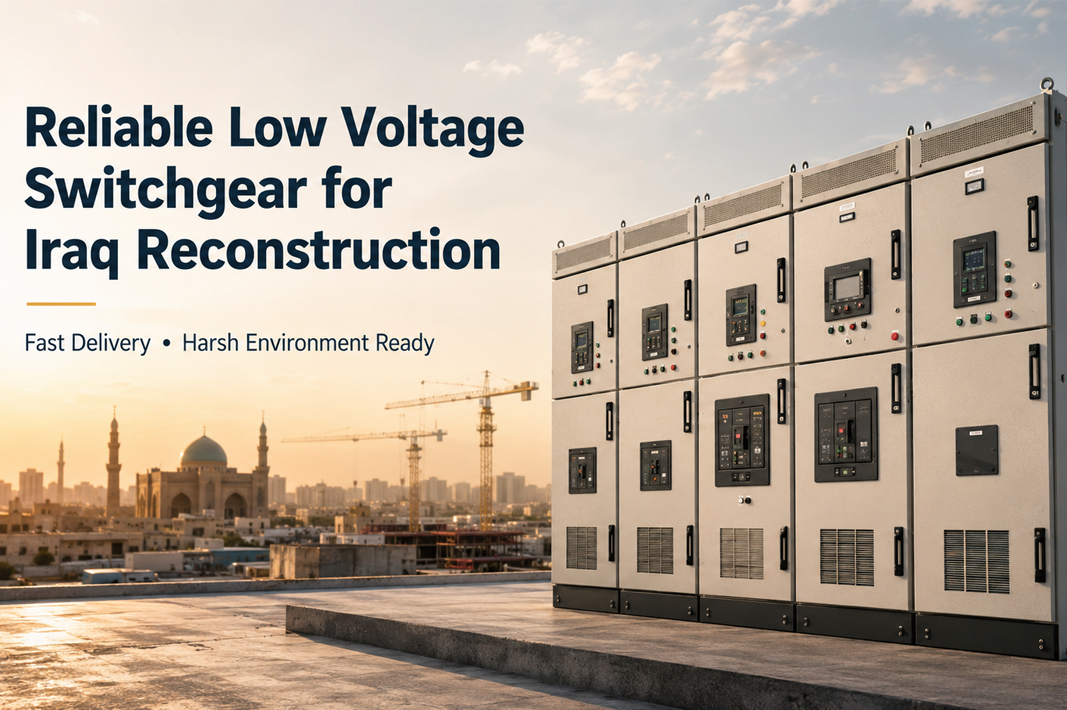
Cost-Effective Low Voltage Switchgear for Iraq: Compatible with Blokset, Okken & 8PT | Local Assembly Options

16

Sep

Cost-Effective Low Voltage Switchgear for Iraq: Compatible with Blokset, Okken & 8PT | Local Assembly Options

View More
What cable clamp material suits high temperature switchgear cabinets?

19

Sep

What cable clamp material suits high temperature switchgear cabinets?

Understanding High-Temperature Challenges in Switchgear CabinetsTypical Operating Temperatures and Thermal Stress Sources (Busbars, Load Cycling, Enclosure Design)Switchgear cabinets experience elevated temperatures primarily due to resistive losses ...
View More
Why cabinet condensation leads to insulation failure in electrical equipment?

21

Sep

Why cabinet condensation leads to insulation failure in electrical equipment?

The Science of Cabinet Condensation: How Temperature, Humidity, and Design InteractDew Point Formation Inside Enclosures Due to Thermal GradientsCondensation inside an electrical cabinet is not simply a matter of seal failure—it is governed by the de...
View More
How to customize cabinet dimensions to fit existing switchgear layouts?

26

Sep

How to customize cabinet dimensions to fit existing switchgear layouts?

Step 1: Accurate Site Assessment and Dimensional BenchmarkingMeasuring mechanical layout, clearances, and structural constraints in legacy electrical roomsA successful retrofit begins with a meticulous site survey. Older electrical rooms rarely match...
View More

Customer Testimonials

Michael Brown

We integrated these surge arresters into our 110kV substation project. Their stable discharge performance and straightforward installation helped improve equipment protection and reduce maintenance concerns.

James Wilson

The arresters performed reliably across our industrial distribution network. Their effective overvoltage protection and durable construction supported continuous operation during demanding electrical conditions.

Get a Free Quote

Our representative will contact you soon.
Email
Mobile/WhatsApp
Name
Company Name
Message
0/1000
Precision Zinc Oxide Varistor Technology

Precision Zinc Oxide Varistor Technology

High voltage surge arrester performance depends heavily on the quality and consistency of its zinc oxide varistor elements. These components provide nonlinear voltage-current characteristics, allowing the arrester to remain highly resistive during normal operation while conducting surge current when transient overvoltages occur. Manufacturing precision, material uniformity, and controlled assembly processes are essential for achieving consistent electrical characteristics. In applications such as 110kV substations and industrial transformer installations, reliable varistor performance helps maintain insulation coordination and reduce equipment exposure to damaging voltage peaks. Appropriate electrical testing verifies key parameters, including reference voltage, leakage current, and residual voltage, supporting dependable protection across demanding operating environments.
Durable Insulation and Outdoor Performance

Durable Insulation and Outdoor Performance

Outdoor high voltage surge arresters must withstand electrical stress, temperature fluctuations, moisture, pollution, and ultraviolet exposure. Housing design therefore plays an important role in maintaining insulation performance and mechanical reliability throughout the service life. Depending on application requirements, polymer or porcelain housings can provide suitable protection for different installation environments. Effective sealing helps prevent moisture ingress, while appropriate creepage distance supports insulation performance under contaminated conditions. For utility substations and exposed transmission infrastructure, selecting suitable housing materials and environmental specifications is essential. Combined with proper grounding and periodic inspection, durable construction helps maintain stable operation and reduces maintenance demands in challenging outdoor installations.

Get a Free Quote

Our representative will contact you soon.
Email
Mobile/WhatsApp
Name
Company Name
Message
0/1000