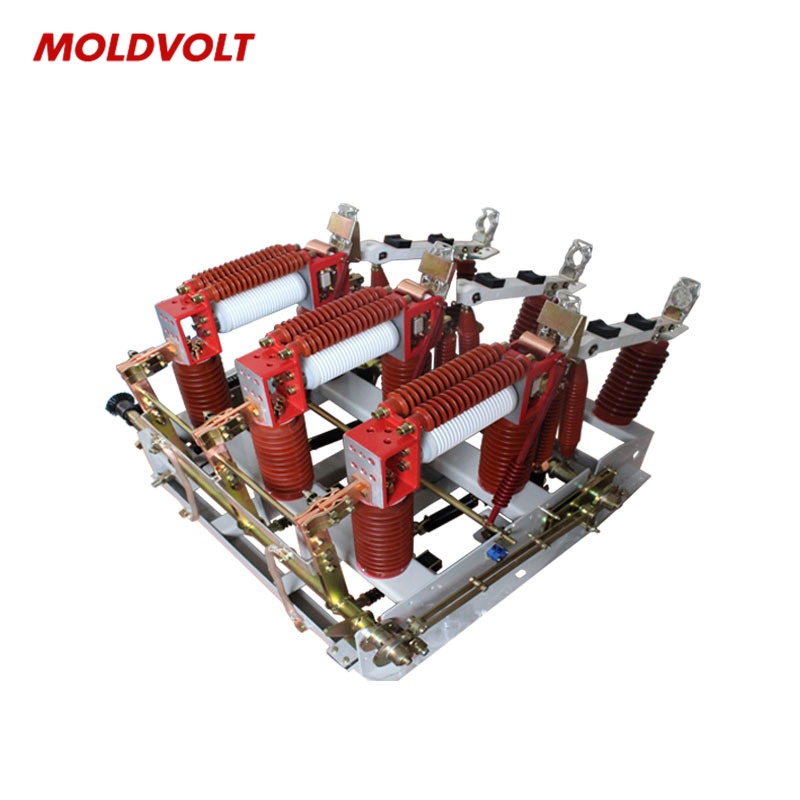
Reviews Title 1: Reliable Protection for High Voltage Equipment
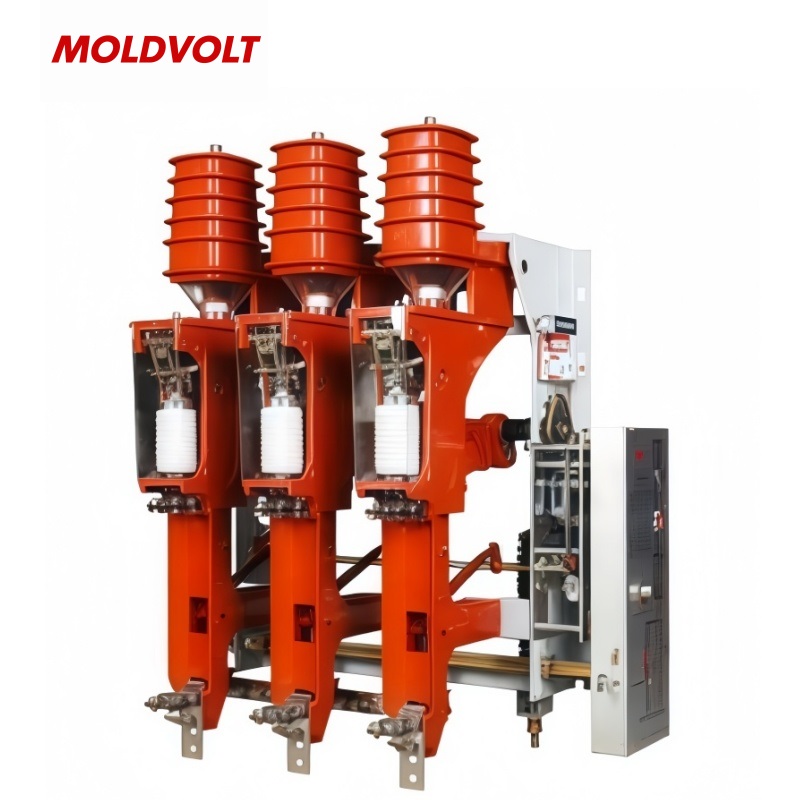
High voltage fuses provide reliable overcurrent and short-circuit protection for transformers, capacitor banks, voltage transformers, and other electrical equipment. Designed to interrupt excessive fault currents within specified operating conditions, they help limit equipment damage and improve power system safety. Available in different voltage classes, current ratings, and fuse characteristics, they accommodate diverse industrial and utility applications. For example, a 35kV distribution network requires fuse protection coordinated with transformer capacity and prospective fault current. Carefully selected fuse elements and arc-quenching materials support dependable interruption performance. Appropriate coordination with upstream and downstream protective devices helps improve electrical reliability, reduce equipment replacement risks, and maintain stable power distribution.
Get A Quote

 EN