3 Phase Electrical Panel Solutions for Industrial Projects

All Categories
Customer Reviews for Three Phase Electrical Panels

Customer Reviews for Three Phase Electrical Panels

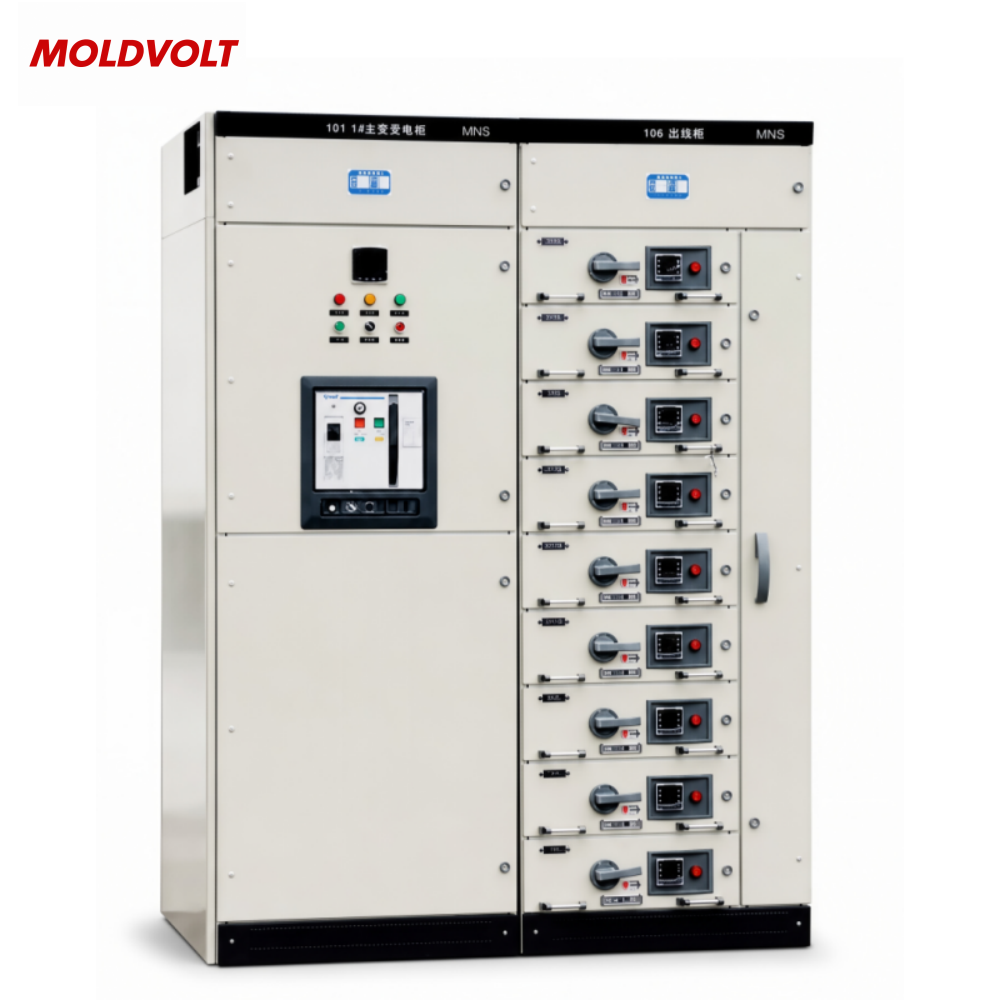
A three phase electrical panel distributes electrical power across multiple circuits in industrial facilities, commercial buildings, and infrastructure projects. Properly designed panels support balanced load distribution, organized circuit protection, and convenient maintenance access. VoltCabinet helps buyers evaluate panel configurations according to system voltage, rated current, short-circuit withstand requirements, enclosure dimensions, and installation conditions. For factories operating motors, pumps, compressors, and production machinery, appropriate component selection and circuit coordination are essential. Confirming the incoming supply, load schedule, protective devices, and applicable electrical standards before manufacturing helps reduce installation changes. Final panel specifications should be verified against project requirements and local regulations.
Get A Quote

Case Study

Manufacturing Facility Power Distribution

Manufacturing facilities often require three phase electrical panels to distribute power to production machinery, conveyor systems, pumps, and auxiliary equipment. Panel design begins with a load assessment, including equipment demand, starting currents, and expected operating conditions. Engineers should verify the supply voltage, rated current, protective-device ratings, fault levels, and conductor sizing. For facilities with multiple production areas, a clearly structured circuit schedule helps coordinate installation and future maintenance. VoltCabinet can support specification discussions for industrial electrical equipment projects. The final configuration should follow approved electrical drawings, applicable safety standards, and the requirements of qualified electrical professionals.

Commercial Building Electrical Infrastructure

Commercial buildings may use three phase electrical panels to distribute power to HVAC systems, elevators, lighting circuits, and other substantial electrical loads. An appropriate panel arrangement helps organize branch circuits and coordinate protective devices with the building's electrical design. During specification, engineers should consider demand calculations, phase balancing, neutral requirements, fault-current ratings, enclosure protection, and available installation space. For offices, retail facilities, and mixed-use developments, confirming these details early can improve coordination between electrical contractors and equipment suppliers. VoltCabinet supports project-based panel specification reviews, while final selection must comply with local codes and approved building electrical plans.

Industrial Machinery and Motor Control

Industrial equipment frequently relies on three phase power for motors, compressors, machine tools, and process systems. A three phase electrical panel can organize incoming power, circuit protection, and distribution to individual loads. Engineers must evaluate motor starting characteristics, full-load current, overload protection, short-circuit ratings, and coordination with drives or starters. For production lines with different operating loads, suitable phase allocation and circuit identification can simplify maintenance and troubleshooting. VoltCabinet can help buyers coordinate panel requirements with equipment specifications. The final design should be reviewed for thermal performance, fault protection, wiring requirements, and compliance with applicable electrical standards.

Related products

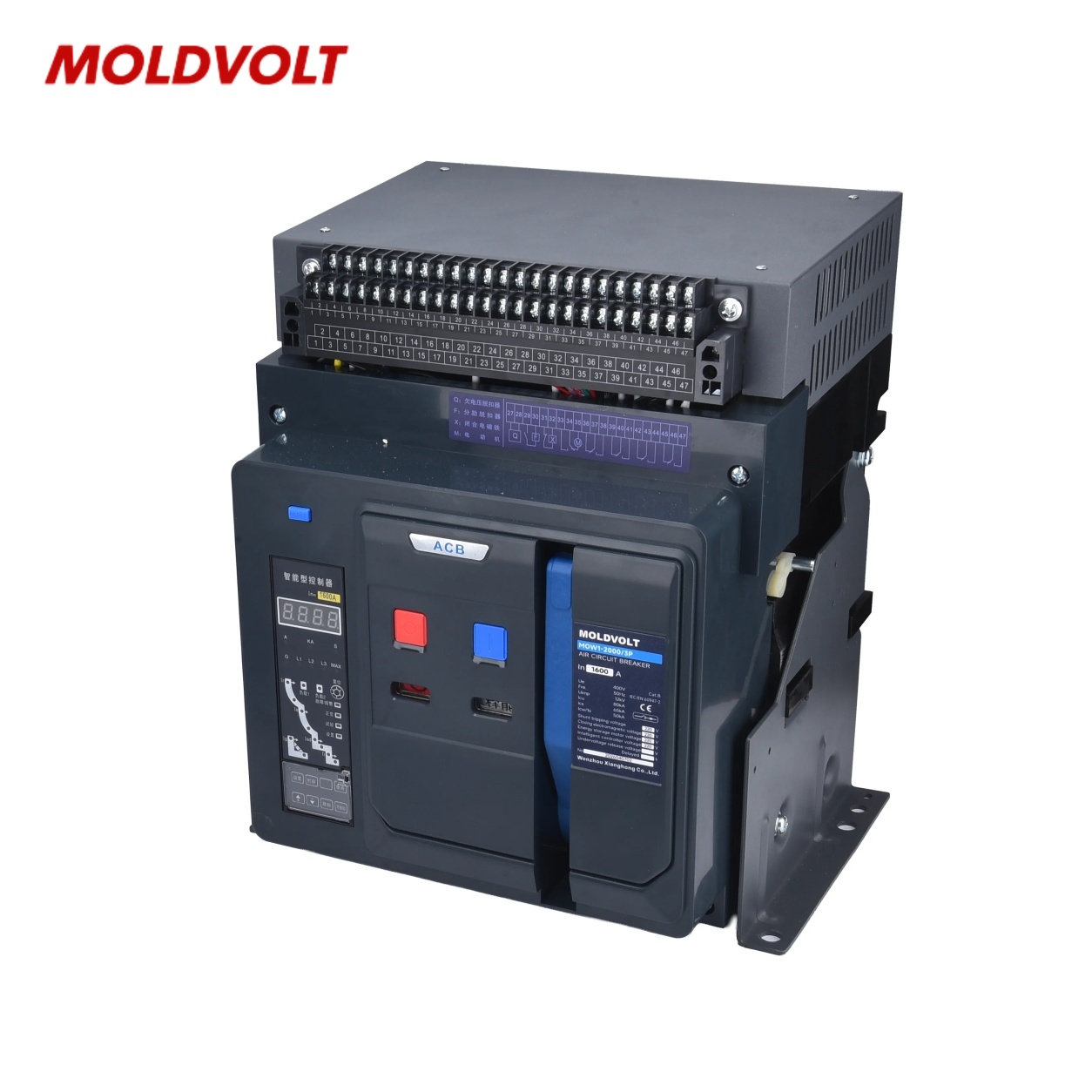
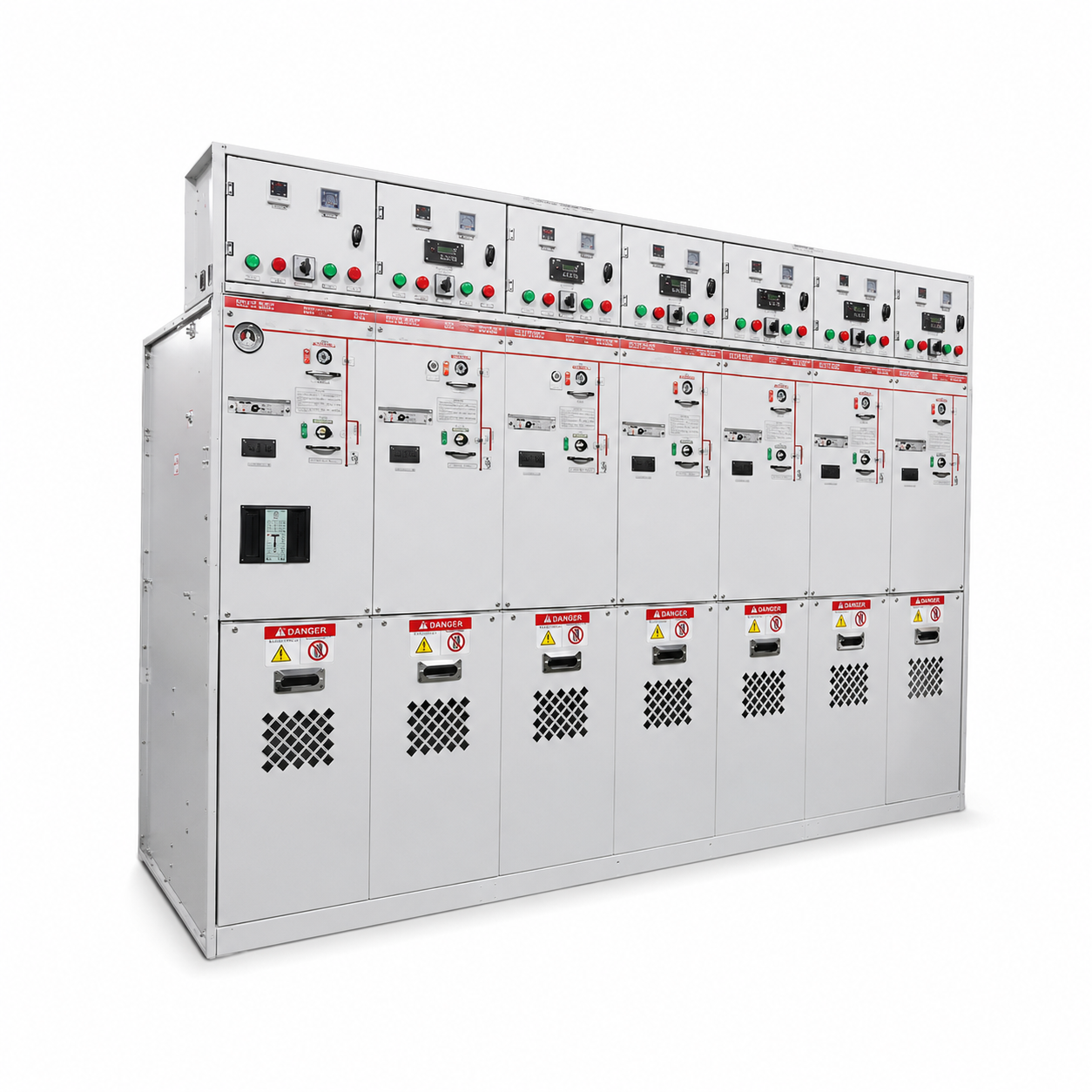
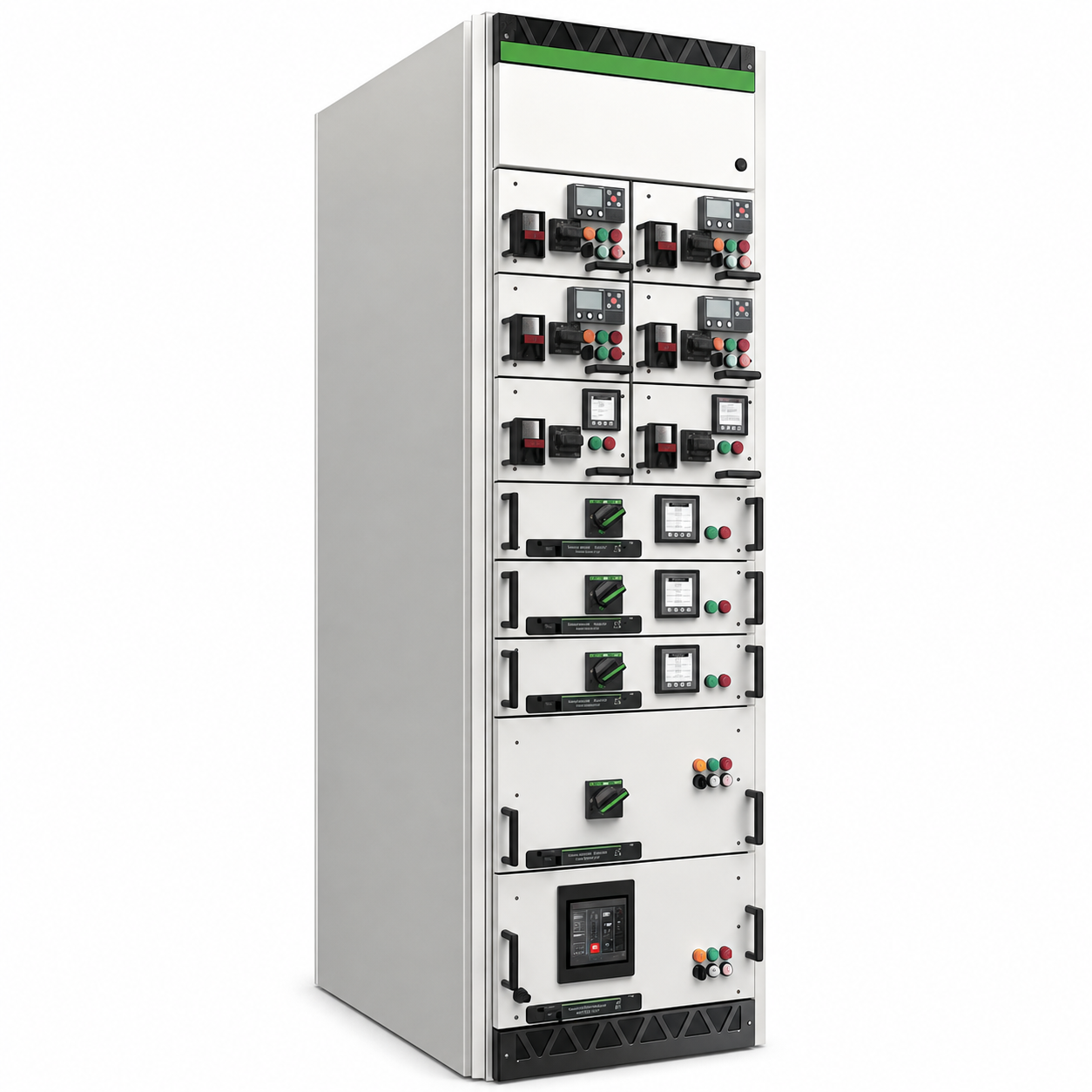
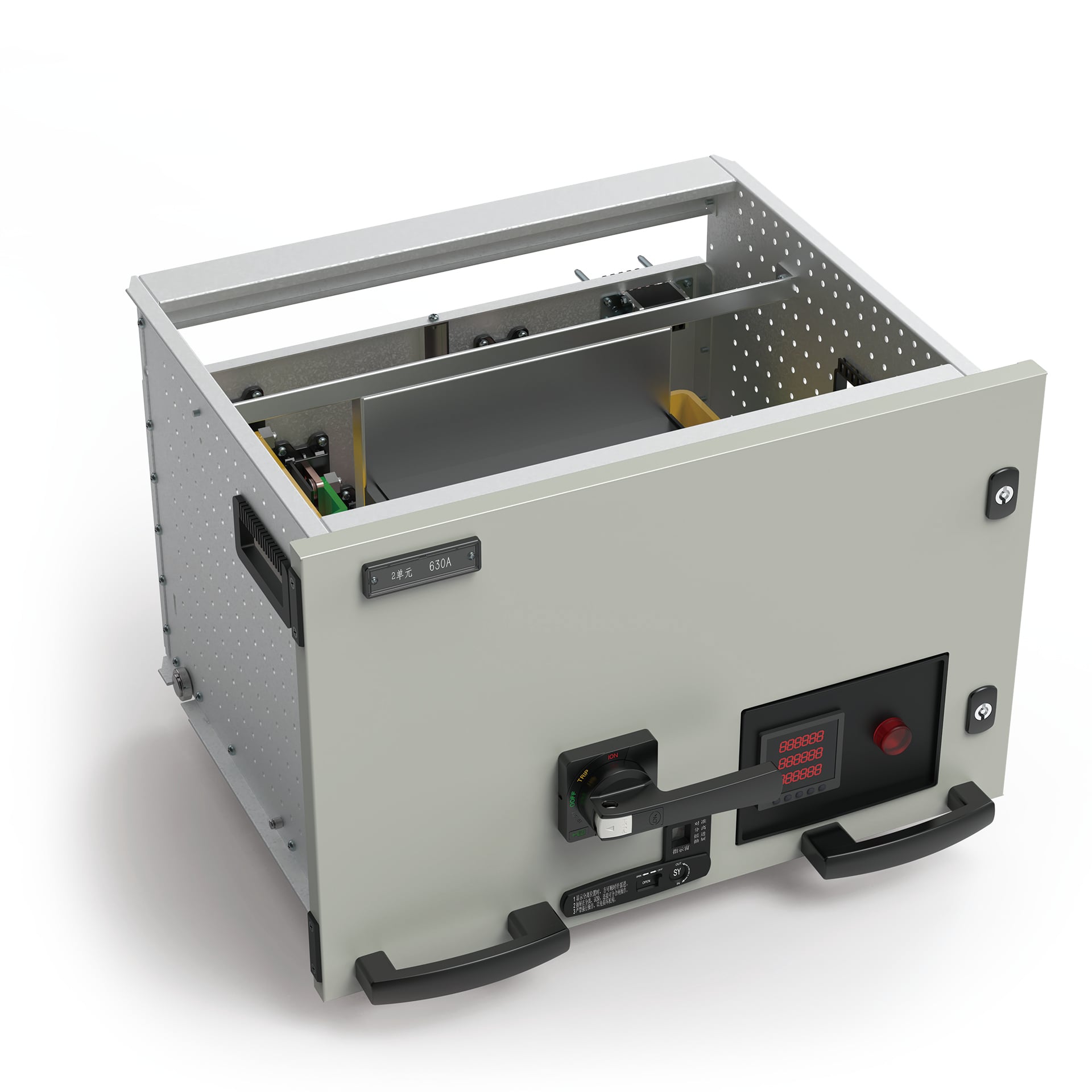
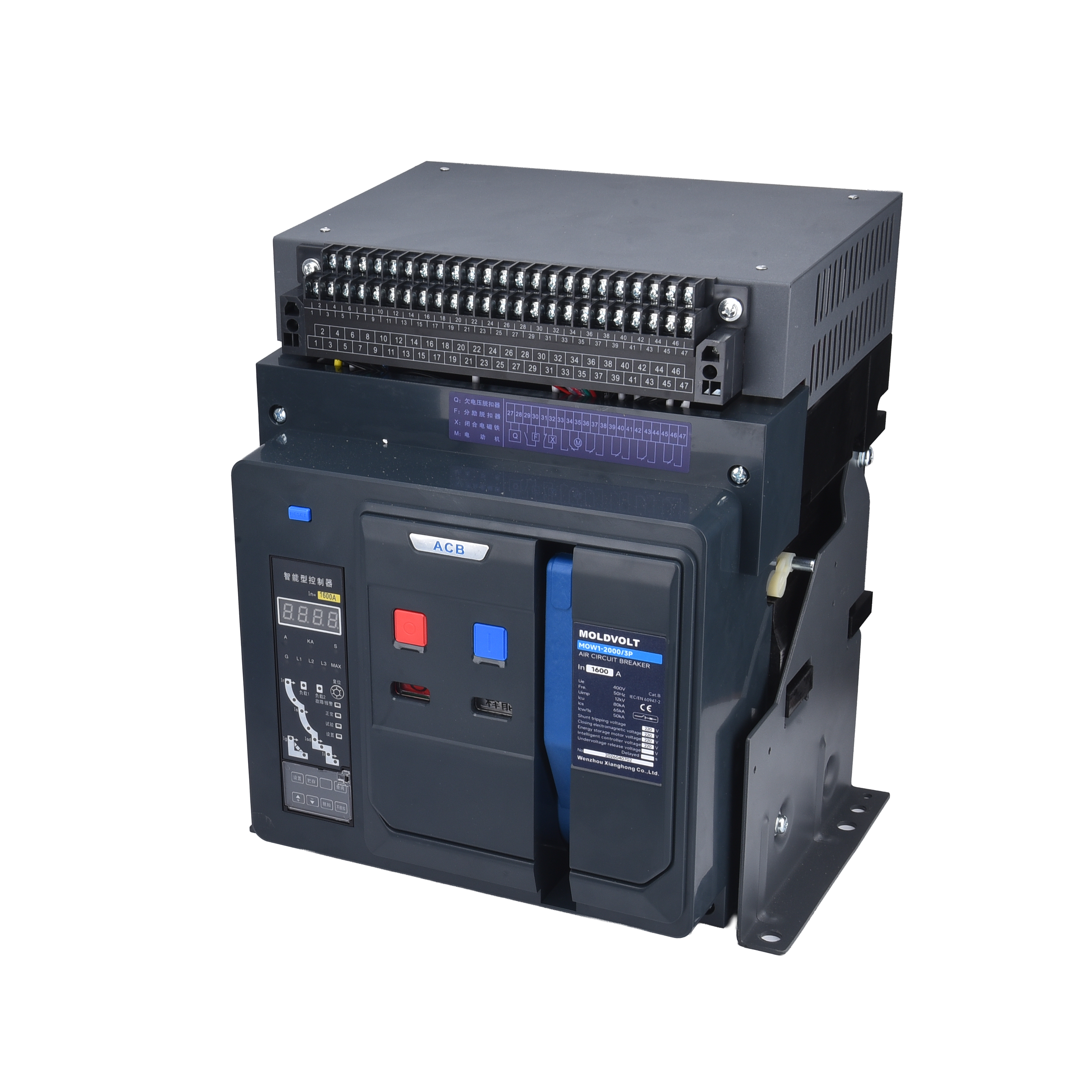
A three phase electrical panel is a power distribution assembly designed to receive three phase electrical supply and distribute it to multiple circuits or connected loads. It is widely used in manufacturing plants, commercial buildings, industrial workshops, infrastructure facilities, and large equipment installations. Depending on project requirements, a panel may incorporate circuit breakers, busbars, metering devices, control components, terminal blocks, and other protective equipment. Correct panel specification requires careful assessment of system voltage, rated current, load demand, prospective short-circuit current, enclosure dimensions, and environmental conditions. Engineers should also evaluate phase balancing, neutral and grounding arrangements, cable entry, ventilation, and access for inspection. Applications involving motors or variable-frequency drives may require additional coordination between protective devices and control equipment. VoltCabinet supports electrical equipment sourcing through project-specific specification coordination. Buyers can provide single-line diagrams, load schedules, installation locations, and applicable standards to help define suitable panel configurations. For panel builders and industrial project contractors, early confirmation of component ratings and enclosure requirements can reduce design changes and improve procurement efficiency. Before ordering, request approved drawings, component lists, electrical ratings, enclosure specifications, and relevant test or conformity documentation. Final design, installation, and commissioning should be handled by qualified professionals in accordance with applicable regulations and project requirements.

Frequently Asked Questions

What is a three phase electrical panel used for?

A three phase electrical panel distributes power from a three phase supply to multiple circuits and equipment loads. Common applications include factories, commercial buildings, HVAC installations, pumps, and industrial machinery. Its configuration depends on the system voltage, load demand, protection requirements, and applicable electrical regulations.
Evaluate the incoming supply voltage, calculated load demand, rated current, prospective short-circuit current, and expected operating conditions. The panel's busbars, protective devices, conductors, and enclosure must be suitable for the application. A qualified electrical engineer should verify the design against applicable standards and project specifications.
Yes. Three phase panels commonly distribute power to motors, pumps, compressors, and production machinery. Their design should account for motor starting current, overload protection, short-circuit protection, and coordination with starters or variable-frequency drives. Confirm the equipment ratings and protection requirements before finalizing the panel configuration.
Enclosure selection depends on installation location and exposure to dust, moisture, corrosion, and mechanical impact. Indoor electrical rooms may require different protection from outdoor or washdown environments. Specify the required IP or NEMA rating, where applicable, and verify that the complete assembled panel meets the project's environmental requirements.
Provide the system voltage, rated current, load schedule, short-circuit requirements, enclosure dimensions, installation environment, and applicable standards. Include a single-line diagram and preferred component specifications when available. These details help the supplier assess the configuration, identify technical requirements, and prepare a more accurate quotation.

Related article

What cable clamp material suits high temperature switchgear cabinets?

19

Sep

What cable clamp material suits high temperature switchgear cabinets?

Understanding High-Temperature Challenges in Switchgear CabinetsTypical Operating Temperatures and Thermal Stress Sources (Busbars, Load Cycling, Enclosure Design)Switchgear cabinets experience elevated temperatures primarily due to resistive losses ...
View More
Insulator dimensional tolerance controls assembly efficiency in switchgear.

25

Sep

Insulator dimensional tolerance controls assembly efficiency in switchgear.

Why Insulator Dimensional Tolerance Is the Silent Driver of Switchgear Assembly EfficiencyIn high-voltage switchgear, insulators do much more than prevent flashover—they serve as load-bearing anchors that dictate how quickly and precisely busbars, ci...
View More
What switchgear maintenance items prevent unexpected power outage risks?

10

Oct

What switchgear maintenance items prevent unexpected power outage risks?

Top 3 Root Causes of Switchgear-Related Power Outages Insulation degradation and partial discharge: leading precursors to cascade failure Insulation systems in switchgear degrade gradually under electrical, thermal, and environmental stress. Cracks...
View More
Cable clamp vs cable tie: which one delivers long term stability in panels?

27

Oct

Cable clamp vs cable tie: which one delivers long term stability in panels?

Mechanical Performance Under Thermal Stress Polymer creep and thermal expansion mismatch in nylon cable ties at 60–85°C Nylon 6/6 cable ties undergo measurable mechanical degradation when exposed continuously to 60–85 °C. At the...
View More

Customer Testimonials

Michael Turner

We needed three phase electrical panels for an industrial installation. Reviewing load requirements, enclosure dimensions, and component specifications helped our team coordinate equipment selection and simplify procurement.

David Wilson

Our project required organized three phase power distribution for multiple electrical loads. Clear technical specifications helped us assess panel configurations, installation requirements, and compatibility with our electrical infrastructure.

Get a Free Quote

Our representative will contact you soon.
Email
Mobile/WhatsApp
Name
Company Name
Message
0/1000
Designed Around Your Power Distribution Requirements

Designed Around Your Power Distribution Requirements

An effective three phase electrical panel begins with a clear understanding of the facility's power demand and operating conditions. Engineers must coordinate incoming supply ratings, busbar capacity, protective devices, conductor sizing, grounding, and enclosure requirements. In manufacturing plants, these considerations become particularly important when several motors and production systems operate simultaneously. VoltCabinet supports project-focused specification coordination to help buyers define panel requirements before procurement. Reviewing load schedules and fault-current calculations early can identify design conflicts and support better equipment integration. Final panel capacity, protective coordination, and enclosure suitability must be confirmed through approved engineering documentation and applicable standards.
Streamlined Integration for Industrial and Commercial Projects

Streamlined Integration for Industrial and Commercial Projects

Industrial contractors and commercial project teams benefit from consistent documentation throughout panel procurement and installation. A three phase electrical panel may require coordinated circuit breakers, busbars, metering devices, terminal connections, and control components, depending on its intended use. Confirming these requirements early helps ensure that the enclosure layout and selected components work together. VoltCabinet supports technical discussions based on project drawings, electrical ratings, and installation conditions. Buyers should request dimensional drawings, component schedules, wiring documentation, and applicable test records before approving production. Delivery schedules and customization options should also be confirmed for each project to improve planning and reduce avoidable installation delays.

Get a Free Quote

Our representative will contact you soon.
Email
Mobile/WhatsApp
Name
Company Name
Message
0/1000