Fuse Switch Disconnector: Industrial Protection & Isolation

All Categories
Reviews Title 1: Reliable Switching and Protection for Industrial Systems

Reviews Title 1: Reliable Switching and Protection for Industrial Systems

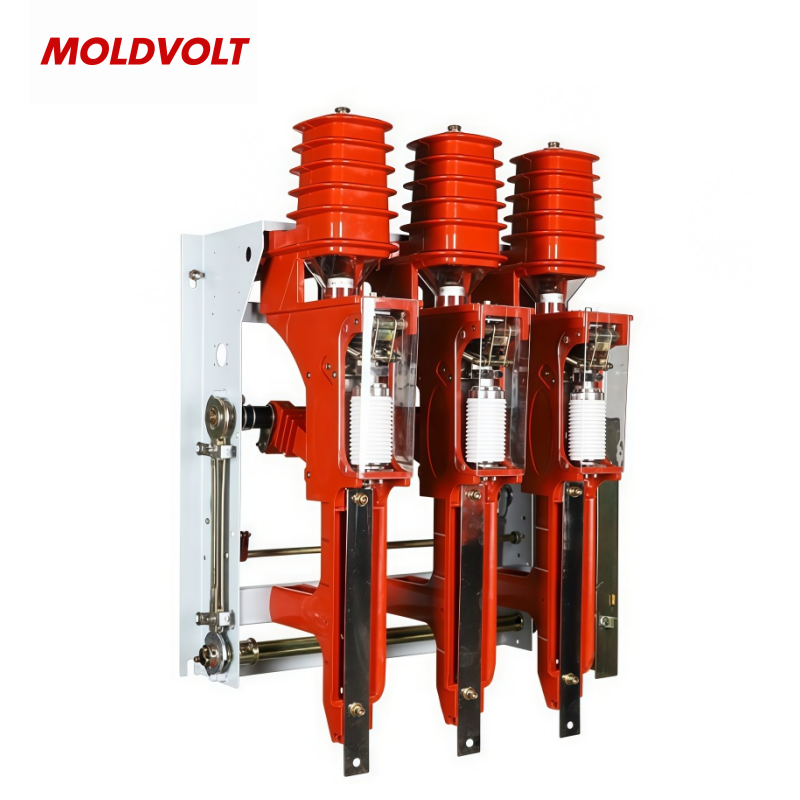
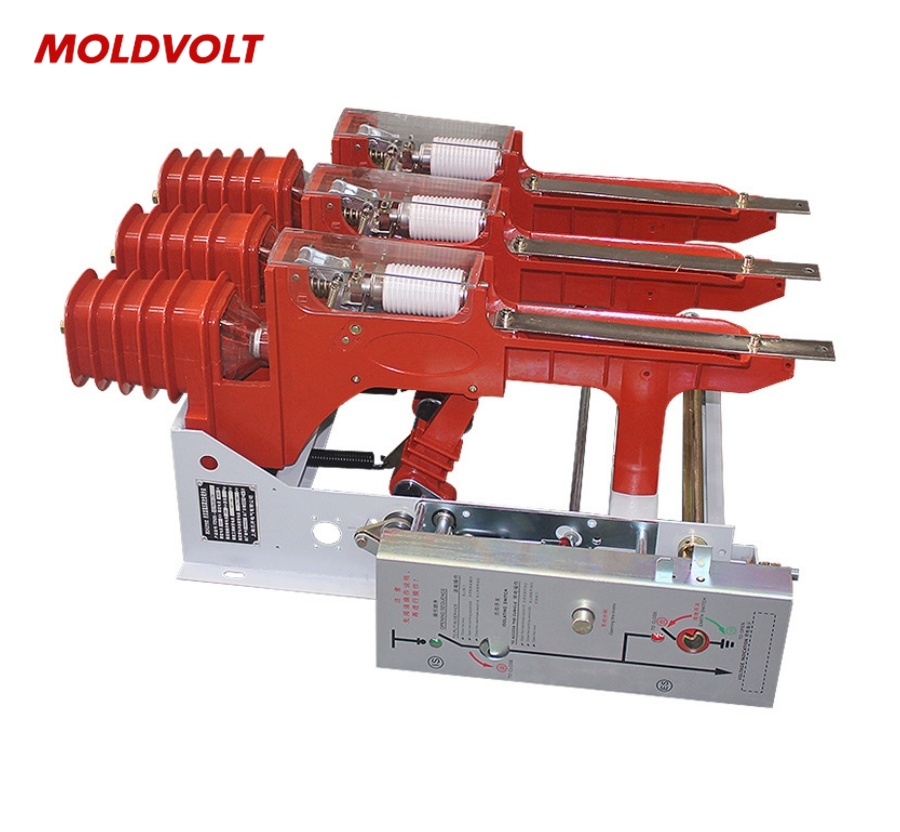
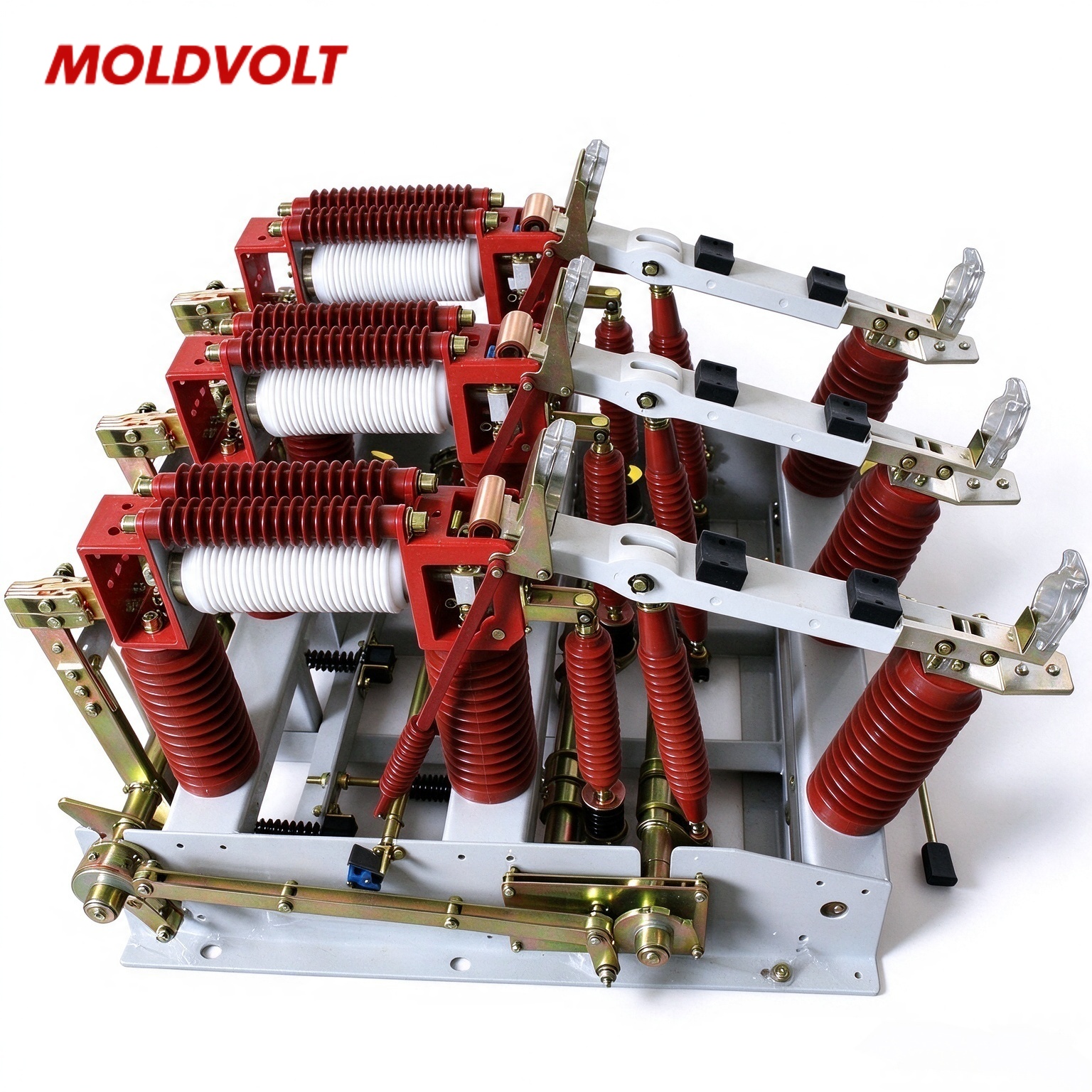
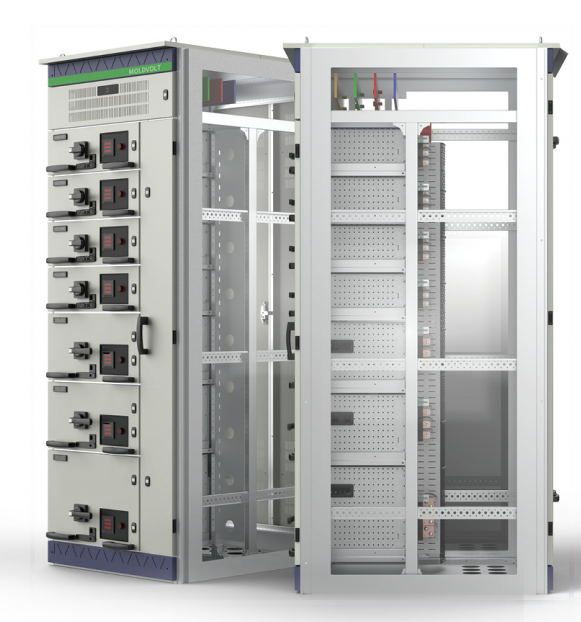
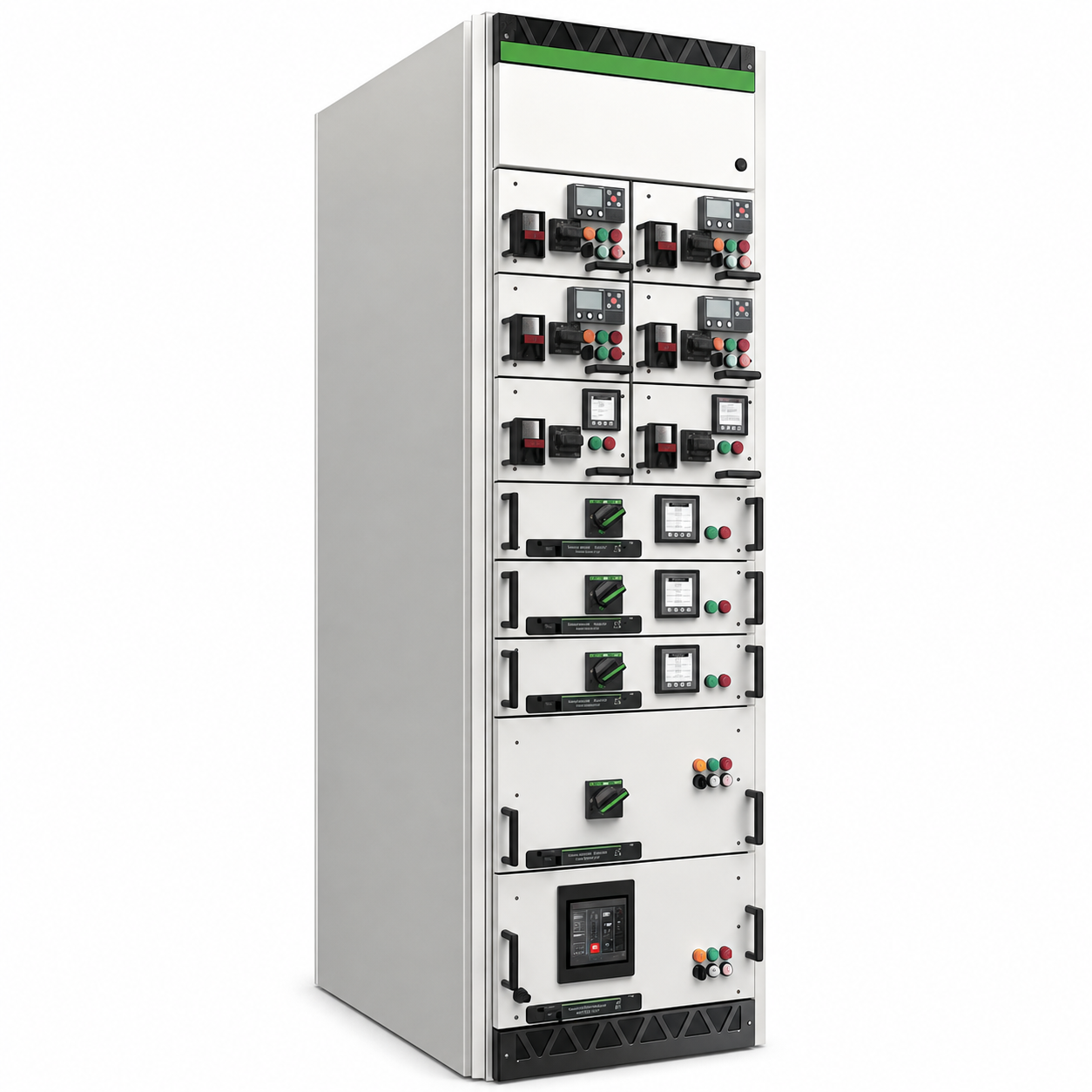
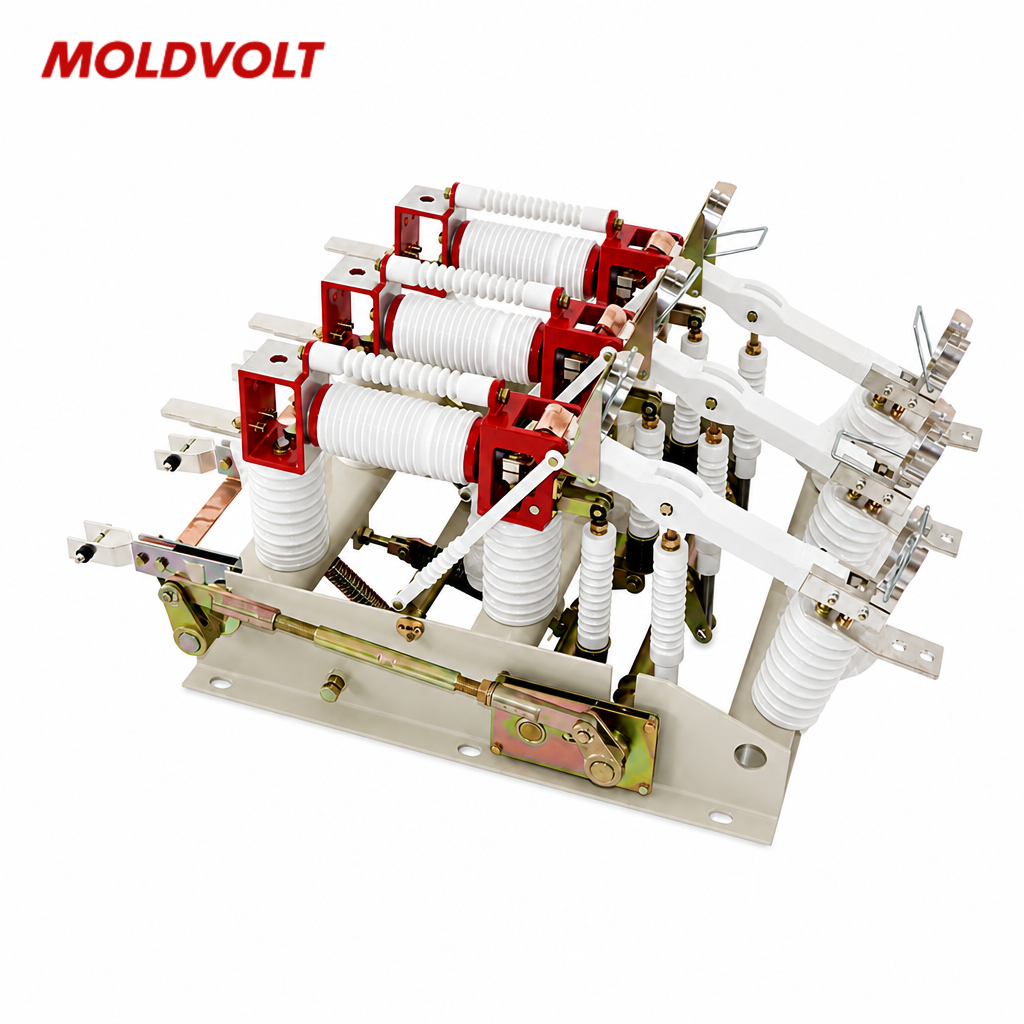
Fuse switch disconnectors combine load switching, circuit isolation, and fuse-based short-circuit protection in a single electrical assembly. They are widely used in industrial distribution panels, motor control centers, commercial buildings, and power distribution systems. Designed for different rated voltages, current capacities, and pole configurations, they accommodate diverse electrical installation requirements. Their integrated structure provides convenient circuit disconnection while compatible fuses help interrupt excessive fault currents. For example, a three-phase industrial distribution panel can use these devices to protect individual outgoing feeders and connected equipment. Robust contact systems, reliable operating mechanisms, and suitable insulation structures support dependable performance. Correct selection and protective coordination help improve electrical safety, simplify maintenance, and maintain stable power distribution.
Get A Quote

Case Study

Industrial Power Distribution Protection

An industrial manufacturing facility required integrated switching and fuse protection for its three-phase electrical distribution network. Fuse switch disconnectors were selected for individual outgoing feeders supplying production equipment and auxiliary systems. Engineers evaluated rated operational voltage, rated current, fuse compatibility, and prospective short-circuit current to determine suitable configurations. The integrated design provides a practical means of switching and isolating circuits while compatible fuses interrupt specified fault currents. Proper coordination with upstream circuit breakers helps reduce unnecessary interruptions across the distribution network. This arrangement supports equipment protection, improves maintenance accessibility, and contributes to reliable industrial electrical operations.

Motor Control Center Applications

A manufacturing project required reliable protective switching equipment for several motor control center installations. Fuse switch disconnectors were incorporated into selected motor feeder circuits to provide switching, isolation, and fuse-based short-circuit protection. Product selection considered motor starting characteristics, rated current, voltage requirements, and coordination with motor starters and overload protection devices. Suitable fuse characteristics help protect the circuit against specified short-circuit conditions while the switching mechanism supports operational control and maintenance isolation. Proper installation and coordination improve the overall protection arrangement. This solution helps equipment manufacturers organize electrical panels and supports dependable motor operation in demanding industrial environments.

Commercial Building Electrical Infrastructure

A commercial building required compact switching and protection devices for its main and secondary distribution boards. Fuse switch disconnectors were selected to provide convenient circuit disconnection and integrated fuse protection for designated electrical feeders. Engineers considered the building's three-phase supply, connected load, conductor capacity, and available fault current when specifying equipment. Suitable enclosure designs and pole configurations helped accommodate the available panel space and installation requirements. Correctly rated fuses provide protection against specified fault conditions, while the disconnecting function supports maintenance procedures. The integrated solution improves distribution panel organization and supports reliable electrical management across commercial facilities.

Related products

Fuse switch disconnectors are multifunctional electrical devices designed to combine switching, isolation, and fuse-based short-circuit protection. They are commonly installed in low voltage distribution boards, industrial control panels, motor control centers, and commercial electrical systems. Their switching mechanism allows circuits to be connected or disconnected under specified operating conditions, while compatible fuse links interrupt excessive fault currents. Depending on the application, products are available in different pole configurations, rated currents, voltage levels, and mounting arrangements. Manufacturing processes may include conductive contact machining, insulation molding, operating mechanism assembly, enclosure production, and electrical performance testing. Important selection parameters include rated operational voltage, rated current, utilization category, fuse size, and short-circuit rating. For example, a factory distribution panel supplying multiple production lines requires devices coordinated with feeder loads and prospective fault currents. Compliance with applicable IEC standards, including IEC 60947-3 where relevant, supports product safety and dependable performance. Correct specification helps improve electrical protection and simplify system maintenance.
Frequently Asked Questions

What is the main function of a fuse switch disconnector?

A fuse switch disconnector combines circuit switching and isolation with fuse-based short-circuit protection. It allows electrical circuits to be disconnected under specified operating conditions, while compatible fuse links interrupt excessive fault currents. It is commonly used in industrial and commercial distribution systems.
A fuse switch disconnector uses replaceable fuse links for short-circuit protection and provides switching and isolation functions. A circuit breaker uses an integrated tripping mechanism to interrupt abnormal currents and can generally be reset after a fault has been investigated and corrected.
Selection should consider rated voltage, rated operational current, pole configuration, fuse compatibility, utilization category, and prospective short-circuit current. Engineers should also evaluate connected equipment characteristics and applicable electrical standards to ensure the complete assembly meets installation requirements.
These devices are commonly installed in low voltage distribution boards, industrial control cabinets, motor control centers, commercial buildings, and manufacturing facilities. They are particularly suitable for applications requiring integrated switching, electrical isolation, and fuse-based short-circuit protection.
Yes. Fuse links in appropriately designed fuse switch disconnectors can generally be replaced without changing the complete assembly. Before replacement, the circuit must be safely isolated and the underlying fault investigated. Replacement fuses must match the manufacturer's specified type and electrical ratings.

Related article

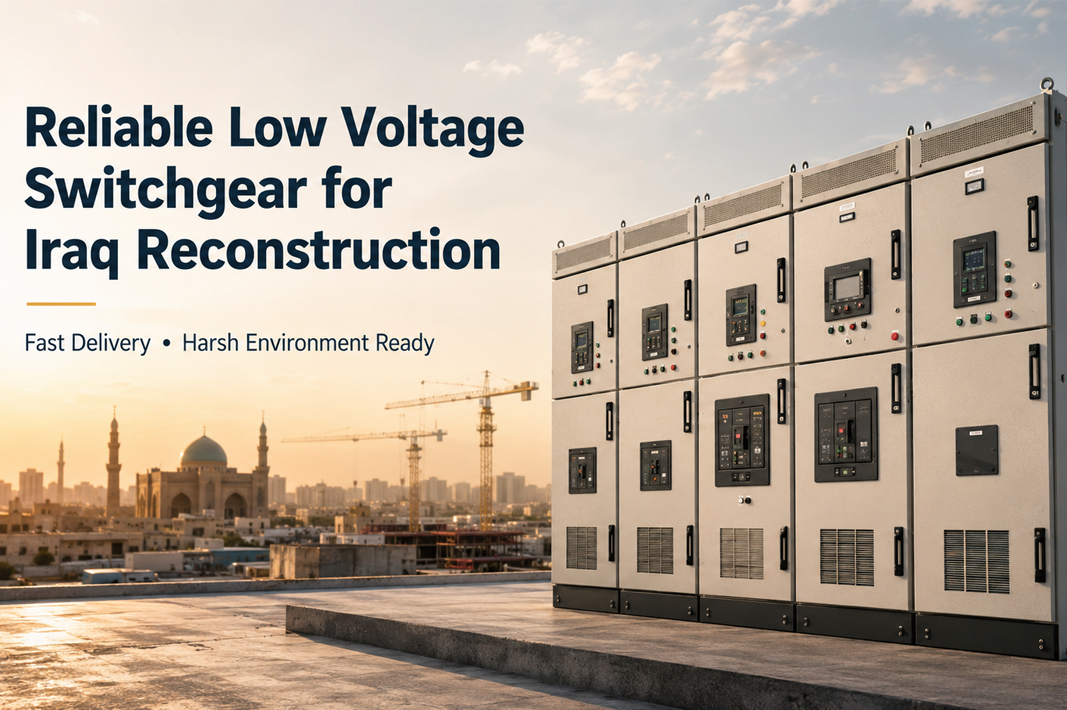
Cost-Effective Low Voltage Switchgear for Iraq: Compatible with Blokset, Okken & 8PT | Local Assembly Options

16

Sep

Cost-Effective Low Voltage Switchgear for Iraq: Compatible with Blokset, Okken & 8PT | Local Assembly Options

View More
How to customize cabinet dimensions to fit existing switchgear layouts?

26

Sep

How to customize cabinet dimensions to fit existing switchgear layouts?

Step 1: Accurate Site Assessment and Dimensional BenchmarkingMeasuring mechanical layout, clearances, and structural constraints in legacy electrical roomsA successful retrofit begins with a meticulous site survey. Older electrical rooms rarely match...
View More
Insulator dimension design follows international high voltage standards strictly.

16

Oct

Insulator dimension design follows international high voltage standards strictly.

Core IEC Standards Governing Insulator Dimension Design IEC 60383: Mechanical and Electrical Requirements for Ceramic and Glass Insulators The IEC 60383 series defines the mechanical and electrical test regimes that ceramic and glass insulators mus...
View More
What electrical switchgear testing items are required before site commissioning?

21

Oct

What electrical switchgear testing items are required before site commissioning?

Insulation Integrity and Dielectric Strength Verification Megger testing of busbars, cables, and instrument transformer circuits Megger testing is a foundational pre-commissioning check for electrical switchgear, measuring insulation resistance (IR...
View More

Customer Testimonials

Michael Brown

We integrated these fuse switch disconnectors into our industrial distribution panels. Their reliable switching performance and effective fuse protection helped improve equipment safety and simplify maintenance.

James Wilson

These units provided dependable circuit isolation and overcurrent protection in our three-phase distribution system. Their compact construction and convenient installation supported efficient panel integration.

Get a Free Quote

Our representative will contact you soon.
Email
Mobile/WhatsApp
Name
Company Name
Message
0/1000
Integrated Switching and Short Circuit Protection

Integrated Switching and Short Circuit Protection

Combining switching, isolation, and fuse-based protection within one assembly helps simplify electrical distribution design. Fuse switch disconnectors provide a practical solution for industrial feeders, motor control centers, and commercial distribution panels. Their switching mechanisms allow circuits to be operated under specified conditions, while compatible fuse links interrupt excessive short-circuit currents. For example, a three-phase factory distribution system may use individual devices to protect outgoing feeders supplying different production areas. Appropriate fuse selection and coordination with upstream protective equipment help limit fault propagation and improve system reliability. This integrated arrangement also provides convenient access for authorized maintenance personnel and supports efficient electrical panel management.
Robust Contact Design and Operating Reliability

Robust Contact Design and Operating Reliability

Reliable electrical connections and mechanical operation are essential for fuse switch disconnectors used in demanding distribution environments. Conductive contact components must maintain suitable contact pressure and electrical conductivity under their specified operating conditions. Carefully designed operating mechanisms help provide consistent switching performance and secure contact positioning. Insulating materials and enclosure structures also contribute to electrical safety and mechanical durability. For example, industrial distribution panels operating continuously require switching devices capable of handling their specified rated currents without excessive temperature rise. Manufacturing precision, contact resistance verification, and temperature rise testing help evaluate product quality. These measures support dependable operation and long-term electrical system performance.
Flexible Configurations for Diverse Electrical Applications

Flexible Configurations for Diverse Electrical Applications

Different electrical installations require fuse switch disconnectors with specific voltage ratings, current capacities, fuse dimensions, and pole arrangements. Available configurations allow engineers to integrate suitable devices into distribution boards, industrial machinery, motor feeders, and commercial electrical systems. For example, a three-phase manufacturing installation may require a three-pole device selected according to feeder requirements and the applicable electrical design. Mounting arrangements and enclosure dimensions also influence equipment selection, particularly when available panel space is limited. Evaluating rated operational current, fuse characteristics, and short-circuit requirements helps ensure compatibility with the complete installation. Flexible product configurations simplify equipment integration and support efficient maintenance planning.

Get a Free Quote

Our representative will contact you soon.
Email
Mobile/WhatsApp
Name
Company Name
Message
0/1000