Shunt Trip Breaker Guide: Remote Shutdown Solutions for Industrial Panels

All Categories
Shunt Trip Breaker Customer Reviews

Shunt Trip Breaker Customer Reviews

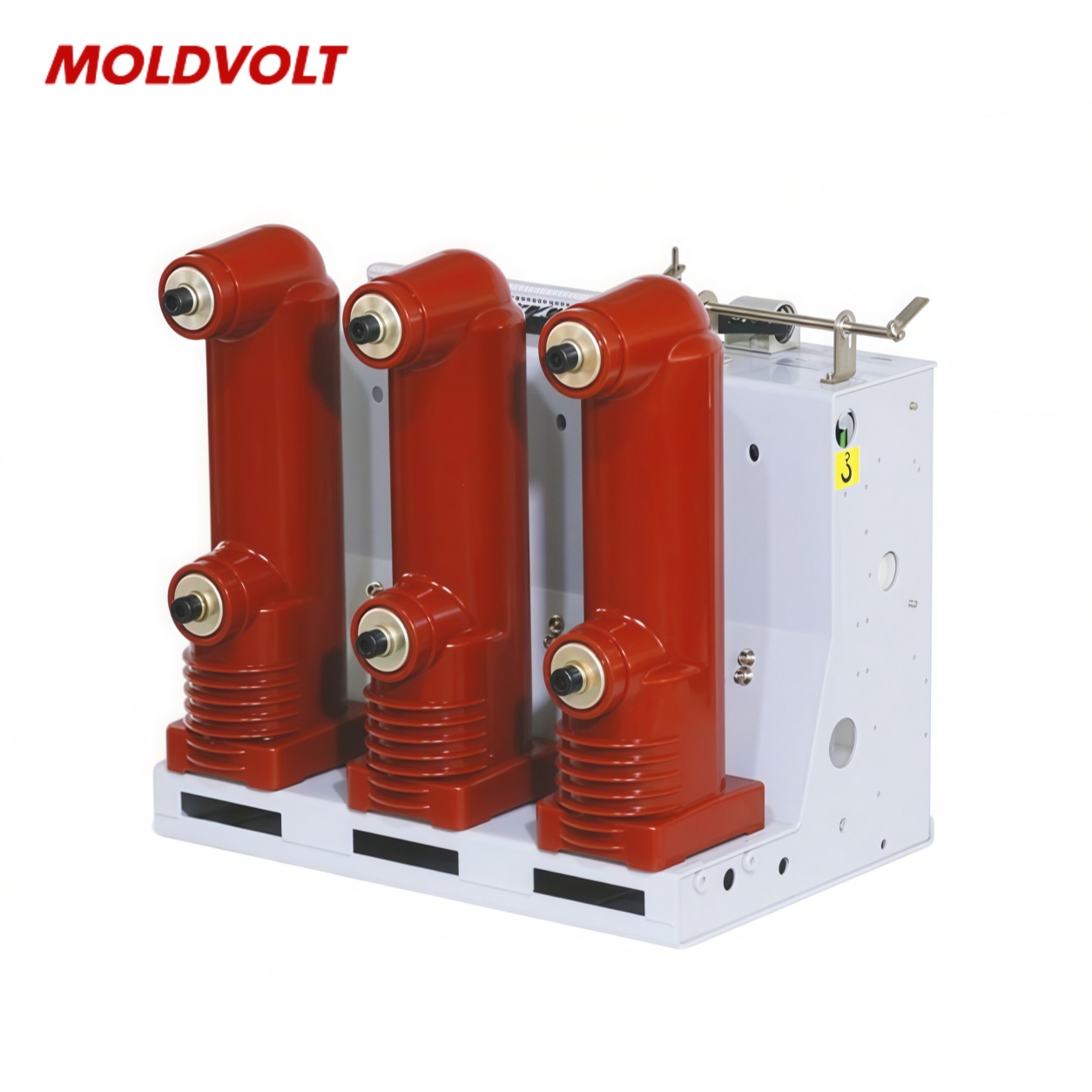
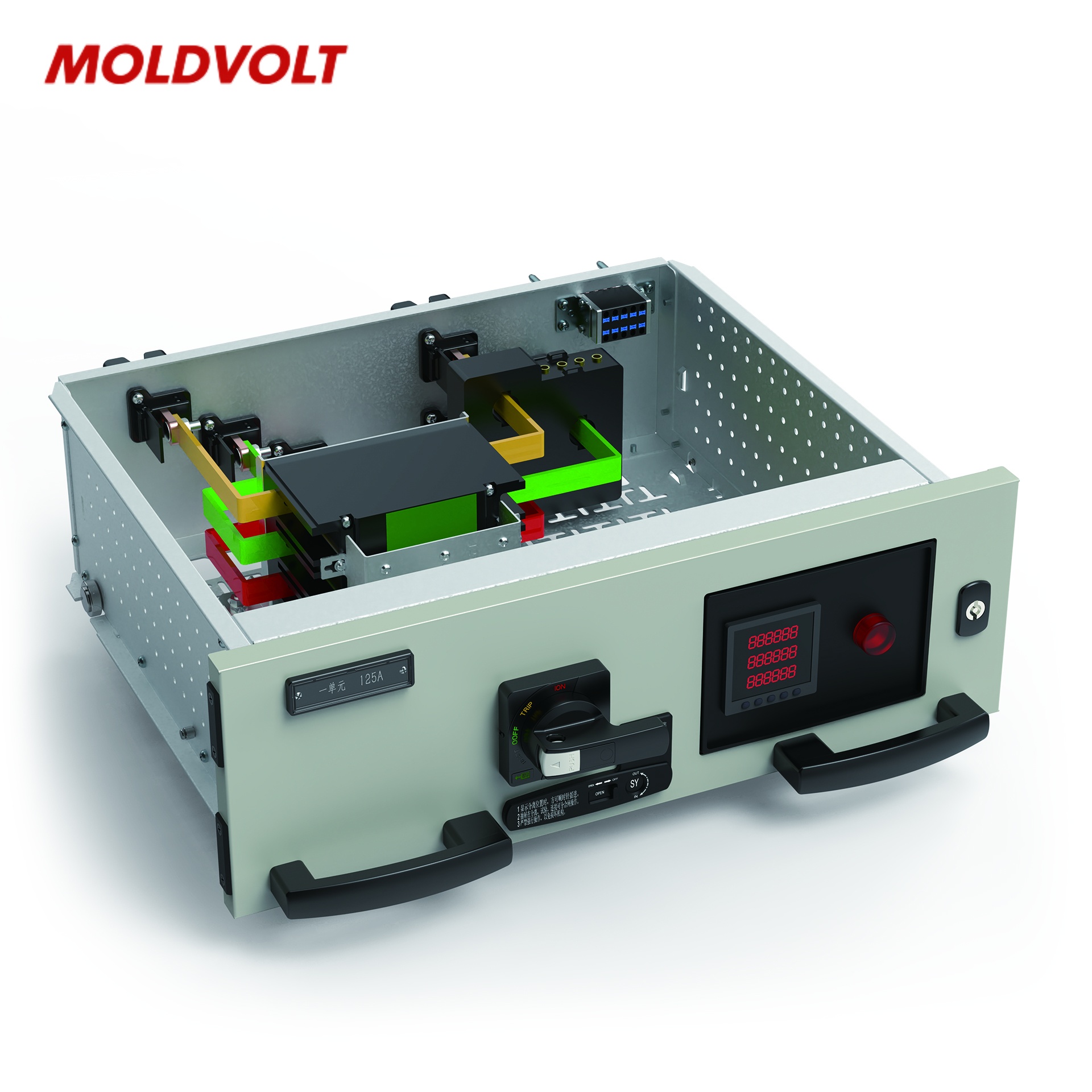
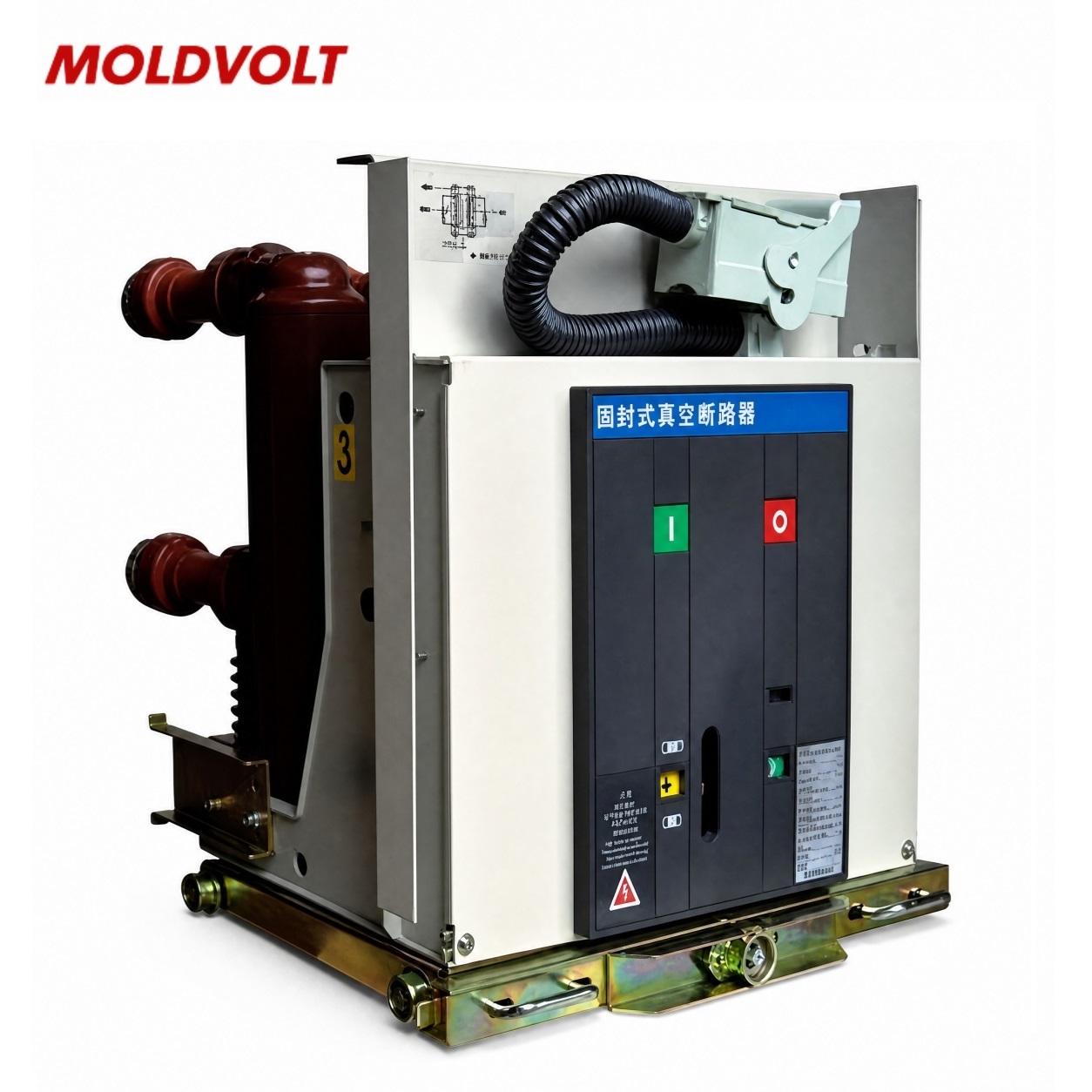
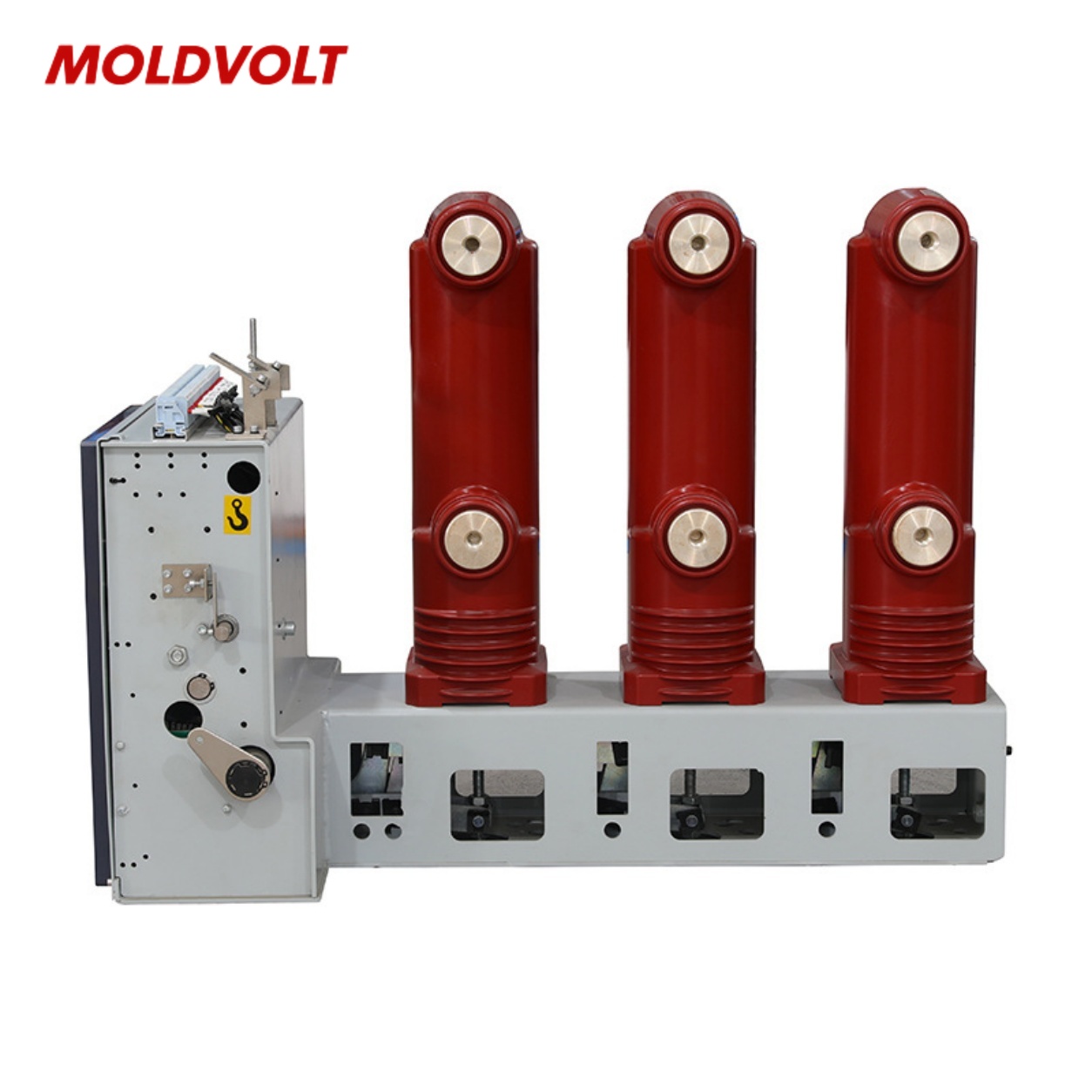
A shunt trip breaker enables remote circuit interruption through an external electrical control signal, supporting selected emergency shutdown and equipment control applications. When its compatible shunt trip coil receives the specified voltage, the breaker activates its trip mechanism and opens the protected circuit. This function can be useful in manufacturing plants, commercial kitchens, mechanical rooms, and designated electrical distribution systems. For example, an industrial facility may integrate a shunt trip breaker into a control circuit to disconnect specific machinery when a defined emergency condition occurs. Proper selection requires verifying coil voltage, breaker compatibility, control wiring, and applicable safety requirements. These checks support dependable integration and safer electrical system operation.
Get A Quote

Case Study

Industrial Machinery Emergency Shutdown

Industrial facilities may require remote disconnection of selected machinery during emergency situations or controlled maintenance procedures. A compatible shunt trip breaker can receive an external signal through a properly designed control circuit and interrupt the designated electrical supply. For a hypothetical production line upgrade, engineers would assess the breaker rating, coil voltage, emergency stop interface, and control circuit protection before installation. They should also identify which loads must disconnect and which essential systems must remain energized. This planning helps align breaker operation with the facility's risk assessment and safety procedures. Final designs should follow applicable electrical standards and machinery safety requirements.

Commercial Kitchen Electrical Protection

Commercial kitchens contain electrical equipment that may require coordinated shutdown arrangements under specific operating or emergency conditions. Depending on local regulations and the approved system design, a shunt trip breaker may provide remote disconnection for designated cooking equipment or related circuits. During a hypothetical restaurant installation, the contractor would verify breaker compatibility, coil voltage, control device functionality, and wiring requirements. Coordination with fire protection professionals is particularly important when suppression systems initiate electrical shutdown. Not every circuit should be disconnected automatically, especially where power supports designated life safety equipment. Correct design and functional testing help confirm that the intended loads respond appropriately.

Customized Electrical Distribution Panel Integration

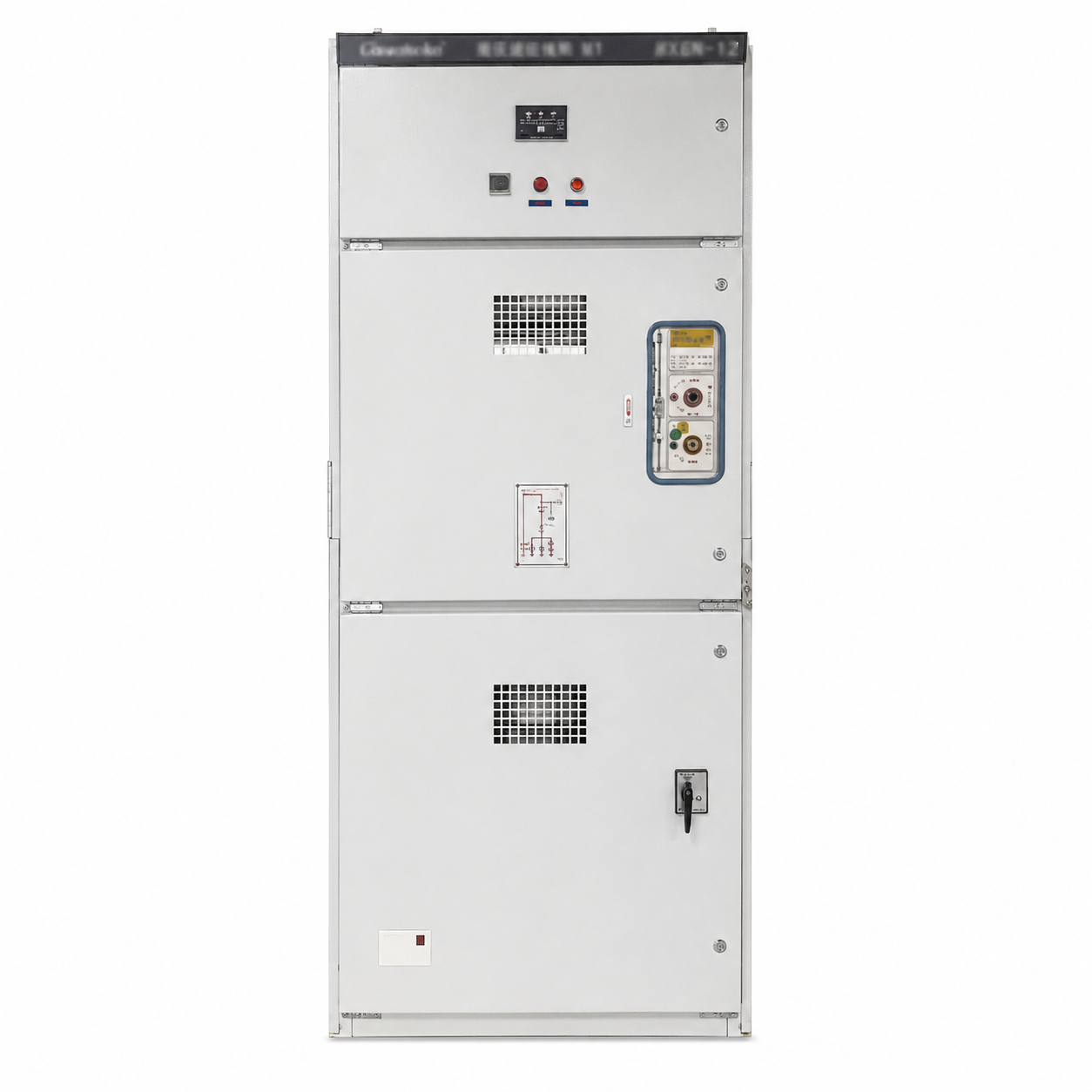
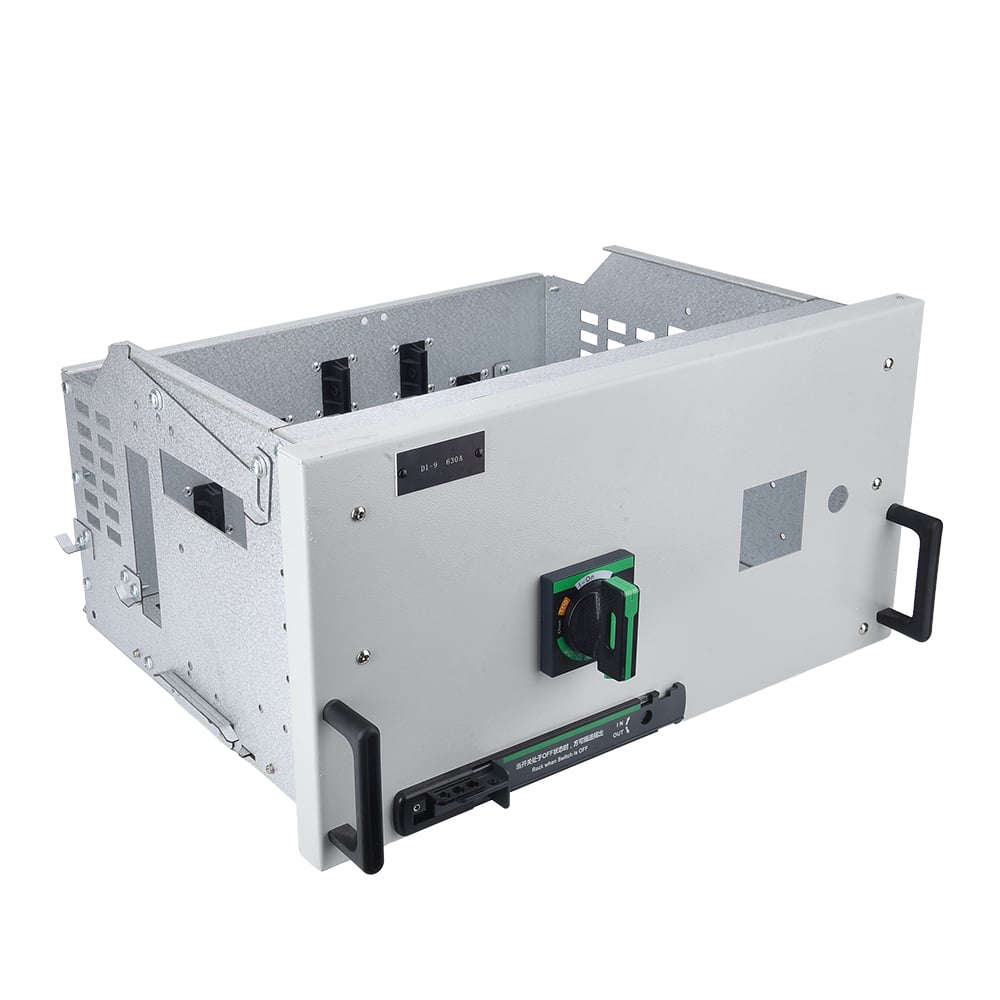
Integrating a shunt trip breaker into a distribution panel requires careful coordination between the breaker, control circuit, and overall electrical assembly. Panel builders should confirm mounting dimensions, rated current, breaking capacity, coil voltage, terminal arrangements, and auxiliary accessory requirements. For example, an industrial panel project may need a remote trip signal from a control station located away from the distribution board. Reviewing the electrical drawings before procurement helps identify compatibility issues and clarify installation requirements. Voltcabinet supports project discussions around electrical equipment specifications and panel integration. Final configurations should be verified against manufacturer documentation, applicable standards, and the approved system design.

Related products

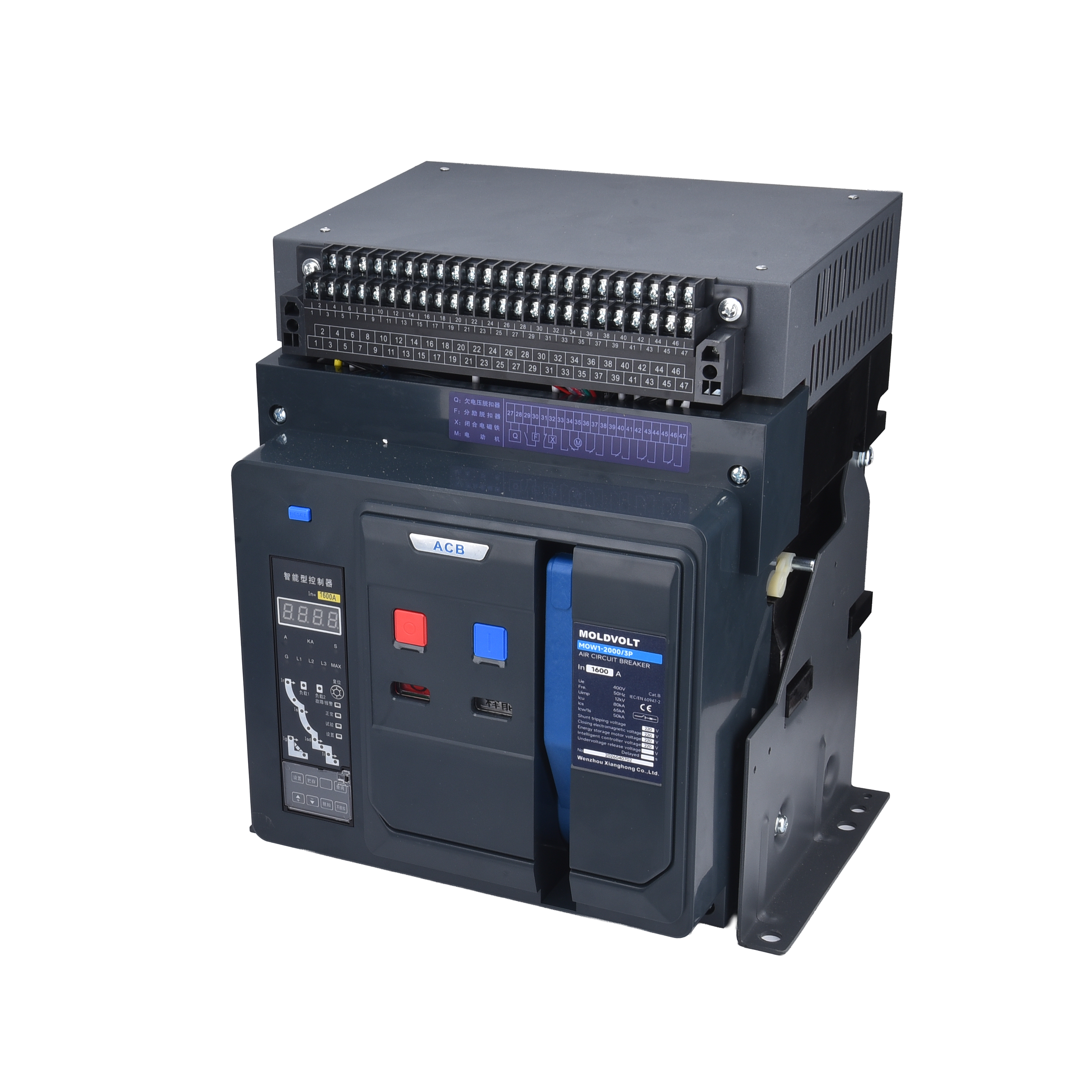
A shunt trip breaker combines conventional circuit protection with an electrically operated tripping mechanism that responds to an external control signal. When the compatible coil receives its specified voltage, it activates the trip mechanism, opening the breaker contacts and interrupting the protected circuit. This function is used in selected industrial control systems, commercial equipment installations, and engineered emergency shutdown arrangements. Depending on the application, shunt trip accessories may be available for compatible molded-case circuit breakers, air circuit breakers, and other breaker families. Buyers should confirm rated current, operating voltage, breaking capacity, coil voltage, control supply characteristics, and accessory compatibility before ordering. Applications involving fire alarms or emergency systems require careful coordination with relevant codes and qualified professionals. Voltcabinet supports project-based discussions for electrical distribution equipment and panel integration. Providing wiring diagrams, installation details, and technical specifications helps clarify requirements, improve procurement accuracy, and support a more efficient installation process.

Frequently Asked Questions

What is a shunt trip breaker used for?

A shunt trip breaker provides remote circuit interruption through an external electrical signal. It is used in selected industrial shutdown systems, commercial equipment installations, and other applications requiring remote disconnection. The correct configuration depends on the equipment, control system, applicable electrical codes, and intended safety function.
When the shunt trip coil receives its specified control voltage, it activates the breaker's internal trip mechanism. The contacts open and interrupt the protected circuit according to the device's ratings. Reliable operation requires a compatible breaker, the correct coil voltage, and properly designed control wiring.
Select a coil that matches the control supply specified in the electrical design. Common options may include 24 VDC, 120 VAC, or other manufacturer-supported ratings. Always verify the exact breaker model, coil specifications, and wiring diagram before installation to prevent accessory incompatibility or electrical damage.
It can be integrated into certain approved systems when the design and applicable codes permit or require remote electrical disconnection. Qualified electrical and fire protection professionals must verify the interface and affected loads. Essential life safety equipment should not be disconnected without appropriate code-based design review.
Most shunt trip breakers require manual resetting after the trip condition has been addressed, although procedures vary by model. Before restoring power, identify the reason for operation and follow manufacturer instructions. A qualified technician should inspect the system if unexpected tripping occurs or the breaker fails to reset.

Related article

Cabinet corrosion resistance determines service life in coastal engineering sites.

23

Sep

Cabinet corrosion resistance determines service life in coastal engineering sites.

Why Coastal Environments Accelerate Cabinet CorrosionThe chloride-humidity synergy: How salt aerosols and sustained high RH drive electrochemical degradationCoastal atmospheres subject cabinet enclosures to a uniquely aggressive combination of airbor...
View More
What switchgear maintenance items prevent unexpected power outage risks?

10

Oct

What switchgear maintenance items prevent unexpected power outage risks?

Top 3 Root Causes of Switchgear-Related Power Outages Insulation degradation and partial discharge: leading precursors to cascade failure Insulation systems in switchgear degrade gradually under electrical, thermal, and environmental stress. Cracks...
View More
Insulator mechanical strength supports busbar fixing inside switchgear cabinets.

13

Oct

Insulator mechanical strength supports busbar fixing inside switchgear cabinets.

Critical Mechanical Load Demands on Insulators for Busbar Support Static, Dynamic, and Short-Circuit Electrodynamics: Quantifying Peak Forces (Up to 250 kA) Busbar support insulators must simultaneously manage three distinct mechanical load regimes...
View More
What electrical switchgear testing items are required before site commissioning?

21

Oct

What electrical switchgear testing items are required before site commissioning?

Insulation Integrity and Dielectric Strength Verification Megger testing of busbars, cables, and instrument transformer circuits Megger testing is a foundational pre-commissioning check for electrical switchgear, measuring insulation resistance (IR...
View More

Customer Testimonials

James Carter

Our project required remote circuit interruption for selected production equipment. Reviewing coil voltage, breaker compatibility, and control wiring helped our engineering team coordinate the installation requirements efficiently.

Michael Turner

The shunt trip breaker specifications helped us evaluate remote shutdown options for a commercial panel project. Confirming accessory compatibility and control circuit requirements simplified our equipment selection process.

Get a Free Quote

Our representative will contact you soon.
Email
Mobile/WhatsApp
Name
Company Name
Message
0/1000
Flexible Remote Shutdown Control

Flexible Remote Shutdown Control

Remote shutdown capability allows a compatible shunt trip breaker to respond to control signals from a designated switch, control panel, or approved safety system. This functionality can support industrial machinery isolation and selected commercial equipment shutdown arrangements. For example, a manufacturing facility may use a remote control station to initiate disconnection of a specific production circuit when required by its operating procedures. Engineers must verify the coil voltage, signal characteristics, control circuit protection, and breaker compatibility before implementation. Voltcabinet supports specification discussions that help buyers identify relevant requirements and prepare appropriate equipment documentation. Careful system design and functional testing are essential to confirm correct operation under intended conditions.
Reliable Breaker and Panel Compatibility

Reliable Breaker and Panel Compatibility

Successful shunt trip breaker integration depends on matching the trip accessory to the exact breaker series and electrical panel configuration. Important considerations include rated current, breaking capacity, coil voltage, mounting arrangements, terminal access, and control wiring requirements. For example, a panel manufacturer preparing a customized distribution assembly can review these details against electrical drawings before purchasing components. This process helps identify mismatched accessories and clarify installation responsibilities early in the project. Voltcabinet supports technical discussions for electrical equipment sourcing and panel integration, helping project teams organize specifications and evaluate suitable configurations. Final approval should rely on manufacturer documentation, qualified engineering review, and applicable electrical safety standards.

Get a Free Quote

Our representative will contact you soon.
Email
Mobile/WhatsApp
Name
Company Name
Message
0/1000