LV Panels for Industrial & Commercial Use | VoltCabinet

All Categories
Customer Reviews for LV Panels and Power Distribution Solutions

Customer Reviews for LV Panels and Power Distribution Solutions

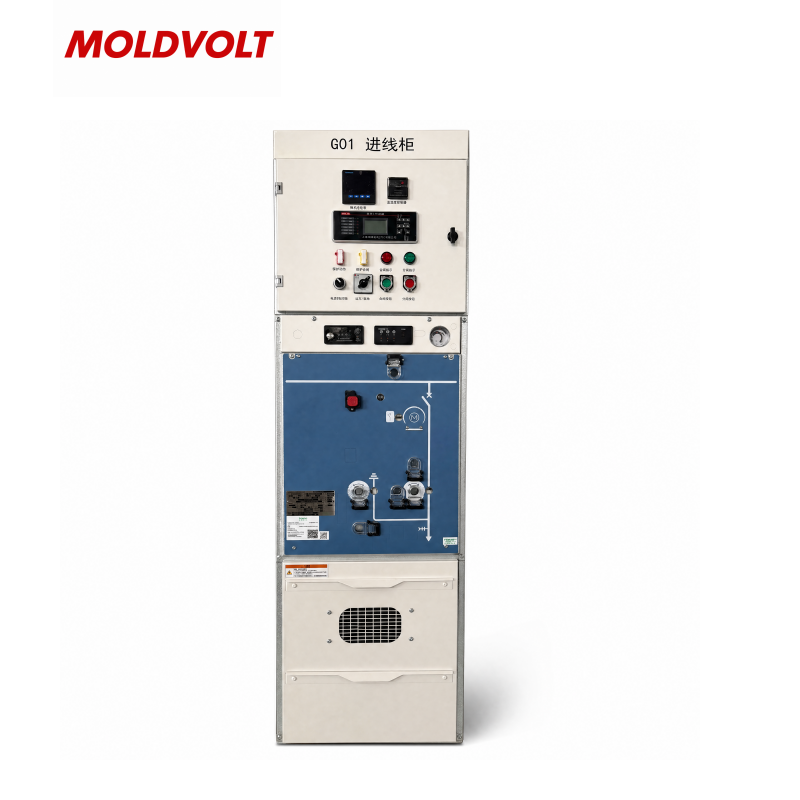
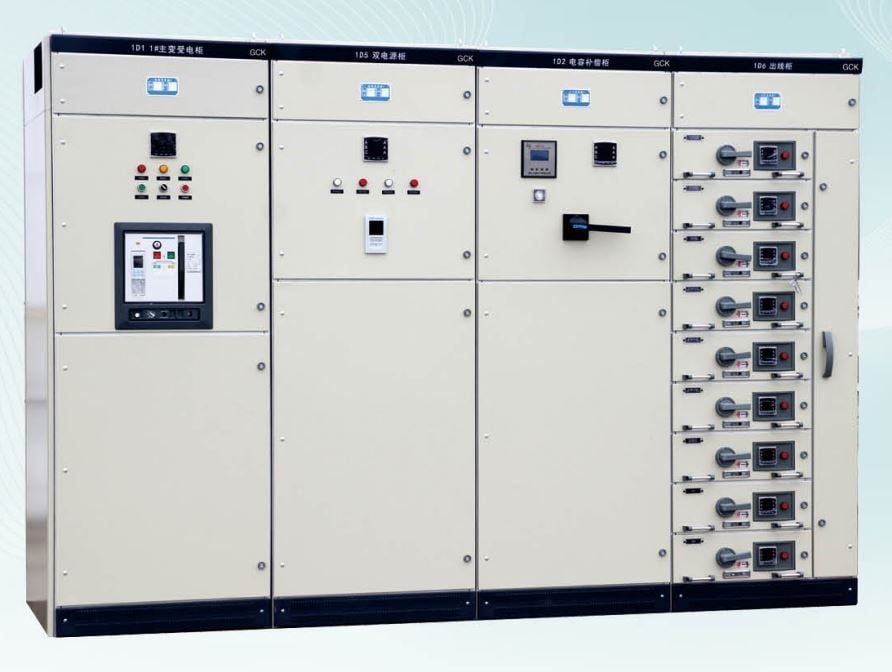
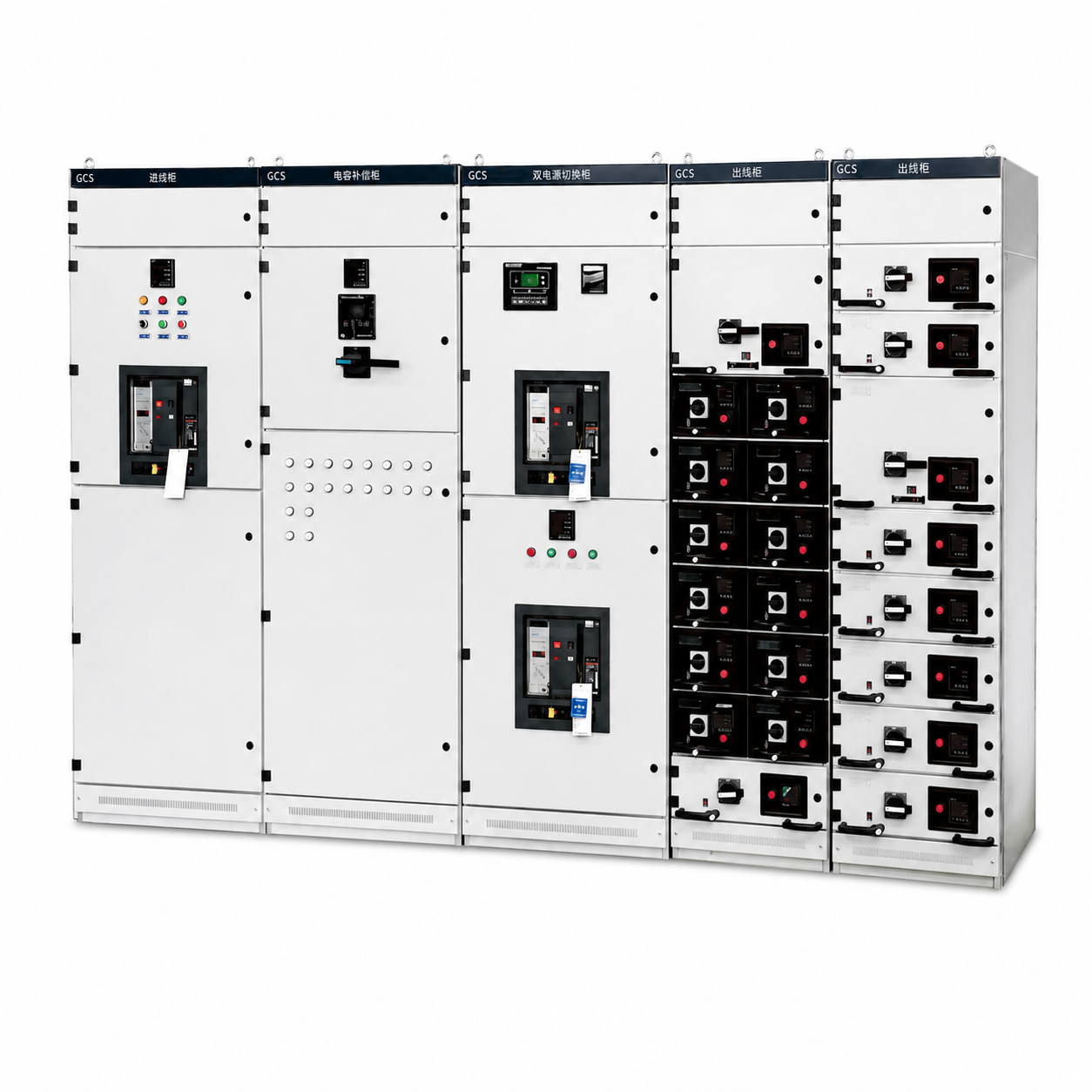
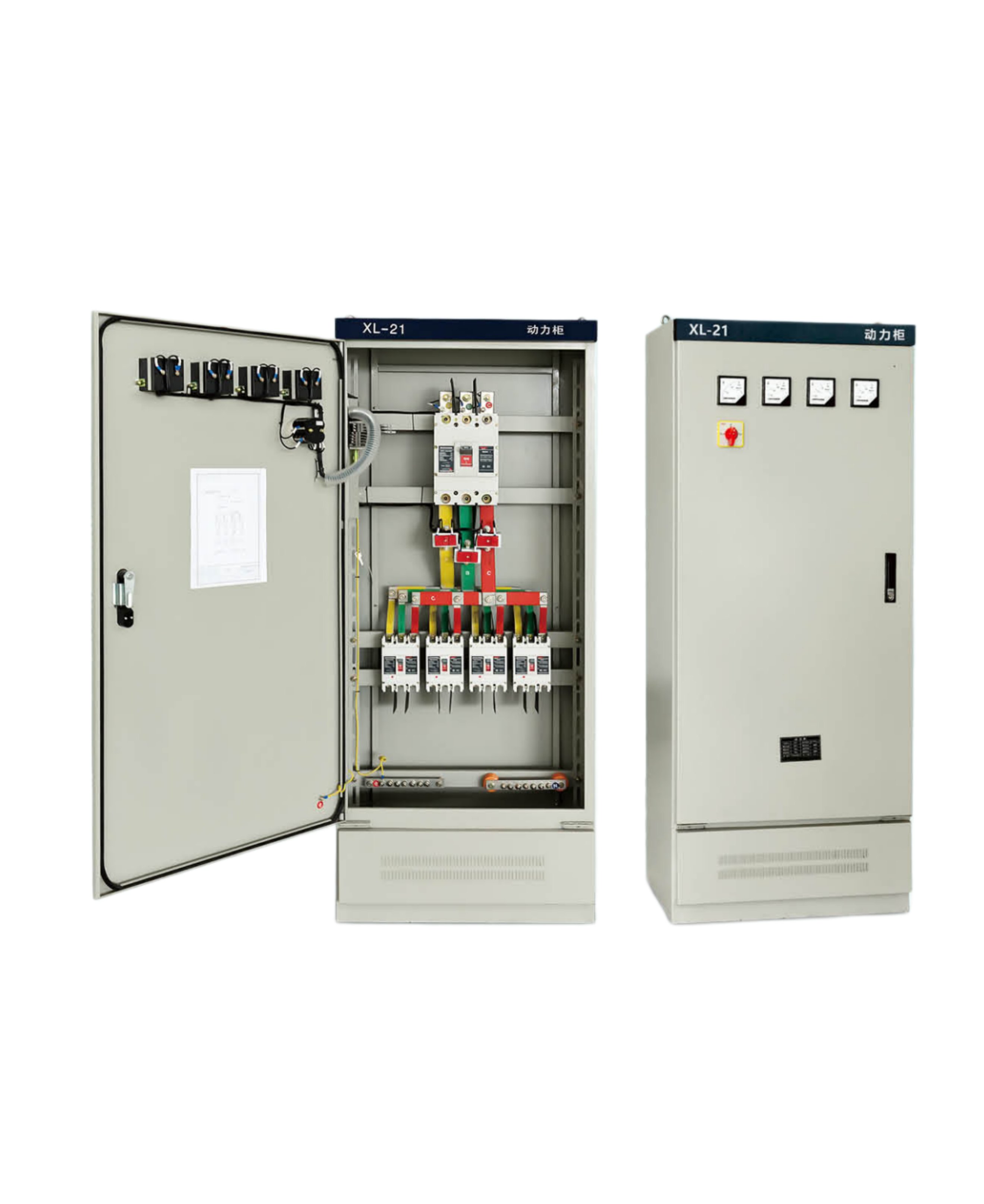
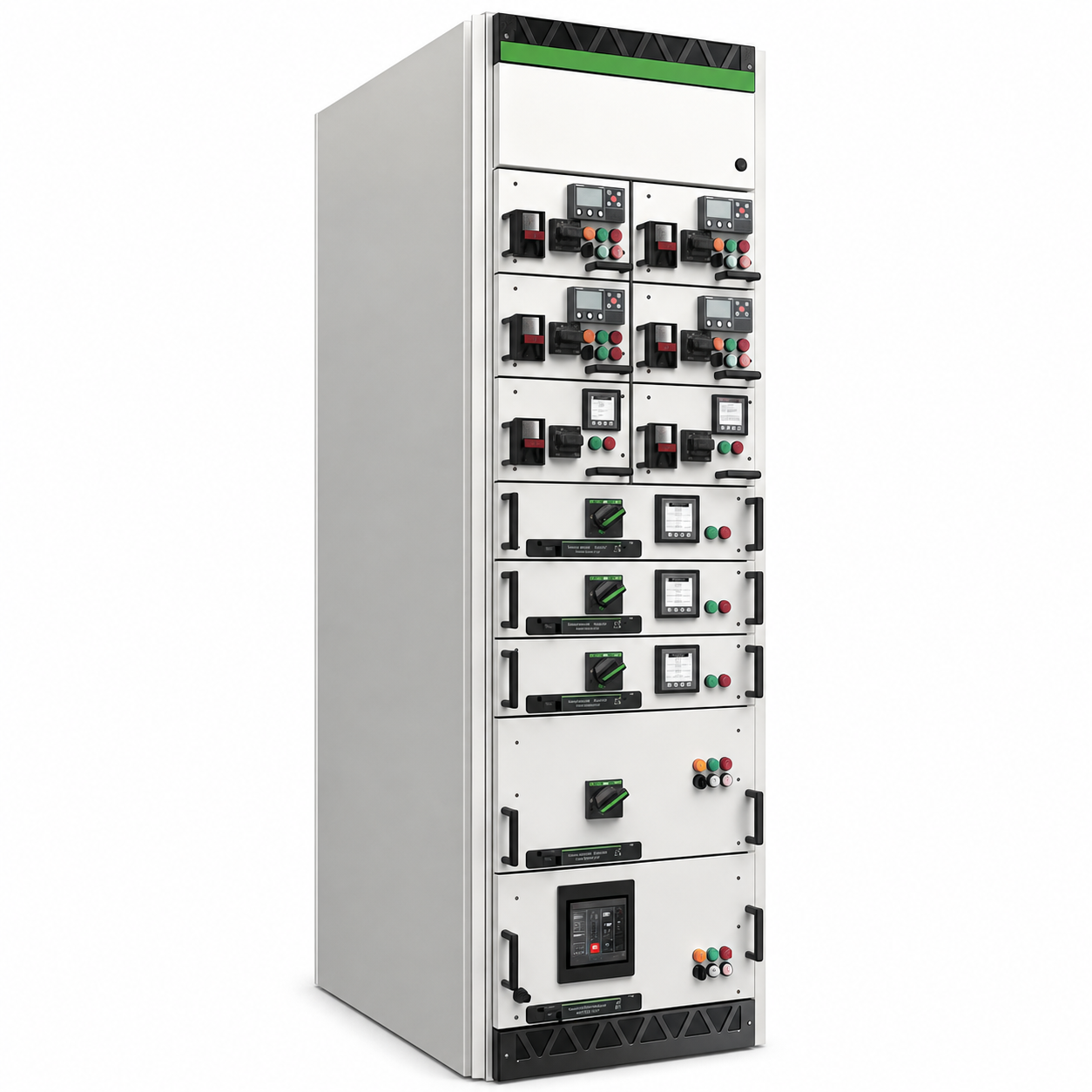
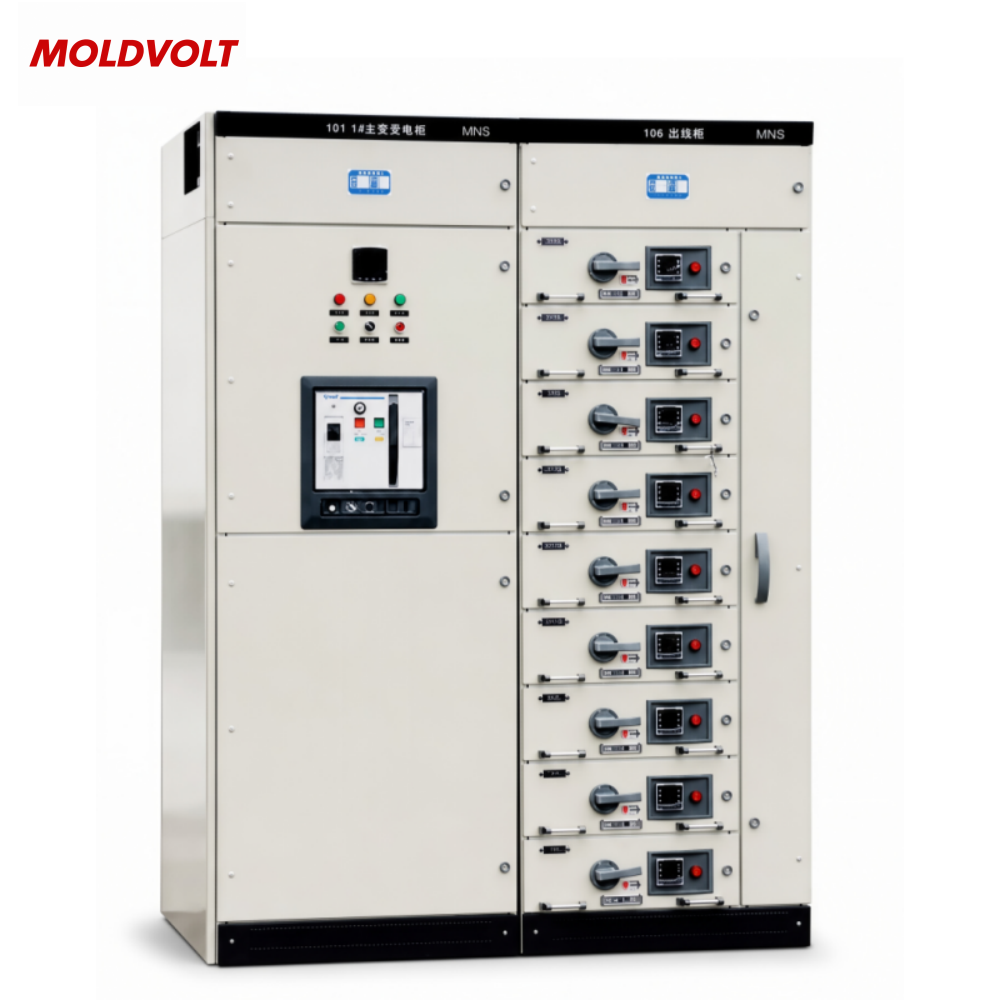
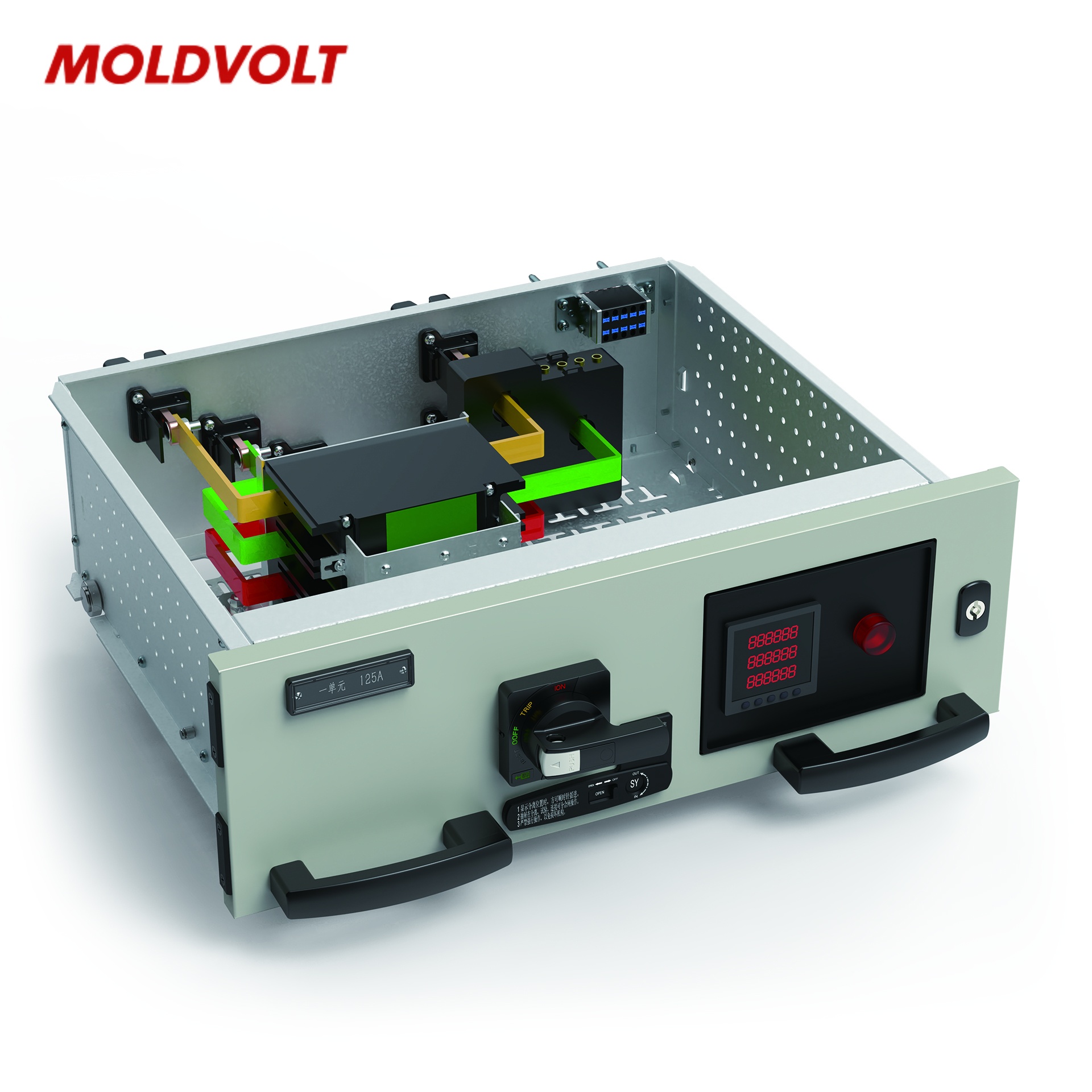
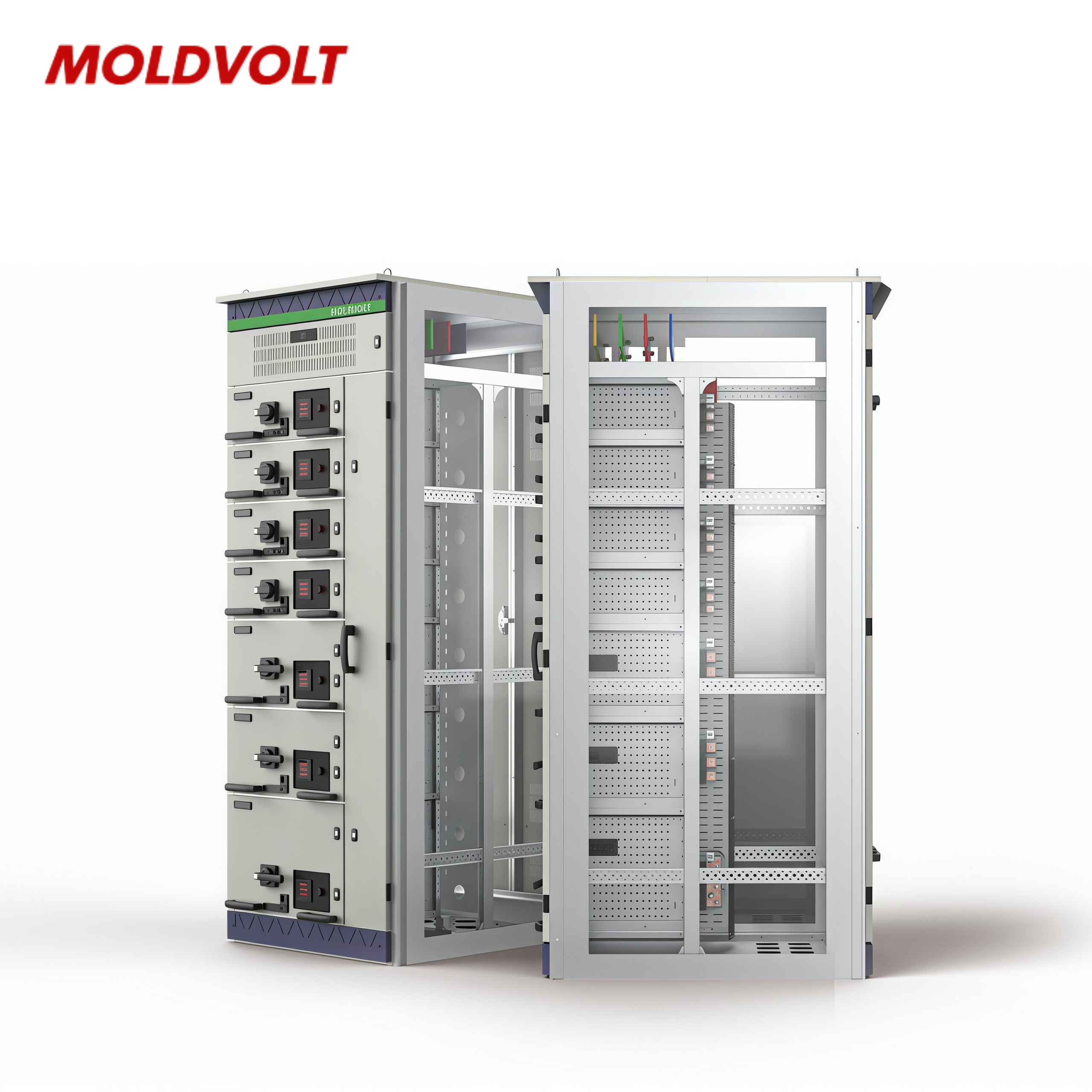
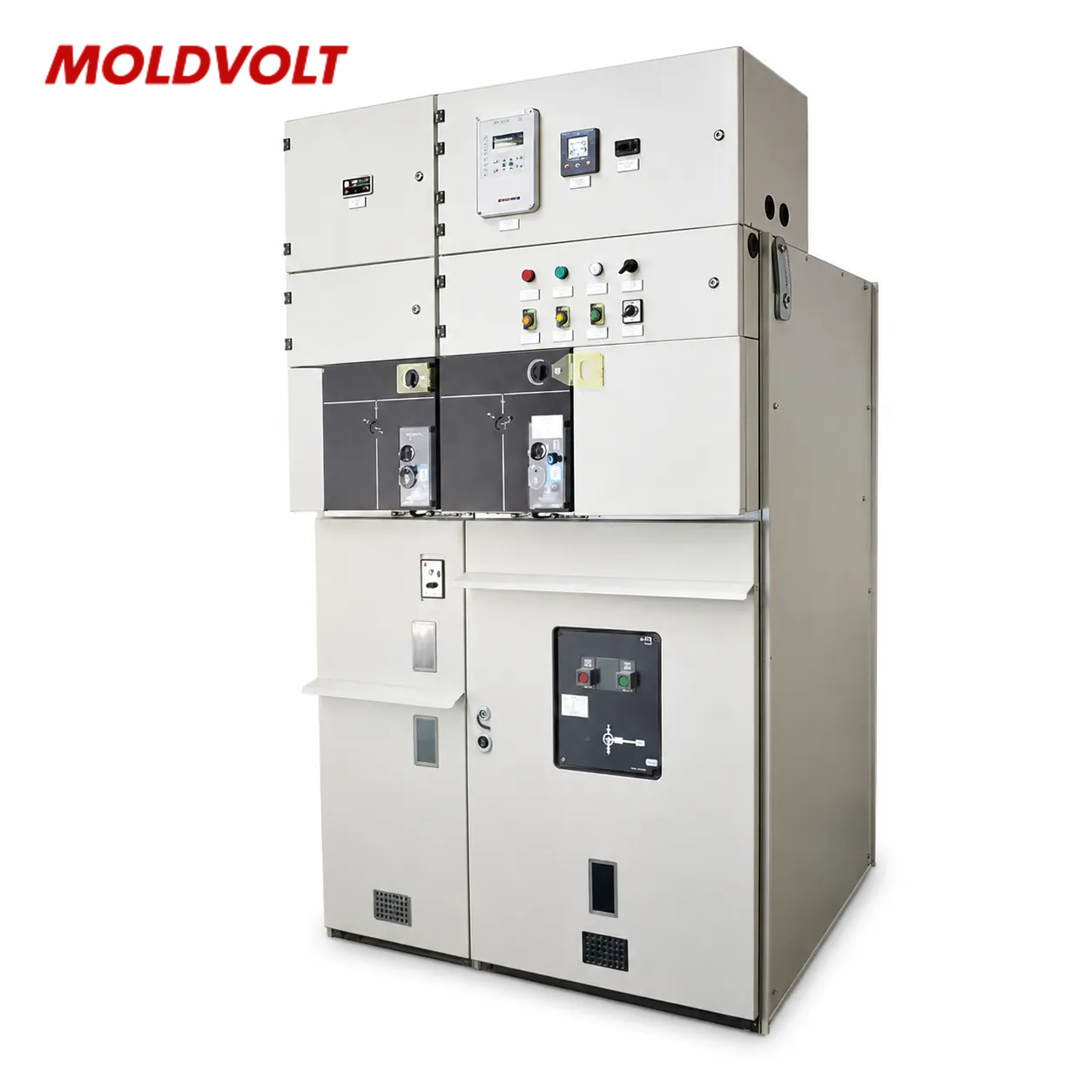
VoltCabinet provides LV panels designed to distribute, control, and protect low-voltage electrical circuits in industrial facilities, commercial buildings, and infrastructure projects. Depending on application requirements, panels can integrate circuit breakers, busbars, metering devices, and protective components within a structured enclosure. Correct equipment selection helps manage electrical loads, isolate faults, and simplify maintenance. For example, a manufacturing facility with several production lines may require separate outgoing feeders to supply machinery, lighting, and auxiliary equipment. Panel configurations can be tailored to rated current, circuit quantity, installation space, and cable entry requirements. This application-focused approach supports organized wiring, dependable distribution, and practical future expansion.
Get A Quote

Case Study

LV Panels for Manufacturing Facilities

Manufacturing facilities require reliable electrical distribution for motors, processing equipment, conveyors, and auxiliary systems. LV panels can organize incoming power and distribute electricity through appropriately rated outgoing circuits. Engineers evaluate connected loads, operating current, prospective short-circuit current, and protection coordination before finalizing the configuration. For a factory operating multiple production lines, clearly identified feeders can simplify circuit management and help maintenance teams isolate affected equipment. VoltCabinet can support project-specific panel arrangements based on technical drawings and installation requirements. Before energization, qualified personnel should verify wiring, grounding, breaker ratings, and protection settings to promote safe operation and dependable power delivery.

LV Panels for Commercial Buildings

Office buildings, shopping centers, and hotels depend on organized low-voltage distribution for lighting, HVAC systems, elevators, and other essential services. LV panels provide a central arrangement for circuit protection, switching, and power distribution. Selection criteria include peak demand, feeder quantities, enclosure dimensions, cable routing, and maintenance accessibility. For a multi-floor commercial building, appropriately arranged outgoing circuits can simplify electrical identification and support routine inspections. VoltCabinet can help align panel specifications with building drawings and project schedules. Electrical engineers should confirm load calculations, protection coordination, applicable standards, and installation clearances before commissioning, supporting a maintainable and reliable building electrical system.

LV Panels for Infrastructure Projects

Infrastructure facilities need LV panels suited to their electrical loads, operating environments, and maintenance requirements. Applications may include transportation facilities, water treatment plants, warehouses, and utility buildings. Panel specifications should address rated voltage, current capacity, short-circuit withstand capability, enclosure protection, and required control functions. For a water treatment facility, separate feeders may serve pumps, monitoring equipment, lighting, and auxiliary systems. VoltCabinet can support customized panel layouts according to customer drawings and technical schedules. Before commissioning, qualified engineers should inspect electrical connections, verify protective device settings, and review relevant test documentation. Proper planning helps improve operational safety and long-term maintainability.

Related products

LV panels are essential components in low-voltage electrical distribution systems, providing a structured arrangement for power distribution, circuit protection, monitoring, and control. Depending on the application, a panel may contain circuit breakers, busbars, contactors, metering instruments, protective relays, and terminal blocks. These components help distribute electricity to downstream circuits while supporting isolation and fault management. For industrial plants, LV panels can supply production machinery, motors, pumps, and auxiliary equipment. Commercial buildings use them to manage lighting, HVAC systems, elevators, and general electrical loads. Panel design should reflect rated voltage, continuous current, prospective short-circuit current, circuit quantity, enclosure conditions, and installation requirements. VoltCabinet can support project-specific configurations based on customer drawings, electrical schedules, and site constraints. Manufacturing quality, wiring inspection, component verification, and appropriate electrical testing are important considerations when evaluating a panel supplier. Applicable IEC standards and project specifications should guide design verification and acceptance procedures. By matching panel construction to actual operating requirements, customers can improve installation coordination, simplify maintenance, and support dependable electrical distribution throughout the equipment's service life.

Frequently Asked Questions

What Are LV Panels Used For?

LV panels distribute and control electrical power in low-voltage systems, commonly serving industrial plants, commercial buildings, and infrastructure facilities. They organize incoming supplies and outgoing circuits while housing protective and switching components. Their configuration depends on connected loads, required circuit quantities, and the installation's electrical design.
Consider rated voltage, current capacity, short-circuit requirements, connected loads, circuit quantities, and installation conditions. Also evaluate enclosure protection, cable entry, maintenance access, and future expansion. Provide accurate electrical drawings and load schedules so qualified engineers can verify component ratings and protection coordination before procurement.
Common components include circuit breakers, busbars, contactors, metering instruments, protective relays, and terminal blocks. The final selection depends on the panel's distribution, control, and protection functions. Components must have suitable ratings and be coordinated with the installation's electrical characteristics and applicable standards.
Yes. LV panels can be configured to accommodate different current ratings, feeder quantities, enclosure dimensions, control functions, metering requirements, and cable arrangements. Customers should provide project drawings, load schedules, and installation details to help the manufacturer develop a suitable technical configuration.
Testing and inspection depend on the panel design, project specifications, and applicable standards. Typical checks may include wiring verification, protective conductor continuity, insulation testing where appropriate, functional checks, and component inspection. Qualified personnel should review documentation and confirm safe installation before energizing the panel.

Related article

How to customize cabinet dimensions to fit existing switchgear layouts?

26

Sep

How to customize cabinet dimensions to fit existing switchgear layouts?

Step 1: Accurate Site Assessment and Dimensional BenchmarkingMeasuring mechanical layout, clearances, and structural constraints in legacy electrical roomsA successful retrofit begins with a meticulous site survey. Older electrical rooms rarely match...
View More
What switchgear maintenance items prevent unexpected power outage risks?

10

Oct

What switchgear maintenance items prevent unexpected power outage risks?

Top 3 Root Causes of Switchgear-Related Power Outages Insulation degradation and partial discharge: leading precursors to cascade failure Insulation systems in switchgear degrade gradually under electrical, thermal, and environmental stress. Cracks...
View More
Insulator dimension design follows international high voltage standards strictly.

16

Oct

Insulator dimension design follows international high voltage standards strictly.

Core IEC Standards Governing Insulator Dimension Design IEC 60383: Mechanical and Electrical Requirements for Ceramic and Glass Insulators The IEC 60383 series defines the mechanical and electrical test regimes that ceramic and glass insulators mus...
View More
What electrical switchgear testing items are required before site commissioning?

21

Oct

What electrical switchgear testing items are required before site commissioning?

Insulation Integrity and Dielectric Strength Verification Megger testing of busbars, cables, and instrument transformer circuits Megger testing is a foundational pre-commissioning check for electrical switchgear, measuring insulation resistance (IR...
View More

Customer Testimonials

James Wilson

We needed LV panels for our manufacturing facility's distribution upgrade. The project-specific configuration helped organize circuit protection and cable connections, supporting smoother installation planning and easier maintenance across multiple production areas.

Michael Brown

Our commercial project required dependable low-voltage distribution panels. The technical specification review clarified component selection, panel dimensions, and protection requirements, helping our team coordinate procurement and installation more efficiently.

Get a Free Quote

Our representative will contact you soon.
Email
Mobile/WhatsApp
Name
Company Name
Message
0/1000
Reliable Circuit Distribution and Protection

Reliable Circuit Distribution and Protection

Well-designed LV panels help organize electrical distribution while supporting effective circuit protection in demanding operating environments. VoltCabinet can configure panel arrangements around rated current, feeder quantities, connected loads, and installation conditions. Depending on the application, circuit breakers, busbars, metering devices, and control components can be integrated into a structured assembly. For a manufacturing facility supplying several production lines, clearly arranged outgoing feeders can simplify circuit identification and help maintenance teams isolate equipment when necessary. Engineers should verify short-circuit ratings, protective device coordination, grounding arrangements, and applicable standards before commissioning. This approach supports safer operation, practical maintenance, and dependable power distribution across industrial and commercial facilities.
Flexible LV Panel Designs for Project Requirements

Flexible LV Panel Designs for Project Requirements

Electrical projects vary in load demand, available space, control functions, and future expansion plans. VoltCabinet can support LV panel configurations for factories, commercial buildings, infrastructure installations, and utility facilities. Design considerations may include enclosure dimensions, busbar arrangements, cable entry, metering instruments, control interfaces, and maintenance accessibility. For example, a warehouse adding automated conveyors may need additional outgoing circuits and revised protection arrangements to accommodate new equipment. Planning these requirements early helps coordinate installation and avoid unnecessary layout changes. Final specifications should be verified against electrical calculations, manufacturer documentation, and applicable standards. Aligning panel design with site conditions supports efficient installation, maintainability, and reliable long-term electrical distribution.

Get a Free Quote

Our representative will contact you soon.
Email
Mobile/WhatsApp
Name
Company Name
Message
0/1000