Distribution Switchgear Unit: 12 Configurable LV Solutions

All Categories
Customer Reviews of Distribution Switchgear Units

Customer Reviews of Distribution Switchgear Units

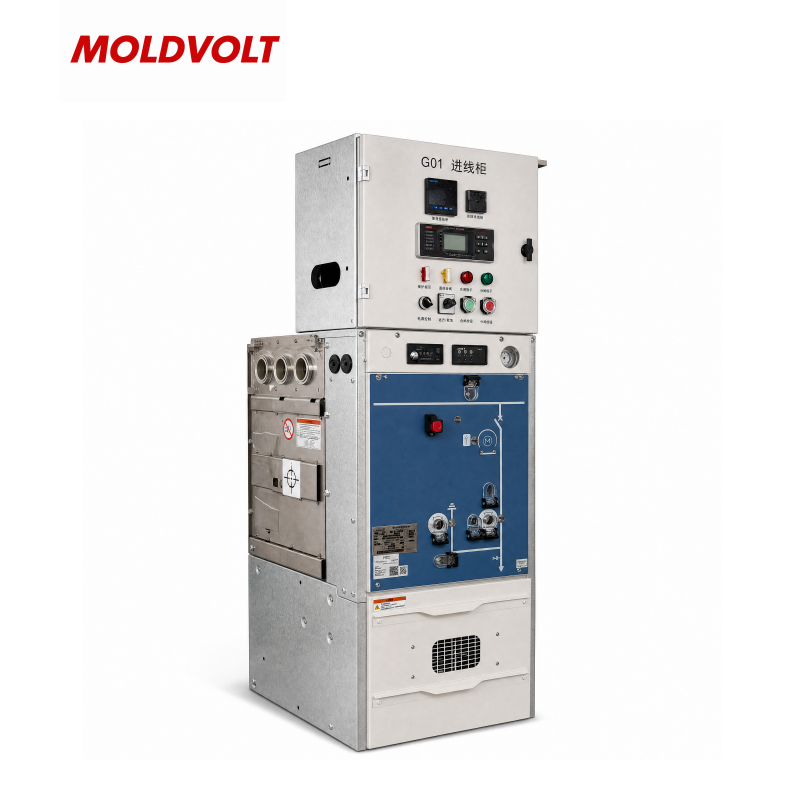
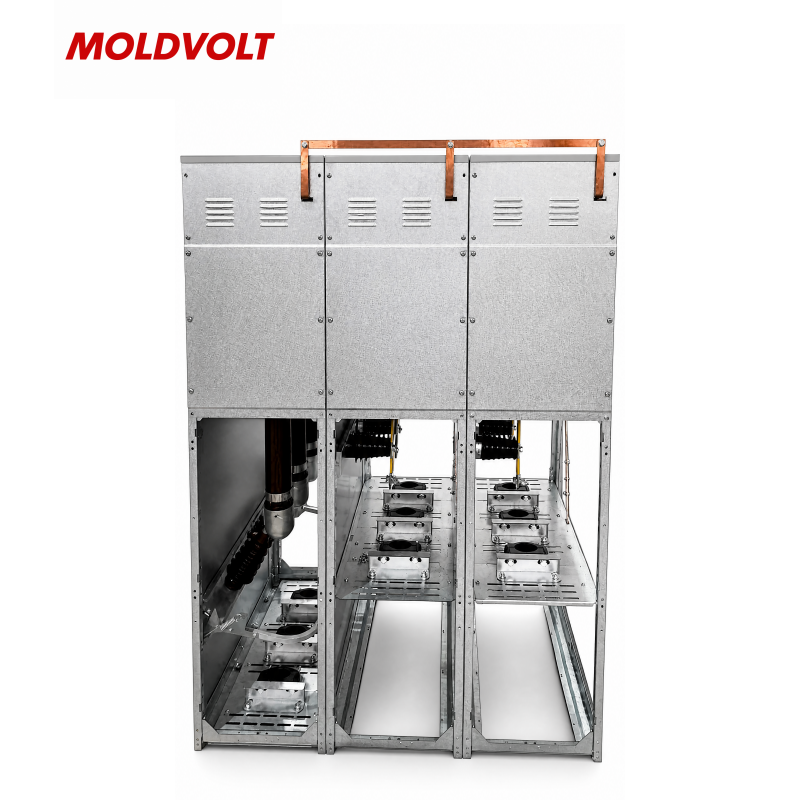
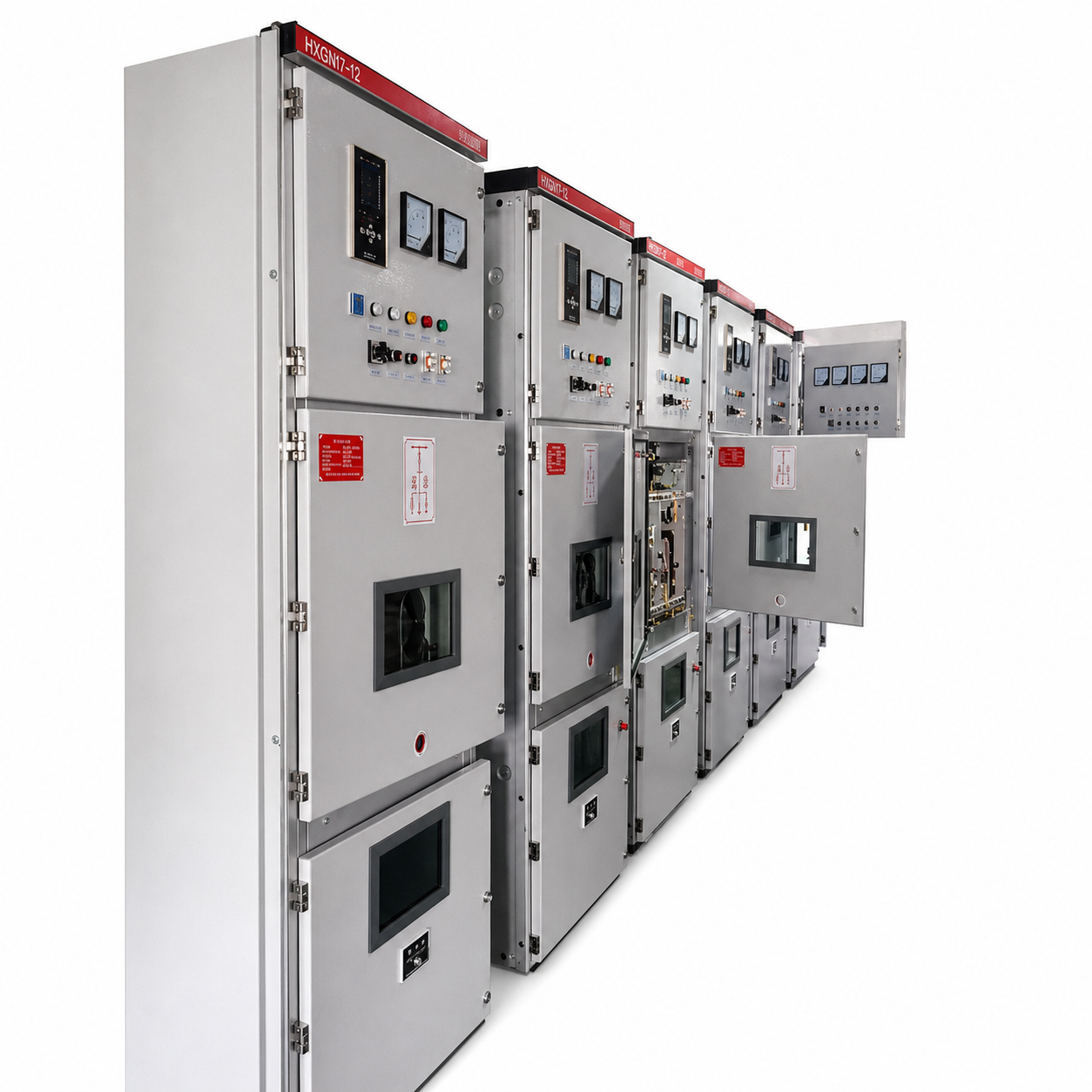
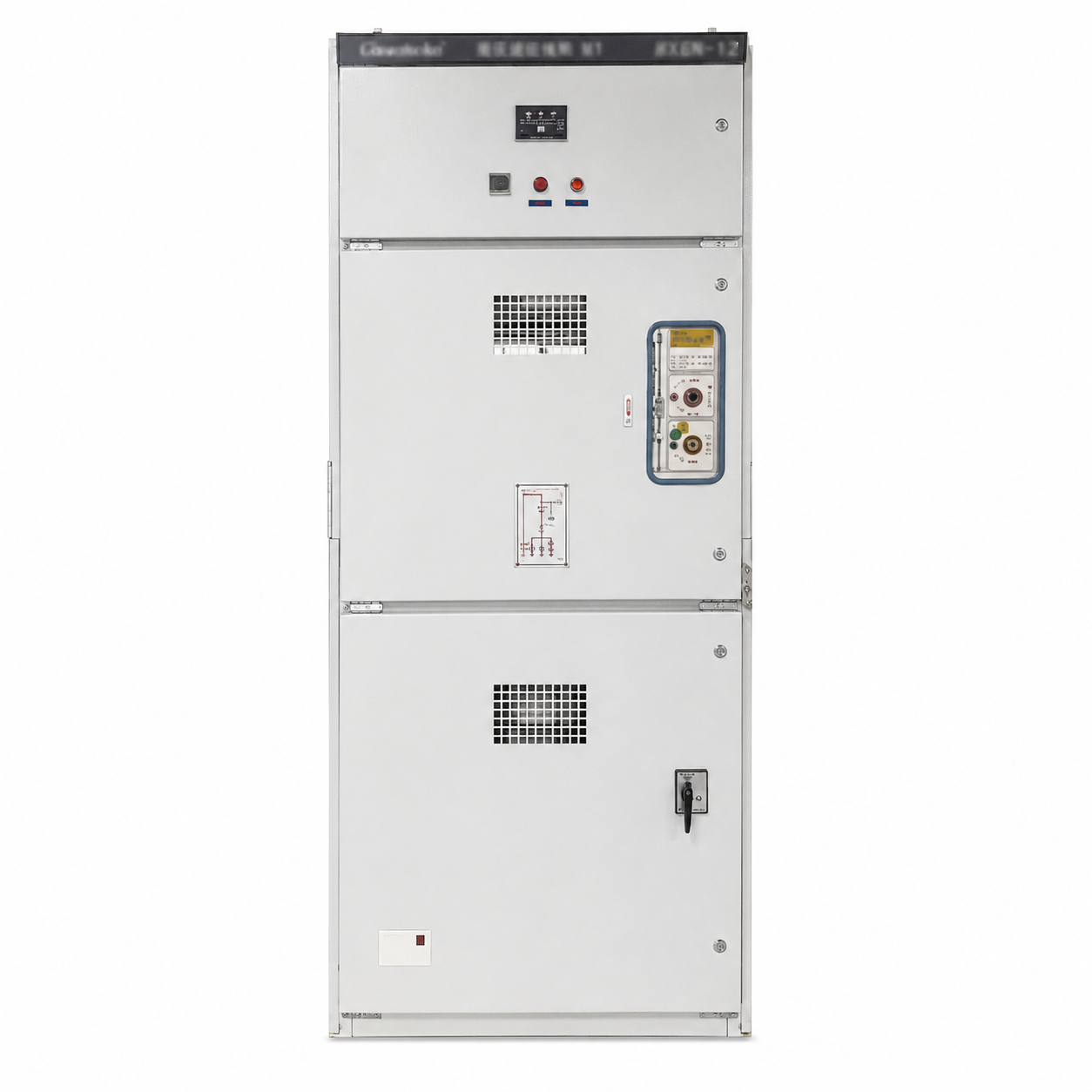
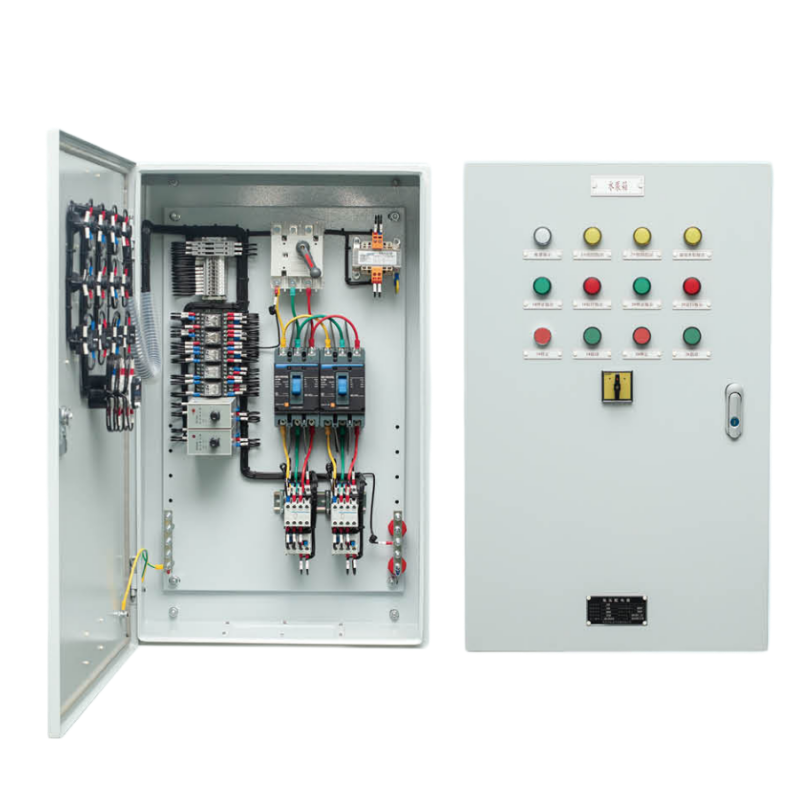
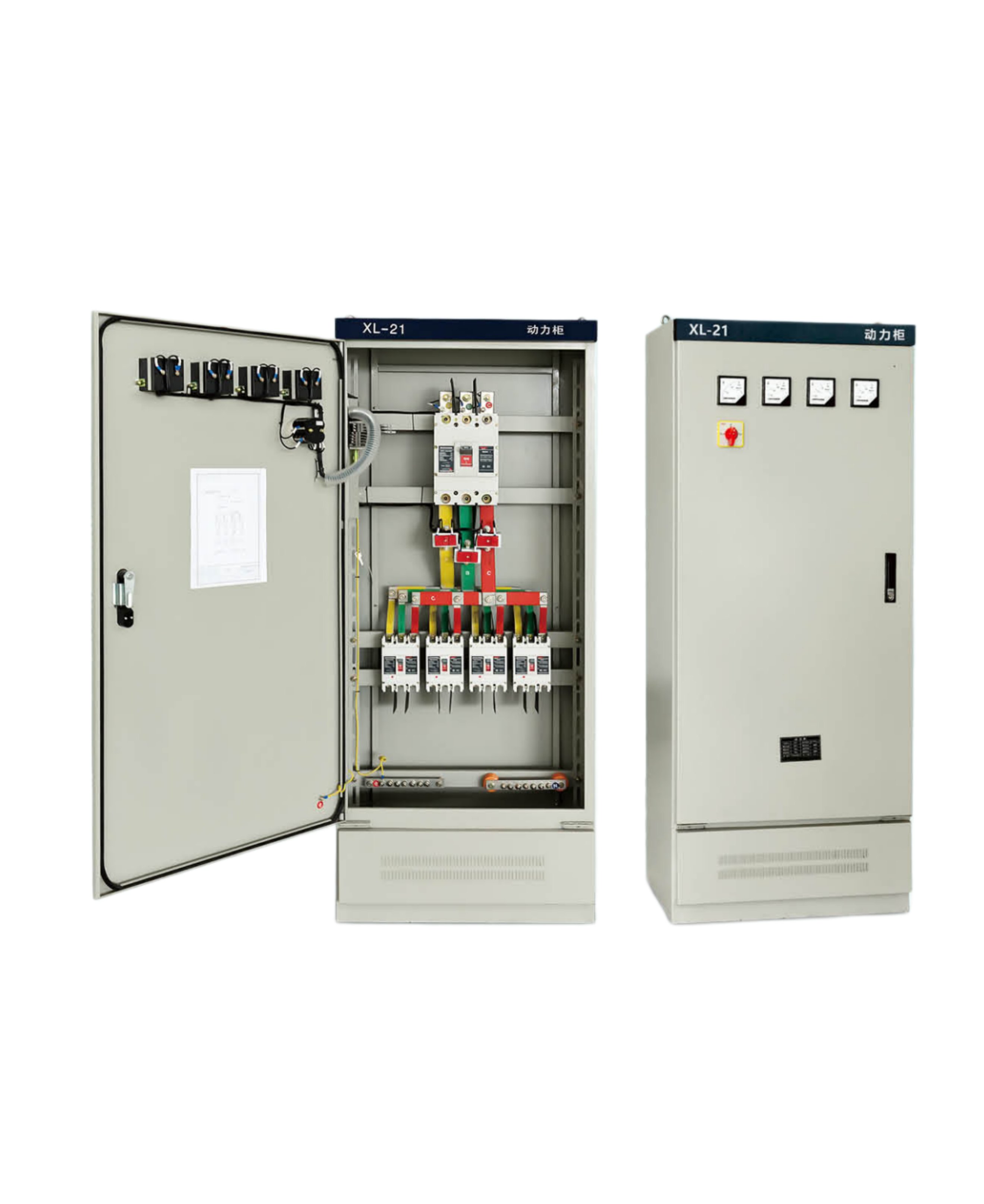
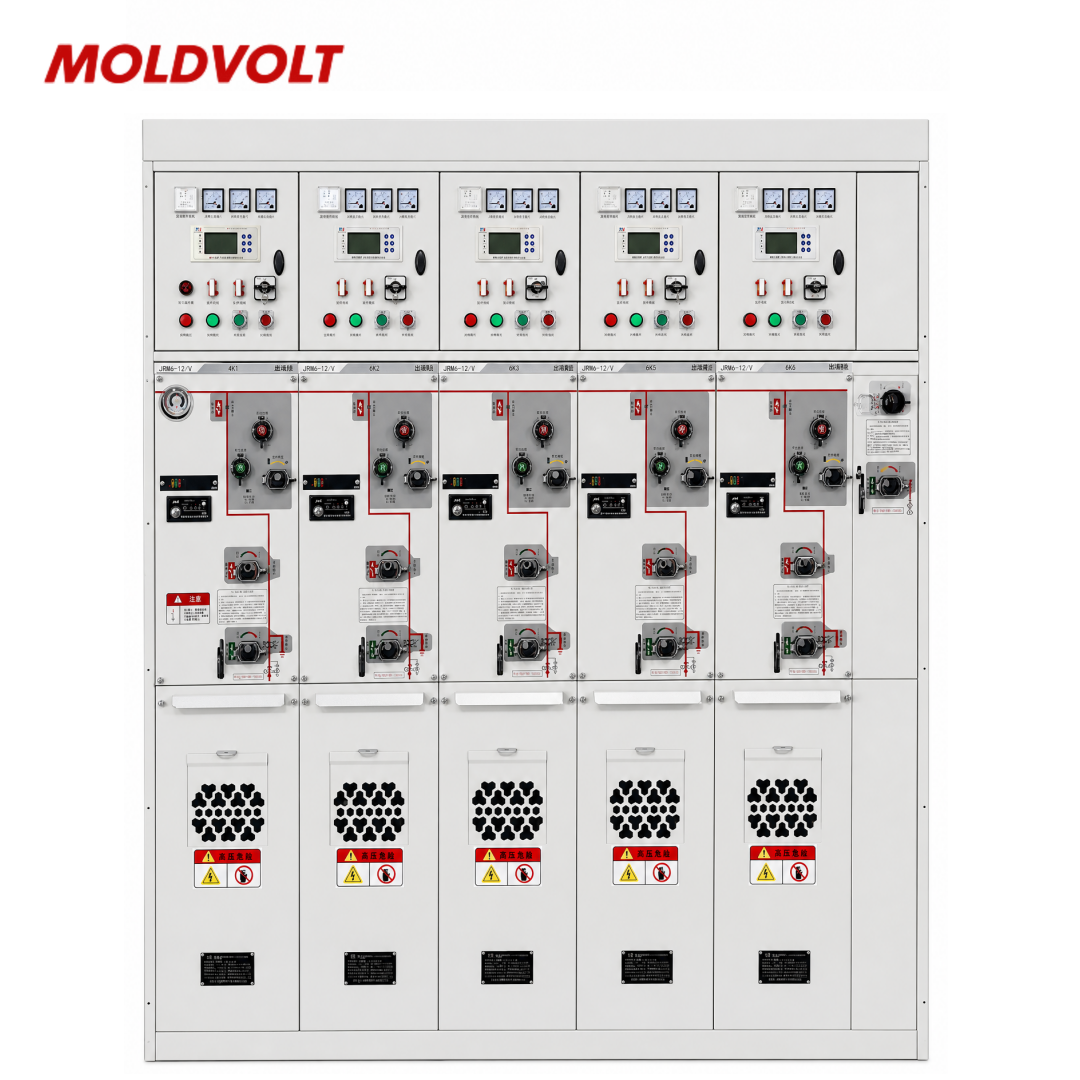
A reliable distribution switchgear unit helps industrial plants, commercial buildings, and infrastructure projects manage electrical power safely and efficiently. Volt Cabinet provides configurable solutions designed around project requirements, installation environments, and maintenance needs. Options for component arrangement, enclosure dimensions, and electrical ratings help engineers coordinate equipment with existing distribution systems. For example, a manufacturing facility upgrading multiple production lines can use a project-specific configuration to simplify circuit organization and improve inspection access. Every specification should be confirmed against the intended voltage, current, fault level, and applicable standards. By prioritizing practical engineering and dependable construction, our solutions support organized power distribution, straightforward maintenance planning, and long-term operational reliability.
Get A Quote

Case Study

Industrial Manufacturing Power Distribution

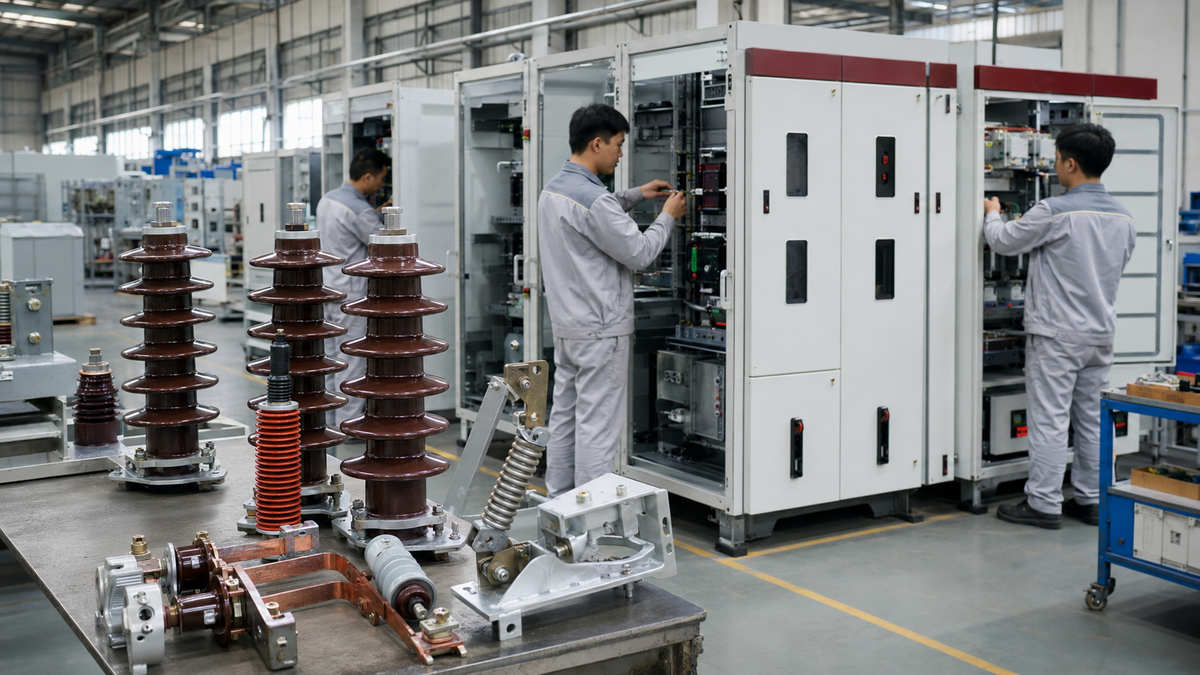
Manufacturing plants require dependable electrical distribution to support production machinery, control systems, and auxiliary equipment. A distribution switchgear unit configured for an industrial project can consolidate circuit protection and switching functions within an organized enclosure. Engineers can specify incoming and outgoing circuits according to equipment loads, operating conditions, and future expansion plans. For a facility adding two production lines, a carefully planned arrangement can simplify cable routing and improve access during scheduled inspections. Final performance depends on correct equipment selection, installation quality, and maintenance procedures. Volt Cabinet works with project requirements to support practical configurations for demanding industrial environments.

Commercial Building Electrical Infrastructure

Office complexes, shopping centers, and mixed-use developments depend on coordinated power distribution to serve lighting, HVAC equipment, elevators, and tenant systems. A distribution switchgear unit designed for a commercial project can help organize outgoing feeders and provide suitable switching and protection arrangements. During a building renovation, engineers may need to integrate new circuits while maintaining compatibility with existing infrastructure. A project-specific enclosure layout can improve component identification and simplify maintenance access. Before procurement, the project team should verify rated voltage, current capacity, short-circuit withstand requirements, and installation clearances. These checks help establish a suitable solution for reliable commercial electrical operations.

Utility and Infrastructure Distribution Systems

Infrastructure developments require electrical equipment that supports consistent power delivery under defined operating conditions. Distribution switchgear units can serve suitable distribution applications in transportation facilities, public buildings, and utility-related installations. For example, a water treatment project may require coordinated feeders for pumps, control panels, and auxiliary equipment. Selecting an appropriate configuration helps engineers organize circuits and plan inspection procedures. Environmental conditions, protection requirements, and applicable electrical standards must be assessed before installation. Volt Cabinet can support project discussions around enclosure configuration and equipment requirements, helping procurement teams align technical specifications with site conditions and operational priorities.

Related products

Volt Cabinet provides electrical enclosure and cabinet solutions for industrial and commercial applications, helping customers organize equipment for dependable power distribution. A distribution switchgear unit integrates switching, isolation, and protective components according to the selected system design, making correct specification essential for operational safety. Our project-oriented approach considers enclosure dimensions, component arrangement, cable entry positions, maintenance access, and the intended installation environment. For manufacturing facilities, commercial buildings, and infrastructure projects, configuration begins with the electrical requirements and site conditions. Engineering teams should confirm rated voltage, continuous current, short-circuit withstand capacity, ingress protection, and applicable standards before equipment selection. Material selection and enclosure construction should also reflect environmental exposure and service conditions. For example, a production facility expanding its electrical network may require additional outgoing feeders and clearer component identification. A suitably planned cabinet can support organized installation and routine inspection. Rather than relying on generic specifications, project teams should evaluate drawings, equipment compatibility, and installation constraints before approval. Volt Cabinet aims to support practical customization and coordinated procurement, helping customers develop electrical enclosure solutions aligned with their distribution system requirements.
Frequently Asked Questions

How Do I Select the Right Distribution Switchgear Unit?

Start by identifying the system voltage, rated current, prospective short-circuit current, number of incoming and outgoing circuits, and installation environment. Confirm applicable electrical standards and protection requirements with a qualified engineer. Providing equipment schedules and layout drawings helps suppliers assess enclosure dimensions and configuration suitability.
Yes, configuration may be adapted to project requirements, including enclosure dimensions, component arrangement, cable entry locations, and maintenance access. Customization depends on the selected equipment and applicable standards. Share technical drawings, operating conditions, and electrical specifications early to establish feasibility before production and procurement.
Buyers should evaluate overcurrent and short-circuit protection, isolation requirements, earthing arrangements, and coordination with upstream and downstream equipment. The appropriate design depends on the electrical system and installation conditions. A qualified engineer should verify protection settings, fault ratings, and compliance with relevant local regulations.
Depending on their ratings and construction, distribution switchgear units may be suitable for factories, commercial buildings, infrastructure facilities, and selected utility applications. Indoor or outdoor suitability depends on enclosure protection, ambient conditions, and equipment specifications. Always confirm environmental ratings and installation requirements before choosing a unit.
Prepare the required voltage, current rating, circuit quantity, short-circuit level, enclosure dimensions, installation environment, and applicable standards. Include drawings, cable entry preferences, and any project-specific requirements. Complete information helps suppliers evaluate configuration options, clarify technical questions, and prepare a more accurate quotation.

Related article

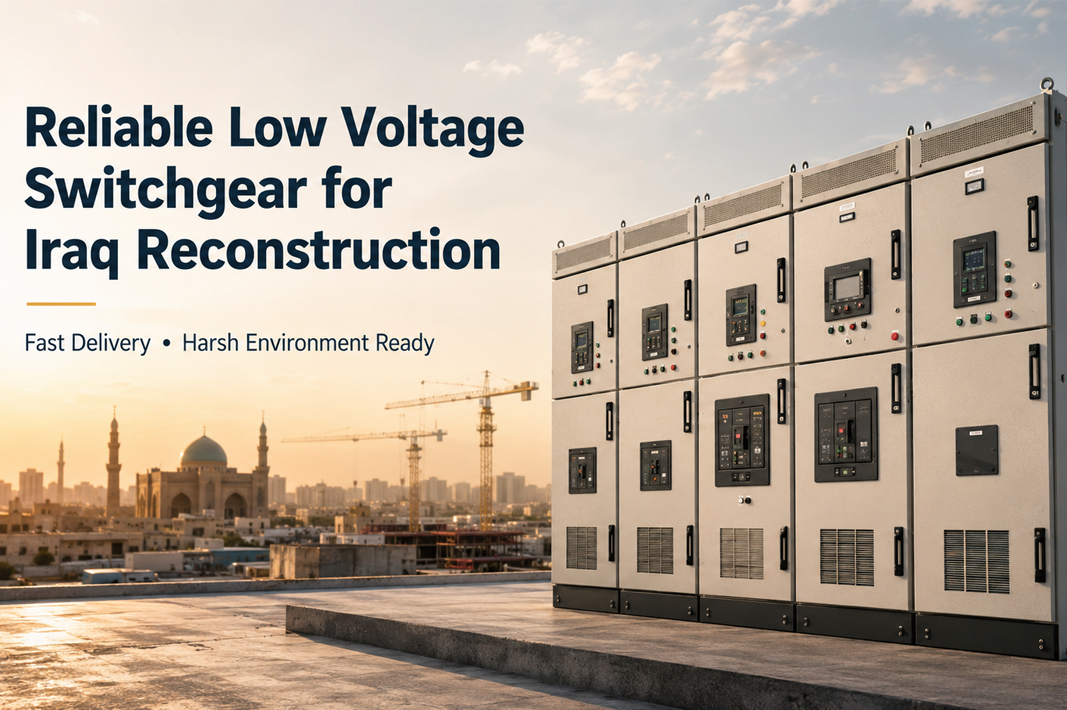
Cost-Effective Low Voltage Switchgear for Iraq: Compatible with Blokset, Okken & 8PT | Local Assembly Options

16

Sep

Cost-Effective Low Voltage Switchgear for Iraq: Compatible with Blokset, Okken & 8PT | Local Assembly Options

View More
From High-Voltage Insulators to Low-Voltage Switchgear: A Vietnamese Manufacturer’s Transformation, Together with Us‌

08

Sep

From High-Voltage Insulators to Low-Voltage Switchgear: A Vietnamese Manufacturer’s Transformation, Together with Us‌

View More
Insulator dimension design follows international high voltage standards strictly.

16

Oct

Insulator dimension design follows international high voltage standards strictly.

Core IEC Standards Governing Insulator Dimension Design IEC 60383: Mechanical and Electrical Requirements for Ceramic and Glass Insulators The IEC 60383 series defines the mechanical and electrical test regimes that ceramic and glass insulators mus...
View More
Cable clamp vs cable tie: which one delivers long term stability in panels?

27

Oct

Cable clamp vs cable tie: which one delivers long term stability in panels?

Mechanical Performance Under Thermal Stress Polymer creep and thermal expansion mismatch in nylon cable ties at 60–85°C Nylon 6/6 cable ties undergo measurable mechanical degradation when exposed continuously to 60–85 °C. At the...
View More

Customer Testimonials

Michael Turner

Our distribution switchgear unit project improved power management across three production areas. The customized configuration simplified maintenance access and helped our engineering team organize electrical distribution more efficiently.

David Wilson

We selected a distribution switchgear unit for a commercial facility upgrade. The clearly arranged components and adaptable configuration supported installation planning and improved accessibility during routine inspections.

Get a Free Quote

Our representative will contact you soon.
Email
Mobile/WhatsApp
Name
Company Name
Message
0/1000
Project-Specific Configuration and Layout Planning

Project-Specific Configuration and Layout Planning

Every electrical distribution project has distinct requirements, from available installation space to feeder quantity and maintenance access. A distribution switchgear unit should therefore be specified around the actual system design rather than selected by enclosure size alone. Volt Cabinet supports project discussions covering cabinet dimensions, component positioning, cable entry arrangements, and intended operating conditions. For example, a factory upgrading its distribution network may need additional outgoing circuits while preserving access to existing equipment. Early coordination of drawings and electrical schedules helps identify space limitations and compatibility concerns before procurement. Final configuration should be validated by qualified engineers against applicable standards, rated operating conditions, and safety requirements.
Practical Enclosure Design for Maintenance Accessibility

Practical Enclosure Design for Maintenance Accessibility

Effective enclosure planning contributes to organized installation and more convenient electrical inspections throughout a facility's operating life. Distribution switchgear units can be configured with attention to component spacing, cable routing, identification, and service access, subject to equipment specifications and applicable standards. In a commercial building modernization project, clearly arranged feeders and accessible service areas can help technicians identify circuits and plan routine maintenance. Volt Cabinet considers project-specific enclosure requirements to support practical equipment integration across industrial and commercial applications. Buyers should communicate environmental exposure, installation clearances, and servicing needs during specification. Appropriate design coordination helps reduce avoidable installation conflicts and supports consistent maintenance practices over the equipment lifecycle.

Get a Free Quote

Our representative will contact you soon.
Email
Mobile/WhatsApp
Name
Company Name
Message
0/1000