Circuit Breaker Panel Solutions for Commercial & Industrial Use

All Categories
Reliable Circuit Breaker Panel Solutions for Modern Electrical Systems

Reliable Circuit Breaker Panel Solutions for Modern Electrical Systems

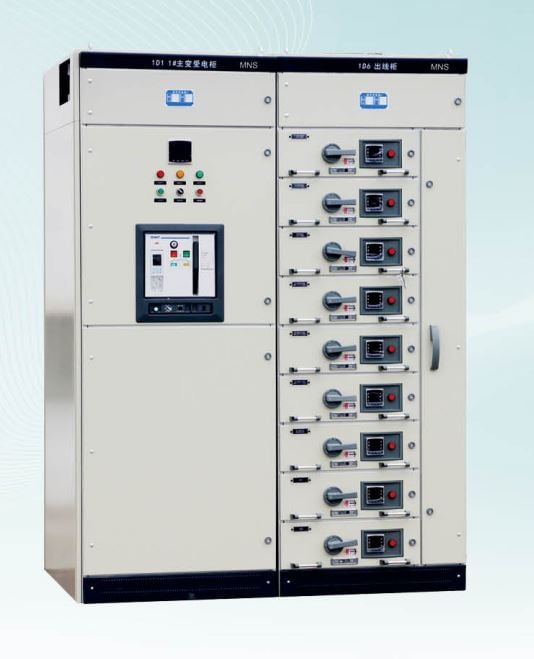
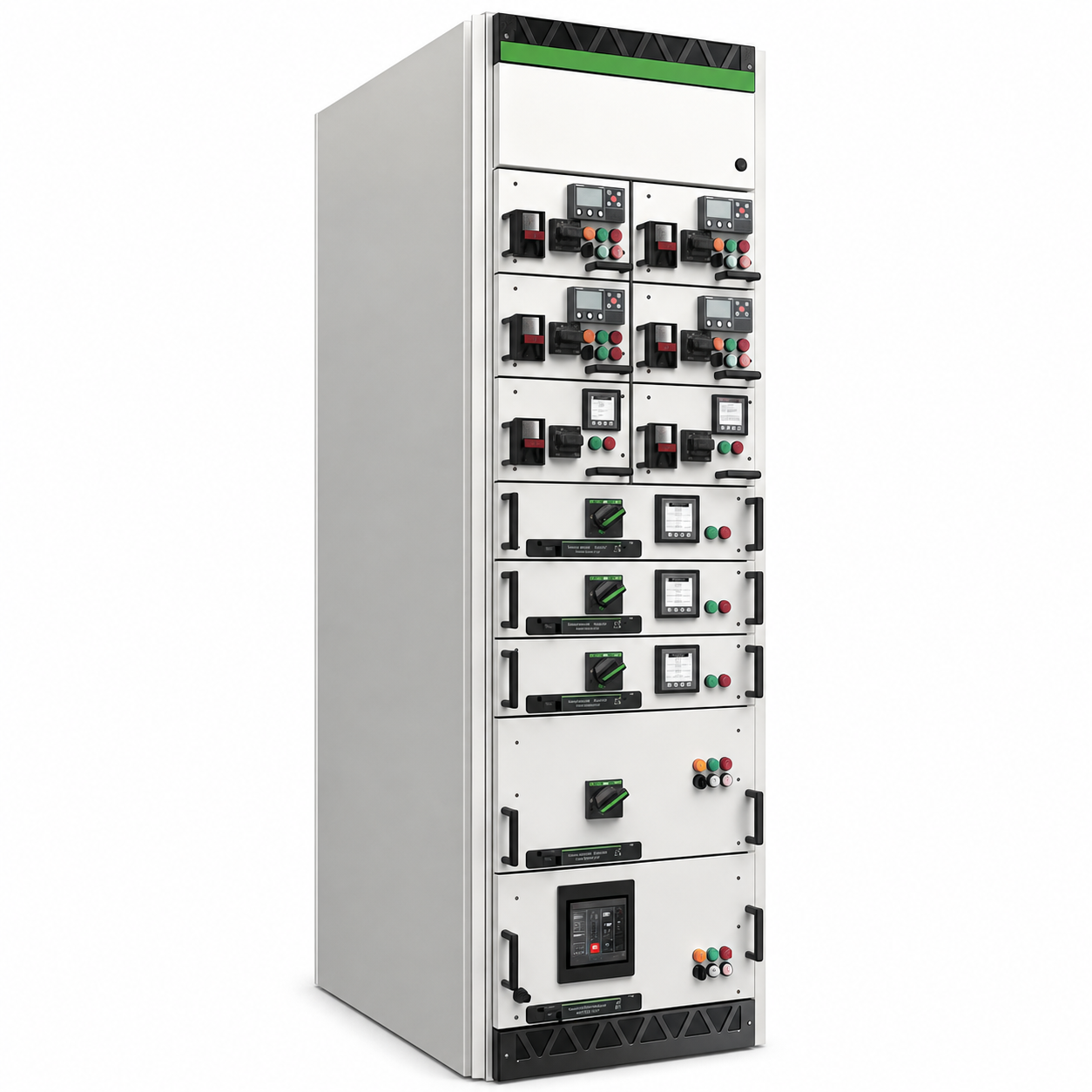
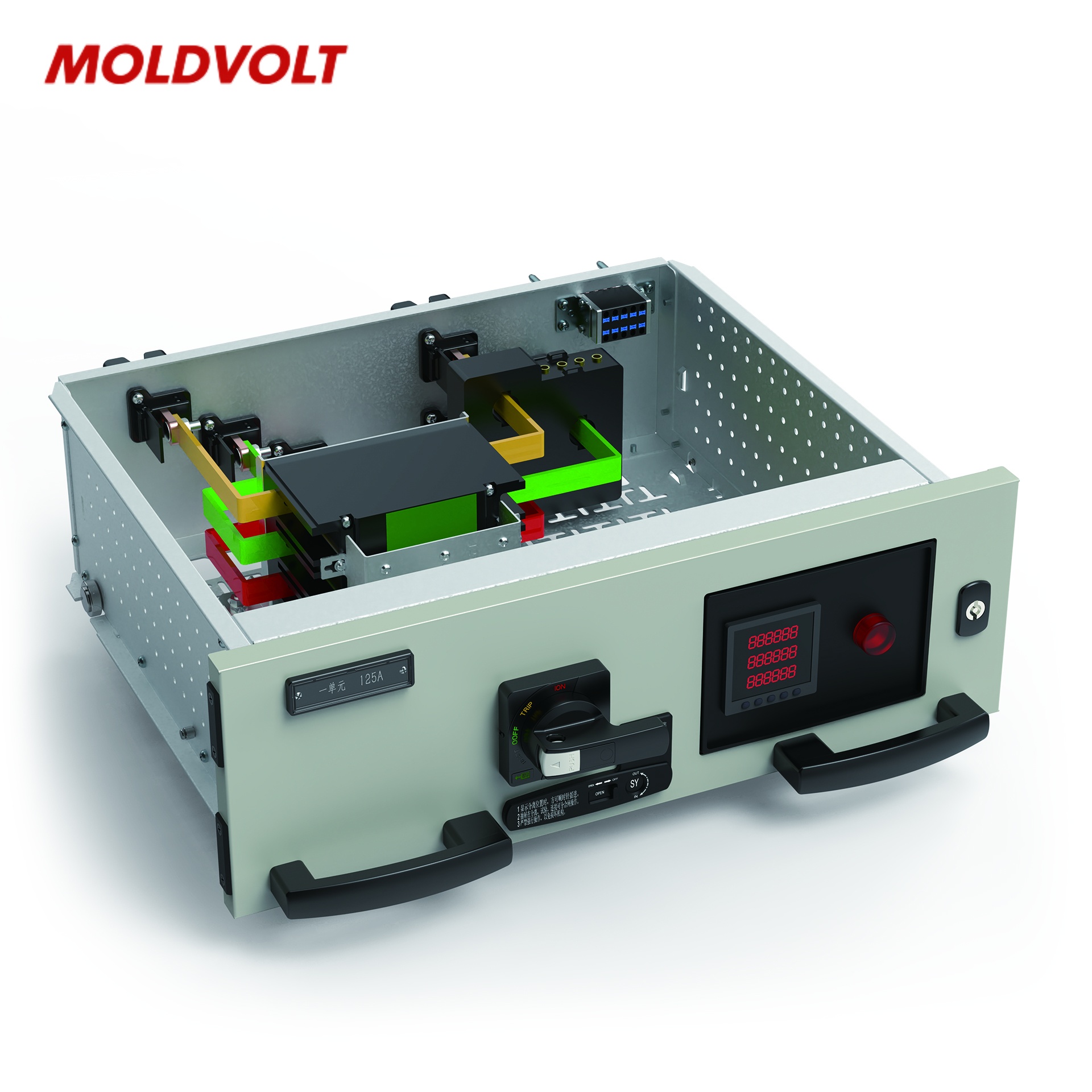
A well-designed circuit breaker panel helps distribute electrical power safely while providing organized circuit control and overcurrent protection. VoltCabinet offers configurable panel solutions for commercial buildings, industrial facilities, infrastructure projects, and equipment manufacturers. Depending on project requirements, panel configurations can accommodate suitable circuit breakers, busbars, protective devices, metering components, and control accessories. Our approach emphasizes practical component arrangement, reliable enclosure construction, convenient maintenance access, and compatibility with the specified electrical system. Buyers can discuss rated voltage, current capacity, short-circuit requirements, installation environment, and applicable standards before confirming a configuration.
Get A Quote

Case Study

Commercial Building Power Distribution

Commercial buildings require organized electrical distribution to supply lighting, HVAC equipment, office systems, and other connected loads. A properly configured circuit breaker panel separates these loads into suitable circuits and provides protection against overloads and short circuits when correctly selected and installed. Panel designers must consider incoming supply characteristics, load calculations, available fault current, future expansion, and local electrical codes. Clear circuit identification and accessible component layouts also help maintenance personnel locate individual circuits more efficiently. For contractors and project developers, selecting a panel that matches the building's electrical design can support smoother installation, safer operation, and more manageable maintenance throughout the facility's lifecycle.

Industrial Equipment and Production Lines

Manufacturing facilities depend on stable power distribution for machinery, motors, production equipment, and auxiliary systems. Circuit breaker panels can organize outgoing circuits according to equipment requirements while incorporating appropriately rated protective devices. The configuration should account for motor starting characteristics, continuous loads, environmental conditions, and the fault levels expected at the installation point. In demanding industrial environments, enclosure protection, internal clearances, cable entry arrangements, and maintenance access also require careful consideration. A project-specific panel design helps engineers coordinate the electrical distribution system with the production layout. Proper installation, inspection, and maintenance further support operational reliability and help reduce avoidable electrical interruptions.

Infrastructure and Utility Support Systems

Infrastructure facilities often require dependable electrical distribution for pumps, ventilation equipment, lighting, monitoring systems, and other essential loads. A circuit breaker panel can provide structured circuit separation and a central location for protective devices, depending on the system design. Before specifying a panel, project teams should evaluate supply voltage, load capacity, fault-current ratings, environmental exposure, and applicable installation standards. Outdoor or specialized environments may require additional enclosure protection and suitable materials. Clearly labeled circuits and well-planned component placement can make inspections and troubleshooting more straightforward. Matching panel specifications to the operating environment helps support maintainability and consistent power distribution across infrastructure projects.

Related products

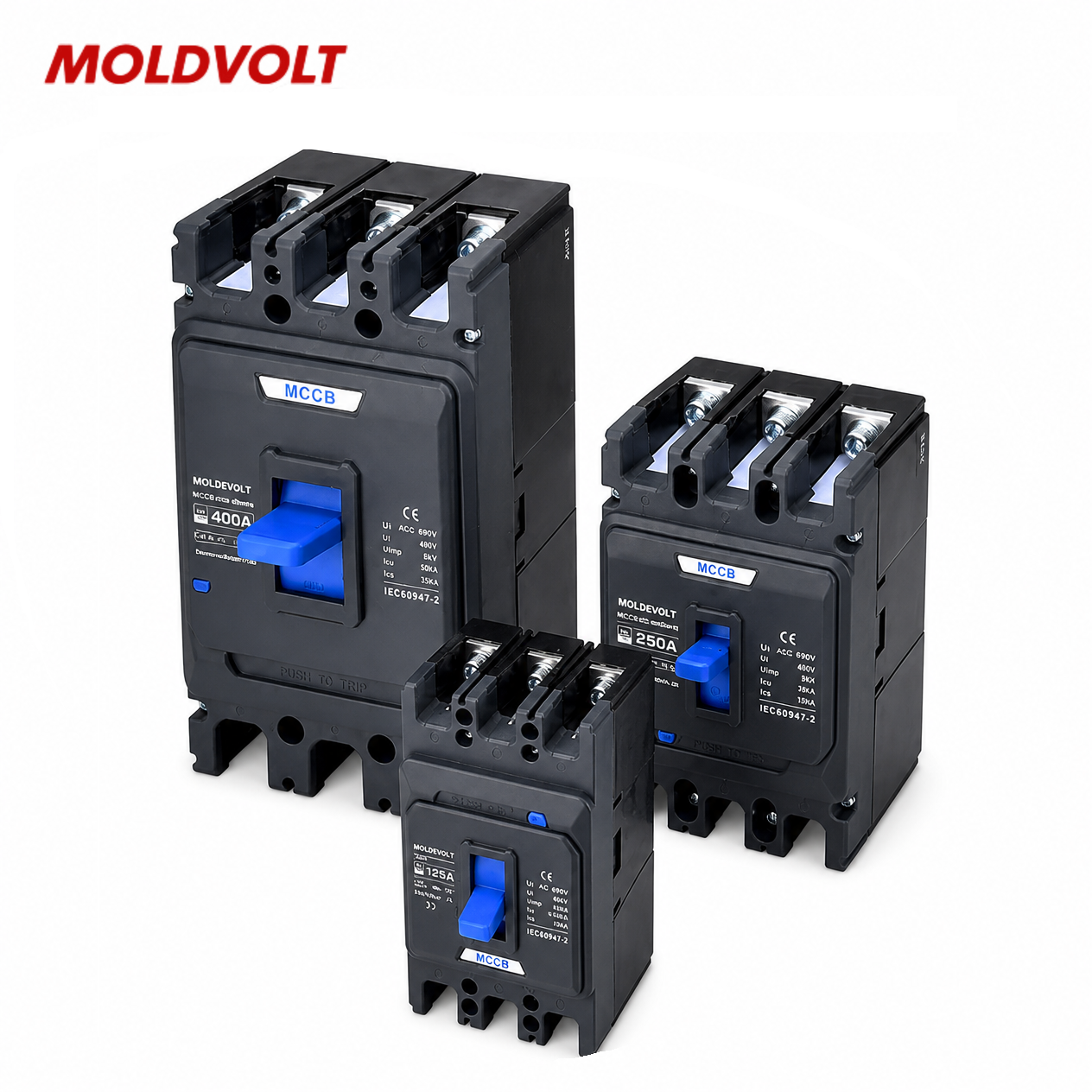
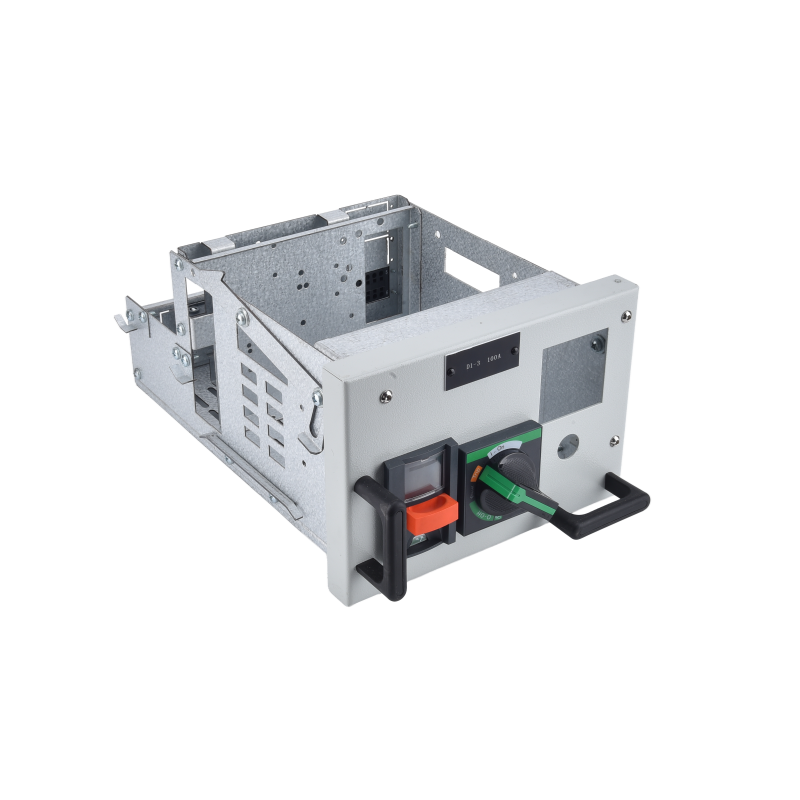
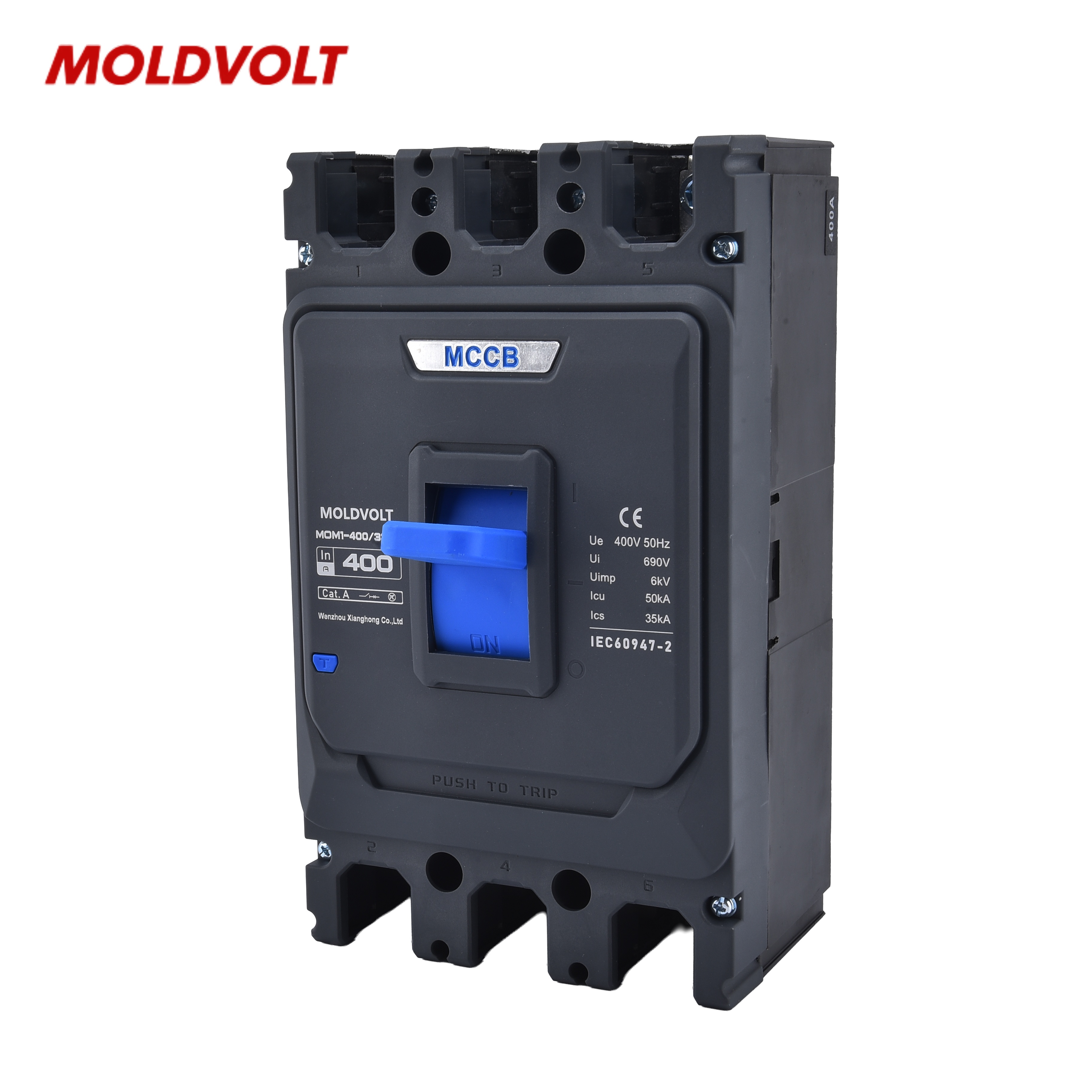
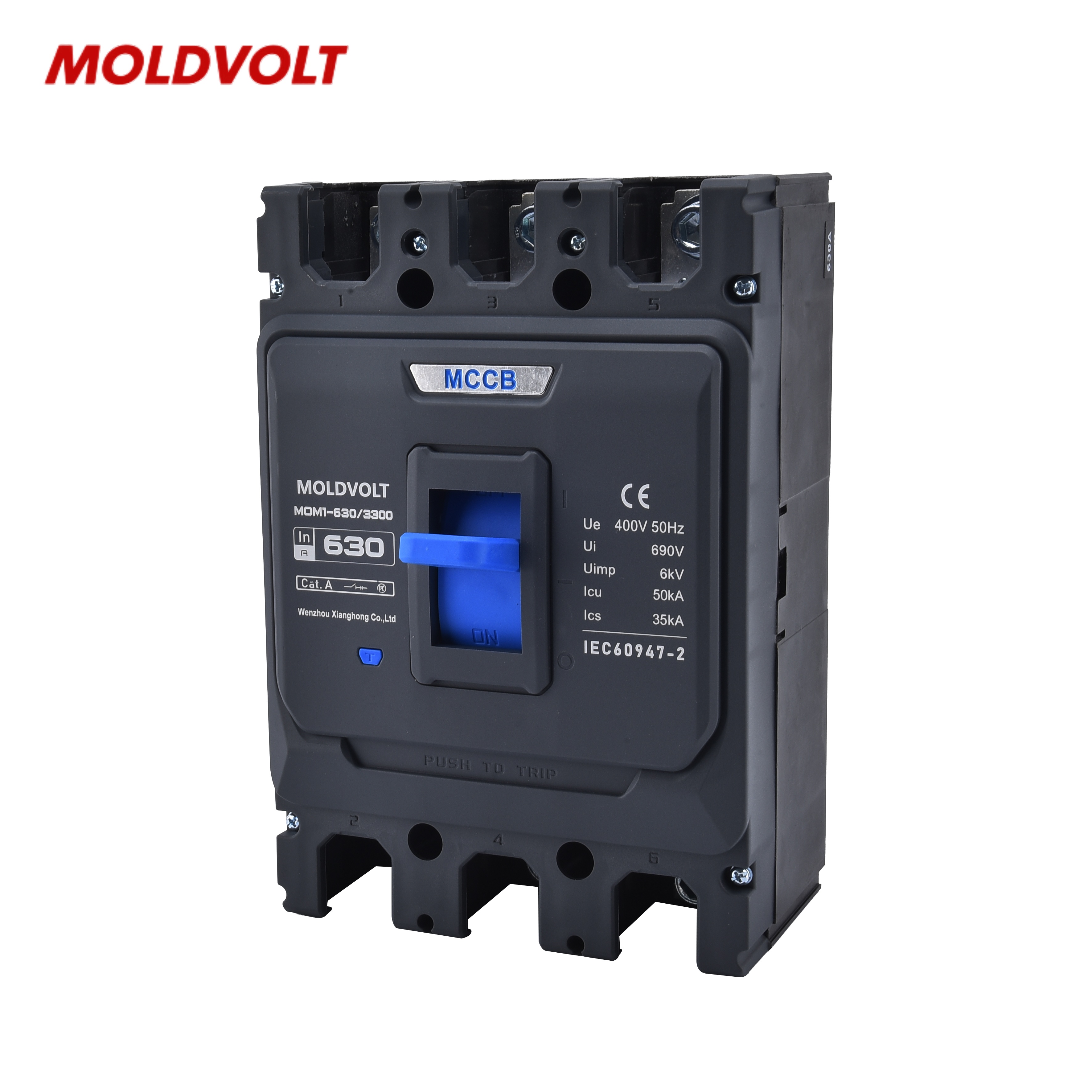
VoltCabinet provides circuit breaker panel solutions for projects that require organized power distribution and circuit protection. Depending on the application, a panel may incorporate miniature circuit breakers, molded case circuit breakers, main protective devices, busbar assemblies, metering components, and other compatible electrical accessories. Configuration should be determined by the system's voltage, rated current, available short-circuit current, connected loads, and installation environment. For commercial and industrial buyers, selecting the right panel involves more than choosing an enclosure. Internal space, cable routing, circuit identification, heat dissipation, accessibility, and provision for future expansion can all affect long-term usability. VoltCabinet can work with project teams to review technical requirements and identify an appropriate configuration for the intended application. Buyers should also confirm applicable standards, certification requirements, and installation conditions before ordering. Proper engineering, qualified installation, and scheduled maintenance are essential to ensure that the completed electrical distribution system operates as intended.

Frequently Asked Questions

What Is a Circuit Breaker Panel?

A circuit breaker panel is an electrical distribution assembly that divides incoming power into individual circuits. It houses circuit breakers and related components that help protect wiring and connected equipment against overloads and short circuits when correctly specified and installed.
Consider the supply voltage, rated current, number of circuits, connected loads, available fault current, installation location, and applicable electrical codes. Industrial applications may require additional consideration of motor loads, environmental conditions, enclosure protection, and future capacity requirements.
A circuit breaker is an individual protective device that interrupts current under specified fault conditions. A circuit breaker panel is the assembly that houses one or more breakers and distributes electrical power to different circuits within a building or facility.
Yes, panel configurations can often be tailored to project requirements, including circuit quantity, breaker types, rated current, metering options, enclosure design, and cable entry arrangements. Customization depends on the application, applicable standards, and the technical capabilities of the manufacturer.
Maintenance should follow the manufacturer's instructions and applicable electrical safety requirements. Qualified personnel should inspect the enclosure, connections, protective devices, labels, and signs of overheating or damage. Before inspection or servicing, the panel must be safely isolated and verified de-energized as required.

Related article

What cable clamp material suits high temperature switchgear cabinets?

19

Sep

What cable clamp material suits high temperature switchgear cabinets?

Understanding High-Temperature Challenges in Switchgear CabinetsTypical Operating Temperatures and Thermal Stress Sources (Busbars, Load Cycling, Enclosure Design)Switchgear cabinets experience elevated temperatures primarily due to resistive losses ...
View More
Cabinet corrosion resistance determines service life in coastal engineering sites.

23

Sep

Cabinet corrosion resistance determines service life in coastal engineering sites.

Why Coastal Environments Accelerate Cabinet CorrosionThe chloride-humidity synergy: How salt aerosols and sustained high RH drive electrochemical degradationCoastal atmospheres subject cabinet enclosures to a uniquely aggressive combination of airbor...
View More
Insulator mechanical strength supports busbar fixing inside switchgear cabinets.

13

Oct

Insulator mechanical strength supports busbar fixing inside switchgear cabinets.

Critical Mechanical Load Demands on Insulators for Busbar Support Static, Dynamic, and Short-Circuit Electrodynamics: Quantifying Peak Forces (Up to 250 kA) Busbar support insulators must simultaneously manage three distinct mechanical load regimes...
View More
What electrical switchgear testing items are required before site commissioning?

21

Oct

What electrical switchgear testing items are required before site commissioning?

Insulation Integrity and Dielectric Strength Verification Megger testing of busbars, cables, and instrument transformer circuits Megger testing is a foundational pre-commissioning check for electrical switchgear, measuring insulation resistance (IR...
View More

Customer Testimonials

Electrical Project Manager

The circuit breaker panel offers a practical layout, dependable protection options, and flexible configuration choices for commercial and industrial electrical distribution projects.

Procurement Specialist

We value the panel's adaptable design and clear component arrangement, which help simplify system planning, installation coordination, and routine maintenance.

Get a Free Quote

Our representative will contact you soon.
Email
Mobile/WhatsApp
Name
Company Name
Message
0/1000
Organized Circuit Distribution

Organized Circuit Distribution

A circuit breaker panel brings multiple outgoing circuits together in a structured assembly, helping distribute power to designated equipment and building systems. Suitable breaker selection provides circuit-level overcurrent protection, while clear identification helps technicians understand circuit assignments during inspection and maintenance. Panel layouts should account for load requirements, cable routing, heat dissipation, and safe access to components. For contractors and facility operators, an organized arrangement can simplify commissioning and troubleshooting. The final design must be coordinated with the electrical drawings, fault-current calculations, installation environment, and relevant codes to support safe, reliable operation.
Flexible Configuration Options

Flexible Configuration Options

Different facilities have different power distribution requirements, so circuit breaker panels may need varied breaker types, circuit quantities, metering devices, enclosure sizes, and accessory arrangements. A project-specific configuration helps align the panel with the incoming supply and connected loads instead of relying on a generic layout. Engineers should evaluate rated voltage, current capacity, short-circuit withstand requirements, environmental conditions, and potential future expansion before confirming specifications. Coordinating these factors early can reduce design changes during installation and help ensure that the selected panel is appropriate for its intended commercial, industrial, or infrastructure application.

Get a Free Quote

Our representative will contact you soon.
Email
Mobile/WhatsApp
Name
Company Name
Message
0/1000