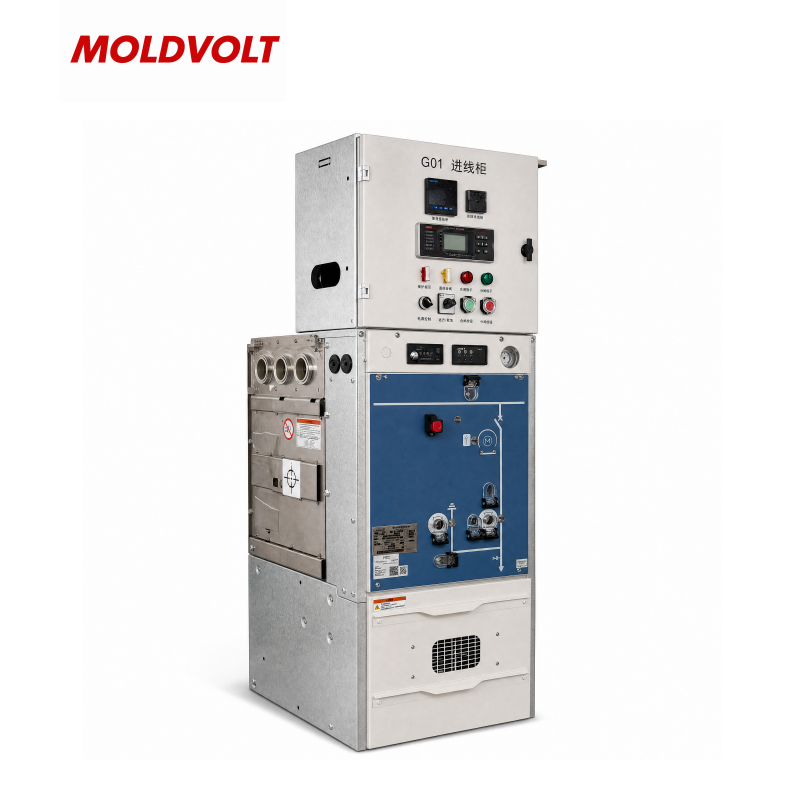
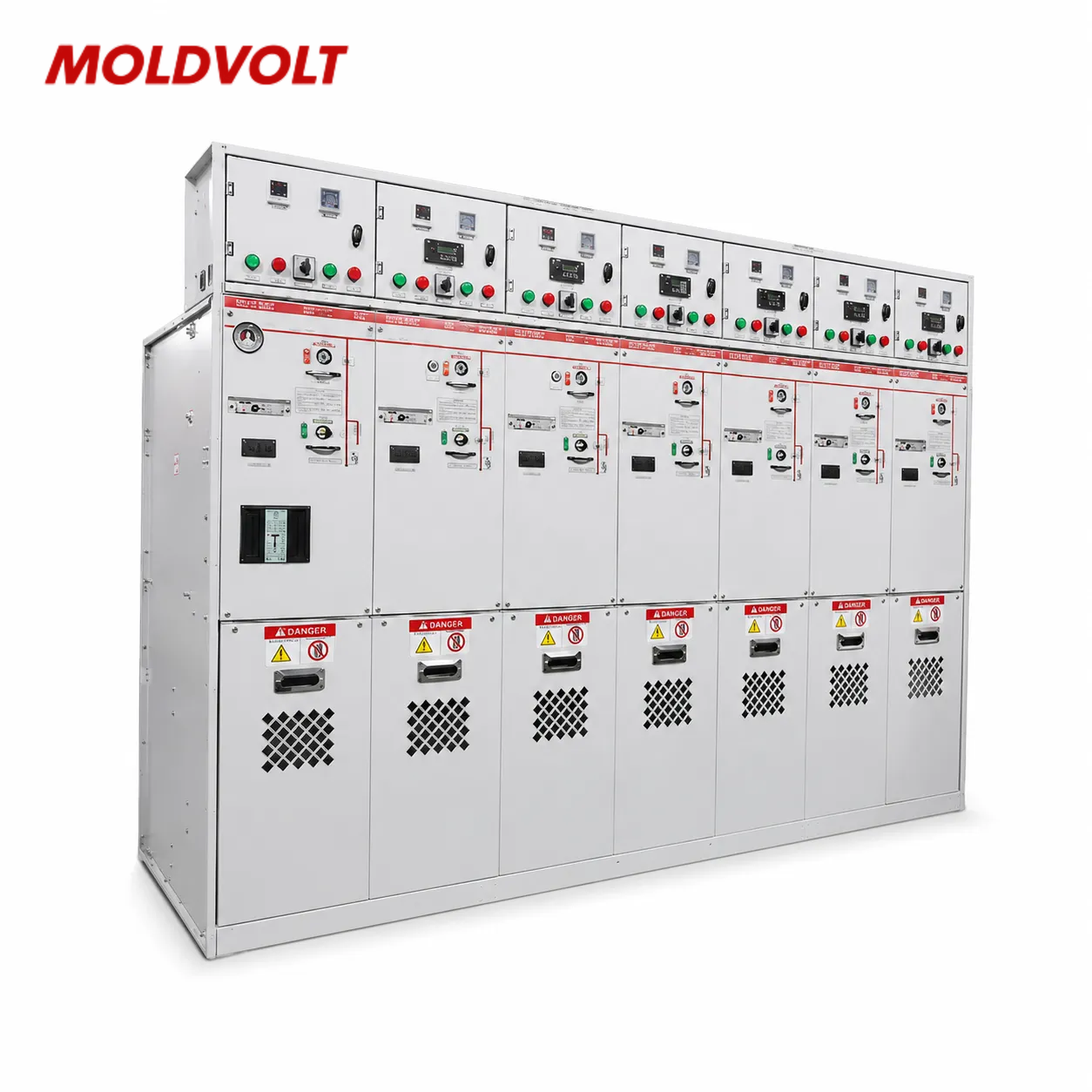
Main Ring Switchgear Unit: Compact MV Solutions for Industrial & Utility Networks

All Categories
Customer Reviews of Main Ring Switchgear Units

Customer Reviews of Main Ring Switchgear Units

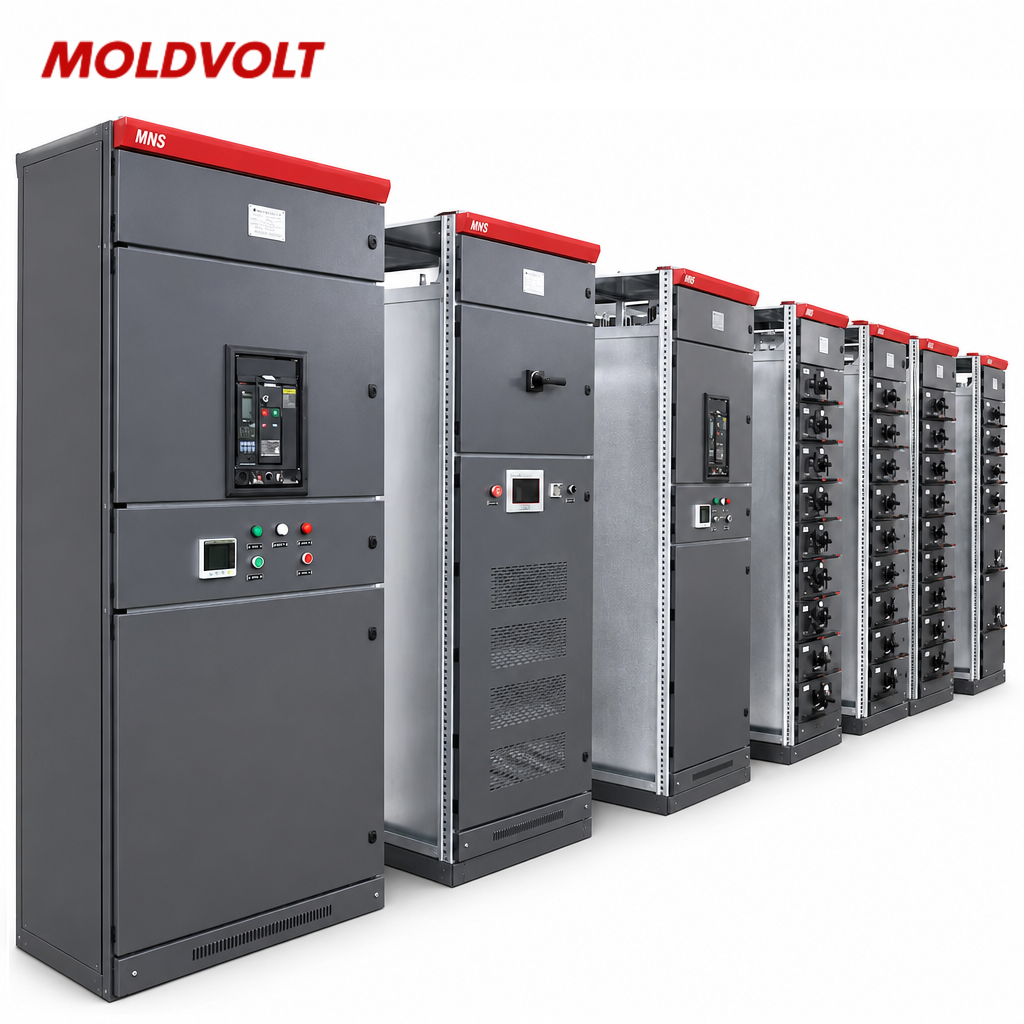
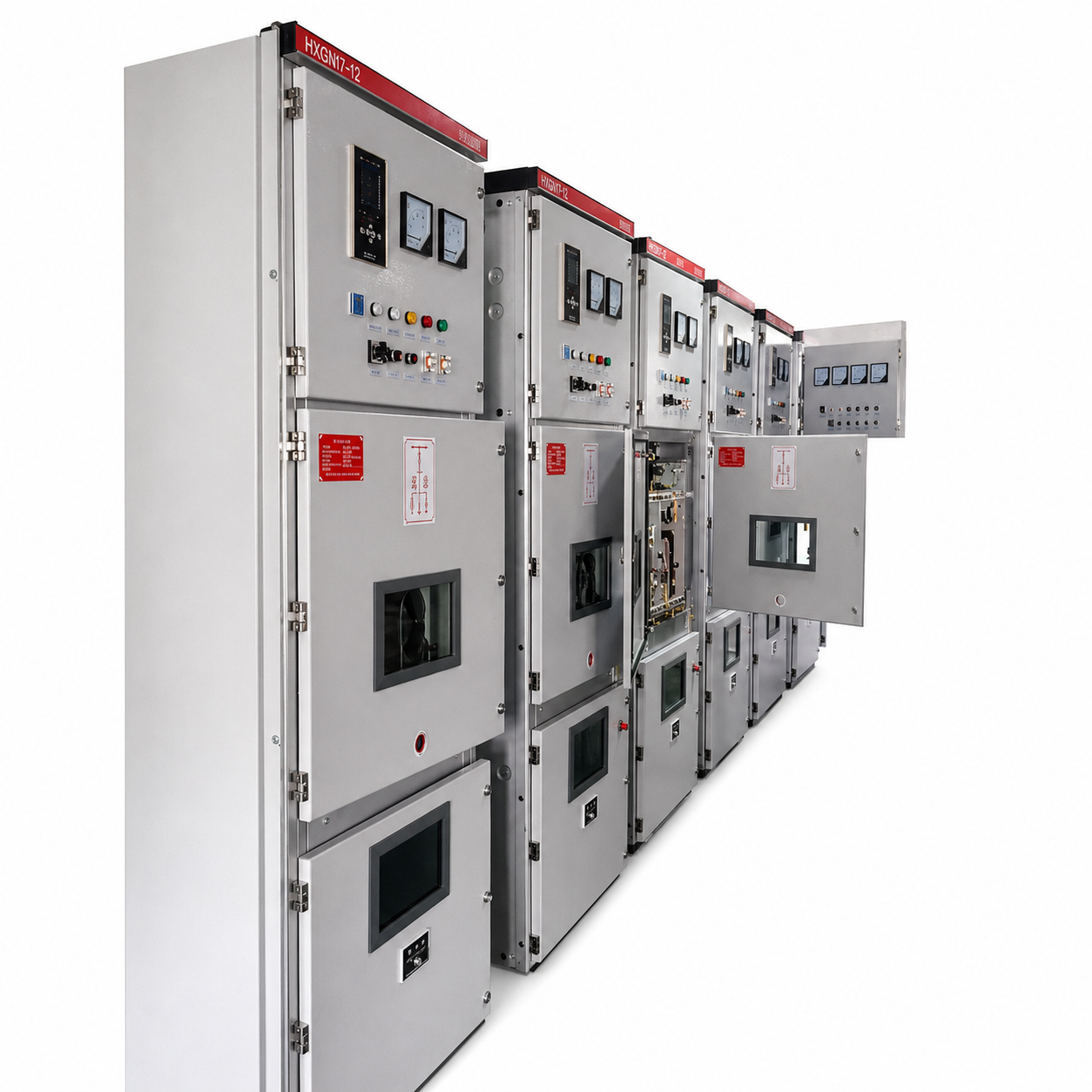
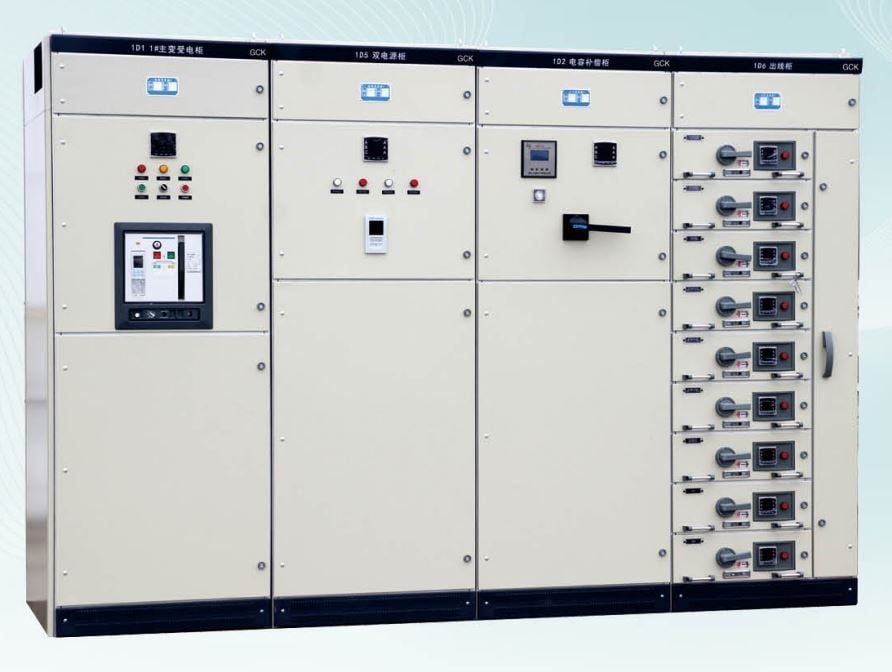
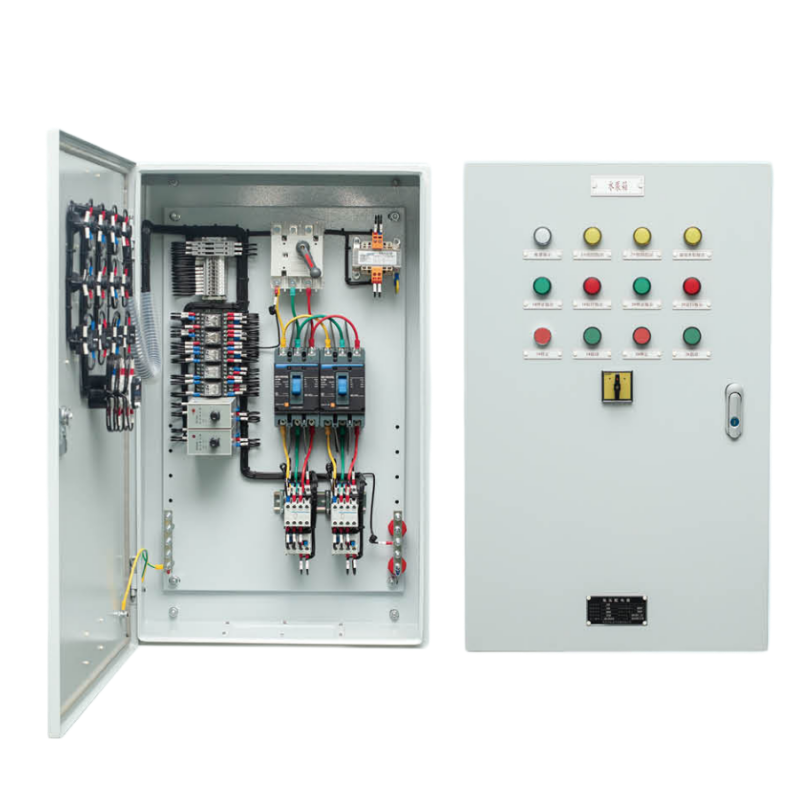
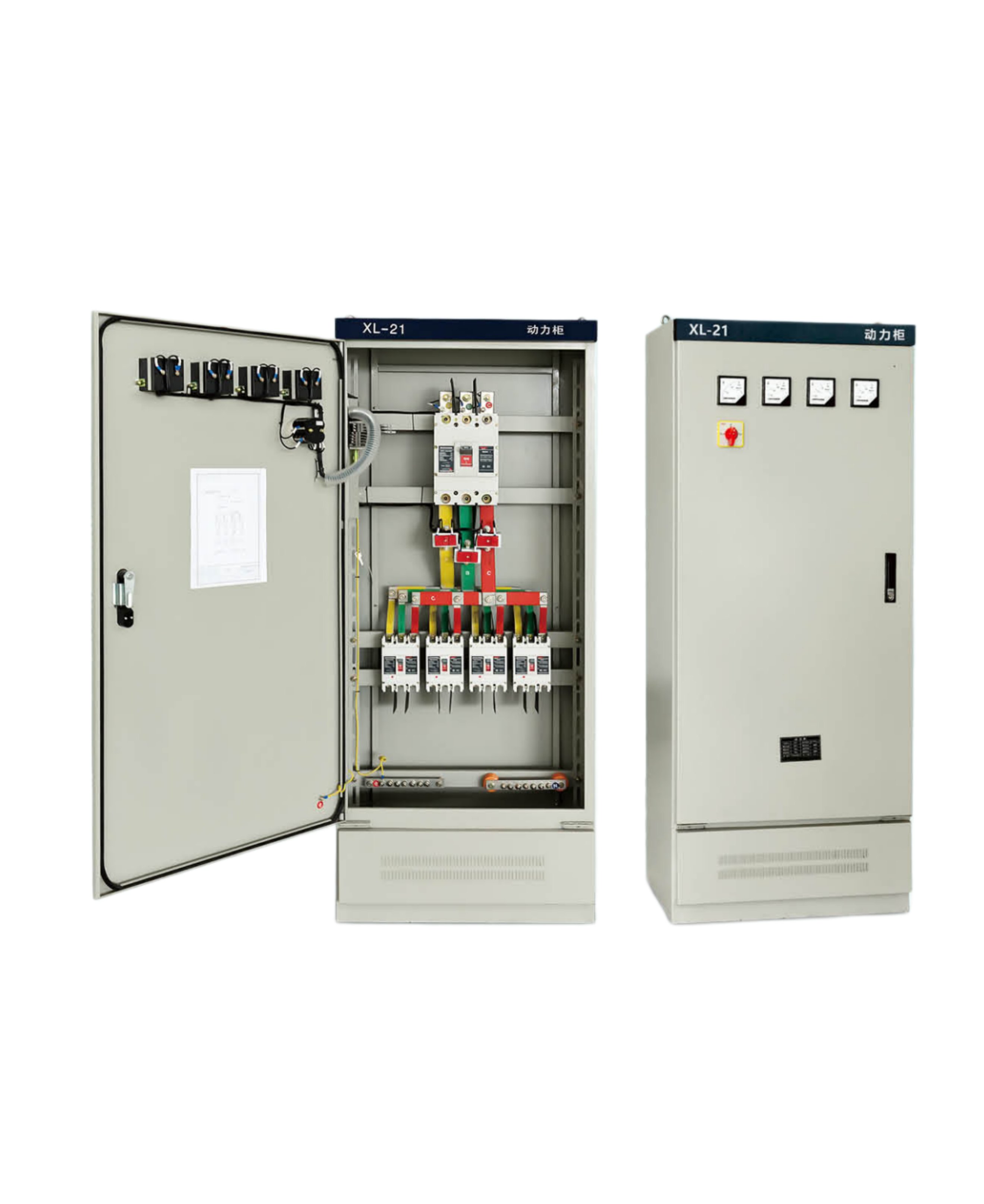
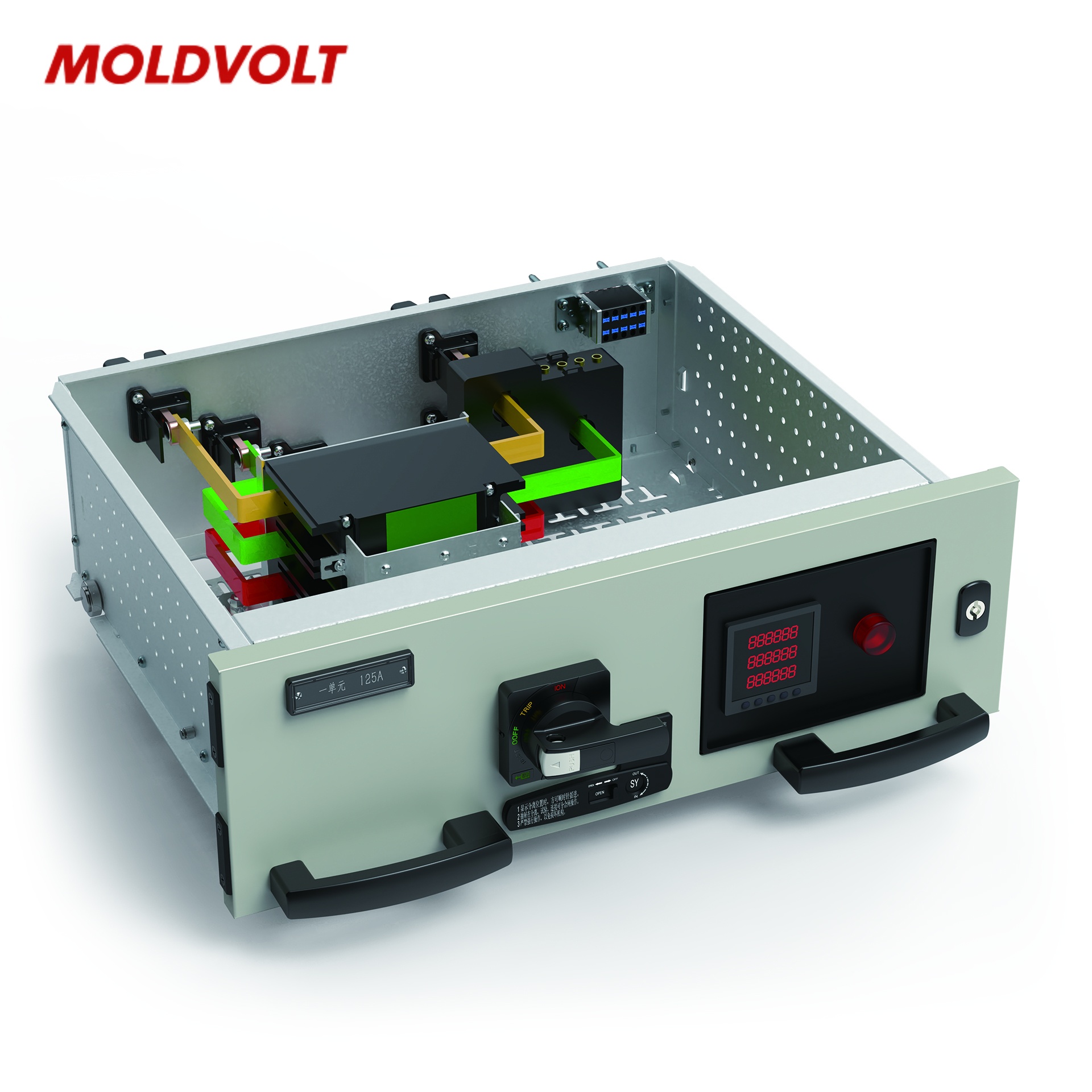
A main ring switchgear unit supports medium-voltage power distribution in networks serving commercial buildings, industrial facilities, and utility infrastructure. Commonly associated with ring main unit configurations, this equipment enables switching, isolation, and protection functions according to the selected design. Volt Cabinet provides electrical cabinet and enclosure solutions that can be coordinated with project-specific equipment requirements. For example, an industrial campus upgrading several distribution substations may need compact equipment arrangements that fit existing electrical rooms. Engineers should evaluate rated voltage, current, short-circuit withstand capacity, insulation technology, protection schemes, and applicable standards before selection. Appropriate specification helps support network reliability, practical maintenance planning, and safe integration into the wider electrical system.
Get A Quote

Case Study

Industrial Campus Power Distribution

Industrial campuses require coordinated medium-voltage distribution to supply production buildings, auxiliary systems, and onsite substations. A suitably specified main ring switchgear unit can provide switching and isolation functions within the network architecture. For a facility adding a production building, engineers may need to review feeder arrangements, available fault levels, and integration with existing substations. Equipment selection should account for rated voltage, load requirements, protection coordination, and installation clearances. Reviewing single-line diagrams and site conditions before procurement helps identify potential integration issues. The final assembly must meet applicable standards and manufacturer requirements to support dependable operation within the industrial distribution network.

Commercial Building Electrical Networks

Hospitals, office complexes, and commercial developments may use medium-voltage ring distribution to supply multiple transformers or building substations. A main ring switchgear unit can support network switching and sectionalizing functions when designed for the intended system. During a commercial campus expansion, engineers must coordinate incoming supplies, transformer feeders, fault protection, and available installation space. Compact equipment may be useful where electrical rooms have limited dimensions, provided required clearances and operating conditions are satisfied. Detailed electrical drawings and protection studies help establish a suitable configuration. Correct installation, commissioning, and scheduled maintenance remain essential for safe, dependable performance.

Utility and Infrastructure Distribution

Water treatment plants, transportation facilities, and other infrastructure projects often depend on reliable medium-voltage distribution. A main ring switchgear unit can support switching and isolation between network sections, depending on the system design and selected protection arrangement. For example, a pumping station with multiple transformer supplies may require coordinated feeder connections and clearly defined operating procedures. Engineers should assess voltage ratings, fault levels, environmental conditions, and continuity requirements before selecting equipment. Reviewing network diagrams and installation constraints supports effective integration with upstream and downstream systems. Compliance verification and commissioning should follow applicable standards and manufacturer instructions.

Related products

Volt Cabinet provides electrical cabinet and enclosure solutions for industrial and commercial projects, including applications involving medium-voltage distribution equipment. A main ring switchgear unit, commonly associated with a ring main unit (RMU), enables switching, isolation, and, where specified, protection within a medium-voltage network. Its configuration depends on system voltage, current ratings, fault levels, feeder arrangements, and the selected insulation and switching technologies. For industrial campuses, commercial developments, and infrastructure facilities, equipment selection requires careful coordination between electrical design, installation space, and operating requirements. Engineers should review single-line diagrams, transformer connections, protection coordination, environmental conditions, and applicable standards before procurement. For example, a water treatment facility expanding its pumping capacity may need additional transformer feeders while maintaining compatibility with its existing distribution network. Early review of technical drawings helps identify connection requirements and installation constraints. The completed switchgear assembly must be supplied, tested, installed, and commissioned according to the relevant product standards and manufacturer instructions. Volt Cabinet supports project discussions around enclosure requirements and equipment integration, helping customers coordinate specifications with their electrical engineering teams.

Frequently Asked Questions

What Is a Main Ring Switchgear Unit Used For?

A main ring switchgear unit is generally used in medium-voltage distribution networks to provide switching, isolation, and, where equipped, circuit protection. It can connect network sections and transformer feeders in industrial, commercial, and infrastructure installations. The specific functions depend on the equipment design and network configuration.
Confirm the rated voltage, continuous current, short-circuit ratings, feeder arrangement, protection requirements, and installation environment. Evaluate insulation technology, operating mechanisms, maintenance requirements, and applicable standards. Qualified electrical engineers should review network diagrams and fault calculations before finalizing equipment selection.
A ring main unit is typically a compact medium-voltage assembly designed for ring distribution and transformer feeder applications. Conventional switchgear can cover a wider range of configurations, ratings, and functions. The appropriate choice depends on network topology, protection requirements, available space, and operational needs.
Applications include industrial campuses, commercial developments, utility distribution, water treatment facilities, and transportation infrastructure. These installations may use medium-voltage ring networks to supply transformers or distribution substations. Equipment selection must reflect the electrical load, network arrangement, environmental conditions, and applicable safety requirements.
Applicable standards depend on voltage rating, equipment design, and destination market. IEC 62271-200 addresses metal-enclosed switchgear and controlgear for alternating-current rated voltages above 1 kV and up to 52 kV. Confirm the applicable standards, testing requirements, and certification obligations with the manufacturer and project engineer.

Related article

Cabinet corrosion resistance determines service life in coastal engineering sites.

23

Sep

Cabinet corrosion resistance determines service life in coastal engineering sites.

Why Coastal Environments Accelerate Cabinet CorrosionThe chloride-humidity synergy: How salt aerosols and sustained high RH drive electrochemical degradationCoastal atmospheres subject cabinet enclosures to a uniquely aggressive combination of airbor...
View More
How to customize cabinet dimensions to fit existing switchgear layouts?

26

Sep

How to customize cabinet dimensions to fit existing switchgear layouts?

Step 1: Accurate Site Assessment and Dimensional BenchmarkingMeasuring mechanical layout, clearances, and structural constraints in legacy electrical roomsA successful retrofit begins with a meticulous site survey. Older electrical rooms rarely match...
View More
What switchgear maintenance items prevent unexpected power outage risks?

10

Oct

What switchgear maintenance items prevent unexpected power outage risks?

Top 3 Root Causes of Switchgear-Related Power Outages Insulation degradation and partial discharge: leading precursors to cascade failure Insulation systems in switchgear degrade gradually under electrical, thermal, and environmental stress. Cracks...
View More
What electrical switchgear testing items are required before site commissioning?

21

Oct

What electrical switchgear testing items are required before site commissioning?

Insulation Integrity and Dielectric Strength Verification Megger testing of busbars, cables, and instrument transformer circuits Megger testing is a foundational pre-commissioning check for electrical switchgear, measuring insulation resistance (IR...
View More

Customer Testimonials

Michael Turner

Our engineering team evaluated a main ring switchgear unit for a facility upgrade. The project-specific configuration helped coordinate feeder connections, installation requirements, and maintenance access within the electrical distribution system.

David Wilson

We assessed ring switchgear requirements for an infrastructure project. Reviewing voltage ratings, network configuration, and enclosure specifications helped our team coordinate equipment selection and installation planning more effectively.

Get a Free Quote

Our representative will contact you soon.
Email
Mobile/WhatsApp
Name
Company Name
Message
0/1000
Compact Configurations for Medium-Voltage Networks

Compact Configurations for Medium-Voltage Networks

Medium-voltage distribution projects often require equipment that balances electrical performance, installation space, and operational accessibility. A main ring switchgear unit can provide a compact arrangement for switching and isolation in appropriately designed ring networks. Configuration depends on voltage ratings, feeder quantity, protection requirements, and the selected insulation technology. For example, a commercial development with several transformer substations may need equipment layouts coordinated with restricted electrical room dimensions. Reviewing network diagrams and site measurements early helps engineers identify installation constraints and connection requirements. The final selection must account for fault ratings, operating conditions, applicable standards, and manufacturer instructions to support safe integration into the distribution system.
Network Reliability Through Appropriate Equipment Selection

Network Reliability Through Appropriate Equipment Selection

Reliable medium-voltage distribution depends on correct equipment selection, protection coordination, and installation practices. A main ring switchgear unit should match the network's rated voltage, current, short-circuit withstand requirements, and intended switching functions. Engineers must also consider earthing arrangements, interlocking, operating procedures, and maintenance access. In an industrial campus expansion, reviewing transformer loads and feeder connections helps establish how new equipment should integrate with existing substations. Volt Cabinet supports project discussions involving enclosure requirements and equipment integration. Detailed technical specifications and coordination with qualified electrical professionals help confirm suitability before procurement. Testing, commissioning, and maintenance should follow applicable standards and manufacturer recommendations throughout the equipment lifecycle.

Get a Free Quote

Our representative will contact you soon.
Email
Mobile/WhatsApp
Name
Company Name
Message
0/1000