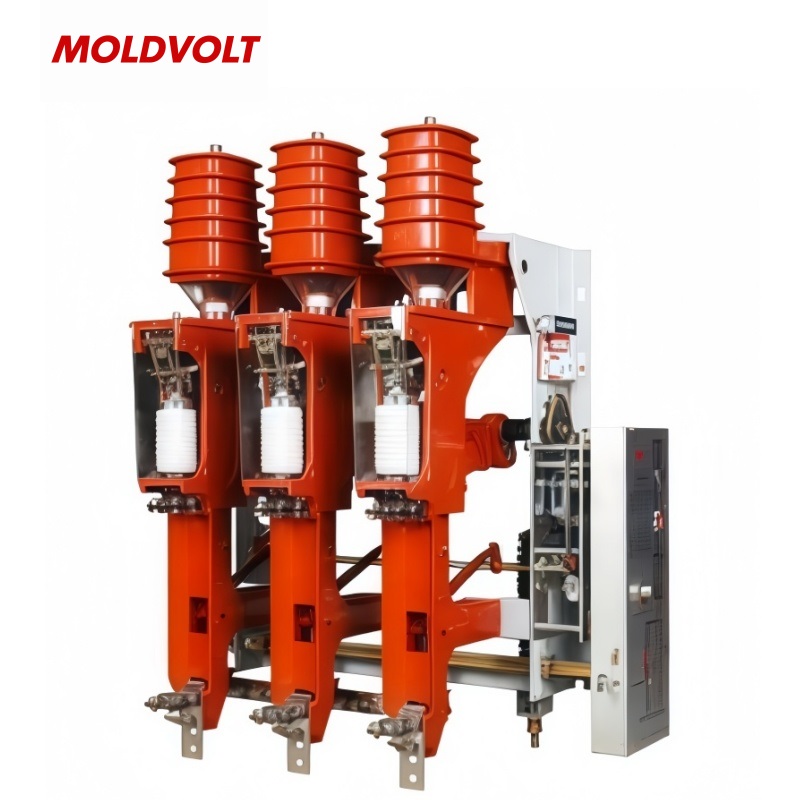
Reviews Title 1: Reliable Circuit Protection for Industrial Applications
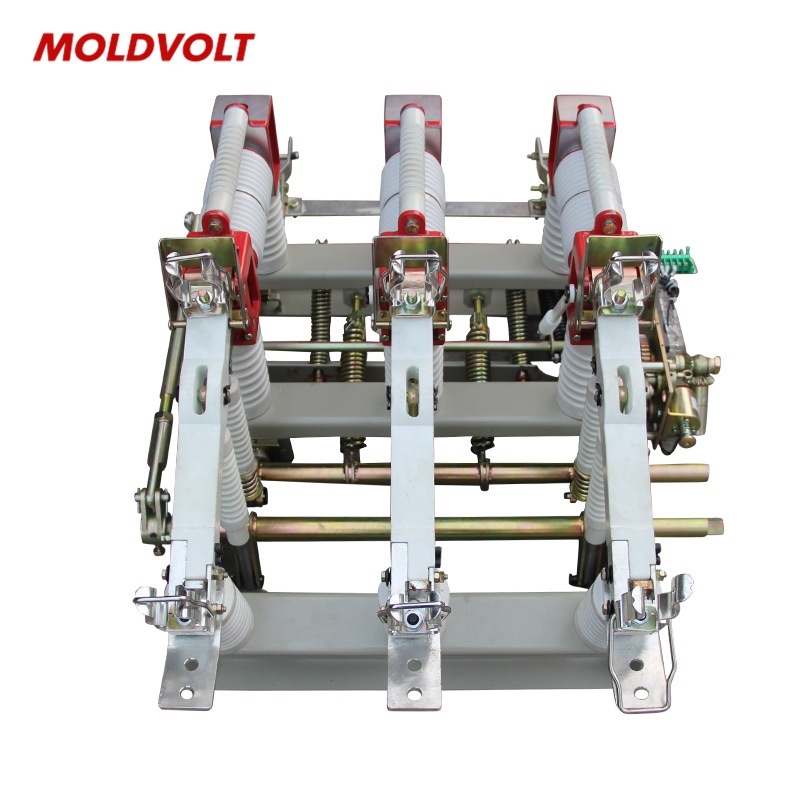
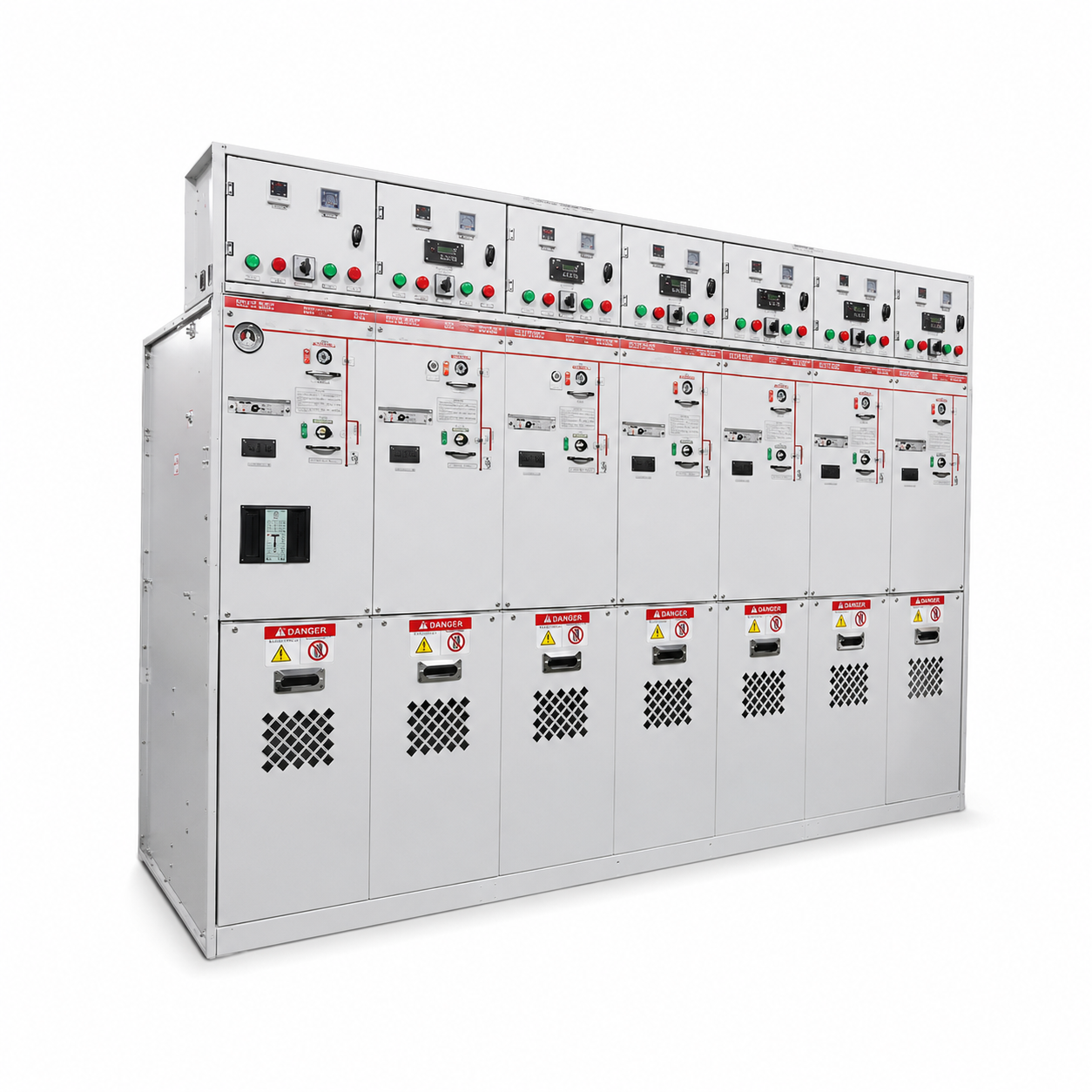
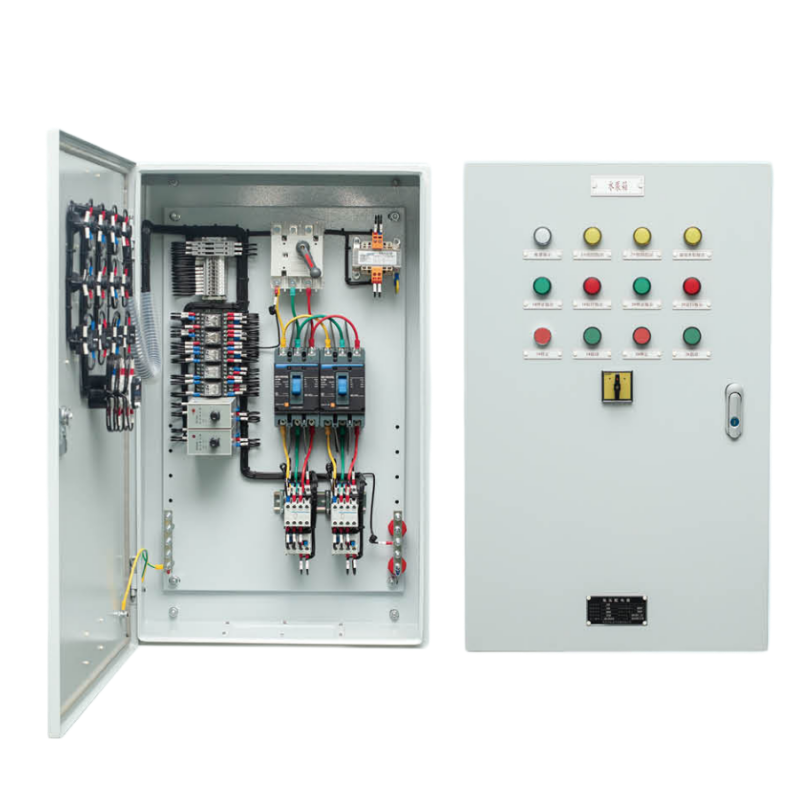
A fuse in an electric circuit provides essential protection against excessive current caused by overloads and short circuits. When current exceeds its specified operating characteristics, the fuse element melts and interrupts the electrical path, helping prevent cable overheating and equipment damage. Fuses are widely used in industrial control panels, household appliances, automotive systems, and power distribution equipment. Available in different voltage ratings, current capacities, and construction types, they accommodate diverse electrical requirements. For example, a manufacturing control cabinet may use individual fuses to protect power supplies, motors, and auxiliary circuits. Correct fuse selection and coordination improve electrical safety, reduce fault-related damage, and support dependable system operation.
Get A Quote

 EN