Fuse in Electric Circuit: Industrial Protection Guide

All Categories
Reviews Title 1: Reliable Circuit Protection for Industrial Applications

Reviews Title 1: Reliable Circuit Protection for Industrial Applications

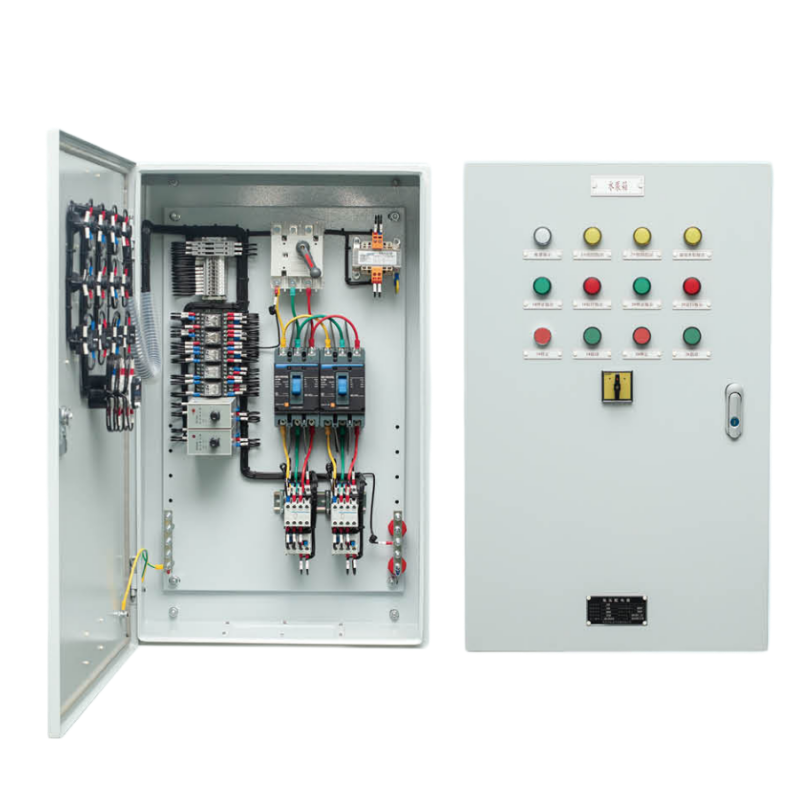
A fuse in an electric circuit provides essential protection against excessive current caused by overloads and short circuits. When current exceeds its specified operating characteristics, the fuse element melts and interrupts the electrical path, helping prevent cable overheating and equipment damage. Fuses are widely used in industrial control panels, household appliances, automotive systems, and power distribution equipment. Available in different voltage ratings, current capacities, and construction types, they accommodate diverse electrical requirements. For example, a manufacturing control cabinet may use individual fuses to protect power supplies, motors, and auxiliary circuits. Correct fuse selection and coordination improve electrical safety, reduce fault-related damage, and support dependable system operation.
Get A Quote

Case Study

Industrial Control Circuit Protection

An industrial equipment manufacturer required dependable protection for electrical control circuits used in automated production machinery. Individual fuses were installed to protect power supplies, control transformers, and auxiliary electrical components against excessive current. Engineers evaluated operating voltage, rated current, prospective fault current, and circuit characteristics before selecting suitable fuse specifications. When an abnormal current condition occurs, the fuse element melts and interrupts the circuit according to its time-current characteristics. This arrangement helps limit damage to sensitive electrical components and simplifies troubleshooting. Proper coordination between branch fuses and upstream protective devices supports reliable equipment operation and efficient industrial maintenance.

Household Appliance Electrical Protection

A home appliance manufacturer needed suitable protective components for electrical circuits used in kitchen equipment and household appliances. Fuses were incorporated into selected power circuits to protect wiring, electronic components, and other critical parts against excessive current. Product selection considered rated voltage, current capacity, breaking capacity, and installation requirements. Correctly specified fuses help interrupt abnormal current conditions before they cause extensive thermal damage. Engineers also evaluated normal operating current and temporary startup characteristics to reduce unnecessary fuse operation. This practical protection arrangement supports product safety, improves electrical reliability, and helps manufacturers meet applicable appliance safety requirements.

Automotive Electrical Circuit Protection

An automotive component manufacturer required compact fuse solutions for vehicle electrical distribution systems. Multiple circuits supplying lighting, electronic control units, sensors, and auxiliary equipment needed individual overcurrent protection. Automotive fuses were selected according to circuit voltage, rated current, available fault current, and installation conditions. Their compact construction supports integration into vehicle fuse boxes while providing protection against specified electrical faults. Engineers considered wiring capacity and connected component requirements when determining appropriate fuse ratings. This organized protection approach helps isolate faulty circuits, reduce the risk of wiring damage, and improve the reliability of automotive electrical systems.

Related products

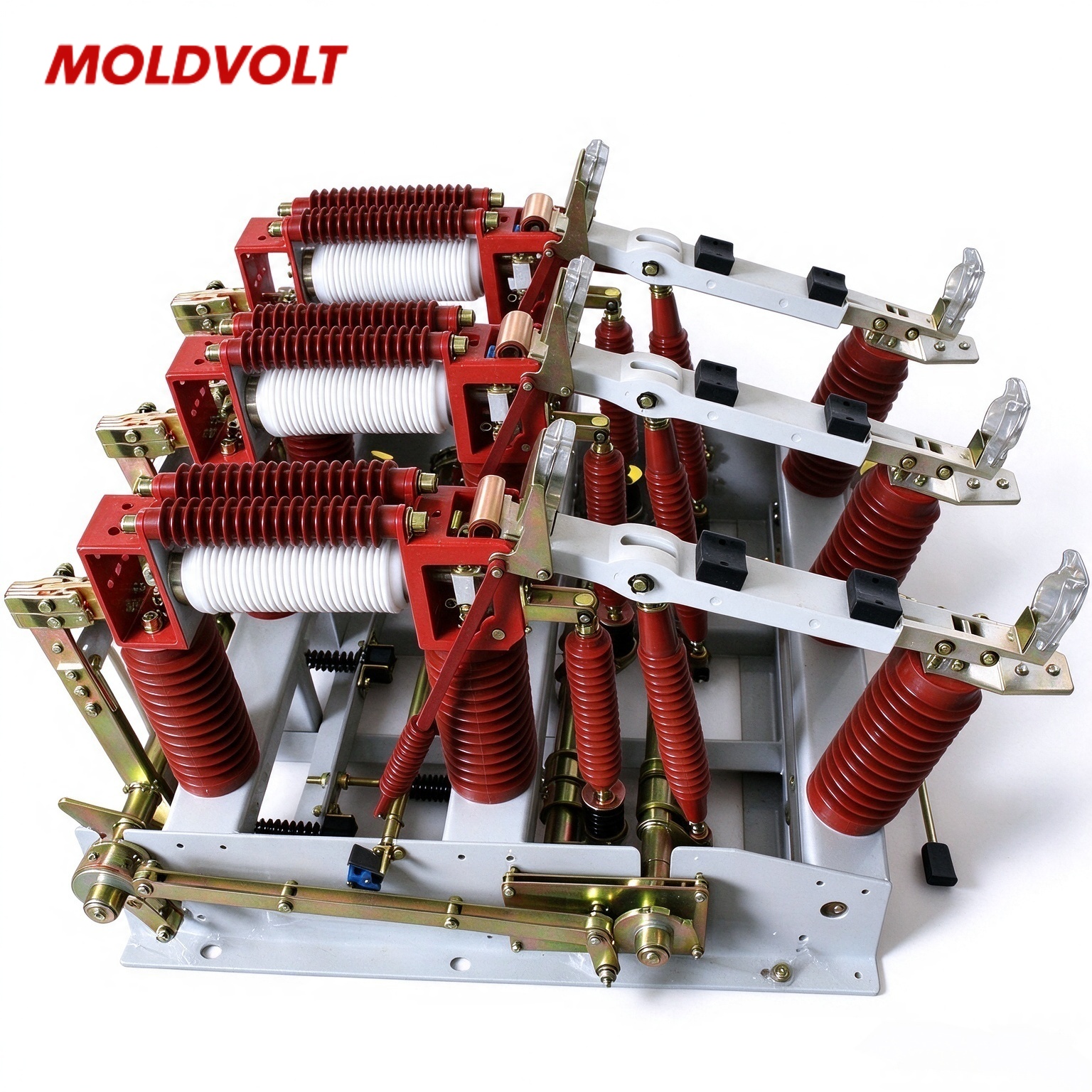
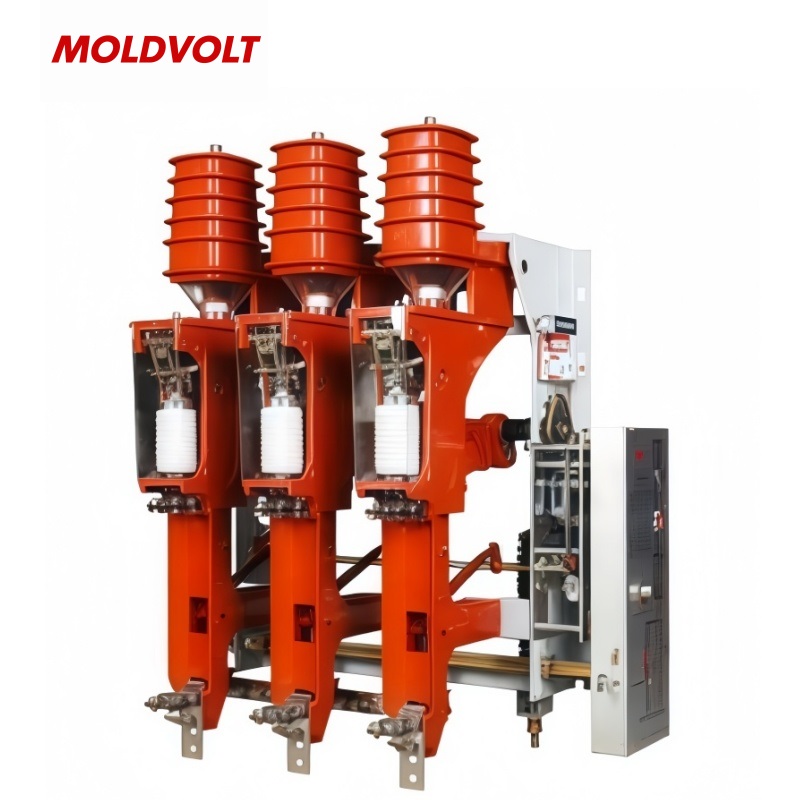
A fuse is a fundamental electrical protection component designed to interrupt current when it exceeds a predetermined level. It contains a conductive fuse element that melts under specified overcurrent conditions, opening the circuit and limiting the potential impact of electrical faults. Fuses are used across residential wiring, industrial control panels, automotive electrical systems, electronic equipment, and power distribution installations. Common types include cartridge fuses, blade fuses, cylindrical fuses, semiconductor fuses, and high voltage fuses. Each type offers different operating characteristics, voltage ratings, current capacities, and interruption capabilities. Manufacturing processes involve fuse element fabrication, contact assembly, insulation component production, and electrical performance testing. Important selection factors include rated current, rated voltage, breaking capacity, time-current characteristics, and application requirements. For example, a factory control panel requires fuse ratings coordinated with conductor capacity and the fault current available in the circuit. Correct selection and compliance with applicable IEC or UL standards help improve electrical safety and equipment reliability.

Frequently Asked Questions

What is the main purpose of a fuse in an electric circuit?

A fuse protects an electrical circuit against excessive current caused by overloads or short circuits. Its internal element melts when specified operating conditions are exceeded, interrupting current flow and helping prevent cable overheating, component damage, and potential electrical hazards.
A fuse contains a conductive element designed to melt when excessive current generates sufficient heat. Once the element melts, the electrical path is interrupted. Its response depends on current magnitude, operating duration, fuse construction, and specified time-current characteristics.
Consider rated current, rated voltage, breaking capacity, time-current characteristics, and the electrical load being protected. The fuse must also be compatible with conductor capacity and the prospective fault current to provide appropriate protection without unnecessary interruptions during normal operation.
When a fuse blows, its internal element melts and interrupts the circuit. The connected equipment loses power until the underlying fault is investigated and the correct replacement fuse is installed. Repeated fuse operation may indicate an overload, short circuit, or equipment problem.
No. Installing a higher-rated fuse without verifying the circuit design can compromise overcurrent protection and increase overheating or fire risks. Always replace a blown fuse with the specified type and rating after identifying and correcting the underlying electrical fault.

Related article

What cable clamp material suits high temperature switchgear cabinets?

19

Sep

What cable clamp material suits high temperature switchgear cabinets?

Understanding High-Temperature Challenges in Switchgear CabinetsTypical Operating Temperatures and Thermal Stress Sources (Busbars, Load Cycling, Enclosure Design)Switchgear cabinets experience elevated temperatures primarily due to resistive losses ...
View More
Why cabinet condensation leads to insulation failure in electrical equipment?

21

Sep

Why cabinet condensation leads to insulation failure in electrical equipment?

The Science of Cabinet Condensation: How Temperature, Humidity, and Design InteractDew Point Formation Inside Enclosures Due to Thermal GradientsCondensation inside an electrical cabinet is not simply a matter of seal failure—it is governed by the de...
View More
What switchgear maintenance items prevent unexpected power outage risks?

10

Oct

What switchgear maintenance items prevent unexpected power outage risks?

Top 3 Root Causes of Switchgear-Related Power Outages Insulation degradation and partial discharge: leading precursors to cascade failure Insulation systems in switchgear degrade gradually under electrical, thermal, and environmental stress. Cracks...
View More
What electrical switchgear testing items are required before site commissioning?

21

Oct

What electrical switchgear testing items are required before site commissioning?

Insulation Integrity and Dielectric Strength Verification Megger testing of busbars, cables, and instrument transformer circuits Megger testing is a foundational pre-commissioning check for electrical switchgear, measuring insulation resistance (IR...
View More

Customer Testimonials

Michael Brown

We incorporated these electrical fuses into our industrial control panels. Their dependable overcurrent protection and straightforward installation helped protect connected equipment and improve maintenance efficiency.

James Wilson

These fuses provided reliable circuit protection across our distribution equipment. Their stable operating characteristics and suitable current ratings supported safer electrical operations and equipment reliability.

Get a Free Quote

Our representative will contact you soon.
Email
Mobile/WhatsApp
Name
Company Name
Message
0/1000
Precise Overcurrent Protection Technology

Precise Overcurrent Protection Technology

Effective overcurrent protection starts with a carefully engineered fuse element. Its material, dimensions, and thermal characteristics determine how the fuse responds when current exceeds specified operating limits. Different fuse designs provide different time-current characteristics to accommodate sensitive electronic circuits, industrial equipment, and general electrical distribution. For example, a control panel supplying motors and auxiliary components may require different fuse ratings for individual branch circuits. Proper selection helps distinguish normal operating conditions from potentially damaging faults. Manufacturing precision and electrical testing support consistent fuse performance across different current ratings. These characteristics make electrical fuses essential components for protecting wiring, equipment, and connected systems.
Durable Materials and Stable Electrical Performance

Durable Materials and Stable Electrical Performance

The reliability of an electrical fuse depends on its conductive element, contact structure, insulation materials, and overall manufacturing quality. Carefully selected materials help maintain stable electrical connections during normal operation while ensuring the fuse responds appropriately to excessive current. Depending on the application, ceramic, glass, or specialized insulating materials may be used to accommodate different electrical and thermal requirements. Industrial control cabinets, household appliances, and automotive fuse boxes each require suitable construction and environmental compatibility. Electrical verification, contact inspection, and dimensional quality control help maintain product consistency. Reliable materials and manufacturing processes contribute to dependable circuit protection and long-term equipment performance.

Get a Free Quote

Our representative will contact you soon.
Email
Mobile/WhatsApp
Name
Company Name
Message
0/1000