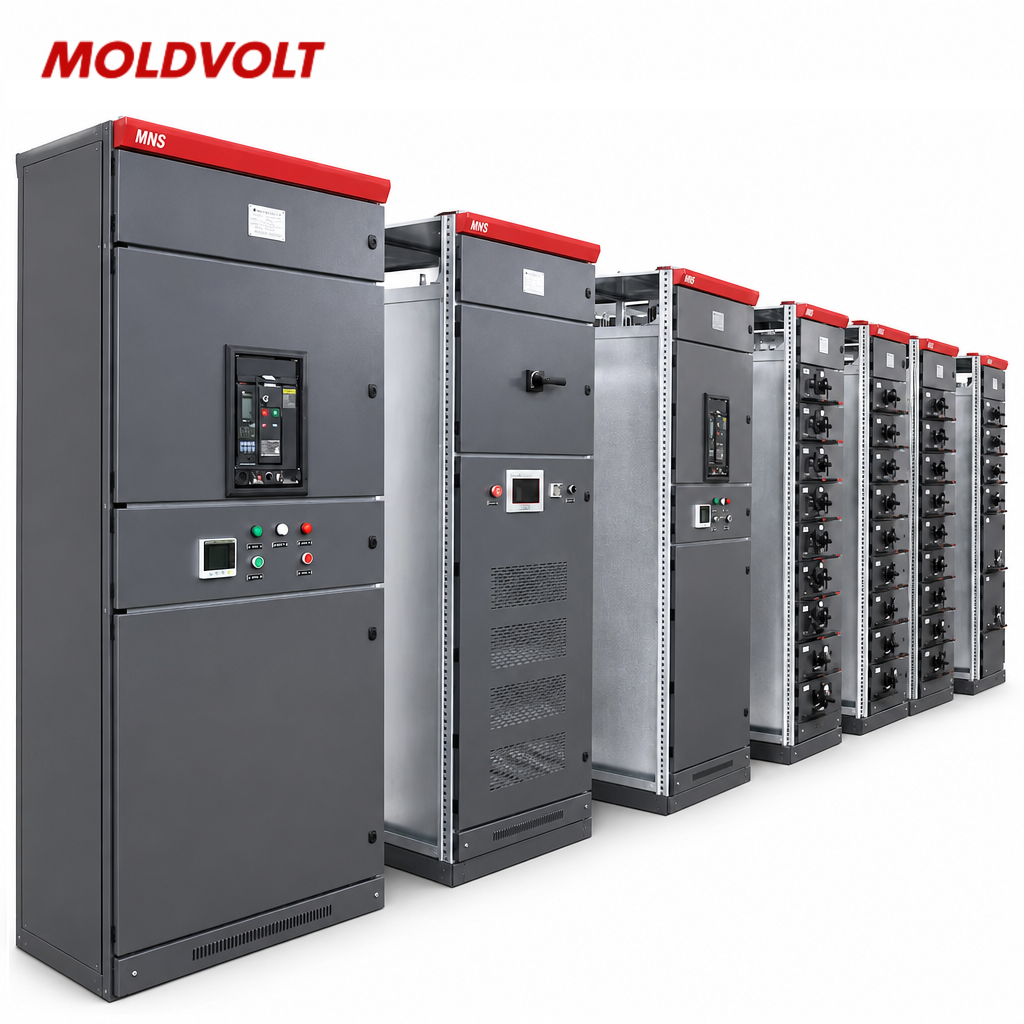
Gas Insulated System: Compact, Reliable Switchgear Solutions

All Categories
Customer Reviews for Gas Insulated Systems

Customer Reviews for Gas Insulated Systems

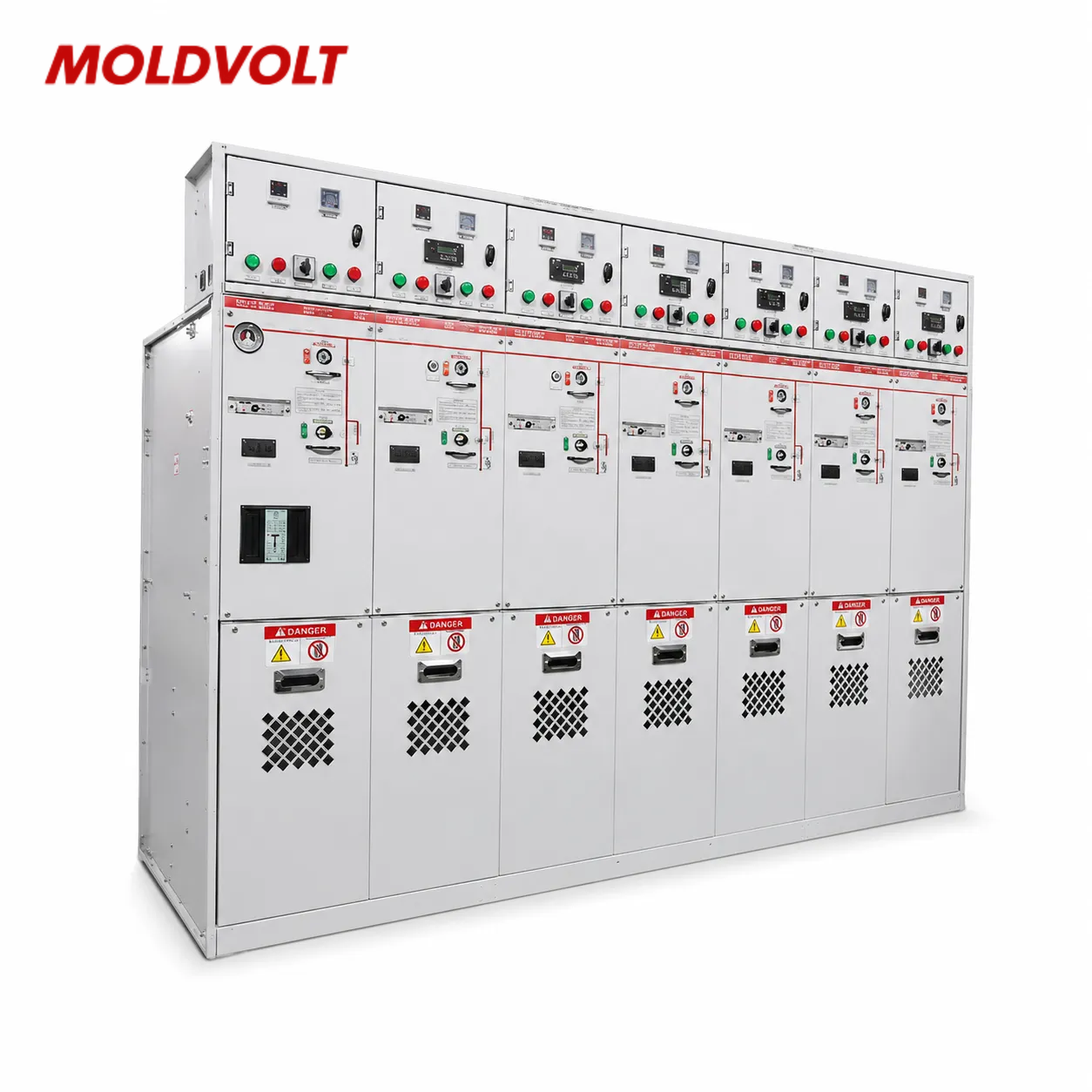
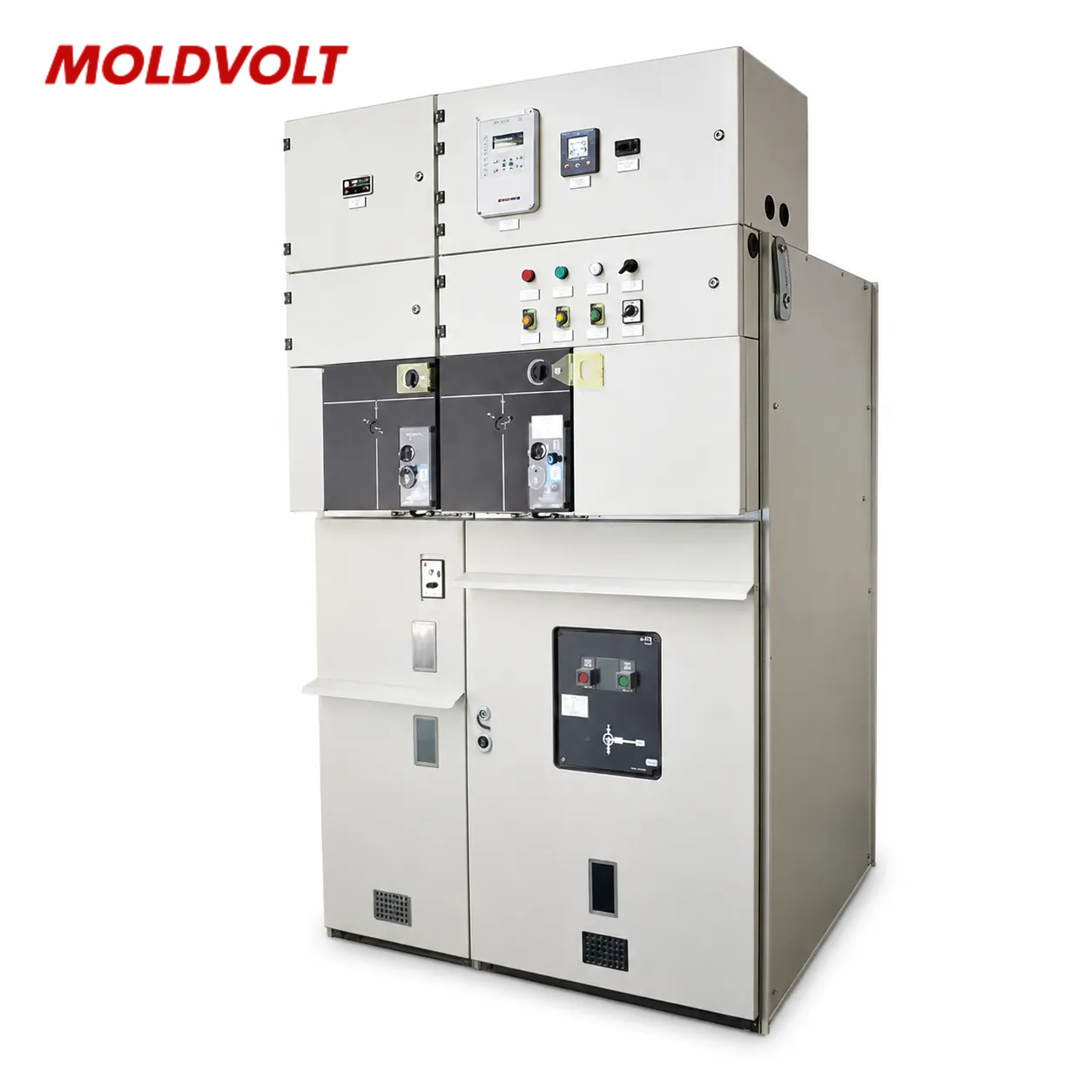
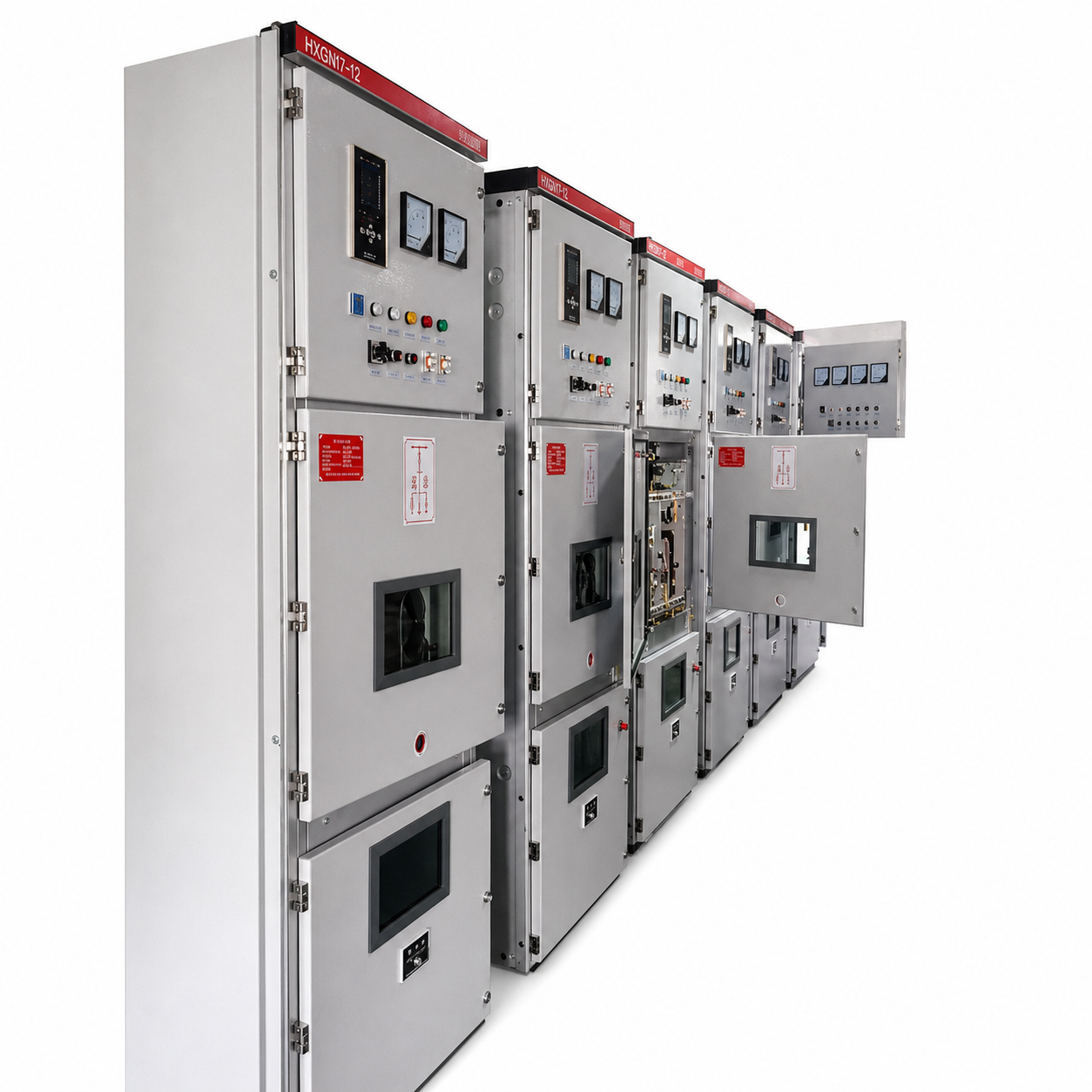
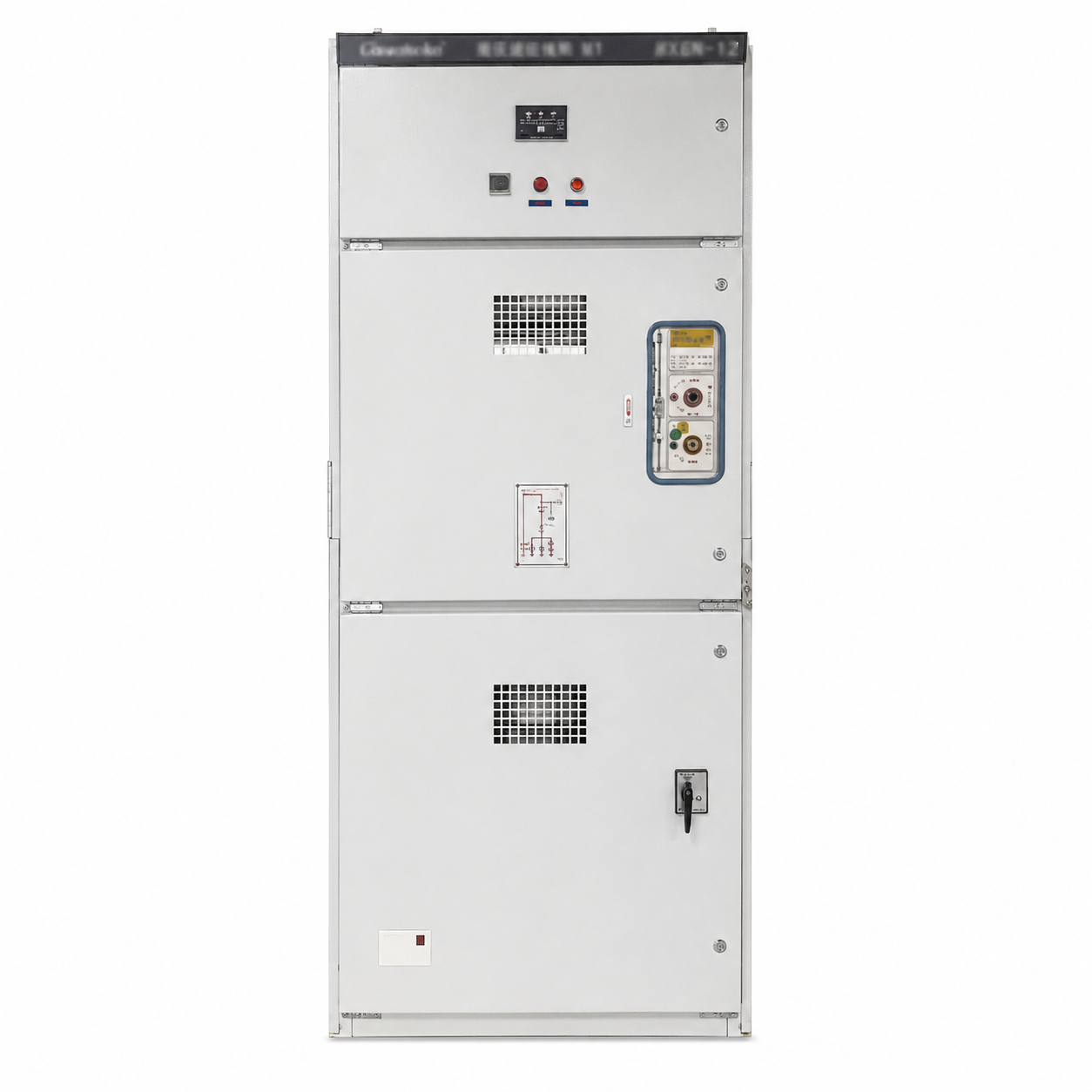
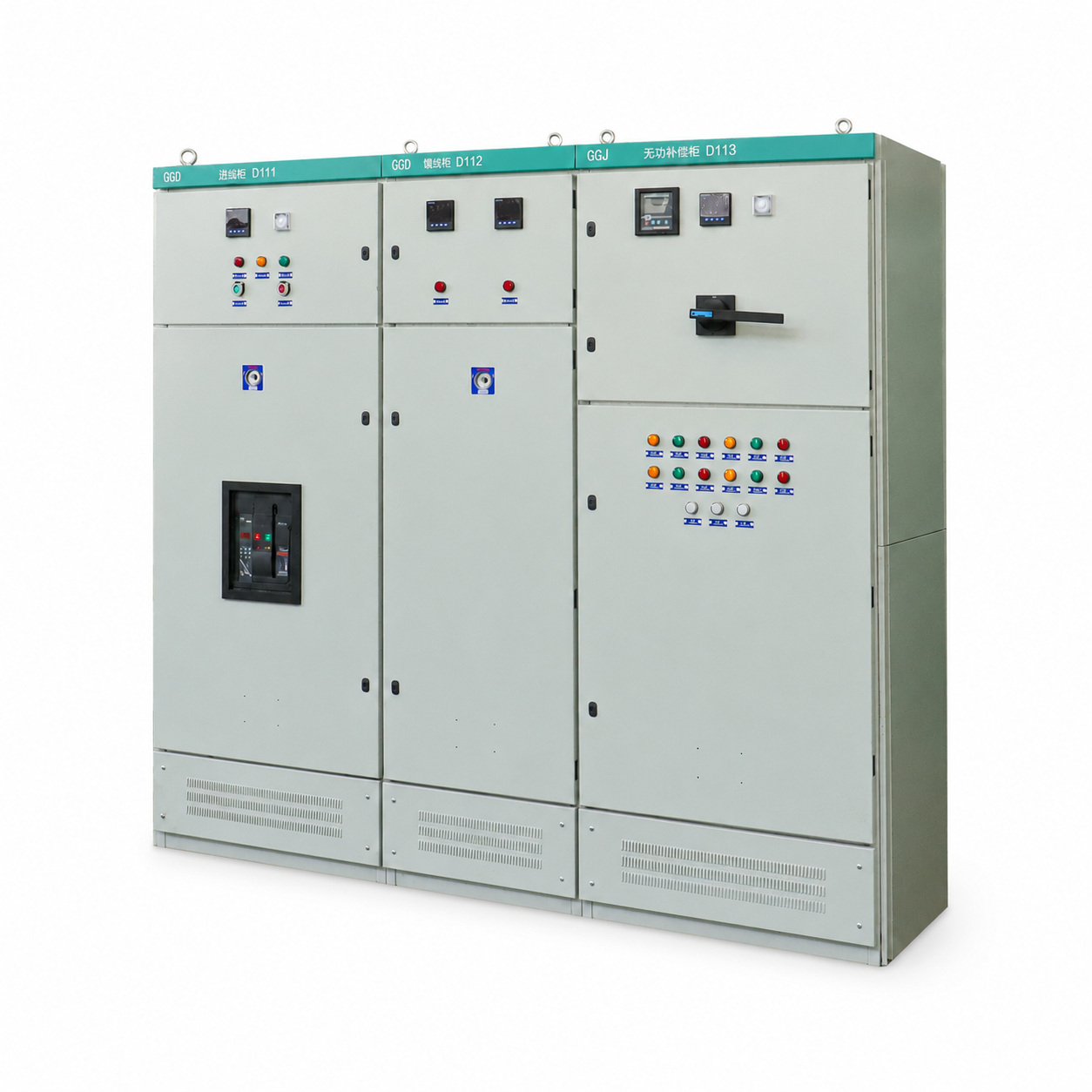
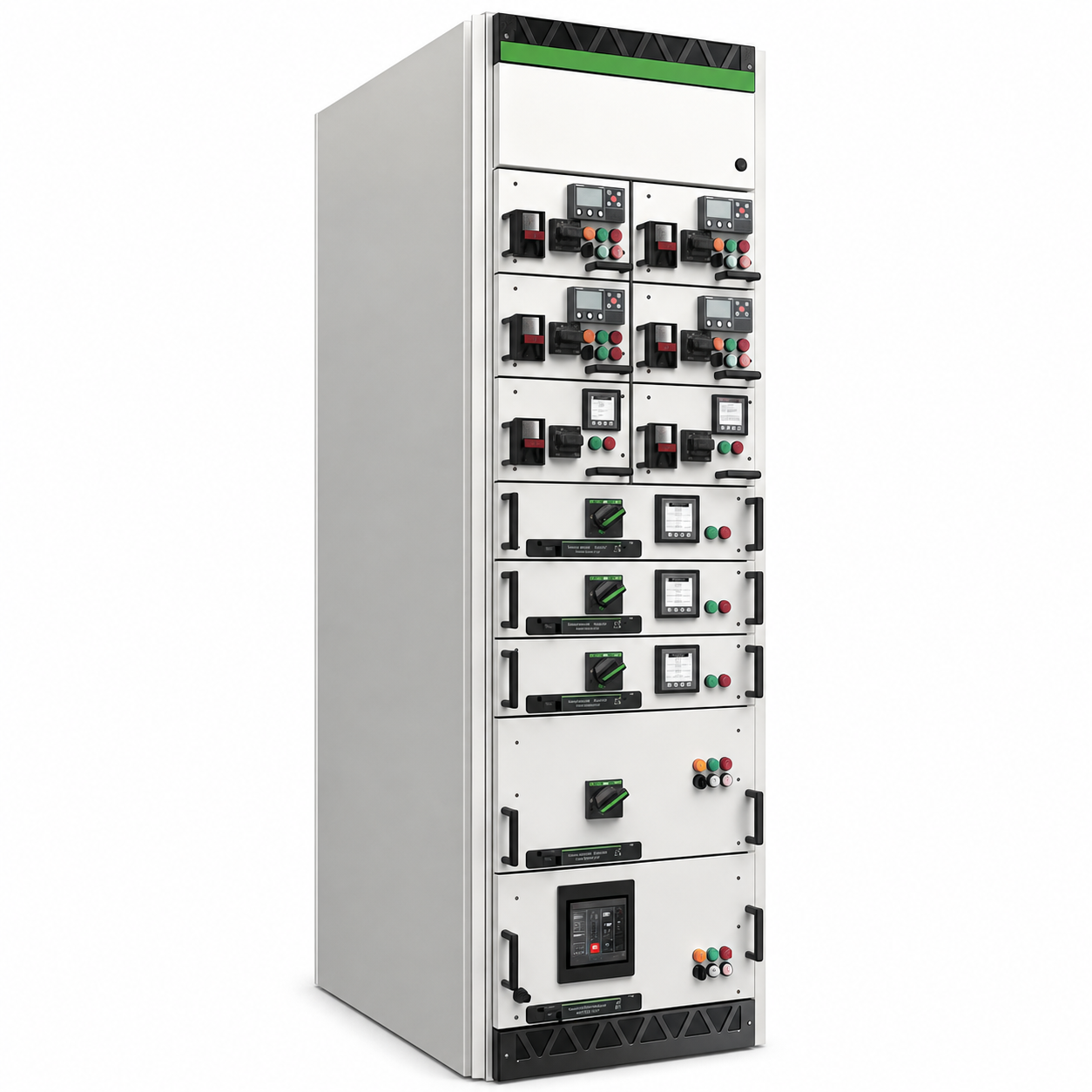
A gas insulated system is an electrical equipment arrangement that uses an insulating gas or alternative insulation medium to provide electrical insulation around energized components. In power transmission and distribution applications, gas-insulated equipment is commonly installed within grounded metal enclosures to support compact substation layouts and dependable switching operations. These systems can be suitable for utility networks, industrial facilities, urban substations, and infrastructure projects where installation space is limited. The enclosed design also helps reduce exposure of internal components to external contaminants. Depending on the application, a gas insulated system may incorporate circuit breakers, disconnectors, busbars, instrument transformers, and other high-voltage components.
Get A Quote

Case Study

Urban Substations and Power Distribution

Urban electricity networks must deliver dependable power while accommodating limited land availability and complex infrastructure layouts. A gas insulated system can help utilities develop compact substations for residential districts, commercial centers, and transportation facilities. Its enclosed equipment arrangement can reduce the space required compared with many conventional air-insulated configurations, depending on system design and voltage level. Engineers should evaluate rated voltage, current capacity, short-circuit withstand capability, busbar arrangements, cable connections, and protection requirements before selecting a solution. Site access, maintenance clearances, environmental conditions, and future expansion should also be included in the planning process. When integrated with transformers, control systems, and protection relays, a properly specified gas insulated system can support organized switching operations and efficient use of available substation space.

Industrial Power Supply and Manufacturing

Manufacturing plants, processing facilities, and energy-intensive industrial operations depend on reliable electrical infrastructure to support production machinery and auxiliary equipment. A gas insulated system can be considered for medium- and high-voltage installations where space efficiency and protection from environmental contaminants are important. Its enclosed configuration may suit dedicated electrical buildings or other installation environments approved by the manufacturer. Project teams should assess incoming supply conditions, load requirements, fault levels, switching duties, and coordination with transformers and downstream distribution equipment. Maintenance access, monitoring functions, spare-parts availability, and operating procedures should also be considered. By aligning system specifications with the facility's electrical requirements, engineers can establish an organized power distribution arrangement that supports operational continuity and effective management

Infrastructure and Commercial Facilities

Airports, railway systems, hospitals, data centers, and large commercial developments require electrical systems designed around reliability, safety, and efficient space utilization. A gas insulated system can provide a compact equipment arrangement for projects where conventional substation layouts are difficult to accommodate. Its enclosed components can help limit exposure to many external contaminants, although suitability depends on equipment ratings and installation conditions. Engineers should evaluate redundancy requirements, rated voltage, short-circuit performance, protection coordination, and integration with backup power systems. Compatibility with transformers, cables, monitoring equipment, and substation automation systems is also important. Selecting a solution according to the project's technical requirements helps support organized electrical distribution, dependable switching, and planned infrastructure growth while accounting for applicable standards and long-term ma

Related products

Gas insulated systems are used in electrical power networks to provide insulation and support the operation of medium- and high-voltage equipment. In substation applications, energized components are housed within grounded metal enclosures, with an insulating gas or alternative insulation medium separating conductive parts. Depending on the design, a system may include circuit breakers, disconnectors, earthing switches, busbars, current transformers, voltage transformers, and surge arresters. These components support circuit switching, equipment isolation, and electrical protection. Gas insulated systems are widely considered for utility substations, industrial power networks, urban infrastructure, and installations where available space is limited. Equipment selection should account for rated voltage, continuous current, short-circuit withstand capability, insulation coordination, switching duties, environmental conditions, and installation requirements. Buyers should confirm the intended system scope, applicable standards, factory testing documentation, maintenance procedures, and technical support arrangements. Where SF₆ is used, gas handling and leakage management must follow manufacturer instructions and relevant environmental regulations. Alternative insulation technologies may be available for suitable applications. A properly engineered gas insulated system helps project teams balance space efficiency, operational requirements, and reliable power distribution.
Frequently Asked Questions

What is a gas insulated system?

A gas insulated system uses an insulating gas or alternative insulation medium to provide electrical insulation around energized components. In power applications, components are often housed within grounded metal enclosures to create compact equipment arrangements. Such systems are commonly used in substations and medium- or high-voltage electrical networks.
Gas insulated systems can provide a compact installation footprint, enclosed electrical components, and reduced exposure to many external contaminants. These characteristics make them useful for space-constrained substations and selected industrial applications. Performance, maintenance needs, and lifecycle costs depend on the specific equipment design, insulation technology, and operating environment.
Gas insulated systems are commonly considered for utility substations, industrial power networks, urban electricity distribution, transportation infrastructure, and large commercial facilities. Their suitability depends on voltage level, load requirements, environmental conditions, and available installation space. The selected configuration should comply with applicable electrical standards and manufacturer specifications.
Buyers should evaluate rated voltage, continuous current, short-circuit withstand capability, insulation medium, switching duties, protection requirements, and site conditions. They should also confirm compliance with relevant standards and review testing documentation, installation requirements, maintenance procedures, and after-sales support. Environmental regulations are particularly important when equipment uses SF₆.
Maintenance depends on the system design and insulation technology. Typical activities may include inspecting operating mechanisms, checking monitoring and protection functions, reviewing alarms, and assessing insulation-system condition according to manufacturer guidance. Any gas inspection or handling must follow approved safety procedures and applicable environmental requirements.

Related article

Cost-Effective Low Voltage Switchgear for Iraq: Compatible with Blokset, Okken & 8PT | Local Assembly Options

16

Sep

Cost-Effective Low Voltage Switchgear for Iraq: Compatible with Blokset, Okken & 8PT | Local Assembly Options

View More
Cabinet corrosion resistance determines service life in coastal engineering sites.

23

Sep

Cabinet corrosion resistance determines service life in coastal engineering sites.

Why Coastal Environments Accelerate Cabinet CorrosionThe chloride-humidity synergy: How salt aerosols and sustained high RH drive electrochemical degradationCoastal atmospheres subject cabinet enclosures to a uniquely aggressive combination of airbor...
View More
What switchgear maintenance items prevent unexpected power outage risks?

10

Oct

What switchgear maintenance items prevent unexpected power outage risks?

Top 3 Root Causes of Switchgear-Related Power Outages Insulation degradation and partial discharge: leading precursors to cascade failure Insulation systems in switchgear degrade gradually under electrical, thermal, and environmental stress. Cracks...
View More
Insulator dimension design follows international high voltage standards strictly.

16

Oct

Insulator dimension design follows international high voltage standards strictly.

Core IEC Standards Governing Insulator Dimension Design IEC 60383: Mechanical and Electrical Requirements for Ceramic and Glass Insulators The IEC 60383 series defines the mechanical and electrical test regimes that ceramic and glass insulators mus...
View More

Customer Testimonials

James Wilson

Our project required dependable electrical equipment within a restricted installation area. The gas insulated system helped optimize substation layout and supported organized switching for reliable power distribution.

Michael Brown

We needed a practical solution for our power distribution network. The gas insulated system offered an enclosed equipment arrangement and supported integration with protection and control components.

Get a Free Quote

Our representative will contact you soon.
Email
Mobile/WhatsApp
Name
Company Name
Message
0/1000
Compact Equipment Layout for Space-Constrained Projects

Compact Equipment Layout for Space-Constrained Projects

A gas insulated system can help project teams plan electrical infrastructure where available land or building dimensions limit conventional equipment arrangements. Its enclosed configuration may reduce the required installation footprint compared with many air-insulated alternatives, depending on voltage level and system design. This makes it worth evaluating for urban substations, industrial facilities, and infrastructure projects with demanding space requirements. Engineers can arrange switching components, busbars, and cable interfaces to match the intended electrical network. Access for operation, maintenance clearances, ventilation, and future expansion still require careful planning. By aligning equipment ratings and layout with actual site conditions, a gas insulated system can support efficient space utilization while maintaining the switching and insulation functions required for dependable power distribution.
Enclosed Insulation Technology for Electrical Reliability

Enclosed Insulation Technology for Electrical Reliability

Gas insulated systems use a specified insulation medium and equipment enclosure to support electrical insulation in demanding power applications. This arrangement can help reduce exposure of internal components to many external contaminants, making it suitable for selected utility and industrial environments. Reliable operation still depends on appropriate equipment ratings, sound engineering, correct installation, and scheduled maintenance. Project teams should assess short-circuit capability, protection coordination, monitoring functions, and compatibility with transformers, cables, and control systems. The insulation medium should be selected according to technical requirements, environmental considerations, and applicable regulations. Where SF₆ is used, proper handling and leakage management are essential. A carefully specified gas insulated system can support organized switching, effective equipment integration, and dependable operation across modern electrical networks.

Get a Free Quote

Our representative will contact you soon.
Email
Mobile/WhatsApp
Name
Company Name
Message
0/1000