Voltage Switchgear Solutions: 12 Configurations for Industrial & Substation Use

All Categories
Customer Reviews for Voltage Switchgear Solutions

Customer Reviews for Voltage Switchgear Solutions

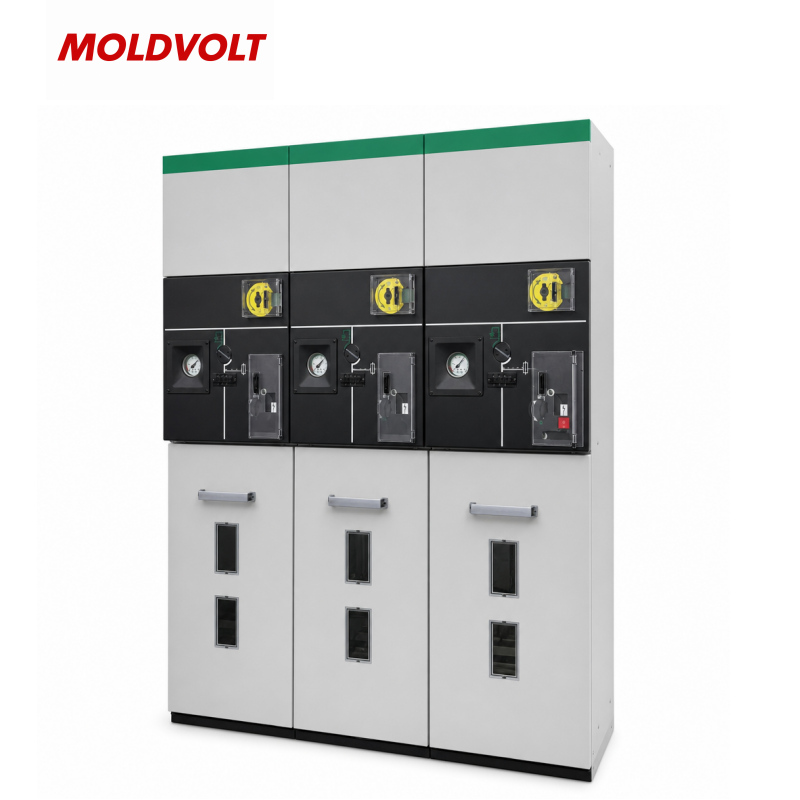
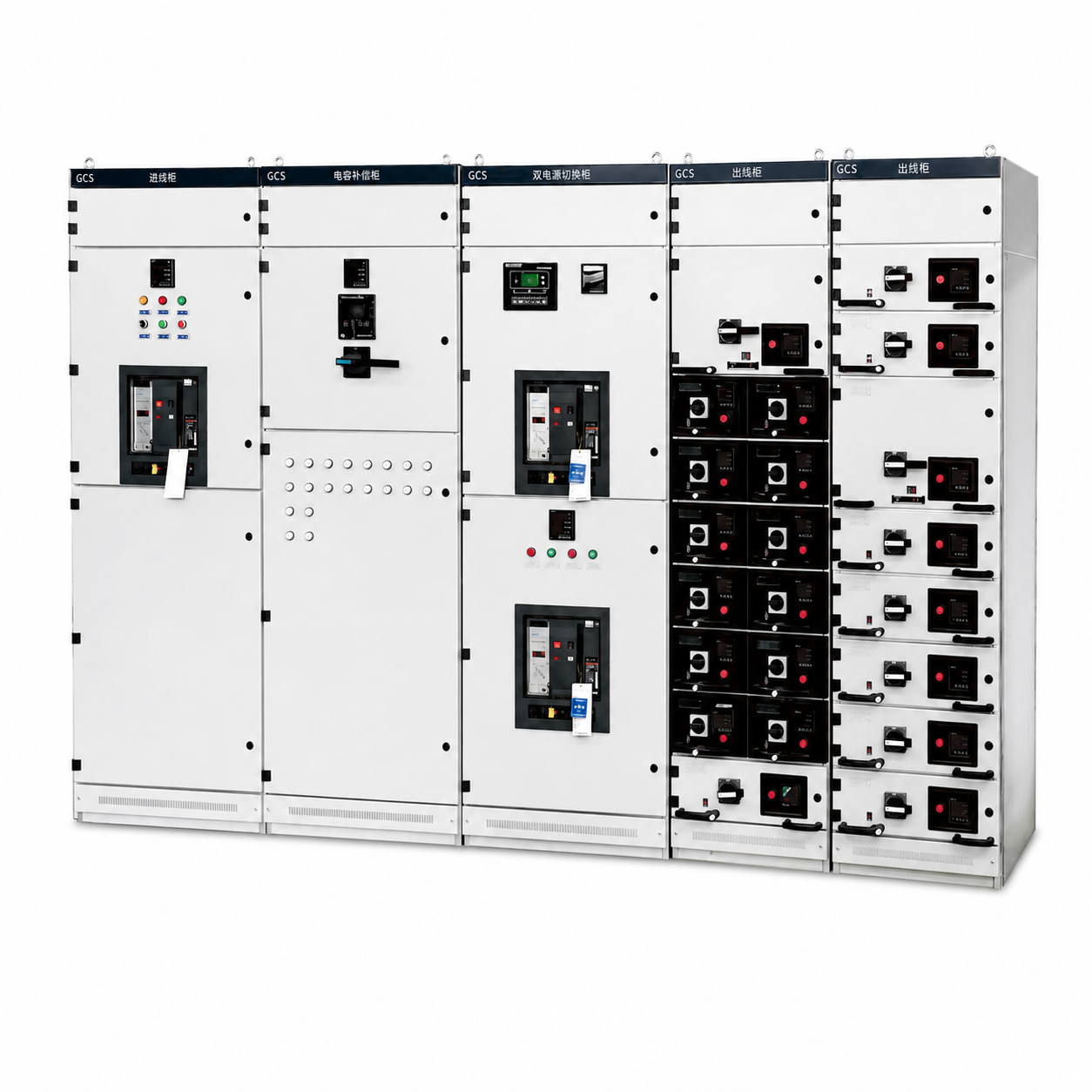
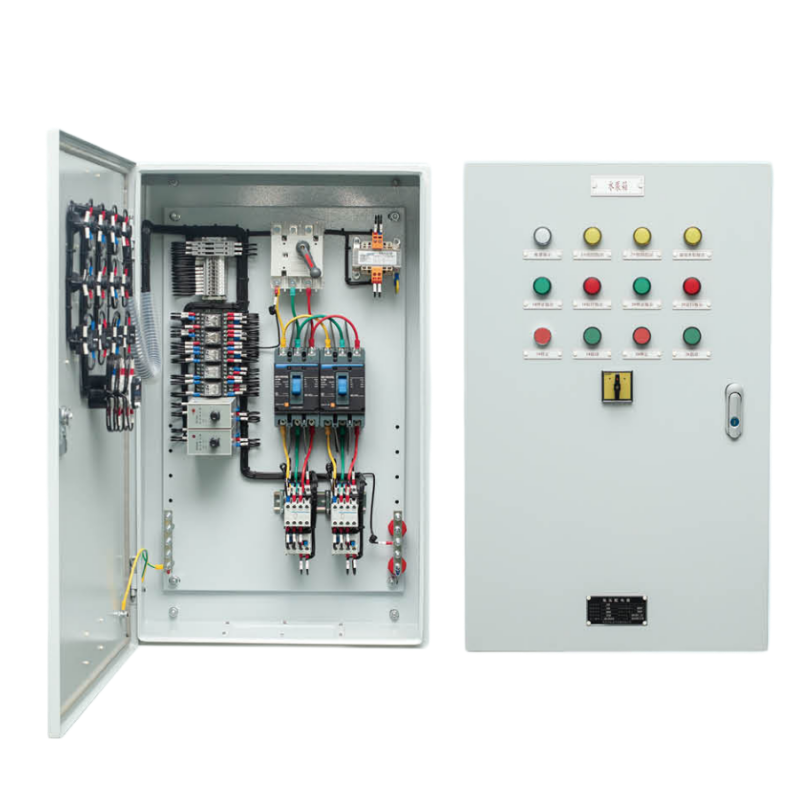
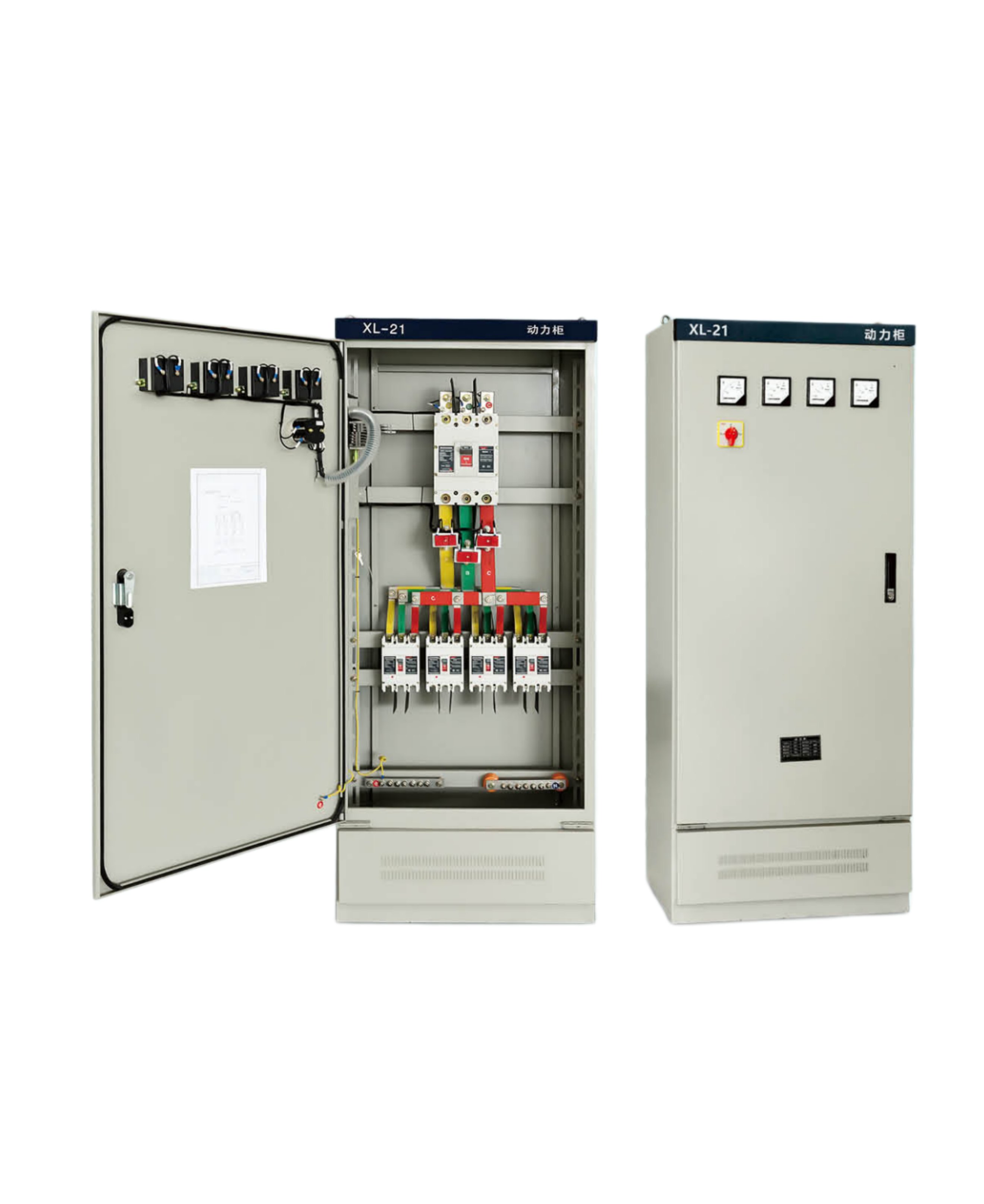
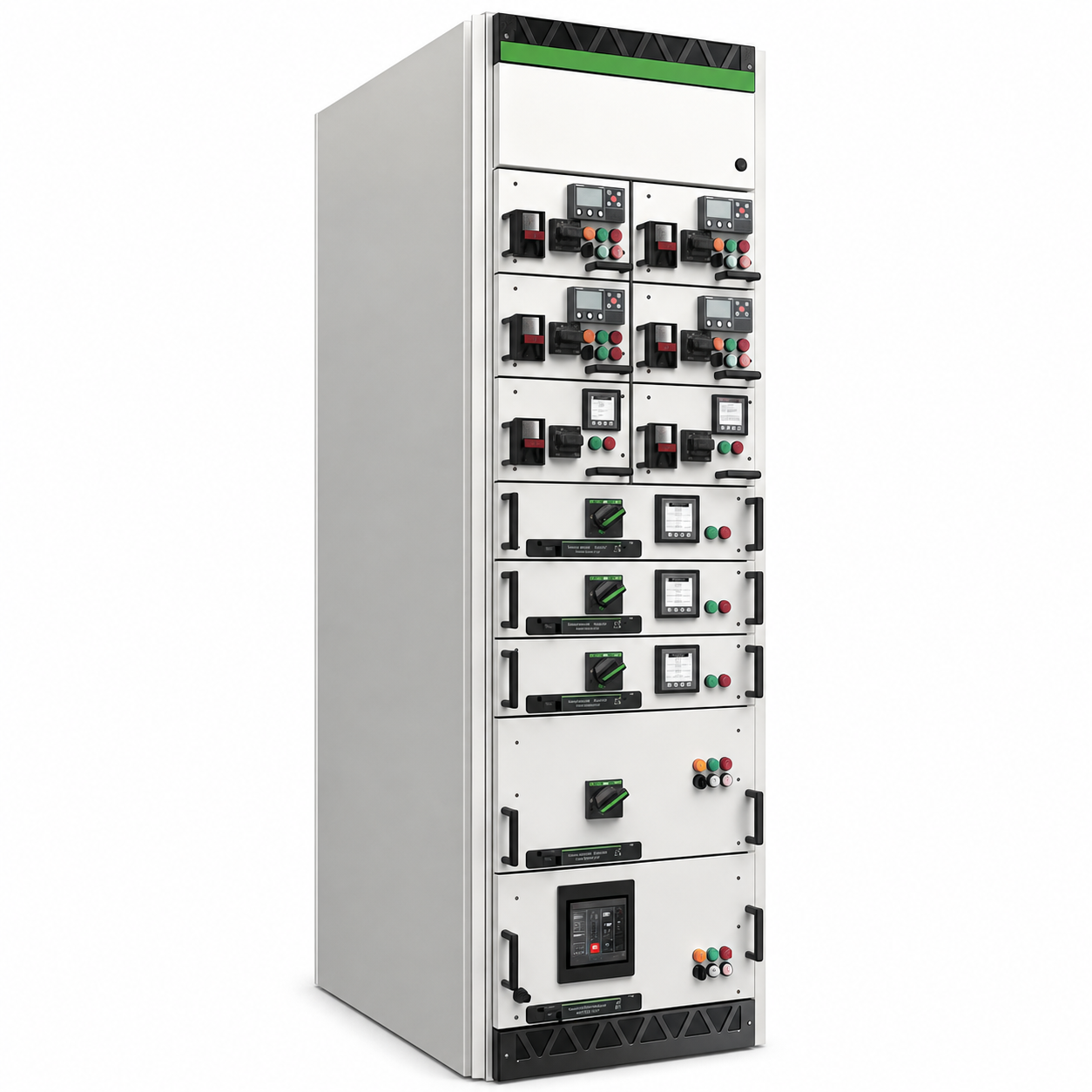
VoltCabinet supports voltage switchgear solutions for industrial plants, commercial buildings, substations, and infrastructure facilities. Designed around project-specific electrical requirements, switchgear can incorporate circuit breakers, disconnectors, busbars, and protective relays to control power flow and isolate electrical faults. Appropriate equipment selection depends on rated voltage, continuous current, short-circuit capability, insulation requirements, and installation conditions. For example, a manufacturing facility supplying several production lines may require coordinated protection to isolate a faulty circuit while maintaining power to unaffected equipment when system conditions permit. By aligning equipment specifications with operating requirements, VoltCabinet helps customers plan dependable electrical distribution, improve maintenance access, and support safe switching operations.
Get A Quote

Case Study

Industrial Manufacturing Power Distribution

Industrial manufacturing facilities require dependable electrical distribution for motors, production equipment, and auxiliary systems. Voltage switchgear can provide switching, isolation, and fault interruption functions suited to the facility's electrical network. Engineers evaluate rated voltage, load demand, prospective fault current, and protection coordination before selecting equipment. For a factory with multiple production lines, properly coordinated protection can help isolate a faulty feeder while keeping unaffected circuits energized when system conditions permit. VoltCabinet can support project-specific configurations based on technical drawings and installation requirements. Qualified personnel should verify equipment ratings, grounding arrangements, protective settings, and commissioning results before energization to support safe and reliable operation.

Substation Switching and Protection

Substations depend on voltage switchgear to manage electrical connections between incoming supplies, transformers, and distribution feeders. Equipment selection must reflect the network voltage, continuous current, fault levels, insulation coordination, and environmental conditions. Circuit breakers and protective relays work together to interrupt faults and isolate affected sections when required. For a distribution substation serving industrial customers, a properly engineered protection scheme can help limit unnecessary outages and support operational flexibility. VoltCabinet can assist with equipment configurations based on project specifications and connection requirements. Before commissioning, qualified engineers should verify interlocking functions, protection settings, grounding, and relevant electrical test documentation.

Commercial and Infrastructure Electrical Systems

Large commercial buildings and infrastructure facilities may require voltage switchgear to receive incoming power and supply transformers or downstream distribution systems. Typical applications include transport facilities, campuses, industrial complexes, and utility buildings. Design considerations include rated voltage, available installation space, cable termination arrangements, protection requirements, and maintenance accessibility. For a facility with several transformers, a well-planned switchgear arrangement can simplify circuit identification and help isolate affected sections during maintenance. VoltCabinet can support project-specific configurations based on electrical drawings and technical schedules. Final selection should be verified through engineering studies, manufacturer documentation, and applicable standards to ensure compatibility with the intended network.

Related products

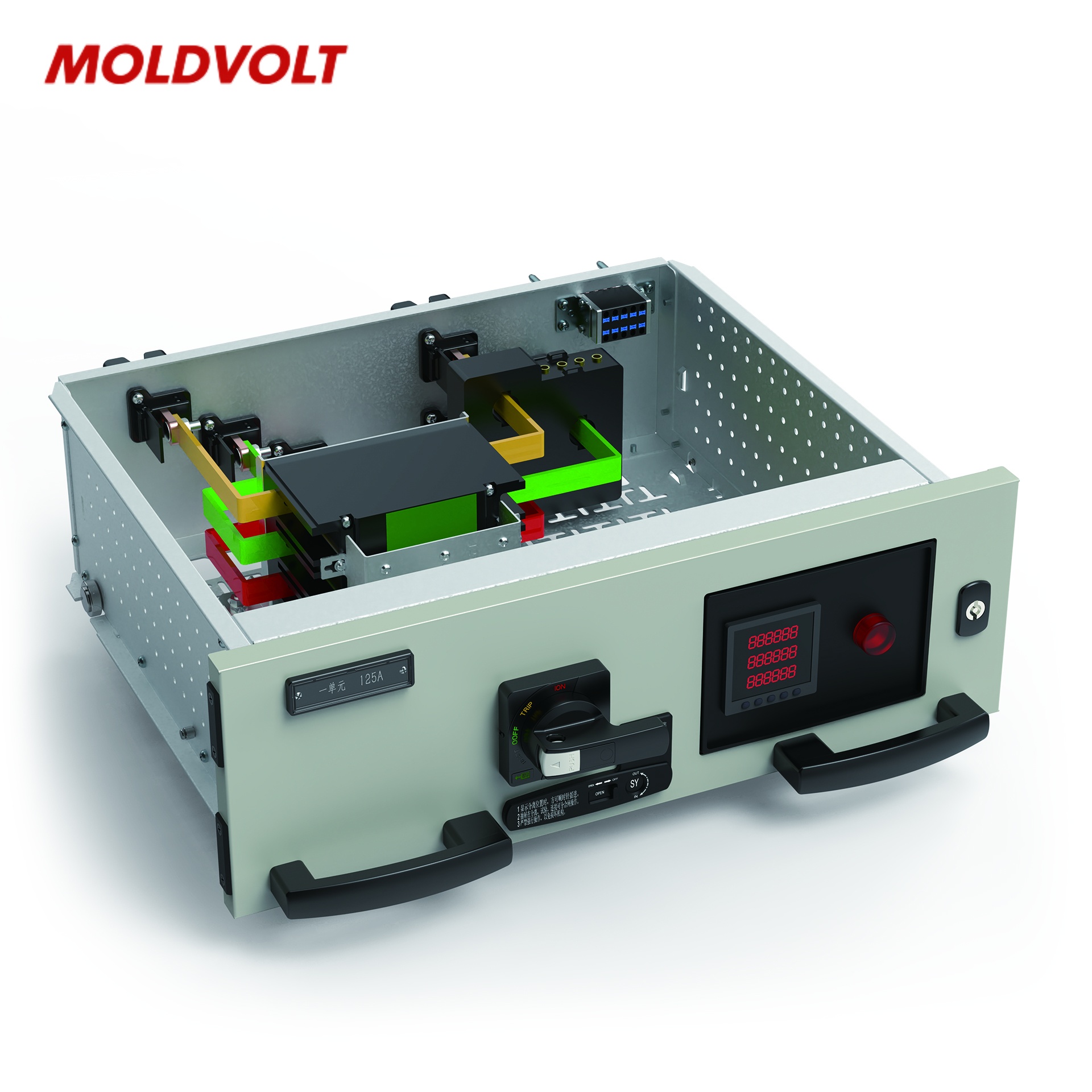
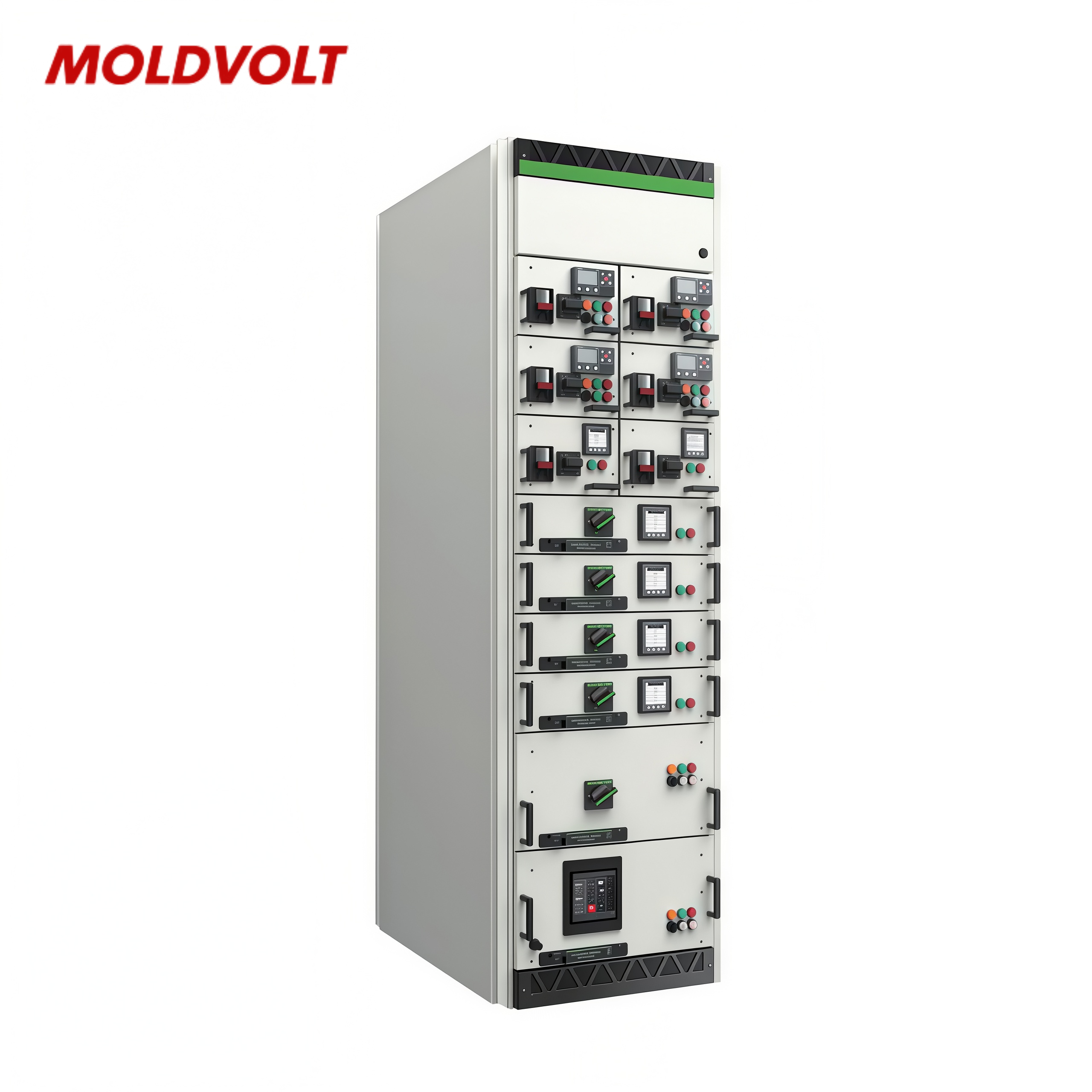
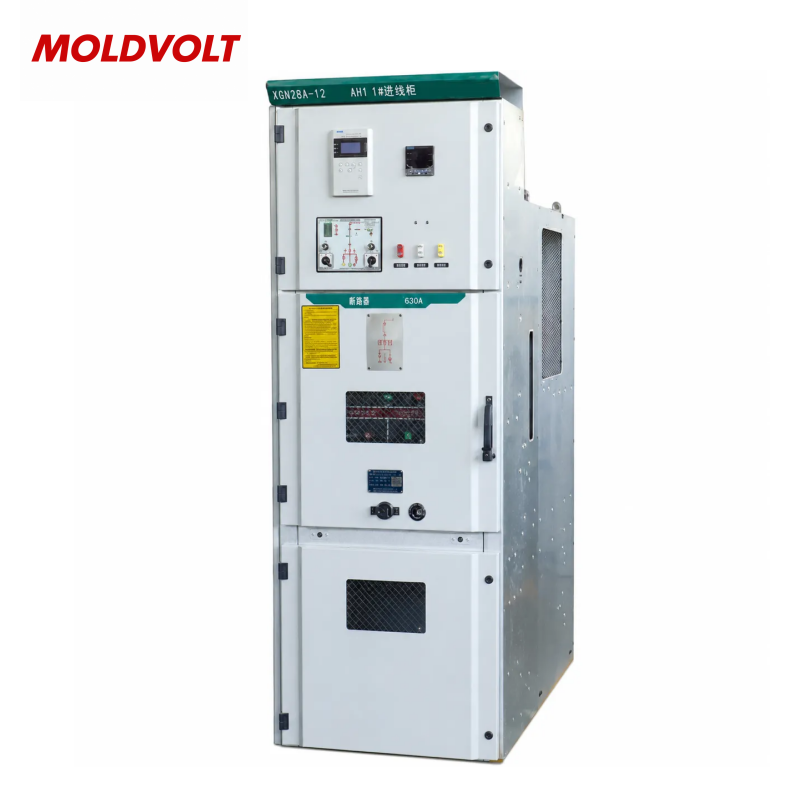
Voltage switchgear plays an important role in controlling, protecting, and isolating electrical circuits across power distribution networks. Depending on its voltage class and design, an assembly may include circuit breakers, disconnectors, busbars, protective relays, current transformers, and voltage transformers. These components support controlled switching, electrical measurement, and fault isolation in industrial facilities, substations, commercial properties, and infrastructure projects. Selecting suitable switchgear requires careful assessment of rated voltage, continuous current, short-circuit withstand and interruption capabilities, insulation coordination, operating environment, and installation requirements. Engineers must also evaluate protection selectivity, cable connections, grounding arrangements, and maintenance access. These considerations help ensure that the equipment matches actual network conditions rather than relying on voltage ratings alone. VoltCabinet can support customized configurations based on project drawings, electrical schedules, and site constraints. Quality assurance may include assembly inspection, mechanical operation checks, electrical testing, and documentation review according to applicable IEC standards or other project requirements. For new installations and electrical upgrades, a properly specified switchgear solution helps support safe commissioning, efficient maintenance, and dependable long-term power distribution.

Frequently Asked Questions

What Is Voltage Switchgear Used For?

Voltage switchgear controls, protects, and isolates electrical circuits in power distribution systems. Depending on its design and voltage class, it can serve industrial plants, commercial facilities, substations, and infrastructure projects. Its functions may include switching circuits, interrupting fault currents, and isolating equipment for inspection or maintenance.
Determine the system's rated voltage, continuous current, prospective fault current, insulation requirements, and installation environment. Consider protection coordination, cable connections, maintenance access, and future expansion. Qualified engineers should verify equipment ratings and applicable standards against network studies before procurement and commissioning.
Common components include circuit breakers, disconnectors, busbars, protective relays, current transformers, and voltage transformers. The exact arrangement depends on the voltage class, switching functions, fault levels, and protection scheme. All components must be appropriately rated and coordinated with the electrical network.
Voltage switchgear is used in industrial facilities, substations, commercial buildings, infrastructure installations, and utility distribution networks. Equipment selection depends on network voltage, load characteristics, fault levels, environmental conditions, and operating requirements. Project drawings and manufacturer documentation should confirm suitability for the intended application.
Regular maintenance helps identify developing problems involving insulation, electrical connections, operating mechanisms, and protection systems. Inspection schedules depend on equipment design, operating conditions, and manufacturer recommendations. Qualified personnel should follow approved maintenance procedures and safety requirements to support reliable performance and reduce avoidable operational risks.

Related article

Cabinet corrosion resistance determines service life in coastal engineering sites.

23

Sep

Cabinet corrosion resistance determines service life in coastal engineering sites.

Why Coastal Environments Accelerate Cabinet CorrosionThe chloride-humidity synergy: How salt aerosols and sustained high RH drive electrochemical degradationCoastal atmospheres subject cabinet enclosures to a uniquely aggressive combination of airbor...
View More
How to customize cabinet dimensions to fit existing switchgear layouts?

26

Sep

How to customize cabinet dimensions to fit existing switchgear layouts?

Step 1: Accurate Site Assessment and Dimensional BenchmarkingMeasuring mechanical layout, clearances, and structural constraints in legacy electrical roomsA successful retrofit begins with a meticulous site survey. Older electrical rooms rarely match...
View More
What switchgear maintenance items prevent unexpected power outage risks?

10

Oct

What switchgear maintenance items prevent unexpected power outage risks?

Top 3 Root Causes of Switchgear-Related Power Outages Insulation degradation and partial discharge: leading precursors to cascade failure Insulation systems in switchgear degrade gradually under electrical, thermal, and environmental stress. Cracks...
View More
What electrical switchgear testing items are required before site commissioning?

21

Oct

What electrical switchgear testing items are required before site commissioning?

Insulation Integrity and Dielectric Strength Verification Megger testing of busbars, cables, and instrument transformer circuits Megger testing is a foundational pre-commissioning check for electrical switchgear, measuring insulation resistance (IR...
View More

Customer Testimonials

James Wilson

Our manufacturing facility needed dependable voltage switchgear for power distribution upgrades. The equipment specifications helped our team assess circuit protection, operating requirements, and installation arrangements, supporting a more organized electrical project.

Michael Brown

We evaluated voltage switchgear for an infrastructure installation. The technical review clarified voltage ratings, fault protection requirements, and maintenance considerations, helping our team coordinate equipment selection with the wider electrical system.

Get a Free Quote

Our representative will contact you soon.
Email
Mobile/WhatsApp
Name
Company Name
Message
0/1000
Engineered Switching and Protection for Electrical Networks

Engineered Switching and Protection for Electrical Networks

Reliable voltage switchgear begins with equipment selected for the network's actual operating conditions. VoltCabinet can support configurations based on rated voltage, current capacity, fault levels, insulation requirements, and installation constraints. Depending on the application, circuit breakers and protective relays work together to detect abnormal conditions and disconnect affected circuits. In a manufacturing facility supplying several production areas, coordinated protection can help limit the impact of an electrical fault while maintaining service to unaffected circuits when system conditions permit. Engineering reviews should confirm interruption ratings, relay settings, grounding arrangements, and applicable standards. This approach supports safe switching, practical maintenance, and dependable power distribution.
Flexible Voltage Switchgear Configurations for Project Needs

Flexible Voltage Switchgear Configurations for Project Needs

Different electrical networks require switchgear arrangements tailored to their voltage classes, operating conditions, and physical layouts. VoltCabinet can support project-specific configurations for manufacturing plants, substations, infrastructure facilities, and commercial installations. Design considerations may include panel dimensions, busbar arrangements, cable terminations, control interfaces, interlocking functions, and maintenance access. For example, a substation modernization project may require new switchgear that integrates with existing transformers and protection systems while meeting updated technical specifications. Early engineering assessment helps identify interface requirements and installation constraints. Final equipment selection should follow verified network studies, manufacturer documentation, and applicable standards, supporting reliable commissioning and long-term electrical system performance.

Get a Free Quote

Our representative will contact you soon.
Email
Mobile/WhatsApp
Name
Company Name
Message
0/1000