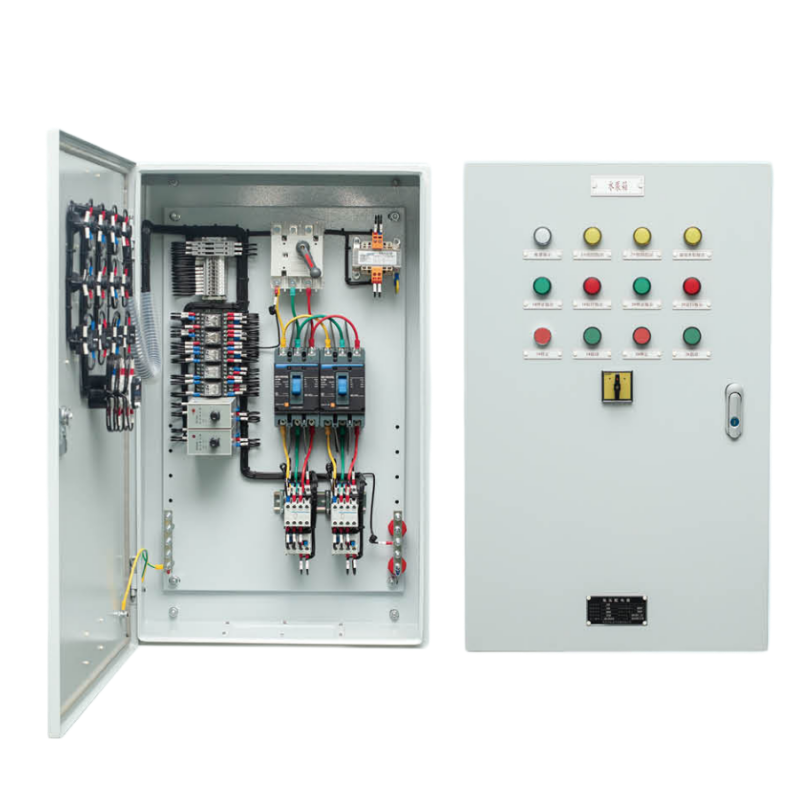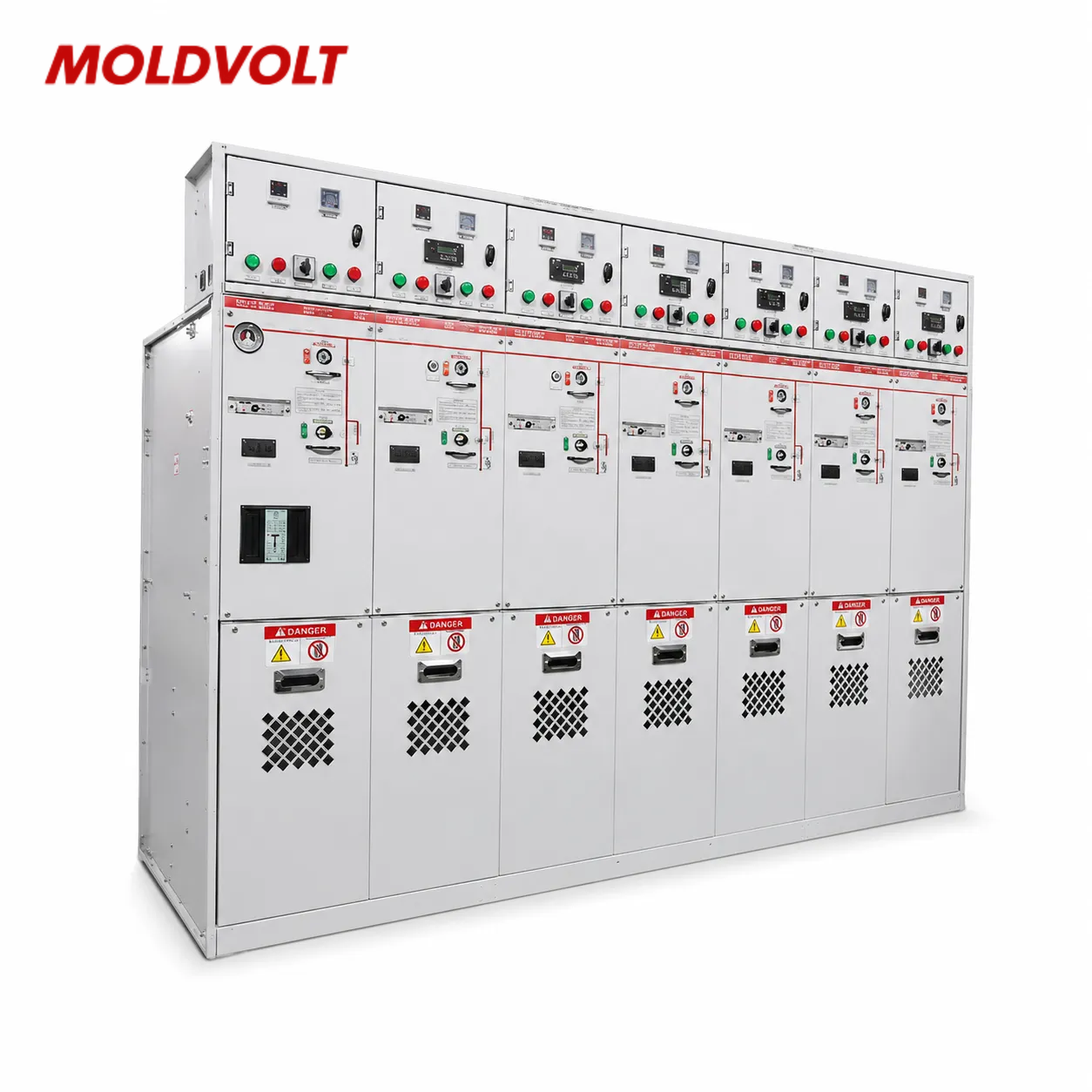
Indoor Switchgear Unit: 12 Reliable LV Options for Commercial & Industrial Use

All Categories
Customer Reviews of Indoor Switchgear Units

Customer Reviews of Indoor Switchgear Units

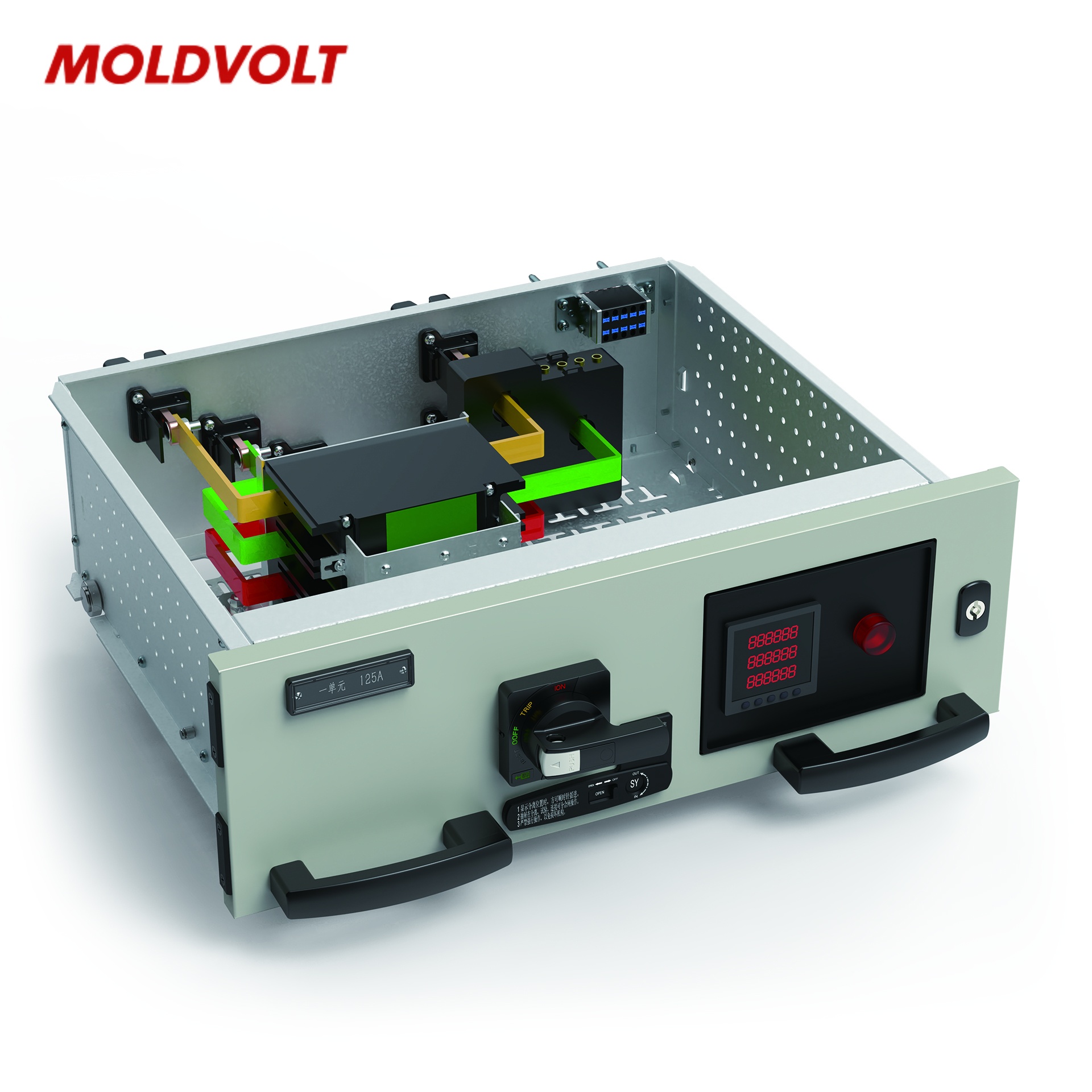
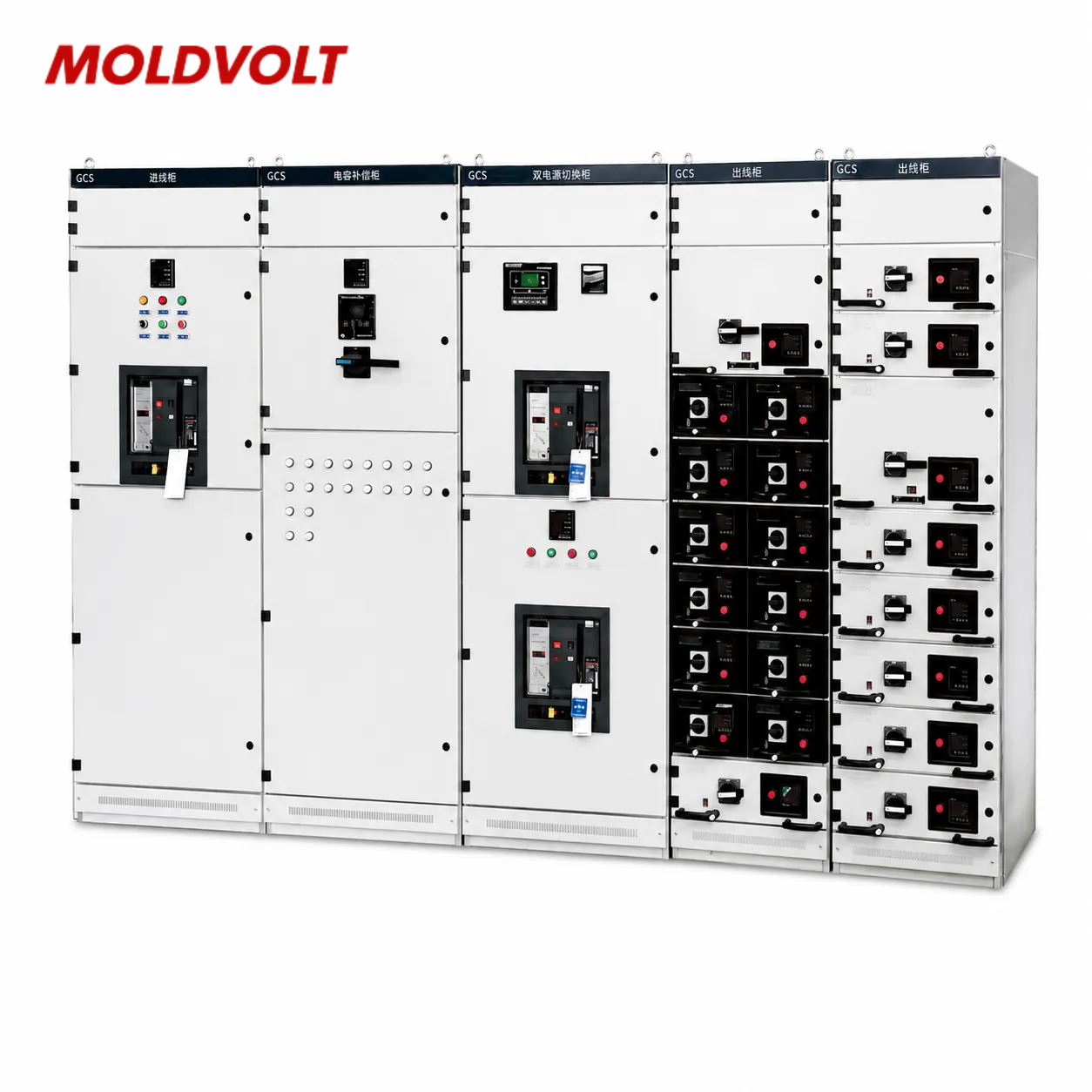
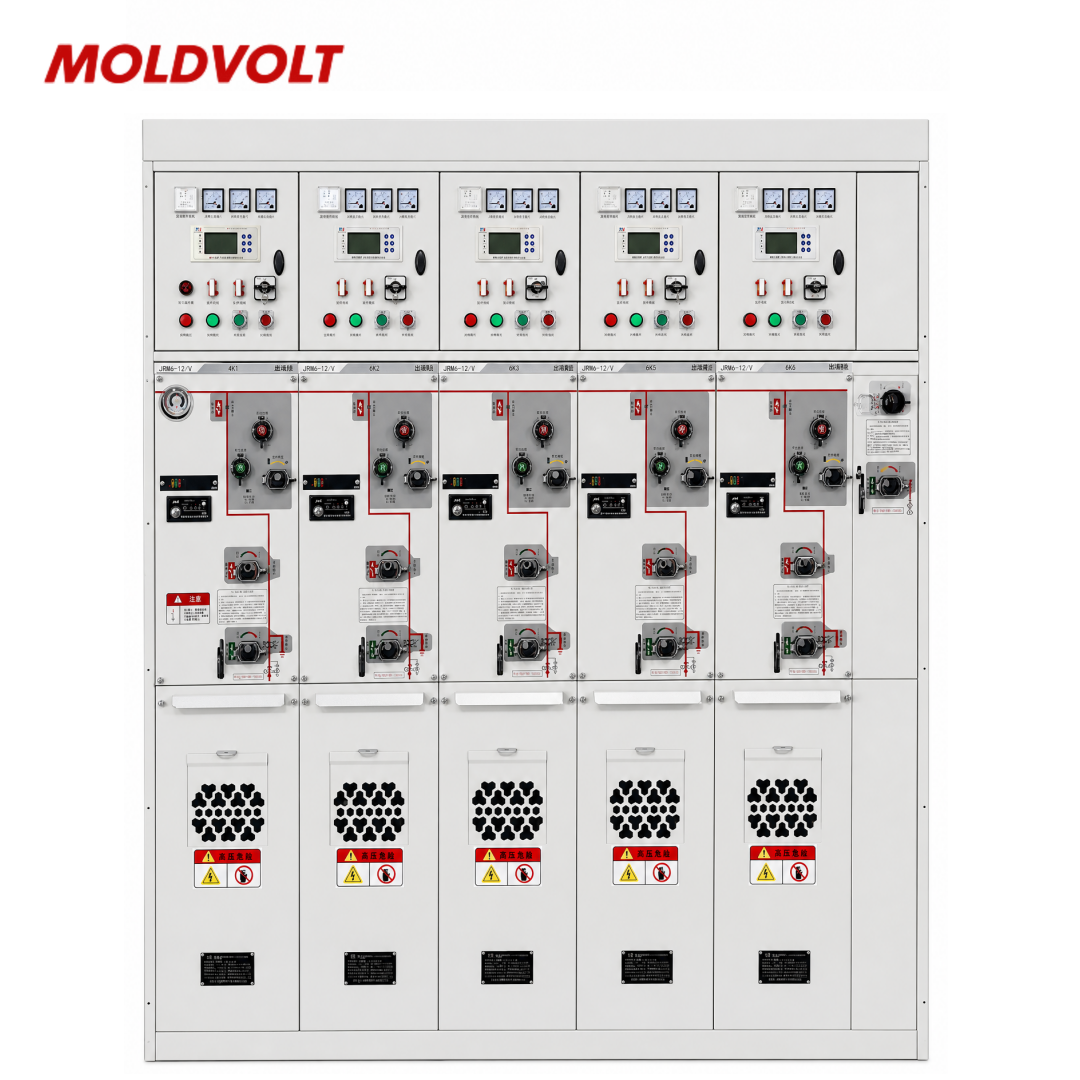
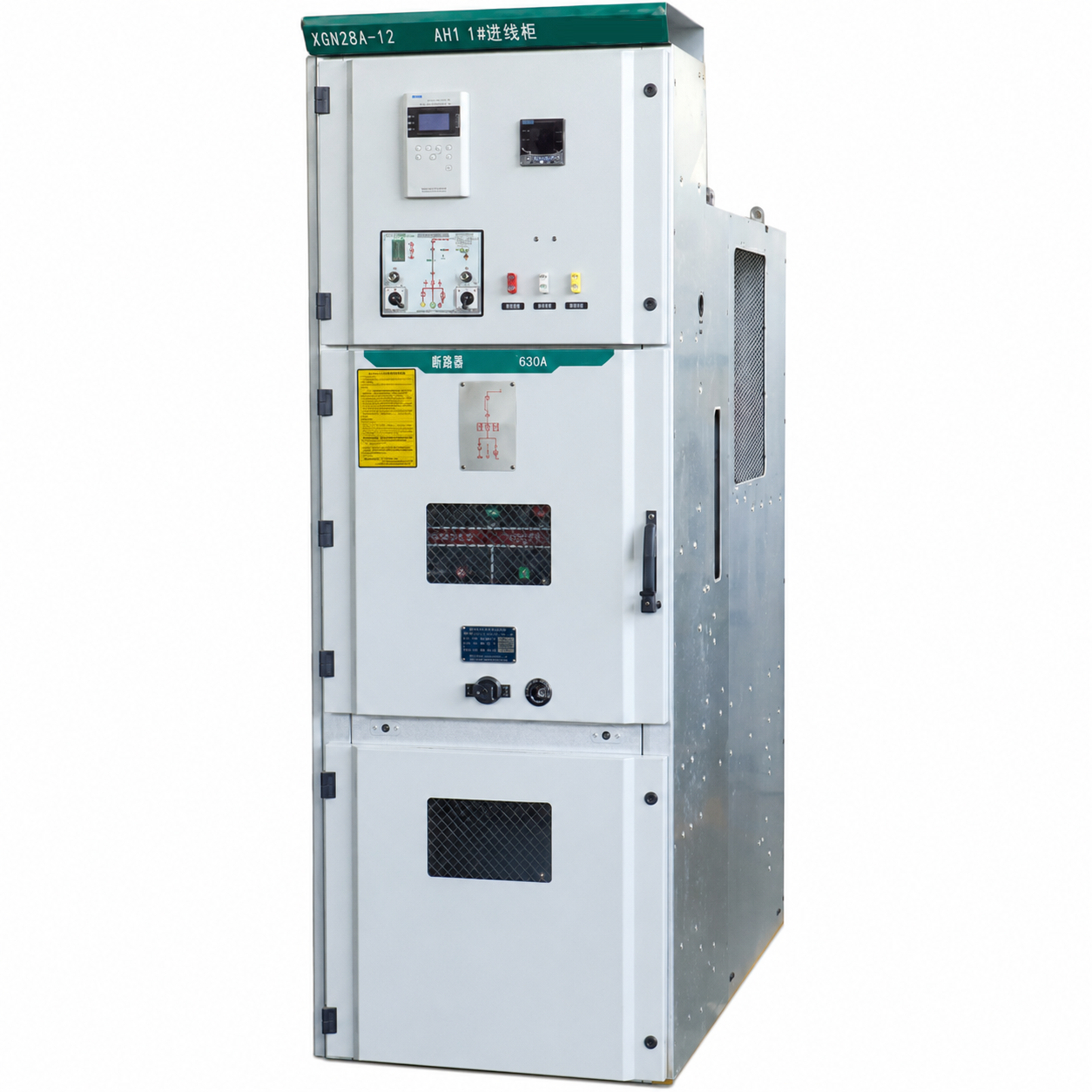
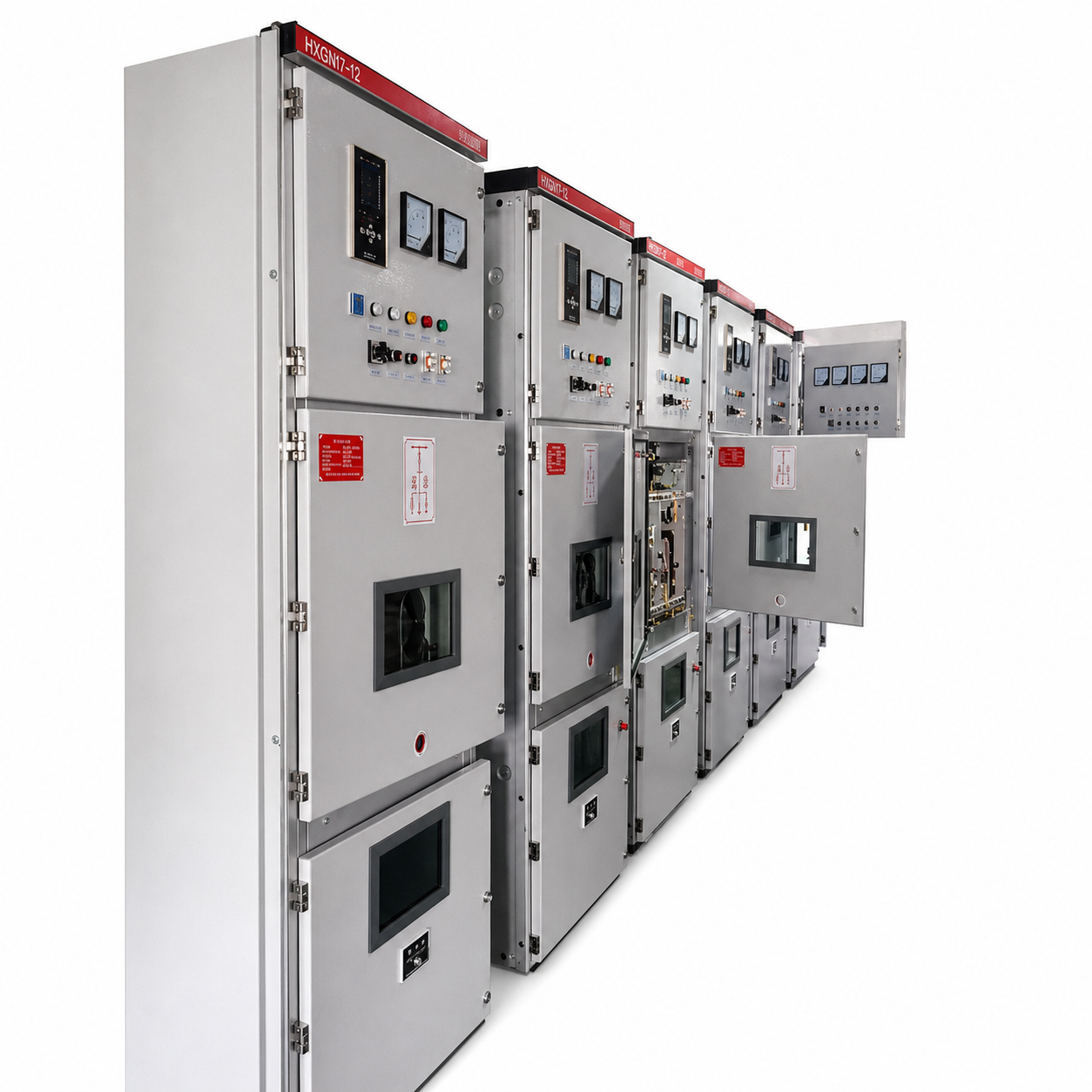
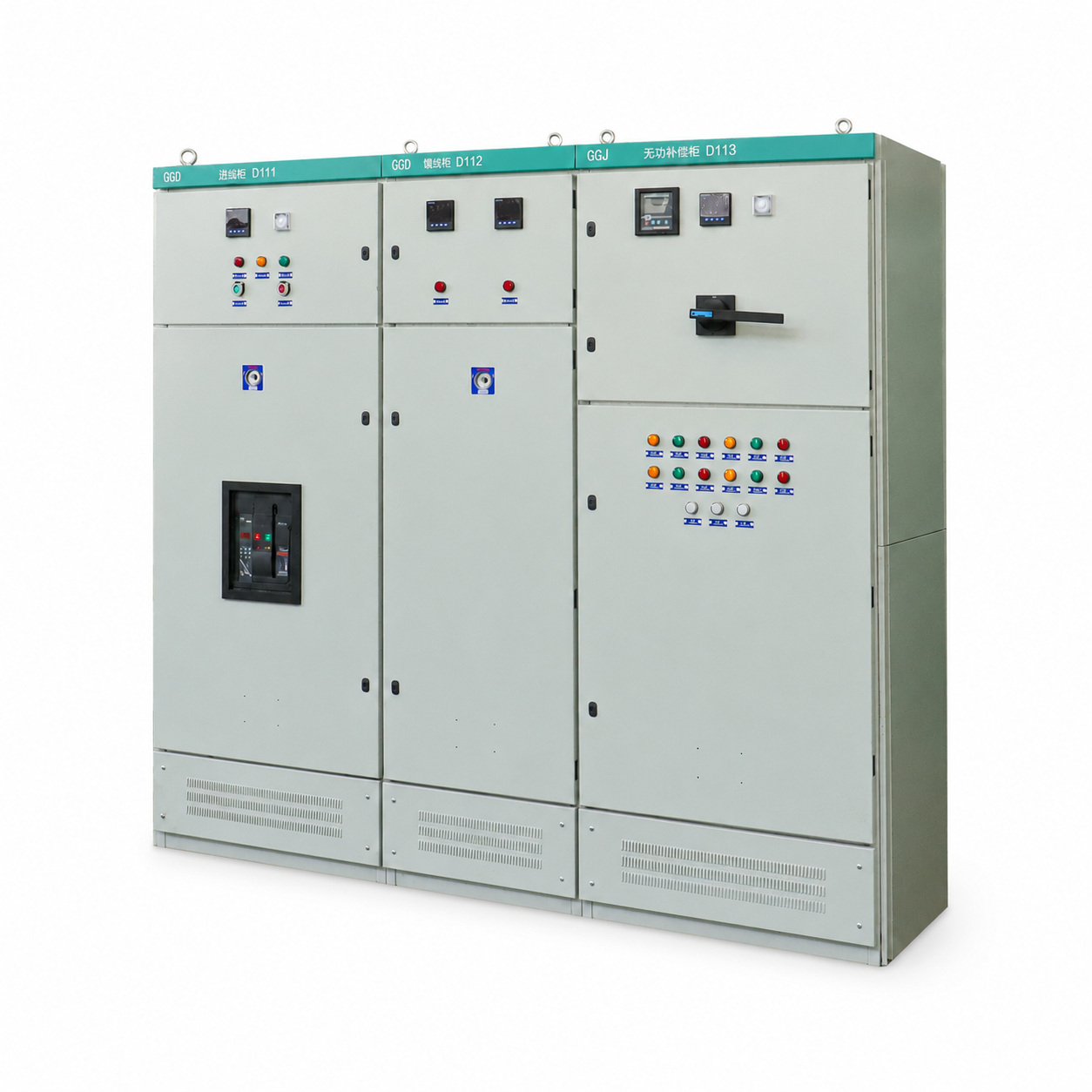
An indoor switchgear unit provides an organized solution for controlling, isolating, and protecting electrical circuits in factories, commercial buildings, and infrastructure facilities. Volt Cabinet offers enclosure solutions that can be configured around project dimensions, equipment arrangements, cable entries, and installation conditions. Indoor installation helps protect suitable electrical components from direct weather exposure, while appropriate enclosure ratings address dust, moisture, and other environmental factors. For example, a manufacturing facility upgrading its distribution room can benefit from clearly arranged feeders and accessible inspection points. Engineers should verify rated voltage, current, short-circuit withstand capacity, and applicable standards before selection. Careful specification supports safe operation, maintainability, and effective integration into existing electrical networks.
Get A Quote

Case Study

Indoor Switchgear for Manufacturing Facilities

Manufacturing facilities rely on stable electrical distribution to operate production machinery, motor control systems, and auxiliary equipment. An indoor switchgear unit can organize switching and protection components within a dedicated electrical room. For a factory expanding its production capacity, the equipment layout may need additional outgoing feeders, clear circuit identification, and sufficient access for maintenance. Proper planning helps coordinate cable routing and equipment placement before installation begins. Engineers must evaluate load requirements, fault levels, ventilation, clearances, and the room environment. A project-specific configuration can support efficient installation and ongoing inspection when designed and installed according to applicable electrical standards.

Indoor Switchgear for Commercial Buildings

Commercial buildings require coordinated electrical distribution for lighting, HVAC systems, elevators, and tenant equipment. Indoor switchgear can provide a centralized arrangement for managing incoming supplies and outgoing circuits within a designated electrical room. During a commercial renovation, the selected unit must accommodate existing infrastructure, new loads, and available installation space. For example, a building adding new HVAC equipment may require revised feeder arrangements and verified protection coordination. Detailed drawings and equipment schedules help engineers identify space constraints before procurement. Confirming rated capacity, enclosure protection, ventilation, and maintenance clearances supports appropriate integration and dependable operation throughout the facility.

Indoor Switchgear for Infrastructure Projects

Transportation facilities, water treatment plants, and public infrastructure projects often require indoor electrical equipment designed for specific operating environments. An indoor switchgear unit can support organized power distribution for pumps, ventilation systems, control equipment, and other essential loads. In a water treatment facility upgrade, engineers may need to coordinate multiple feeders while maintaining access for inspection and servicing. Equipment selection should account for system voltage, fault current, ambient temperature, humidity, and applicable regulations. Accurate technical documentation helps contractors plan installation and cable connections. A suitably specified unit supports practical equipment integration and structured maintenance procedures throughout the project's operating lifecycle.

Related products

Volt Cabinet provides electrical cabinet and enclosure solutions for industrial and commercial power distribution projects. An indoor switchgear unit houses electrical switching, isolation, and protection equipment within an enclosure designed for a defined installation environment. Its configuration depends on voltage level, rated current, fault withstand requirements, component selection, and applicable electrical standards. Our project-oriented approach considers enclosure dimensions, structural design, cable entry positions, component arrangement, and maintenance accessibility. These factors are important for manufacturing plants, commercial buildings, data facilities, and infrastructure installations where electrical equipment must fit available space and operating requirements. For example, a factory expanding its production capacity may require additional feeders and a revised switchgear arrangement. Early coordination of electrical drawings, load schedules, and installation clearances helps identify potential integration challenges before procurement. Enclosure protection must also match indoor conditions, including dust, moisture, and ambient temperature. IEC 62208 addresses empty enclosures for low-voltage switchgear assemblies, while completed assemblies must meet their applicable product standards. By aligning technical specifications with site conditions, Volt Cabinet helps customers plan practical enclosure solutions for their electrical distribution projects.
Frequently Asked Questions

What Is an Indoor Switchgear Unit Used For?

An indoor switchgear unit houses equipment used to control, isolate, and protect electrical circuits in designated indoor environments. Typical applications include industrial plants, commercial buildings, and infrastructure facilities. The appropriate configuration depends on system voltage, current, fault levels, operating conditions, and applicable electrical standards.
Determine the required voltage rating, continuous current, short-circuit withstand capacity, circuit quantity, and available installation space. Consider cable entry arrangements, maintenance clearances, ventilation, and environmental conditions. Provide electrical drawings and load information so qualified engineers can evaluate equipment compatibility and confirm the appropriate configuration.
Yes, enclosure dimensions, component layouts, cable entry positions, and access arrangements may be tailored to project requirements, depending on the selected equipment. Customization should be assessed against electrical ratings, thermal performance, safety requirements, and applicable standards. Provide drawings and specifications before requesting a quotation.
The appropriate rating depends on the installation environment and exposure to dust, moisture, and other contaminants. A clean electrical room may require different protection from a dusty industrial workshop. Engineers should assess actual site conditions and applicable standards before specifying the enclosure rating.
Applicable standards depend on voltage level, equipment design, market, and intended application. Low-voltage assemblies may fall under the IEC 61439 series, while medium-voltage switchgear may require different standards. Confirm the relevant requirements, testing obligations, and certification expectations with the project engineer before procurement.

Related article

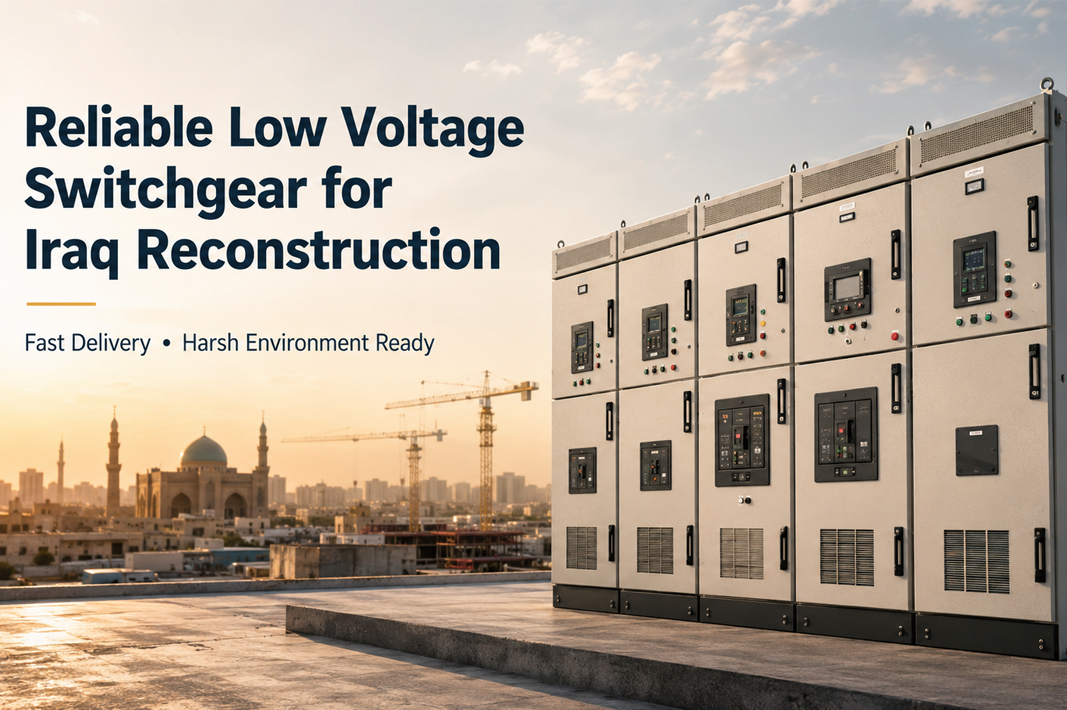
Cost-Effective Low Voltage Switchgear for Iraq: Compatible with Blokset, Okken & 8PT | Local Assembly Options

16

Sep

Cost-Effective Low Voltage Switchgear for Iraq: Compatible with Blokset, Okken & 8PT | Local Assembly Options

View More
How to customize cabinet dimensions to fit existing switchgear layouts?

26

Sep

How to customize cabinet dimensions to fit existing switchgear layouts?

Step 1: Accurate Site Assessment and Dimensional BenchmarkingMeasuring mechanical layout, clearances, and structural constraints in legacy electrical roomsA successful retrofit begins with a meticulous site survey. Older electrical rooms rarely match...
View More
Insulator dimension design follows international high voltage standards strictly.

16

Oct

Insulator dimension design follows international high voltage standards strictly.

Core IEC Standards Governing Insulator Dimension Design IEC 60383: Mechanical and Electrical Requirements for Ceramic and Glass Insulators The IEC 60383 series defines the mechanical and electrical test regimes that ceramic and glass insulators mus...
View More
What electrical switchgear testing items are required before site commissioning?

21

Oct

What electrical switchgear testing items are required before site commissioning?

Insulation Integrity and Dielectric Strength Verification Megger testing of busbars, cables, and instrument transformer circuits Megger testing is a foundational pre-commissioning check for electrical switchgear, measuring insulation resistance (IR...
View More

Customer Testimonials

Michael Turner

Our industrial facility needed an indoor switchgear solution with an organized component layout. The project-specific configuration helped simplify installation planning, improve equipment accessibility, and support routine electrical inspections.

David Wilson

We evaluated an indoor switchgear unit for a commercial building upgrade. The enclosure layout accommodated our project requirements and helped coordinate cable routing, circuit identification, and maintenance access.

Get a Free Quote

Our representative will contact you soon.
Email
Mobile/WhatsApp
Name
Company Name
Message
0/1000
Flexible Enclosure Configurations for Indoor Installations

Flexible Enclosure Configurations for Indoor Installations

Indoor electrical rooms vary significantly in available space, equipment density, cable access, and maintenance requirements. A well-planned switchgear enclosure should accommodate the selected components while preserving the clearances required for safe installation and servicing. Volt Cabinet considers project-specific dimensions, internal arrangements, cable entry locations, and enclosure construction when evaluating customer requirements. For example, a commercial building modernization may require new outgoing circuits within an existing electrical room. Reviewing site measurements and equipment drawings early can help identify spatial conflicts before procurement. The final configuration must be validated against electrical ratings, thermal requirements, applicable standards, and manufacturer instructions to support reliable integration into the distribution system.
Engineering Coordination for Reliable Electrical Performance

Engineering Coordination for Reliable Electrical Performance

Selecting indoor switchgear requires more than matching cabinet dimensions to an available room. Engineers must evaluate rated voltage, continuous current, short-circuit withstand capacity, protection coordination, and the operating environment. These requirements influence equipment selection, internal layout, ventilation, and enclosure protection. For instance, a manufacturing facility adding automated production equipment may need revised feeder arrangements and additional circuit protection. Reviewing electrical load schedules and single-line diagrams helps establish the required configuration before installation. Volt Cabinet supports project discussions around enclosure requirements and equipment integration. Final designs should be reviewed by qualified electrical professionals and verified against applicable standards, ensuring the specified assembly is suitable for its intended service conditions.

Get a Free Quote

Our representative will contact you soon.
Email
Mobile/WhatsApp
Name
Company Name
Message
0/1000