High Voltage Disconnector: 110kV–220kV Isolation Solutions

All Categories

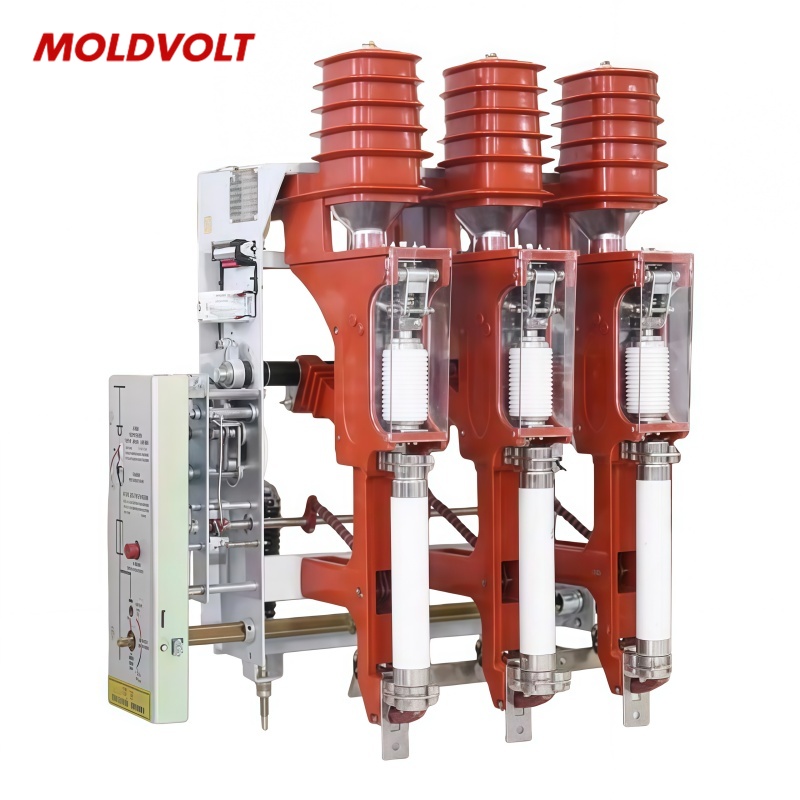
High voltage disconnectors provide visible electrical isolation for substations, transmission networks, and industrial power distribution systems. Designed to separate electrical circuits under specified operating conditions, they help maintenance teams establish safer working environments around transformers, circuit breakers, and other high voltage equipment. Available in different voltage ratings, installation configurations, and operating mechanisms, these devices can accommodate indoor and outdoor applications. Their robust contact structures and mechanical components support dependable operation under demanding environmental conditions. Whether integrated into a 35kV distribution system or a 110kV substation, properly selected disconnectors contribute to operational flexibility, maintenance efficiency, and reliable power infrastructure management.
Get A Quote

Case Study

Substation Electrical Isolation

A utility substation requires reliable isolation equipment to support routine inspections and maintenance of transformers, circuit breakers, and busbar systems. High voltage disconnectors provide a visible isolation point, helping maintenance personnel establish the required electrical separation before work begins. For installations operating at 110kV, equipment selection must consider rated voltage, rated current, short-time withstand current, and insulation requirements. The disconnector is coordinated with associated circuit breakers and protection systems to ensure correct operating procedures. Suitable installation arrangements and mechanical interlocking further support operational safety and reduce the risk of incorrect switching during maintenance activities.

Industrial Power Distribution Systems

Large manufacturing facilities depend on stable high voltage distribution networks to supply production equipment, transformers, and auxiliary electrical systems. A high voltage disconnector can provide an effective isolation point for maintenance operations and equipment inspections. For example, a facility using a 35kV distribution system may install disconnectors at incoming feeders and transformer connections according to its electrical design. Selecting suitable contact materials, insulation structures, and operating mechanisms helps maintain dependable performance under continuous service conditions. Proper coordination with circuit breakers ensures that disconnectors are not used to interrupt loads beyond their specified switching capabilities.

Outdoor Transmission Network Protection

Outdoor transmission substations require disconnectors capable of maintaining insulation and mechanical reliability under changing environmental conditions. Rain, dust, temperature fluctuations, and wind exposure can influence equipment performance over time. For a 220kV transmission installation, engineers must evaluate insulation coordination, creepage distance, rated current, and short-time withstand capacity when selecting suitable equipment. Outdoor disconnectors provide visible circuit isolation for maintenance and inspection activities across transmission infrastructure. Appropriate structural support, grounding arrangements, and periodic mechanical inspections help maintain reliable operation. Correct equipment positioning also improves maintenance accessibility and supports more efficient substation management.

Related products

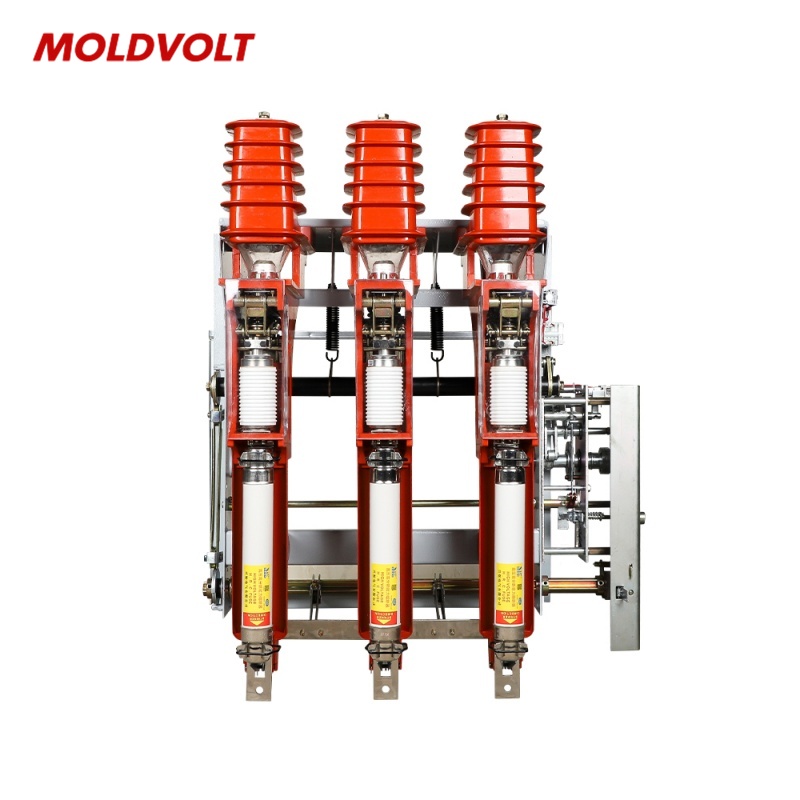
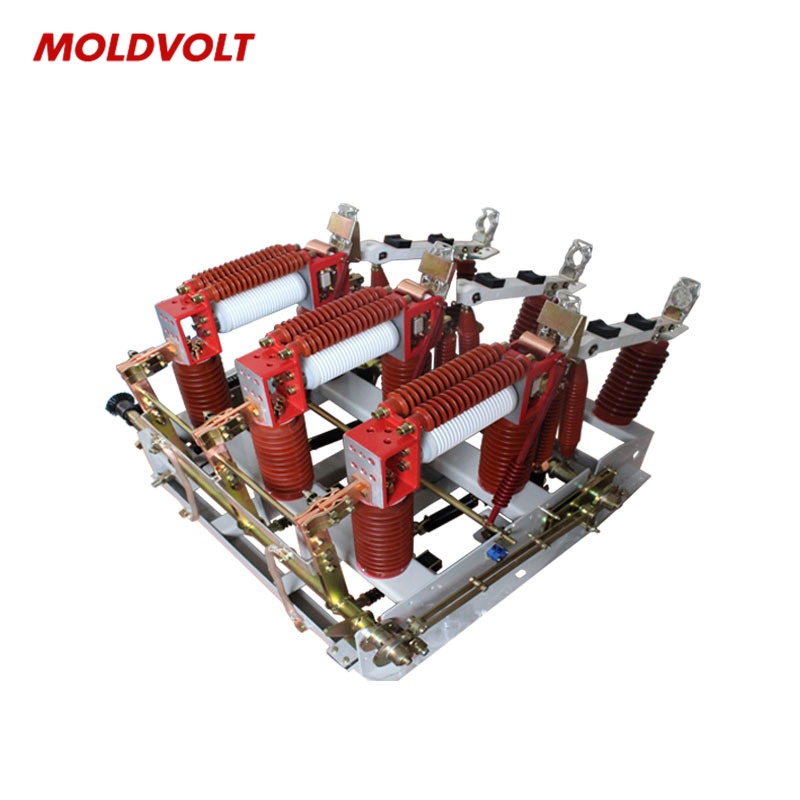
High voltage disconnectors, also known as isolators, are essential components in electrical substations and transmission systems. Their primary function is to establish a visible isolation gap between electrical circuits and equipment, allowing maintenance personnel to work under properly isolated and grounded conditions. Unlike circuit breakers, conventional disconnectors are generally not designed to interrupt normal load currents or fault currents. Their operation must follow the electrical system's switching procedures and equipment specifications. Product configurations include horizontal center-break, double-break, vertical-break, and pantograph designs, each suitable for different substation layouts and installation requirements. Manufacturing quality involves contact assembly, conductive component processing, insulation structure production, mechanical linkage installation, and electrical performance testing. Key selection parameters include rated voltage, rated current, short-time withstand current, peak withstand current, and insulation level. For example, 110kV and 220kV substations require disconnectors matched to their system design and operating environment. Proper engineering and quality control help support dependable isolation and long-term service performance.

Frequently Asked Questions

What is the main function of a high voltage disconnector?

A high voltage disconnector establishes a visible isolation gap between electrical equipment and the power supply. It is primarily used during maintenance and inspection procedures to provide electrical separation. It should normally operate after the associated circuit breaker has interrupted the load current.
A disconnector provides electrical isolation but generally cannot interrupt normal load or fault currents. A circuit breaker is designed to switch operating currents and interrupt fault currents. Both devices work together in substations to support electrical protection, operational flexibility, and maintenance safety.
High voltage disconnectors are designed for different system voltage levels, depending on project requirements and manufacturer specifications. Common substation applications include 35kV, 110kV, 220kV, and higher voltage classes. Selection should consider rated voltage, insulation level, and the electrical network configuration.
Common designs include horizontal center-break, double-break, vertical-break, and pantograph disconnectors. Each configuration offers different advantages in terms of installation space, operating mechanism, and substation layout. Engineers should select the appropriate design according to electrical requirements and available installation space.
Maintenance should include inspections of electrical contacts, insulation components, mechanical linkages, operating mechanisms, and grounding connections. Contact resistance measurements and mechanical operation checks can help identify deterioration. All inspection activities must follow applicable electrical safety procedures and manufacturer maintenance recommendations.

Related article

Why cabinet condensation leads to insulation failure in electrical equipment?

21

Sep

Why cabinet condensation leads to insulation failure in electrical equipment?

The Science of Cabinet Condensation: How Temperature, Humidity, and Design InteractDew Point Formation Inside Enclosures Due to Thermal GradientsCondensation inside an electrical cabinet is not simply a matter of seal failure—it is governed by the de...
View More
How to customize cabinet dimensions to fit existing switchgear layouts?

26

Sep

How to customize cabinet dimensions to fit existing switchgear layouts?

Step 1: Accurate Site Assessment and Dimensional BenchmarkingMeasuring mechanical layout, clearances, and structural constraints in legacy electrical roomsA successful retrofit begins with a meticulous site survey. Older electrical rooms rarely match...
View More
What switchgear maintenance items prevent unexpected power outage risks?

10

Oct

What switchgear maintenance items prevent unexpected power outage risks?

Top 3 Root Causes of Switchgear-Related Power Outages Insulation degradation and partial discharge: leading precursors to cascade failure Insulation systems in switchgear degrade gradually under electrical, thermal, and environmental stress. Cracks...
View More
What electrical switchgear testing items are required before site commissioning?

21

Oct

What electrical switchgear testing items are required before site commissioning?

Insulation Integrity and Dielectric Strength Verification Megger testing of busbars, cables, and instrument transformer circuits Megger testing is a foundational pre-commissioning check for electrical switchgear, measuring insulation resistance (IR...
View More

Customer Testimonials

Michael Brown

The disconnector provided dependable electrical isolation for our substation project. Its robust mechanical structure and clear operating position simplified maintenance procedures and improved equipment safety.

James Wilson

We selected this disconnector for a high voltage distribution application. Its stable mechanical operation and practical installation design supported reliable isolation during scheduled maintenance.

Get a Free Quote

Our representative will contact you soon.
Email
Mobile/WhatsApp
Name
Company Name
Message
0/1000
Robust Mechanical Operating Structure

Robust Mechanical Operating Structure

Mechanical reliability is essential for high voltage disconnectors operating in substations and outdoor transmission installations. The operating structure must provide consistent contact movement, stable closing pressure, and dependable isolation positioning throughout repeated operating cycles. Carefully designed transmission linkages and supporting structures help maintain mechanical alignment while accommodating different installation configurations. For applications involving 110kV and 220kV equipment, structural strength and operating precision are particularly important because of the electrical and environmental demands associated with high voltage installations. Appropriate mechanical testing and routine inspections help identify wear, misalignment, or operating resistance before these issues affect equipment availability. A reliable mechanism supports safer switching procedures and more efficient maintenance operations.
Reliable Electrical Contact Performance

Reliable Electrical Contact Performance

Electrical contact performance directly influences the operating reliability of high voltage disconnectors. Contact components must maintain suitable conductivity, mechanical pressure, and thermal stability under their specified rated current conditions. Carefully selected conductive materials and precision manufacturing processes help reduce unnecessary contact resistance and localized heating. For example, disconnectors installed in 35kV industrial distribution networks must accommodate the electrical loading and short-time withstand requirements defined by the project. Contact inspection and resistance measurements provide useful information about equipment condition during scheduled maintenance. Combined with appropriate contact design and installation quality, these measures help maintain stable electrical connections and support dependable long-term operation.

Get a Free Quote

Our representative will contact you soon.
Email
Mobile/WhatsApp
Name
Company Name
Message
0/1000