Safety Switchgear Solutions: Reliable Electrical Protection

All Categories
Safety Switchgear Solutions for Reliable Electrical Protection

Safety Switchgear Solutions for Reliable Electrical Protection

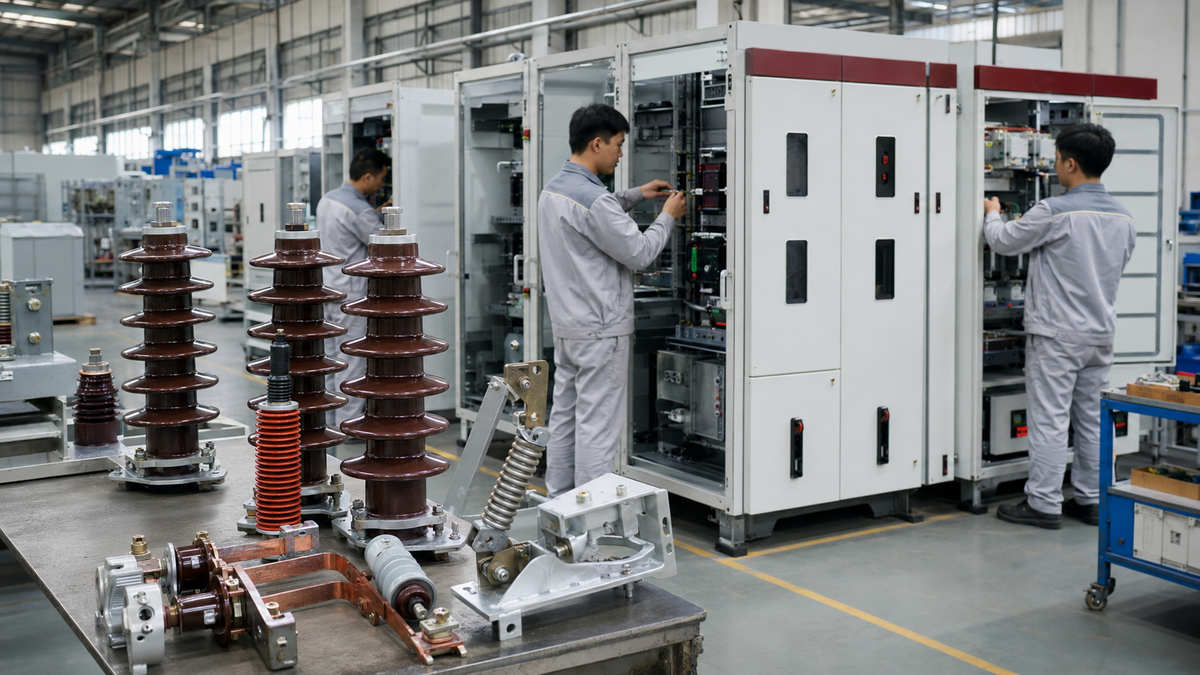
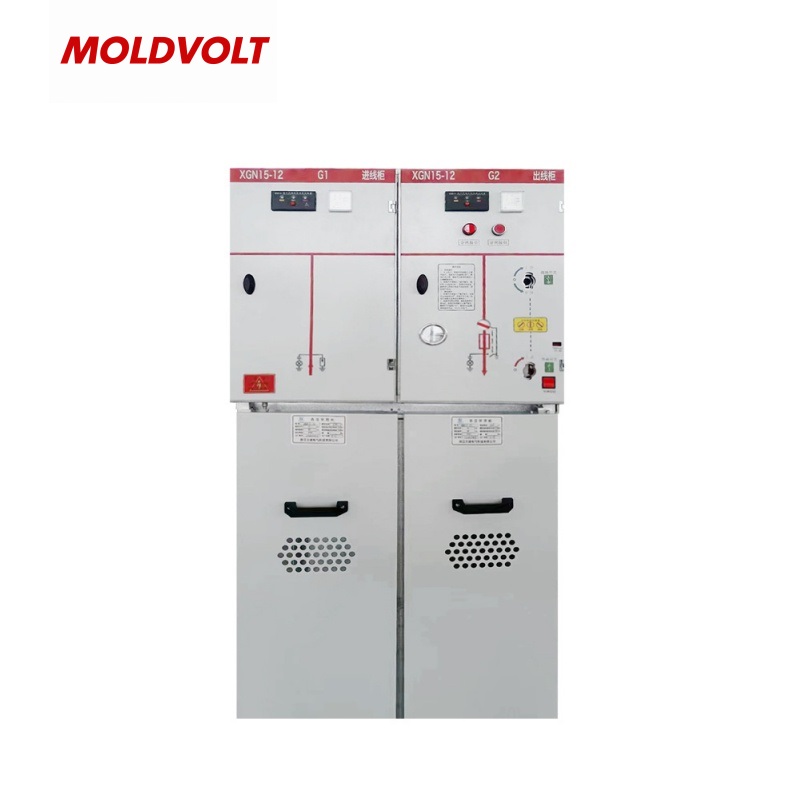
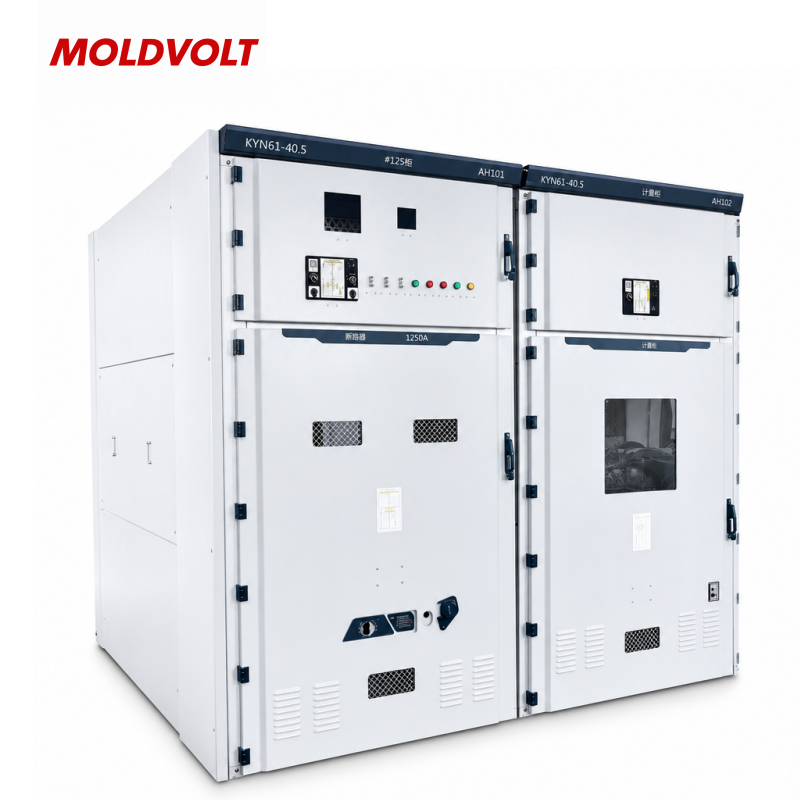
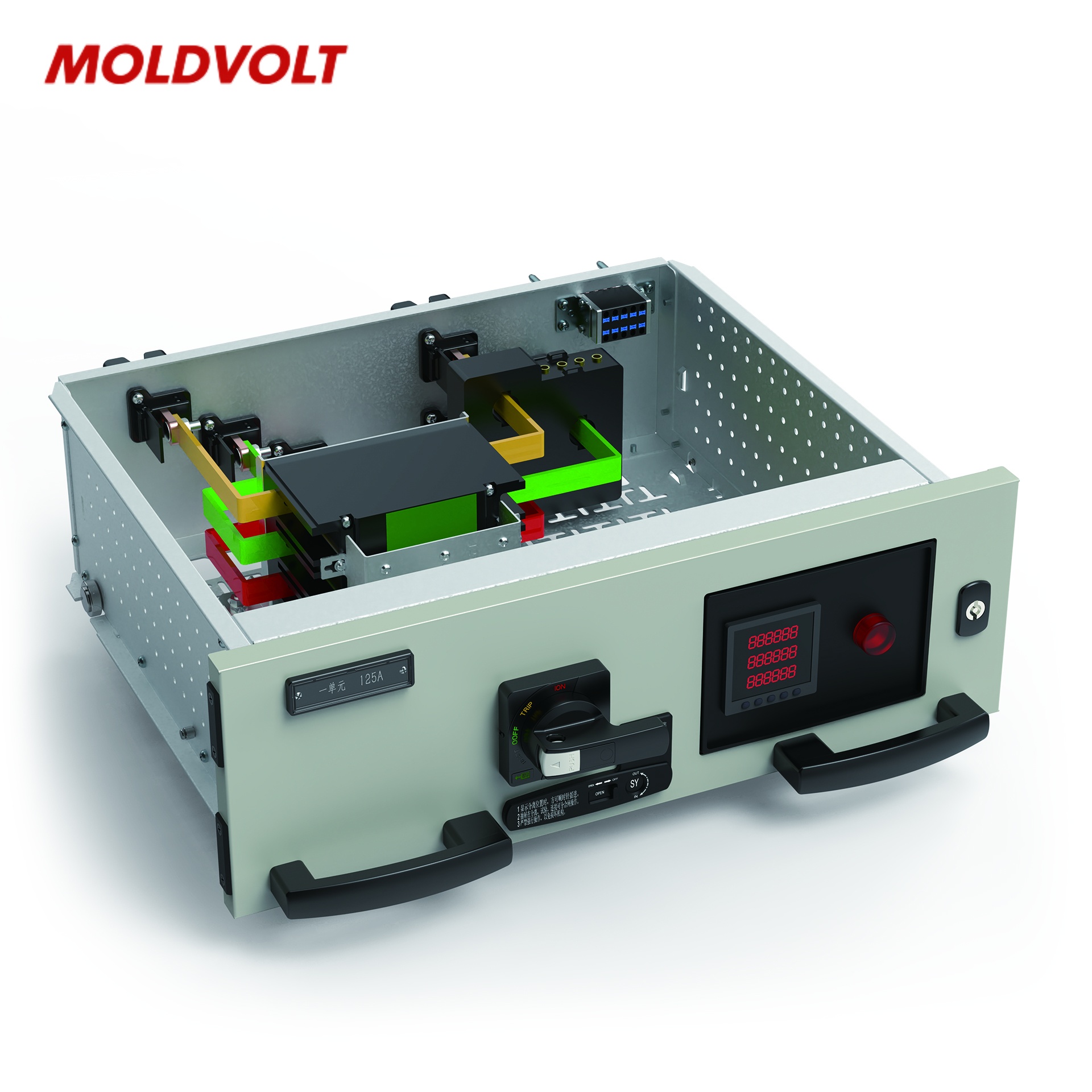
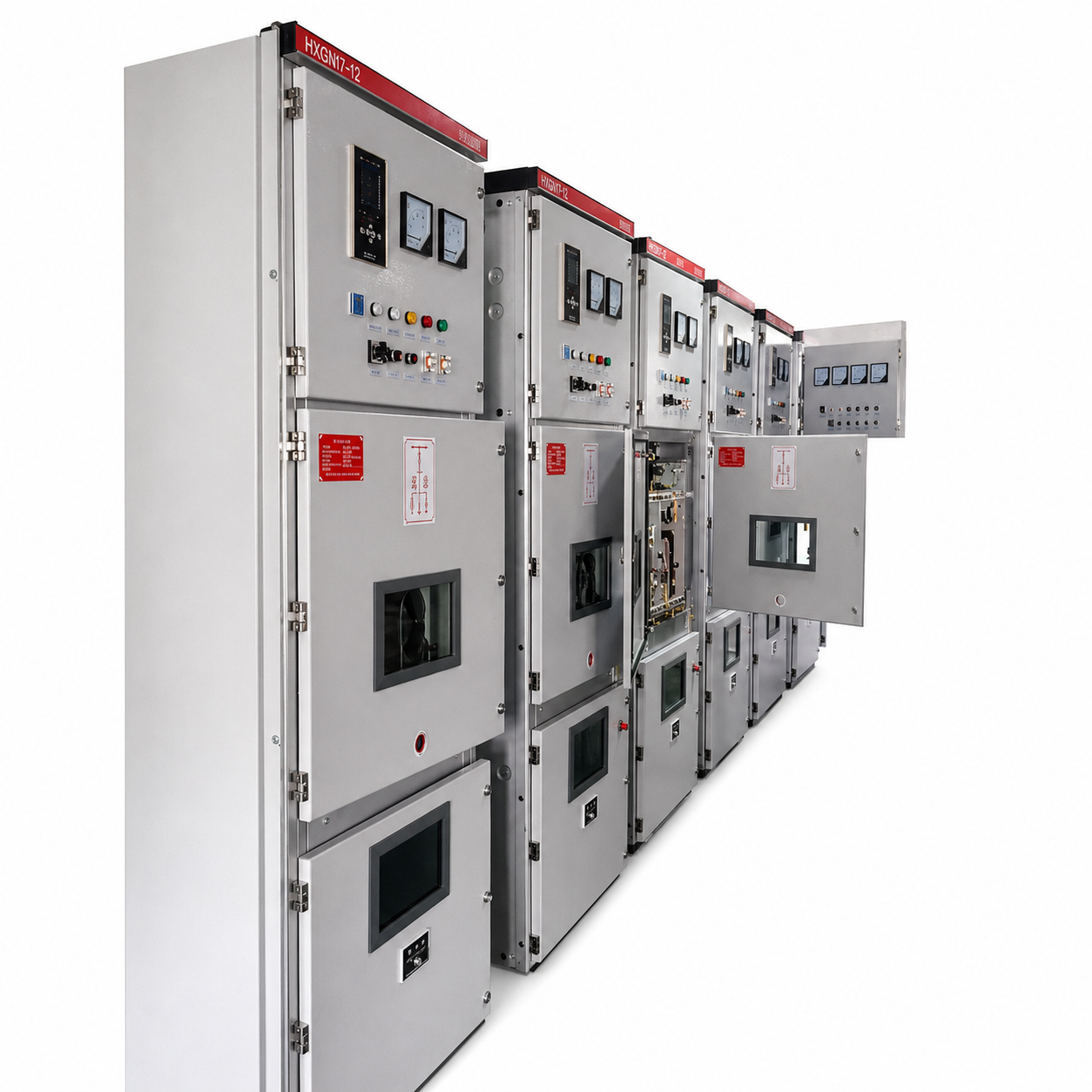
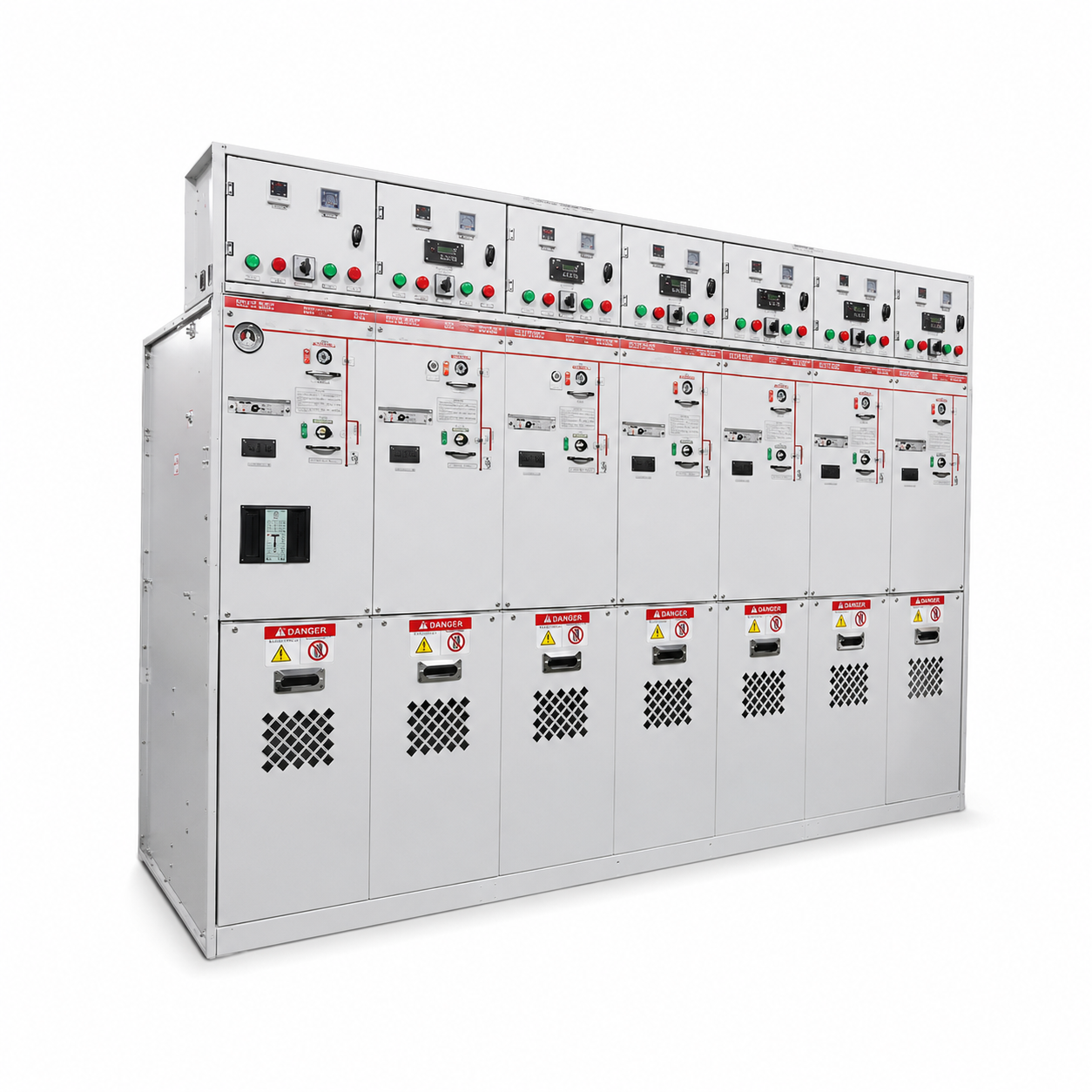
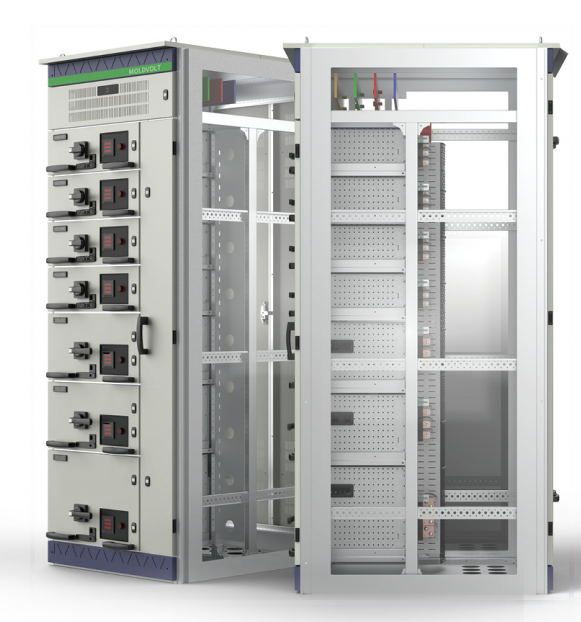
Safety switchgear helps protect electrical systems by supporting controlled switching, circuit isolation, and interruption of fault currents. It is used in manufacturing facilities, commercial buildings, utility substations, and infrastructure projects where electrical safety and operational continuity are priorities. Depending on the system, assemblies may include circuit breakers, protective relays, disconnectors, interlocks, and monitoring devices. Engineers should evaluate rated voltage, continuous current, short-circuit capacity, insulation requirements, and operating conditions before selecting equipment. For example, a factory with multiple production feeders may require coordinated protection and clearly defined isolation points for maintenance. VoltCabinet supports project-based electrical equipment selection, helping buyers assess configurations against documented technical requirements and applicable standards.
Get A Quote

Case Study

Industrial Equipment Protection

Industrial facilities rely on electrical protection to help safeguard machinery, distribution circuits, and personnel from electrical hazards. Properly specified safety switchgear can provide circuit interruption, controlled isolation, and coordinated protection for production equipment. In a hypothetical factory with three production lines, engineers may define separate feeder protection and maintenance isolation procedures for each area. Selection should account for motor loads, prospective fault current, enclosure conditions, and the coordination of protective devices. Clear equipment labeling and documented operating procedures further support safe maintenance. The final design must meet applicable electrical standards and site safety requirements; switchgear alone cannot eliminate every operational hazard.

Commercial Building Power Distribution

Commercial buildings require dependable electrical distribution for lighting, HVAC equipment, elevators, and essential building services. Safety switchgear can support circuit protection and isolation while helping technicians manage electrical maintenance activities. For a hypothetical office complex with four distribution zones, engineers should evaluate load demand, fault levels, protective device coordination, and access to switching equipment. Appropriate enclosure design and clear circuit identification can simplify inspection and help reduce the risk of operating errors. Equipment selection should also consider applicable building codes and emergency power requirements. Proper installation, commissioning, and maintenance procedures are essential to achieving the intended protection and operational performance.

Utility and Infrastructure Protection

Utility substations and infrastructure facilities need switchgear matched to their voltage levels, fault conditions, and operating requirements. Safety-focused configurations can incorporate circuit breakers, protective relays, interlocking mechanisms, and isolation provisions where appropriate. In a hypothetical water treatment facility with three major electrical sections, engineers may coordinate protection settings and maintenance procedures to support controlled servicing. The equipment must be rated for the network's electrical conditions and installed according to approved drawings and safety requirements. Reviewing technical documentation before procurement helps verify suitability and component compatibility. Actual protection performance depends on equipment design, system coordination, correct installation, and consistent adherence to operating procedures.

Related products

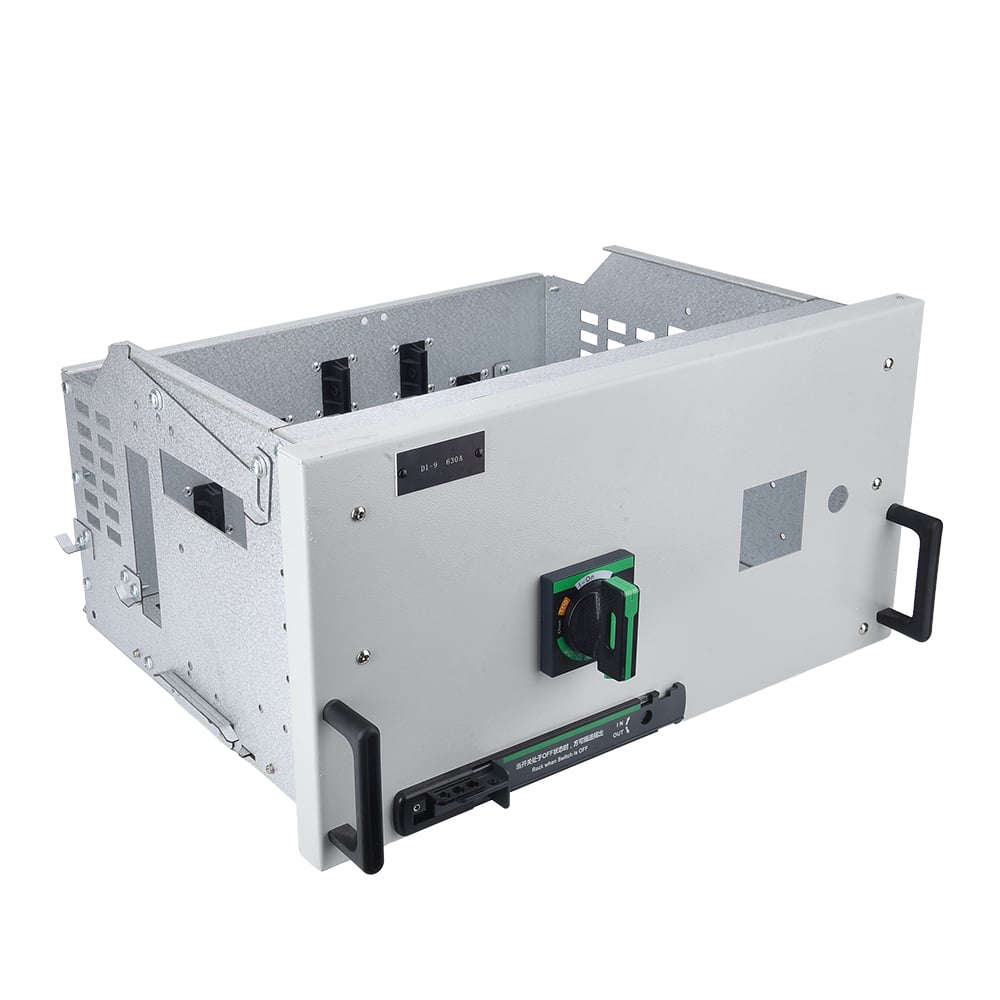
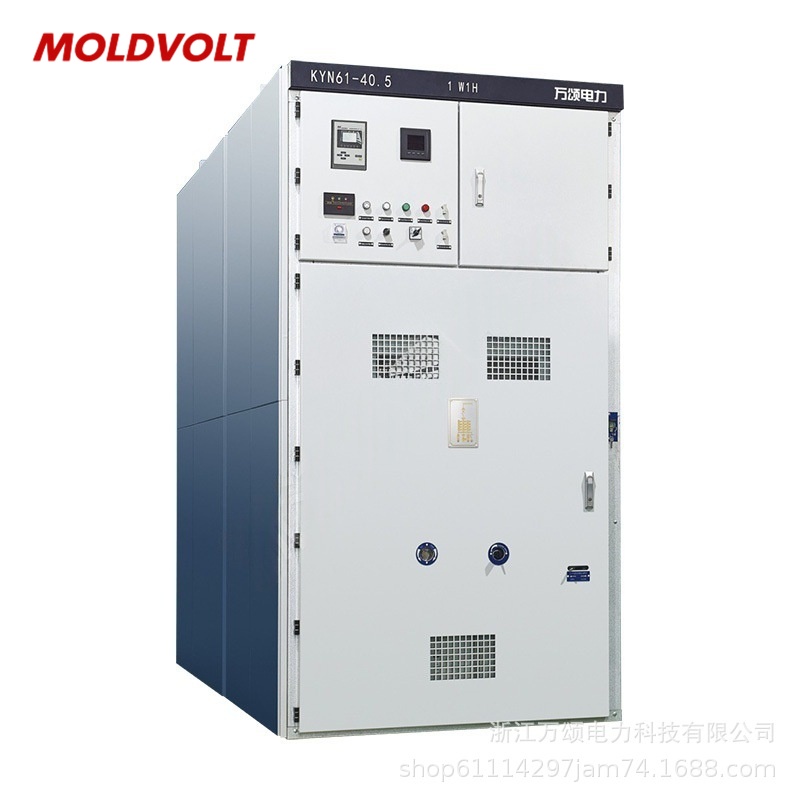
Safety switchgear combines electrical switching and protective devices to help manage power distribution and reduce risks associated with abnormal electrical conditions. Common applications include factories, commercial buildings, utility substations, water treatment plants, and infrastructure installations. Depending on the design, assemblies may contain circuit breakers, fuses, protective relays, disconnectors, interlocks, and monitoring instruments. Selecting suitable equipment requires evaluating rated voltage, operating current, short-circuit withstand or interruption ratings, insulation performance, and installation conditions. Protection coordination is especially important because improperly matched devices may cause unnecessary outages or inadequate fault protection. VoltCabinet supports project-oriented electrical equipment sourcing by helping buyers assess technical specifications and configuration requirements. For example, a facility with several motor feeders may need coordinated protective devices and clearly documented isolation procedures. Buyers should provide electrical drawings, load data, fault calculations, and applicable standards when requesting a quotation. Final equipment selection, testing documentation, and compliance must be verified for the intended installation.
Frequently Asked Questions

What is the main purpose of safety switchgear?

Safety switchgear helps control electrical circuits, interrupt fault currents, and isolate equipment for maintenance. Depending on the design, it may include circuit breakers, protective relays, fuses, and interlocks. Effective protection also requires correct equipment ratings, coordinated settings, proper installation, and established operating procedures.
Assess system voltage, continuous current, prospective short-circuit current, load characteristics, installation environment, and maintenance requirements. Confirm that protective devices are coordinated and the equipment meets applicable standards. Consult a qualified electrical engineer and review manufacturer documentation before finalizing specifications or approving procurement.
Safety switchgear is used in manufacturing, commercial buildings, utilities, infrastructure, and industrial processing. These facilities require electrical switching, fault protection, and controlled isolation for different loads and distribution arrangements. The appropriate equipment depends on operating conditions, network characteristics, and project-specific safety requirements.
Depending on the product, useful features may include protective relays, mechanical or electrical interlocks, appropriate enclosure protection, clear circuit labeling, and remote monitoring. These features must be selected for the application and used with suitable procedures. They complement, rather than replace, electrical risk assessments and safe maintenance practices.
Applicable standards depend on voltage class, equipment type, installation location, and market requirements. IEC 60947 covers relevant low-voltage switchgear and controlgear, while medium-voltage equipment may fall under other standards, including applicable IEC 62271 or IEEE C37 series requirements. Confirm the precise standard and edition with the project engineer.

Related article

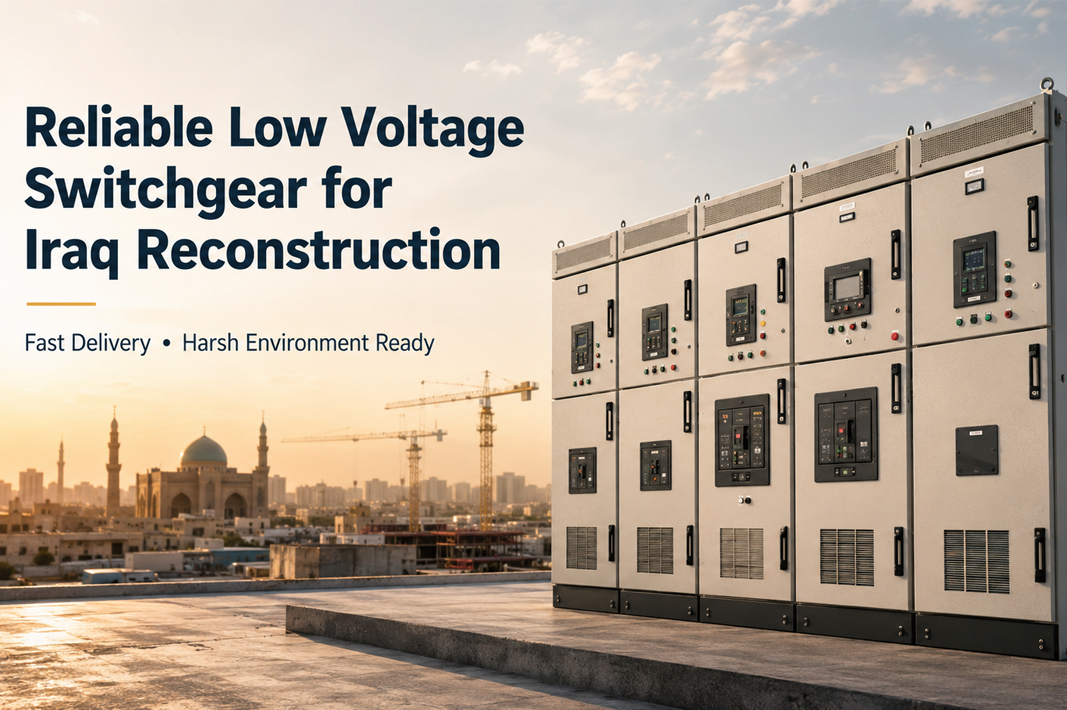
Cost-Effective Low Voltage Switchgear for Iraq: Compatible with Blokset, Okken & 8PT | Local Assembly Options

16

Sep

Cost-Effective Low Voltage Switchgear for Iraq: Compatible with Blokset, Okken & 8PT | Local Assembly Options

View More
From High-Voltage Insulators to Low-Voltage Switchgear: A Vietnamese Manufacturer’s Transformation, Together with Us‌

08

Sep

From High-Voltage Insulators to Low-Voltage Switchgear: A Vietnamese Manufacturer’s Transformation, Together with Us‌

View More
What cable clamp material suits high temperature switchgear cabinets?

19

Sep

What cable clamp material suits high temperature switchgear cabinets?

Understanding High-Temperature Challenges in Switchgear CabinetsTypical Operating Temperatures and Thermal Stress Sources (Busbars, Load Cycling, Enclosure Design)Switchgear cabinets experience elevated temperatures primarily due to resistive losses ...
View More
Why cabinet condensation leads to insulation failure in electrical equipment?

21

Sep

Why cabinet condensation leads to insulation failure in electrical equipment?

The Science of Cabinet Condensation: How Temperature, Humidity, and Design InteractDew Point Formation Inside Enclosures Due to Thermal GradientsCondensation inside an electrical cabinet is not simply a matter of seal failure—it is governed by the de...
View More

Customer Testimonials

James Wilson

Our engineering team evaluated safety switchgear for an industrial upgrade. Reviewing fault ratings, isolation procedures, and enclosure requirements helped clarify the equipment specification for our facility.

Robert Davis

We needed coordinated switching and protection for a commercial distribution system. Reviewing circuit ratings and maintenance access helped our team prepare a more complete procurement specification.

Get a Free Quote

Our representative will contact you soon.
Email
Mobile/WhatsApp
Name
Company Name
Message
0/1000
Coordinated Protection for Electrical Fault Conditions

Coordinated Protection for Electrical Fault Conditions

Electrical protection depends on selecting switching devices and protective relays that match the system's operating conditions. Properly specified safety switchgear can help isolate faults and reduce the risk of damage to cables, transformers, motors, and connected equipment. For example, a manufacturing facility with four outgoing feeders may require protection settings coordinated with the upstream supply and downstream loads. Engineers should review fault calculations, device interrupting ratings, selectivity requirements, and operating procedures before approving the design. Actual performance depends on the complete protection scheme rather than any single component. VoltCabinet supports project specification reviews to help buyers identify relevant equipment requirements and verify technical suitability before procurement.
Safer Maintenance Through Controlled Isolation

Safer Maintenance Through Controlled Isolation

Electrical maintenance requires reliable isolation methods and clearly defined procedures to prevent unintended energization. Depending on the design, safety switchgear may incorporate disconnecting devices, interlocks, and provisions for securing equipment in an isolated state. In a hypothetical industrial facility with three maintenance zones, documented isolation points can help technicians identify the correct circuits before authorized work begins. Equipment selection should consider access arrangements, switching duties, labeling, and compatibility with the site's lockout procedures. Personnel must follow approved safety practices, verify absence of voltage using appropriate methods, and comply with applicable regulations. These measures support safer maintenance but do not replace training, risk assessment, or formal work authorization.
Application-Specific Design for Reliable Electrical Operations

Application-Specific Design for Reliable Electrical Operations

Different electrical installations require different safety and protection arrangements. A commercial building may prioritize distribution circuit protection, while a manufacturing plant may require additional motor protection and carefully coordinated isolation procedures. For a hypothetical facility with five major electrical loads, engineers should evaluate operating current, fault levels, switching frequency, environmental exposure, and maintenance access before specifying equipment. Clear technical documentation helps align the switchgear configuration with the electrical design and the site's operating procedures. VoltCabinet supports project-based equipment evaluation for international buyers seeking suitable electrical distribution solutions. Final ratings, protection features, compliance, and configuration should be confirmed against the approved project specifications.

Get a Free Quote

Our representative will contact you soon.
Email
Mobile/WhatsApp
Name
Company Name
Message
0/1000