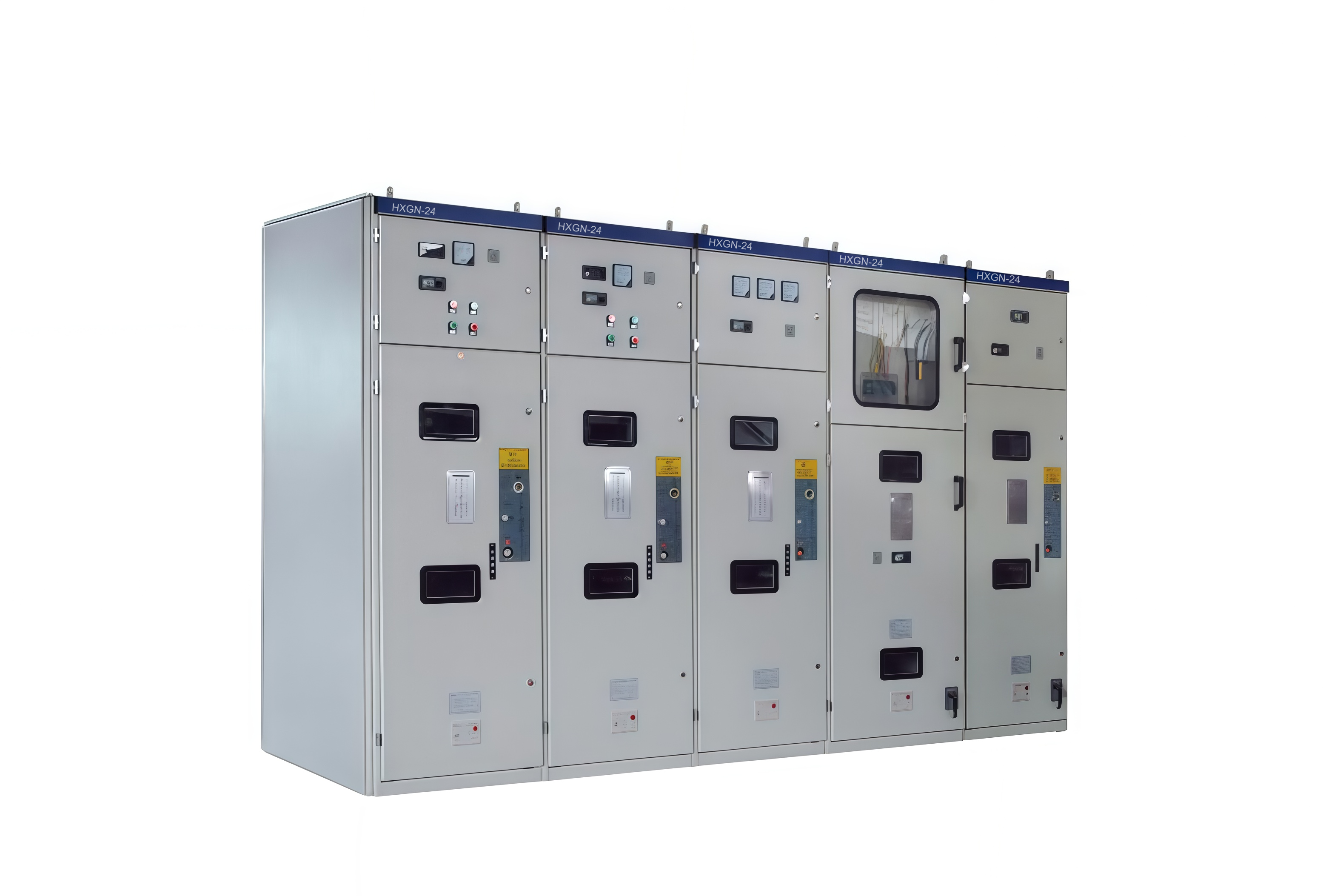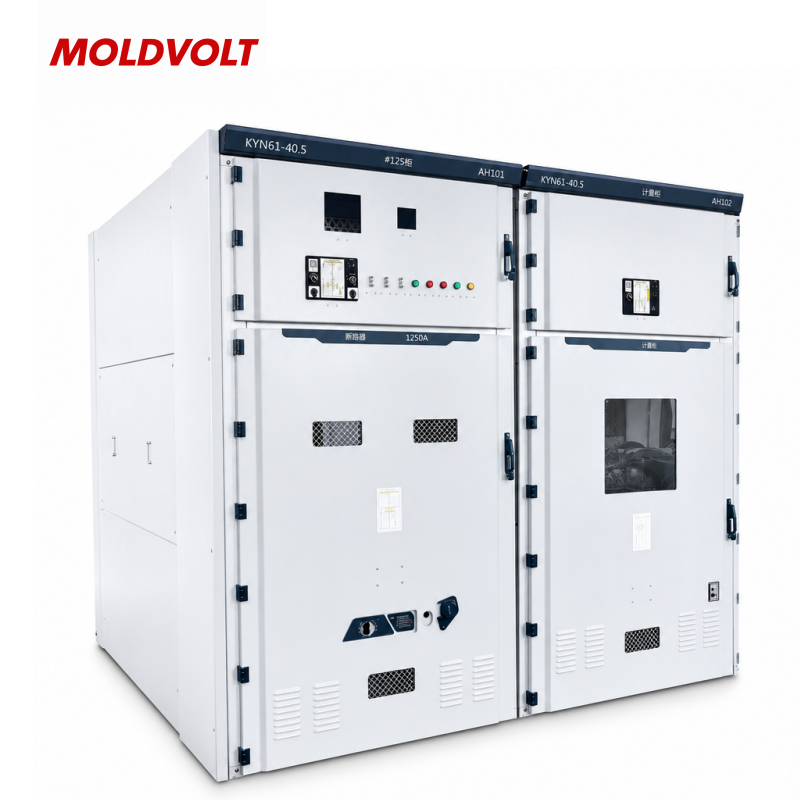
MV Switchgear Panel Solutions | Engineered for Industry & Renewables

All Categories
Customer Experiences With MV Switchgear Panel Solutions

Customer Experiences With MV Switchgear Panel Solutions

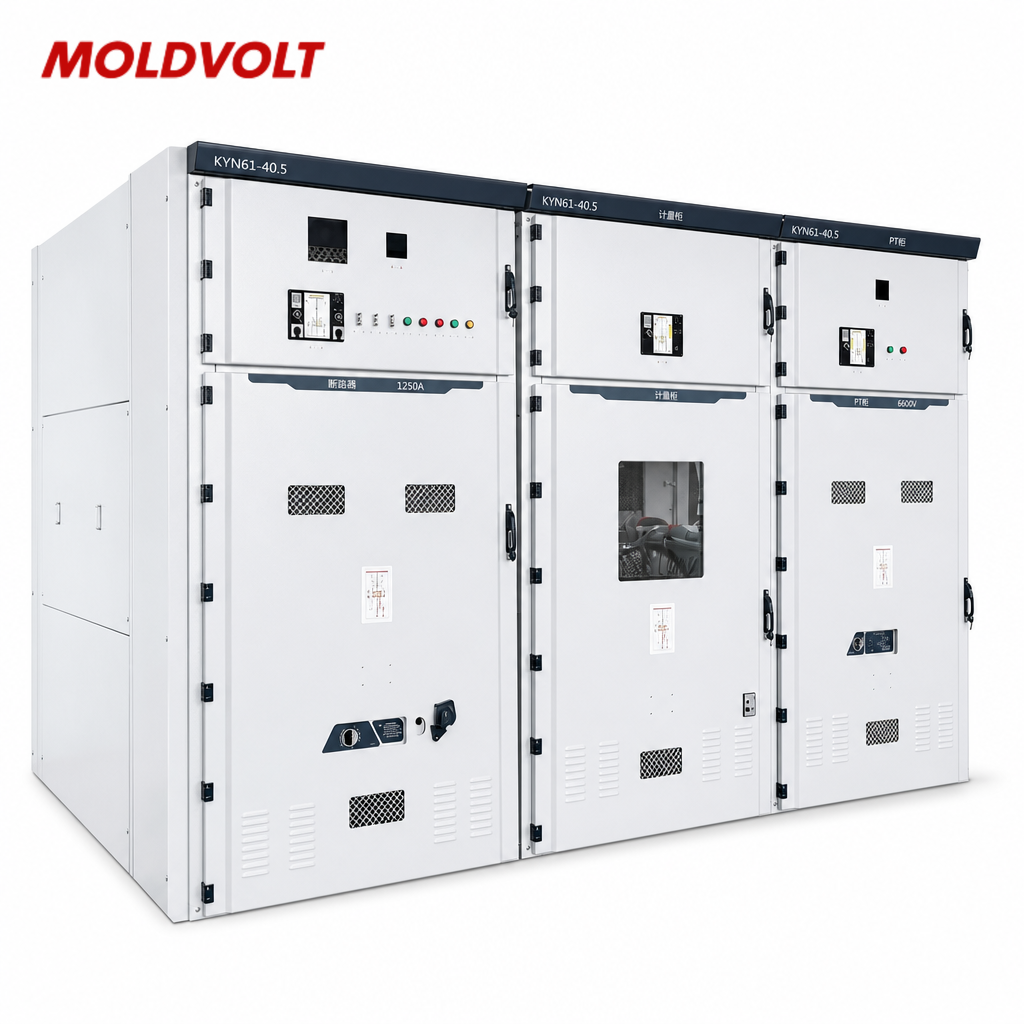
VoltCabinet supports project-specific MV switchgear panel selection for industrial plants, commercial infrastructure, utility networks, and renewable energy installations. Designed for medium voltage applications, these panels accommodate switching, circuit protection, isolation, and equipment control according to the selected configuration. Typical engineering considerations include rated voltage, continuous current, short-circuit withstand capability, insulation level, enclosure design, and protection coordination. For manufacturing facilities, suitable panels can support transformer feeders and essential plant distribution; infrastructure projects may require configurations for incoming supplies, outgoing feeders, or sectionalizing arrangements. A specification-led approach helps buyers evaluate system compatibility, operating conditions, and applicable standards before procurement, supporting dependable installation and long-term maintenance planning.
Get A Quote

Case Study

Medium Voltage Distribution for Industrial Plants

An industrial facility needed a medium voltage distribution arrangement to supply transformers and essential production infrastructure. The engineering team assessed incoming supply characteristics, load requirements, prospective fault levels, and available installation space before defining the panel configuration. Suitable MV switchgear can incorporate circuit breakers, protective relays, current transformers, voltage transformers, and interlocking functions according to project requirements. These components help operators manage switching operations and respond to defined electrical fault conditions. Clear wiring diagrams, equipment schedules, and commissioning procedures also support installation coordination. Final specifications should be verified against the site's electrical design, applicable standards, and manufacturer documentation before equipment approval.

MV Switchgear Panels for Renewable Energy Facilities

A renewable energy project required medium voltage equipment to connect generation assets with a collection or distribution network. Panel selection involved reviewing rated voltage, current capacity, short-circuit requirements, insulation coordination, and interfaces with transformers and protection systems. Depending on the architecture, MV switchgear may serve feeder switching, transformer protection, or network sectionalizing functions. Communication interfaces can also support remote monitoring when compatible devices and control systems are specified. Careful coordination between the switchgear supplier, electrical designer, and installation contractor helps address connection requirements before delivery. Factory testing, site commissioning, and protection verification remain essential to confirming that the installed equipment meets approved project specifications.

Medium Voltage Panels for Commercial Infrastructure

A large commercial or infrastructure development required compact, maintainable medium voltage distribution equipment for transformer substations. The project team considered room dimensions, cable entry arrangements, ventilation, access clearances, and operating procedures alongside electrical ratings. Depending on the application, a panel lineup may include incoming feeders, transformer feeders, bus section arrangements, and metering or protection functions. Properly specified interlocking can help prevent certain unsafe switching sequences when designed and maintained correctly. Coordinated documentation also assists contractors with cable termination planning and commissioning preparation. Verifying enclosure requirements, internal arc classification where needed, and local regulatory obligations helps ensure that the selected configuration suits the installation environment.

Related products

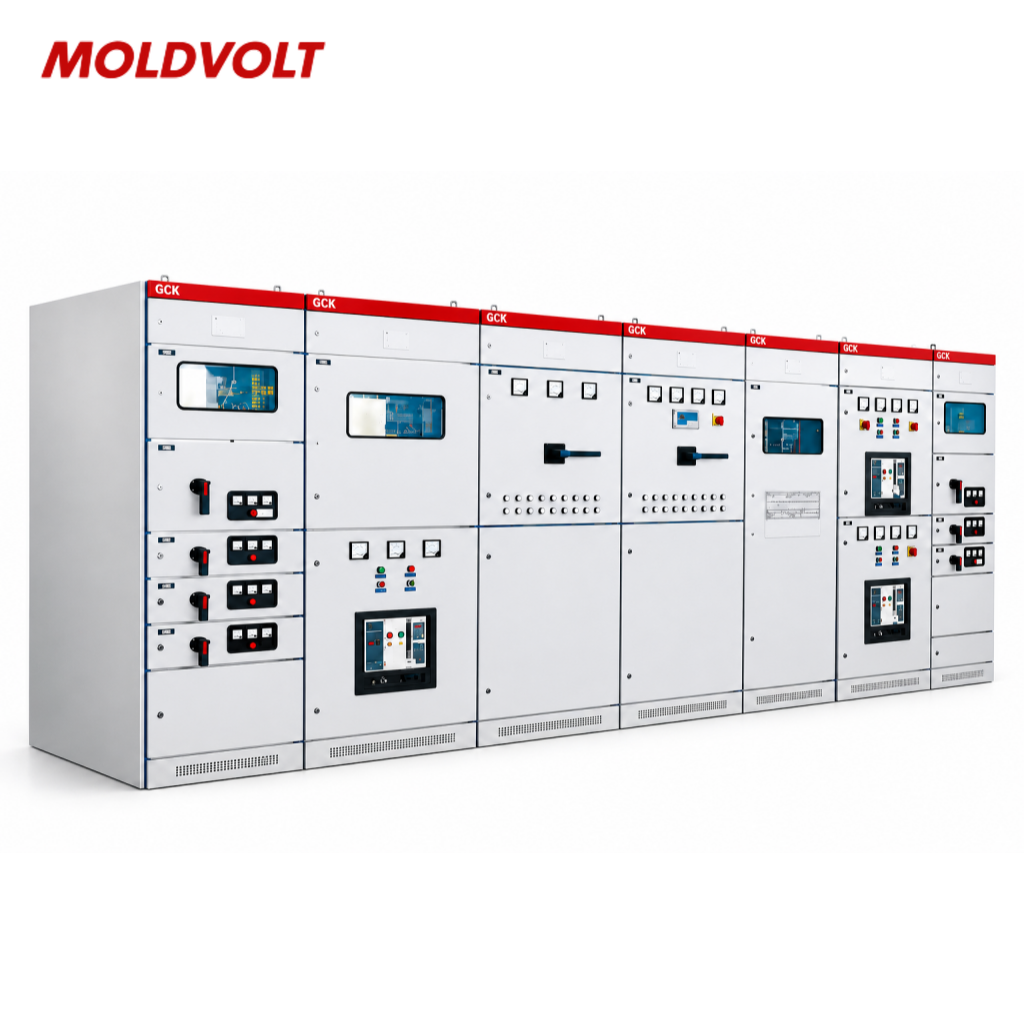
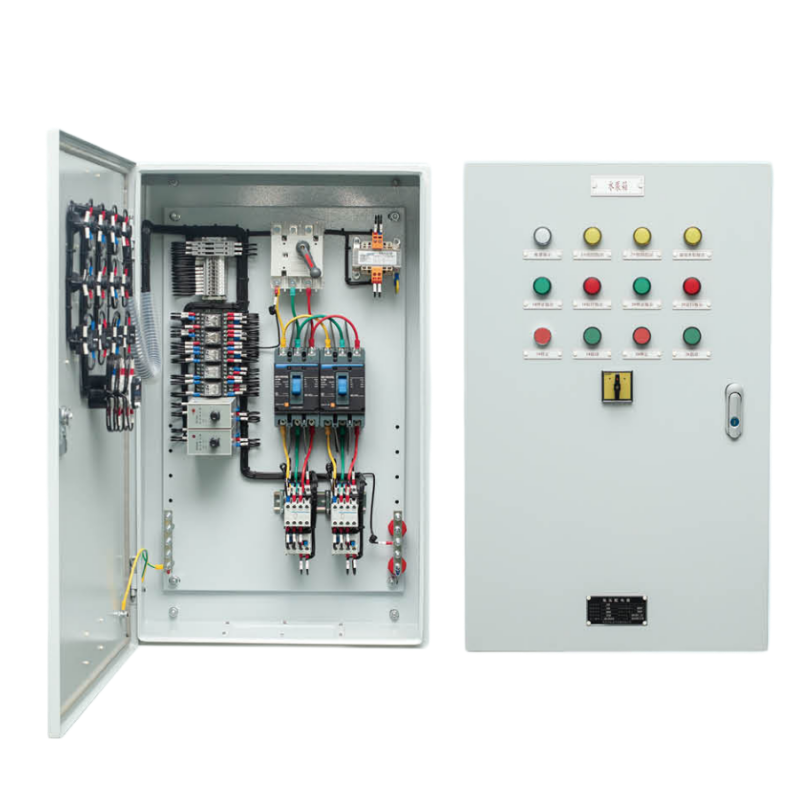
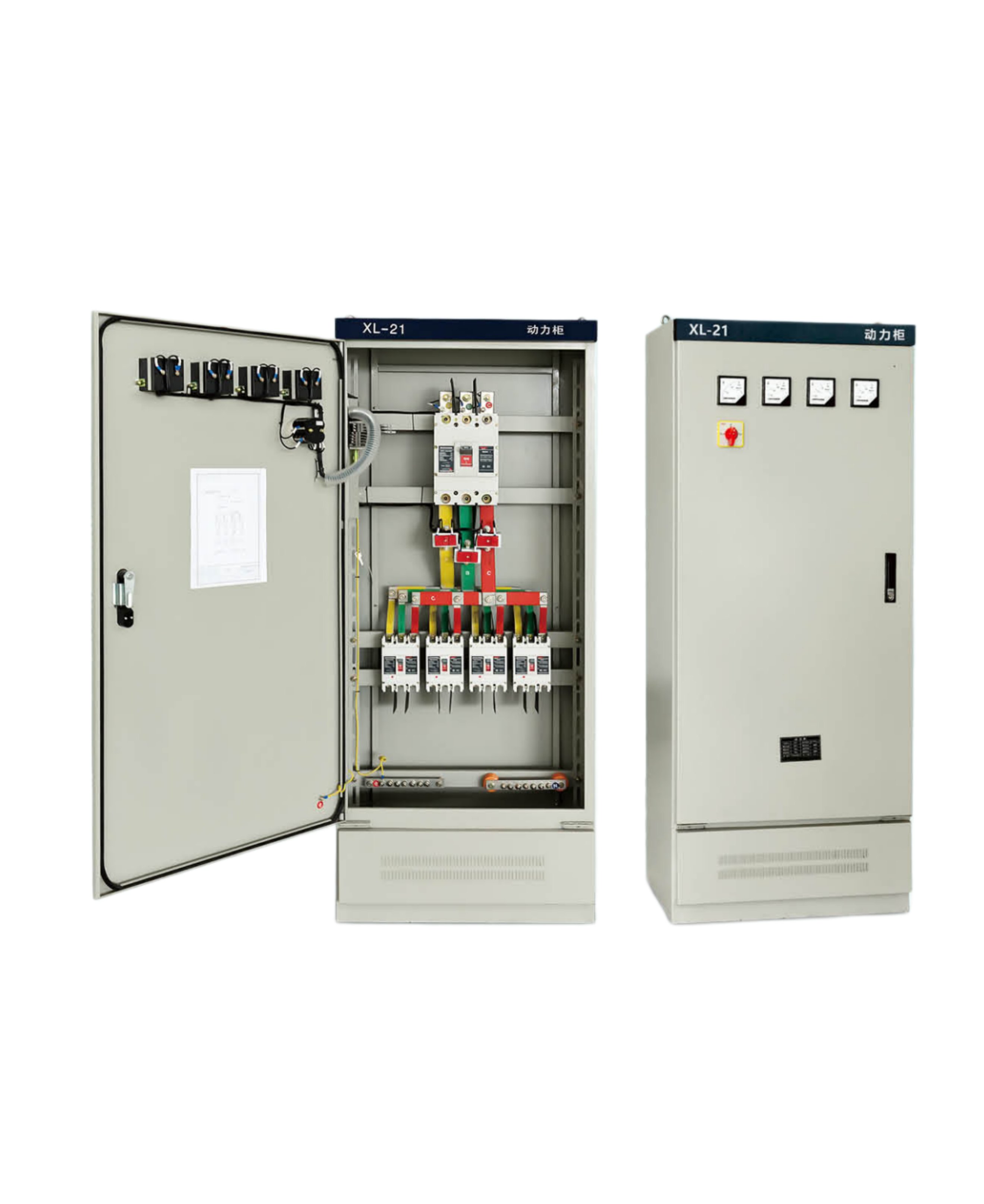
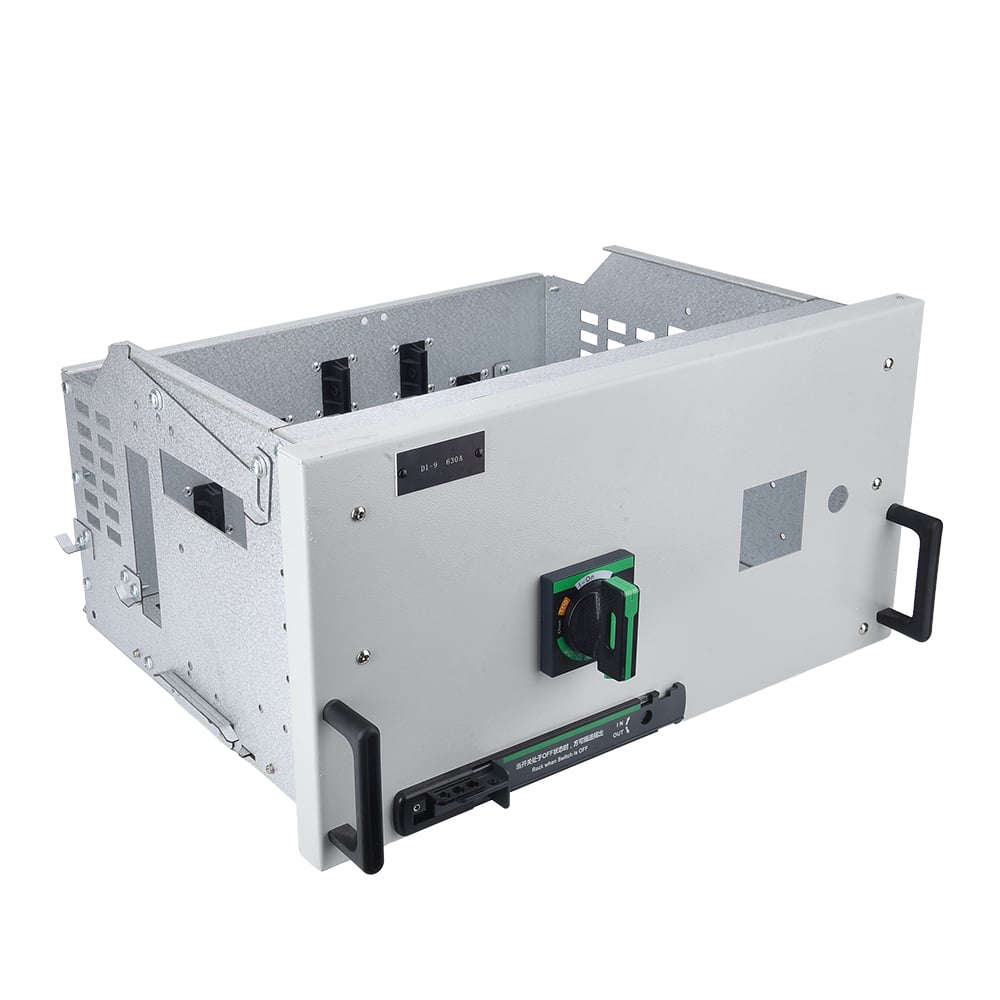
Medium voltage switchgear panels form an important part of electrical distribution systems serving industrial plants, utility substations, commercial infrastructure, and renewable energy facilities. They house switching and protective equipment designed for medium voltage networks, with configurations determined by voltage class, current rating, fault duty, and operational requirements. Depending on the design, a panel may incorporate vacuum circuit breakers, disconnecting or earthing switches, protective relays, current transformers, voltage transformers, and metering devices. VoltCabinet supports project-based evaluation of switchgear requirements, helping buyers consider electrical specifications, panel layout, cable connections, control interfaces, and installation conditions. For example, a manufacturing site may require transformer feeder panels and bus sectionalizing, while a solar installation may need equipment compatible with its collection network and protection scheme. Selection should account for rated voltage, short-circuit withstand capability, insulation coordination, applicable IEC or local standards, and any required internal arc classification. Buyers should also verify dimensions, operating access, maintenance requirements, and testing documentation. Appropriate engineering reviews and commissioning procedures help ensure the installed MV switchgear panel matches the approved electrical design.
Frequently Asked Questions

What Is an MV Switchgear Panel Used For?

An MV switchgear panel manages switching, isolation, and protection in medium voltage electrical distribution systems. Typical applications include industrial substations, transformer feeders, utility networks, and renewable energy facilities. Its configuration depends on voltage ratings, fault levels, protection requirements, and the overall distribution architecture.
Confirm the system voltage, rated current, short-circuit withstand requirements, insulation levels, installation environment, and applicable standards. Consider the number of feeders, cable entry arrangements, protection functions, and maintenance access. Qualified electrical engineers should verify the design against project calculations and manufacturer documentation.
Vacuum circuit breakers are widely used in many medium voltage applications because of their effective interruption characteristics and relatively low routine maintenance requirements. The appropriate breaker depends on the voltage class, current rating, fault duty, switching frequency, and manufacturer specifications for the intended installation.
Panel configurations can be tailored to feeder arrangements, protection functions, metering needs, cable connections, control interfaces, and installation constraints. Available options depend on the equipment design and applicable standards. Providing a single-line diagram and complete electrical requirements helps suppliers evaluate a suitable configuration.
Testing may include insulation resistance checks, mechanical operation verification, interlock testing, protective relay checks, wiring inspections, and applicable electrical withstand tests. The exact scope depends on equipment design, project specifications, and governing standards. Testing should follow approved procedures and be performed by qualified personnel.

Related article

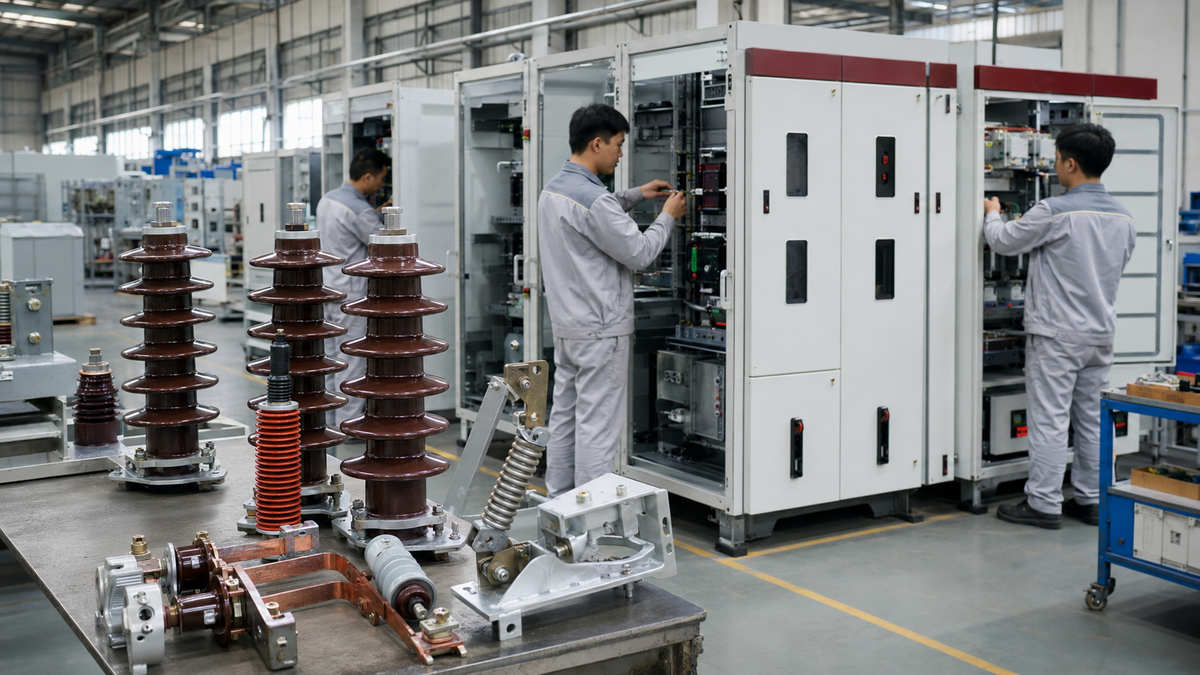
From High-Voltage Insulators to Low-Voltage Switchgear: A Vietnamese Manufacturer’s Transformation, Together with Us‌

08

Sep

From High-Voltage Insulators to Low-Voltage Switchgear: A Vietnamese Manufacturer’s Transformation, Together with Us‌

View More
What cable clamp material suits high temperature switchgear cabinets?

19

Sep

What cable clamp material suits high temperature switchgear cabinets?

Understanding High-Temperature Challenges in Switchgear CabinetsTypical Operating Temperatures and Thermal Stress Sources (Busbars, Load Cycling, Enclosure Design)Switchgear cabinets experience elevated temperatures primarily due to resistive losses ...
View More
Insulator dimensional tolerance controls assembly efficiency in switchgear.

25

Sep

Insulator dimensional tolerance controls assembly efficiency in switchgear.

Why Insulator Dimensional Tolerance Is the Silent Driver of Switchgear Assembly EfficiencyIn high-voltage switchgear, insulators do much more than prevent flashover—they serve as load-bearing anchors that dictate how quickly and precisely busbars, ci...
View More
What switchgear maintenance items prevent unexpected power outage risks?

10

Oct

What switchgear maintenance items prevent unexpected power outage risks?

Top 3 Root Causes of Switchgear-Related Power Outages Insulation degradation and partial discharge: leading precursors to cascade failure Insulation systems in switchgear degrade gradually under electrical, thermal, and environmental stress. Cracks...
View More

Customer Testimonials

Michael Turner

Our project required dependable medium voltage distribution for an industrial facility. The panel specifications helped our engineering team coordinate protection requirements, installation planning, and maintenance access for reliable electrical operations.

David Wilson

We needed medium voltage switchgear for a new power distribution project. Reviewing voltage ratings, protection functions, and panel configurations early helped our team prepare technical documentation and streamline commissioning activities.

Get a Free Quote

Our representative will contact you soon.
Email
Mobile/WhatsApp
Name
Company Name
Message
0/1000
Engineered Configurations for Medium Voltage Networks

Engineered Configurations for Medium Voltage Networks

Every MV switchgear panel should be selected according to the electrical network it serves. Rated voltage, continuous current, short-circuit withstand capability, insulation coordination, and protection settings all influence equipment suitability. Industrial substations may require incoming supply panels, transformer feeders, and bus section arrangements, while renewable energy projects may prioritize collector network connections and coordinated protection. VoltCabinet encourages buyers to establish these requirements during the specification stage. Reviewing single-line diagrams, cable entry needs, control interfaces, and installation dimensions helps reduce avoidable design changes. Equipment selection should also address applicable standards, operating procedures, and maintenance access. Final configurations must be verified by qualified engineers against the approved project design.
Protection, Safety, and Long-Term Maintainability

Protection, Safety, and Long-Term Maintainability

Dependable medium voltage distribution relies on coordinated protective devices, appropriate switching equipment, and clearly defined operating procedures. MV switchgear panels may incorporate circuit breakers, protective relays, earthing switches, and mechanical or electrical interlocks, depending on the design. Correct coordination helps ensure that equipment responds appropriately to specified fault conditions, while documented switching procedures support safe operation. For installations with restricted space, engineers should also assess access clearances, cable termination arrangements, ventilation, and maintenance requirements. VoltCabinet supports specification reviews that help purchasers evaluate these practical considerations before procurement. Factory acceptance activities, site inspections, and commissioning tests should confirm compliance with the approved specifications and relevant safety standards.

Get a Free Quote

Our representative will contact you soon.
Email
Mobile/WhatsApp
Name
Company Name
Message
0/1000