Customer Reviews for Three Phase Circuit Breakers
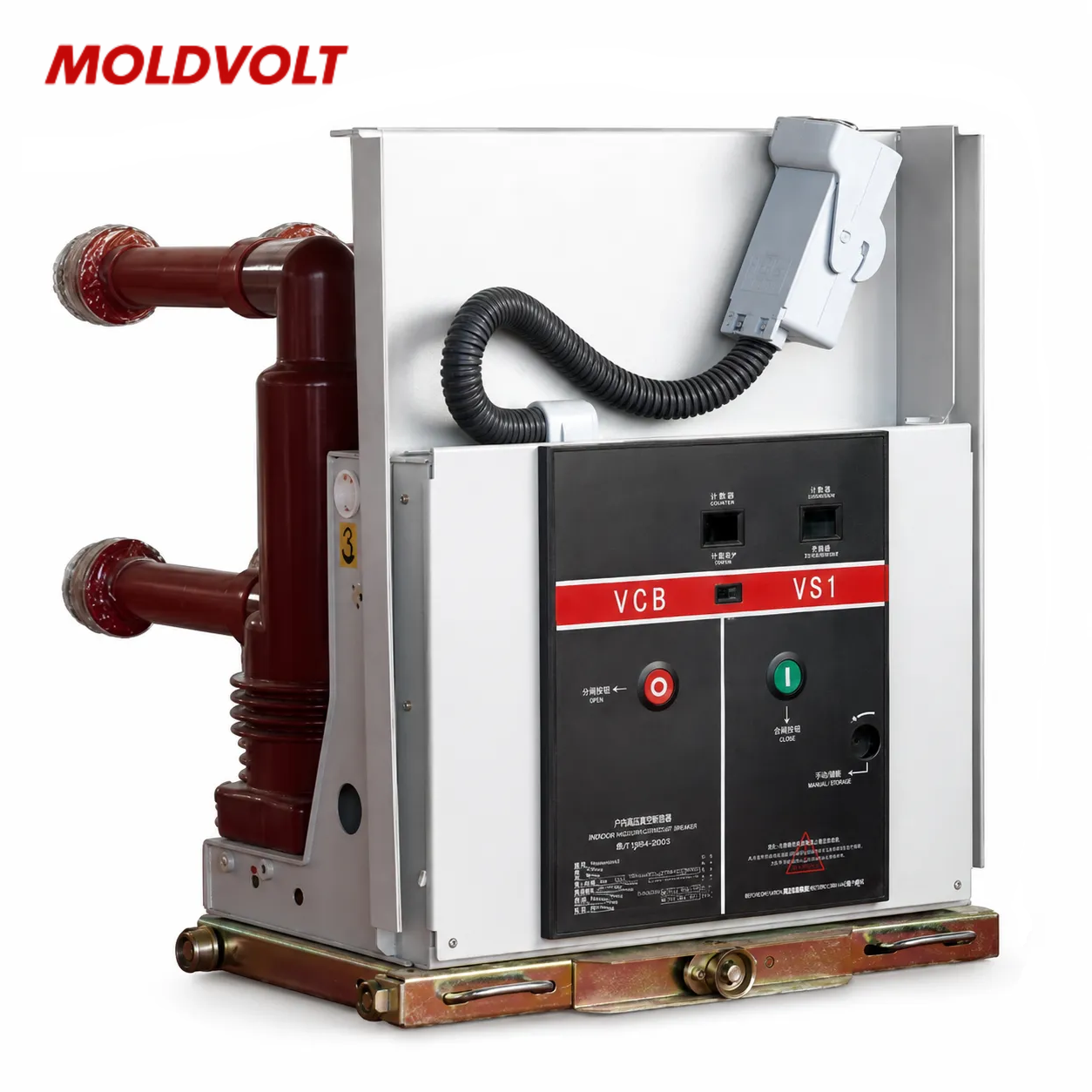
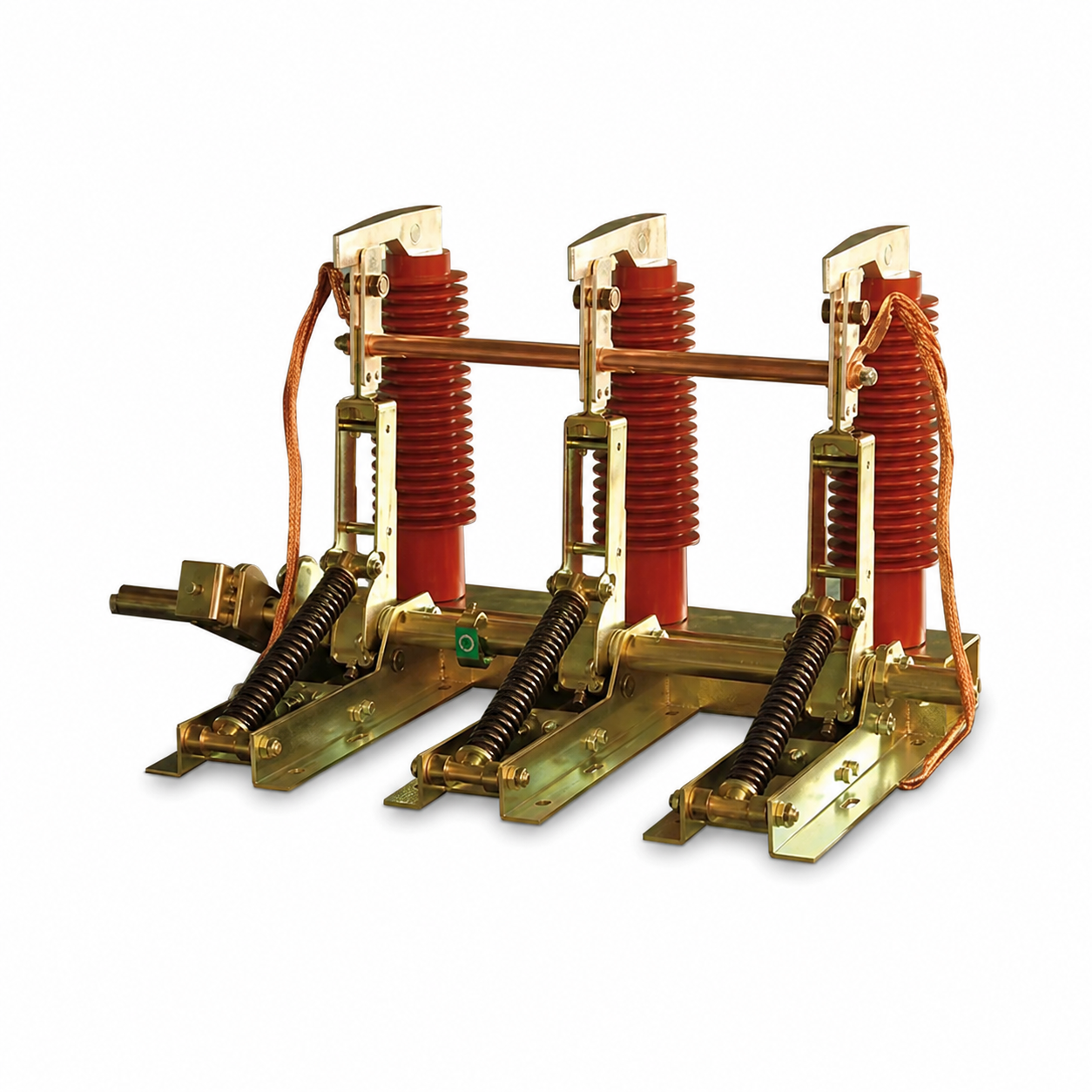
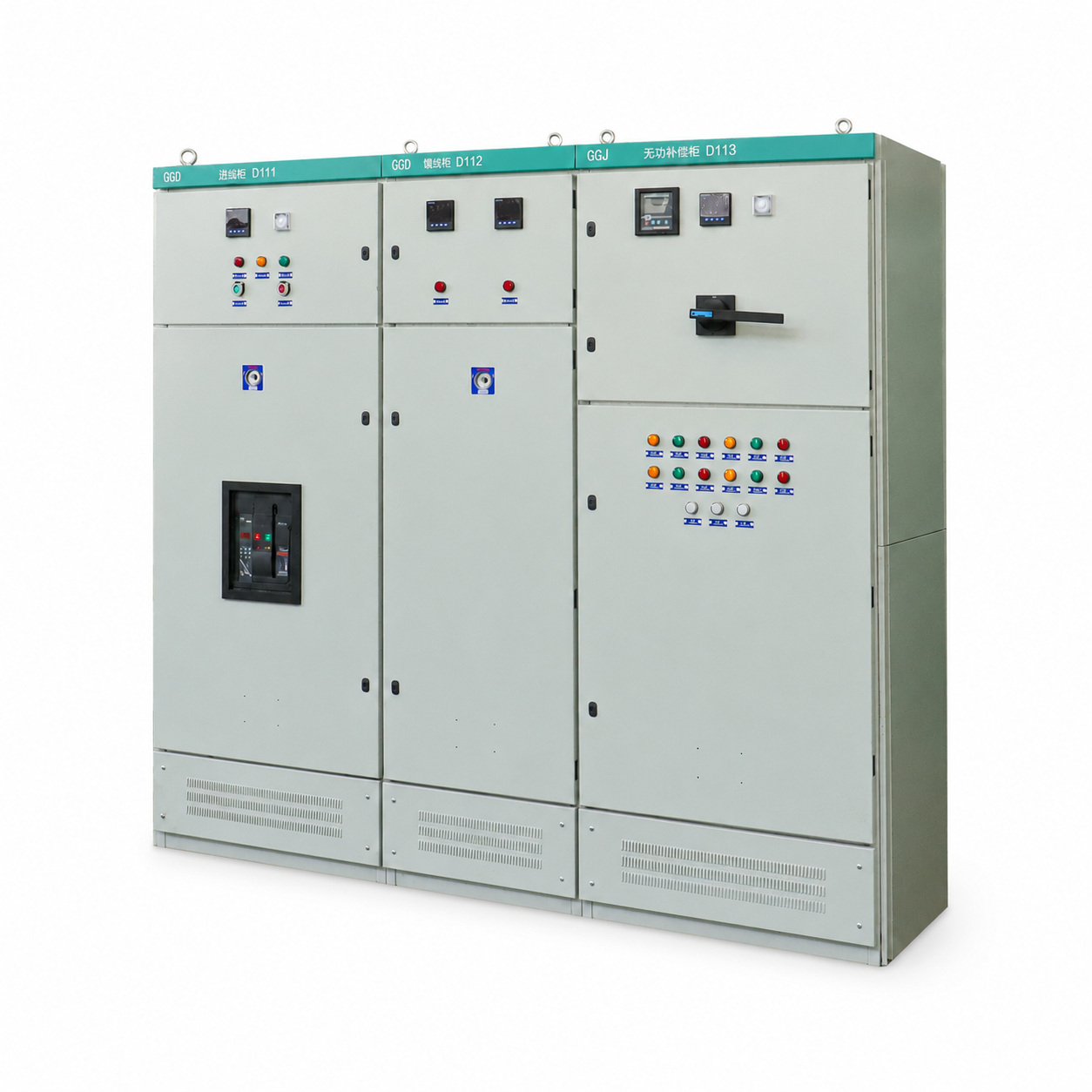
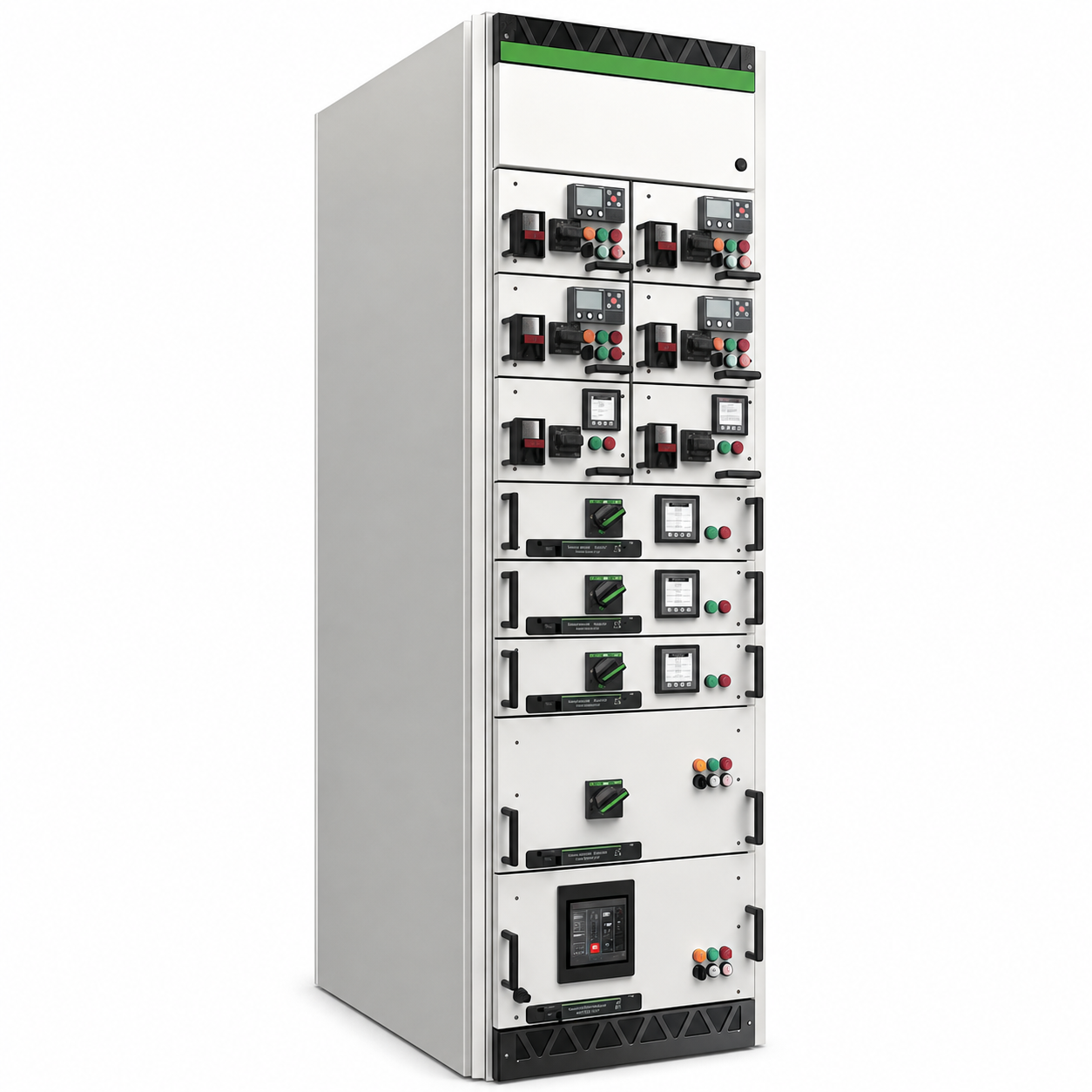
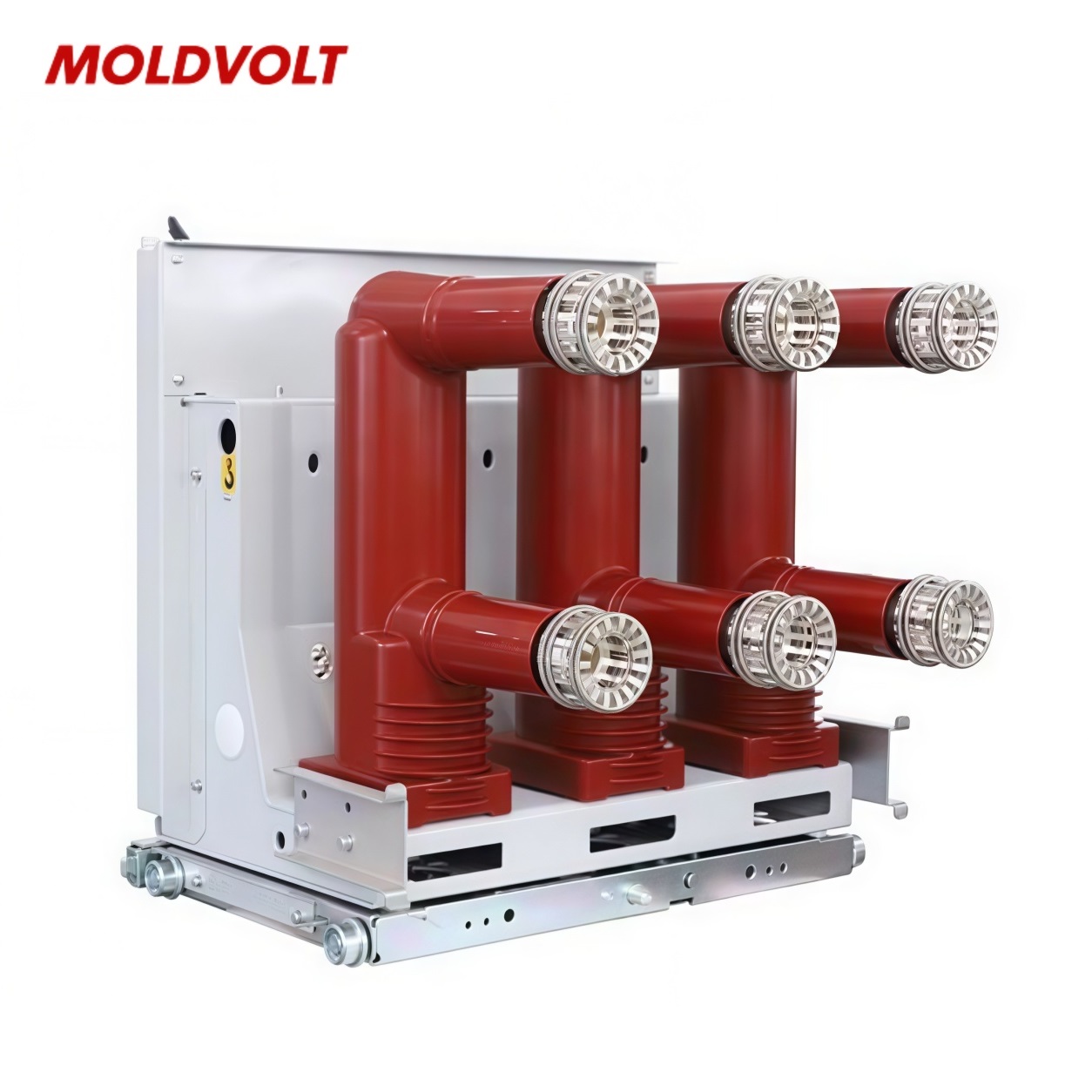
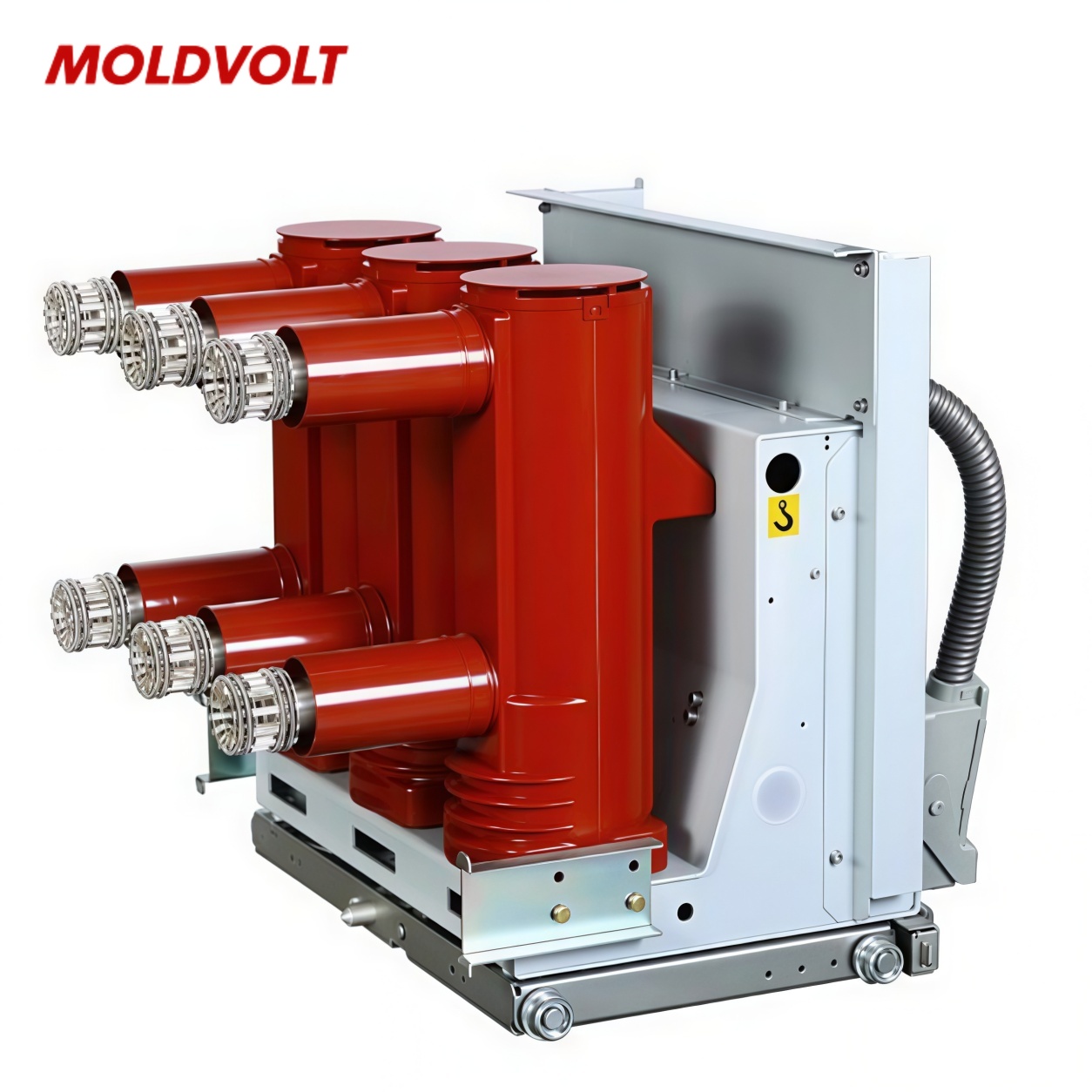
Three phase circuit breakers protect electrical distribution systems against overloads and short circuits, helping safeguard motors, machinery, and connected equipment. They are widely used in manufacturing plants, commercial buildings, pumping stations, and industrial control panels. Selecting the correct breaker requires evaluating rated voltage, operating current, pole configuration, and short-circuit breaking capacity. VoltCabinet supports electrical distribution projects with equipment selection considerations tailored to application requirements and panel configurations. For example, a factory upgrading its motor distribution system should verify starting current, protective coordination, and available fault current before choosing a breaker. Proper specification and installation help improve operational reliability, simplify maintenance, and support compliance with applicable electrical standards.
Get A Quote

 EN