Switchgear Enclosures: Durable Protection for LV & HV Applications

All Categories
Durable Switchgear Enclosures for Electrical Protection and Safety

Durable Switchgear Enclosures for Electrical Protection and Safety

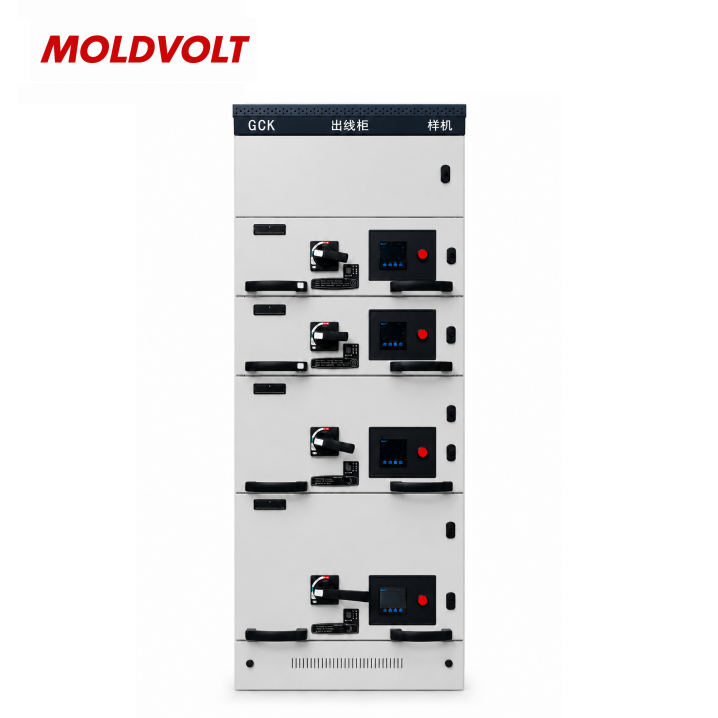
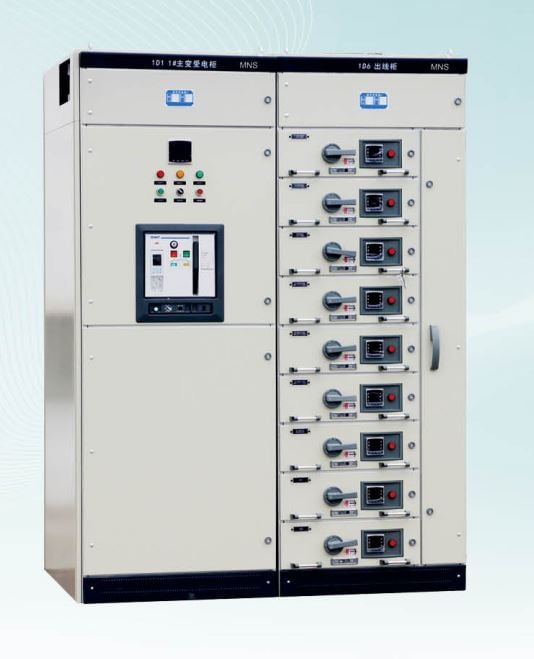
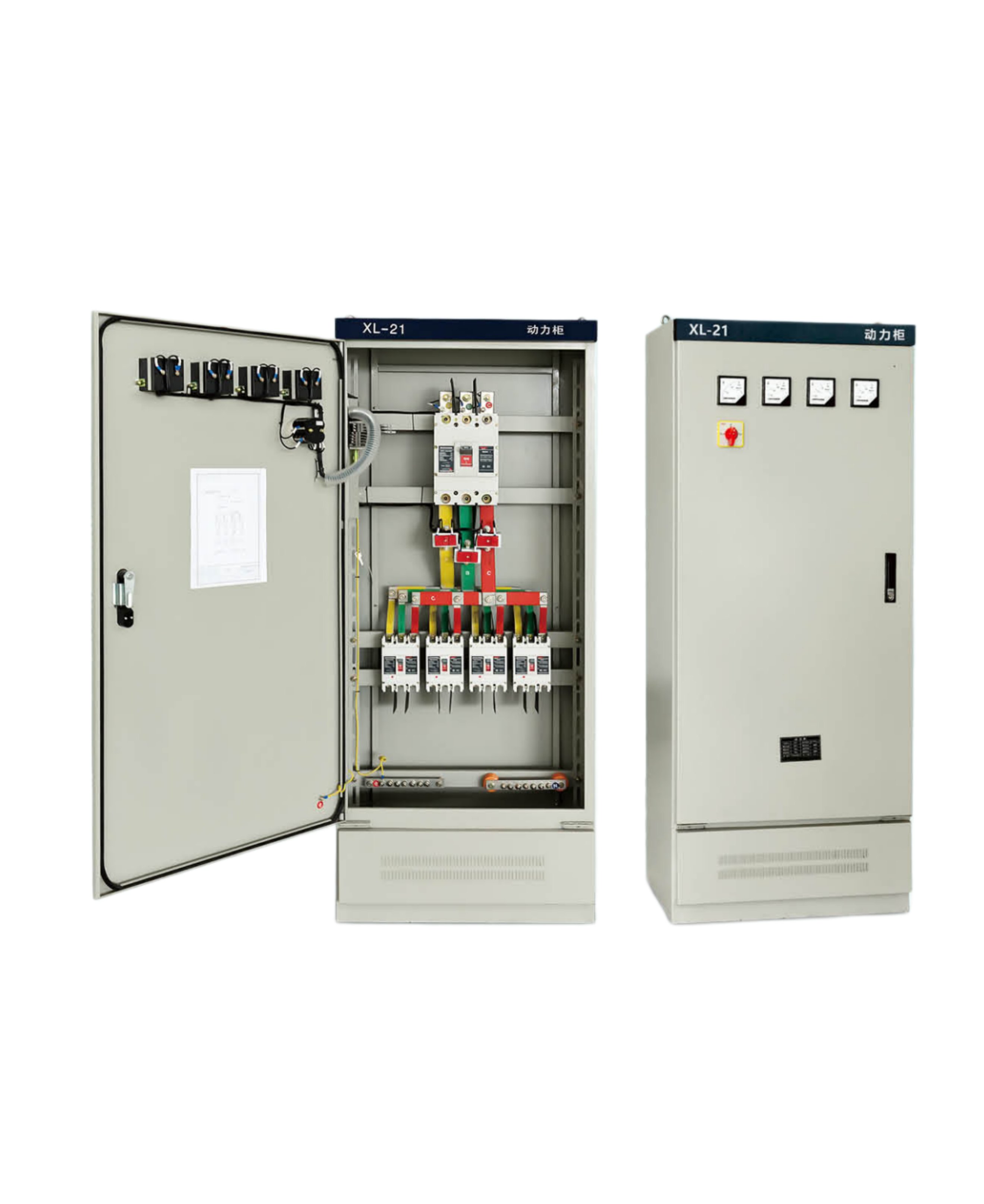
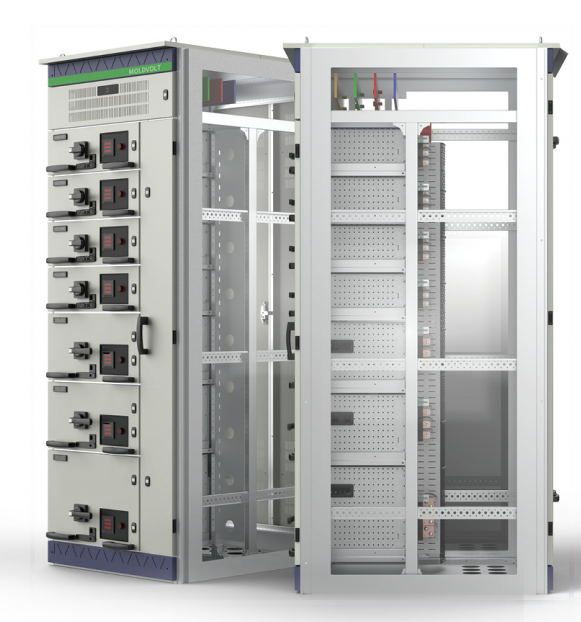
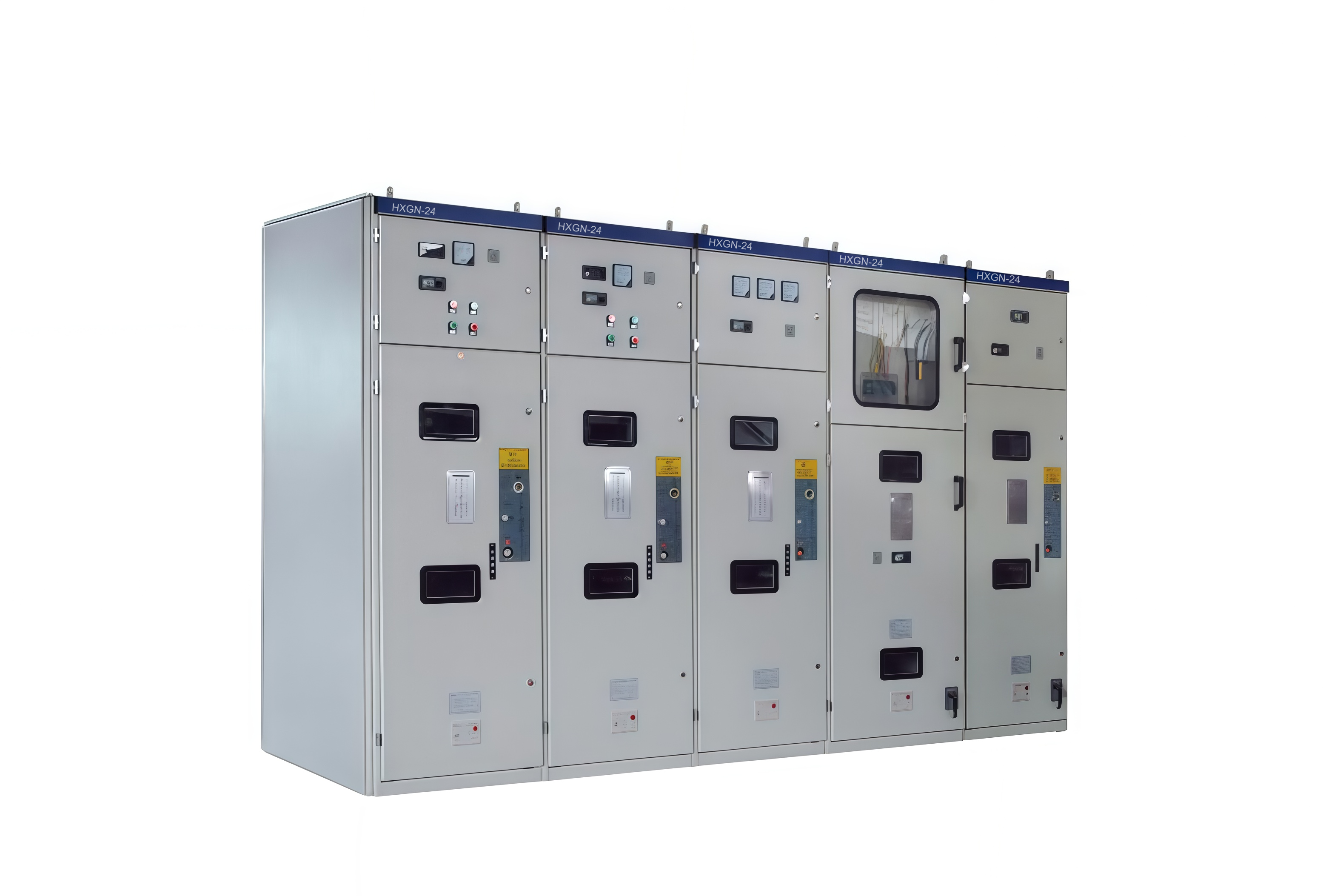
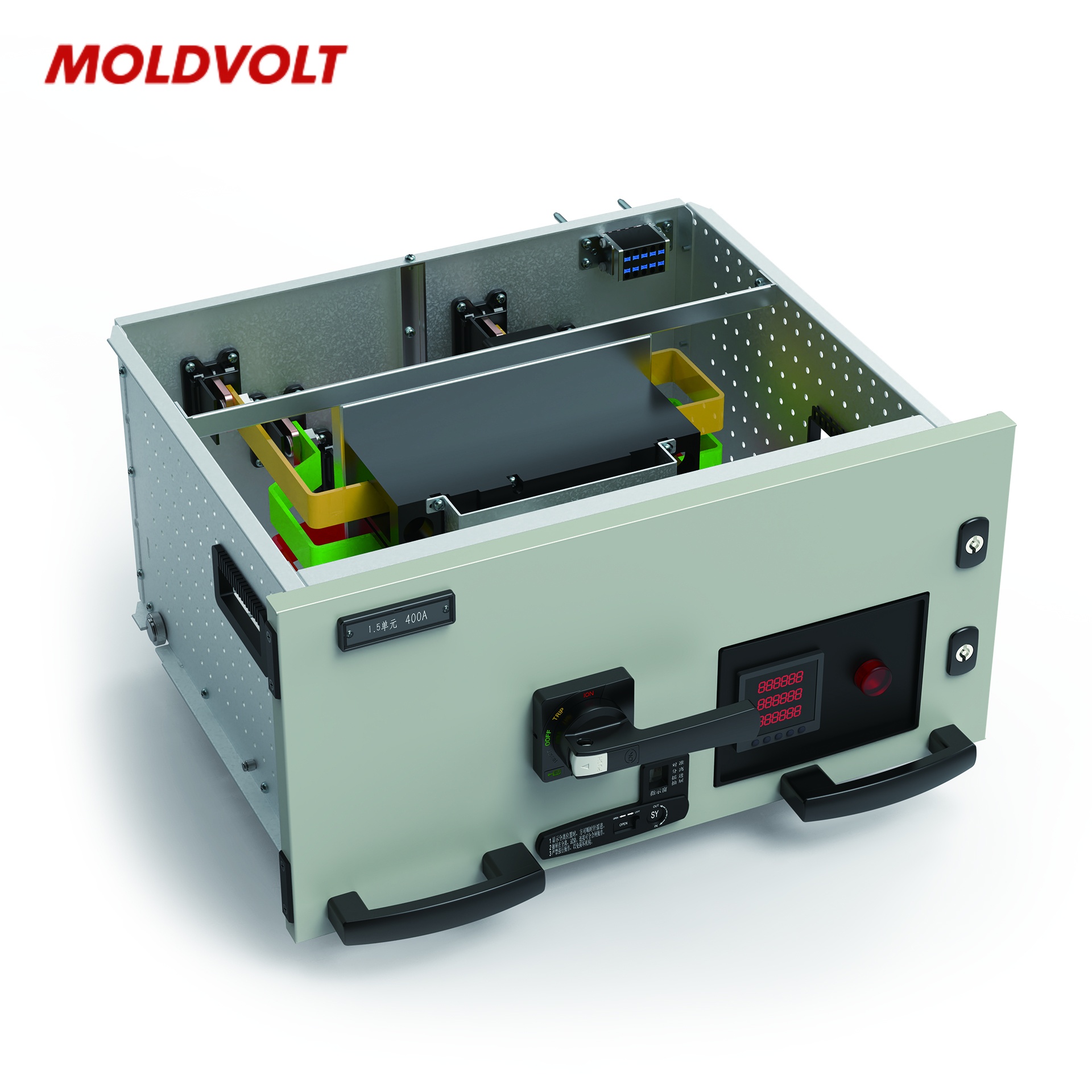
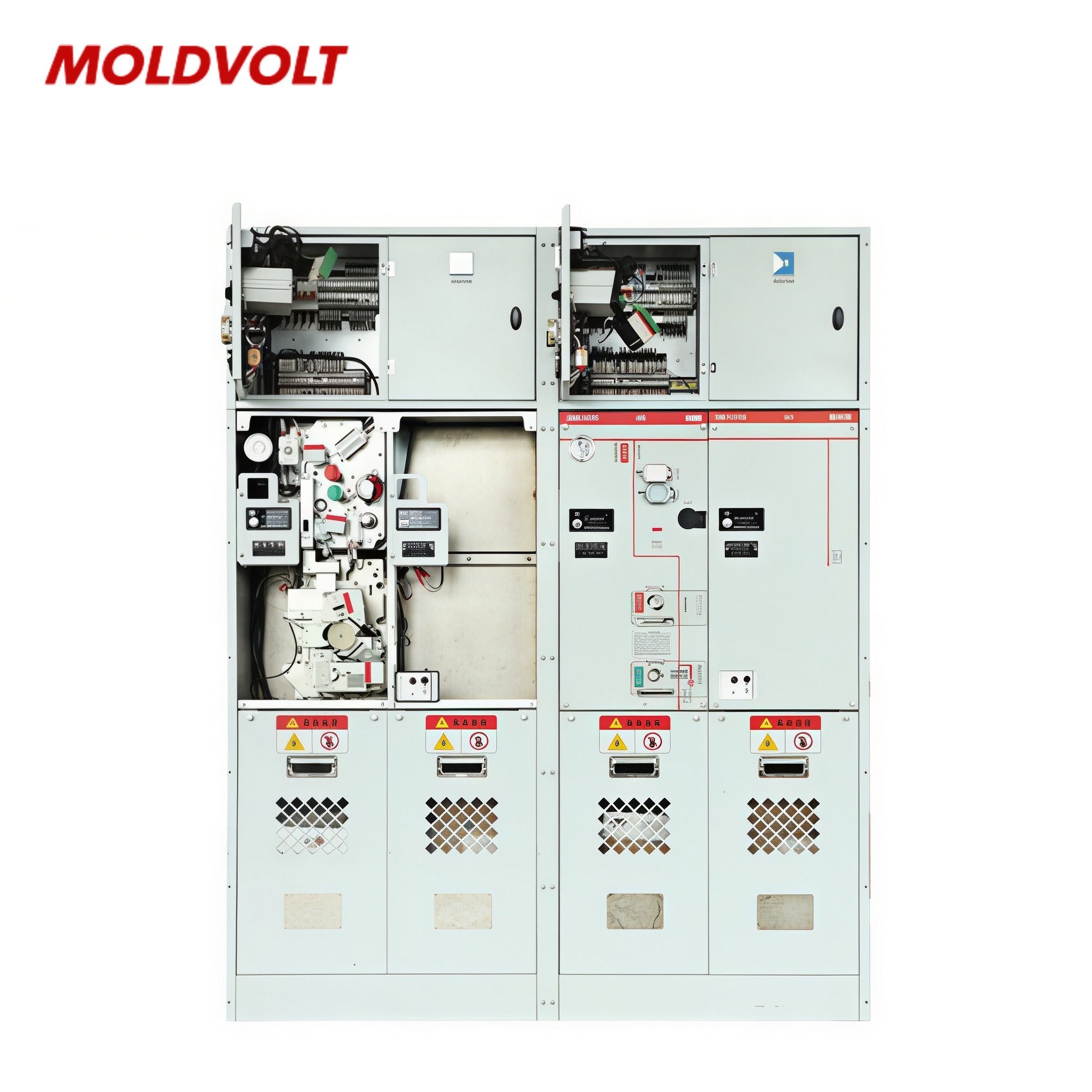
Switchgear enclosures protect electrical switching and distribution components from environmental exposure, accidental contact, and unauthorized access. They are used in industrial plants, commercial buildings, utility installations, and infrastructure projects where equipment protection and maintenance accessibility are essential. Depending on the application, enclosures may use painted steel, stainless steel, or other suitable materials, with designs tailored to indoor or outdoor installation. Buyers should evaluate dimensions, corrosion resistance, cable entry arrangements, ventilation, and ingress protection requirements. For example, an outdoor distribution installation may require weather-resistant construction and carefully sealed cable openings. VoltCabinet supports project-based electrical equipment sourcing, helping customers assess enclosure specifications and configuration options. Final suitability depends on the operating environment, equipment ratings, and applicable sta
Get A Quote

Case Study

Industrial Manufacturing Facilities

Manufacturing facilities need enclosures that accommodate electrical components while supporting safe operation and routine maintenance. Switchgear enclosures can be designed around equipment dimensions, wiring layouts, cable routing, and the environmental conditions found on the production floor. For a hypothetical factory with three distribution sections, separate enclosure compartments may help organize incoming supplies, outgoing feeders, and control components where the design permits. Engineers should consider heat dissipation, dust exposure, access clearances, and corrosion risks before selecting materials and protection levels. Accurate dimensional drawings and coordinated mounting arrangements help reduce installation conflicts. Final construction should comply with applicable electrical and workplace safety requirements.

Outdoor Utility Distribution Installations

Utility distribution equipment installed outdoors must withstand environmental conditions while providing appropriate protection for electrical components. Switchgear enclosures may require weather-resistant construction, corrosion-resistant finishes, suitable door seals, and correctly designed cable entry points. For a hypothetical site with six feeder circuits, the enclosure layout should provide adequate space for components, cable bending, inspection, and safe servicing. Engineers must also assess solar exposure, ambient temperature, moisture, and potential condensation. The required ingress protection rating depends on the actual installation conditions and applicable standards. Reviewing enclosure drawings and material specifications before production helps ensure the proposed design matches the site's operational and environmental requirements.

Commercial Building Electrical Rooms

Commercial buildings rely on organized electrical rooms to distribute power to lighting, HVAC systems, elevators, and other building services. Switchgear enclosures help house and protect the associated electrical equipment while supporting structured wiring and maintenance access. In a hypothetical office complex with four distribution panels, enclosure dimensions and component arrangements should be coordinated with cable routes, room clearances, and ventilation requirements. Appropriate labeling and accessible service points can simplify inspections and fault investigation. Buyers should confirm the enclosure's compatibility with the installed switchgear, thermal requirements, and local electrical codes. Proper planning helps avoid space conflicts and supports maintainable electrical infrastructure throughout the building's service life.

Related products

Switchgear enclosures provide a protective housing for electrical switching, distribution, and control equipment across industrial and commercial applications. Their design must balance mechanical strength, environmental protection, thermal performance, cable access, and serviceability. Depending on the project, construction may involve powder-coated steel, stainless steel, or other materials selected for corrosion resistance and operating conditions. Key specification factors include overall dimensions, mounting arrangements, door configuration, ingress protection, ventilation, and access to electrical connections. Outdoor installations may require additional protection against rain, dust, and temperature fluctuations, while industrial facilities may prioritize resistance to contamination and mechanical impact. VoltCabinet supports project-oriented equipment sourcing by helping buyers evaluate technical requirements and enclosure configurations. For example, a distribution cabinet serving multiple feeders may need clearly organized compartments and sufficient space for cable termination and inspection. Final design should account for the equipment housed inside, applicable standards, and site-specific installation requirements. Buyers should confirm material availability, fabrication details, testing documentation, and delivery arrangements before placing an order.

Frequently Asked Questions

What materials are commonly used for switchgear enclosures?

Common materials include carbon steel, stainless steel, and suitable insulating materials. The choice depends on mechanical strength, corrosion exposure, installation location, and equipment requirements. Indoor industrial cabinets may use coated steel, while corrosive or outdoor environments may require more resistant materials and protective finishes.
The appropriate IP rating depends on exposure to dust, water, and other environmental conditions. Indoor electrical rooms and exposed outdoor installations may require different protection levels. Evaluate the installation environment, cable entries, door seals, and ventilation design, then verify the rating against the applicable requirements of IEC 60529.
Customization may include cabinet dimensions, mounting arrangements, door layouts, cable entry positions, and internal mounting provisions. Feasibility depends on the enclosure design and the equipment being installed. Provide dimensional drawings, component layouts, and environmental requirements so the supplier can assess compatibility before production.
Yes, enclosures designed and specified for outdoor use can protect electrical equipment against relevant weather and environmental exposure. Selection should consider rain, dust, corrosion, temperature changes, and condensation. Confirm the declared protection rating and material suitability, and ensure the completed assembly meets the requirements of the intended installation.
IEC 62208:2023 covers general requirements for empty enclosures used in low-voltage switchgear and controlgear assemblies, while IEC 61439 addresses relevant low-voltage assemblies. The applicable requirements depend on the complete product and installation. Confirm the standards, test documentation, and responsibilities of the enclosure supplier and final assembly manufacturer.

Related article

Why cabinet condensation leads to insulation failure in electrical equipment?

21

Sep

Why cabinet condensation leads to insulation failure in electrical equipment?

The Science of Cabinet Condensation: How Temperature, Humidity, and Design InteractDew Point Formation Inside Enclosures Due to Thermal GradientsCondensation inside an electrical cabinet is not simply a matter of seal failure—it is governed by the de...
View More
Insulator dimensional tolerance controls assembly efficiency in switchgear.

25

Sep

Insulator dimensional tolerance controls assembly efficiency in switchgear.

Why Insulator Dimensional Tolerance Is the Silent Driver of Switchgear Assembly EfficiencyIn high-voltage switchgear, insulators do much more than prevent flashover—they serve as load-bearing anchors that dictate how quickly and precisely busbars, ci...
View More
What switchgear maintenance items prevent unexpected power outage risks?

10

Oct

What switchgear maintenance items prevent unexpected power outage risks?

Top 3 Root Causes of Switchgear-Related Power Outages Insulation degradation and partial discharge: leading precursors to cascade failure Insulation systems in switchgear degrade gradually under electrical, thermal, and environmental stress. Cracks...
View More
Cable clamp vs cable tie: which one delivers long term stability in panels?

27

Oct

Cable clamp vs cable tie: which one delivers long term stability in panels?

Mechanical Performance Under Thermal Stress Polymer creep and thermal expansion mismatch in nylon cable ties at 60–85°C Nylon 6/6 cable ties undergo measurable mechanical degradation when exposed continuously to 60–85 °C. At the...
View More

Customer Testimonials

Michael Turner

Our team needed switchgear enclosures for an industrial installation. Reviewing dimensions, cable entry options, and environmental protection requirements helped us define a practical specification for equipment integration.

Daniel Foster

We compared enclosure requirements for a commercial distribution project. The specification process helped clarify material selection, access requirements, and protection levels for the intended installation environment.

Get a Free Quote

Our representative will contact you soon.
Email
Mobile/WhatsApp
Name
Company Name
Message
0/1000
Material Selection for Long-Term Enclosure Durability

Material Selection for Long-Term Enclosure Durability

Material selection directly influences enclosure durability, corrosion resistance, and suitability for different installation environments. Coated steel may suit many indoor industrial applications, while stainless steel can be considered for locations with greater corrosion exposure. Engineers should also evaluate mechanical loading, surface treatment, humidity, and expected service conditions. For example, a food processing facility may require enclosure materials and finishes compatible with frequent cleaning and the surrounding environment. Material choice alone does not guarantee protection; seams, fasteners, door seals, and cable entries also affect performance. VoltCabinet helps buyers assess project requirements and enclosure options. Final material specifications should reflect documented operating conditions and applicable product standards.
Environmental Protection for Indoor and Outdoor Installations

Environmental Protection for Indoor and Outdoor Installations

Switchgear enclosures must be selected according to their intended installation environment and the protection required for the electrical components inside. Indoor installations may prioritize dust protection, access control, and efficient equipment arrangement, while outdoor locations may require additional weather and corrosion resistance. For a hypothetical utility installation containing four distribution sections, engineers should assess water exposure, temperature variation, cable entry design, and maintenance access before approving the enclosure. The specified IP rating should be verified against IEC 60529, and any additional mechanical protection requirements should be evaluated separately. VoltCabinet supports specification reviews for project-based electrical equipment sourcing, helping buyers align enclosure selection with practical installation conditions.

Get a Free Quote

Our representative will contact you soon.
Email
Mobile/WhatsApp
Name
Company Name
Message
0/1000