Metal Enclosed Switchgear Guide: Specs, Types & Selection

All Categories
Customer Feedback on Metal Enclosed Switchgear Solutions

Customer Feedback on Metal Enclosed Switchgear Solutions

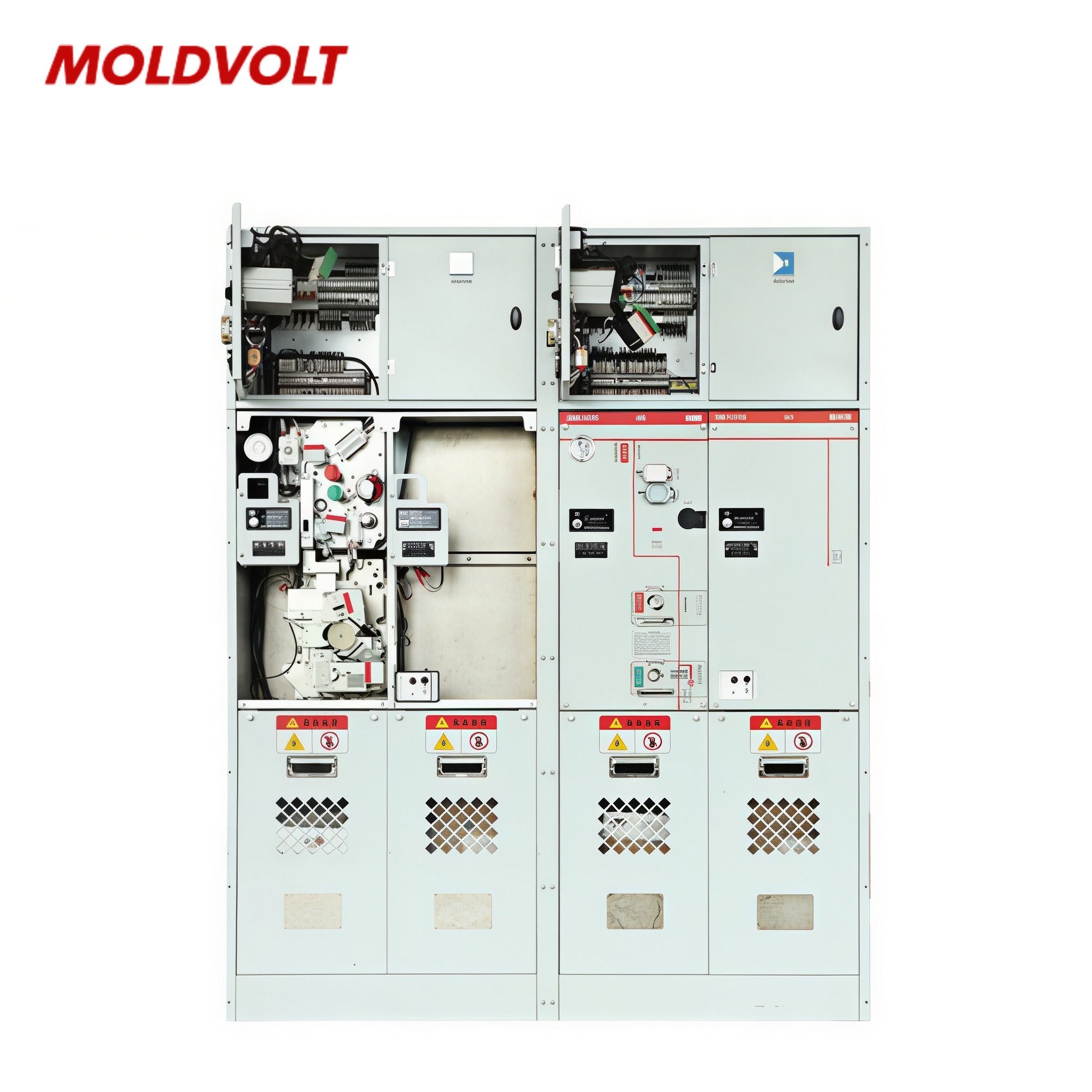
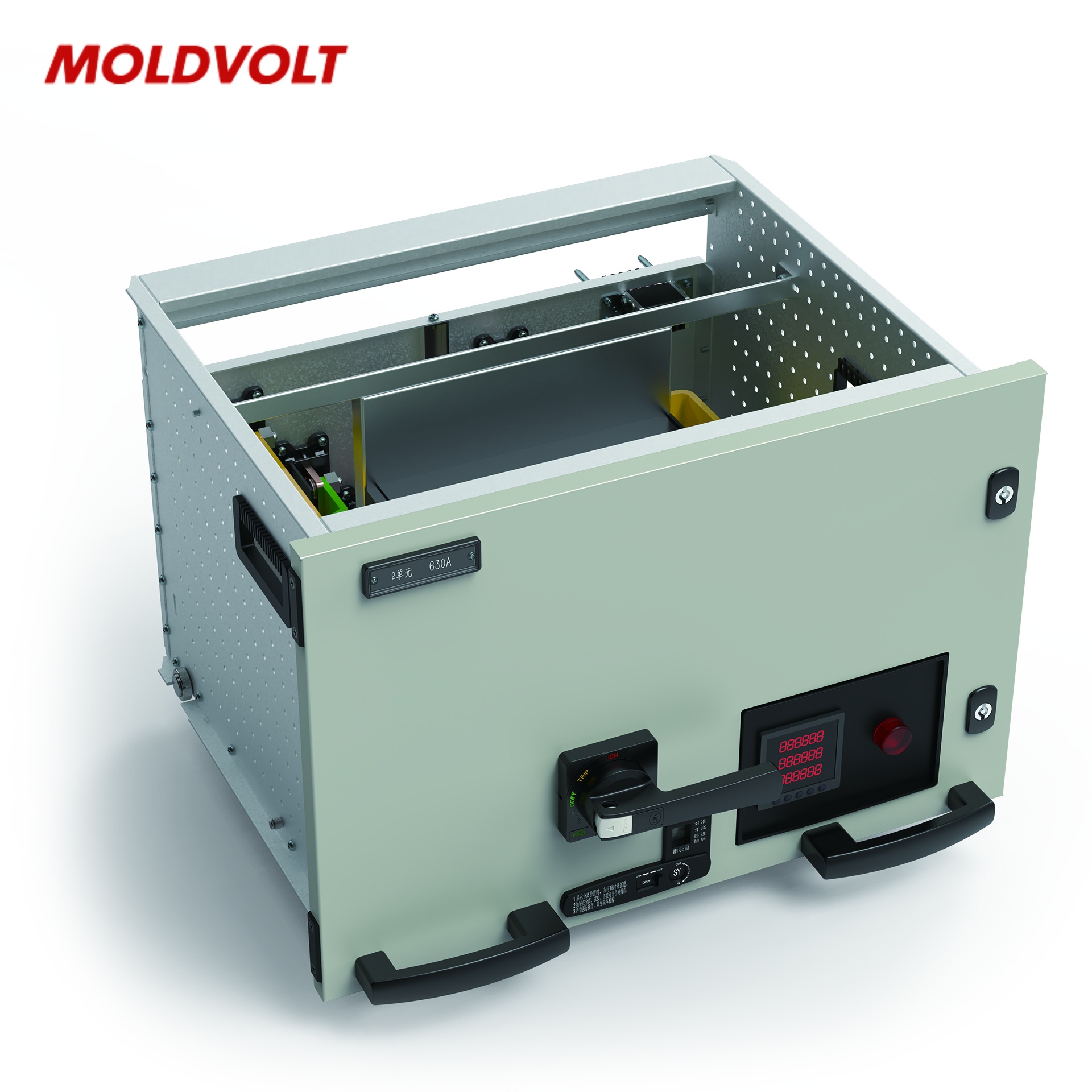
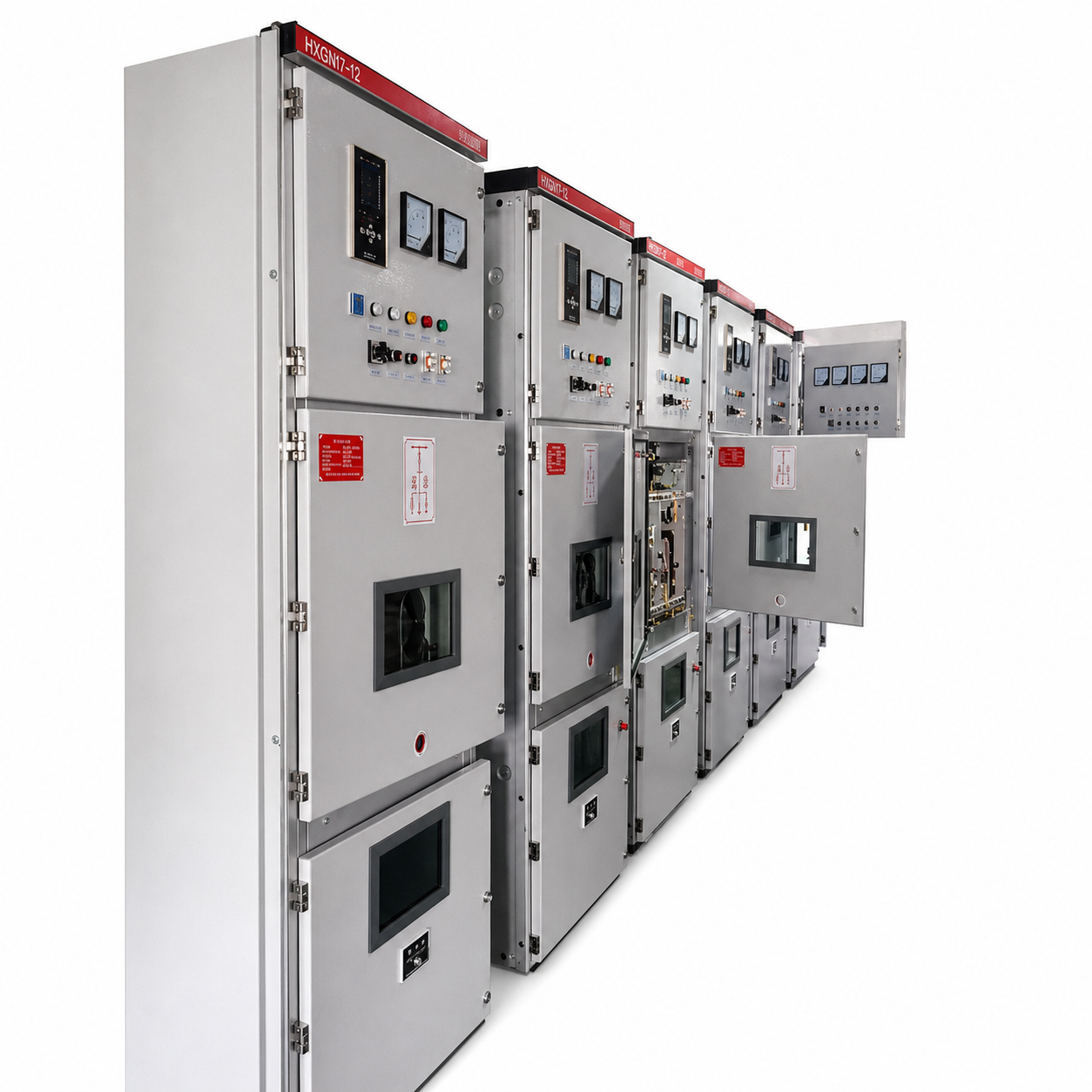
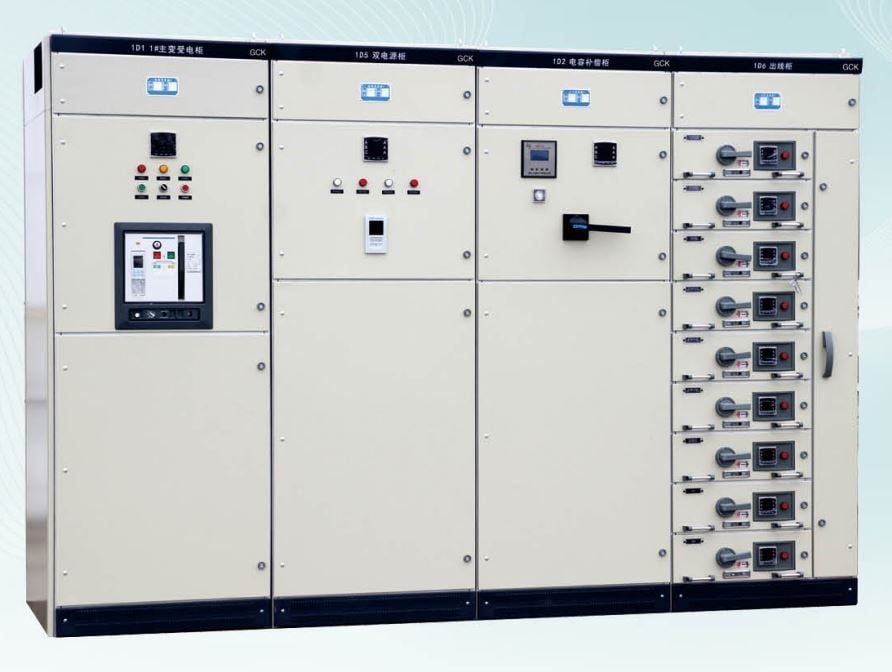
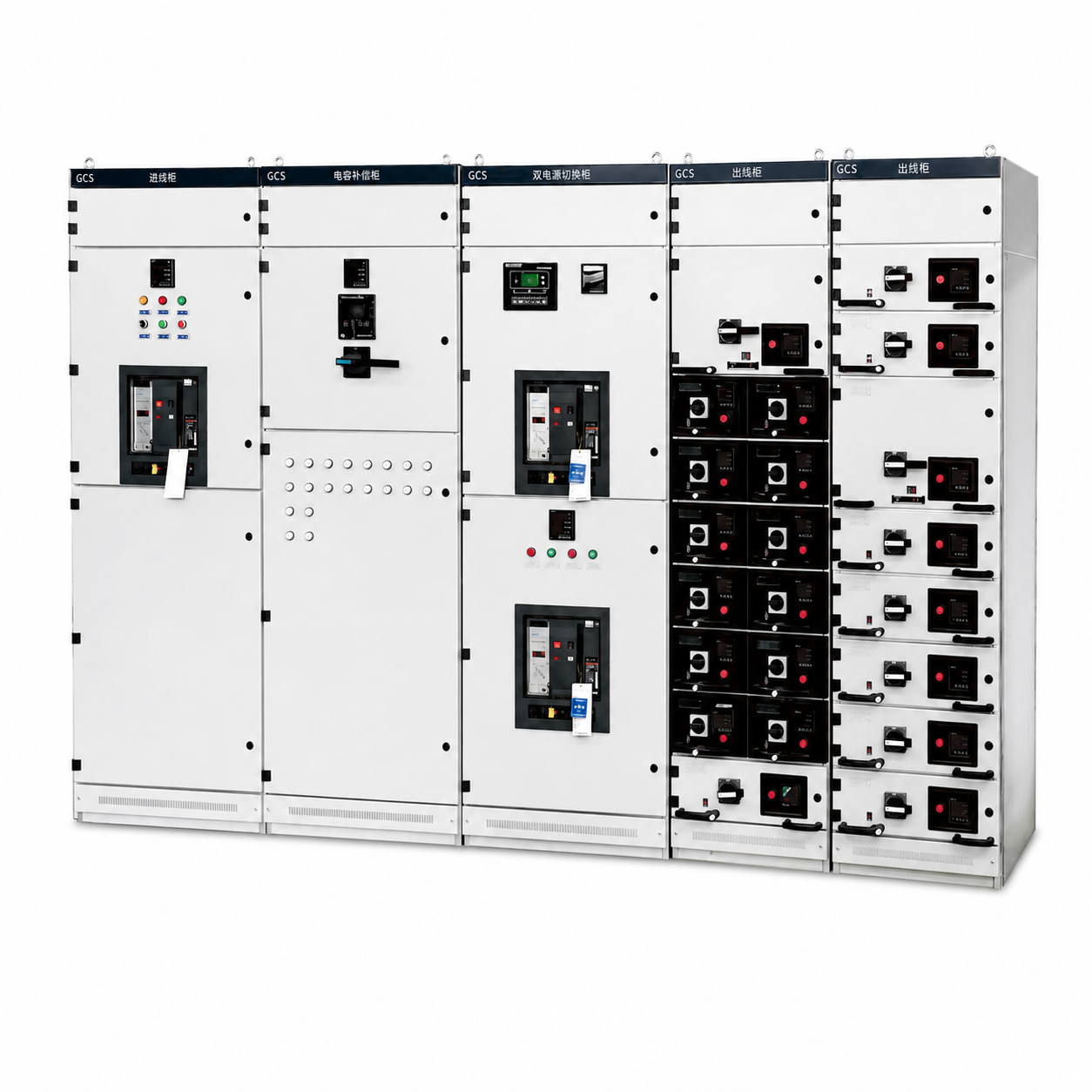
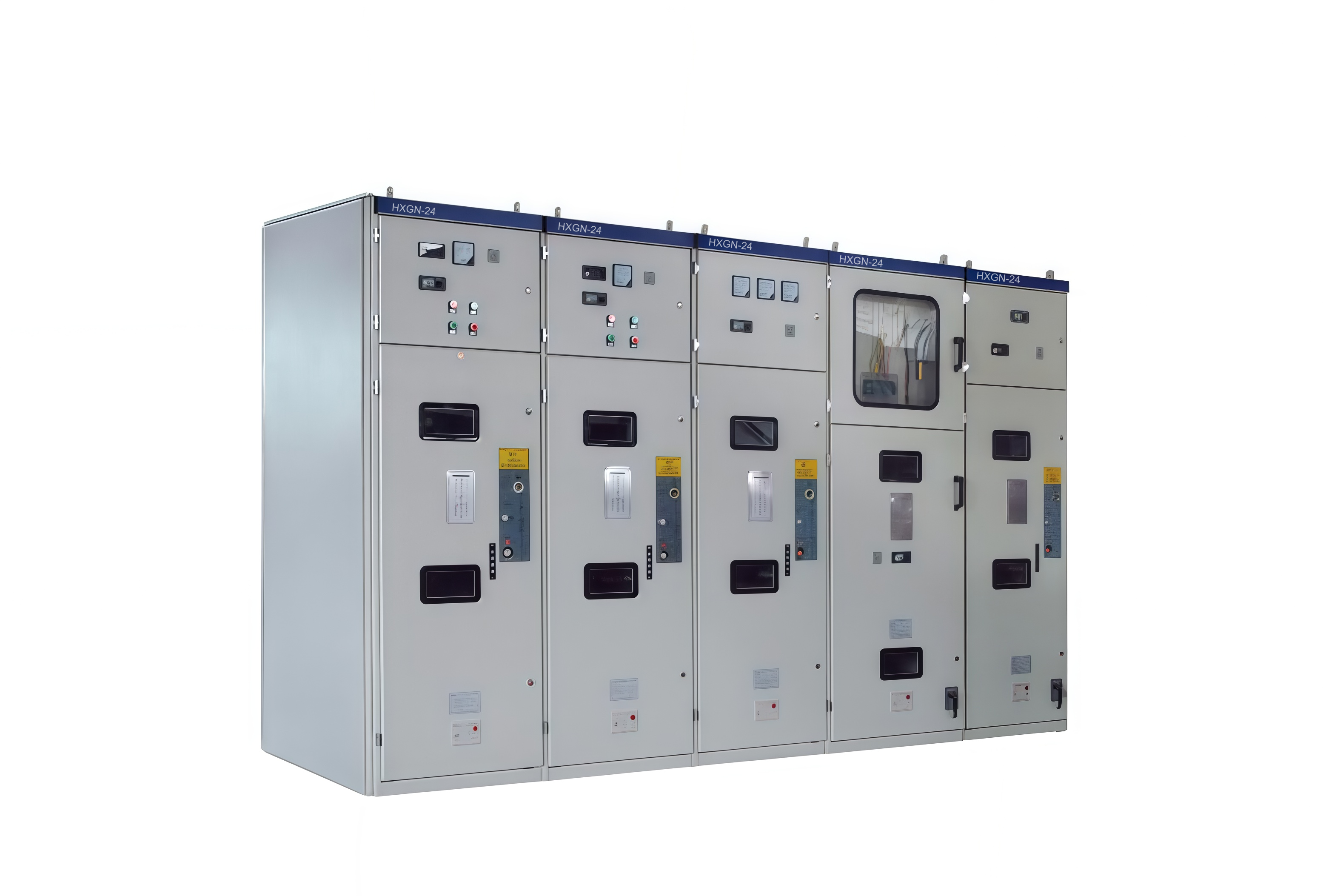
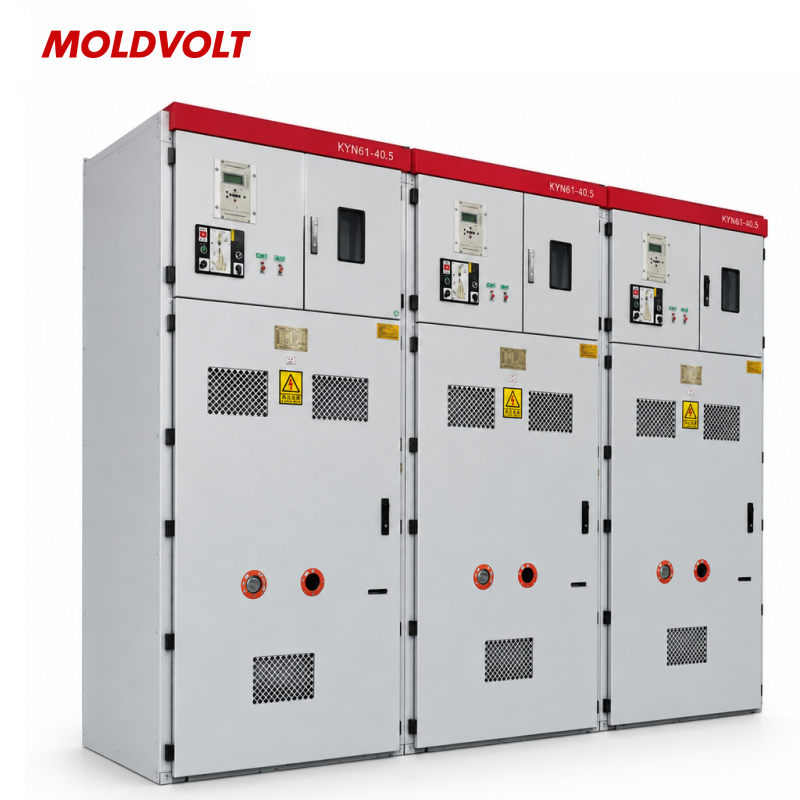
VoltCabinet supports project-specific metal enclosed switchgear selection for industrial plants, commercial infrastructure, utility facilities, and power distribution networks. Metal enclosures house electrical switching and protective components in an organized assembly designed around defined operating conditions. Depending on the voltage class and application, equipment may incorporate circuit breakers, busbars, disconnecting switches, protective relays, and metering devices. Important selection factors include rated voltage, continuous current, short-circuit ratings, insulation requirements, enclosure construction, and installation environment. Manufacturing facilities may need dedicated transformer and motor feeders, while utility installations require carefully coordinated switching and protection. Reviewing these parameters early helps buyers evaluate compatibility, maintenance access, and applicable standards before procurement.
Get A Quote

Case Study

Industrial Power Distribution and Equipment Protection

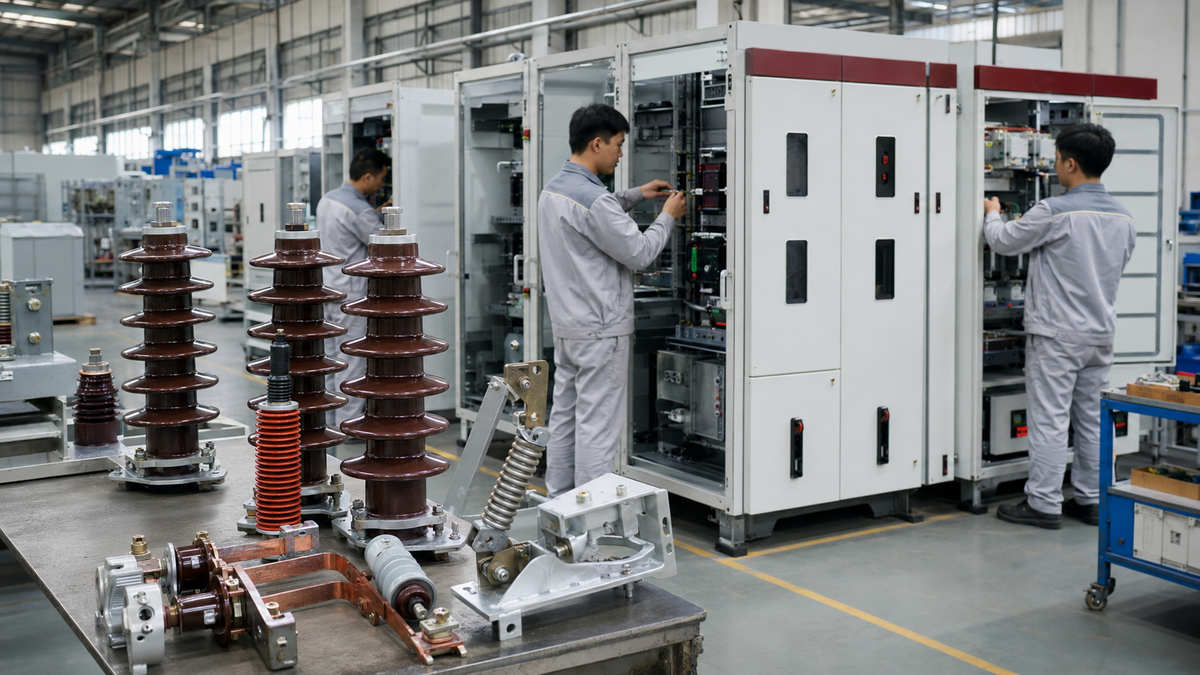
A manufacturing facility needed an organized switchgear arrangement to distribute power to transformers, production equipment, and auxiliary systems. Engineers reviewed operating voltage, load schedules, prospective fault current, and available installation space before specifying the assembly. Depending on the design, metal enclosed switchgear can integrate circuit breakers, busbars, protective relays, and control equipment. These components support switching and protection when correctly rated and coordinated with the wider electrical system. Clear equipment identification, wiring diagrams, and maintenance documentation also help technicians perform inspections and identify circuits. Final specifications should be checked against approved engineering drawings, applicable standards, and manufacturer requirements before installation and commissioning.

Metal Enclosed Switchgear for Utility Substations

A utility substation project required switchgear suitable for incoming supplies, transformer connections, and outgoing distribution feeders. The engineering team evaluated voltage ratings, short-circuit duty, insulation coordination, enclosure design, and operational access. Depending on the application, the assembly may include circuit breakers, disconnecting devices, protective relays, and instrument transformers. Cable routing, earthing arrangements, and maintenance clearances were also considered during layout planning. Detailed technical documentation helps contractors coordinate installation and allows operators to understand equipment functions. Verification of applicable standards and any required type-test documentation provides an important basis for procurement approval, commissioning preparation, and long-term maintenance planning.

Commercial Infrastructure and Electrical System Integration

A commercial infrastructure development needed enclosed switchgear to support reliable power distribution within a dedicated electrical room. The project team assessed load requirements, panel dimensions, access clearances, cable entry points, and protection coordination. The selected arrangement was planned around the facility's incoming supply and downstream distribution needs. Depending on the equipment type, metal enclosed switchgear can provide structured separation and housing for switching and protective components. Engineers also reviewed ventilation, environmental conditions, and maintenance access to ensure that the proposed installation suited the site. Final checks against project drawings and relevant electrical standards helped establish clear requirements for installation and commissioning.

Related products

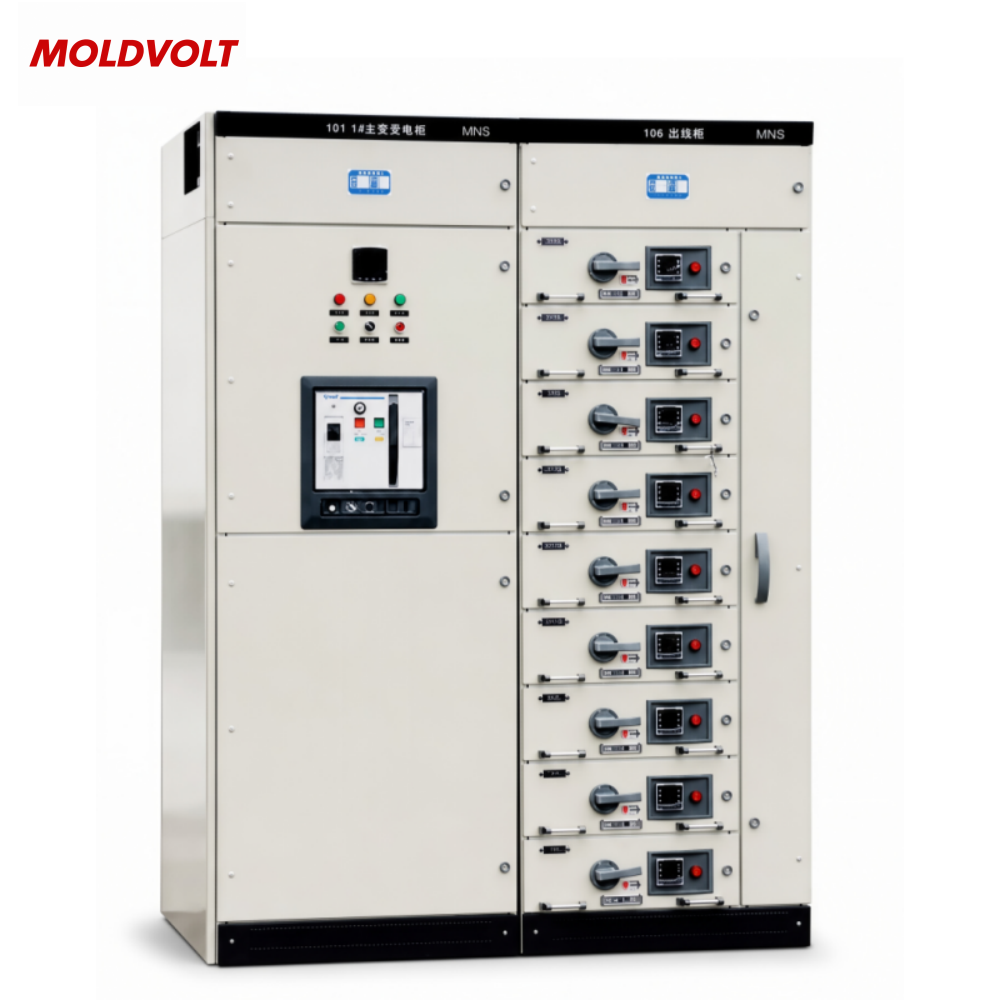
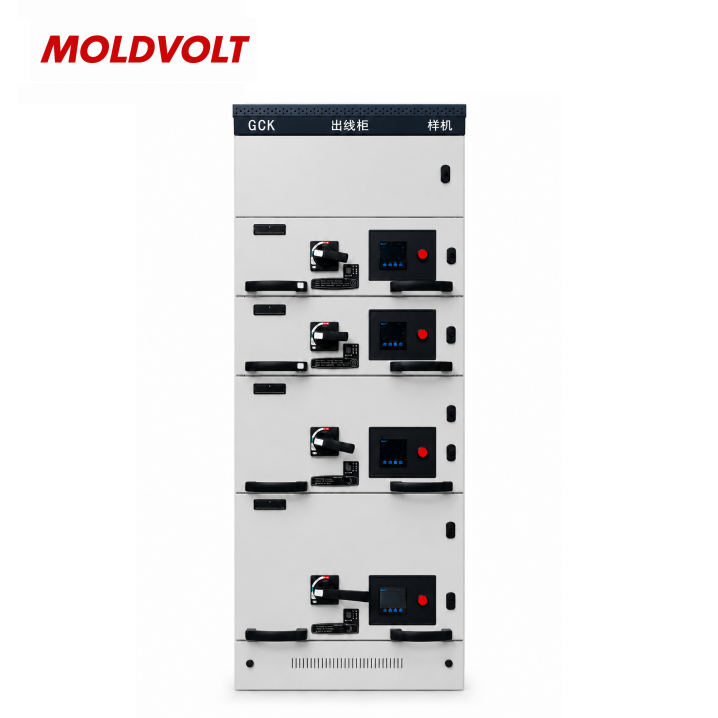
Metal enclosed switchgear integrates switching, protection, and monitoring components within a metal housing for organized electrical power distribution. VoltCabinet supports project-specific equipment evaluation for industrial plants, utility substations, commercial buildings, and infrastructure installations. Depending on voltage class and design, assemblies may incorporate circuit breakers, switches, busbars, protective relays, and metering devices. For example, manufacturing facilities may require transformer feeder protection, while utility substations need coordinated switching and fault management. Selection should consider rated voltage, continuous current, short-circuit ratings, insulation requirements, enclosure construction, and installation conditions. For applicable AC metal-enclosed switchgear above 1 kV and up to 52 kV, IEC 62271-200 defines relevant requirements for indoor and outdoor assemblies. [image](https://www.google.com/s2/favicons?domain=https://webstore.iec.ch\&sz=32) IEC Buyers should verify compliance documentation, installation clearances, and maintenance access before procurement. Proper engineering, inspection, and commissioning help ensure the installed equipment meets project specifications and operational requirements.
Frequently Asked Questions

What Is Metal Enclosed Switchgear Used For?

Metal enclosed switchgear houses electrical switching, interruption, and protective components within a metal enclosure. It supports power distribution in industrial facilities, utility substations, and commercial infrastructure. The configuration depends on voltage class, current ratings, fault requirements, and the intended operating environment.
Metal clad switchgear is a specific type of metal enclosed switchgear with defined compartmentalization requirements. Metal enclosed designs may use different internal arrangements depending on the applicable standard. Buyers should verify the construction classification, breaker arrangement, and equipment specifications rather than treating the terms as interchangeable.
IEC 62271-200 applies to relevant AC metal-enclosed switchgear assemblies rated above 1 kV and up to 52 kV. Other standards may apply to low-voltage equipment or specific North American configurations. Confirm the applicable standard according to voltage, equipment type, and destination market.
Yes, suitable designs are available for outdoor installations. Selection depends on environmental conditions, enclosure protection, temperature range, insulation requirements, and site exposure. Buyers should confirm the manufacturer's specified service conditions and installation requirements before choosing equipment for an outdoor substation or industrial facility.
Provide the single-line diagram, rated voltage, continuous current, short-circuit requirements, feeder quantities, and installation conditions. Include enclosure requirements, control interfaces, applicable standards, and any special operating needs. Complete specifications help suppliers evaluate compatibility and prepare an appropriate technical proposal.

Related article

Cost-Effective Low Voltage Switchgear for Iraq: Compatible with Blokset, Okken & 8PT | Local Assembly Options

16

Sep

Cost-Effective Low Voltage Switchgear for Iraq: Compatible with Blokset, Okken & 8PT | Local Assembly Options

View More
From High-Voltage Insulators to Low-Voltage Switchgear: A Vietnamese Manufacturer’s Transformation, Together with Us‌

08

Sep

From High-Voltage Insulators to Low-Voltage Switchgear: A Vietnamese Manufacturer’s Transformation, Together with Us‌

View More
What switchgear maintenance items prevent unexpected power outage risks?

10

Oct

What switchgear maintenance items prevent unexpected power outage risks?

Top 3 Root Causes of Switchgear-Related Power Outages Insulation degradation and partial discharge: leading precursors to cascade failure Insulation systems in switchgear degrade gradually under electrical, thermal, and environmental stress. Cracks...
View More
Cable clamp vs cable tie: which one delivers long term stability in panels?

27

Oct

Cable clamp vs cable tie: which one delivers long term stability in panels?

Mechanical Performance Under Thermal Stress Polymer creep and thermal expansion mismatch in nylon cable ties at 60–85°C Nylon 6/6 cable ties undergo measurable mechanical degradation when exposed continuously to 60–85 °C. At the...
View More

Customer Testimonials

Michael Turner

Our facility required metal enclosed switchgear for dependable power distribution and organized equipment protection. Reviewing electrical ratings, enclosure requirements, and maintenance access helped our engineering team prepare a clearer installation and commissioning plan.

David Wilson

We needed switchgear for a new electrical distribution installation. The technical review helped clarify feeder arrangements, protection requirements, and enclosure specifications, giving our contractors a stronger foundation for procurement and installation planning.

Get a Free Quote

Our representative will contact you soon.
Email
Mobile/WhatsApp
Name
Company Name
Message
0/1000
Configurations Aligned With Electrical Requirements

Configurations Aligned With Electrical Requirements

Metal enclosed switchgear should be selected according to the electrical network, operating environment, and protection requirements. Rated voltage, continuous current, short-circuit capability, and switching functions influence the equipment configuration. Manufacturing facilities may require dedicated transformer feeders, while utility substations often need coordinated incoming and outgoing circuits. VoltCabinet supports specification-based evaluation to help buyers review these factors before procurement. Single-line diagrams, load schedules, installation dimensions, and cable entry requirements provide a practical starting point for technical discussions. Applicable standards and manufacturer documentation should also be verified. This approach helps engineering teams identify potential compatibility issues and establish clearer requirements for installation, commissioning, and future maintenance.
Enclosed Construction for Organized Equipment Protection

Enclosed Construction for Organized Equipment Protection

Metal enclosures provide a structured housing for switching devices, busbars, and associated electrical components. Depending on the design, internal arrangements may support equipment separation, maintenance access, and organized cable connections. For industrial applications, clearly defined feeder sections can help technicians identify circuits during inspections and troubleshooting. Utility projects may require additional attention to switching arrangements, insulation coordination, and operational clearances. VoltCabinet encourages buyers to evaluate enclosure construction alongside electrical ratings and service conditions rather than focusing on physical appearance alone. Required protection features and performance claims should be confirmed through applicable standards and supporting documentation. Correct installation and maintenance remain essential to dependable operation.
Specification Verification for Long-Term Reliability

Specification Verification for Long-Term Reliability

A reliable switchgear installation begins with accurate technical specifications and continues through inspection, commissioning, and scheduled maintenance. Project teams should verify voltage ratings, current capacity, fault withstand requirements, connection arrangements, and applicable compliance documentation before equipment approval. For example, an industrial facility may need to coordinate transformer protection with downstream distribution, while a utility installation may require clearly documented feeder and switching arrangements. Installation space, cable routing, environmental conditions, and maintenance access also affect the suitability of the selected assembly. VoltCabinet supports project-oriented equipment evaluation to help buyers clarify these requirements before procurement. Qualified engineering reviews and appropriate testing help confirm that the installed switchgear matches the approved design.

Get a Free Quote

Our representative will contact you soon.
Email
Mobile/WhatsApp
Name
Company Name
Message
0/1000