Branch Circuits: Industrial Protection & Load Management Solutions

All Categories
Branch Circuit Solutions Customer Reviews

Branch Circuit Solutions Customer Reviews

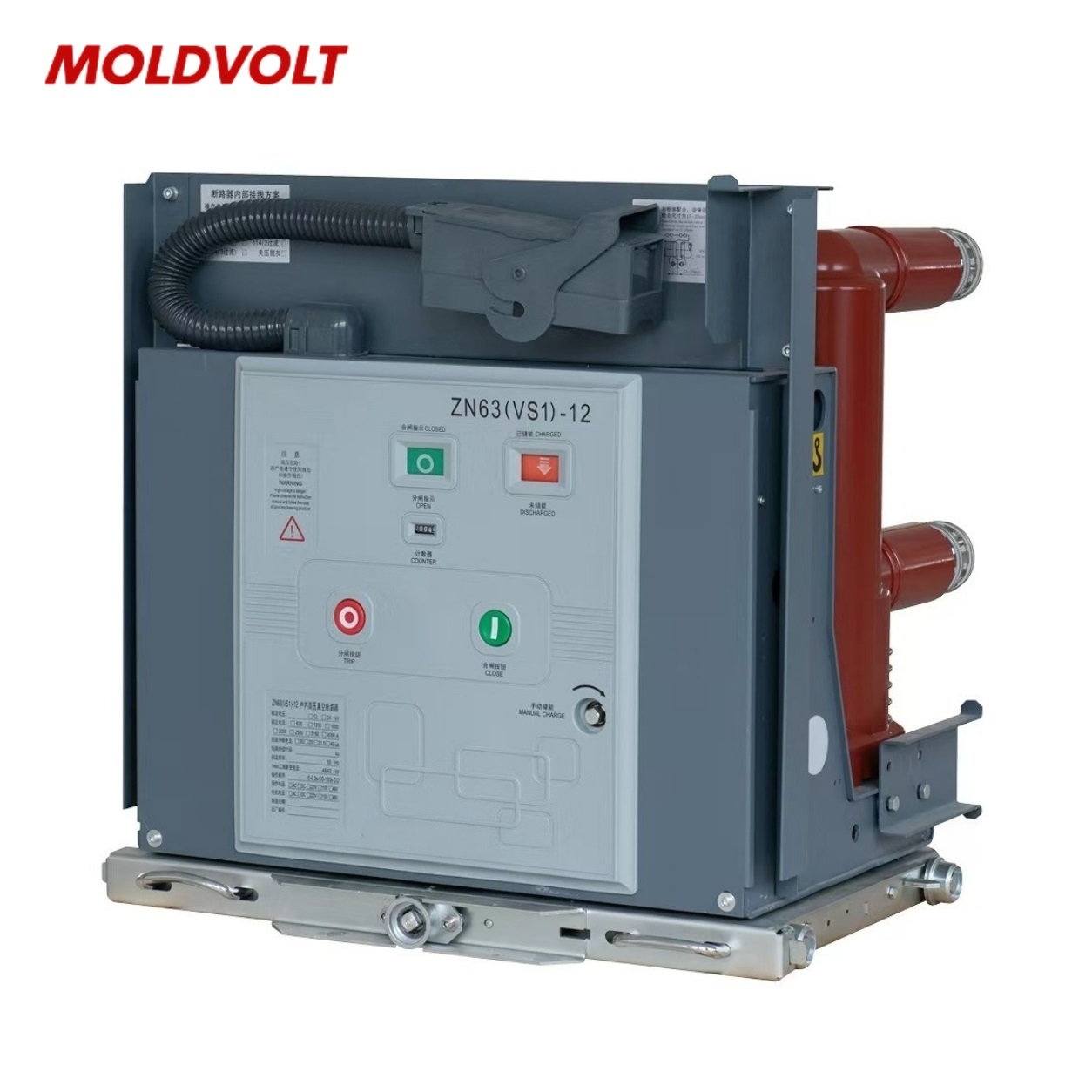
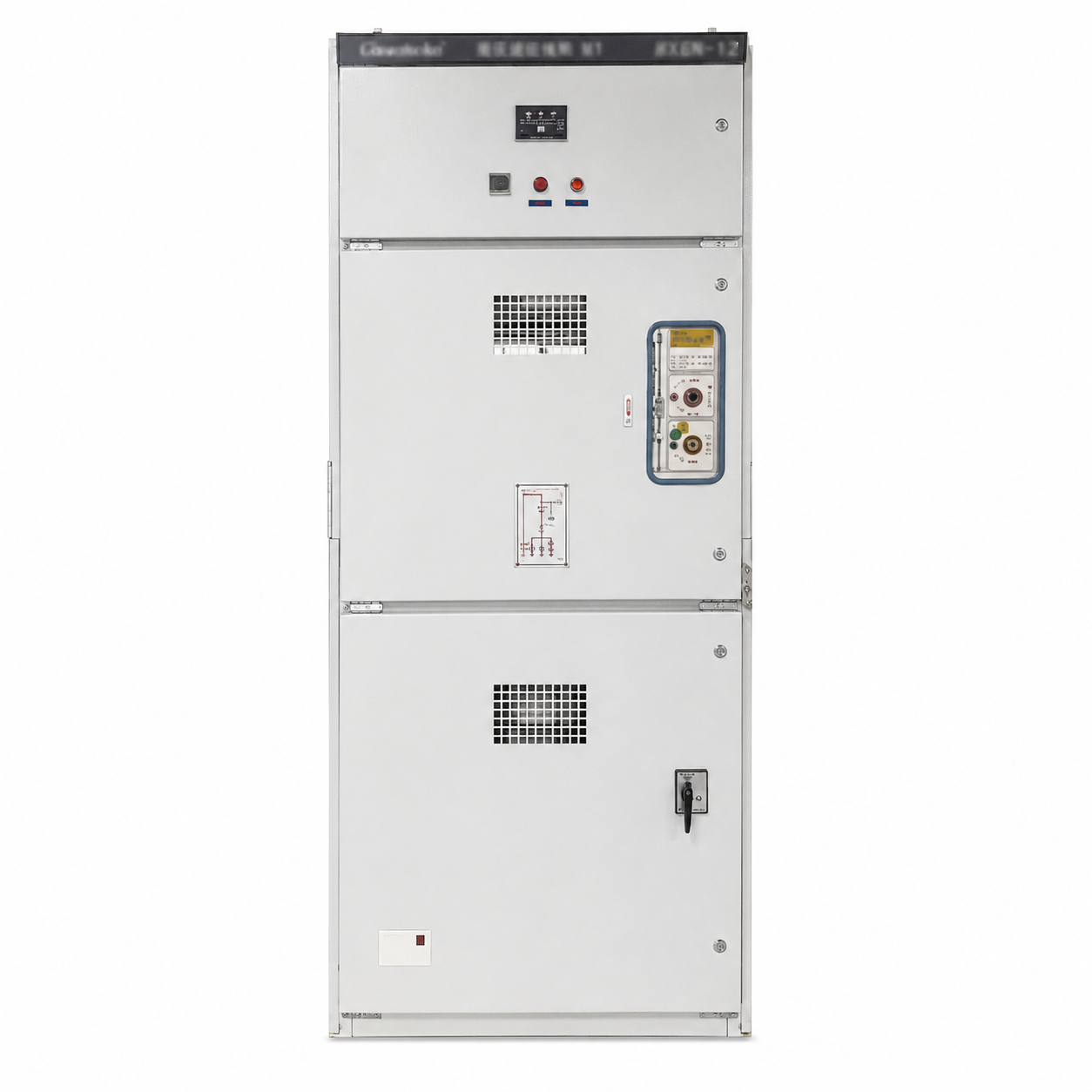
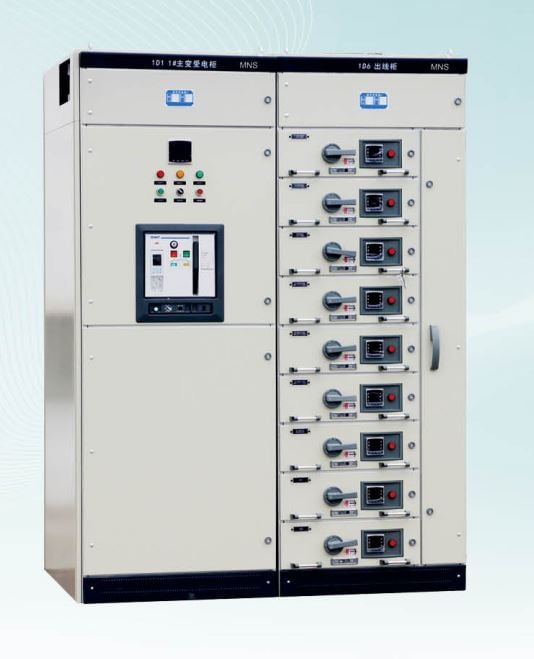
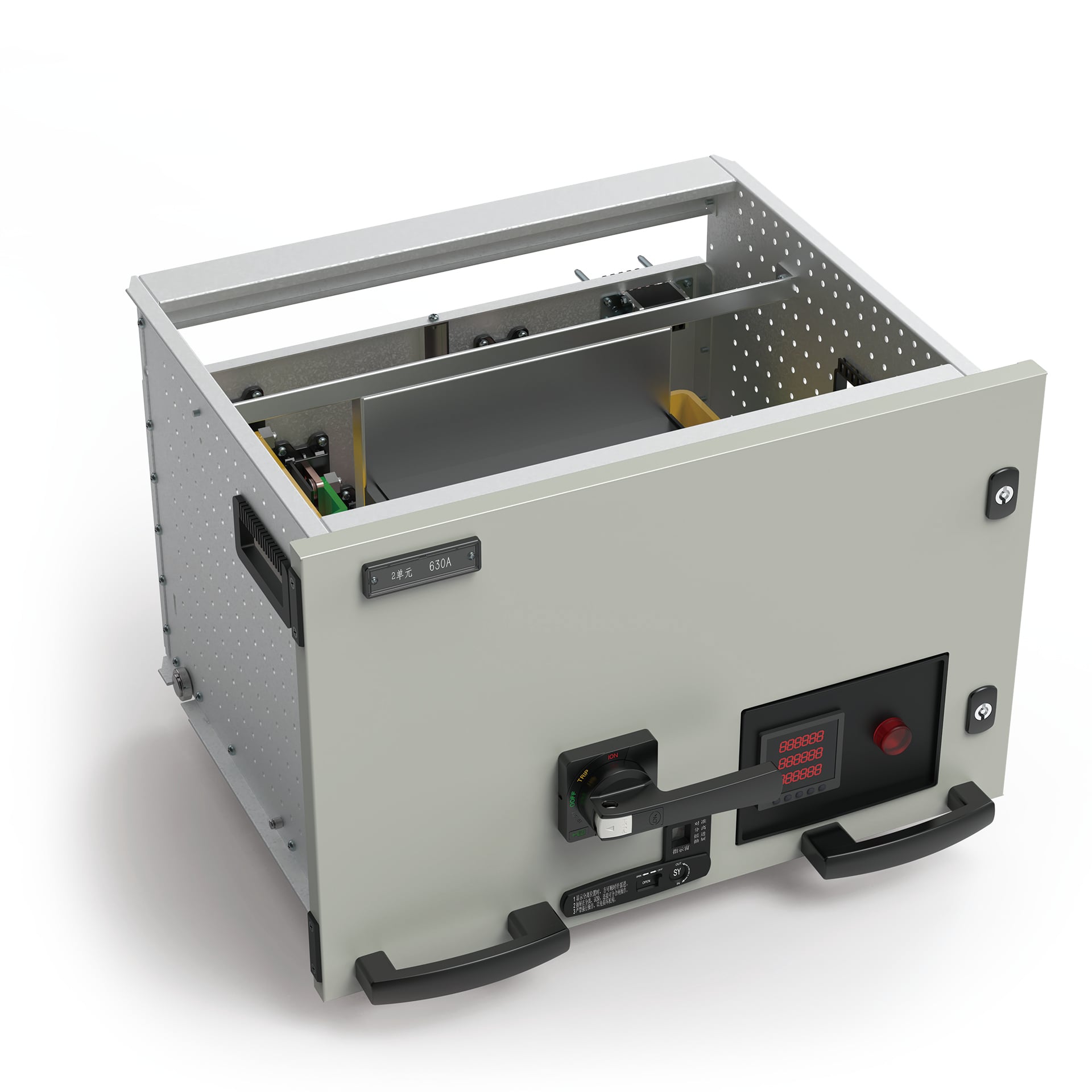
Branch circuits distribute electrical power from a final overcurrent protective device to outlets, lighting fixtures, and connected equipment. Properly designed circuits help manage electrical loads, protect conductors, and support safe operation across residential, commercial, and industrial environments. Voltcabinet supports electrical equipment selection for distribution panels and branch circuit protection applications. For example, a commercial office renovation may require separate circuits for lighting, receptacles, and HVAC equipment to accommodate different loads and operating requirements. Engineers should evaluate conductor ampacity, circuit demand, breaker ratings, voltage drop, and applicable electrical codes before installation. Appropriate circuit planning can improve maintainability, simplify troubleshooting, and reduce the risk of overloads caused by unsuitable load distribution.
Get A Quote

Case Study

Commercial Office Branch Circuit Design

Office buildings typically use branch circuits to distribute power to lighting, receptacles, workstations, and designated equipment. During a hypothetical office expansion, electrical contractors should review the expected load of each area and determine whether additional circuits are necessary. Separate circuits for high-demand equipment can help prevent excessive loading on general-purpose circuits. Engineers must also verify conductor sizing, breaker ratings, grounding arrangements, and voltage drop against applicable regulations. Clear circuit labeling supports maintenance and troubleshooting after installation. Voltcabinet can discuss distribution panel requirements and compatible protective components with project buyers, helping teams organize specifications for commercial electrical upgrades and new construction projects.

Industrial Equipment Branch Circuit Protection

Industrial facilities require branch circuits that accommodate equipment-specific loads and operating conditions. Circuits serving control panels, small machinery, lighting, and auxiliary equipment may have different protection requirements. For example, a manufacturing workshop installing new packaging equipment should evaluate operating current, starting characteristics, conductor capacity, and available fault current before extending its electrical distribution system. Correctly rated protective devices help safeguard wiring and isolate faults when selected for the intended application. Engineers should also consider environmental conditions and coordination with upstream protection. Voltcabinet supports project-based discussions about circuit breakers and electrical panel integration, helping buyers assess component requirements before procurement and installation.

Branch Circuit Upgrades for Commercial Renovations

Building renovations often introduce new lighting, appliances, office equipment, and mechanical loads that change existing branch circuit demands. Before connecting additional equipment, electrical professionals should review the existing panel schedule, circuit loading, conductor ratings, and protective device compatibility. In a hypothetical retail renovation, separating dedicated equipment circuits from general lighting and receptacle circuits may help organize the electrical layout and simplify maintenance. However, the final configuration must follow load calculations and local electrical requirements rather than assumptions about typical usage. A thorough assessment helps identify capacity limitations and avoid inappropriate breaker replacements. Voltcabinet can support technical discussions for distribution equipment procurement and panel upgrade planning.

Related products

Branch circuits form the final part of an electrical distribution system, carrying power from a distribution panel to outlets, lighting fixtures, and connected equipment. Each circuit must be designed around its intended load, conductor capacity, voltage, and required overcurrent protection. Common applications include office lighting, residential receptacles, commercial appliances, and industrial auxiliary equipment. Depending on the installation, circuit breakers, fuses, and additional protective devices may be required to address overloads, short circuits, or specific equipment hazards. For example, a commercial building adding HVAC units may need dedicated circuits and an updated panel schedule to accommodate revised electrical demand. Voltcabinet supports project discussions involving circuit breakers and distribution panel components for commercial and industrial applications. Buyers should provide load schedules, wiring diagrams, voltage requirements, and relevant standards when evaluating suitable equipment. Correct circuit design, professional installation, clear labeling, and periodic inspection contribute to safer operation and easier maintenance throughout the electrical system's service life.

Frequently Asked Questions

What is a branch circuit in an electrical system?

A branch circuit is the portion of an electrical system extending from the final overcurrent protective device to outlets or connected utilization equipment. It supplies power to lighting, receptacles, appliances, or machinery. Its design depends on load requirements, conductor ratings, protective devices, and applicable electrical codes.
Consider the expected load, conductor ampacity, system voltage, available fault current, and equipment requirements. The breaker must be compatible with the distribution panel and provide appropriate overcurrent protection. A qualified electrician should verify the circuit design against applicable standards before selecting or installing the device.
Dedicated circuits are appropriate when required by electrical codes, equipment instructions, or the connected load's operating characteristics. They are commonly used for certain appliances, HVAC equipment, and machinery. A dedicated circuit can help prevent excessive loading from unrelated equipment, but its necessity should be determined by the installation requirements.
Frequent tripping may result from overloaded circuits, short circuits, ground faults, faulty equipment, or unsuitable protective device selection. Identify the cause before restoring power. Repeatedly resetting a breaker without investigation can create safety risks. A qualified electrician should inspect persistent problems and verify circuit capacity.
Review load distribution, equipment locations, conductor sizing, voltage drop, protective device coordination, and panel capacity during design. Separate circuits where required and label them clearly for maintenance. Accurate electrical drawings and compliance with applicable codes help contractors build systems that are easier to inspect, troubleshoot, and expand.

Related article

What cable clamp material suits high temperature switchgear cabinets?

19

Sep

What cable clamp material suits high temperature switchgear cabinets?

Understanding High-Temperature Challenges in Switchgear CabinetsTypical Operating Temperatures and Thermal Stress Sources (Busbars, Load Cycling, Enclosure Design)Switchgear cabinets experience elevated temperatures primarily due to resistive losses ...
View More
Cabinet corrosion resistance determines service life in coastal engineering sites.

23

Sep

Cabinet corrosion resistance determines service life in coastal engineering sites.

Why Coastal Environments Accelerate Cabinet CorrosionThe chloride-humidity synergy: How salt aerosols and sustained high RH drive electrochemical degradationCoastal atmospheres subject cabinet enclosures to a uniquely aggressive combination of airbor...
View More
What electrical switchgear testing items are required before site commissioning?

21

Oct

What electrical switchgear testing items are required before site commissioning?

Insulation Integrity and Dielectric Strength Verification Megger testing of busbars, cables, and instrument transformer circuits Megger testing is a foundational pre-commissioning check for electrical switchgear, measuring insulation resistance (IR...
View More
Cable clamp vs cable tie: which one delivers long term stability in panels?

27

Oct

Cable clamp vs cable tie: which one delivers long term stability in panels?

Mechanical Performance Under Thermal Stress Polymer creep and thermal expansion mismatch in nylon cable ties at 60–85°C Nylon 6/6 cable ties undergo measurable mechanical degradation when exposed continuously to 60–85 °C. At the...
View More

Customer Testimonials

James Carter

Our team needed dependable branch circuit protection for a commercial building upgrade. Reviewing breaker ratings, connected loads, and panel compatibility helped simplify equipment selection and installation planning.

Michael Turner

We evaluated branch circuit requirements for several production areas. Clear specifications for current ratings, circuit protection, and distribution panel integration helped our engineering team coordinate the project efficiently.

Get a Free Quote

Our representative will contact you soon.
Email
Mobile/WhatsApp
Name
Company Name
Message
0/1000
Optimized Circuit Distribution and Load Management

Optimized Circuit Distribution and Load Management

Well-planned branch circuits help distribute electrical loads according to equipment requirements and the capacity of the electrical installation. Commercial buildings may separate lighting, general receptacles, and mechanical equipment, while industrial facilities often need circuits for control systems and auxiliary machinery. Engineers should assess expected current, conductor ampacity, voltage drop, protective device ratings, and the possibility of future expansion. For example, a growing office may require additional circuits when new workstations and equipment increase electrical demand. Reviewing the panel schedule before construction helps identify capacity constraints and supports organized installation planning. Voltcabinet assists buyers in discussing compatible distribution components and technical requirements for branch circuit projects.
Dependable Protection and Simplified Maintenance

Dependable Protection and Simplified Maintenance

Branch circuit reliability depends on suitable protective devices, compatible electrical components, and correct installation practices. Circuit breakers help protect conductors against overloads and short circuits when appropriately selected, while specialized applications may require additional protection. Clear panel schedules and durable circuit identification make it easier for technicians to locate circuits during inspections or troubleshooting. For example, a retail facility upgrading its distribution panel can review circuit assignments and protective device ratings to improve maintenance planning. Voltcabinet supports electrical equipment sourcing discussions for commercial and industrial projects, helping buyers clarify breaker specifications and panel integration requirements. Final designs should follow manufacturer guidance, qualified engineering review, and applicable electrical regulations.

Get a Free Quote

Our representative will contact you soon.
Email
Mobile/WhatsApp
Name
Company Name
Message
0/1000