Customer Reviews for Main Breaker Switch Solutions
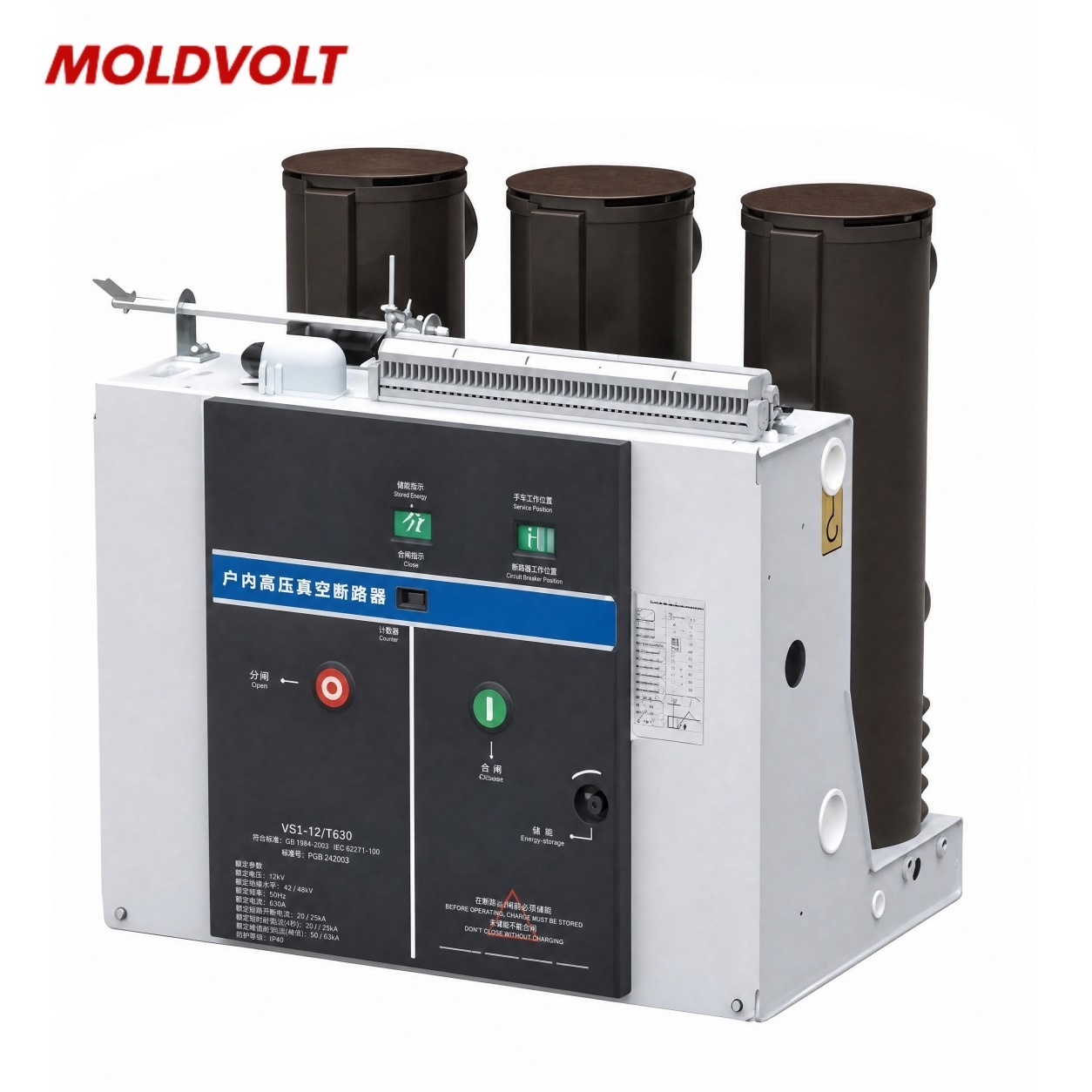
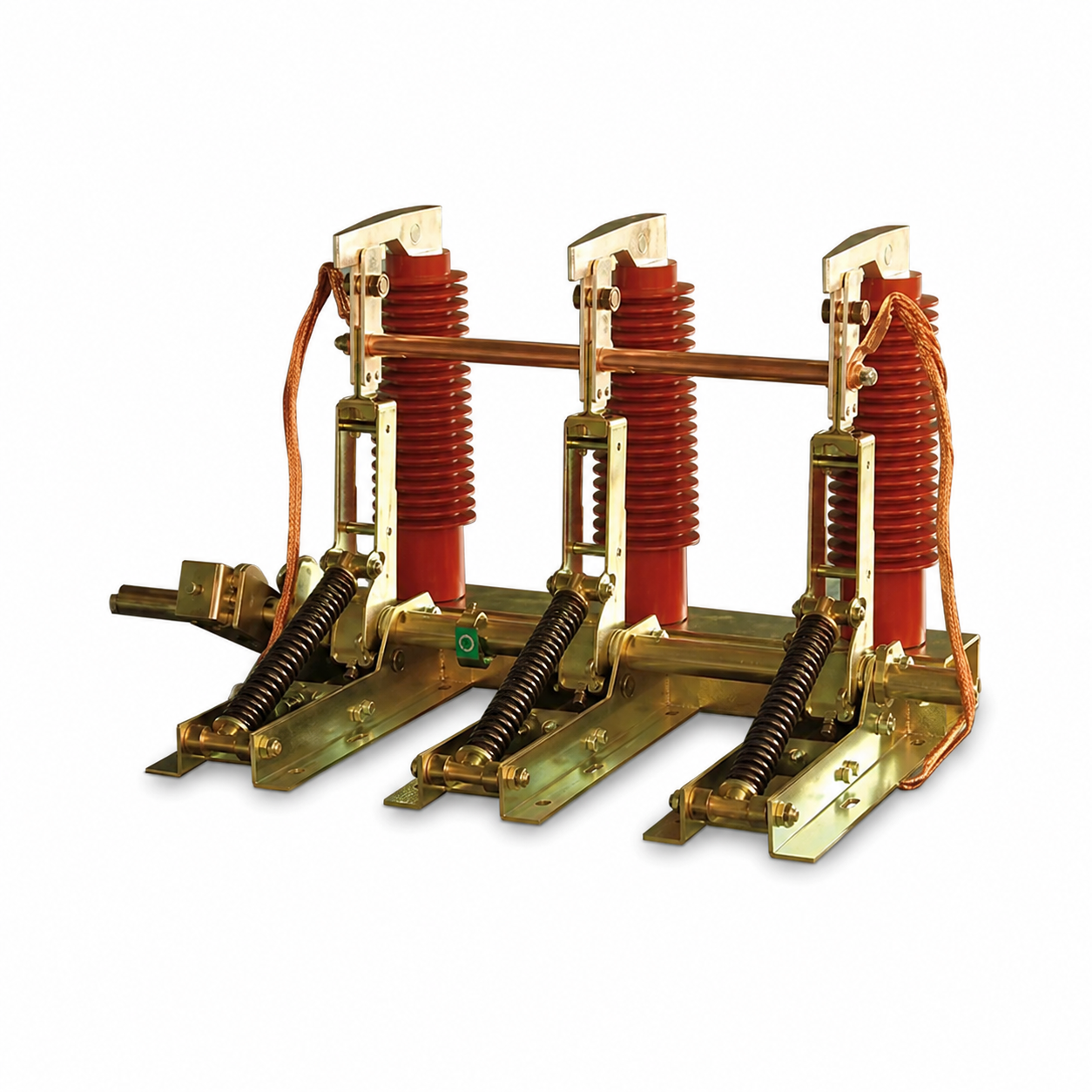
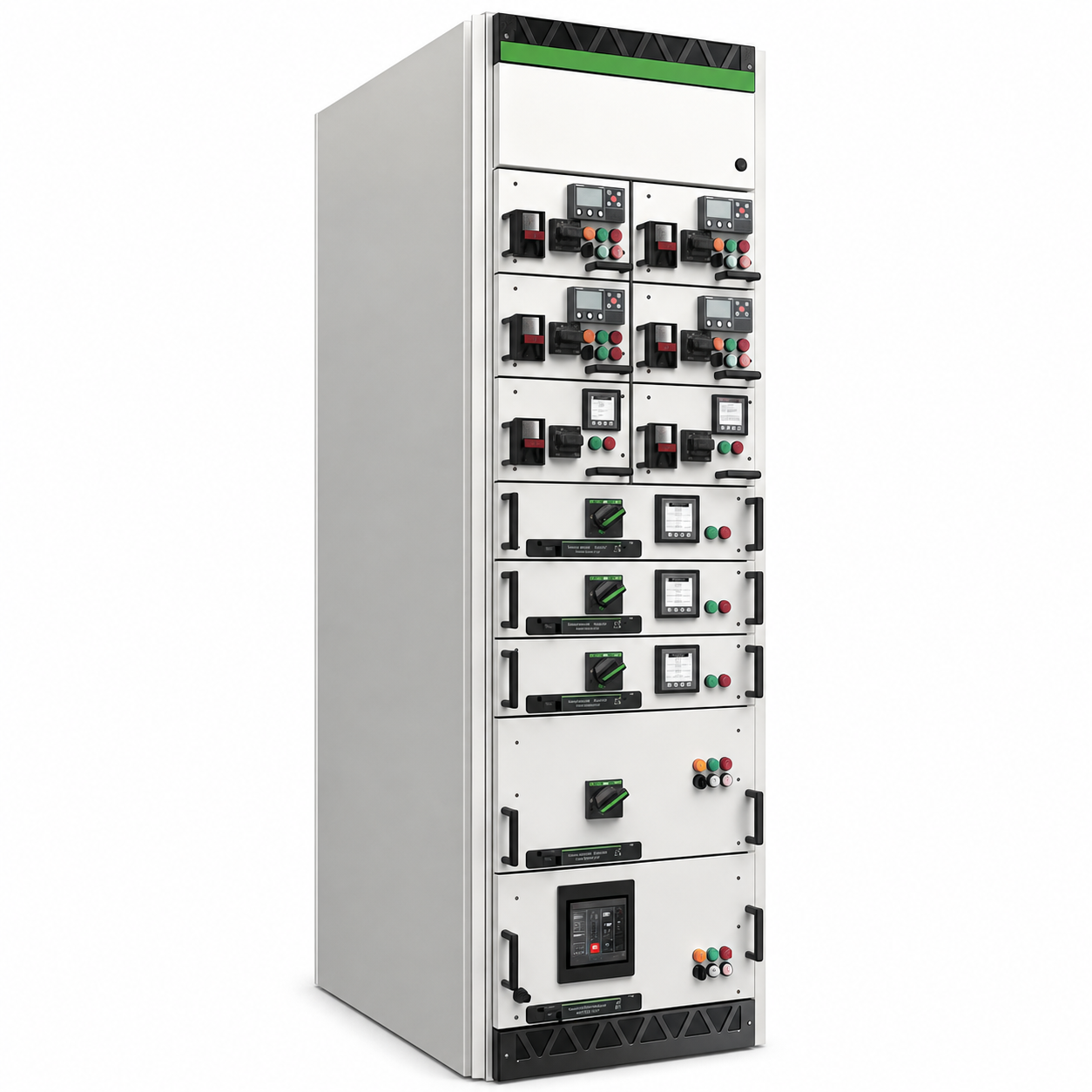
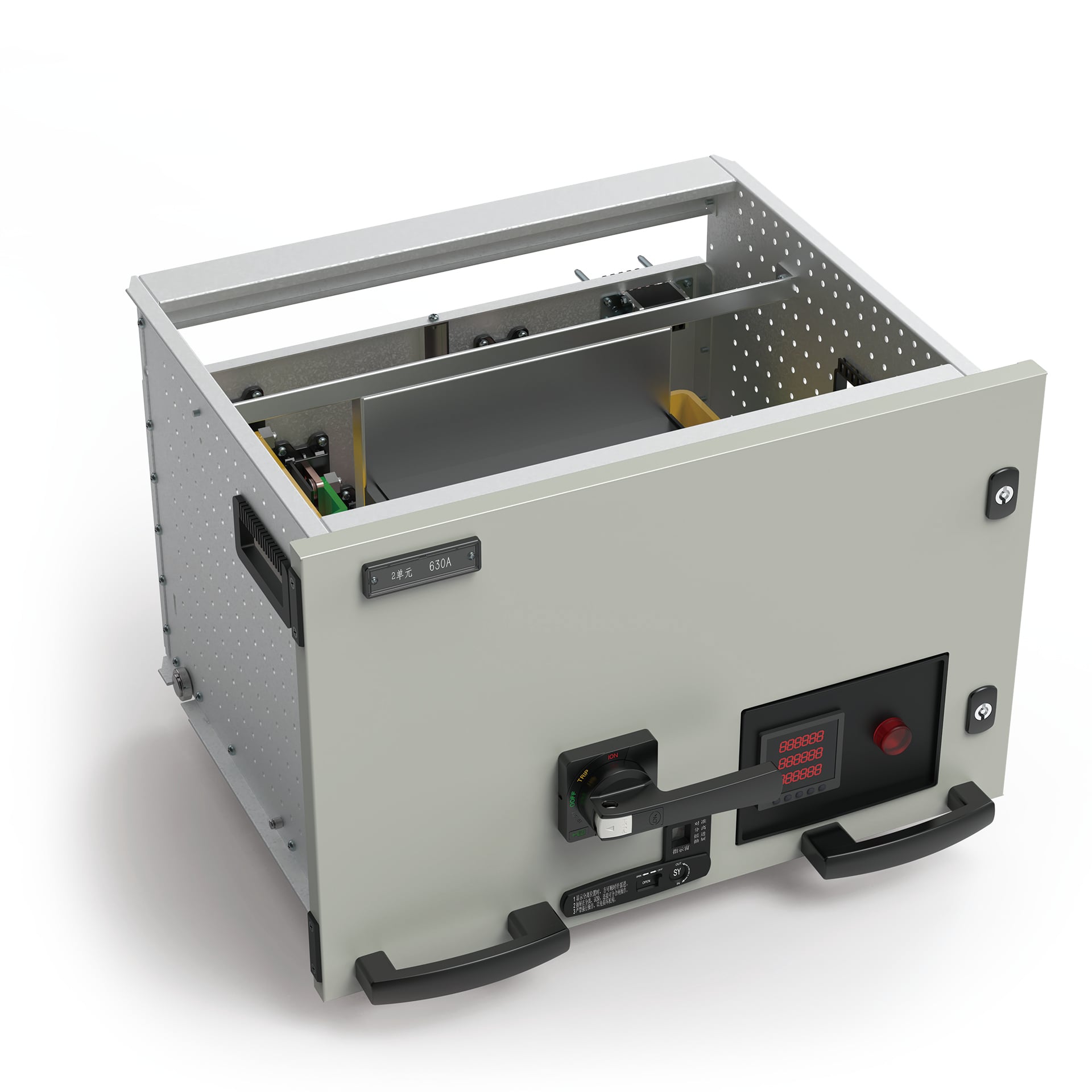
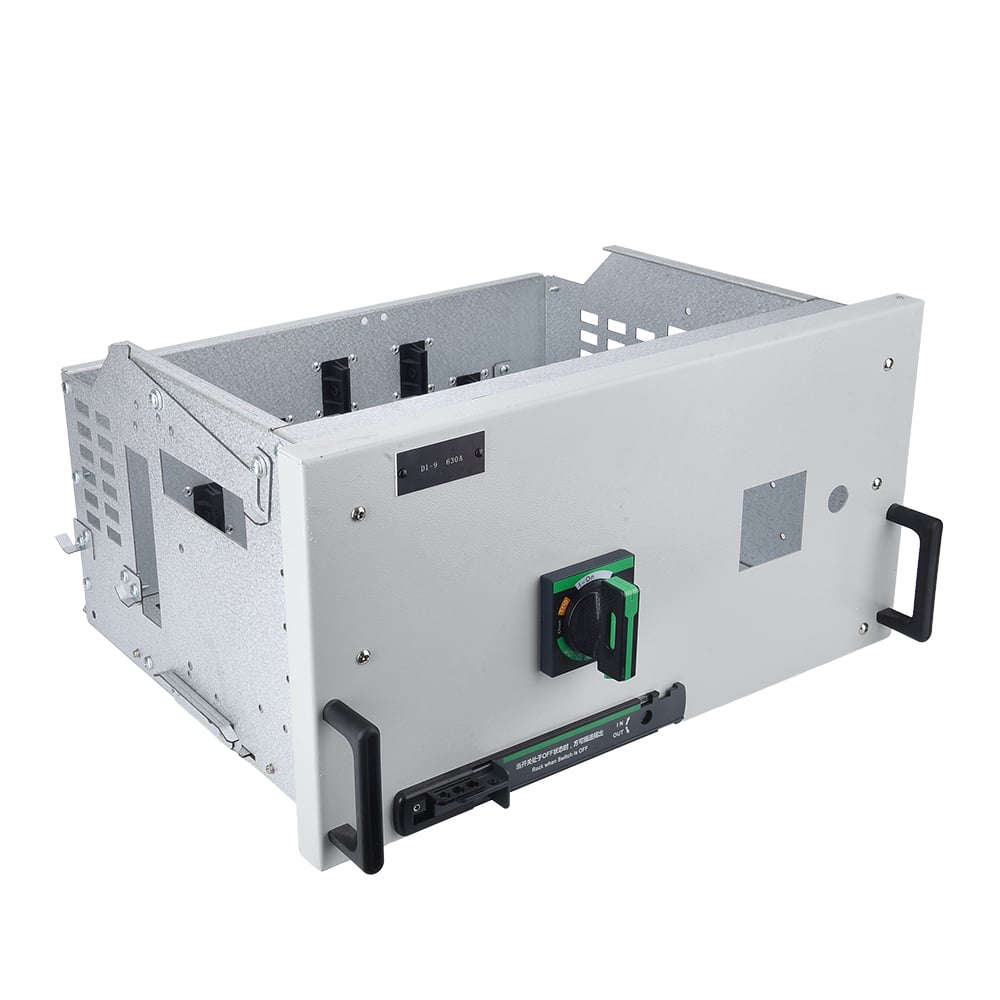
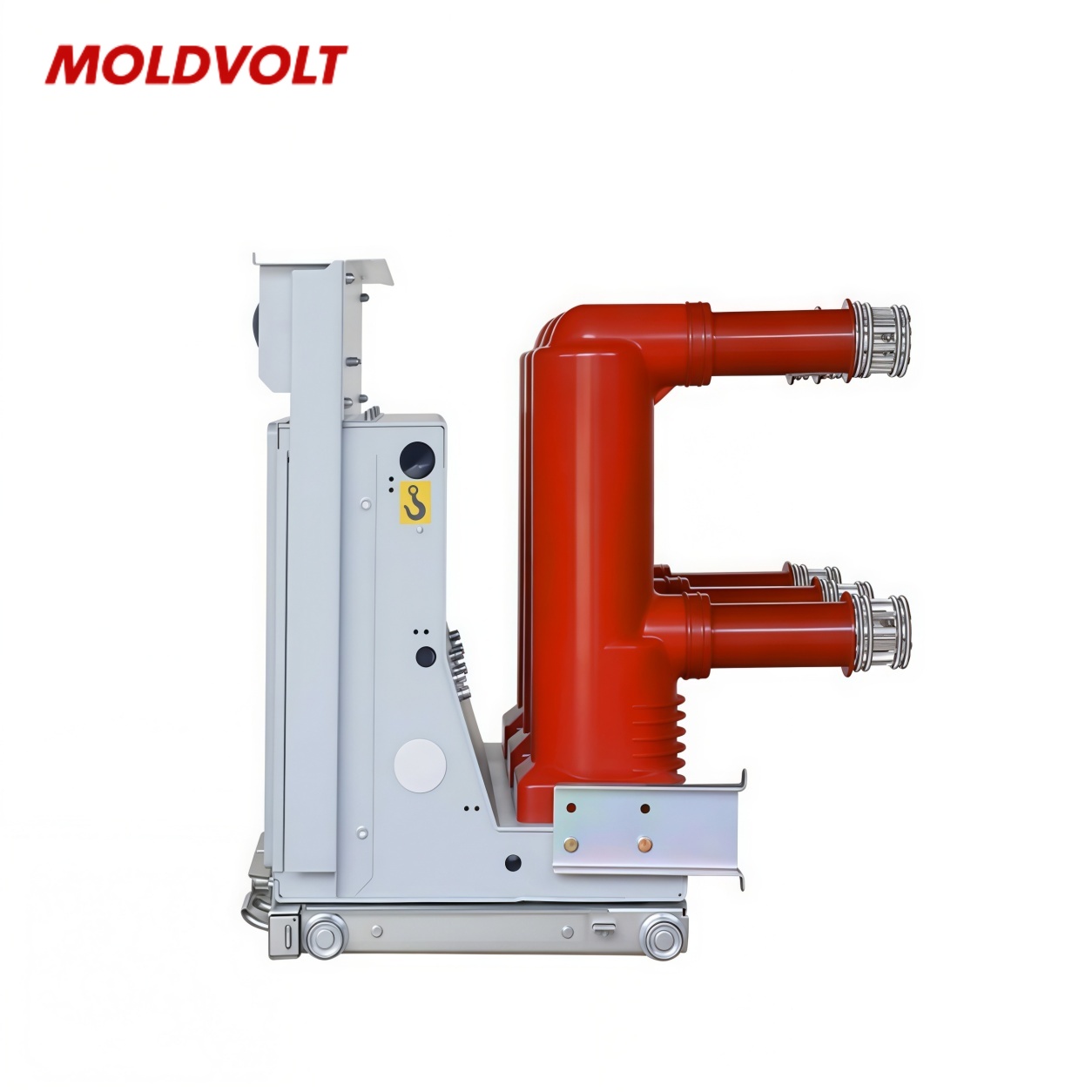
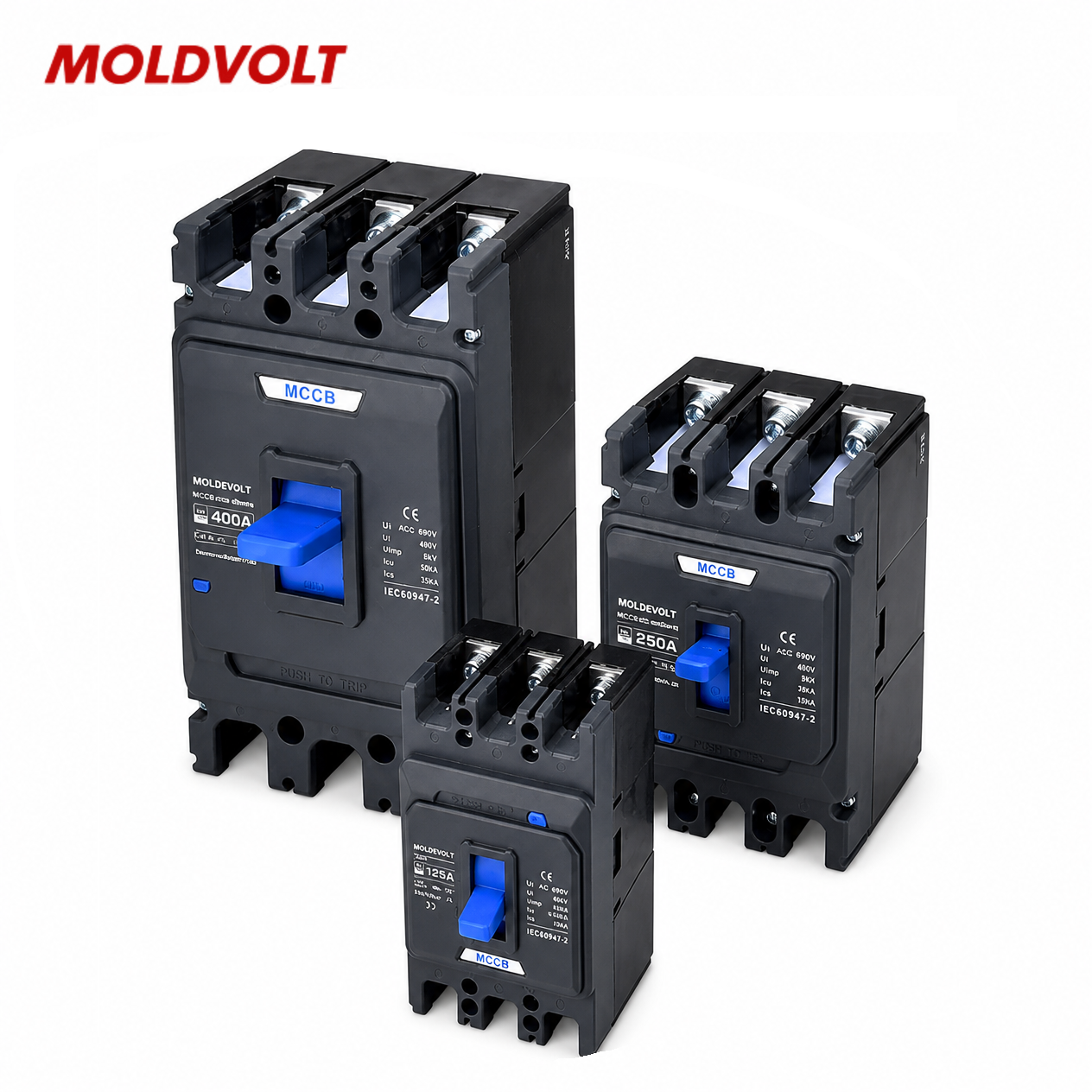
A main breaker switch provides a central means of controlling electrical power and protecting a distribution system against specified overload and short-circuit conditions. Depending on its design, it may serve as the primary circuit breaker for commercial buildings, industrial facilities, and low-voltage distribution panels. Choosing the correct device requires checking rated voltage, operating current, interrupting capacity, pole configuration, and compatibility with the complete electrical assembly. VoltCabinet supports distribution equipment projects with configuration considerations tailored to installation requirements. For example, a factory upgrading its main switchboard should verify calculated demand and prospective fault current before selecting a replacement device. Correct specification helps support safe switching, coordinated protection, and maintainable electrical infrastructure.
Get A Quote

 EN