Auto Circuit Breaker Selection Guide for Vehicles & Fleets

All Categories
Customer Reviews for Auto Circuit Breaker Solutions

Customer Reviews for Auto Circuit Breaker Solutions

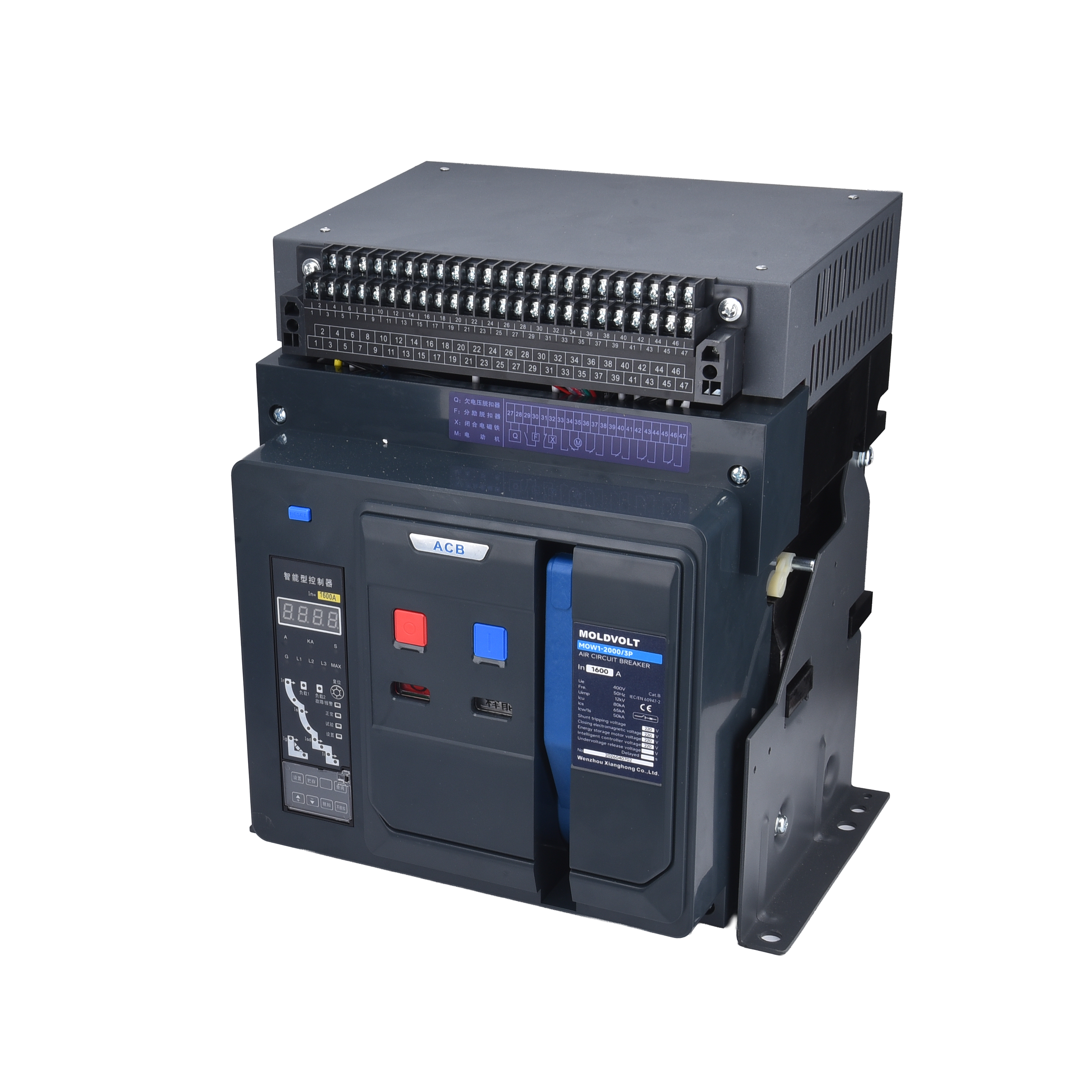
An auto circuit breaker protects automotive electrical circuits against specified overload conditions and, depending on its design, may be reset after tripping. These devices are used in cars, trucks, recreational vehicles, marine applications, and auxiliary electrical systems where dependable circuit protection is essential. Selection depends on rated voltage, current capacity, interrupting capability, mounting style, and environmental requirements. VoltCabinet supports electrical distribution projects and can help clarify protection specifications for suitable applications. For example, a commercial vehicle outfitted with auxiliary lighting or powered accessories requires circuit protection matched to the wiring and connected loads. Correct sizing helps reduce wiring damage risks, supports reliable operation, and simplifies maintenance when a circuit trips.
Get A Quote

Case Study

Circuit Protection for Commercial Vehicle Accessories

A commercial vehicle outfitting project required circuit breakers for auxiliary lighting, communication equipment, and other electrical accessories. The installation team reviewed each circuit's expected current, startup characteristics, wire capacity, and operating environment before selecting protective devices. Resettable breakers were considered where their ratings and application requirements were appropriate. The team also evaluated mounting accessibility and resistance to vibration to support serviceability during routine vehicle maintenance. Before operation, qualified technicians verified connections and checked that each protective device matched the circuit specifications. This approach helped organize the vehicle's auxiliary electrical system and reduced the risk of using incorrectly rated protection components.

Auto Circuit Breakers for Recreational Vehicles

A recreational vehicle manufacturer needed circuit protection for selected auxiliary systems, including powered accessories and convenience equipment. Engineers reviewed the system voltage, expected load current, conductor ratings, and available installation space. Environmental factors such as vibration, temperature variation, and exposure to moisture also influenced component selection. The project team documented breaker ratings and circuit assignments to support troubleshooting and future maintenance. Before production release, the proposed configuration required verification against the vehicle's electrical design and component specifications. For recreational vehicles, selecting an auto circuit breaker involves more than matching amperage; interrupting capability, reset characteristics, wiring protection, and applicable automotive or recreational vehicle standards must also be considered.

Electrical Protection for Fleet Vehicle Upgrades

A fleet operator upgraded the auxiliary electrical systems in several service vehicles to support additional equipment. The engineering review covered the increased circuit demand, alternator and battery system limitations, conductor sizing, and the protective devices required for each new load. Breaker placement and accessibility were considered to simplify inspection and replacement when necessary. The team also reviewed whether the selected devices were suitable for the vehicles' electrical environment. Before installation, qualified technicians checked circuit diagrams and verified device specifications. This planning process helped clarify requirements for the fleet upgrade and highlighted the importance of coordinating breaker selection with the complete vehicle electrical system.

Related products

An auto circuit breaker is a protective device designed for vehicle electrical circuits. Depending on its construction, it interrupts current when an overload condition exceeds specified limits and may be reset after the cause has been addressed. Automotive applications include auxiliary lighting, powered accessories, service vehicles, recreational vehicles, and selected marine electrical systems. Available designs may feature manual reset, automatic reset, or other operating mechanisms, each suited to different circuit requirements. Choosing the correct breaker requires confirming system voltage, rated current, interrupting capacity, mounting configuration, and the characteristics of the connected load. Engineers should also assess wire ampacity, startup current, vibration, temperature exposure, and moisture protection. A resettable breaker must not be treated as a substitute for correcting an electrical fault; repeated tripping may indicate excessive load, damaged wiring, or equipment malfunction. VoltCabinet supports electrical distribution and protection equipment projects where technical specifications and application compatibility are important. For example, a service vehicle with additional work lights and powered tools may require separately protected circuits designed around each load. The final design should follow vehicle manufacturer guidance and applicable standards. Buyers should provide circuit voltage, expected current, installation environment, and required reset behavior when requesting suitable product options.

Frequently Asked Questions

What does an auto circuit breaker do?

An auto circuit breaker protects vehicle electrical wiring and connected equipment against specified overcurrent conditions. Depending on its design, it may trip automatically and allow manual or automatic resetting. Proper selection requires matching the device to the circuit voltage, current, wiring capacity, and expected fault conditions.
A fuse typically melts its internal element when current exceeds its specified operating characteristics and must then be replaced. Some automotive circuit breakers can be reset after tripping once the fault is corrected. Both devices require appropriate ratings and must be selected according to the vehicle's electrical design.
Automotive circuit breakers can protect auxiliary lighting, powered accessories, commercial vehicle equipment, recreational vehicle circuits, and selected marine applications. The correct device depends on system voltage, load current, environmental exposure, and required reset behavior. Always verify that the product is approved for the intended application.
Determine the load's normal current, startup characteristics, conductor ampacity, and the manufacturer's protection requirements. The breaker must protect the wiring without tripping unnecessarily during normal operation. Vehicle voltage, available fault current, and installation conditions also matter. A qualified technician should verify the final selection.
Repeated tripping can indicate excessive load, a short circuit, damaged wiring, loose connections, or a faulty component. Automatic-reset models may cycle repeatedly if the underlying problem remains. Disconnect the affected circuit when safe and have a qualified technician identify the cause before restoring operation.

Related article

What cable clamp material suits high temperature switchgear cabinets?

19

Sep

What cable clamp material suits high temperature switchgear cabinets?

Understanding High-Temperature Challenges in Switchgear CabinetsTypical Operating Temperatures and Thermal Stress Sources (Busbars, Load Cycling, Enclosure Design)Switchgear cabinets experience elevated temperatures primarily due to resistive losses ...
View More
Cabinet corrosion resistance determines service life in coastal engineering sites.

23

Sep

Cabinet corrosion resistance determines service life in coastal engineering sites.

Why Coastal Environments Accelerate Cabinet CorrosionThe chloride-humidity synergy: How salt aerosols and sustained high RH drive electrochemical degradationCoastal atmospheres subject cabinet enclosures to a uniquely aggressive combination of airbor...
View More
What switchgear maintenance items prevent unexpected power outage risks?

10

Oct

What switchgear maintenance items prevent unexpected power outage risks?

Top 3 Root Causes of Switchgear-Related Power Outages Insulation degradation and partial discharge: leading precursors to cascade failure Insulation systems in switchgear degrade gradually under electrical, thermal, and environmental stress. Cracks...
View More
Insulator mechanical strength supports busbar fixing inside switchgear cabinets.

13

Oct

Insulator mechanical strength supports busbar fixing inside switchgear cabinets.

Critical Mechanical Load Demands on Insulators for Busbar Support Static, Dynamic, and Short-Circuit Electrodynamics: Quantifying Peak Forces (Up to 250 kA) Busbar support insulators must simultaneously manage three distinct mechanical load regimes...
View More

Customer Testimonials

James Miller

We needed dependable automotive circuit breakers for vehicle electrical systems. Reviewing current ratings, reset functions, and installation requirements helped our team narrow down suitable protection options for our application.

Daniel Wilson

Our project required circuit protection for auxiliary vehicle equipment. The technical discussions helped us assess circuit loads, environmental conditions, and breaker specifications before finalizing our electrical system design.

Get a Free Quote

Our representative will contact you soon.
Email
Mobile/WhatsApp
Name
Company Name
Message
0/1000
Application-Matched Protection for Automotive Electrical Loads

Application-Matched Protection for Automotive Electrical Loads

Automotive electrical systems contain loads with different operating patterns, from steady accessory circuits to equipment with higher startup current. Selecting a suitable auto circuit breaker requires understanding those differences and matching the device to the wiring and connected equipment. VoltCabinet supports electrical equipment projects where application requirements guide component selection. For example, a service truck adding work lights, communication equipment, and powered tools may need individual circuit assessments rather than a single oversized breaker. Engineers and installers should review voltage, current, conductor capacity, interrupting ratings, and the vehicle's operating environment. This structured approach supports reliable protection and makes circuit identification and maintenance more straightforward.
Durable Breaker Options for Demanding Vehicle Environments

Durable Breaker Options for Demanding Vehicle Environments

Vehicle electrical components may experience vibration, temperature fluctuations, moisture, dust, and restricted mounting space. These conditions make environmental suitability an important part of auto circuit breaker selection. Buyers should review the device's operating temperature range, enclosure or terminal protection, mounting method, and approved application before procurement. VoltCabinet supports electrical distribution projects where equipment specifications need to match actual operating conditions. For example, a commercial fleet operating outdoors may require different environmental protection from equipment installed in a controlled workshop. Confirming these requirements early helps reduce compatibility problems and supports consistent installation practices. Product performance claims should always be verified against manufacturer documentation and relevant certification.

Get a Free Quote

Our representative will contact you soon.
Email
Mobile/WhatsApp
Name
Company Name
Message
0/1000