Underground Distribution Switchgear: Compact, Reliable & Protected

All Categories
Reliable Underground Distribution Switchgear for Modern Power Networks

Reliable Underground Distribution Switchgear for Modern Power Networks

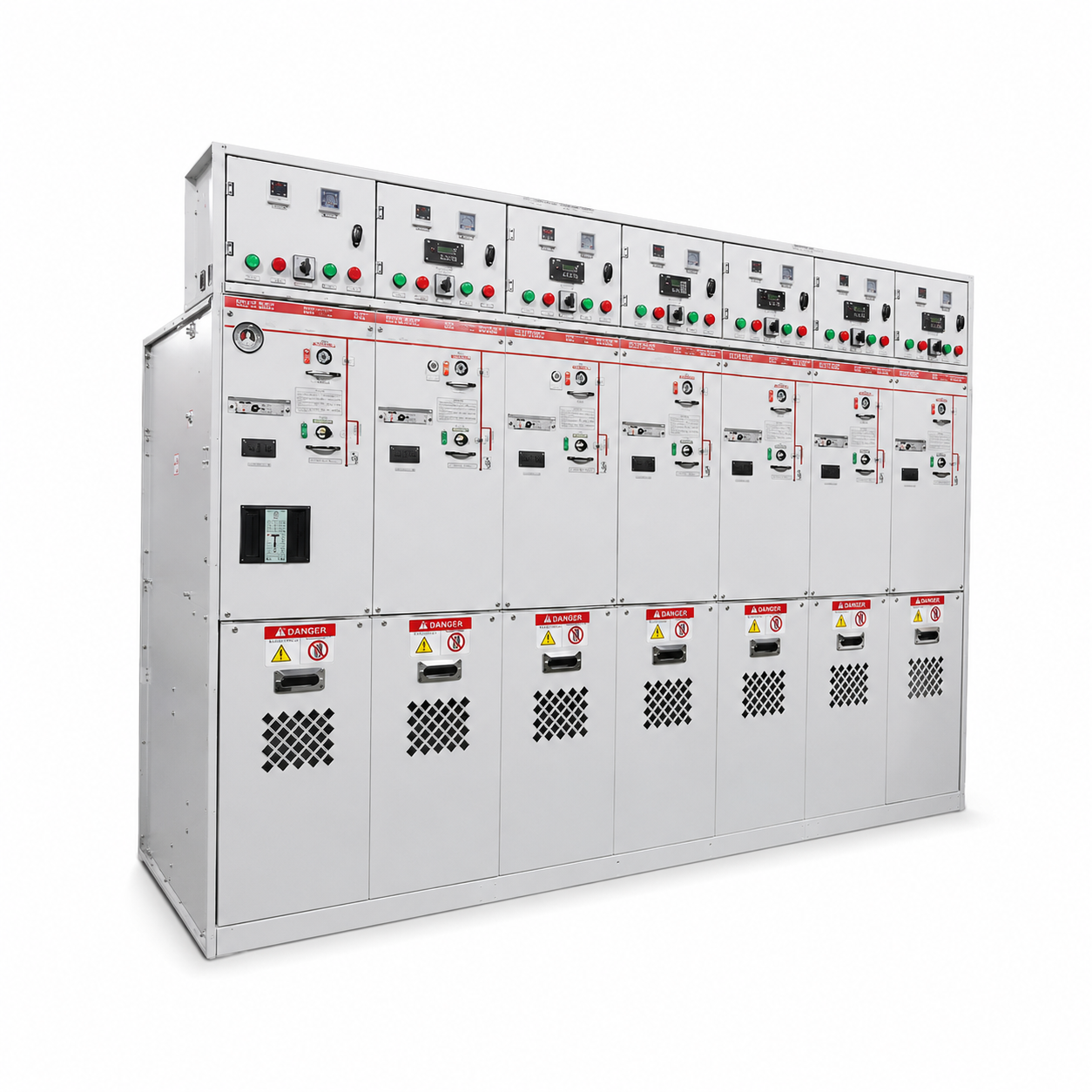
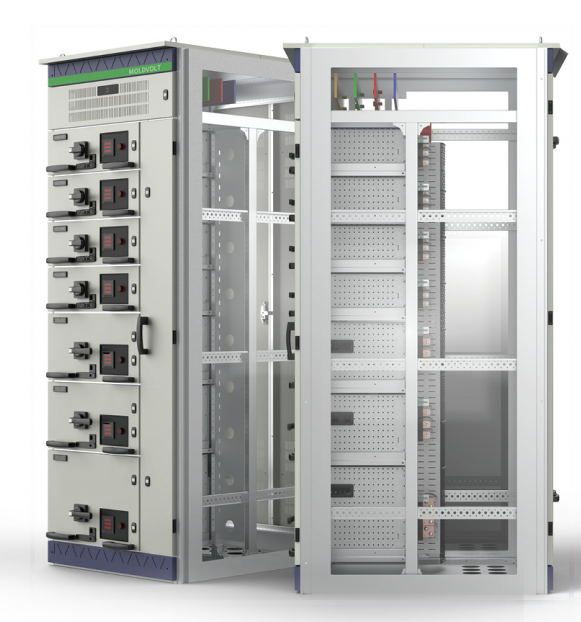
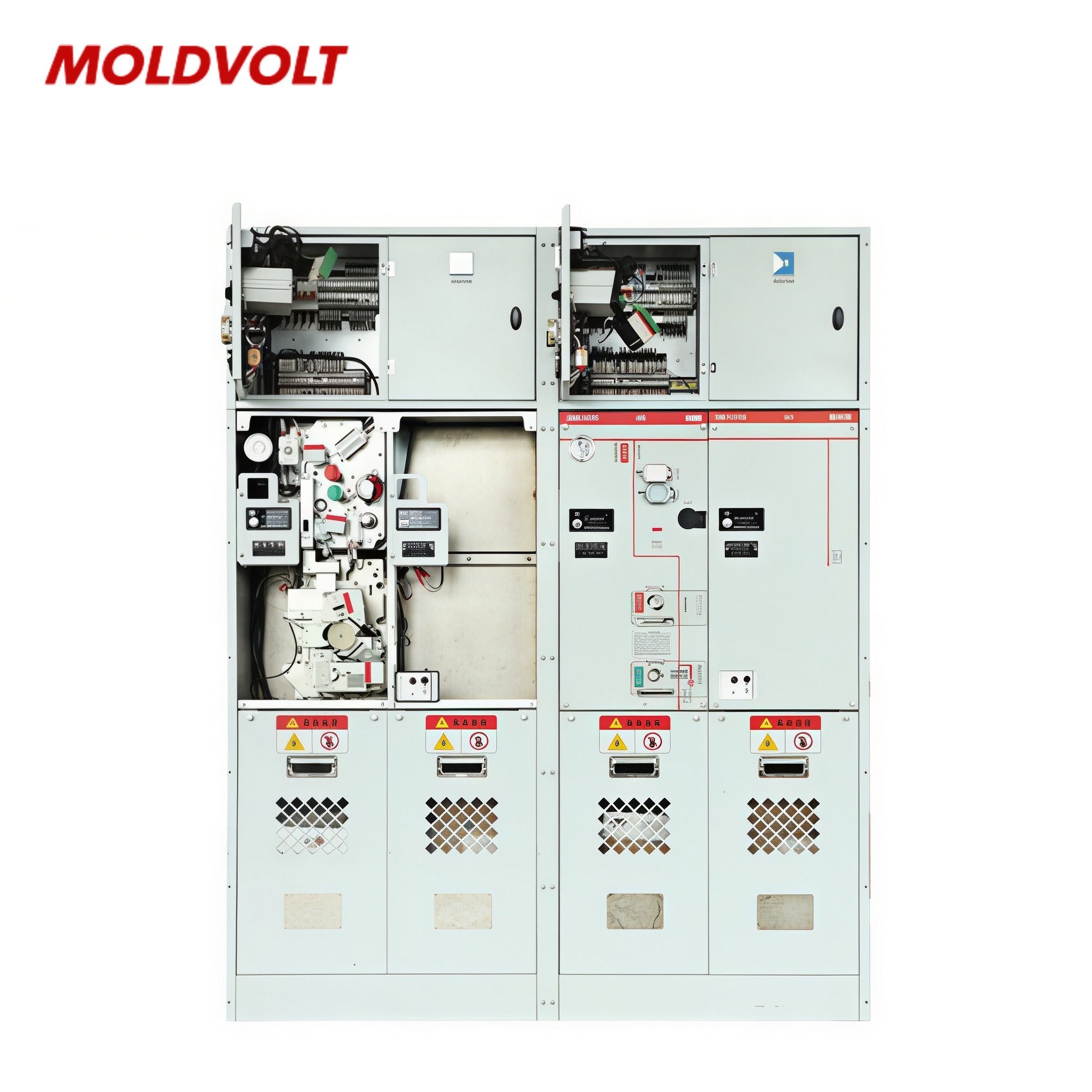
Underground distribution switchgear supports dependable electricity distribution in urban developments, commercial complexes, industrial facilities, and underground utility networks. Designed around project-specific voltage ratings, current requirements, switching arrangements, and protection strategies, suitable equipment helps operators manage power circuits while maintaining practical access for inspection and maintenance. Compact configurations can support space-constrained installations where conventional overhead distribution is unsuitable. When selecting equipment, engineers should evaluate insulation systems, fault interruption capabilities, environmental protection, and compatibility with transformers and feeder networks. VoltCabinet provides electrical equipment solutions for professional project requirements, helping buyers coordinate specifications and system integration. Final performance depends on the selected configuration, installation quality, and compliance with appl
Get A Quote

Case Study

Urban Residential Power Distribution

A residential development requires reliable electricity distribution across multiple buildings while preserving limited outdoor space. Underground distribution switchgear can help organize incoming feeders, transformer connections, and outgoing circuits within a coordinated electrical network. Engineers typically assess load demand, available installation space, fault levels, and future expansion requirements before selecting a configuration. For a hypothetical 300-unit residential project, dividing distribution into appropriately protected feeder sections can simplify isolation during maintenance and help limit the impact of localized faults. Equipment selection should also consider enclosure protection, accessibility, and coordination with utility requirements. These measures support practical installation planning and long-term network management.

Commercial Complex Electrical Infrastructure

Shopping centers, office buildings, and mixed-use developments depend on stable electrical distribution to support lighting, HVAC systems, elevators, and essential services. Underground distribution switchgear provides a coordinated way to control and protect distribution circuits where underground cabling is preferred. In a hypothetical commercial complex with several transformer-fed sections, engineers can specify switching arrangements according to load profiles, fault protection requirements, and maintenance procedures. Clear circuit identification and accessible operating mechanisms can improve maintenance planning and reduce unnecessary disruption during scheduled work. Final specifications should reflect the facility's demand forecast, local electrical codes, and the coordination requirements of upstream and downstream protection devices.

Industrial Underground Distribution Networks

Industrial facilities often require structured power distribution for production equipment, warehouses, utility systems, and auxiliary buildings. Underground distribution switchgear can help manage feeder connections and support controlled isolation when maintenance or fault investigation becomes necessary. For a hypothetical manufacturing site operating several production zones, engineers may separate circuits according to operational criticality and expected load demand. This approach can improve maintenance flexibility without assuming that every fault can be contained automatically. Appropriate short-circuit ratings, protection coordination, environmental suitability, and access clearances remain essential selection criteria. Detailed engineering reviews help ensure that the chosen equipment fits the facility's electrical architecture and operational requirements.

Related products

Underground distribution switchgear plays an important role in electrical networks that use buried cables to deliver power safely and efficiently. Typical applications include residential communities, commercial developments, industrial facilities, and utility distribution systems where space management and dependable circuit control are essential. Equipment selection begins with evaluating system voltage, rated current, short-circuit withstand requirements, switching frequency, and installation conditions. Depending on the project, configurations may incorporate circuit breakers, load-break switches, disconnectors, protection devices, and monitoring interfaces. Manufacturing quality depends on suitable materials, accurate assembly, insulation integrity, and documented inspection procedures. Buyers should also verify applicable IEC or regional standards, enclosure requirements, and compatibility with existing transformers and cables. VoltCabinet supports project-oriented electrical equipment sourcing by helping customers evaluate specifications and configuration options. For example, a proposed network serving three commercial buildings may require coordinated feeder protection and clearly defined isolation points. Actual ratings, dimensions, and performance must be confirmed against the final technical specification before ordering.

Frequently Asked Questions

What factors determine the selection of underground distribution switchgear?

Selection depends on rated voltage, continuous current, short-circuit withstand capacity, switching functions, cable connections, environmental conditions, and applicable electrical standards. Engineers should also consider installation dimensions, maintenance access, protection coordination, and future load growth. Confirming these requirements before procurement helps ensure that the equipment suits the intended distribution network.
Configuration options depend on the equipment design and manufacturer capabilities. Project requirements may include specific voltage ratings, feeder arrangements, switching functions, enclosure protection, and monitoring interfaces. Provide the single-line diagram, technical specifications, and installation conditions for evaluation. Final customization, compliance, and delivery details should be confirmed before an order is placed.
Common applications include residential communities, commercial buildings, industrial parks, utility networks, transport infrastructure, and selected institutional facilities. These environments may use underground cables to improve space utilization or meet infrastructure requirements. The appropriate switchgear configuration depends on the distribution architecture, electrical demand, environmental conditions, and local installation regulations.
Buyers should identify the applicable IEC standards or local electrical regulations for the equipment category and voltage class. Relevant requirements may cover switching performance, insulation, temperature rise, short-circuit withstand, and enclosure protection. Request technical documentation and applicable test reports, then confirm acceptance criteria with the project's electrical engineer or utility authority.
Maintenance planning starts with selecting suitable equipment, ensuring correct installation, and following manufacturer recommendations. Periodic inspections, connection checks, operating mechanism assessments, and condition monitoring where available can help identify developing problems. Actual maintenance intervals depend on the equipment design, operating environment, duty cycle, and relevant safety procedures.

Related article

What cable clamp material suits high temperature switchgear cabinets?

19

Sep

What cable clamp material suits high temperature switchgear cabinets?

Understanding High-Temperature Challenges in Switchgear CabinetsTypical Operating Temperatures and Thermal Stress Sources (Busbars, Load Cycling, Enclosure Design)Switchgear cabinets experience elevated temperatures primarily due to resistive losses ...
View More
Why cabinet condensation leads to insulation failure in electrical equipment?

21

Sep

Why cabinet condensation leads to insulation failure in electrical equipment?

The Science of Cabinet Condensation: How Temperature, Humidity, and Design InteractDew Point Formation Inside Enclosures Due to Thermal GradientsCondensation inside an electrical cabinet is not simply a matter of seal failure—it is governed by the de...
View More
Insulator dimensional tolerance controls assembly efficiency in switchgear.

25

Sep

Insulator dimensional tolerance controls assembly efficiency in switchgear.

Why Insulator Dimensional Tolerance Is the Silent Driver of Switchgear Assembly EfficiencyIn high-voltage switchgear, insulators do much more than prevent flashover—they serve as load-bearing anchors that dictate how quickly and precisely busbars, ci...
View More
Cable clamp vs cable tie: which one delivers long term stability in panels?

27

Oct

Cable clamp vs cable tie: which one delivers long term stability in panels?

Mechanical Performance Under Thermal Stress Polymer creep and thermal expansion mismatch in nylon cable ties at 60–85°C Nylon 6/6 cable ties undergo measurable mechanical degradation when exposed continuously to 60–85 °C. At the...
View More

Customer Testimonials

Michael Turner

Our engineering team needed dependable underground distribution switchgear for a commercial development. The selected configuration simplified network integration and supported reliable power distribution across multiple service areas.

Daniel Foster

We evaluated equipment requirements for an underground utility project and prioritized compact layouts, operational safety, and maintenance access. The proposed solution aligned with our distribution planning requirements.

Get a Free Quote

Our representative will contact you soon.
Email
Mobile/WhatsApp
Name
Company Name
Message
0/1000
Compact Configurations for Space-Constrained Underground Networks

Compact Configurations for Space-Constrained Underground Networks

Underground electrical infrastructure often operates within restricted spaces, particularly in dense residential districts, commercial developments, and urban redevelopment projects. Appropriately configured underground distribution switchgear can help organize switching and protection functions while accommodating buried cable connections and practical service access. During planning, engineers should compare equipment dimensions, cable bending requirements, operating clearances, and ventilation or environmental protection needs. For example, a compact distribution arrangement serving a multi-building development may help streamline equipment placement within a designated electrical room. Compactness alone, however, should never compromise insulation distances, fault ratings, or safe maintenance access. VoltCabinet helps project buyers evaluate equipment configurations against their documented technical requirements, supporting informed procurement decisions for modern distribution ne
Protection Coordination for Dependable Power Distribution

Protection Coordination for Dependable Power Distribution

Reliable underground distribution depends on matching switching equipment with the network's electrical characteristics and protection strategy. Correctly specified switchgear can support circuit isolation, controlled switching, and fault management across residential, commercial, and industrial applications. Engineers should evaluate prospective short-circuit current, protective device settings, cable characteristics, and coordination with upstream transformers and downstream feeders. Consider a hypothetical industrial facility with four distribution branches: a carefully reviewed protection scheme can help identify the appropriate isolation points and reduce unnecessary disruption when maintenance is required. Results depend on engineering design, equipment performance, and operating practices. Reviewing technical drawings and test documentation before installation helps establish a stronger foundation for safe, maintainable electrical infrastructure.

Get a Free Quote

Our representative will contact you soon.
Email
Mobile/WhatsApp
Name
Company Name
Message
0/1000