Inverter Transformer Selection Guide: Match Specs to Solar, ESS & Drives

All Categories
Customer Feedback on Inverter Transformer Solutions

Customer Feedback on Inverter Transformer Solutions

Inverter transformers are designed to work with power electronic equipment that converts electrical energy between different voltage levels or electrical configurations. They are used in solar power systems, energy storage installations, industrial drives, uninterruptible power supplies, and other conversion applications. VoltCabinet supports equipment procurement by helping buyers evaluate transformer specifications according to system voltage, rated power, operating frequency, insulation requirements, and installation conditions. For example, a solar installation may require a transformer compatible with inverter output characteristics and the site's grid connection requirements. Reviewing these parameters before purchasing helps improve system compatibility, supports thermal and electrical performance assessments, and reduces specification mismatches during integration.
Get A Quote

Case Study

Solar Inverter Transformer Integration

A commercial solar project required transformer equipment to connect inverter output to the site's electrical distribution network. The engineering team reviewed inverter voltage, rated power, output waveform characteristics, grid connection requirements, and expected operating conditions before defining the transformer specification. Insulation coordination, cooling, and installation environment were also considered. This process helped establish clearer requirements for equipment evaluation and system integration. For similar projects, buyers should provide inverter datasheets, grid voltage, frequency, power rating, grounding arrangement, and applicable interconnection standards. Qualified engineers should confirm transformer compatibility with the inverter and utility requirements before procurement and commissioning.

Industrial Drive Inverter Transformer

An industrial facility needed transformer equipment for a power conversion system supplying variable-frequency drives and associated machinery. The engineering team assessed the drive topology, input and output voltage requirements, harmonic characteristics, load profile, and expected duty cycle. These factors can affect transformer heating, insulation stress, and electrical performance, making application-specific evaluation important. The review also considered the installation environment and cooling arrangements. For comparable projects, buyers should share drive specifications, operating frequency range, load characteristics, and any requirements for harmonic mitigation or electrical isolation. A qualified engineer should verify the design against the complete drive system before the transformer is selected.

Energy Storage Inverter Transformer Selection

An energy storage project required a transformer to connect inverter equipment with a facility's electrical network. The project team reviewed rated power, voltage ratio, bidirectional power flow requirements, grid frequency, protection coordination, and environmental conditions. Particular attention was given to the inverter's operating characteristics and the transformer's thermal requirements during different charging and discharging conditions. This helped establish a clearer basis for supplier evaluation. For similar applications, procurement teams should provide inverter documentation, expected operating modes, fault requirements, and grid connection specifications. Engineering verification is necessary to confirm transformer suitability for the intended energy storage configuration.

Related products

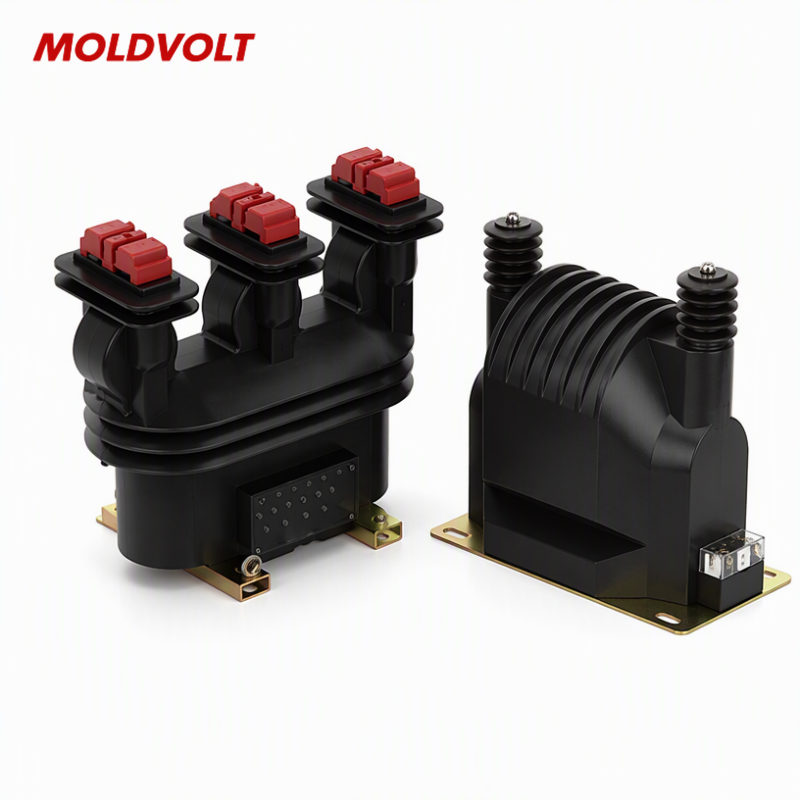
An inverter transformer is used in power conversion systems to provide voltage transformation, electrical isolation where required, and compatibility between inverter equipment and connected electrical networks. Depending on the application, the transformer may operate at line frequency or at a higher frequency within a specialized power electronic design. Its construction must match the inverter topology and electrical operating conditions. VoltCabinet supports transformer equipment sourcing for applications such as solar photovoltaic systems, battery energy storage, industrial drives, UPS equipment, and other power conversion installations. Important specifications include rated power, input and output voltages, operating frequency, insulation class, winding configuration, cooling method, and environmental protection. Harmonic content, switching characteristics, grounding arrangements, and expected load profiles may also influence transformer design. For example, a grid-connected solar installation requires a transformer compatible with the inverter's output and the utility's interconnection requirements. An industrial drive application may need additional consideration of harmonic heating and insulation stress. Buyers should provide inverter datasheets, system diagrams, operating conditions, and applicable standards when requesting a quotation. Manufacturer documentation and engineering calculations should confirm the final specification. Proper integration helps support dependable operation and efficient power conversion.
Frequently Asked Questions

What is an inverter transformer used for?

An inverter transformer connects compatible power conversion equipment with electrical loads or distribution networks. Depending on the design, it can adjust voltage levels, provide electrical isolation, and support the required connection arrangement. Selection depends on inverter topology, rated power, voltage requirements, operating frequency, and applicable system standards.
Review inverter power rating, input and output voltages, operating frequency, waveform characteristics, load profile, insulation requirements, and cooling conditions. Grid-connected applications may also require compliance with utility interconnection standards. Providing the inverter datasheet and system diagram helps engineers evaluate compatibility and define appropriate transformer specifications.
Yes. Inverter transformers are used in some solar installations to match inverter output voltage with the connected distribution network or provide isolation where required. Not every solar system needs a separate transformer. The decision depends on inverter design, grid voltage, grounding arrangements, and project interconnection requirements.
Harmonic currents can increase winding and core losses, potentially causing additional heating and affecting transformer service life. The impact depends on harmonic spectrum, transformer construction, loading, and operating conditions. Engineers should assess inverter characteristics and applicable design requirements to determine whether specialized construction or derating is necessary.
Customization may be available for voltage ratios, rated power, winding arrangements, insulation systems, cooling methods, and enclosure requirements. Feasibility depends on the manufacturer's capabilities and project specifications. Buyers should provide technical drawings, inverter details, operating conditions, and relevant standards for engineering review before confirming an order.

Related article

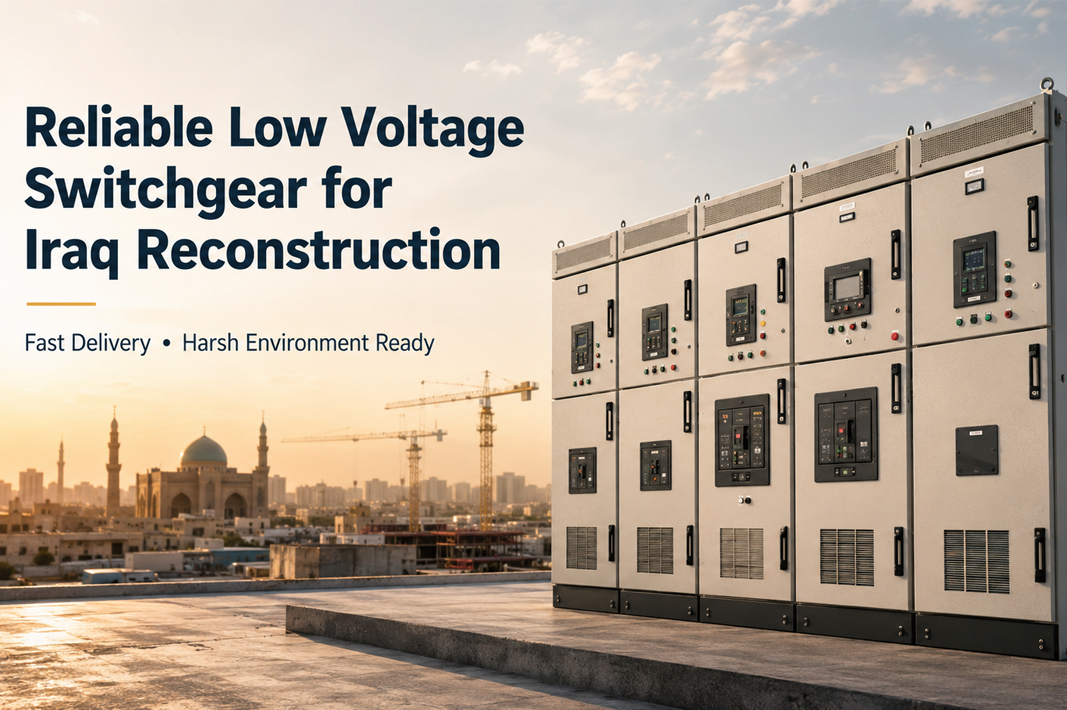
Cost-Effective Low Voltage Switchgear for Iraq: Compatible with Blokset, Okken & 8PT | Local Assembly Options

16

Sep

Cost-Effective Low Voltage Switchgear for Iraq: Compatible with Blokset, Okken & 8PT | Local Assembly Options

View More
What cable clamp material suits high temperature switchgear cabinets?

19

Sep

What cable clamp material suits high temperature switchgear cabinets?

Understanding High-Temperature Challenges in Switchgear CabinetsTypical Operating Temperatures and Thermal Stress Sources (Busbars, Load Cycling, Enclosure Design)Switchgear cabinets experience elevated temperatures primarily due to resistive losses ...
View More
How to customize cabinet dimensions to fit existing switchgear layouts?

26

Sep

How to customize cabinet dimensions to fit existing switchgear layouts?

Step 1: Accurate Site Assessment and Dimensional BenchmarkingMeasuring mechanical layout, clearances, and structural constraints in legacy electrical roomsA successful retrofit begins with a meticulous site survey. Older electrical rooms rarely match...
View More
Insulator dimension design follows international high voltage standards strictly.

16

Oct

Insulator dimension design follows international high voltage standards strictly.

Core IEC Standards Governing Insulator Dimension Design IEC 60383: Mechanical and Electrical Requirements for Ceramic and Glass Insulators The IEC 60383 series defines the mechanical and electrical test regimes that ceramic and glass insulators mus...
View More

Customer Testimonials

Michael Turner

Our engineering team needed transformer components compatible with an inverter-based power system. Reviewing voltage ratios, insulation requirements, and operating frequency helped clarify specifications and improve procurement coordination.

Daniel Wilson

The technical evaluation helped us identify key transformer requirements for our power conversion equipment. Clear specification checks supported more efficient planning for integration, testing, and installation.

Get a Free Quote

Our representative will contact you soon.
Email
Mobile/WhatsApp
Name
Company Name
Message
0/1000
Electrical Compatibility for Inverter-Based Systems

Electrical Compatibility for Inverter-Based Systems

Inverter transformer performance depends on matching the transformer's electrical characteristics with the connected power electronic equipment. Engineers should evaluate voltage ratios, rated power, operating frequency, waveform characteristics, insulation requirements, and grounding arrangements. For example, a commercial solar installation may require a transformer that matches inverter output to the facility's distribution voltage while meeting utility interconnection requirements. Industrial drive systems may introduce different harmonic and thermal considerations. Reviewing inverter datasheets and system diagrams before procurement helps identify critical requirements early. Appropriate calculations and manufacturer documentation provide the technical basis for equipment selection, supporting integration planning and reducing the risk of avoidable compatibility issues during commissioning.
Thermal Design for Demanding Operating Conditions

Thermal Design for Demanding Operating Conditions

Thermal management is important for inverter transformers because operating conditions may include harmonic currents, variable loading, and frequent changes in power flow. These factors can influence winding losses, insulation temperature, and cooling requirements. In battery energy storage applications, for example, charging and discharging cycles can create changing operating profiles that must be considered during transformer specification. Industrial power conversion equipment may also require evaluation of harmonic heating and ambient temperatures. Buyers should provide realistic duty cycles, inverter operating data, and installation conditions so the design can be assessed appropriately. Manufacturer calculations and verified test results help confirm whether the proposed transformer meets the project's thermal and electrical requirements.
System-Level Reliability and Protection Coordination

System-Level Reliability and Protection Coordination

An inverter transformer must function as part of a complete electrical system rather than as an isolated component. Protection settings, grounding, voltage regulation, fault response, and grid connection requirements can all affect the suitability of a proposed design. For example, a grid-connected energy storage installation may require careful coordination between inverter controls, transformer characteristics, circuit breakers, and utility protection schemes. Procurement teams should document the intended operating modes, fault levels, voltage limits, and applicable electrical standards. Coordinating these details with the inverter manufacturer, transformer supplier, and electrical engineer helps clarify responsibilities and improve installation planning. Final approval should rely on verified technical specifications and system-level engineering review.

Get a Free Quote

Our representative will contact you soon.
Email
Mobile/WhatsApp
Name
Company Name
Message
0/1000