Industrial Switchgear Solutions: 10+ Certified LV & MV Options

All Categories
Customer Experiences with Industrial Switchgear Solutions

Customer Experiences with Industrial Switchgear Solutions

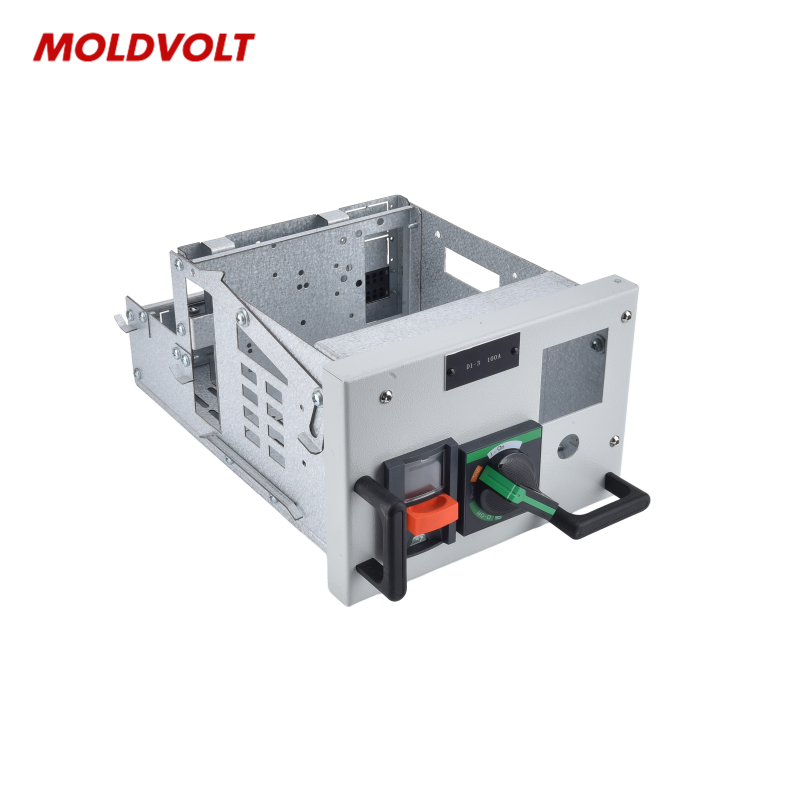
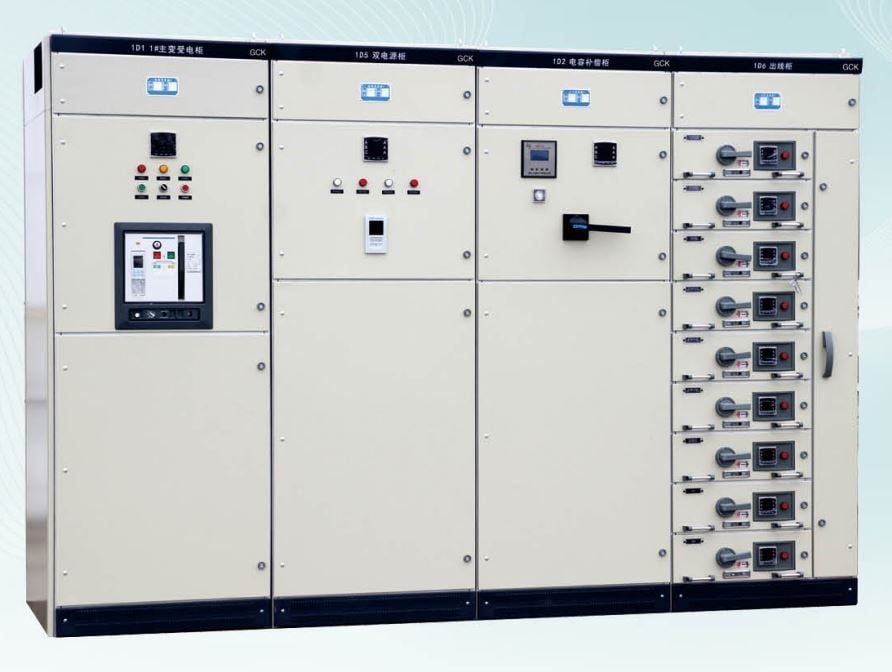
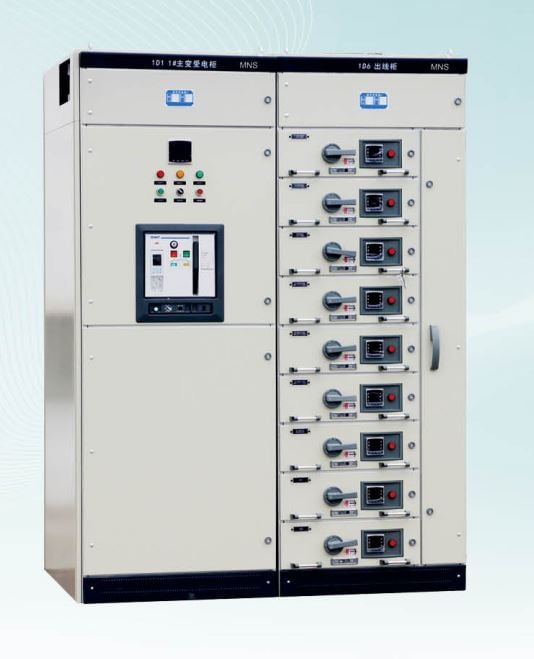
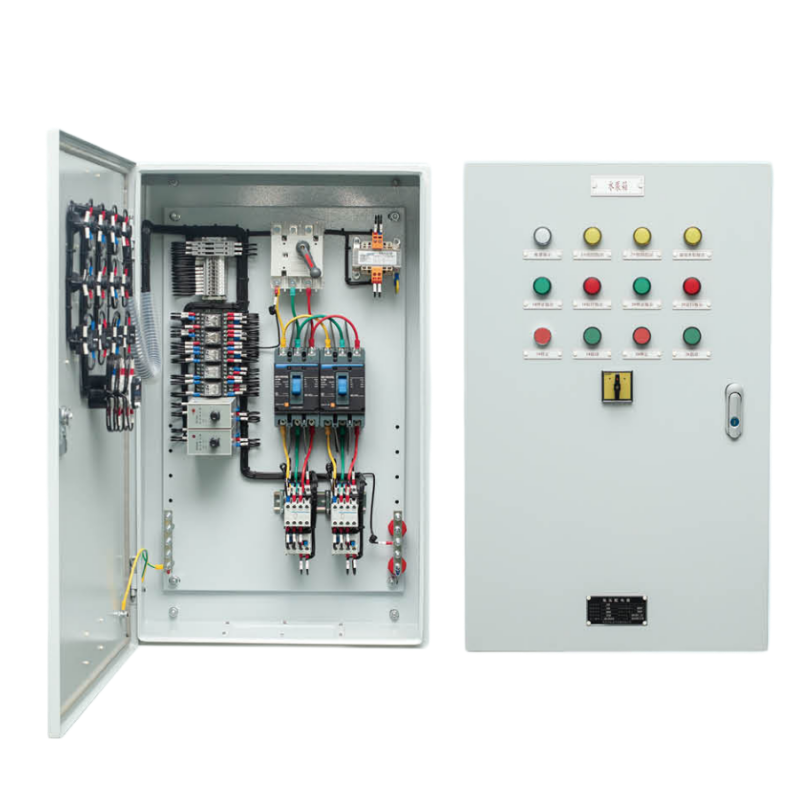
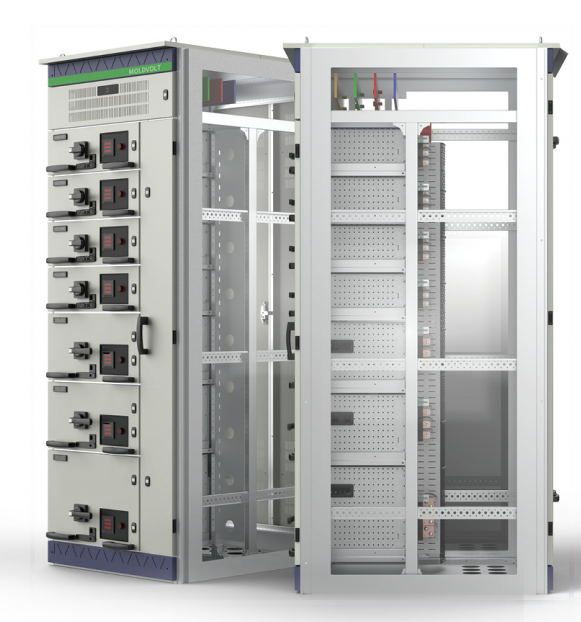
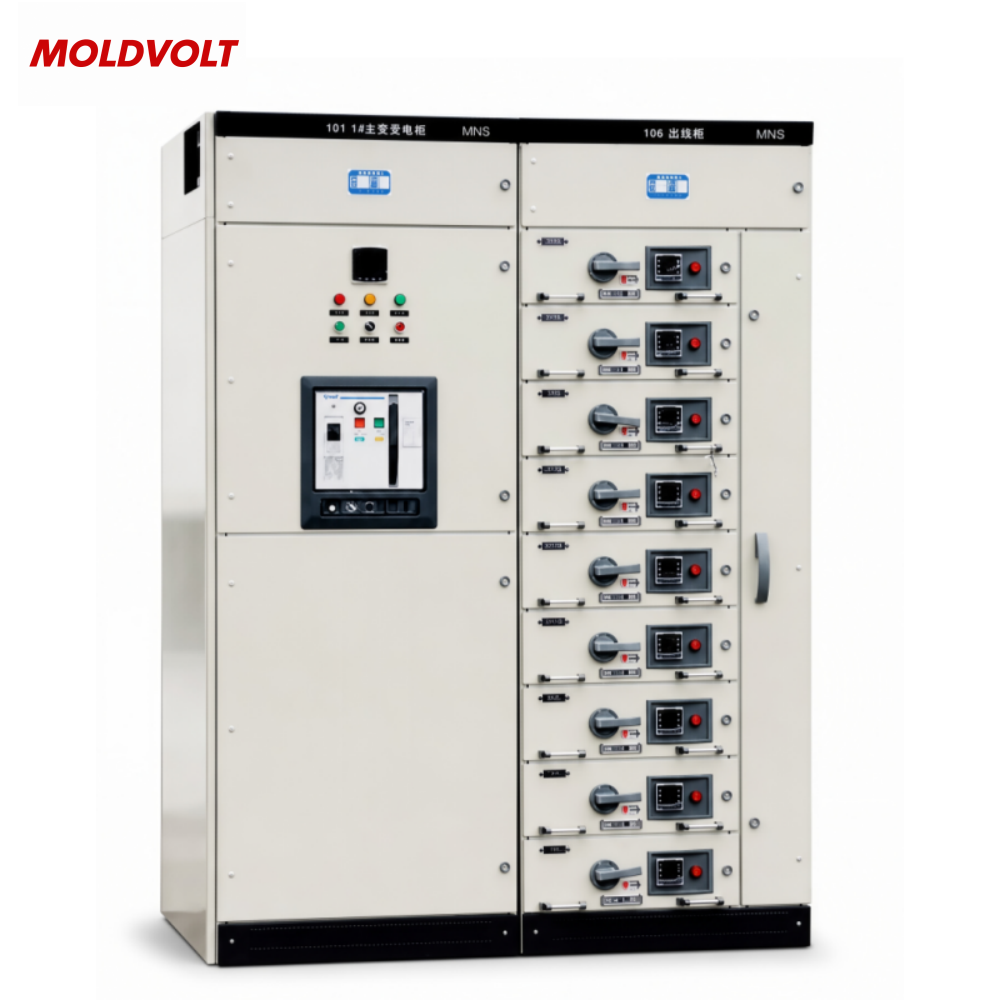
Industrial switchgear helps manufacturing plants, processing facilities, warehouses, and infrastructure projects manage electrical distribution through coordinated switching, isolation, and protection functions. Designed around the installation's voltage, current, and fault requirements, the equipment supports dependable power delivery to motors, production lines, control systems, and auxiliary machinery. Configurations may include circuit breakers, protective relays, metering devices, and control interfaces to suit specific operating conditions. For example, a factory adding a new production line may require additional feeders and revised protection coordination. Reviewing electrical ratings, enclosure conditions, maintenance access, and applicable standards before procurement helps reduce specification gaps and supports safer, more efficient installation planning.
Get A Quote

Case Study

Manufacturing Plant Power Distribution

Manufacturing plants require electrical distribution systems capable of supporting production machinery, motor-driven equipment, lighting, and auxiliary services. Industrial switchgear organizes incoming supplies and outgoing feeders while providing switching and protection functions suited to the facility's electrical design. When a factory expands its production lines, engineers may need additional feeder circuits, revised load calculations, and coordinated protective devices. Detailed circuit schedules and equipment drawings help installation teams understand connections and maintenance requirements. Before selecting switchgear, project teams should verify rated voltage, continuous current, short-circuit capability, and applicable standards. Careful planning helps integrate new equipment while maintaining the intended protection and operational requirements of the existing electrical network.

Oil, Gas, and Process Industries

Oil, gas, chemical, and process facilities operate electrical systems under demanding environmental and operational conditions. Switchgear selection must account for load characteristics, fault levels, ambient temperatures, enclosure protection, and site-specific safety requirements. Depending on the installation, equipment may serve pumps, compressors, ventilation systems, and other essential machinery. For facilities in potentially explosive atmospheres, the overall electrical design must also address applicable hazardous-area requirements; standard switchgear should not be assumed suitable for every classified location. Engineering teams should review protection coordination, isolation procedures, maintenance access, and relevant certifications before procurement. A documented specification helps align equipment selection with operational needs and applicable industry regulations.

Water Treatment and Infrastructure Facilities

Water treatment plants, transportation systems, and public infrastructure depend on reliable electrical distribution for pumps, control equipment, ventilation, and essential services. Industrial switchgear provides switching and circuit protection according to the system design and operating requirements. For a water treatment facility with several pumping stations, engineers may evaluate motor feeder ratings, starting characteristics, fault protection, and provisions for isolating individual circuits during maintenance. Equipment documentation and clearly identified connections help technicians perform inspections and troubleshooting more efficiently. Buyers should confirm environmental suitability, corrosion protection, electrical ratings, and relevant standards. These considerations support practical installation planning and help maintain dependable service throughout the facility's operating life.

Related products

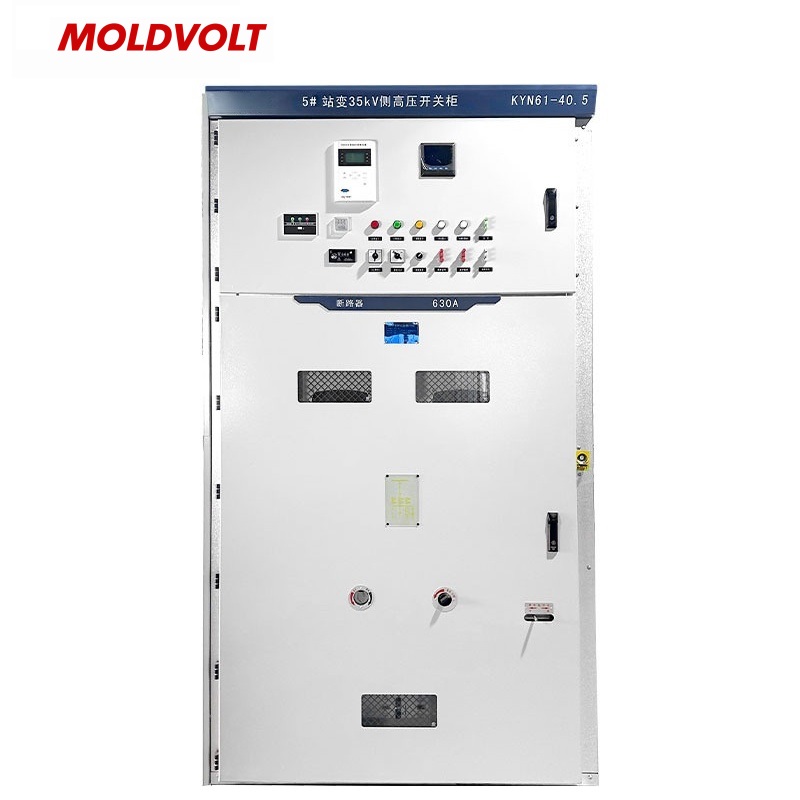
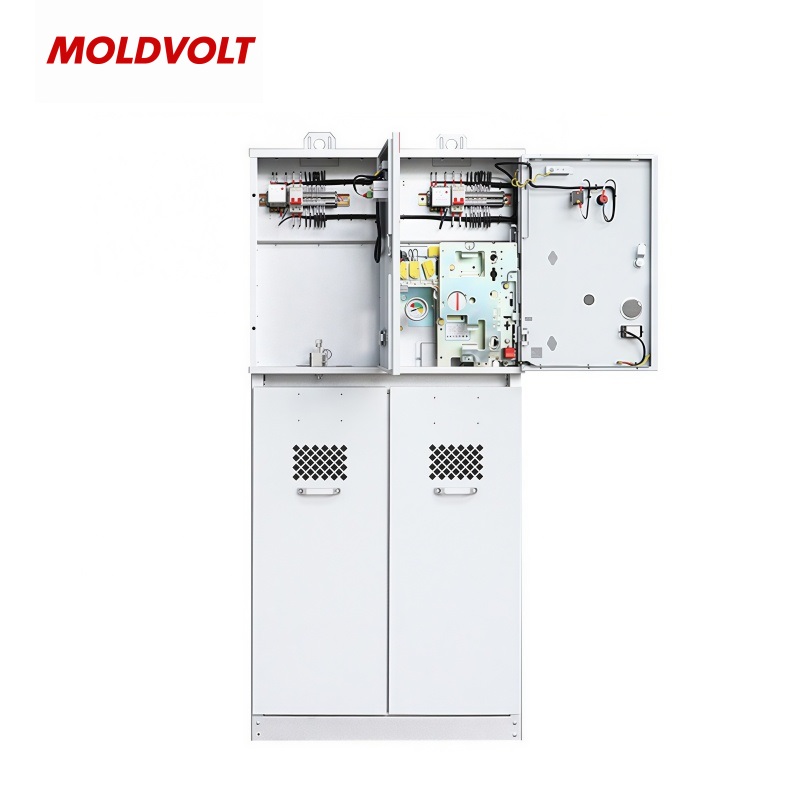
Industrial switchgear is a core component of electrical infrastructure, providing switching, isolation, protection, and, where specified, monitoring functions for industrial power systems. Typical applications include manufacturing plants, processing facilities, mining operations, warehouses, water treatment stations, and large commercial installations. Depending on voltage class and project requirements, equipment may include low-voltage switchboards, medium-voltage switchgear, circuit breakers, protective relays, metering components, and integrated control interfaces. Selecting suitable equipment begins with an accurate assessment of rated voltage, continuous current, prospective short-circuit current, load characteristics, and installation conditions. Engineers must also consider enclosure protection, cable entry, maintenance access, and applicable IEC or ANSI standards. Manufacturing quality depends on appropriate component selection, precise assembly, wiring verification, and testing against the approved specification. For example, a factory installing additional production machinery may require new feeder sections and revised protection coordination to accommodate increased demand. Reviewing the single-line diagram and load calculations before procurement helps identify these requirements early. VoltCabinet can be approached to discuss project specifications and equipment options. Buyers should verify available ratings, certifications, testing scope, documentation, and delivery terms to ensure the proposed solution meets the installation's technical and operational needs.

Frequently Asked Questions

What is industrial switchgear used for?

Industrial switchgear manages electrical power through switching, isolation, and protective devices. It distributes electricity to machinery, motors, production lines, and auxiliary systems while helping disconnect circuits during faults or maintenance. The appropriate configuration depends on voltage class, load characteristics, fault levels, and applicable electrical standards.
Begin by confirming rated voltage, continuous current, prospective short-circuit current, load characteristics, and environmental conditions. Review required protection functions, enclosure ratings, applicable standards, and maintenance clearances. A qualified electrical engineer should verify the design and protection coordination before the equipment is ordered or installed.
Low-voltage switchgear serves systems within the applicable low-voltage range, commonly supplying machinery and building distribution. Medium-voltage switchgear supports higher-voltage distribution networks, industrial substations, and larger facilities. Equipment selection depends on system voltage, fault duties, insulation requirements, protection design, and relevant standards.
Project-specific configurations may include different feeder arrangements, circuit breakers, protection relays, metering devices, enclosure designs, and control interfaces. Customization depends on the supplier's capabilities and the equipment's certified design limits. Provide electrical drawings, load data, site conditions, and required standards for technical evaluation.
Provide the single-line diagram, rated voltage, current requirements, short-circuit levels, feeder quantities, installation environment, and applicable standards. Include preferred components, control requirements, enclosure specifications, and delivery expectations where available. These details help suppliers evaluate technical suitability and prepare a more complete quotation.

Related article

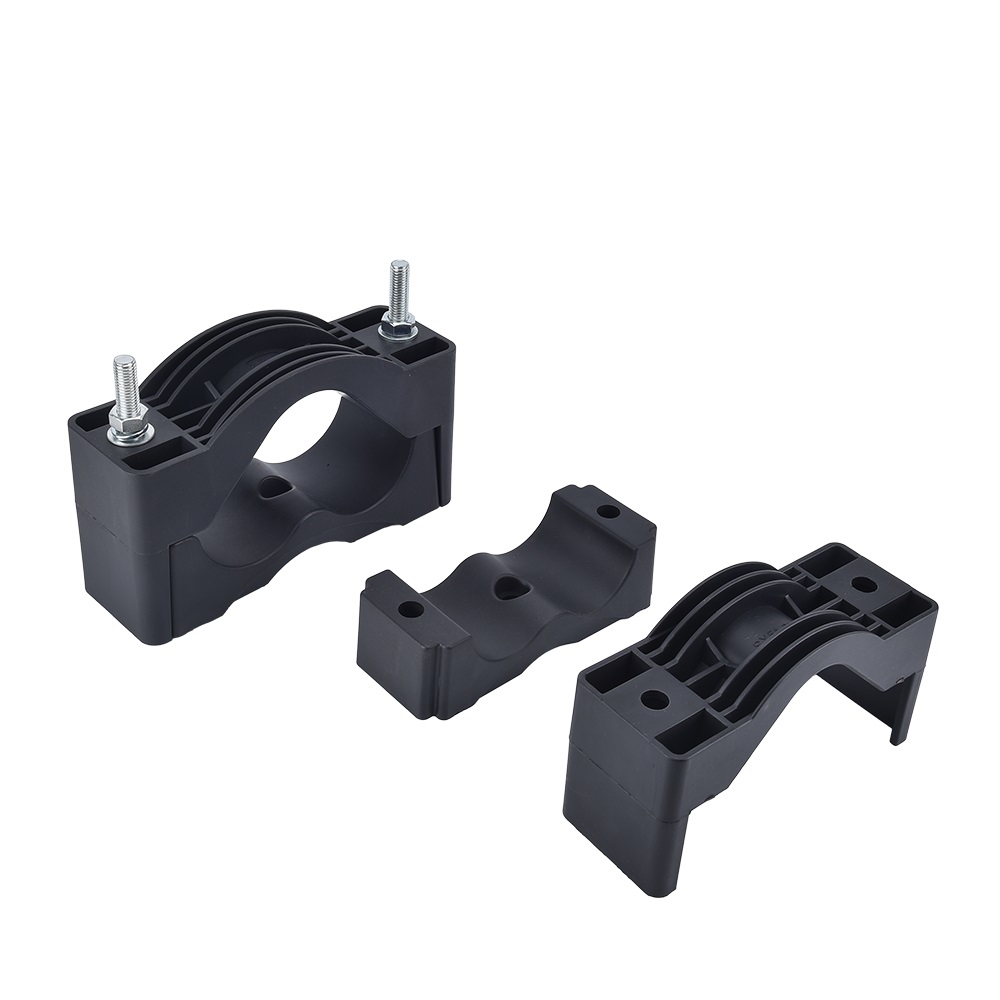
What cable clamp material suits high temperature switchgear cabinets?

19

Sep

What cable clamp material suits high temperature switchgear cabinets?

Understanding High-Temperature Challenges in Switchgear CabinetsTypical Operating Temperatures and Thermal Stress Sources (Busbars, Load Cycling, Enclosure Design)Switchgear cabinets experience elevated temperatures primarily due to resistive losses ...
View More
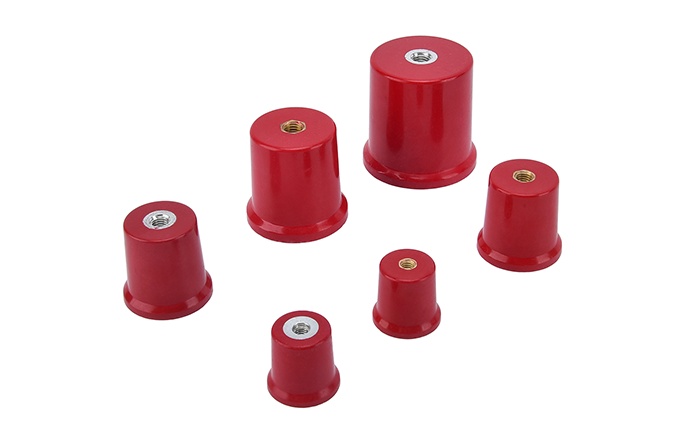
Insulator dimensional tolerance controls assembly efficiency in switchgear.

25

Sep

Insulator dimensional tolerance controls assembly efficiency in switchgear.

Why Insulator Dimensional Tolerance Is the Silent Driver of Switchgear Assembly EfficiencyIn high-voltage switchgear, insulators do much more than prevent flashover—they serve as load-bearing anchors that dictate how quickly and precisely busbars, ci...
View More
What switchgear maintenance items prevent unexpected power outage risks?

10

Oct

What switchgear maintenance items prevent unexpected power outage risks?

Top 3 Root Causes of Switchgear-Related Power Outages Insulation degradation and partial discharge: leading precursors to cascade failure Insulation systems in switchgear degrade gradually under electrical, thermal, and environmental stress. Cracks...
View More
Cable clamp vs cable tie: which one delivers long term stability in panels?

27

Oct

Cable clamp vs cable tie: which one delivers long term stability in panels?

Mechanical Performance Under Thermal Stress Polymer creep and thermal expansion mismatch in nylon cable ties at 60–85°C Nylon 6/6 cable ties undergo measurable mechanical degradation when exposed continuously to 60–85 °C. At the...
View More

Customer Testimonials

James Miller

Our manufacturing project required industrial switchgear for reliable power distribution across multiple production areas. Clear equipment specifications and careful protection planning helped our team coordinate installation requirements and prepare for routine maintenance.

Robert Davis

We needed switchgear suited to expanding production capacity. Reviewing feeder arrangements, electrical ratings, and enclosure requirements helped our engineering team evaluate equipment compatibility and plan a more organized distribution upgrade.

Get a Free Quote

Our representative will contact you soon.
Email
Mobile/WhatsApp
Name
Company Name
Message
0/1000
Coordinated Electrical Protection for Industrial Loads

Coordinated Electrical Protection for Industrial Loads

Industrial electrical networks often supply different types of loads, including motors, pumps, compressors, production equipment, and control systems. A carefully engineered switchgear arrangement coordinates circuit breakers, protective relays, and isolation functions according to the system design. For example, a manufacturing plant with several production areas may require individual feeder protection to help limit the impact of a fault to the affected circuit. Engineers should assess load current, prospective fault levels, protection selectivity, and equipment ratings before finalizing the design. Clear circuit identification and accessible maintenance points further support operating procedures. Actual performance depends on correct specification, installation, commissioning, and maintenance throughout the equipment's service life.
Durable Equipment for Demanding Industrial Environments

Durable Equipment for Demanding Industrial Environments

Industrial installations can expose electrical equipment to dust, humidity, temperature variations, vibration, and corrosive conditions. Switchgear should therefore be selected according to the actual site environment rather than appearance or general product descriptions. A processing facility, for instance, may need a suitable enclosure rating, corrosion-resistant construction, and sufficient clearance for inspection and servicing. Engineers should verify insulation requirements, ventilation arrangements, ingress protection, and any applicable hazardous-area restrictions. Manufacturing inspections and documented testing help establish whether the supplied assembly meets its approved specifications. Appropriate installation and preventive maintenance then support dependable operation, helping facility teams manage electrical assets throughout demanding industrial operating cycles.
Scalable Distribution for Future Factory Expansion

Scalable Distribution for Future Factory Expansion

As industrial facilities increase production capacity, their electrical distribution systems may require additional feeders, revised load allocation, or expanded control capabilities. Planning for future requirements during the initial switchgear design can help avoid unnecessary modifications later. For example, a factory anticipating another production line may evaluate spare feeder provisions, busbar capacity, available installation space, and protection coordination before placing an order. Expansion plans must remain within the assembly's verified electrical and thermal ratings and should not compromise fault withstand capability. Coordinating engineering, procurement, and installation teams helps clarify the necessary scope. A documented, standards-compliant design provides a practical basis for future upgrades and ongoing maintenance.

Get a Free Quote

Our representative will contact you soon.
Email
Mobile/WhatsApp
Name
Company Name
Message
0/1000