Safety Electrical Switchgear: 7 Certified LV & MV Solutions

All Categories
Customer Experiences with Safety Electrical Switchgear

Customer Experiences with Safety Electrical Switchgear

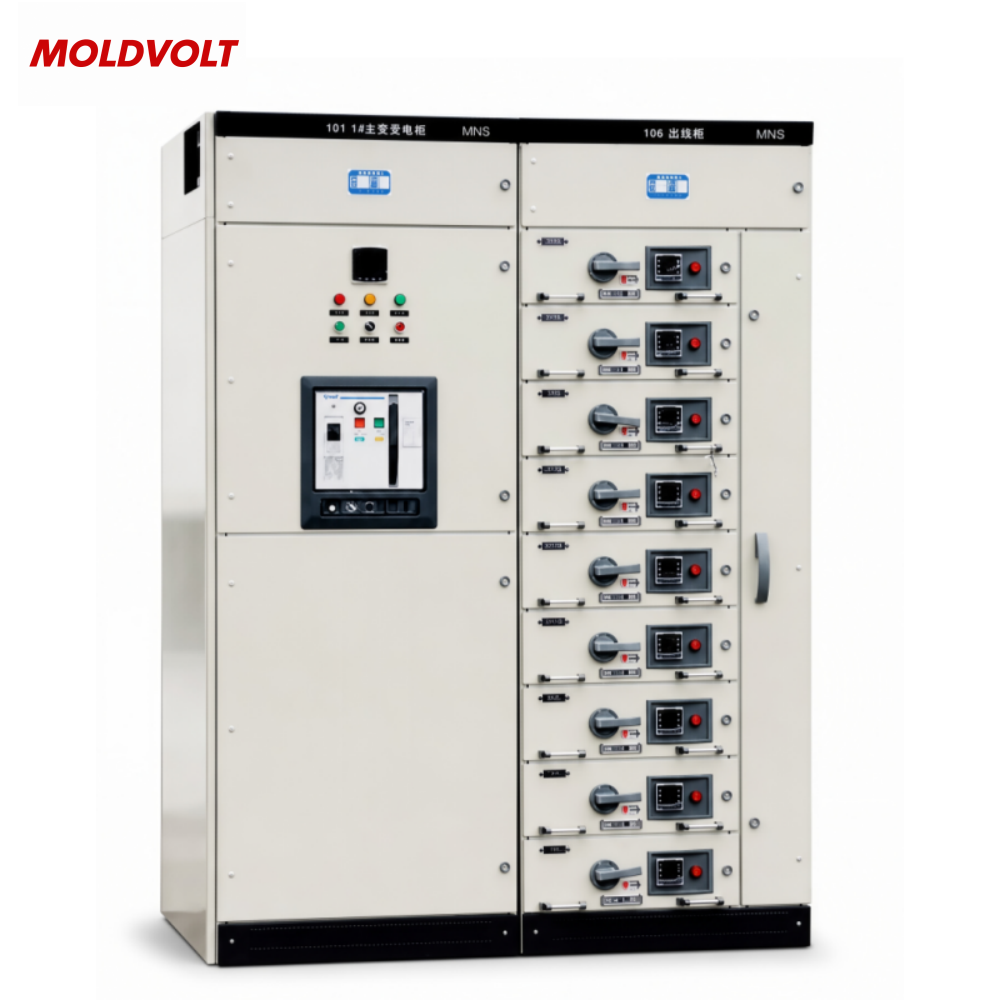
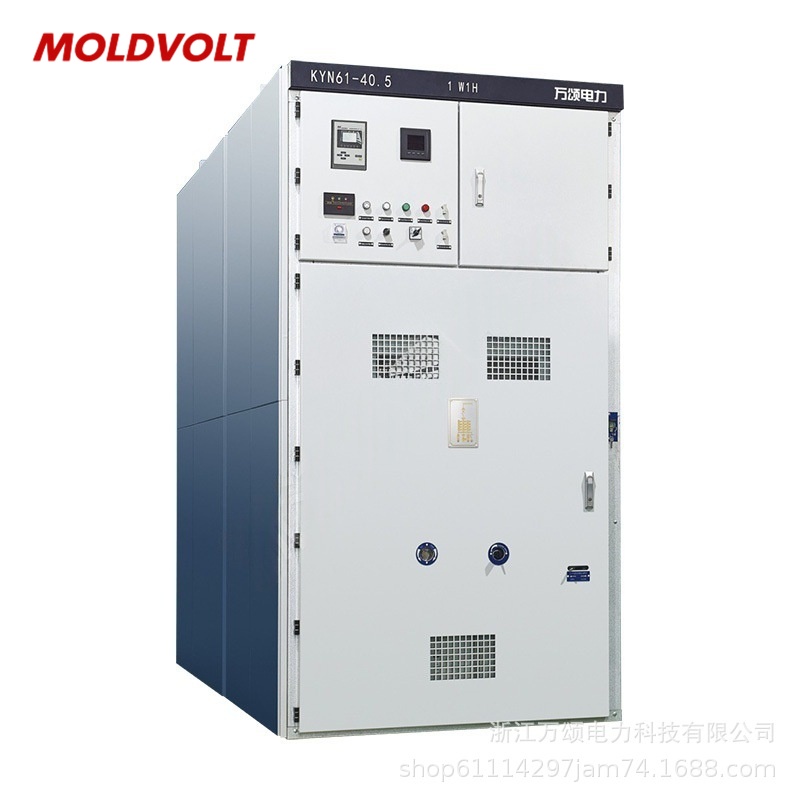
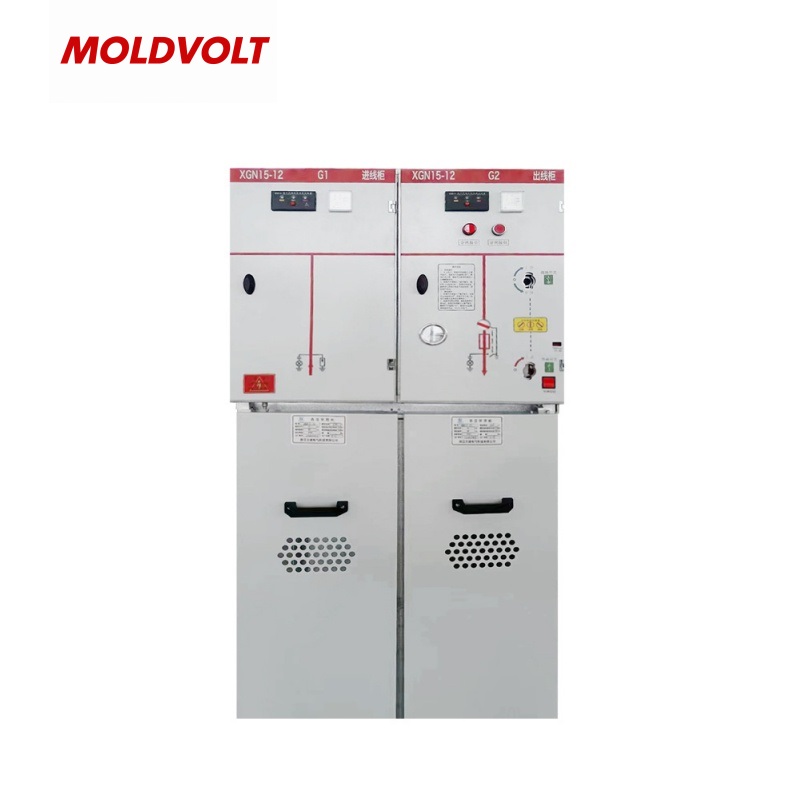
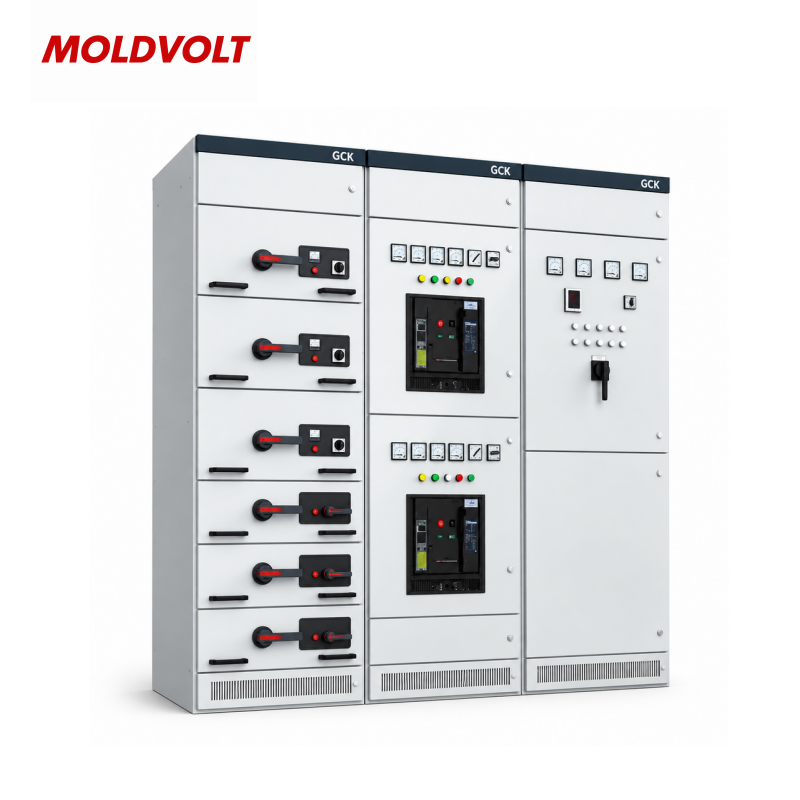
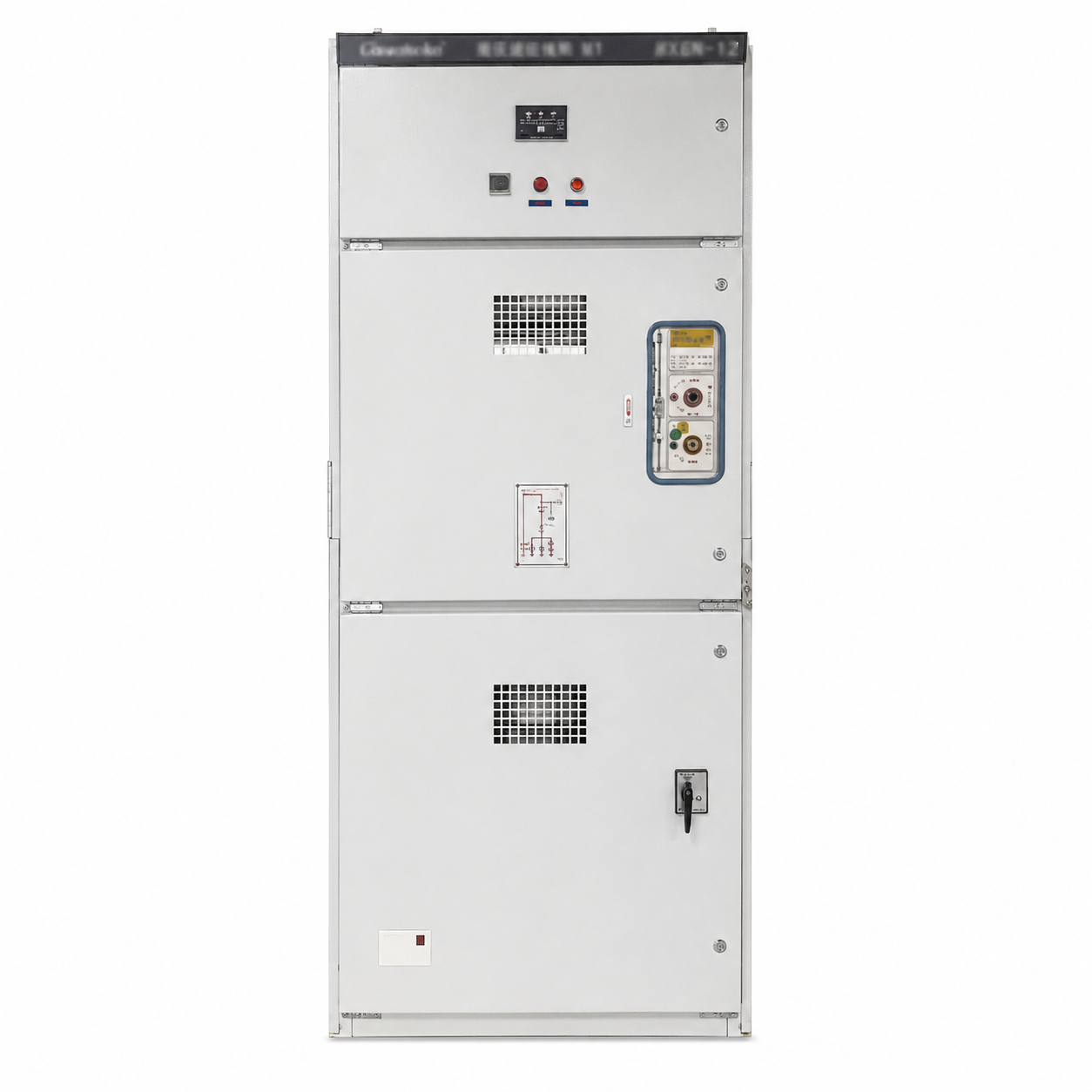
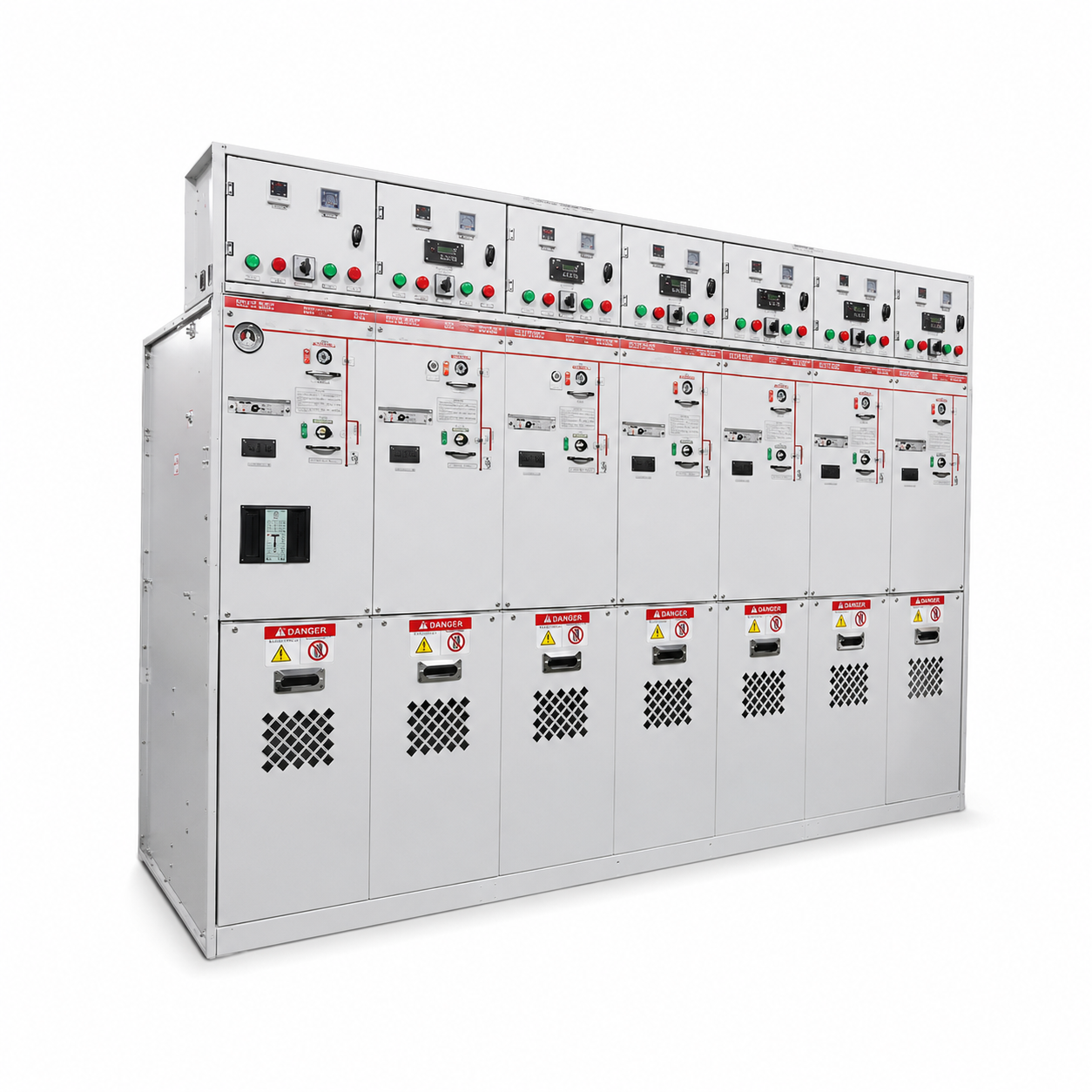
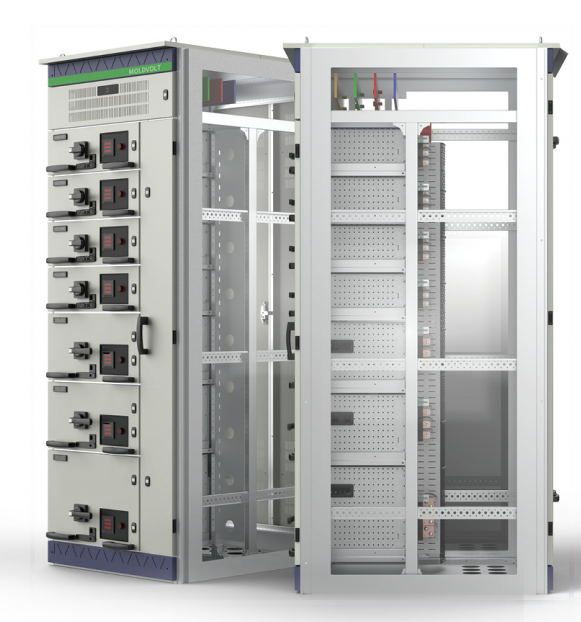
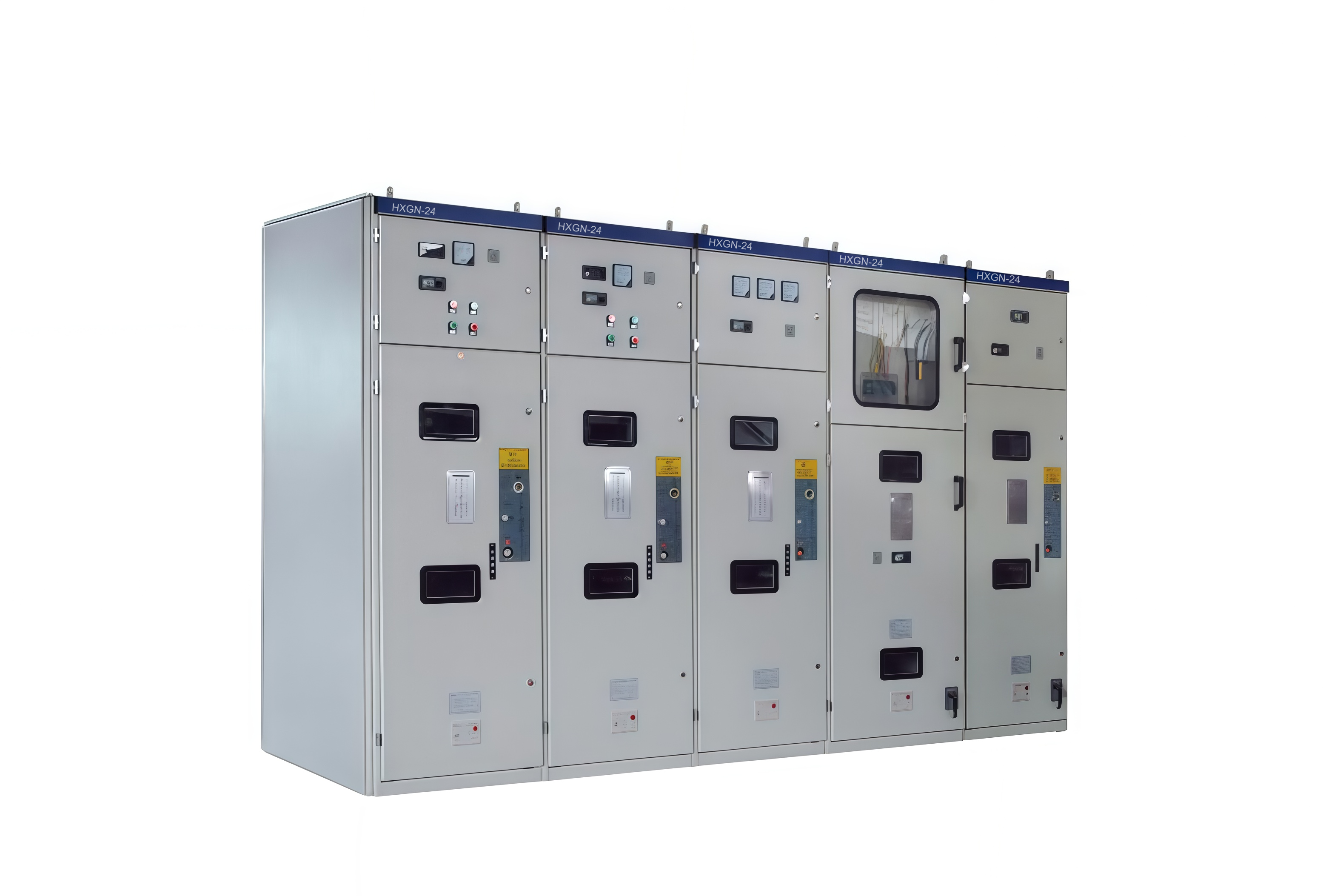
Safety electrical switchgear helps protect electrical distribution systems through coordinated switching, isolation, and fault interruption functions. It supports industrial plants, commercial buildings, utility facilities, and infrastructure projects where electrical hazards must be managed through appropriate engineering and operating procedures. Depending on the application, equipment may incorporate circuit breakers, protective relays, interlocks, earthing provisions, and secure enclosures. For example, a manufacturing facility supplying multiple production lines may require coordinated protection to help isolate a faulted feeder without unnecessarily interrupting unaffected circuits. Engineers should evaluate voltage ratings, prospective fault current, enclosure requirements, and applicable standards before procurement. Correct specification, qualified installation, and routine inspection help support safer electrical operations.
Get A Quote

Case Study

Electrical Safety in Manufacturing Plants

Manufacturing facilities operate motors, production machinery, conveyors, and auxiliary equipment that require dependable electrical distribution and appropriate fault protection. Safety-focused switchgear helps organize switching functions, protective devices, and circuit isolation arrangements according to the approved electrical design. For a factory with multiple production lines, coordinated feeder protection can help limit the effects of electrical faults to the affected circuit when system design permits. Clearly labeled circuits and accessible operating mechanisms also support maintenance planning. Engineers should verify short-circuit ratings, protective device settings, enclosure conditions, and required safety clearances. Equipment must be installed and maintained by qualified personnel following applicable electrical codes and established procedures.

Commercial Buildings and Essential Services

Commercial buildings, hospitals, and educational facilities require electrical distribution equipment that supports reliable service while addressing foreseeable electrical hazards. Safety electrical switchgear can incorporate circuit breakers, protective relays, suitable enclosures, and defined isolation points. For a commercial building with separate lighting, HVAC, and elevator feeders, properly coordinated protection helps manage faults and supports controlled maintenance. Engineers should evaluate expected loads, fault levels, environmental conditions, and emergency operating requirements before selecting equipment. Clear circuit identification and accurate documentation help facility personnel understand the distribution layout. Final equipment selection should meet applicable regulations and project specifications, with commissioning checks confirming that protective and switching functions operate as intended.

Utility Substations and Industrial Infrastructure

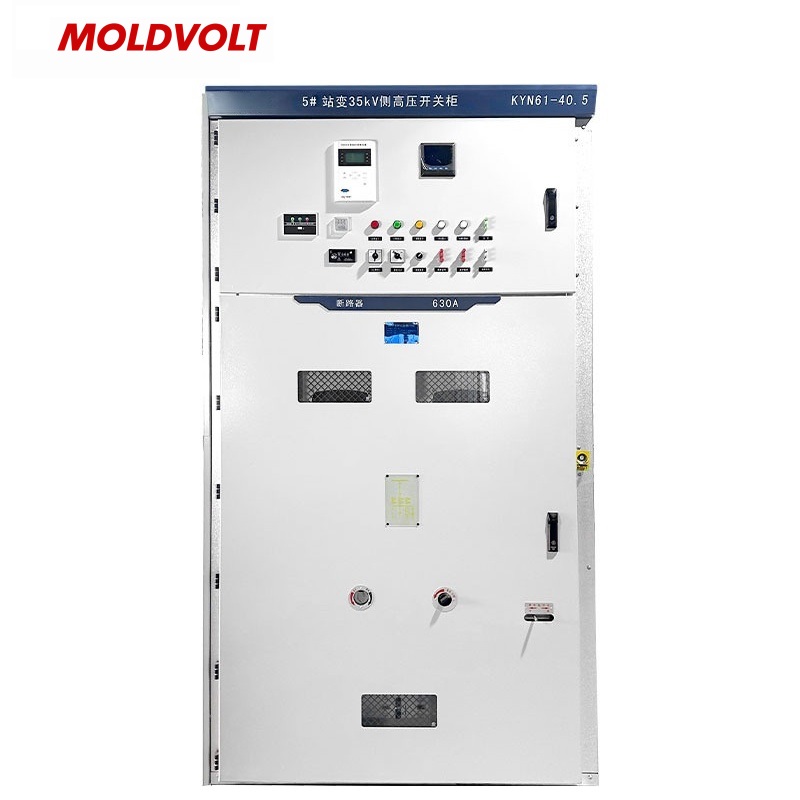
Utility substations and infrastructure installations require switchgear engineered for their voltage levels, fault duties, operating environments, and maintenance requirements. Safety-related design considerations include appropriate circuit interruption capability, protective coordination, secure access, and suitable isolation and earthing arrangements where specified. For a distribution substation serving several feeders, engineers must verify that protective devices and operating procedures match the network design. Equipment ratings, interlocking functions, insulation requirements, and applicable utility standards should be reviewed before procurement. Commissioning and periodic inspection help identify discrepancies and confirm equipment condition. Safe operation also depends on qualified personnel, approved switching procedures, and compliance with local electrical safety requirements.

Related products

Safety electrical switchgear is designed to control, isolate, and protect electrical circuits while supporting safe operation and maintenance. It is used in industrial facilities, commercial buildings, utility substations, and infrastructure installations where equipment must match defined electrical and environmental conditions. Depending on the application, assemblies may include circuit breakers, protective relays, disconnectors, interlocking mechanisms, metering devices, and enclosures designed for the intended installation. Equipment selection begins with rated voltage, continuous current, prospective short-circuit current, insulation requirements, and the operating environment. Engineers must also review protection coordination, access restrictions, isolation procedures, and applicable IEC or ANSI standards. Features such as mechanical or electrical interlocks can help prevent specified unsafe operating sequences when properly designed, installed, and maintained. For example, a manufacturing facility upgrading its distribution board may need coordinated feeder protection, clear circuit identification, and documented isolation arrangements. Reviewing the single-line diagram and protection requirements before procurement helps establish an appropriate configuration. VoltCabinet can be approached to discuss project requirements and available equipment options. Buyers should verify ratings, certifications, testing documentation, installation responsibilities, and maintenance guidance. Safe performance depends on compliant equipment, qualified installation, proper commissioning, and established electrical safety procedures.
Frequently Asked Questions

How does electrical switchgear improve safety?

Switchgear supports electrical safety through circuit protection, controlled switching, and isolation functions. Depending on the design, it may include interlocks, secure enclosures, and earthing provisions. These features must be correctly specified and maintained, and they do not replace safe work procedures or qualified personnel.
Evaluate circuit breaker ratings, fault interruption capability, protective coordination, enclosure protection, interlocking arrangements, and required isolation provisions. Also check circuit labeling, maintenance access, applicable certifications, and relevant electrical standards. The appropriate features depend on the voltage class, installation environment, and project-specific risk assessment.
Applicable standards depend on the equipment type, voltage class, and market. IEC 61439 covers relevant low-voltage switchgear and controlgear assemblies, while the IEC 62271 series addresses high-voltage switchgear and controlgear within its scope. Verify the specific requirements and local electrical regulations for each project.
Outdoor switchgear is available with enclosures designed for specified environmental conditions. Buyers should verify ingress protection, corrosion resistance, temperature limits, drainage, and installation clearances. Suitability depends on the actual site conditions and the manufacturer's documented ratings rather than the enclosure's appearance alone.
Follow the manufacturer's maintenance instructions, applicable regulations, and site-specific electrical safety procedures. Qualified personnel should conduct appropriate inspections, verify protective devices, and address identified defects. Inspection intervals depend on equipment type, operating conditions, maintenance history, and the facility's risk assessment.

Related article

From High-Voltage Insulators to Low-Voltage Switchgear: A Vietnamese Manufacturer’s Transformation, Together with Us‌

08

Sep

From High-Voltage Insulators to Low-Voltage Switchgear: A Vietnamese Manufacturer’s Transformation, Together with Us‌

View More
What cable clamp material suits high temperature switchgear cabinets?

19

Sep

What cable clamp material suits high temperature switchgear cabinets?

Understanding High-Temperature Challenges in Switchgear CabinetsTypical Operating Temperatures and Thermal Stress Sources (Busbars, Load Cycling, Enclosure Design)Switchgear cabinets experience elevated temperatures primarily due to resistive losses ...
View More
Insulator dimensional tolerance controls assembly efficiency in switchgear.

25

Sep

Insulator dimensional tolerance controls assembly efficiency in switchgear.

Why Insulator Dimensional Tolerance Is the Silent Driver of Switchgear Assembly EfficiencyIn high-voltage switchgear, insulators do much more than prevent flashover—they serve as load-bearing anchors that dictate how quickly and precisely busbars, ci...
View More
What switchgear maintenance items prevent unexpected power outage risks?

10

Oct

What switchgear maintenance items prevent unexpected power outage risks?

Top 3 Root Causes of Switchgear-Related Power Outages Insulation degradation and partial discharge: leading precursors to cascade failure Insulation systems in switchgear degrade gradually under electrical, thermal, and environmental stress. Cracks...
View More

Customer Testimonials

James Miller

Our facility needed electrical switchgear with dependable protection and clear isolation procedures. Reviewing circuit ratings, protective devices, and maintenance access helped our engineering team improve installation planning and establish more consistent operating practices.

Robert Davis

We prioritized safety when upgrading our distribution equipment. Detailed specification reviews helped us evaluate enclosure protection, circuit breaker performance, and equipment labeling, supporting a more organized approach to commissioning and maintenance.

Get a Free Quote

Our representative will contact you soon.
Email
Mobile/WhatsApp
Name
Company Name
Message
0/1000
Coordinated Protection and Fault Management

Coordinated Protection and Fault Management

Effective electrical protection begins with switchgear ratings and protective devices matched to the installation's calculated fault levels and operating conditions. Circuit breakers and relays must be selected and coordinated so that faults can be interrupted within their verified capabilities. In a factory with several production feeders, a properly engineered protection scheme may help isolate an affected circuit while maintaining service to unaffected areas. Engineers should verify breaker interruption ratings, relay settings, selectivity, and upstream and downstream coordination. Protective performance must be confirmed through appropriate design reviews and commissioning tests. Equipment selection alone cannot guarantee safety; installation quality, qualified operation, and ongoing maintenance remain essential.
Secure Enclosures and Controlled Maintenance Access

Secure Enclosures and Controlled Maintenance Access

Switchgear enclosures and access arrangements play an important role in managing exposure to energized components. Depending on the application, designs may incorporate covers, compartment barriers, locking provisions, and interlocks intended to restrict specified access or operating sequences. For example, an industrial distribution room may require clear working space, controlled access, and accurate identification of circuits to support maintenance procedures. Buyers should verify enclosure ratings, internal separation requirements, operating clearances, and environmental suitability against the relevant standards. Maintenance personnel must follow approved isolation and verification procedures before working on equipment. Appropriate enclosure design, documentation, and training work together to support safer operating conditions.
Compliance, Testing, and Long-Term Reliability

Compliance, Testing, and Long-Term Reliability

Safety-related switchgear decisions should be supported by documented technical compliance rather than general product claims. Buyers should review applicable standards, verified electrical ratings, relevant test reports, component documentation, and manufacturer maintenance instructions. During a distribution upgrade, for instance, confirming protection settings, wiring diagrams, and interlocking functions before energization helps identify discrepancies that could affect operation. Factory inspections and routine tests should correspond to the equipment design and procurement specification. After installation, commissioning and periodic maintenance help establish that the assembly functions as intended. A structured verification process supports informed procurement and long-term asset management, while safe work practices and qualified personnel remain fundamental to electrical risk control.

Get a Free Quote

Our representative will contact you soon.
Email
Mobile/WhatsApp
Name
Company Name
Message
0/1000