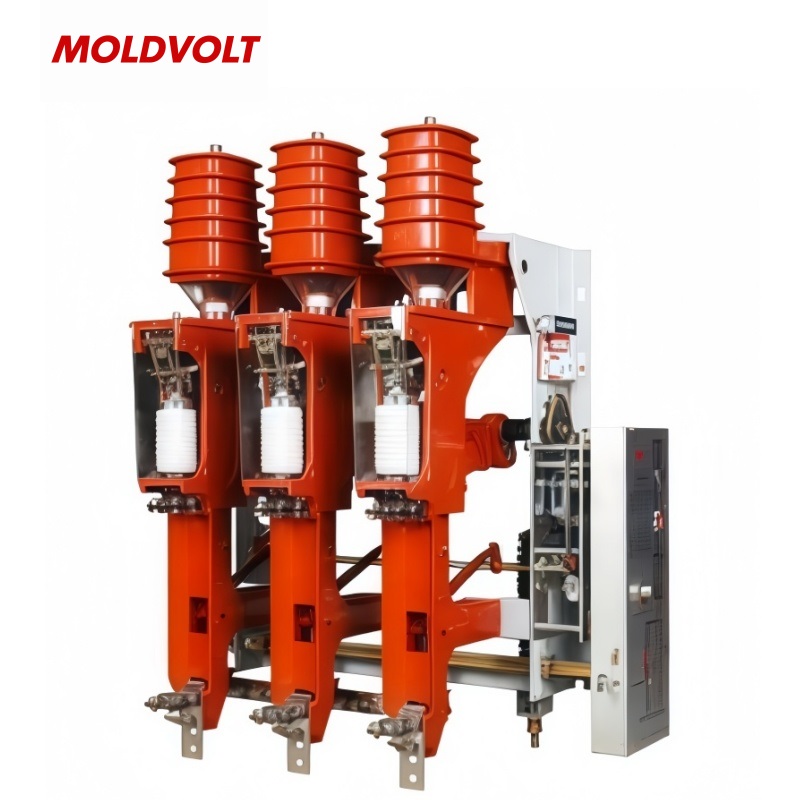
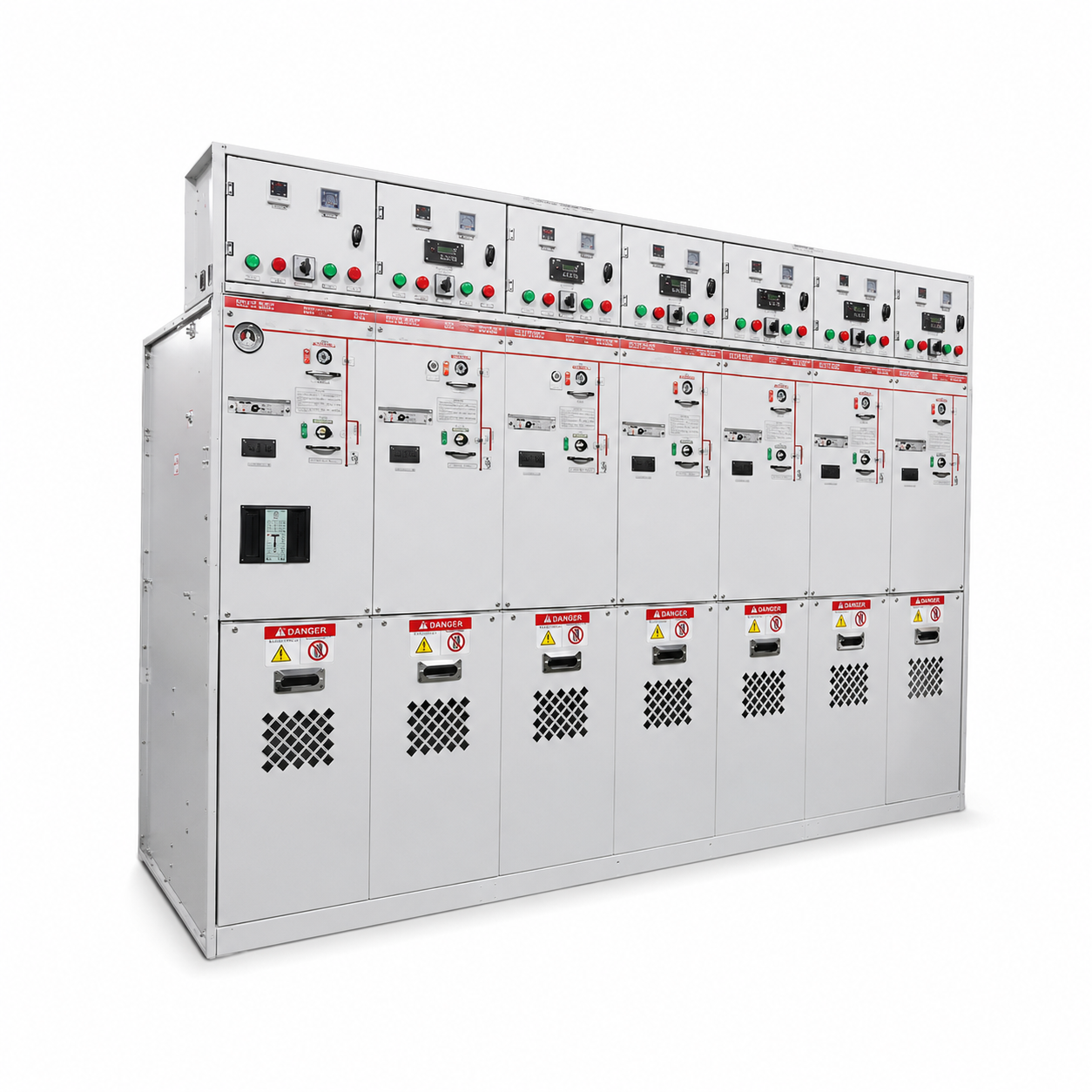
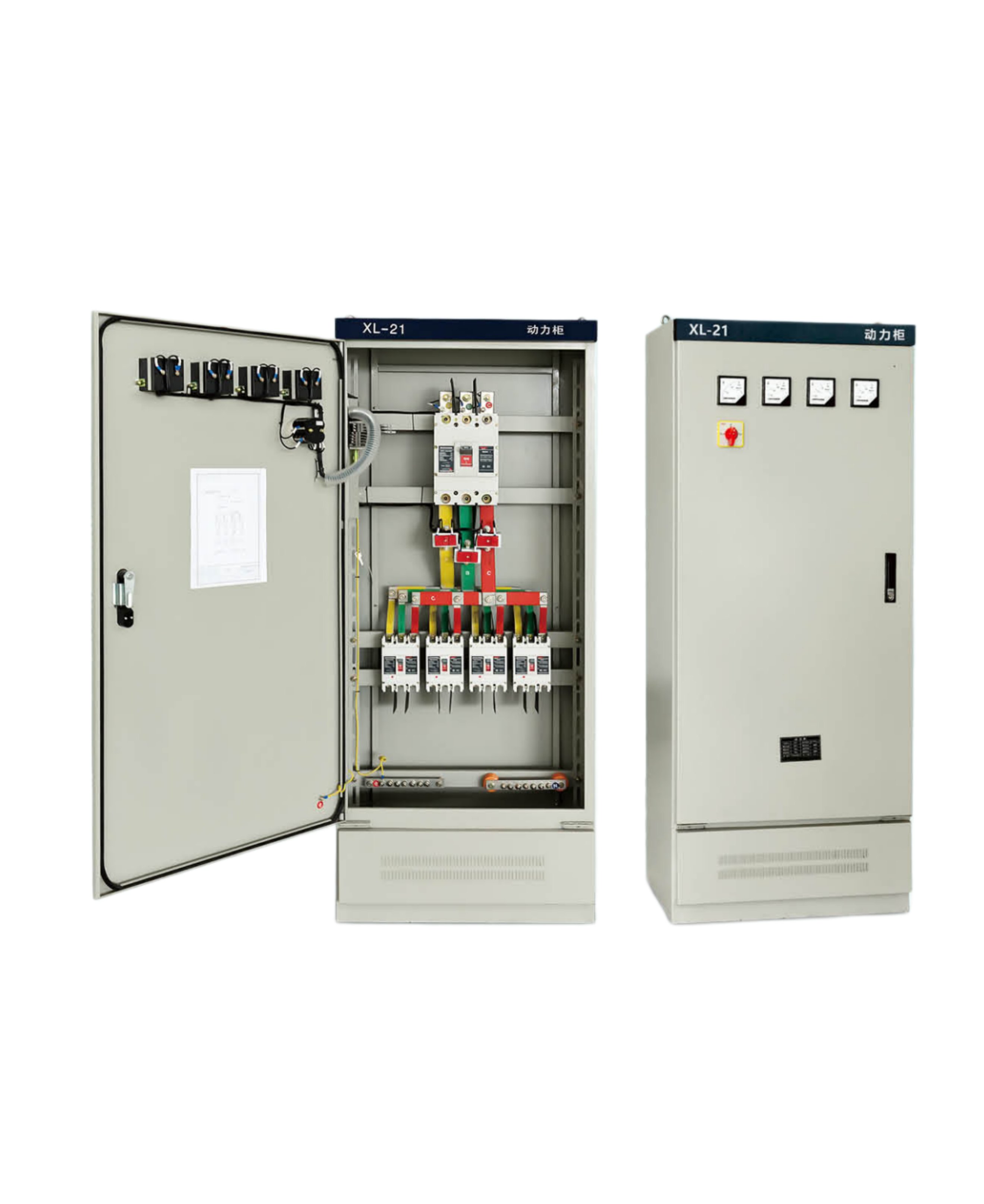
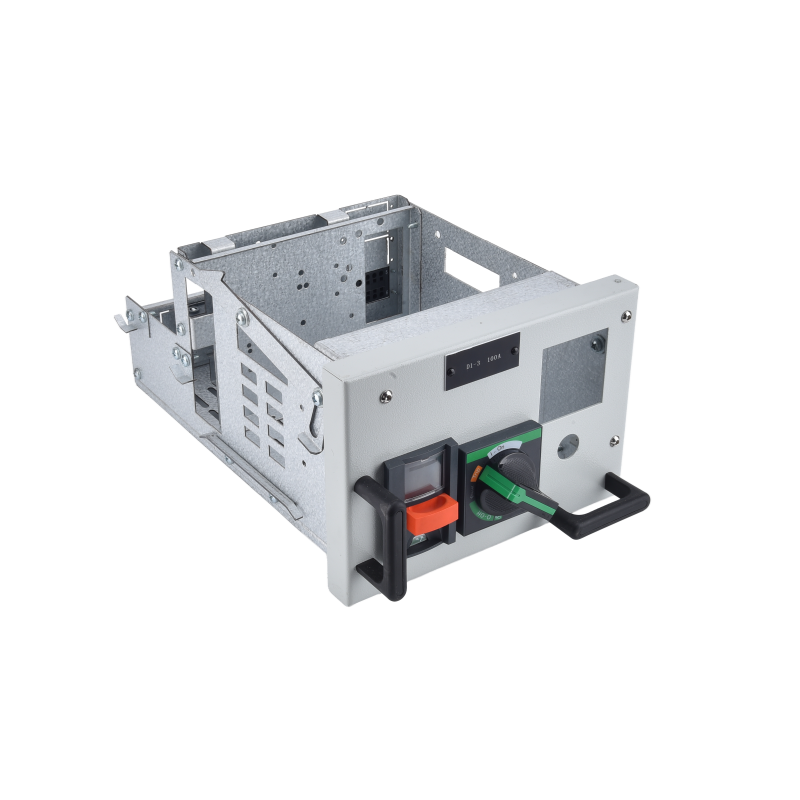
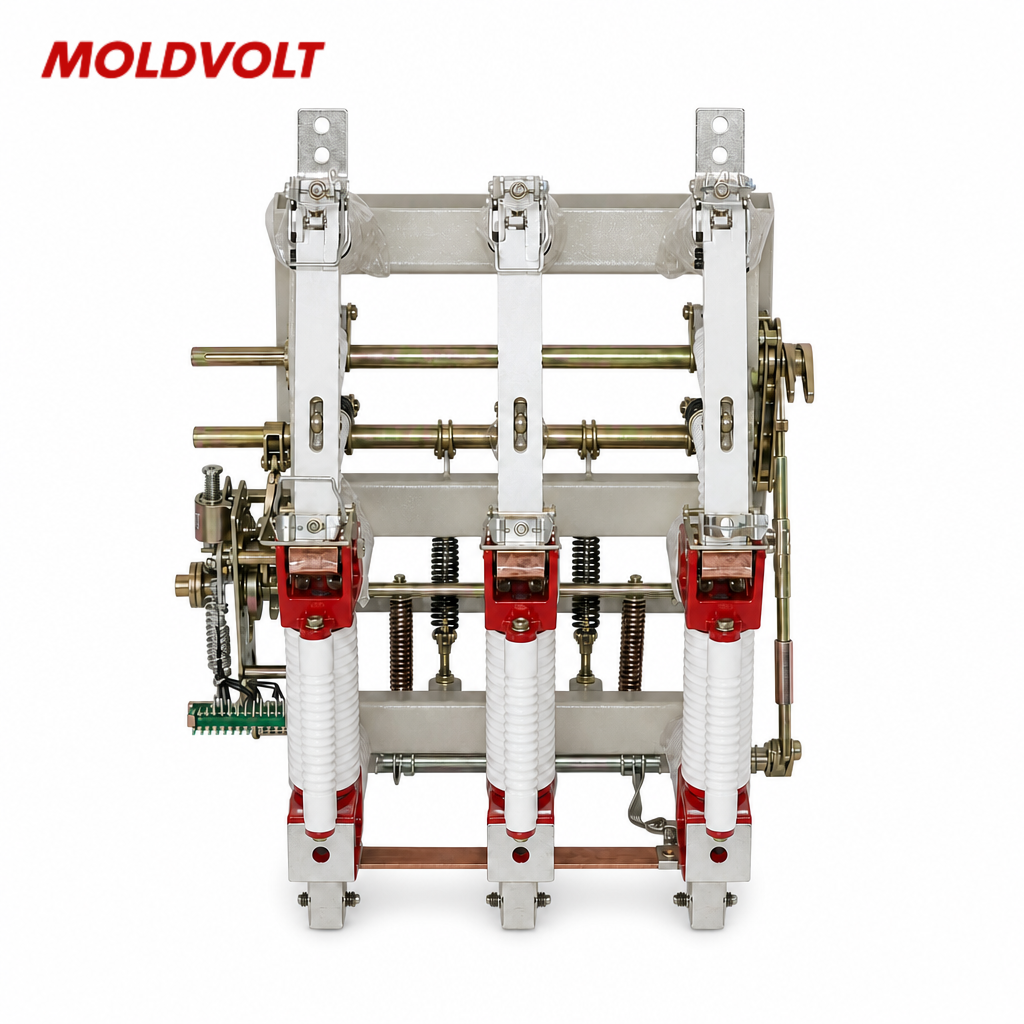
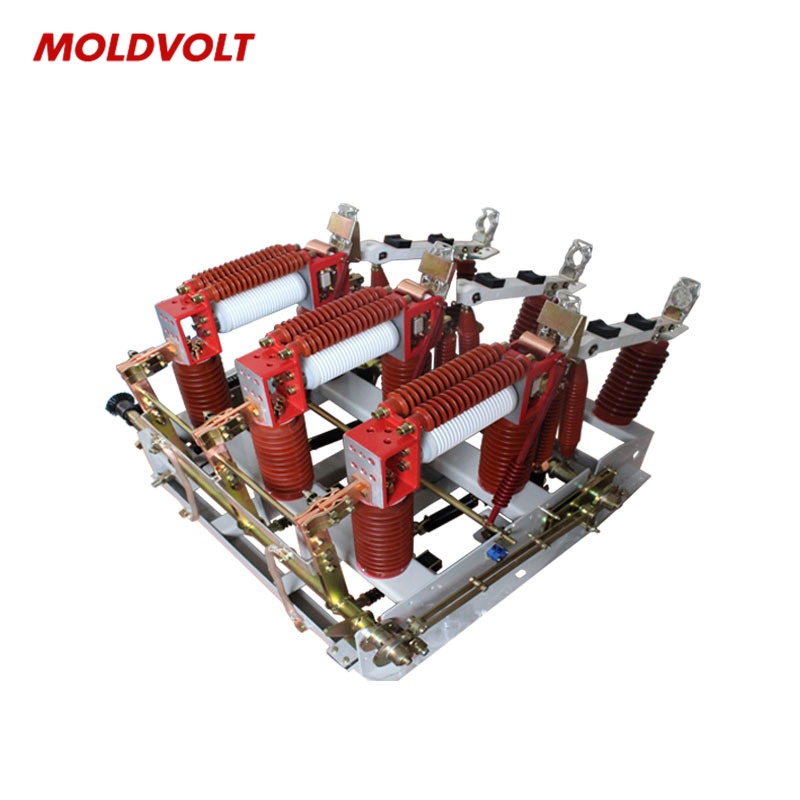
Fuse Breaker Solutions for Industrial Power Protection

All Categories
Reviews Title 1: Reliable Circuit Protection for Industrial Applications

Reviews Title 1: Reliable Circuit Protection for Industrial Applications

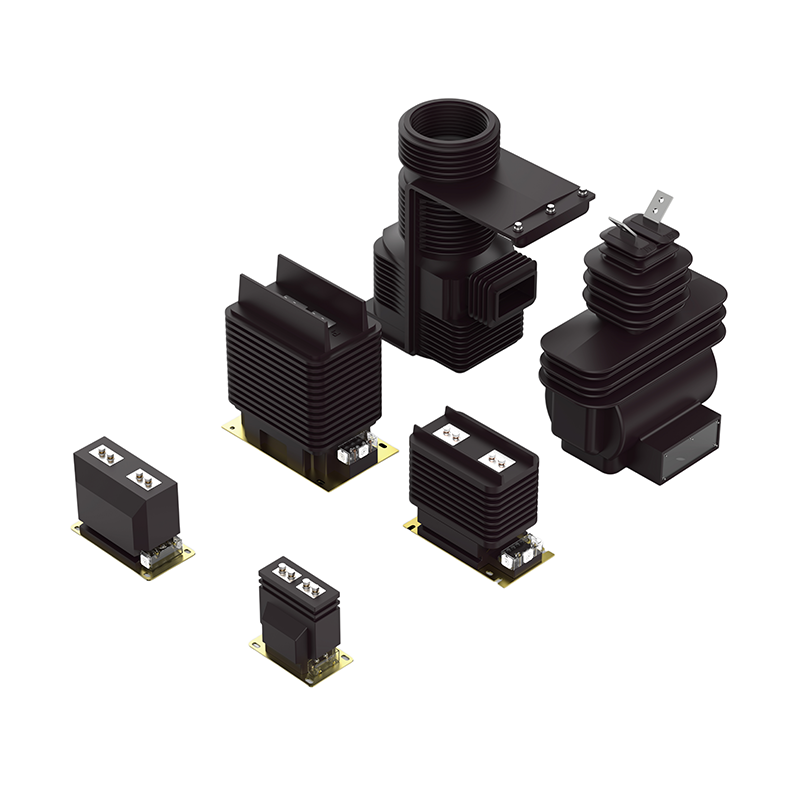
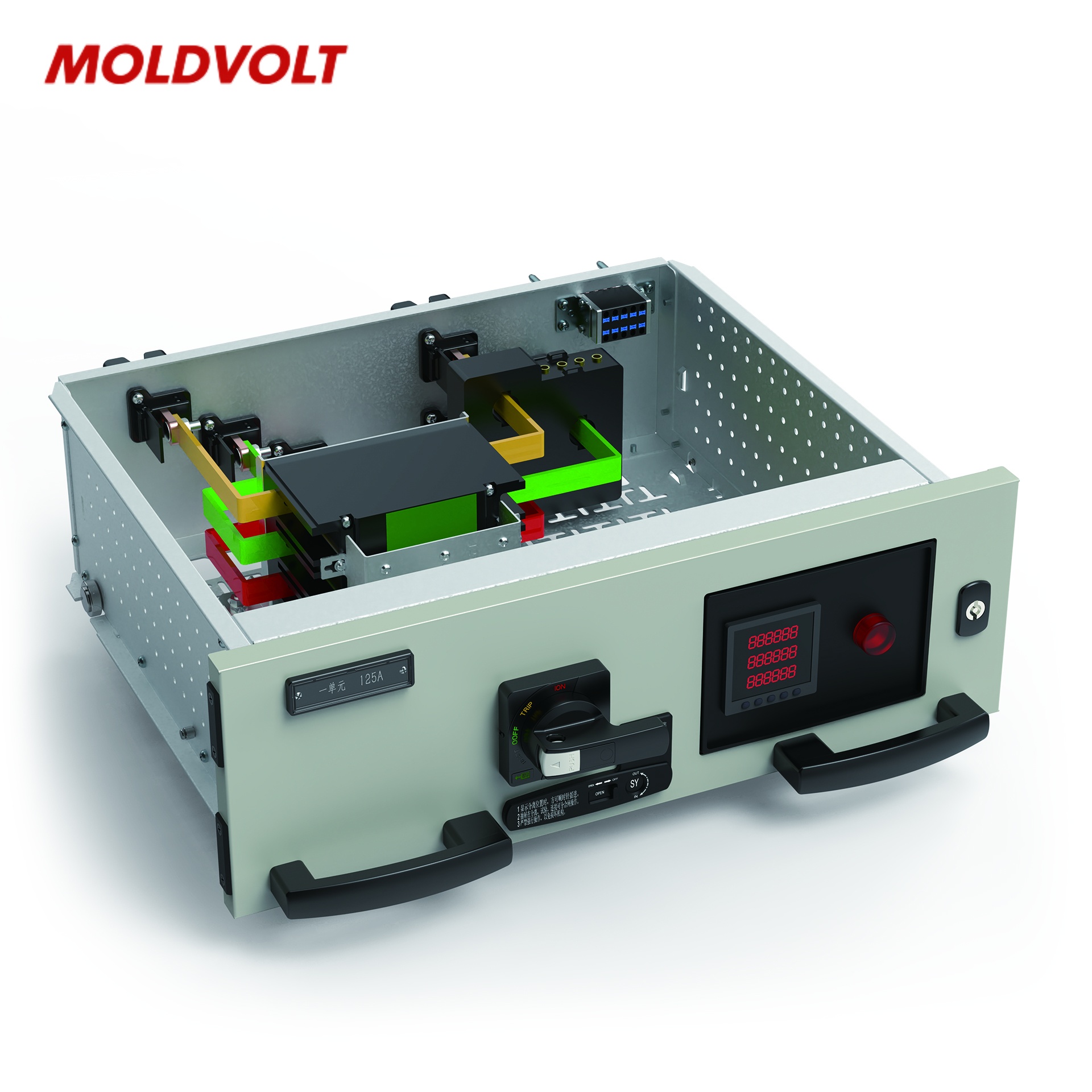
Voltcabinet provides electrical protection solutions designed for industrial and commercial power distribution systems. Fuse breakers help protect electrical circuits by interrupting excessive current under specified fault conditions, reducing the risk of damage to connected equipment and wiring. Depending on the selected product configuration, protection can be achieved through fuse-based interruption or circuit breaker mechanisms. These solutions support applications in distribution cabinets, manufacturing facilities, motor control systems, and commercial infrastructure. Engineers can evaluate rated voltage, current capacity, breaking capacity, and installation requirements to identify suitable equipment. Properly selected protection devices help improve electrical system reliability, simplify maintenance planning, and support safer power distribution across different operating environments.
Get A Quote

Case Study

Industrial Manufacturing Circuit Protection

A manufacturing facility required dependable overcurrent protection for multiple production lines and auxiliary electrical circuits. The engineering team evaluated operating loads, system voltage, and prospective short-circuit current before selecting suitable protection devices. Fuse-based protective components and compatible switching equipment were incorporated into the distribution cabinets to protect individual circuit branches. This arrangement helped organize electrical protection and provided maintenance personnel with clearer access to individual circuits. Proper coordination between protective devices was considered to minimize unnecessary interruptions during electrical faults. The project demonstrates how correctly specified fuse protection equipment supports reliable power distribution in factories and automated manufacturing environments.

Commercial Building Distribution Protection

A commercial building project required dependable protective equipment for distribution panels serving lighting, HVAC, and auxiliary systems. Engineers assessed circuit loads, installation conditions, and available fault current before determining suitable fuse and breaker configurations. The selected equipment provided overcurrent protection for individual electrical branches while supporting organized cabinet layouts. Electrical contractors also considered compatibility with upstream protective devices and downstream loads to achieve appropriate coordination. The resulting arrangement simplified circuit identification and routine maintenance planning. This application highlights the importance of correctly selected electrical protection equipment in office buildings, shopping centers, and other commercial properties where stable power distribution is essential.

Industrial Motor Circuit Protection

An industrial processing facility needed effective protection for motor-driven equipment operating under varying load conditions. The engineering team evaluated motor starting current, rated operating current, system voltage, and short-circuit requirements before selecting suitable protective components. Fuse-based protection was considered alongside appropriate switching and overload protection equipment to address different fault conditions. This coordinated arrangement helped protect motor circuits while supporting maintenance accessibility within the electrical control cabinets. The project illustrates why protection devices must be selected according to actual motor characteristics rather than nominal current alone. Proper specification supports dependable operation in manufacturing plants, pumping stations, and industrial processing facilities.

Related products

Voltcabinet focuses on electrical distribution and protection components for industrial and commercial applications. Fuse breaker is a commonly used industry search term referring to equipment associated with fuse-based protection, circuit interruption, or integrated switching arrangements. The exact product configuration should be confirmed according to the required protection technology. Fuse-based devices use calibrated elements to interrupt excessive current, while circuit breakers employ mechanical switching mechanisms with specified protective characteristics. Selection involves evaluating rated operational voltage, continuous current, breaking capacity, pole configuration, installation method, and applicable standards. For example, a manufacturing distribution cabinet may require different protection arrangements for motor circuits, lighting branches, and auxiliary equipment. Voltcabinet supports project-specific component selection, helping panel builders and electrical contractors identify suitable solutions for their distribution system requirements and installation conditions.

Frequently Asked Questions

What is a fuse breaker used for?

A fuse breaker generally refers to electrical protection equipment designed to interrupt excessive current and protect connected circuits. Depending on the product, protection may rely on a replaceable fuse element or a resettable circuit breaker mechanism. Always confirm the specific device configuration.
A fuse interrupts excessive current by melting its internal element and normally requires replacement after operation. A circuit breaker uses a switching mechanism to interrupt the circuit and can generally be reset after the fault has been identified and resolved.
Consider rated voltage, continuous current, prospective short-circuit current, breaking capacity, pole configuration, and installation conditions. The selected device must also coordinate with connected equipment and other protective devices to provide appropriate circuit protection under expected operating conditions.
Electrical protection equipment is widely used in manufacturing facilities, distribution cabinets, commercial buildings, motor control centers, and infrastructure projects. The appropriate device depends on circuit characteristics, protection requirements, operating conditions, and compatibility with the overall electrical system.
Suitable fuse-based protection and circuit breakers can be incorporated into industrial motor protection arrangements. However, motor starting currents and overload characteristics require careful consideration. Engineers should coordinate short-circuit protection, overload protection, and switching equipment according to the motor specifications.

Related article

Why cabinet condensation leads to insulation failure in electrical equipment?

21

Sep

Why cabinet condensation leads to insulation failure in electrical equipment?

The Science of Cabinet Condensation: How Temperature, Humidity, and Design InteractDew Point Formation Inside Enclosures Due to Thermal GradientsCondensation inside an electrical cabinet is not simply a matter of seal failure—it is governed by the de...
View More
What switchgear maintenance items prevent unexpected power outage risks?

10

Oct

What switchgear maintenance items prevent unexpected power outage risks?

Top 3 Root Causes of Switchgear-Related Power Outages Insulation degradation and partial discharge: leading precursors to cascade failure Insulation systems in switchgear degrade gradually under electrical, thermal, and environmental stress. Cracks...
View More
Insulator dimension design follows international high voltage standards strictly.

16

Oct

Insulator dimension design follows international high voltage standards strictly.

Core IEC Standards Governing Insulator Dimension Design IEC 60383: Mechanical and Electrical Requirements for Ceramic and Glass Insulators The IEC 60383 series defines the mechanical and electrical test regimes that ceramic and glass insulators mus...
View More
What electrical switchgear testing items are required before site commissioning?

21

Oct

What electrical switchgear testing items are required before site commissioning?

Insulation Integrity and Dielectric Strength Verification Megger testing of busbars, cables, and instrument transformer circuits Megger testing is a foundational pre-commissioning check for electrical switchgear, measuring insulation resistance (IR...
View More

Customer Testimonials

James Wilson

We integrated these fuse breaker solutions into our electrical distribution cabinets. Their dependable fault protection and convenient maintenance access helped improve circuit management across multiple industrial installations.

Michael Brown

The equipment provided reliable protection for our distribution applications. Its practical configuration simplified panel integration and helped our engineering team improve maintenance efficiency across several electrical projects.

Get a Free Quote

Our representative will contact you soon.
Email
Mobile/WhatsApp
Name
Company Name
Message
0/1000
Flexible Protection Configurations for Electrical Distribution

Flexible Protection Configurations for Electrical Distribution

Different electrical applications require different approaches to circuit protection. Voltcabinet supports project-based selection of electrical protection components according to rated voltage, operating current, breaking capacity, and installation requirements. Industrial distribution cabinets may require separate protective arrangements for motors, lighting, auxiliary circuits, and other connected equipment. For example, a production facility operating several motor-driven machines needs protection coordinated with motor starting characteristics and prospective fault current. Selecting suitable fuse-based devices or circuit breakers helps address these requirements. Engineers can evaluate equipment compatibility and applicable electrical standards before finalizing their designs. This application-oriented approach supports reliable protection and practical integration across diverse power distribution projects.
Practical Integration for Industrial Control Cabinets

Practical Integration for Industrial Control Cabinets

Efficient electrical cabinet design requires protective components that match both circuit requirements and available installation space. Fuse-based protection devices and circuit breakers can be incorporated into distribution assemblies to organize individual electrical branches and simplify maintenance access. In manufacturing facilities, clearly arranged protective equipment helps technicians identify affected circuits and carry out appropriate troubleshooting procedures. Selection should consider mounting dimensions, terminal arrangements, conductor specifications, heat dissipation, and operating conditions. Coordination between upstream and downstream devices is equally important for limiting unnecessary power interruptions. By evaluating these factors during project planning, panel builders can develop organized electrical cabinets that support maintainability, operational reliability, and long-term distribution system performance.

Get a Free Quote

Our representative will contact you soon.
Email
Mobile/WhatsApp
Name
Company Name
Message
0/1000