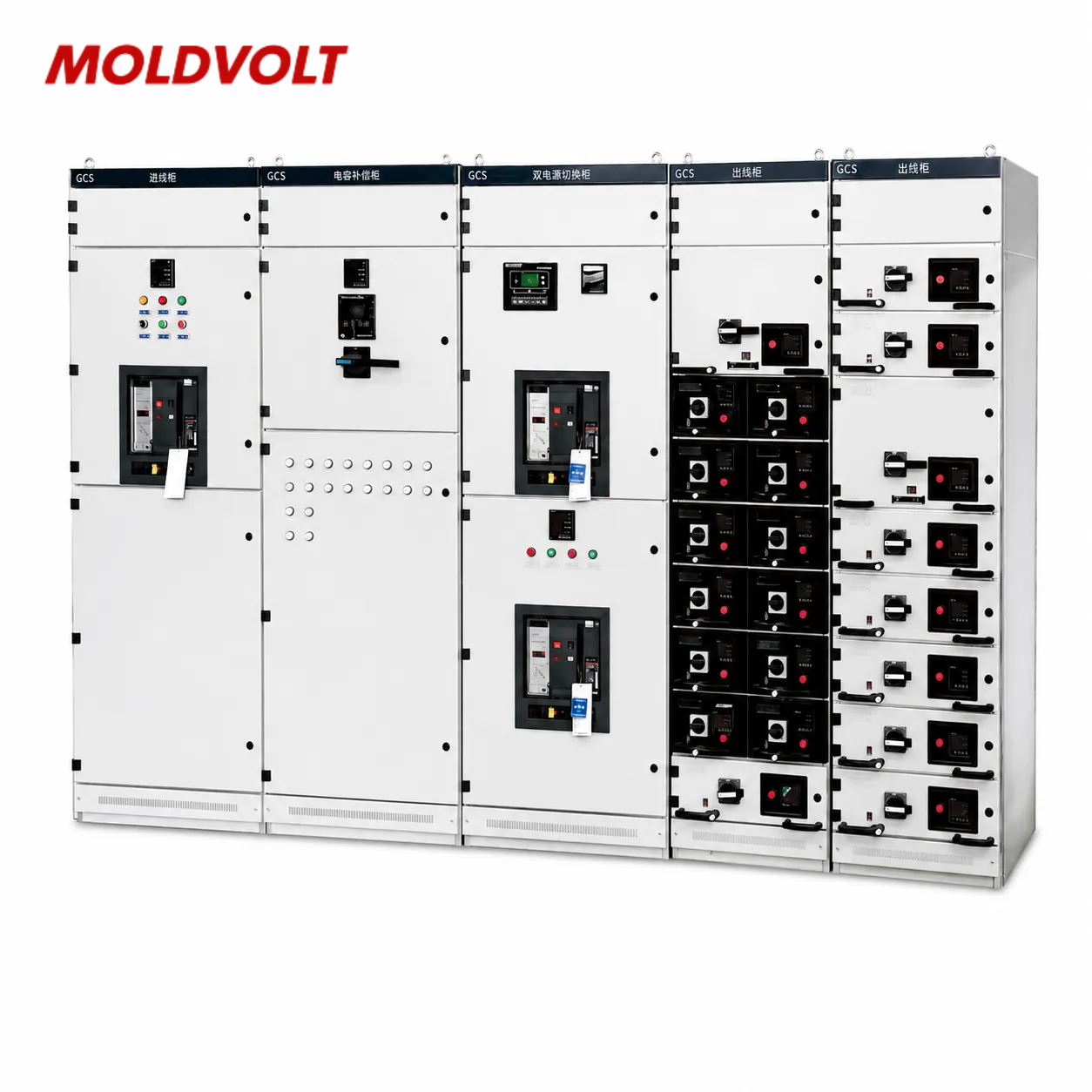
Low Voltage Switchgear Solutions: 12 Certified Configurations

All Categories
Customer Reviews for Low Voltage Switchgear

Customer Reviews for Low Voltage Switchgear

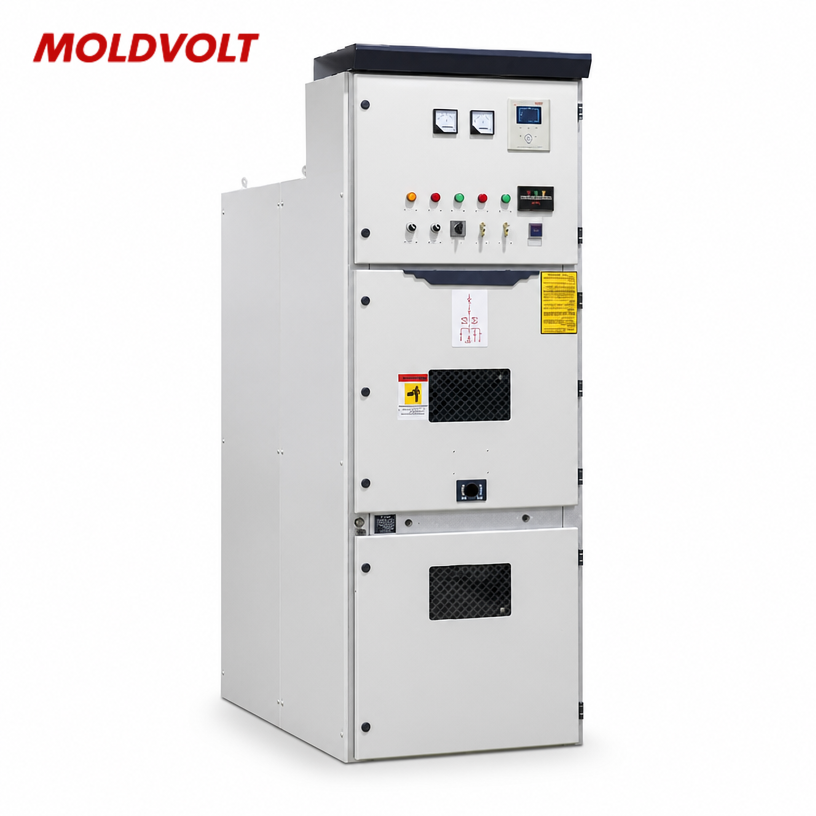
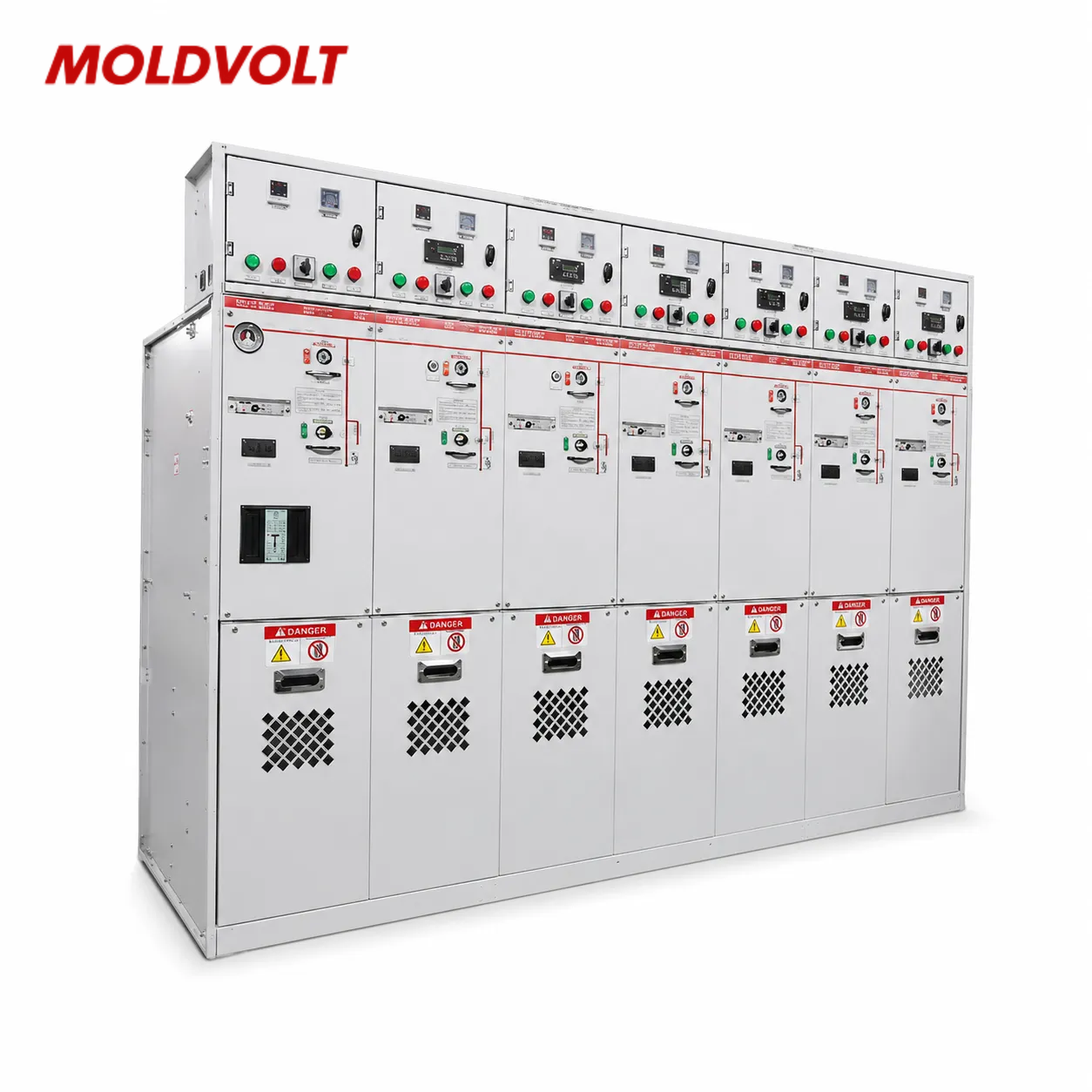
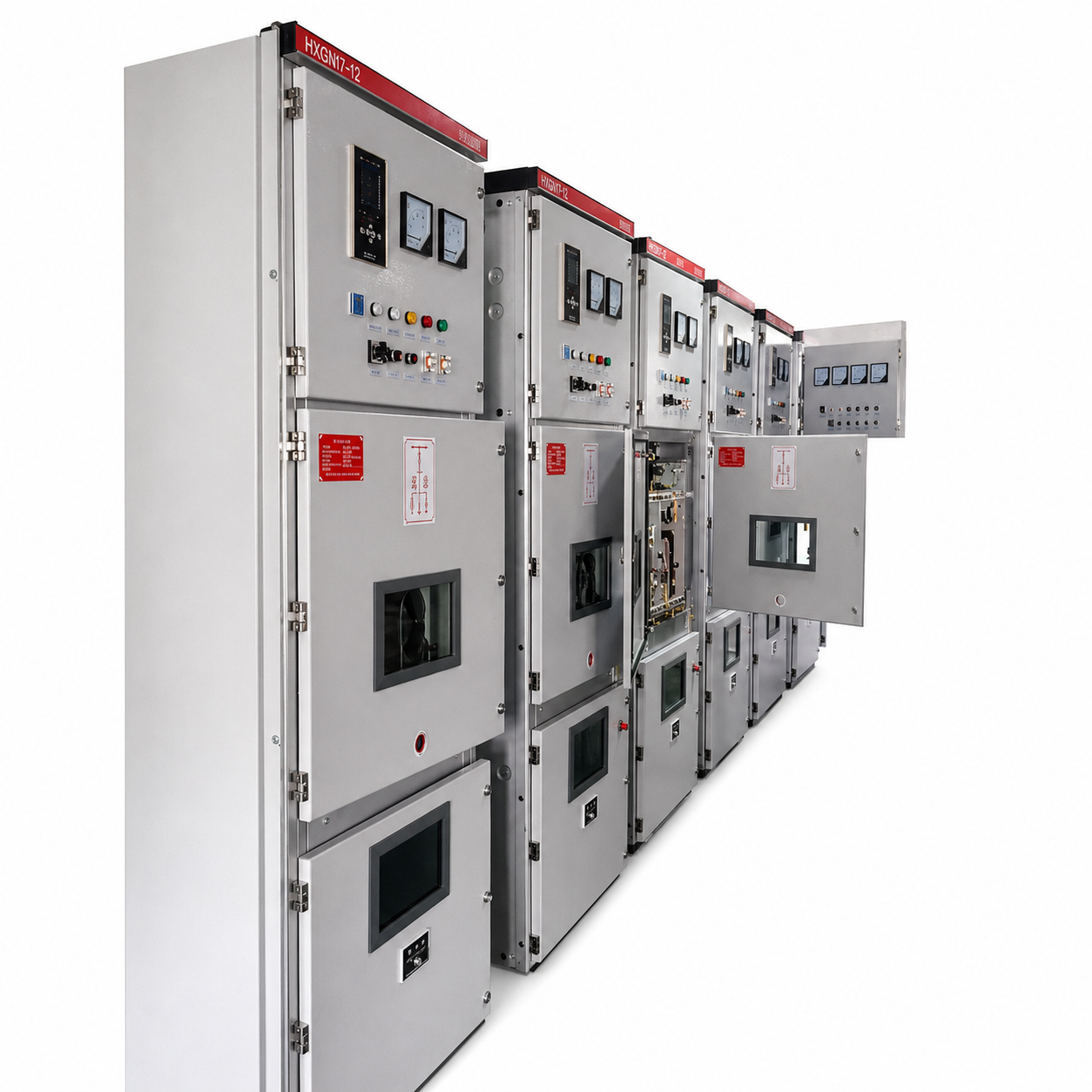
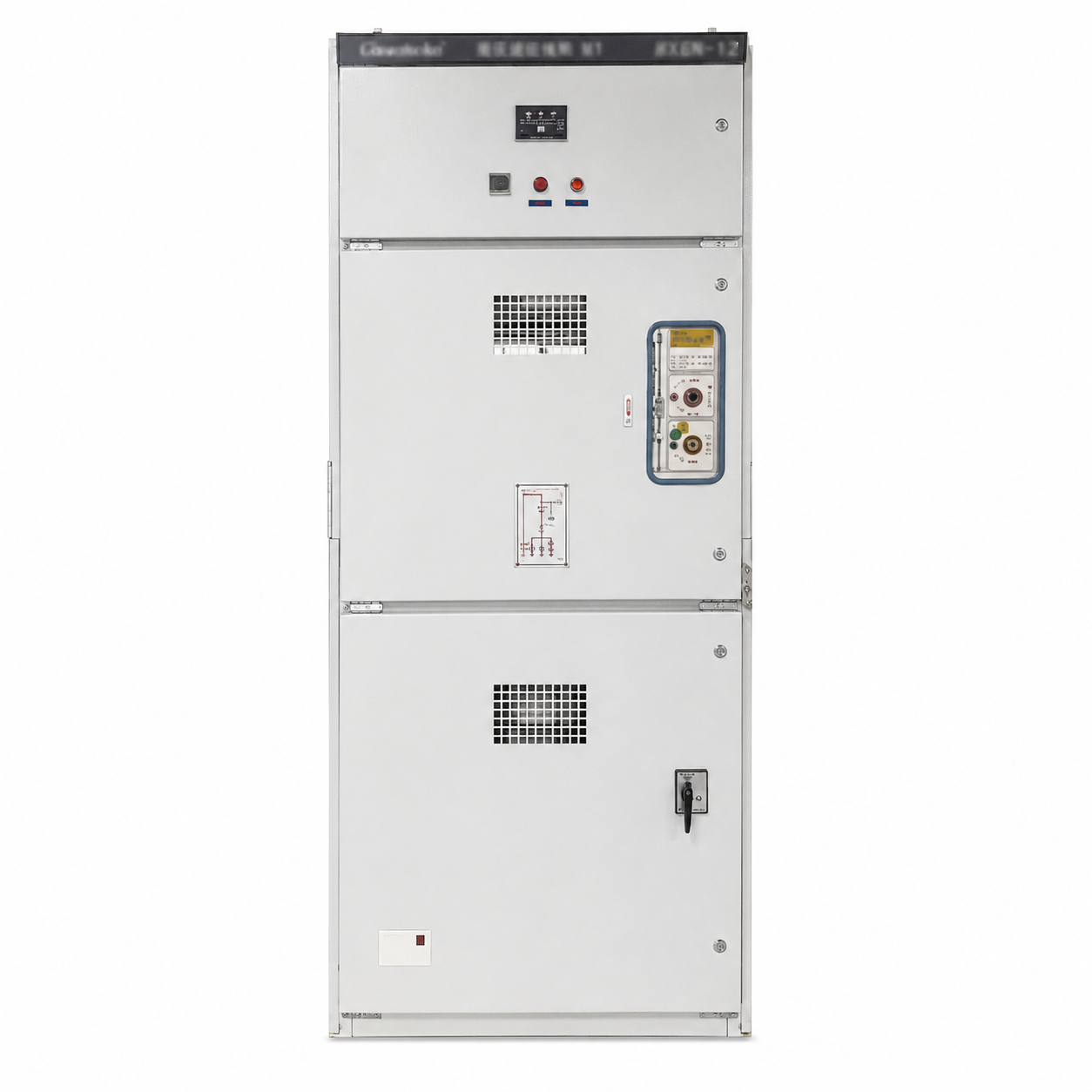
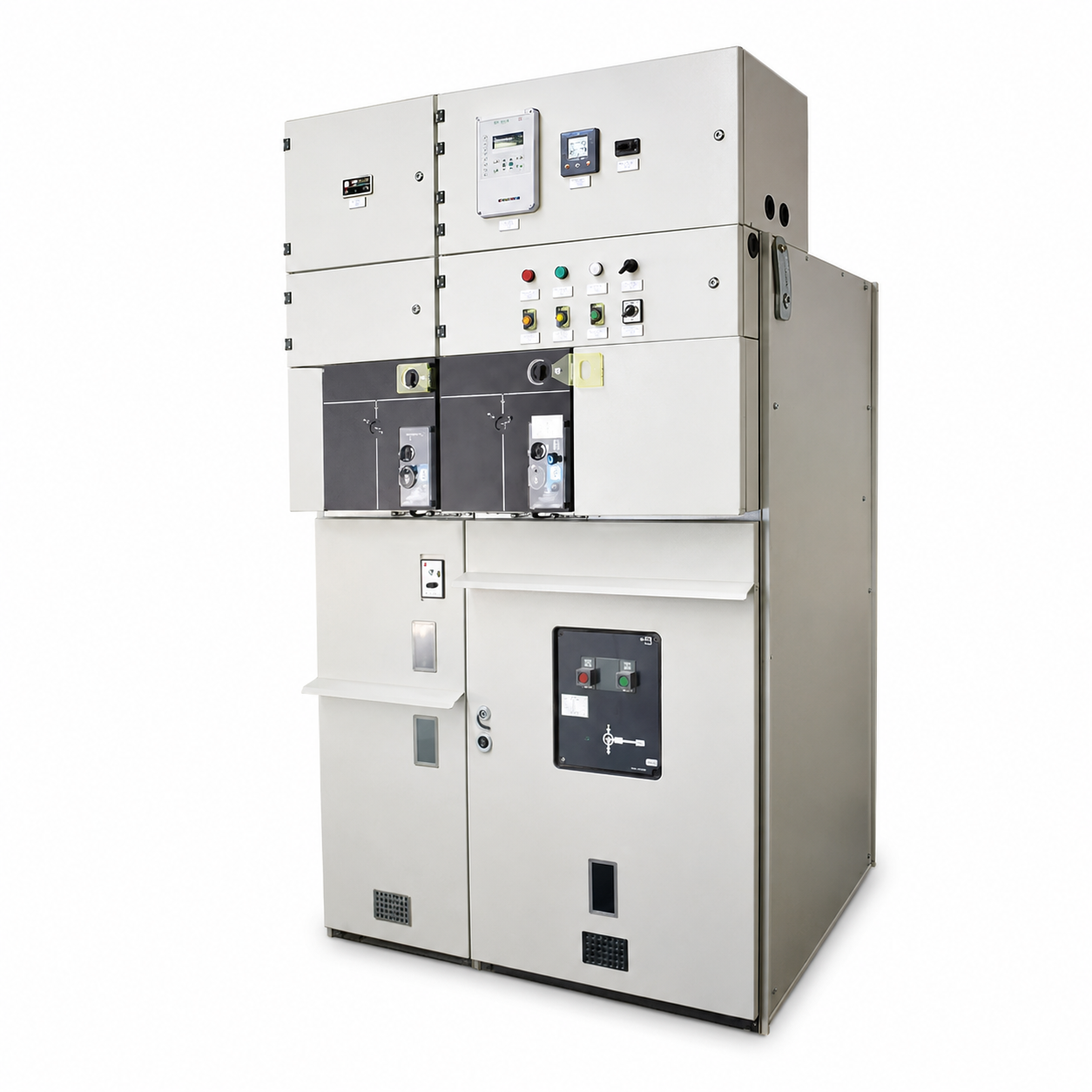
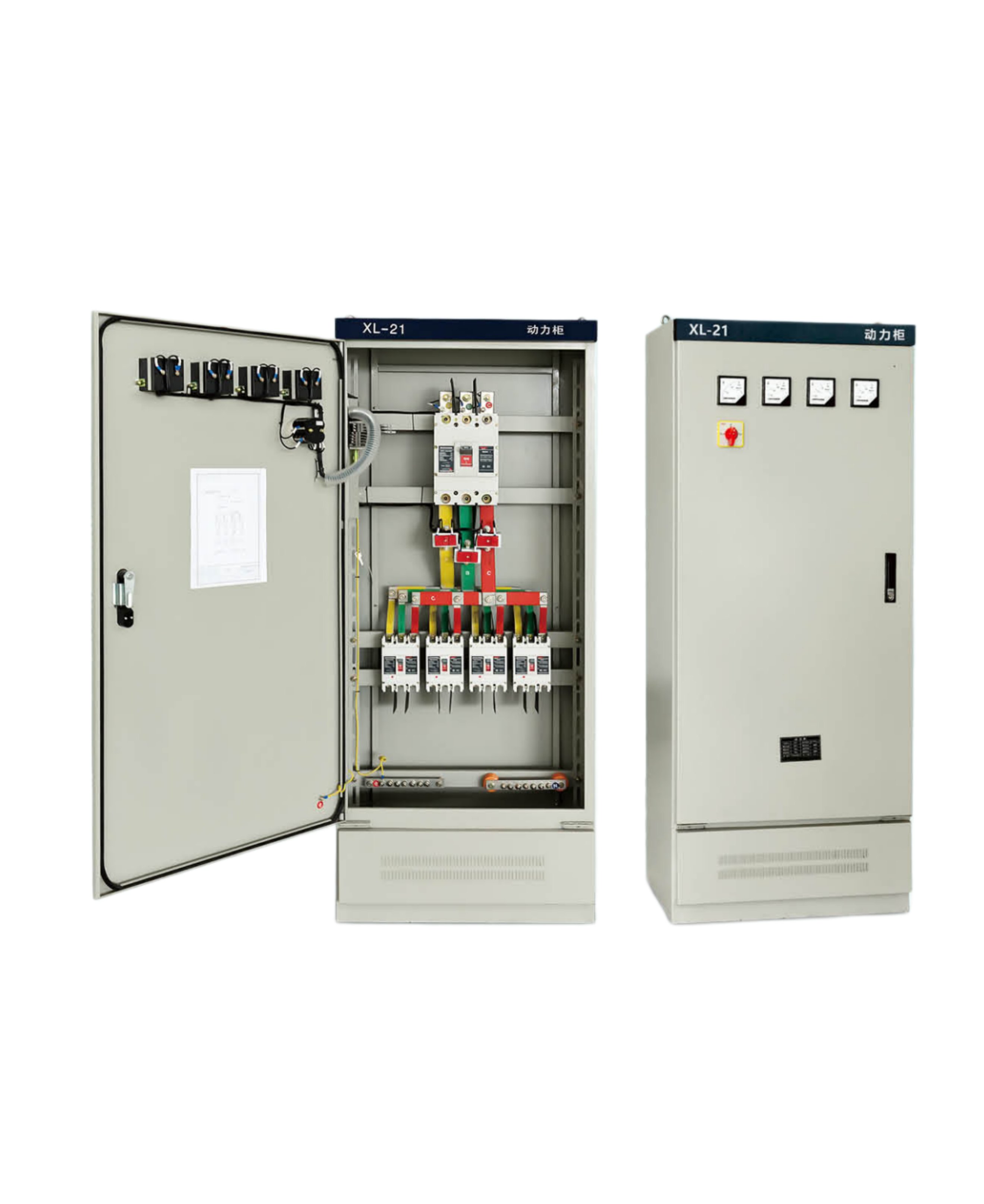
Low voltage switchgear plays an essential role in distributing electrical power, protecting circuits, and managing equipment operating at low voltage levels. Commonly used in industrial plants, commercial buildings, infrastructure projects, and utility facilities, it combines switching devices, protective components, busbars, and control equipment within an organized assembly. Properly specified switchgear helps isolate electrical faults, protect connected equipment, and support safe operation during routine switching and maintenance. Configurations can be tailored to suit incoming power supplies, motor loads, distribution circuits, and project-specific installation requirements. Engineers can evaluate rated current, short-circuit withstand capability, protection coordination, enclosure design, and future expansion needs when selecting equipment. With appropriate installation and scheduled maintenance, low voltage switchgear supports dependable power distribution and effective electric
Get A Quote

Case Study

Industrial Manufacturing and Production Facilities

Manufacturing facilities require stable electrical distribution to operate machinery, production lines, pumps, compressors, and auxiliary systems. Low voltage switchgear helps organize incoming power and distribute electricity across multiple circuits while providing switching and protective functions. Engineers can configure assemblies to match motor loads, operating conditions, fault levels, and plant expansion plans. Appropriate circuit breakers and protective devices help isolate faults and reduce the risk of damage to connected equipment. For industrial projects, selecting switchgear with suitable current ratings, short-circuit performance, enclosure protection, and maintenance access is essential. Integration with motor control centers and monitoring systems can further improve operational visibility. A properly designed solution helps maintenance teams manage circuits efficiently while supporting dependable power delivery throughout the facility.

Commercial Buildings and Office Complexes

Office buildings, shopping centers, hotels, and mixed-use developments depend on organized low voltage distribution to serve lighting, HVAC equipment, elevators, outlets, and other building services. Low voltage switchgear provides a central arrangement for incoming supplies, circuit protection, and downstream distribution. Its configuration can be adapted to building capacity, load diversity, backup power arrangements, and available electrical room space. Project designers should consider rated current, fault withstand capability, selectivity between protective devices, enclosure requirements, and access for inspection. Coordination with distribution boards, generators, UPS systems, and building management infrastructure can support more effective electrical system operation. By matching equipment specifications to actual building loads and applicable electrical codes, developers can establish a dependable distribution system that accommodates operational needs and potential future up

Infrastructure and Utility Distribution Systems

Infrastructure facilities such as water treatment plants, transportation hubs, telecommunications sites, and utility support buildings need reliable low voltage power distribution for essential services. Low voltage switchgear can manage incoming supplies and distribute electricity to pumps, ventilation systems, control equipment, lighting, and auxiliary loads. Selecting the right assembly requires assessment of operating current, prospective fault levels, environmental conditions, continuity requirements, and integration with upstream and downstream equipment. Protective coordination is particularly important where multiple circuits serve critical systems. Engineers should also consider enclosure ratings, cable entry arrangements, spare circuit capacity, and maintenance procedures. When correctly specified and installed, low voltage switchgear provides an organized platform for circuit control and protection, supporting reliable operation across diverse infrastructure applications.

Related products

Low voltage switchgear is designed to control, protect, and isolate electrical circuits in systems typically rated up to 1,000 V AC or 1,500 V DC, depending on the applicable standards and equipment design. A switchgear assembly may incorporate circuit breakers, switches, busbars, protective relays, metering devices, control components, and connection terminals. These components work together to distribute power and provide protection against specified electrical faults. Low voltage switchgear is widely used in factories, commercial buildings, infrastructure facilities, and utility installations. Available configurations can support main incoming supplies, bus couplers, feeder circuits, motor loads, and auxiliary distribution. Selection should account for rated voltage, continuous current, short-circuit withstand rating, protection coordination, enclosure protection, installation conditions, and expansion requirements. Compatibility with transformers, generators, UPS systems, motor control centers, and automation equipment is also important. Buyers should review applicable IEC or other relevant standards, routine test documentation, installation requirements, and after-sales support. A properly engineered assembly helps improve electrical organization, support safe switching procedures, and maintain dependable power distribution throughout the system's service life.
Frequently Asked Questions

What is low voltage switchgear used for?

Low voltage switchgear controls, protects, and isolates electrical circuits in low voltage power systems. It distributes electricity from incoming supplies to feeders and connected equipment while helping manage electrical faults. Typical applications include manufacturing plants, commercial buildings, infrastructure facilities, and utility support installations requiring organized and protected power distribution.
A typical assembly may include circuit breakers, switches, busbars, protective relays, meters, control devices, and cable connection terminals. The exact components depend on the system design and intended application. Incoming sections, feeder sections, and bus couplers can be arranged to meet specific distribution, protection, and operational requirements.
Evaluate rated voltage, continuous current, short-circuit withstand capability, load characteristics, protection coordination, enclosure rating, and installation conditions. Consider future expansion, cable entry requirements, maintenance access, and compatibility with transformers or backup power systems. Confirm that the proposed assembly meets relevant standards and the project's technical specifications.
Low voltage switchgear generally refers to assemblies designed for switching, protection, and isolation, often serving main distribution or higher-capacity circuits. A distribution board typically divides an incoming supply into smaller outgoing circuits. The distinction depends on equipment ratings, construction, and applicable standards, so project specifications should define the required functions clearly.
Properly selected switchgear provides circuit protection, controlled switching, and isolation functions that help manage electrical faults and maintenance activities. Safety also depends on correct installation, suitable protective-device coordination, grounding, inspection, and operating procedures. Qualified personnel should follow applicable electrical standards and the manufacturer's instructions when working with energized systems.

Related article

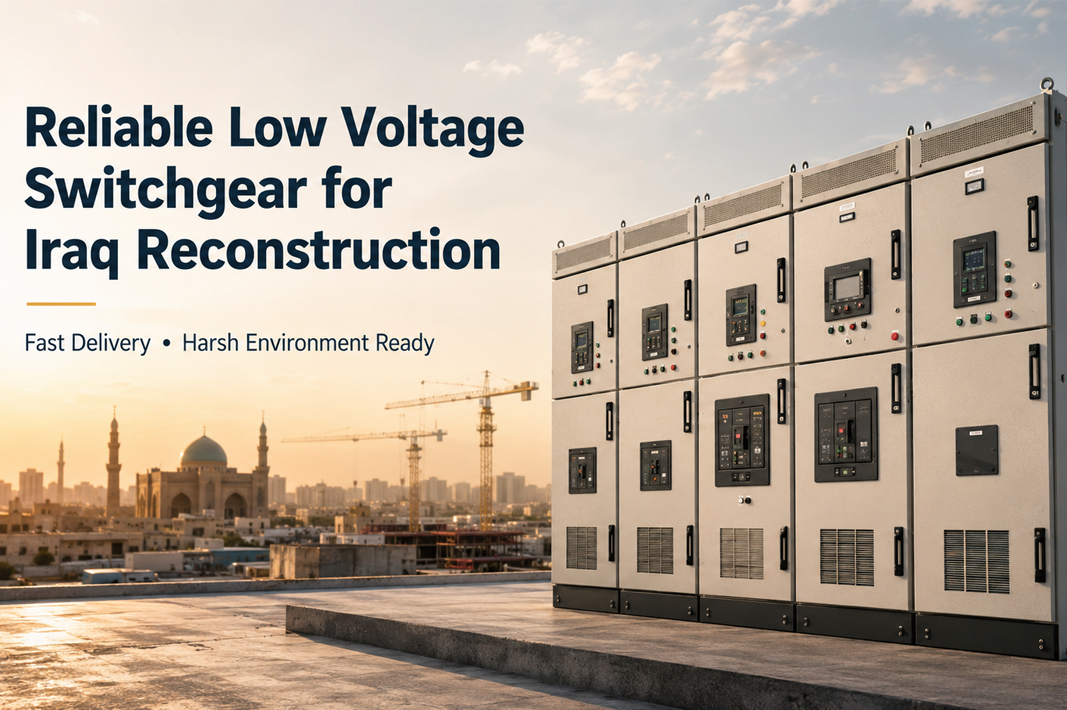
Cost-Effective Low Voltage Switchgear for Iraq: Compatible with Blokset, Okken & 8PT | Local Assembly Options

16

Sep

Cost-Effective Low Voltage Switchgear for Iraq: Compatible with Blokset, Okken & 8PT | Local Assembly Options

View More
Cabinet corrosion resistance determines service life in coastal engineering sites.

23

Sep

Cabinet corrosion resistance determines service life in coastal engineering sites.

Why Coastal Environments Accelerate Cabinet CorrosionThe chloride-humidity synergy: How salt aerosols and sustained high RH drive electrochemical degradationCoastal atmospheres subject cabinet enclosures to a uniquely aggressive combination of airbor...
View More
What switchgear maintenance items prevent unexpected power outage risks?

10

Oct

What switchgear maintenance items prevent unexpected power outage risks?

Top 3 Root Causes of Switchgear-Related Power Outages Insulation degradation and partial discharge: leading precursors to cascade failure Insulation systems in switchgear degrade gradually under electrical, thermal, and environmental stress. Cracks...
View More
Cable clamp vs cable tie: which one delivers long term stability in panels?

27

Oct

Cable clamp vs cable tie: which one delivers long term stability in panels?

Mechanical Performance Under Thermal Stress Polymer creep and thermal expansion mismatch in nylon cable ties at 60–85°C Nylon 6/6 cable ties undergo measurable mechanical degradation when exposed continuously to 60–85 °C. At the...
View More

Customer Testimonials

James Wilson

Our facility needed dependable low voltage switchgear for daily operations. The selected configuration improved distribution organization, simplified circuit management, and helped our maintenance team access essential components efficiently.

Michael Brown

We needed a practical solution for a commercial building upgrade. The low voltage switchgear supported organized power distribution, coordinated protection, and a layout tailored to our electrical system requirements.

Get a Free Quote

Our representative will contact you soon.
Email
Mobile/WhatsApp
Name
Company Name
Message
0/1000
Flexible Configurations for Diverse Electrical Loads

Flexible Configurations for Diverse Electrical Loads

Low voltage switchgear can be configured for a broad range of electrical distribution requirements, from commercial building services to demanding industrial production systems. Incoming supplies, outgoing feeders, bus couplers, and protective components can be arranged according to the project's load profile and operational priorities. Engineers can specify current ratings, fault withstand capability, enclosure protection, metering functions, and control interfaces to suit site conditions. Consideration of spare feeder capacity and future expansion can also help reduce the need for extensive modifications as electrical demand changes. When coordinated with transformers, generators, UPS systems, and downstream distribution equipment, a well-designed assembly supports organized power management and dependable operation across multiple applications.
Integrated Protection and Practical Maintenance Access

Integrated Protection and Practical Maintenance Access

Effective low voltage switchgear design combines suitable protective devices with accessible components and clearly organized circuits. Circuit breakers and other switching devices help isolate specified faults, while appropriate coordination supports the protection strategy for the wider electrical system. Metering and monitoring options can provide useful information about current operating conditions and power distribution. Enclosure design, cable routing, labeling, and working clearances should be considered during engineering to support inspection and maintenance activities. Regular checks of connections, operating mechanisms, protective settings, and other manufacturer-specified items help maintain equipment performance. By aligning protection requirements with practical maintenance planning, low voltage switchgear can support safer electrical operations and more efficient facility management.

Get a Free Quote

Our representative will contact you soon.
Email
Mobile/WhatsApp
Name
Company Name
Message
0/1000