Main Switchgear Solutions: IEC-Compliant, Scalable & Reliable

All Categories
Reliable Main Switchgear for Efficient Power Distribution

Reliable Main Switchgear for Efficient Power Distribution

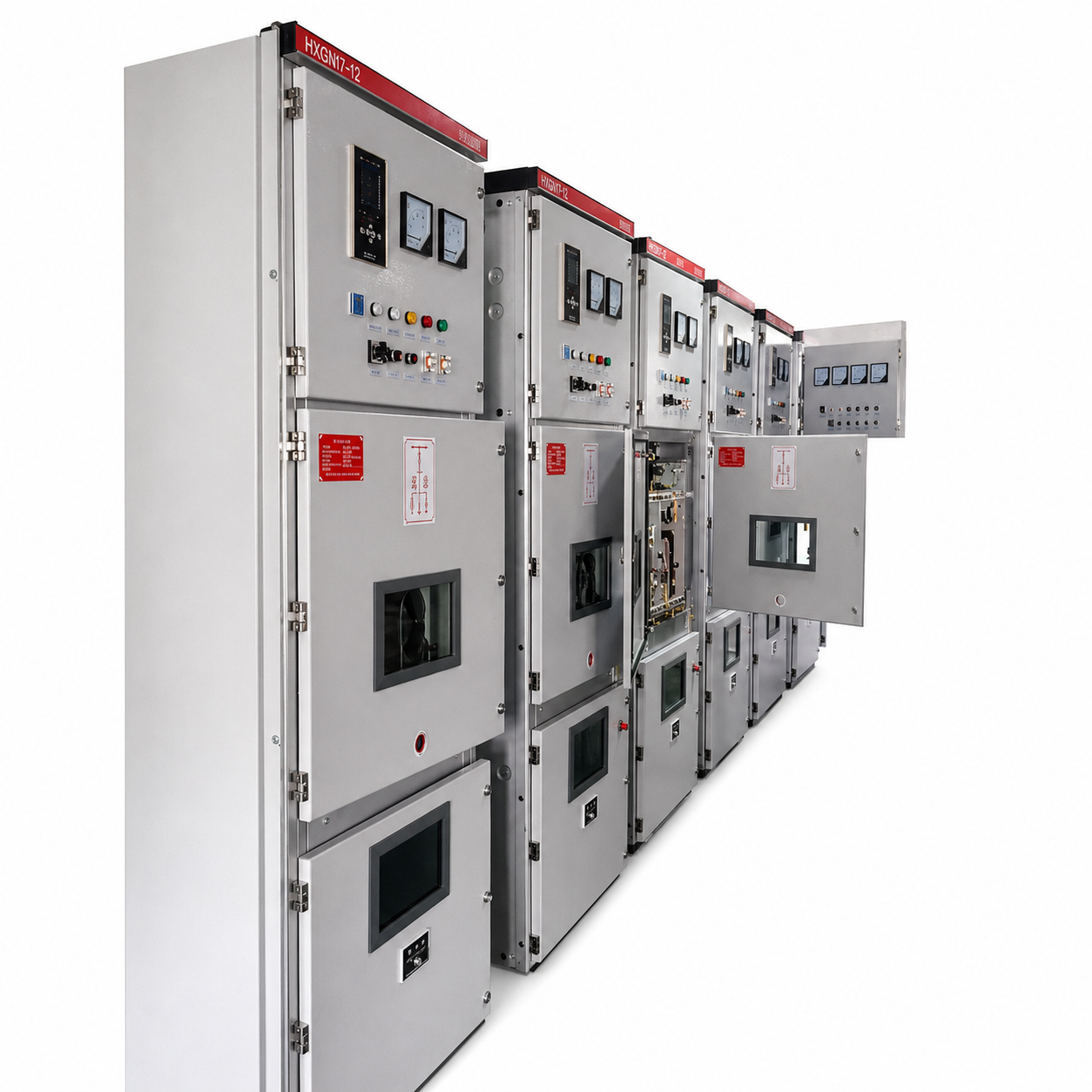
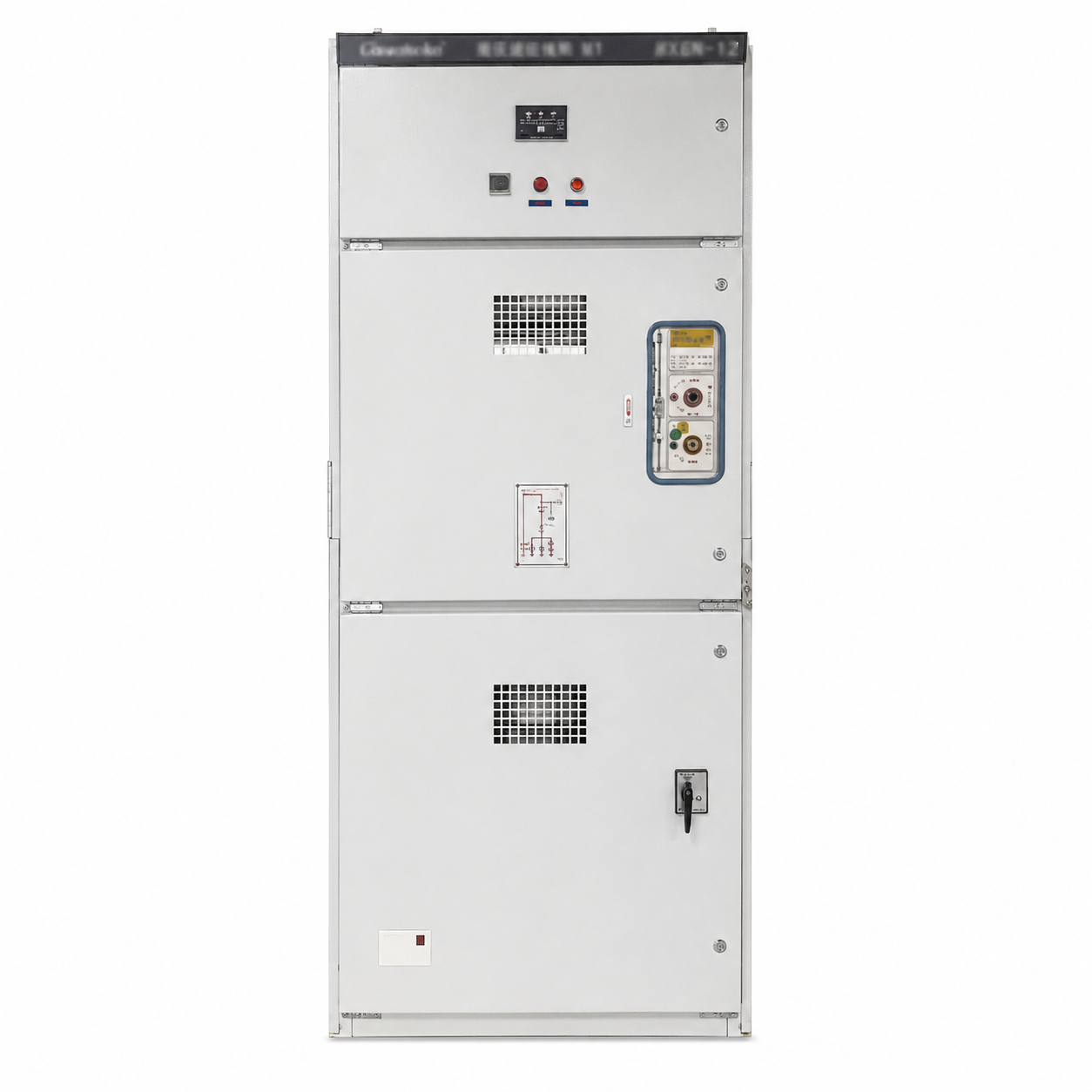
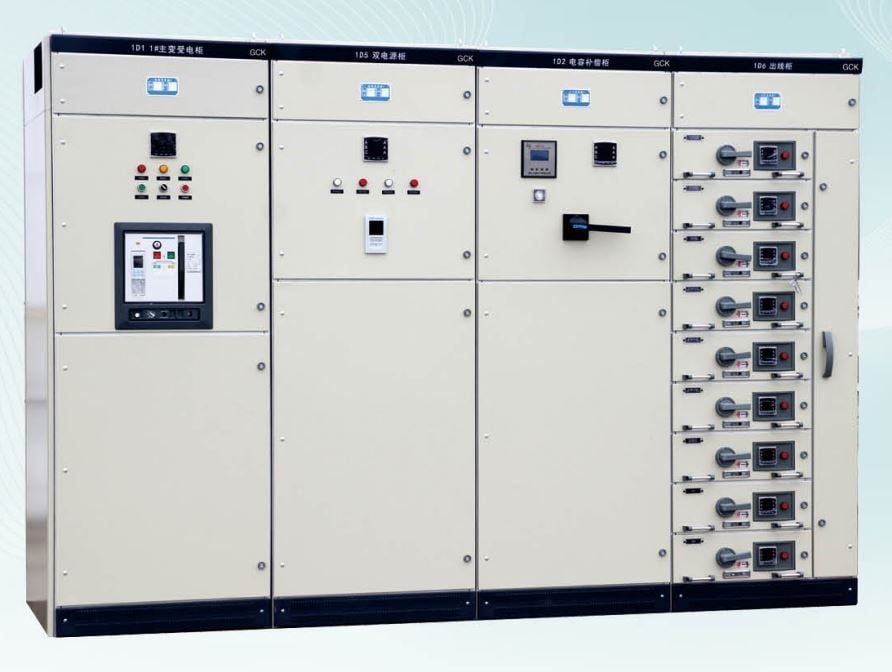
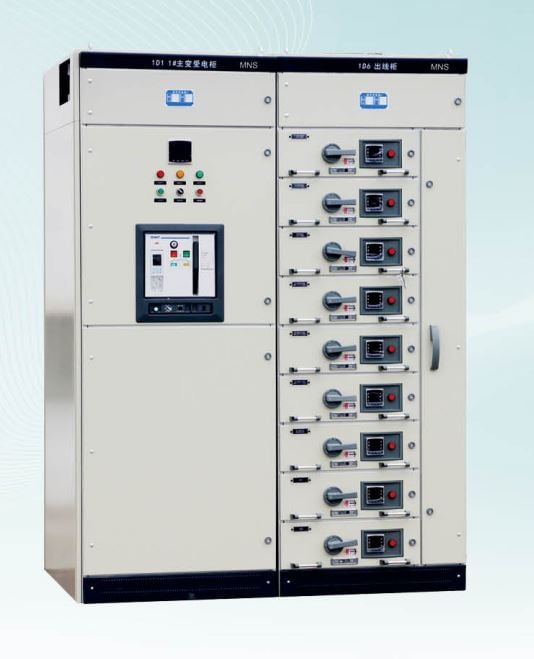
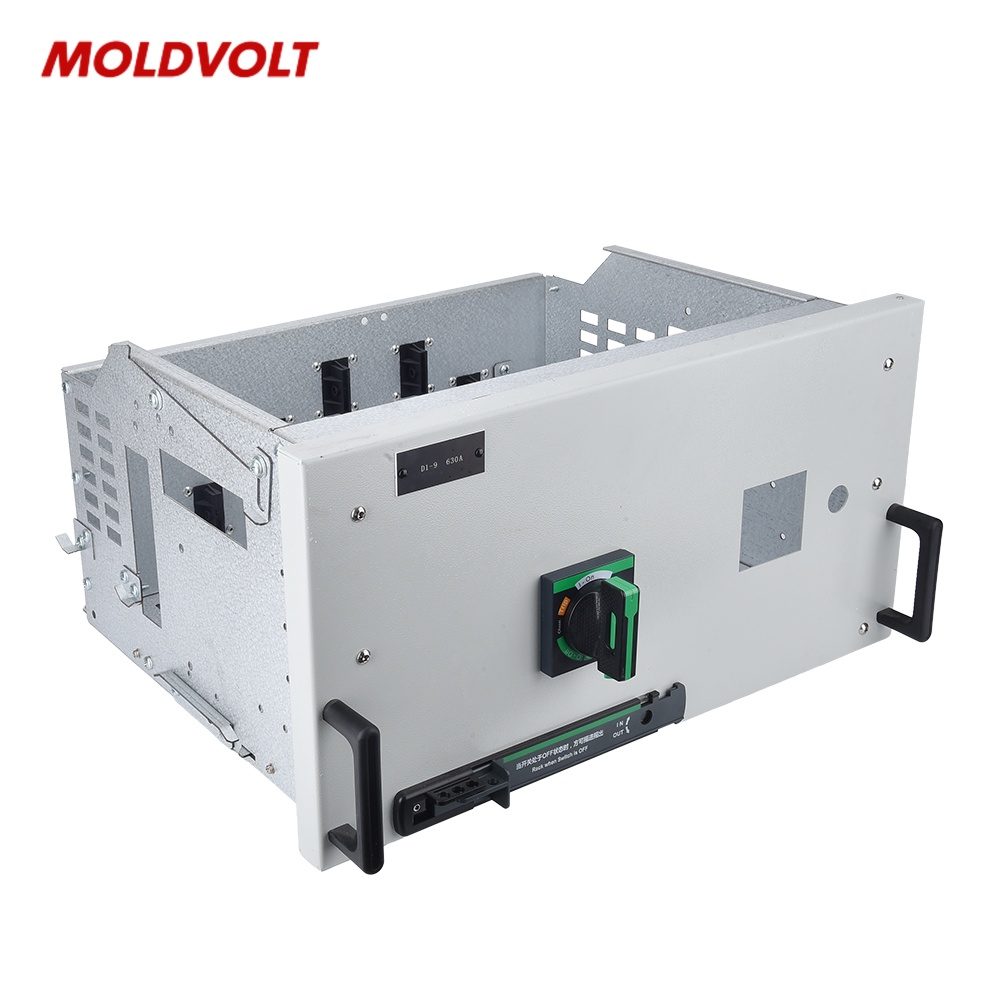
Main switchgear serves as a central point for receiving and distributing electrical power throughout industrial plants, commercial buildings, and infrastructure facilities. Depending on the system design, it can incorporate incoming circuit breakers, busbars, protective relays, metering devices, and outgoing feeder protection. Proper equipment selection helps coordinate incoming supplies with downstream distribution circuits while supporting controlled isolation and fault management. Engineers should assess rated voltage, continuous current, short-circuit capacity, load profiles, and future expansion requirements. For example, a manufacturing facility with multiple production areas may require a main assembly designed around separate feeder loads and coordinated protective devices. VoltCabinet supports project-specific equipment sourcing and specification evaluation for international buyers.
Get A Quote

Case Study

Centralized Power Distribution for Manufacturing Plants

Manufacturing facilities need a dependable central distribution point to supply production machinery, auxiliary systems, lighting, and ventilation. Main switchgear can organize incoming power and outgoing feeders while supporting circuit protection and operational control. For a hypothetical factory with four production zones, engineers may specify separate feeder circuits based on load demand and operational priorities. Equipment ratings must reflect prospective fault current, normal operating current, and coordination with downstream protective devices. Adequate working clearances and clearly identified circuits also support maintenance planning. The final configuration should follow approved electrical drawings, applicable standards, and the facility's long-term operating requirements.

Main Electrical Distribution for Commercial Buildings

Office complexes, shopping centers, and mixed-use developments require structured electrical distribution to serve lighting, HVAC, elevators, and other building services. Main switchgear provides an organized interface between the incoming electrical supply and downstream distribution equipment. In a hypothetical commercial building with three major load groups, engineers can evaluate feeder ratings, metering requirements, and protection coordination to develop an appropriate arrangement. Equipment dimensions, access clearances, ventilation, and future load growth should also influence selection. A properly engineered system supports practical inspection and maintenance planning. Final design decisions must reflect the building's demand calculations, utility requirements, and applicable electrical codes.

Main Switchgear for Utility and Infrastructure Projects

Infrastructure projects such as water treatment facilities, transport installations, and utility buildings depend on appropriately rated equipment for central power distribution. Main switchgear can accommodate incoming supplies, busbar arrangements, metering, and outgoing feeder protection according to the network design. For a hypothetical treatment plant with multiple pumping systems, engineers should evaluate motor loads, fault levels, operating continuity requirements, and protection coordination. The design should also address environmental conditions, cable routing, and maintenance access. Technical reviews before procurement help verify equipment compatibility with transformers and downstream panels. Installation, testing, and commissioning should follow approved procedures and relevant electrical standards.

Related products

Main switchgear is a critical part of electrical infrastructure, receiving incoming power and distributing it to downstream circuits while supporting protection, monitoring, and controlled isolation. Applications include manufacturing facilities, commercial buildings, data centers, utility installations, and industrial processing plants. Depending on system requirements, assemblies may incorporate circuit breakers, busbars, current transformers, protective relays, metering instruments, and communication interfaces. Selection begins with determining the system voltage, rated current, prospective short-circuit current, load characteristics, and required protection functions. Engineers should also consider power quality, redundancy, installation conditions, and anticipated demand growth. VoltCabinet supports project-oriented electrical equipment sourcing by helping buyers review technical specifications and configuration requirements. For example, a factory supplying several production lines may require carefully coordinated incoming protection and outgoing feeder ratings. Buyers should provide single-line diagrams, load schedules, fault calculations, and applicable standards when requesting a quotation. Final equipment ratings, compliance documentation, and delivery arrangements should be confirmed before ordering.
Frequently Asked Questions

What is the primary function of main switchgear?

Main switchgear receives electrical power from an incoming supply and distributes it to downstream feeders or distribution panels. Depending on its configuration, it can provide circuit protection, switching, isolation, and electrical metering. Its ratings and protective settings must match the network design and applicable installation requirements.
Evaluate nominal and rated maximum voltage, continuous current, prospective short-circuit current, load demand, and protection coordination. Consider future expansion, installation conditions, and applicable electrical standards. A qualified electrical engineer should verify calculations and equipment documentation before procurement to ensure the assembly suits the intended system.
Main switchgear is commonly installed in factories, commercial buildings, data centers, utility facilities, and infrastructure projects. The installation may be in a dedicated electrical room, substation, or appropriately designed outdoor enclosure. Location selection depends on equipment type, environmental exposure, working clearances, and local regulations.
Depending on the product range, configurations may accommodate specific incoming supplies, busbar arrangements, feeder quantities, metering devices, protection functions, and enclosure requirements. Buyers should provide electrical drawings and load information for assessment. Confirm dimensions, ratings, technical compliance, and available options with the supplier before approving production.
Main switchgear typically manages the incoming supply and primary distribution, while downstream distribution panels divide power among smaller circuits or specific areas. Their functions can overlap depending on system design and terminology. Equipment selection should follow the single-line diagram, fault calculations, and applicable electrical standards.

Related article

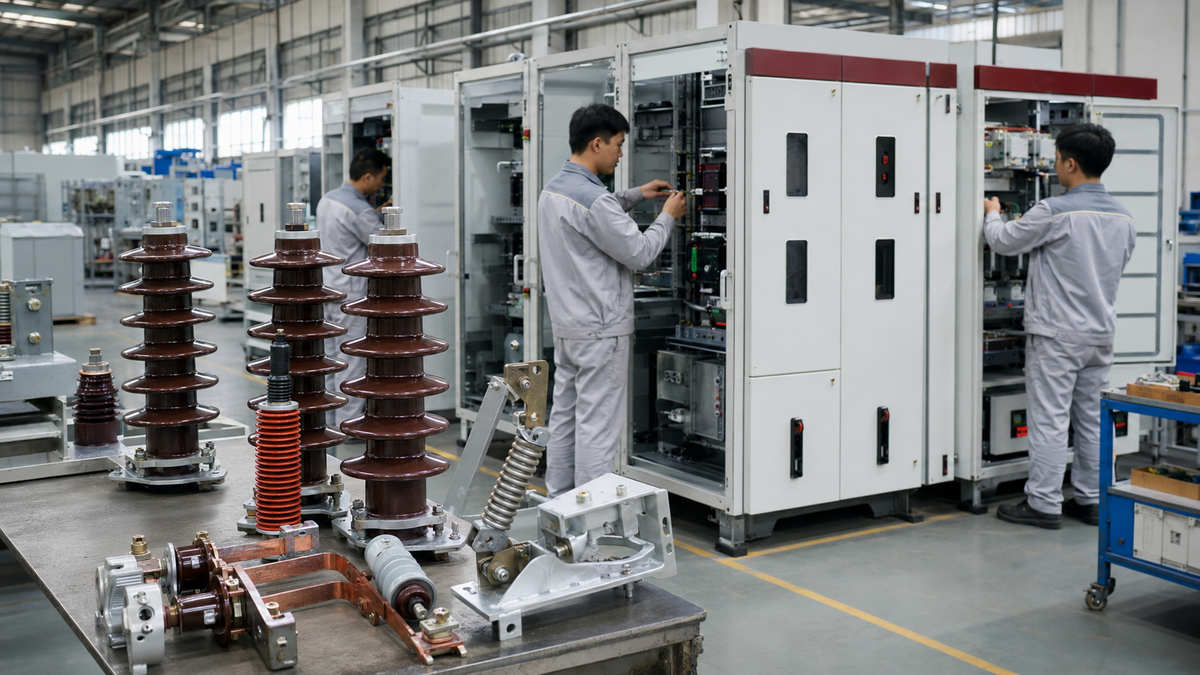
From High-Voltage Insulators to Low-Voltage Switchgear: A Vietnamese Manufacturer’s Transformation, Together with Us‌

08

Sep

From High-Voltage Insulators to Low-Voltage Switchgear: A Vietnamese Manufacturer’s Transformation, Together with Us‌

View More
Insulator dimensional tolerance controls assembly efficiency in switchgear.

25

Sep

Insulator dimensional tolerance controls assembly efficiency in switchgear.

Why Insulator Dimensional Tolerance Is the Silent Driver of Switchgear Assembly EfficiencyIn high-voltage switchgear, insulators do much more than prevent flashover—they serve as load-bearing anchors that dictate how quickly and precisely busbars, ci...
View More
What switchgear maintenance items prevent unexpected power outage risks?

10

Oct

What switchgear maintenance items prevent unexpected power outage risks?

Top 3 Root Causes of Switchgear-Related Power Outages Insulation degradation and partial discharge: leading precursors to cascade failure Insulation systems in switchgear degrade gradually under electrical, thermal, and environmental stress. Cracks...
View More
Cable clamp vs cable tie: which one delivers long term stability in panels?

27

Oct

Cable clamp vs cable tie: which one delivers long term stability in panels?

Mechanical Performance Under Thermal Stress Polymer creep and thermal expansion mismatch in nylon cable ties at 60–85°C Nylon 6/6 cable ties undergo measurable mechanical degradation when exposed continuously to 60–85 °C. At the...
View More

Customer Testimonials

James Wilson

We needed main switchgear for a commercial facility upgrade. Reviewing incoming supply ratings, fault capacity, and feeder requirements helped our team establish a clear equipment specification.

Robert Davis

Our factory required a coordinated main distribution assembly. Evaluating circuit protection, maintenance access, and expansion requirements helped align equipment selection with our electrical infrastructure plans.

Get a Free Quote

Our representative will contact you soon.
Email
Mobile/WhatsApp
Name
Company Name
Message
0/1000
Coordinated Incoming Supply and Feeder Protection

Coordinated Incoming Supply and Feeder Protection

Main switchgear must be engineered to manage incoming power and distribute electricity through appropriately protected outgoing circuits. Key considerations include incoming breaker ratings, busbar capacity, short-circuit performance, metering, and coordination with downstream protective devices. For example, a manufacturing facility with four major production feeders may need separate circuit protection based on each load's operating characteristics. This arrangement can support more structured fault isolation and maintenance planning when properly designed. Actual results depend on the electrical architecture, protective device settings, and operating procedures. VoltCabinet helps project buyers assess equipment requirements and configuration options, supporting a specification process aligned with documented load data and applicable standards.
Scalable Main Switchgear for Growing Electrical Demand

Scalable Main Switchgear for Growing Electrical Demand

Electrical demand can change as industrial facilities add machinery, commercial buildings expand, or infrastructure projects introduce new services. Main switchgear selection should therefore consider not only current loading but also realistic future expansion requirements. Engineers may assess spare feeder provisions, busbar capacity, enclosure dimensions, and compatibility with additional distribution equipment. For a hypothetical factory planning a second production area, evaluating expansion needs during the initial design can help avoid unnecessary replacement or extensive modifications later. However, spare space alone does not guarantee additional capacity; thermal limits, fault ratings, and protective coordination must also be verified. VoltCabinet supports project-specific equipment evaluation to help buyers align current specifications with anticipated operating requirements.
Technical Compliance and Maintainability for Long-Term Operation

Technical Compliance and Maintainability for Long-Term Operation

A reliable main switchgear installation depends on suitable equipment ratings, compliant construction, accurate installation, and accessible maintenance provisions. Engineers should review approved drawings, wiring diagrams, protective device settings, applicable test documentation, and required working clearances before commissioning. For example, a commercial facility with several distribution sections benefits from clearly identified feeders and documented isolation procedures that support routine inspections. Depending on the equipment category and voltage level, applicable IEC or regional standards should be identified at the specification stage. VoltCabinet helps buyers review project requirements and equipment configurations. Final compliance must be verified against the selected assembly's documentation, the installation design, and relevant local regulations.

Get a Free Quote

Our representative will contact you soon.
Email
Mobile/WhatsApp
Name
Company Name
Message
0/1000