High Voltage Circuit Breaker Selection Guide [2024]

All Categories
Customer Feedback on High Voltage Circuit Breaker Solutions

Customer Feedback on High Voltage Circuit Breaker Solutions

Voltcabinet supports high voltage circuit breaker selection for substations, utility networks, power generation facilities, and large industrial installations. These devices interrupt current during faults and provide switching functions essential to protecting electrical infrastructure. Selecting the right breaker requires careful assessment of rated voltage, continuous current, short-circuit breaking capacity, insulation level, operating duty, and installation environment. For example, a substation expansion involving additional transformer capacity requires coordinated breaker ratings and protection settings across the affected circuits. Appropriate specification helps engineers align equipment performance with system fault levels and operational requirements. Buyers can discuss technical parameters, operating mechanisms, and applicable standards to identify solutions suited to their project.
Get A Quote

Case Study

Substation Protection and Switching

A utility substation upgrade required high voltage circuit breakers to protect transformer feeders and support controlled switching operations. The engineering team reviewed the system voltage, prospective short-circuit current, insulation coordination, and protection scheme before confirming equipment requirements. Breaker selection also considered operating sequences, mechanical endurance, auxiliary power, and maintenance access. For a project involving two transformer feeders, coordinating breaker characteristics with protective relays and upstream equipment was essential to achieving the intended protection strategy. The final design needed to comply with applicable grid codes and relevant IEC or regional standards. Detailed engineering review helped align equipment specifications with the substation's operational and safety requirements.

Power Generation Facility Protection

A power generation facility required high voltage switching equipment to protect outgoing circuits connecting generating units to the electrical network. Engineers assessed rated voltage, continuous current, fault interruption requirements, switching duties, and the characteristics of the connected system. Particular attention was given to transient recovery voltage and the breaker’s ability to interrupt the specified fault current under defined conditions. In a representative installation serving two generator circuits, coordination with generator protection, busbar protection, and control systems was central to the specification process. Selecting suitable equipment required verified technical data, applicable type-test evidence, and compliance with project standards. Commissioning and maintenance procedures also needed clear documentation.

Industrial High Voltage Network Modernization

An industrial plant modernizing its high voltage distribution network needed switching equipment compatible with existing transformers, incoming feeders, and plant protection systems. The project team evaluated network fault levels, load current, insulation requirements, installation space, and maintenance arrangements before preparing the equipment specification. For a facility supplying three major production areas, breaker coordination with protective relays helped establish a structured approach to fault isolation. Engineers also reviewed control circuit requirements, interlocking, operating mechanisms, and the availability of replacement components. Final selection depended on verified system studies and applicable electrical standards. A documented specification supported procurement coordination, installation planning, and commissioning readiness.

Related products

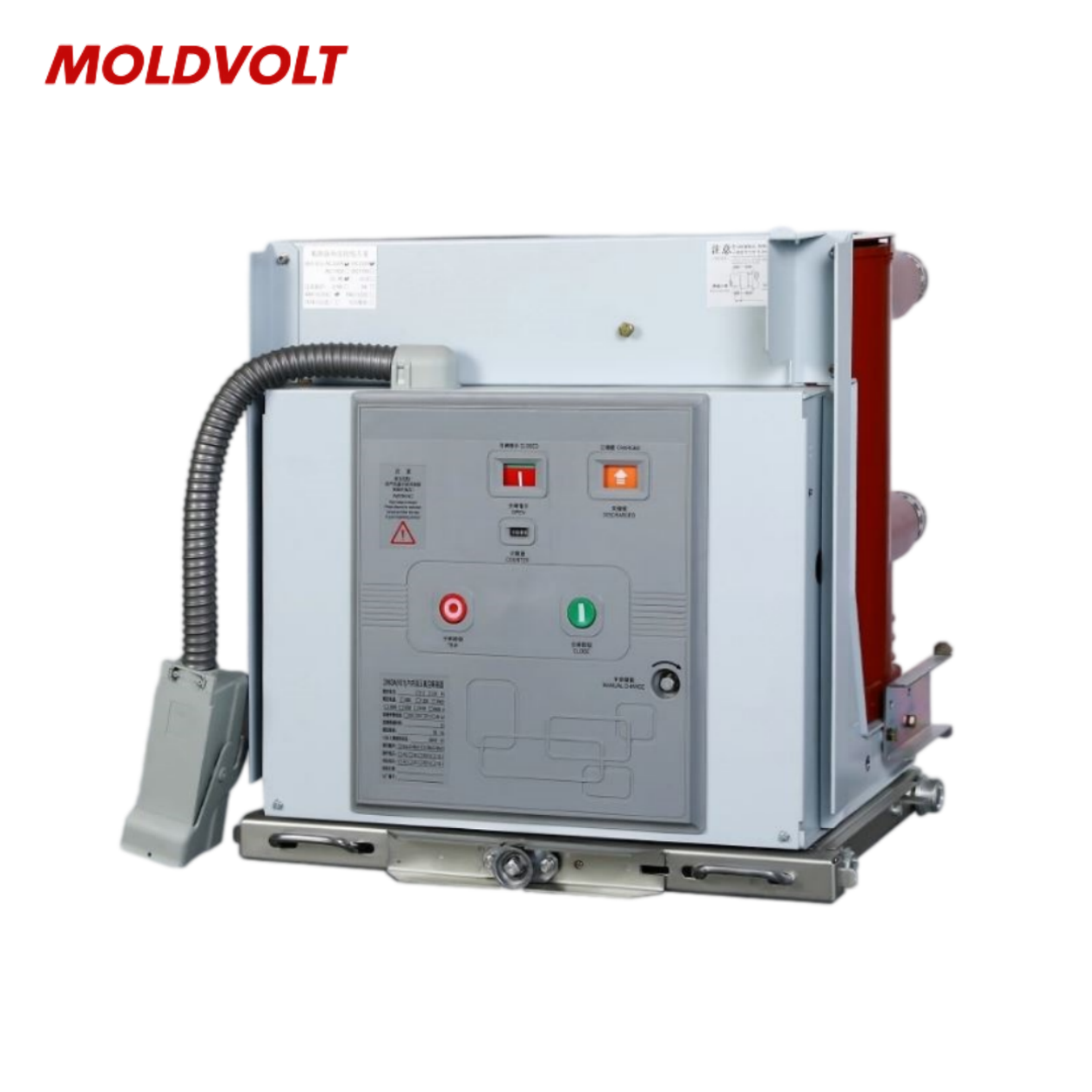
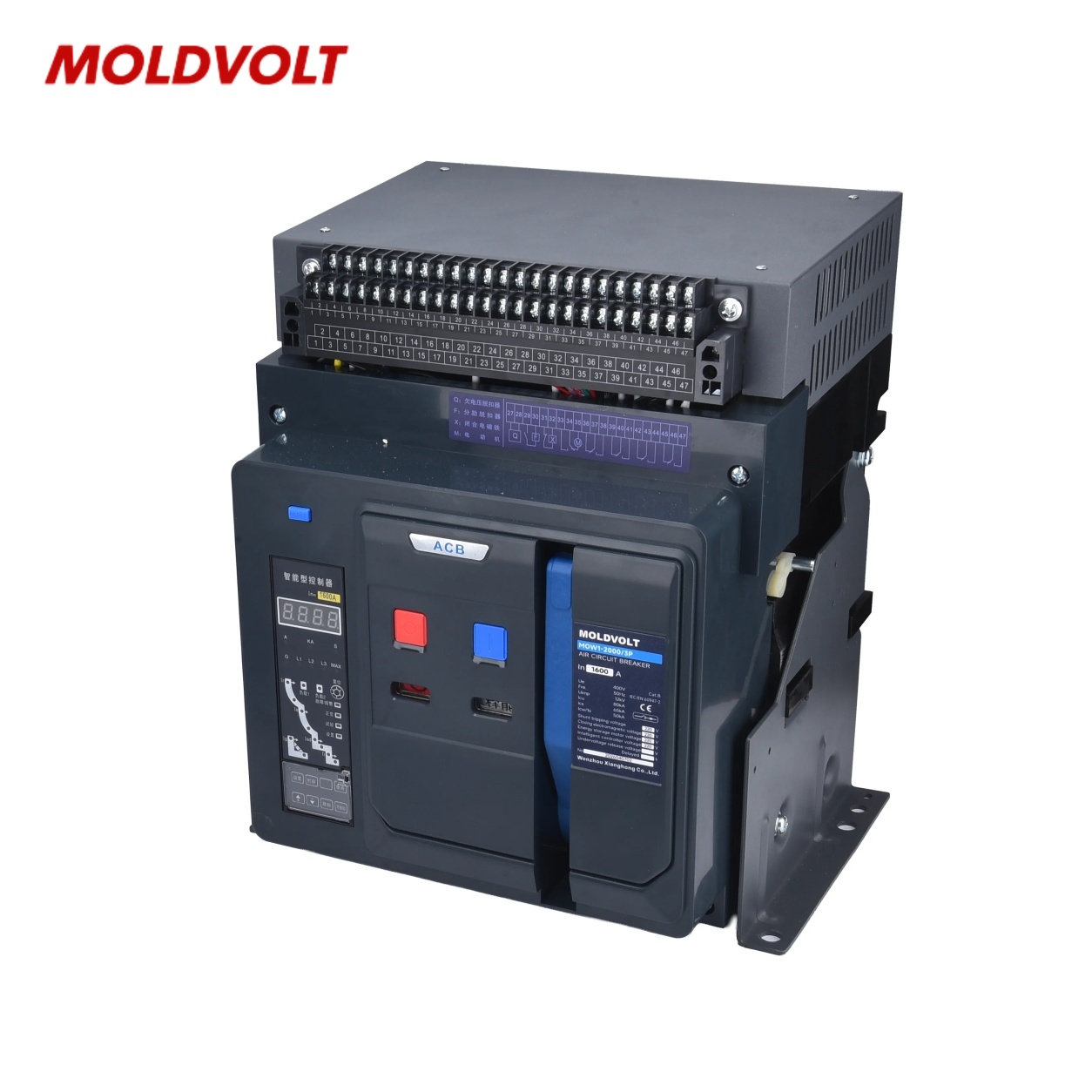
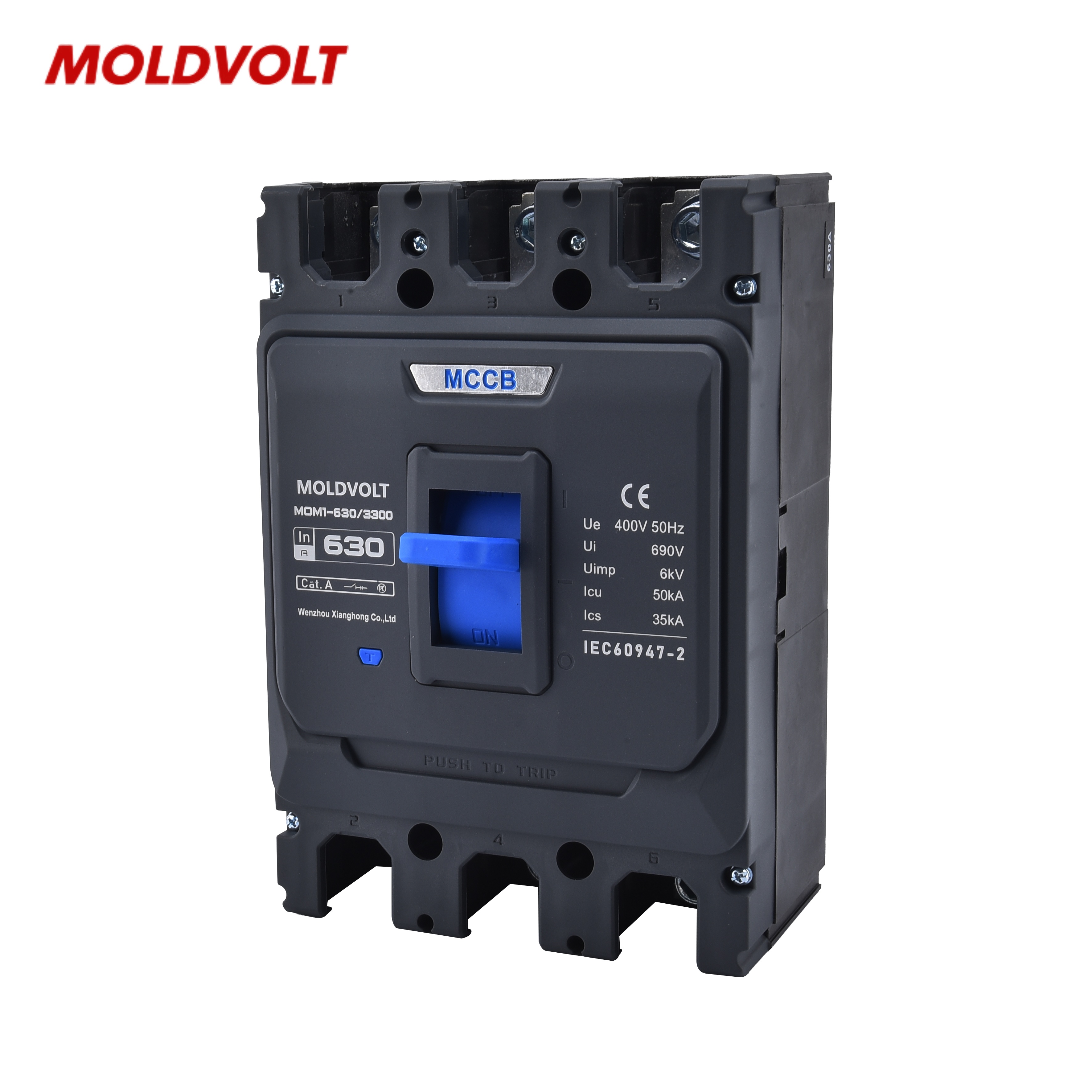
High voltage circuit breakers are essential switching and protection devices used in electrical systems where fault interruption and operational control must meet demanding performance requirements. Installed in substations, power plants, transmission networks, and large industrial facilities, they disconnect designated circuits when protective systems detect specified fault conditions. Voltcabinet supports project-based equipment selection by helping buyers clarify rated voltage, continuous current, short-circuit breaking capacity, insulation level, operating sequence, control requirements, and installation conditions. Depending on the application and voltage class, available technologies may include SF6 gas circuit breakers, vacuum circuit breakers for suitable ratings, and other established interruption designs. Technology selection must reflect actual system requirements rather than assuming every breaker type is suitable for every high voltage application. For example, a substation adding a transformer feeder must verify prospective fault current, transient recovery voltage, insulation coordination, and compatibility with existing protection systems. Engineers should also evaluate mechanical endurance, operating mechanisms, auxiliary supplies, environmental conditions, and maintenance access. Before purchasing, request technical datasheets, approved drawings, relevant type-test documentation, and evidence of compliance with the specified standards. IEC 62271-100 is a key standard for applicable AC circuit breakers above 1 kV. Final equipment selection, installation, and commissioning should be completed by qualified professionals.

Frequently Asked Questions

What Is the Main Purpose of a High Voltage Circuit Breaker?

A high voltage circuit breaker switches electrical circuits and interrupts fault currents when required by the protection system. It helps protect transformers, transmission lines, generators, and other network equipment. Correct performance depends on rated voltage, breaking capacity, insulation coordination, operating duty, and coordination with protective relays.
Evaluate the system's nominal voltage, maximum operating voltage, continuous current, prospective short-circuit current, insulation requirements, and switching duties. Engineers should also assess transient recovery voltage, operating sequence, installation environment, and applicable grid standards. The final selection must be supported by system studies and verified manufacturer specifications.
Common designs include SF6 gas circuit breakers and other interruption technologies selected according to voltage class, application, and engineering requirements. Vacuum technology is widely used in medium voltage systems and certain higher-voltage applications. Buyers should confirm the technology's suitability, tested ratings, environmental implications, and compliance with project specifications.
IEC 62271-100 covers applicable AC high voltage circuit breakers, while other standards may govern insulation coordination, switchgear assemblies, and installation requirements. North American projects may use relevant IEEE and ANSI standards. Confirm the applicable editions, voltage classification, certification requirements, and local utility specifications before procurement.
Request rated performance data, technical drawings, control schematics, operating mechanism details, relevant type-test reports, routine test documentation, and maintenance instructions. Confirm the required breaking capacity, insulation levels, operating duty, and applicable standards. Reviewing these documents helps engineers verify suitability and coordinate the breaker with the wider protection system.

Related article

What switchgear maintenance items prevent unexpected power outage risks?

10

Oct

What switchgear maintenance items prevent unexpected power outage risks?

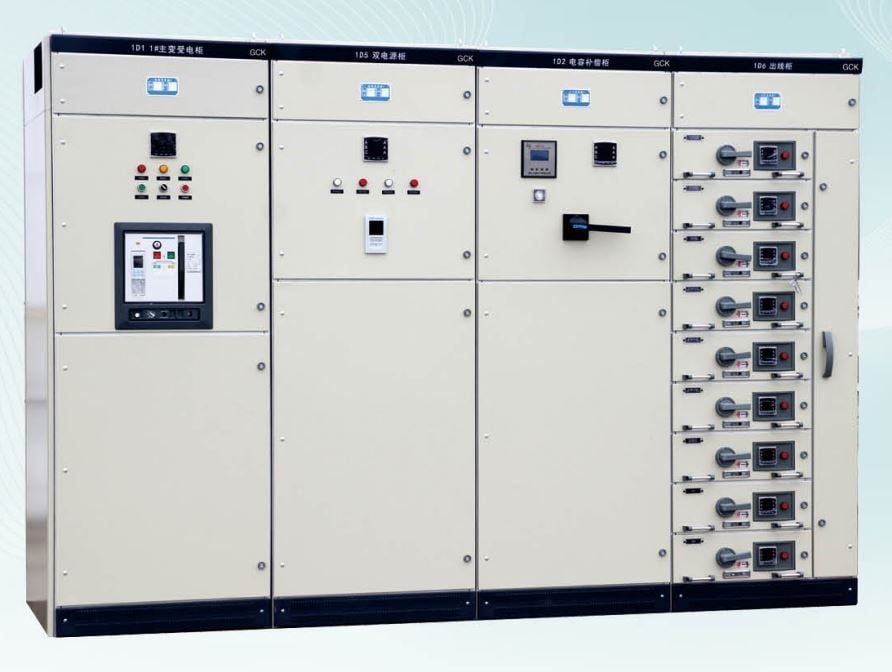
Top 3 Root Causes of Switchgear-Related Power Outages Insulation degradation and partial discharge: leading precursors to cascade failure Insulation systems in switchgear degrade gradually under electrical, thermal, and environmental stress. Cracks...
View More
Insulator mechanical strength supports busbar fixing inside switchgear cabinets.

13

Oct

Insulator mechanical strength supports busbar fixing inside switchgear cabinets.

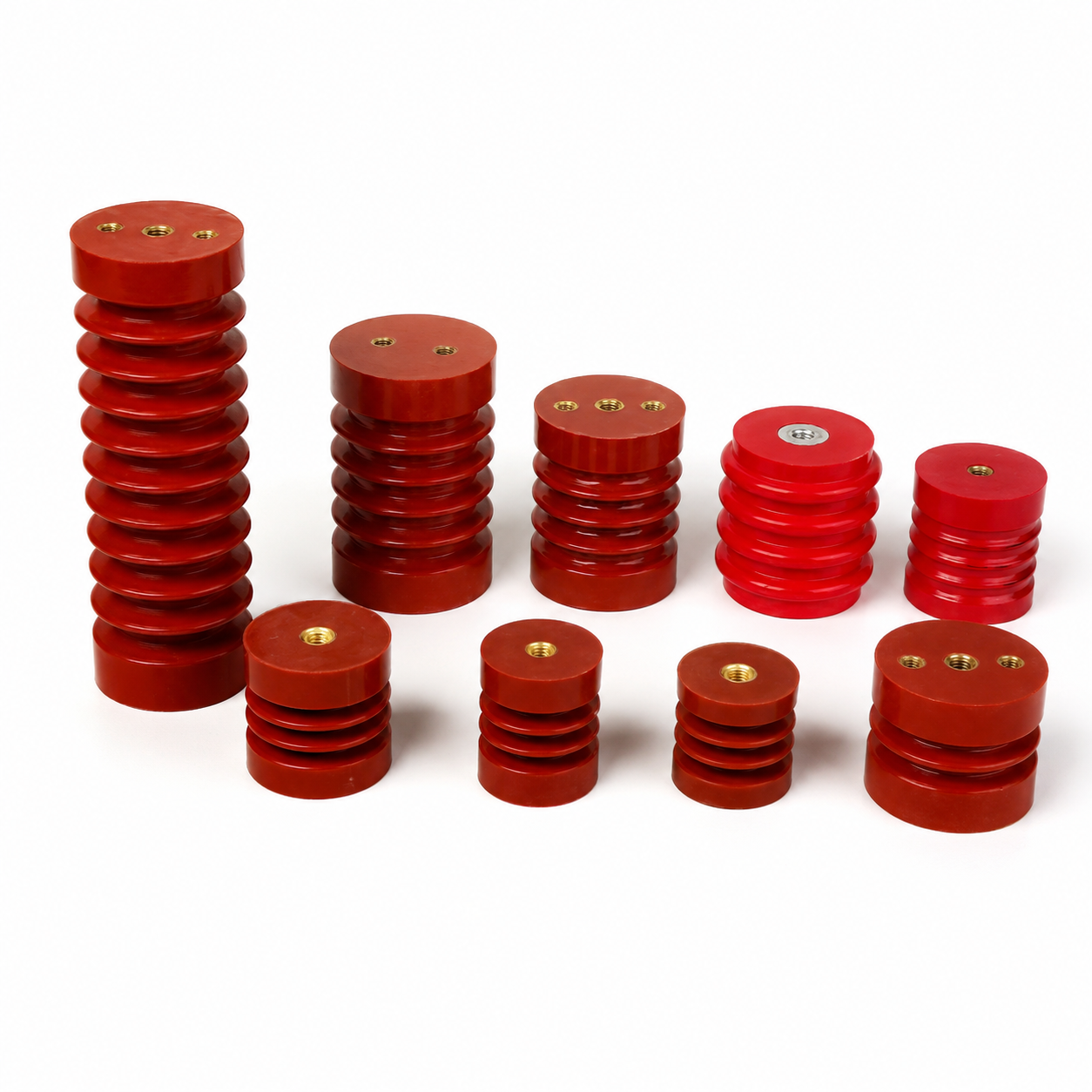
Critical Mechanical Load Demands on Insulators for Busbar Support Static, Dynamic, and Short-Circuit Electrodynamics: Quantifying Peak Forces (Up to 250 kA) Busbar support insulators must simultaneously manage three distinct mechanical load regimes...
View More
What electrical switchgear testing items are required before site commissioning?

21

Oct

What electrical switchgear testing items are required before site commissioning?

Insulation Integrity and Dielectric Strength Verification Megger testing of busbars, cables, and instrument transformer circuits Megger testing is a foundational pre-commissioning check for electrical switchgear, measuring insulation resistance (IR...
View More
Cable clamp vs cable tie: which one delivers long term stability in panels?

27

Oct

Cable clamp vs cable tie: which one delivers long term stability in panels?

Mechanical Performance Under Thermal Stress Polymer creep and thermal expansion mismatch in nylon cable ties at 60–85°C Nylon 6/6 cable ties undergo measurable mechanical degradation when exposed continuously to 60–85 °C. At the...
View More

Customer Testimonials

Michael Carter

Our substation project required dependable high voltage switching equipment. The technical specification review helped clarify voltage ratings, protection requirements, and installation conditions before procurement.

Daniel Brooks

The equipment selection process helped our team compare insulation requirements, operating mechanisms, and maintenance needs for a high voltage power distribution project.

Get a Free Quote

Our representative will contact you soon.
Email
Mobile/WhatsApp
Name
Company Name
Message
0/1000
Protection Performance for Critical Electrical Infrastructure

Protection Performance for Critical Electrical Infrastructure

High voltage circuit breakers play a central role in protecting substations, transmission systems, generating facilities, and major industrial networks. Their ability to interrupt specified fault currents helps limit the impact of electrical faults and supports coordinated protection strategies. Voltcabinet assists buyers in defining project requirements around rated voltage, continuous current, breaking capacity, insulation levels, operating mechanisms, and environmental conditions. In a substation with two transformer feeders, engineers must coordinate breaker characteristics with transformer protection, feeder relays, and upstream switching equipment. This detailed assessment helps establish a technically consistent equipment specification. Final performance must be verified against applicable standards, system studies, and manufacturer test documentation.
Application-Based Engineering and Equipment Selection

Application-Based Engineering and Equipment Selection

Choosing a high voltage circuit breaker involves more than matching the system voltage. Engineers must examine prospective fault current, transient recovery voltage, insulation coordination, switching frequency, operating sequences, and the characteristics of connected equipment. Environmental factors, maintenance access, auxiliary power, and control interfaces can also influence the final configuration. For an industrial network supplying three production areas, reviewing protection coordination and circuit isolation requirements helps establish appropriate breaker specifications. Voltcabinet supports project discussions intended to clarify these technical requirements before procurement. Buyers should provide available single-line diagrams, fault study data, and applicable utility specifications whenever possible. Qualified engineers must validate the final selection and ensure compliant installation and commissioning.

Get a Free Quote

Our representative will contact you soon.
Email
Mobile/WhatsApp
Name
Company Name
Message
0/1000