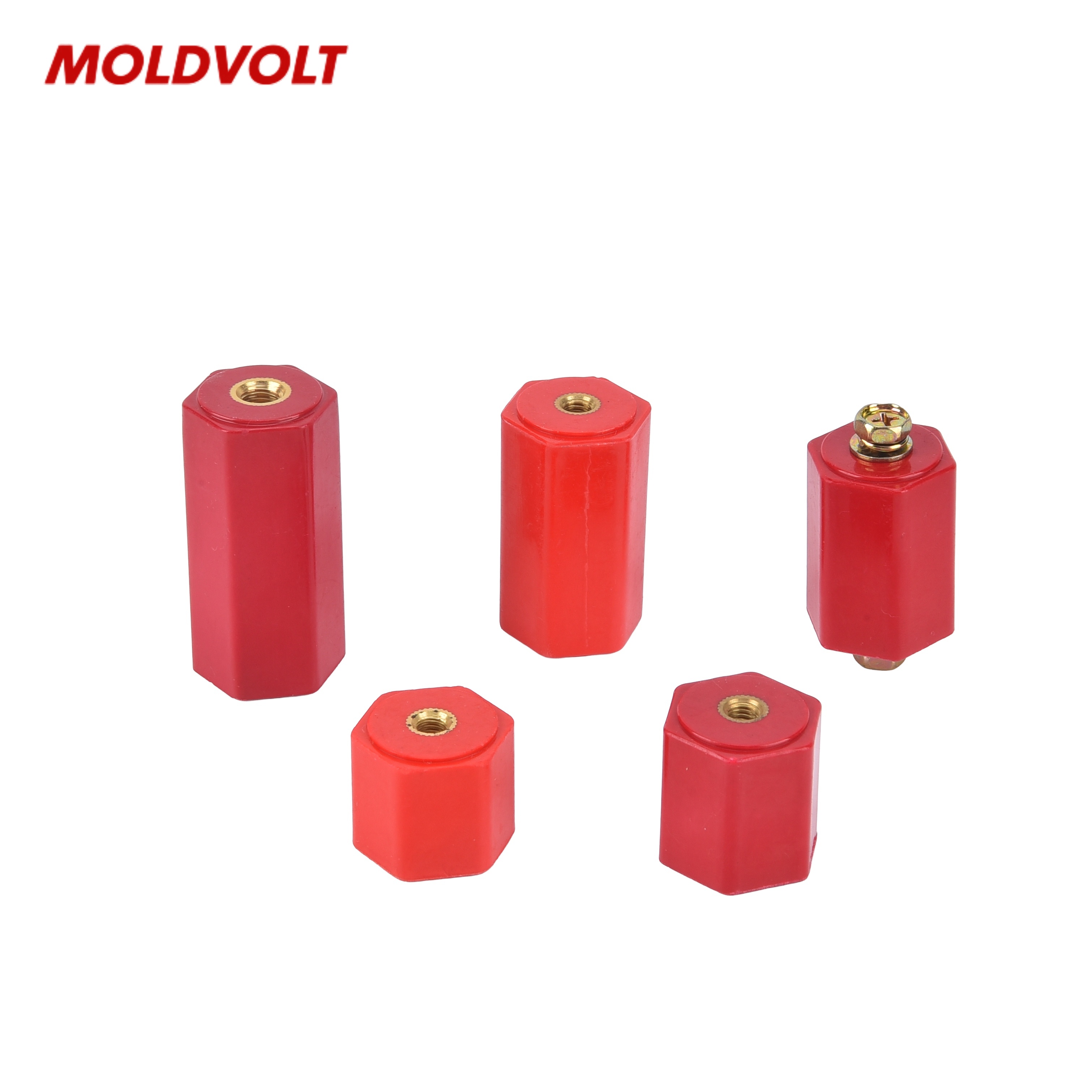
Electrical Isolator Selection Guide: Voltage, Current & Safety

All Categories
Customer Feedback on Electrical Isolator Solutions

Customer Feedback on Electrical Isolator Solutions

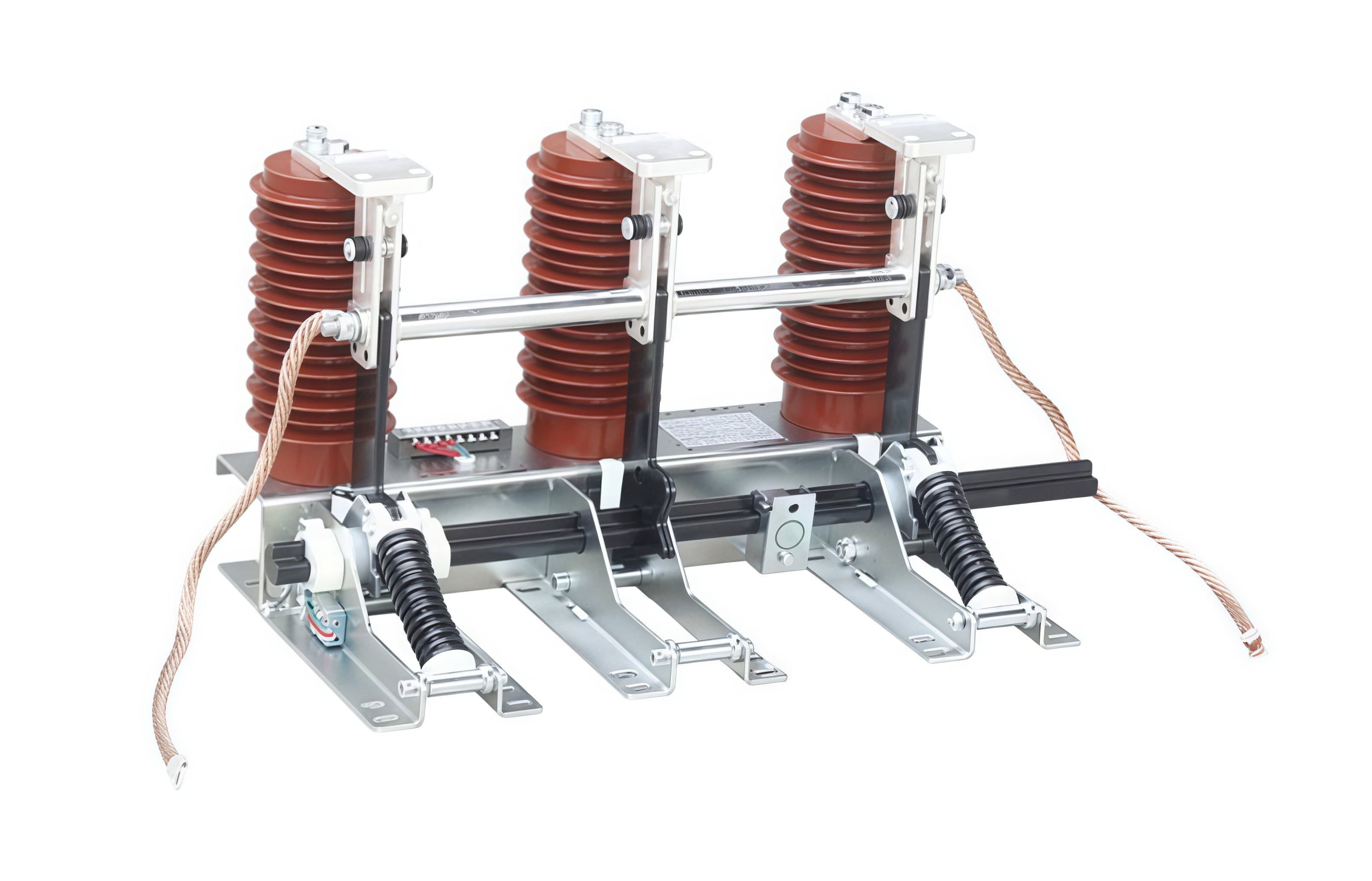
An electrical isolator provides a means of separating electrical equipment from its power supply for maintenance and inspection. It is widely used in distribution panels, industrial machinery, commercial buildings, and power infrastructure. Selecting the correct isolator requires careful consideration of rated voltage, operating current, pole configuration, installation environment, and applicable safety requirements. VoltCabinet supports electrical distribution projects by helping buyers assess component specifications and integration needs. For panel builders managing multiple assemblies, consistent equipment selection can simplify procurement, installation planning, and spare parts management. Proper coordination with circuit breakers and other protective devices helps ensure that the isolation arrangement suits the system design and operating procedures.
Get A Quote

Case Study

Commercial Building Distribution Panels

A commercial building project requires electrical isolation points for distribution equipment that undergoes periodic inspection and maintenance. The engineering team evaluates rated voltage, current capacity, pole arrangement, enclosure conditions, and accessibility before selecting suitable components. Integrating correctly specified isolators into distribution panels helps maintenance personnel identify the appropriate equipment and follow established shutdown procedures. Clear labeling and consistent component layouts can also improve maintenance coordination across floors or separate electrical rooms. VoltCabinet supports procurement planning by helping project buyers define their requirements before ordering. Final installation must comply with local electrical codes, manufacturer instructions, and the designed protection and isolation arrangement.

Industrial Machinery Power Isolation

An industrial machinery manufacturer needs suitable isolators for equipment supplied through dedicated electrical circuits. During cabinet development, engineers review the supply characteristics, rated current, motor or load requirements, mounting space, and maintenance access. They also determine whether the application requires load switching or isolation only, because these functions are not interchangeable across every device. Appropriate selection helps technicians follow documented procedures when servicing machinery and replacing components. VoltCabinet can assist buyers in evaluating electrical distribution components against project specifications. The final configuration should account for the relevant standards, operating conditions, and coordination with circuit breakers, contactors, and other protective equipment.

Power Distribution and Equipment Maintenance

A power distribution project needs clearly defined isolation points for equipment that requires scheduled servicing. The project team checks system voltage, current ratings, the number of poles, and the installation environment to determine suitable isolator specifications. Consistent component selection across similar panels can simplify technical documentation, procurement, and spare parts planning. Engineers also consider the device's intended switching duty and whether additional protection is required elsewhere in the circuit. VoltCabinet supports buyers sourcing components for distribution assemblies and industrial applications. Before commissioning, qualified personnel should verify wiring, identification, isolation procedures, and compliance with applicable electrical safety requirements.

Related products

Electrical isolators are important components in commercial, industrial, and infrastructure electrical systems. They provide a means of separating equipment from its power supply to support maintenance, inspection, and safe servicing procedures. Depending on the application, isolators may be installed in distribution boards, control cabinets, machinery circuits, and other electrical assemblies. Choosing a suitable electrical isolator involves more than matching the system voltage. Buyers should confirm rated current, number of poles, installation category, environmental conditions, terminal compatibility, and whether the device is intended for isolation only or permitted load switching. Coordination with circuit breakers, fuses, and other protective devices is also essential to ensure that each component performs its intended function. VoltCabinet supports electrical distribution projects by helping buyers assess component requirements for specific applications. For example, a factory control cabinet may require a compact isolator with accessible terminals, while an outdoor installation may need suitable enclosure protection against moisture and dust. Providing circuit diagrams, technical specifications, expected quantities, and installation details can help streamline product selection and quotation preparation. Qualified professionals should verify the final design against manufacturer documentation and applicable local standards before installation and commissioning.
Frequently Asked Questions

What is an electrical isolator used for?

An electrical isolator separates electrical equipment from its power supply to support maintenance, inspection, and servicing. It is commonly used in distribution panels, industrial machinery, and commercial electrical systems. The device must be selected according to the system specifications and installed as part of an appropriate isolation procedure.
An isolator is primarily intended to provide electrical separation, while a circuit breaker is designed to interrupt current under specified operating and fault conditions. Some isolators are rated for particular load-switching duties, but this capability must be verified. The two devices serve different functions within an electrical installation.
Check the system voltage, rated current, number of poles, installation environment, terminal requirements, and intended switching duty. Confirm that the device meets applicable standards and suits the circuit configuration. Consulting the equipment manufacturer or a qualified electrical engineer can help prevent specification mismatches.
Electrical isolators are commonly used in distribution boards, industrial control cabinets, machinery circuits, commercial buildings, and power equipment installations. Their location depends on the electrical design, maintenance requirements, and local regulations. Installation should provide appropriate accessibility, identification, and protection against environmental conditions.
Only when the specific device is rated and approved for the intended load-switching duty. An isolator designed solely for isolation should not be used as a routine load switch. Always check the manufacturer's instructions, utilization category, and applicable electrical requirements before operating the device.

Related article

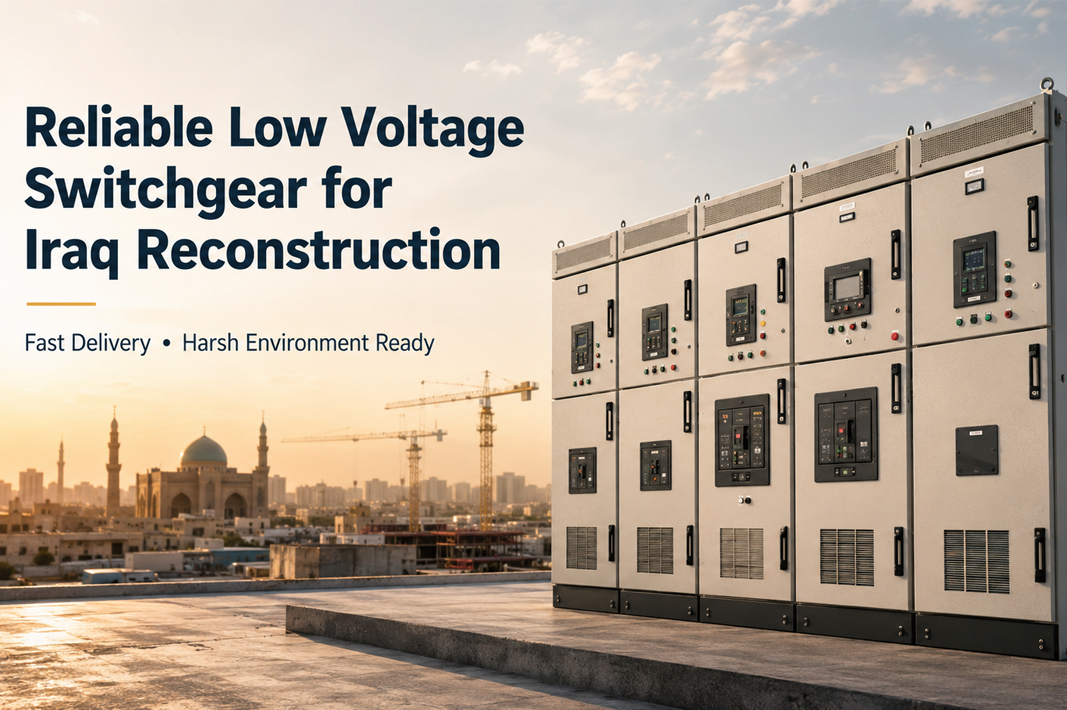
Cost-Effective Low Voltage Switchgear for Iraq: Compatible with Blokset, Okken & 8PT | Local Assembly Options

16

Sep

Cost-Effective Low Voltage Switchgear for Iraq: Compatible with Blokset, Okken & 8PT | Local Assembly Options

View More
Cabinet corrosion resistance determines service life in coastal engineering sites.

23

Sep

Cabinet corrosion resistance determines service life in coastal engineering sites.

Why Coastal Environments Accelerate Cabinet CorrosionThe chloride-humidity synergy: How salt aerosols and sustained high RH drive electrochemical degradationCoastal atmospheres subject cabinet enclosures to a uniquely aggressive combination of airbor...
View More
How to customize cabinet dimensions to fit existing switchgear layouts?

26

Sep

How to customize cabinet dimensions to fit existing switchgear layouts?

Step 1: Accurate Site Assessment and Dimensional BenchmarkingMeasuring mechanical layout, clearances, and structural constraints in legacy electrical roomsA successful retrofit begins with a meticulous site survey. Older electrical rooms rarely match...
View More
What switchgear maintenance items prevent unexpected power outage risks?

10

Oct

What switchgear maintenance items prevent unexpected power outage risks?

Top 3 Root Causes of Switchgear-Related Power Outages Insulation degradation and partial discharge: leading precursors to cascade failure Insulation systems in switchgear degrade gradually under electrical, thermal, and environmental stress. Cracks...
View More

Customer Testimonials

James Miller

Our electrical panel projects require dependable isolation components and straightforward maintenance. The selected equipment integrates well into distribution cabinets, helping technicians follow organized servicing procedures across commercial and industrial installations.

Daniel Foster

We appreciate the flexibility in component selection and cabinet integration. Suitable electrical isolators help our team organize power distribution layouts and simplify routine maintenance across different equipment configurations.

Get a Free Quote

Our representative will contact you soon.
Email
Mobile/WhatsApp
Name
Company Name
Message
0/1000
Specification-Driven Electrical Isolation

Specification-Driven Electrical Isolation

Effective electrical isolation starts with a clear understanding of the system's operating conditions and maintenance requirements. Distribution panel manufacturers should assess rated voltage, current, pole configuration, terminal compatibility, and the device's permitted switching duty before procurement. These details help distinguish products intended for isolation only from devices designed for specific load-switching applications. VoltCabinet supports project buyers by helping organize technical requirements and evaluate suitable electrical distribution components. For example, a machinery control cabinet may require a compact isolator that remains accessible during scheduled servicing. Selecting components according to the circuit design, manufacturer instructions, and applicable standards helps improve installation consistency and supports clearly documented maintenance procedures.
Flexible Integration Across Industrial Applications

Flexible Integration Across Industrial Applications

Electrical isolators serve different roles across commercial buildings, factory machinery, distribution cabinets, and infrastructure projects. Their installation requirements vary according to supply characteristics, available space, environmental exposure, and maintenance access. For indoor distribution panels, terminal accessibility and clear equipment identification may be important design considerations. Outdoor applications may require suitable enclosure protection and materials appropriate for the operating environment. VoltCabinet helps buyers evaluate component requirements for different electrical distribution projects, supporting more organized procurement and cabinet integration. Providing accurate circuit diagrams, quantities, and technical specifications early in the purchasing process can reduce avoidable clarification cycles. Final selection should always be verified against equipment documentation and applicable electrical regulations.

Get a Free Quote

Our representative will contact you soon.
Email
Mobile/WhatsApp
Name
Company Name
Message
0/1000