Main Switch Circuit Breaker Selection Guide [2024]

All Categories
Customer Reviews for Main Switch Circuit Breaker Solutions

Customer Reviews for Main Switch Circuit Breaker Solutions

A main switch circuit breaker serves as a primary switching and protective device in an electrical distribution system, allowing power to be disconnected and helping interrupt overload or short-circuit currents when appropriately rated. It is commonly used in commercial buildings, industrial facilities, distribution boards, and equipment control rooms. Selecting the right device requires evaluating rated voltage, continuous current, breaking capacity, pole configuration, and coordination with downstream protection. VoltCabinet supports electrical distribution projects that require suitable switchgear and panel configurations. For example, a manufacturing facility upgrading its main distribution board should verify available fault current and total design load before selecting a replacement breaker. Careful specification helps support safe operation, easier maintenance, and dependable power distribution.
Get A Quote

Case Study

Main Breaker Selection for Industrial Distribution Boards

A manufacturing facility needed to upgrade the main circuit breaker serving its low-voltage distribution board. The engineering team reviewed the system voltage, calculated demand, prospective short-circuit current, and compatibility with the existing switchgear assembly. Breaker selection also considered coordination with downstream protective devices to help limit unnecessary interruptions during branch circuit faults. Before commissioning, qualified personnel checked connections, settings, and installation compliance against the approved design. This approach helped the facility establish clear requirements for the equipment upgrade. For similar industrial projects, the main breaker must be selected using verified electrical data rather than nominal load estimates alone.

Main Switching Protection for Commercial Buildings

A commercial building project required a main switch circuit breaker for a distribution panel supplying lighting, HVAC systems, elevators, and general building services. The electrical designer evaluated the expected demand, supply characteristics, available fault current, and the panel manufacturer's compatibility requirements. Particular attention was given to the device's rated current and ability to interrupt the prospective fault current safely. Installation planning included access for operation, inspection, and maintenance. Before energization, qualified electricians verified protective settings and the completed connections. This coordinated approach helped align the main switching device with the building's distribution requirements and applicable electrical safety regulations.

Main Breaker Replacement During Electrical System Modernization

An industrial operator planned to replace an aging main circuit breaker as part of a distribution system modernization project. The team assessed the existing breaker's specifications, busbar arrangement, enclosure dimensions, and the installation's updated fault-current conditions. Engineers also reviewed whether the proposed replacement would maintain appropriate coordination with downstream protection. These checks helped identify compatibility concerns before procurement and installation. A replacement breaker must meet the electrical and mechanical requirements of the complete assembly, not simply fit the available space. Qualified professionals should verify ratings, manufacturer approval, testing procedures, and applicable standards before the upgraded system is returned to service.

Related products

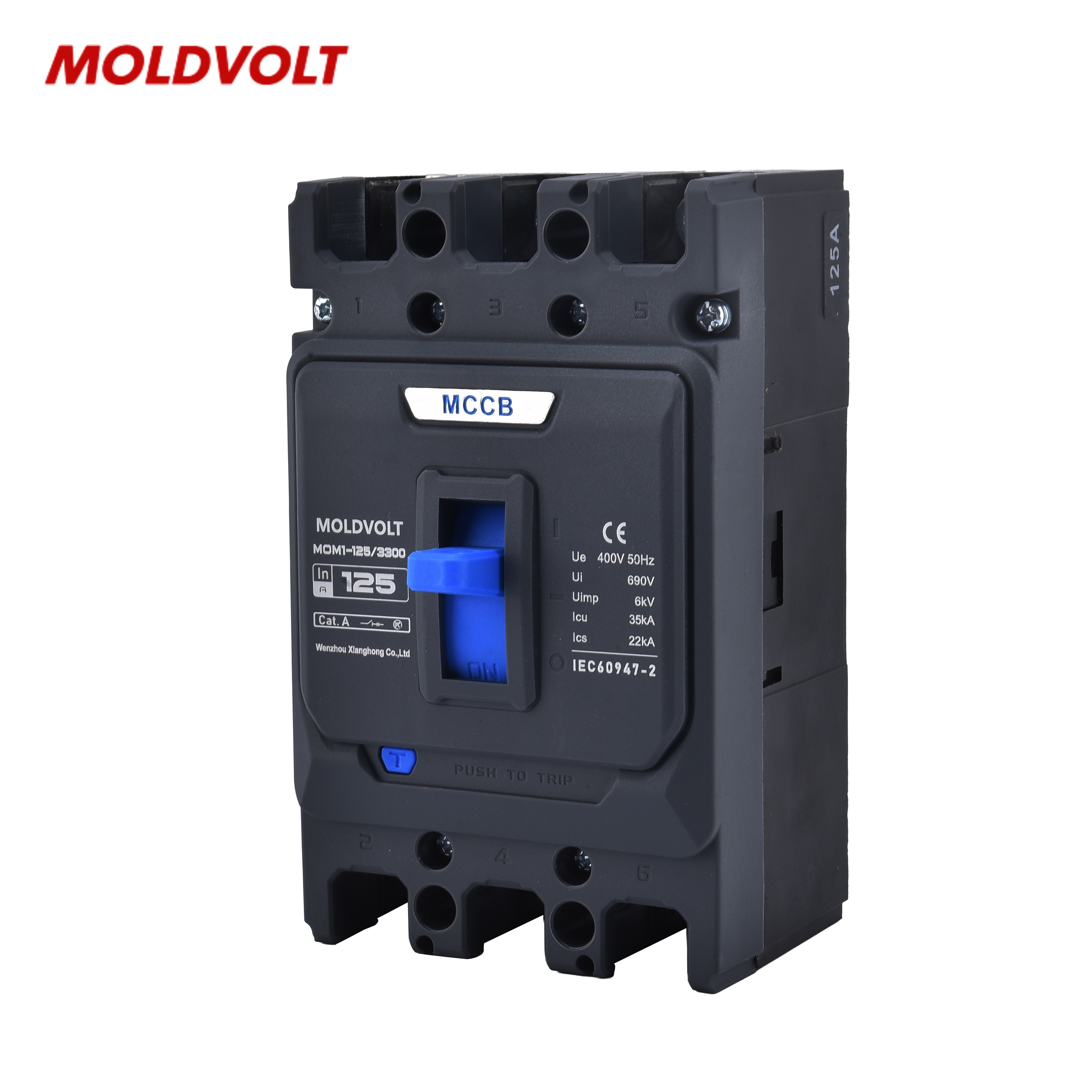
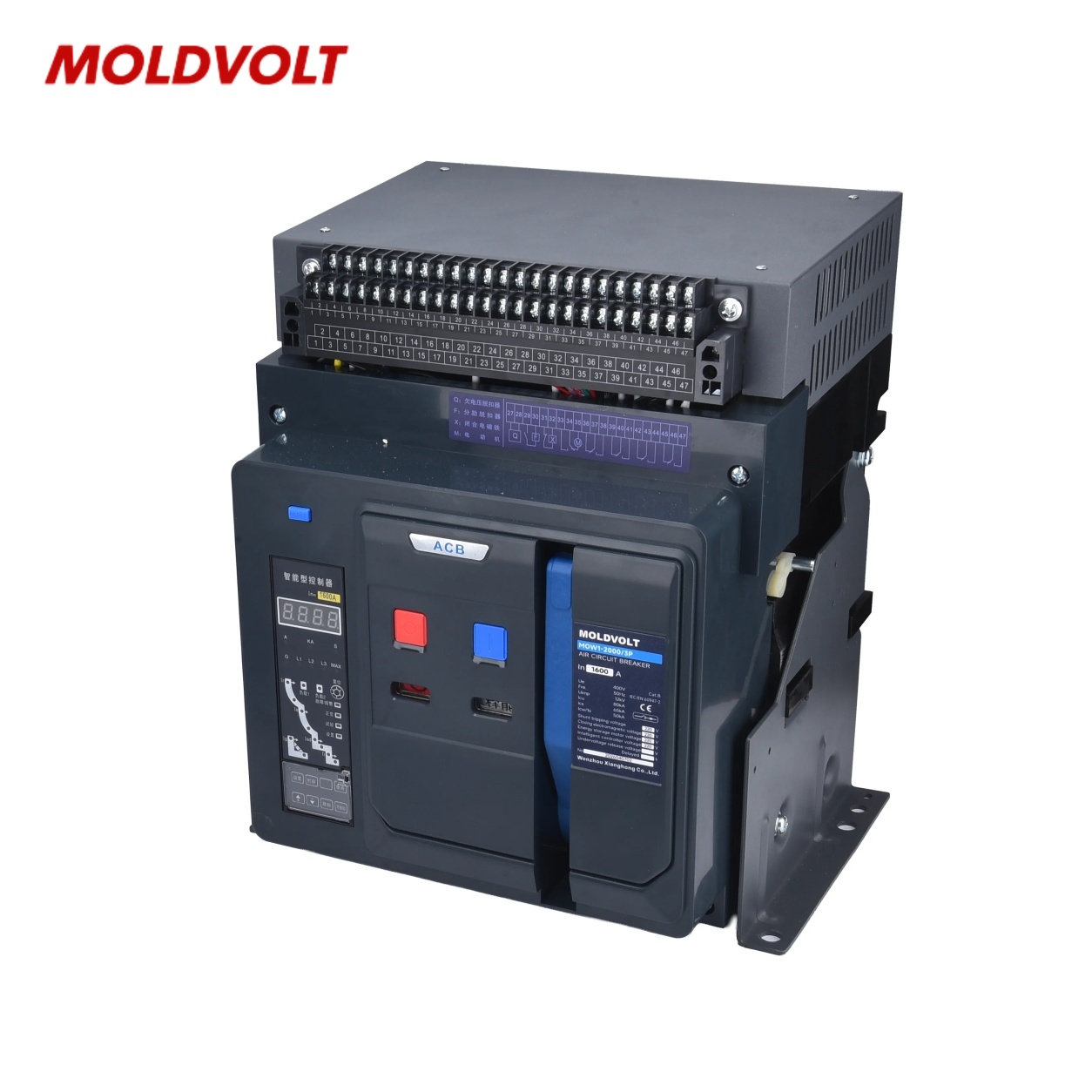
A main switch circuit breaker is installed at a primary point in an electrical distribution system to provide switching and, where designed, overcurrent protection. It allows an authorized operator to disconnect a distribution board from its supply and helps interrupt overload or short-circuit currents within its rated capabilities. Depending on the application, main breakers may include moulded case circuit breakers (MCCBs) or air circuit breakers (ACBs), with selection based on system requirements and equipment design. VoltCabinet supports electrical distribution projects involving switchgear, low-voltage panels, and associated protective equipment. Selecting a main breaker requires careful evaluation of rated voltage, rated current, number of poles, short-circuit breaking capacity, and the characteristics of the connected loads. Engineers must also consider selectivity, coordination with downstream breakers, enclosure compatibility, and relevant electrical standards. For example, a factory expanding its production lines may need to reassess the main breaker after adding motors and other electrical loads. The revised design should verify demand calculations, feeder ratings, and prospective fault current before equipment selection. A main breaker is not automatically a substitute for a dedicated isolator when separate isolation requirements apply. Providing complete project specifications helps suppliers assess suitable equipment and supports safer installation, commissioning, and long-term maintenance.

Frequently Asked Questions

What does a main switch circuit breaker do?

A main switch circuit breaker provides a primary means of switching and, when appropriately designed, overcurrent protection for an electrical distribution system. It can disconnect the supply and interrupt specified overload or short-circuit currents. Its protective capabilities depend on the device's ratings, design, and installation conditions.
Determine the system voltage, calculated load current, prospective short-circuit current, pole configuration, and required breaking capacity. Consider the distribution assembly's ratings and coordination with downstream protection. A qualified electrical engineer should verify the selection against the equipment manufacturer's documentation and applicable electrical codes.
An MCCB is commonly used for feeder and distribution protection across a broad range of low-voltage applications. An ACB is often used as a main or large feeder breaker in low-voltage switchboards. Actual current ratings, breaking capacities, and functions vary by model and must be checked.
Not necessarily. A circuit breaker can provide switching and fault interruption within its rated capabilities, while an isolator is intended to provide isolation under specified conditions. Whether a separate isolator is required depends on the installation design, equipment instructions, and applicable regulations.
Breaking capacity indicates the fault current a breaker can interrupt safely under specified conditions. The selected rating must be suitable for the prospective short-circuit current at its installation point. Engineers should calculate fault levels and confirm the device's ratings before installation to help ensure effective protection.

Related article

Cabinet corrosion resistance determines service life in coastal engineering sites.

23

Sep

Cabinet corrosion resistance determines service life in coastal engineering sites.

Why Coastal Environments Accelerate Cabinet CorrosionThe chloride-humidity synergy: How salt aerosols and sustained high RH drive electrochemical degradationCoastal atmospheres subject cabinet enclosures to a uniquely aggressive combination of airbor...
View More
Insulator dimensional tolerance controls assembly efficiency in switchgear.

25

Sep

Insulator dimensional tolerance controls assembly efficiency in switchgear.

Why Insulator Dimensional Tolerance Is the Silent Driver of Switchgear Assembly EfficiencyIn high-voltage switchgear, insulators do much more than prevent flashover—they serve as load-bearing anchors that dictate how quickly and precisely busbars, ci...
View More
Insulator mechanical strength supports busbar fixing inside switchgear cabinets.

13

Oct

Insulator mechanical strength supports busbar fixing inside switchgear cabinets.

Critical Mechanical Load Demands on Insulators for Busbar Support Static, Dynamic, and Short-Circuit Electrodynamics: Quantifying Peak Forces (Up to 250 kA) Busbar support insulators must simultaneously manage three distinct mechanical load regimes...
View More
Cable clamp vs cable tie: which one delivers long term stability in panels?

27

Oct

Cable clamp vs cable tie: which one delivers long term stability in panels?

Mechanical Performance Under Thermal Stress Polymer creep and thermal expansion mismatch in nylon cable ties at 60–85°C Nylon 6/6 cable ties undergo measurable mechanical degradation when exposed continuously to 60–85 °C. At the...
View More

Customer Testimonials

James Miller

We needed a dependable main switch circuit breaker for a commercial distribution project. Reviewing rated current, fault capacity, and panel compatibility helped our team clarify specifications before procurement.

Daniel Wilson

The technical discussions helped us evaluate main breaker requirements for an industrial panel. Clear specification checks improved coordination around system voltage, protective functions, and installation requirements.

Get a Free Quote

Our representative will contact you soon.
Email
Mobile/WhatsApp
Name
Company Name
Message
0/1000
Application-Based Main Breaker Selection and Coordination

Application-Based Main Breaker Selection and Coordination

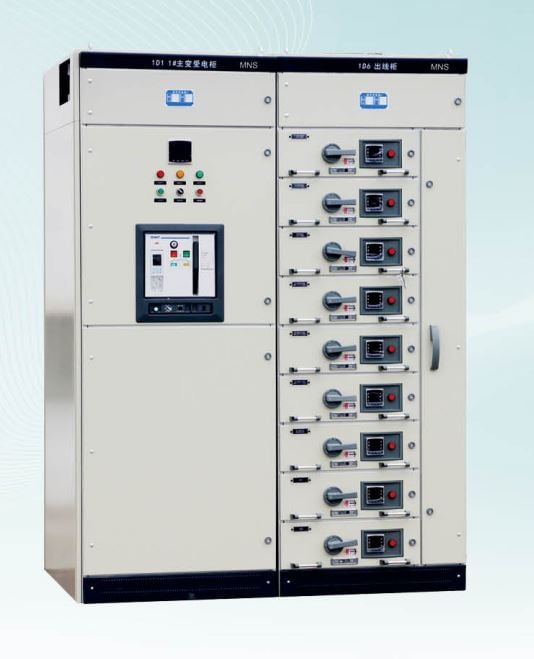
Main circuit breaker requirements vary with the electrical supply, connected loads, distribution architecture, and expected fault conditions. Industrial plants may require breakers capable of handling substantial feeder currents, while commercial buildings need devices coordinated with lighting, HVAC, and other building services. VoltCabinet supports project planning where breaker selection must align with the distribution panel and switchgear configuration. Engineers should evaluate rated current, voltage, breaking capacity, trip characteristics, and coordination with downstream protective devices. For example, adding production equipment may change both the calculated demand and the prospective fault conditions. Reviewing these factors before procurement helps clarify equipment requirements, reduce compatibility issues, and support reliable electrical system operation.
Distribution Panel Compatibility and Installation Planning

Distribution Panel Compatibility and Installation Planning

A main switch circuit breaker must be compatible with the complete electrical assembly, including busbars, terminals, enclosure dimensions, and rated short-circuit withstand capabilities. Mechanical fit alone does not establish electrical suitability. For commercial and industrial projects, engineers should verify manufacturer-approved combinations and confirm that the selected breaker meets the panel's design requirements. VoltCabinet supports electrical distribution inquiries involving panel configurations and protective equipment specifications. Providing details such as rated voltage, design current, available fault current, installation environment, and applicable standards helps suppliers assess potential solutions. Thorough pre-installation reviews can reduce procurement errors and support a more organized commissioning process, including inspection of connections and verification of protective settings.

Get a Free Quote

Our representative will contact you soon.
Email
Mobile/WhatsApp
Name
Company Name
Message
0/1000