Customer Reviews for Main Switch Circuit Breaker Solutions
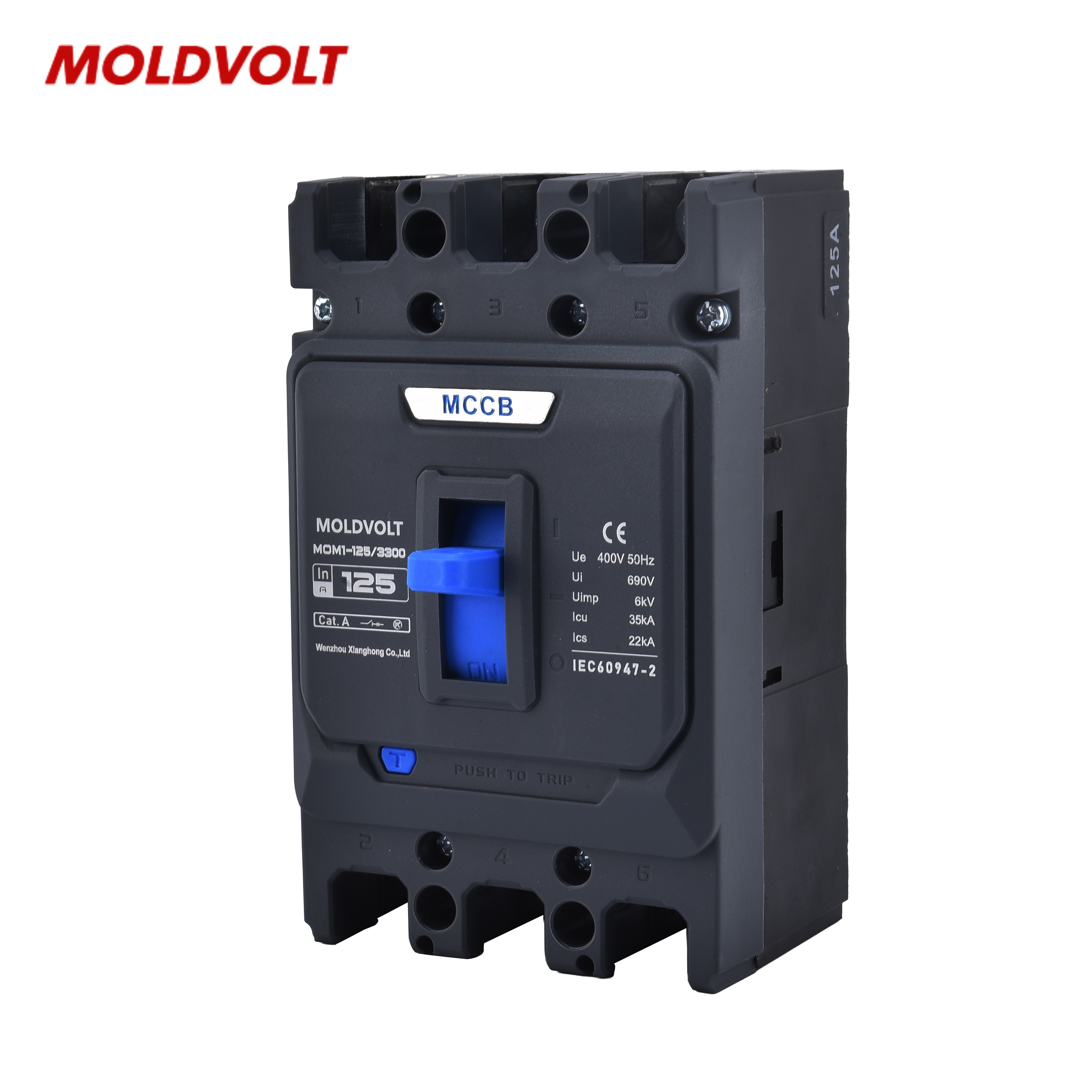
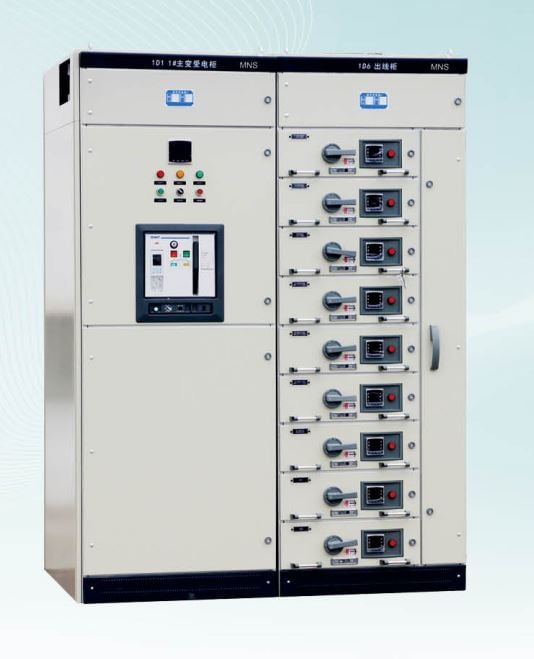
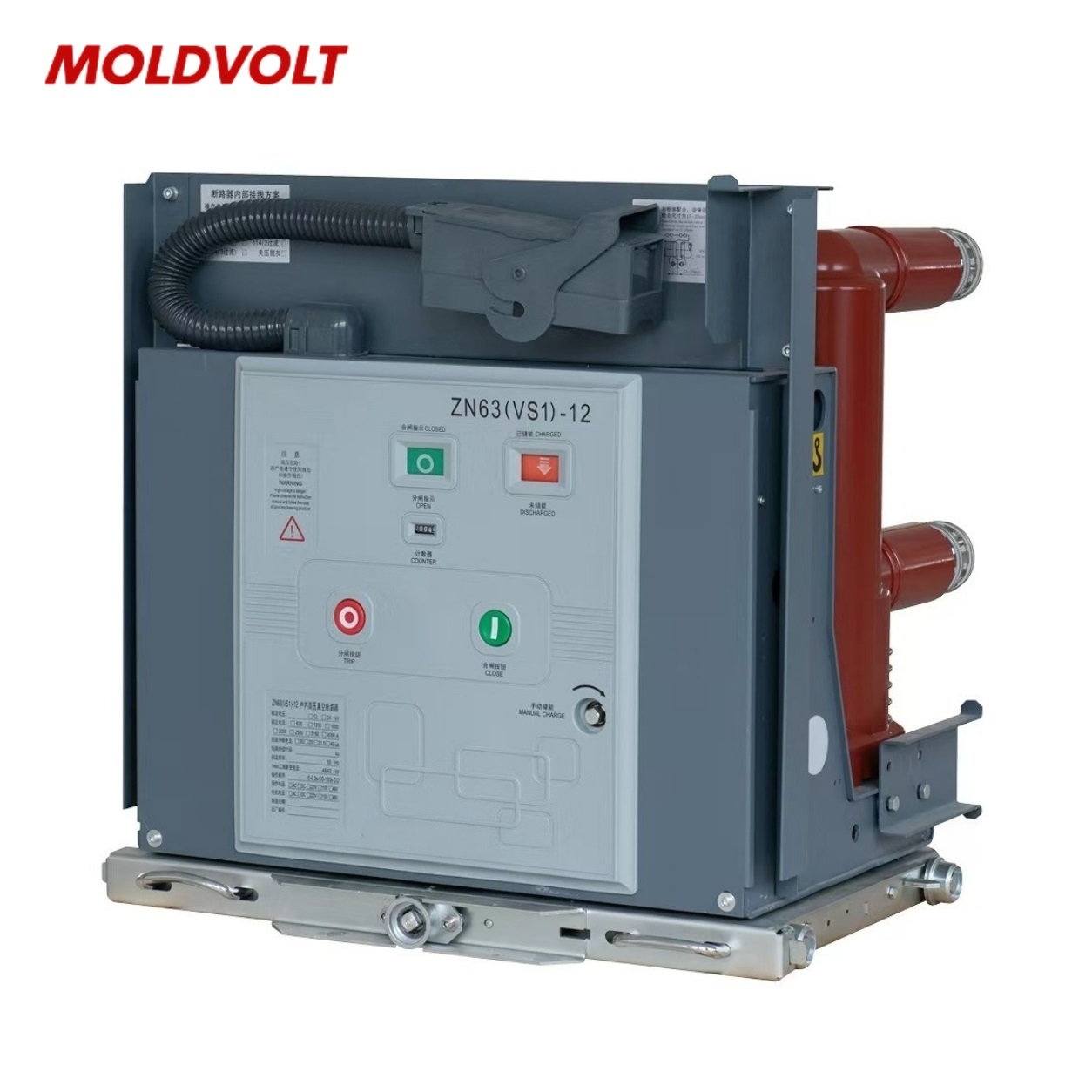
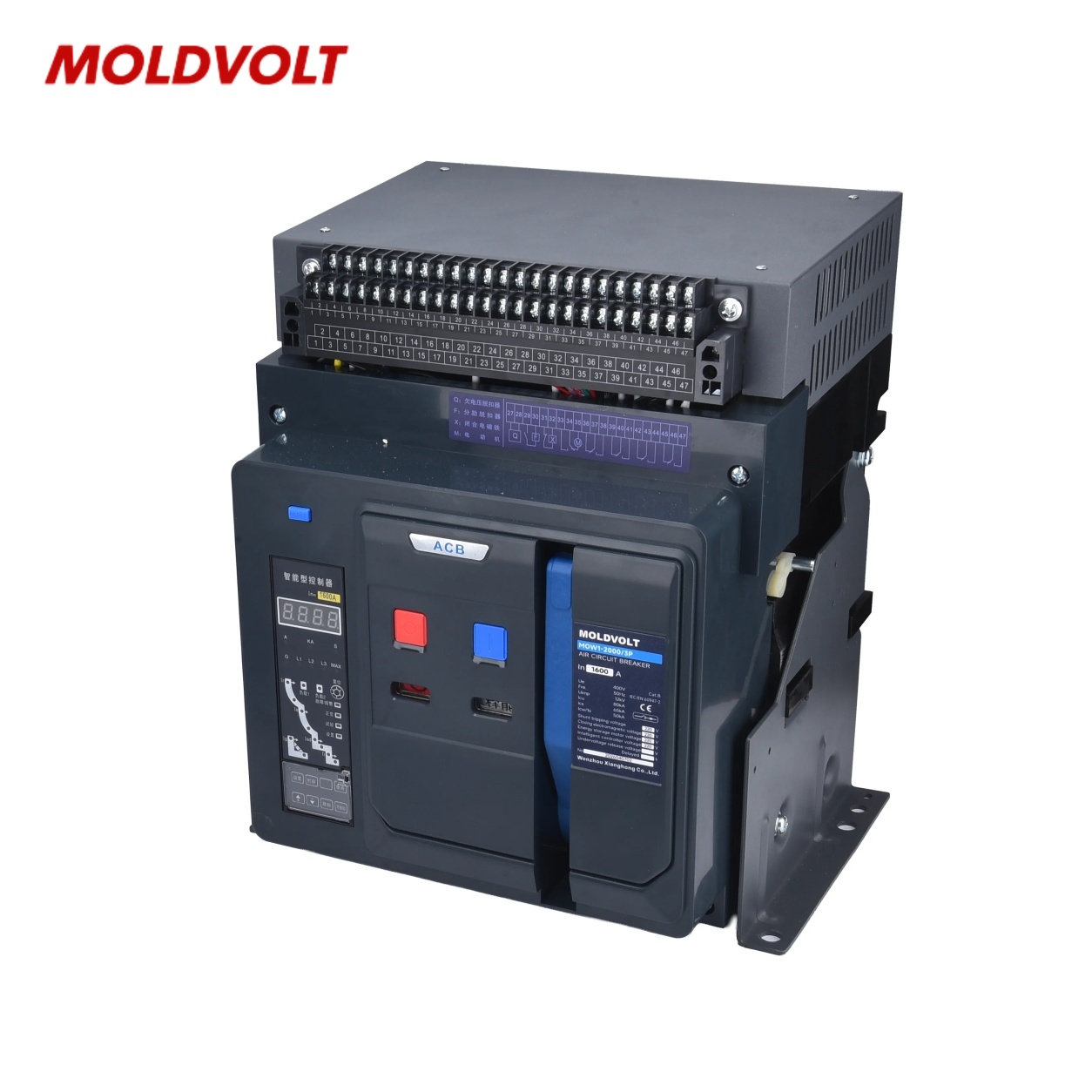
A main switch circuit breaker serves as a primary switching and protective device in an electrical distribution system, allowing power to be disconnected and helping interrupt overload or short-circuit currents when appropriately rated. It is commonly used in commercial buildings, industrial facilities, distribution boards, and equipment control rooms. Selecting the right device requires evaluating rated voltage, continuous current, breaking capacity, pole configuration, and coordination with downstream protection. VoltCabinet supports electrical distribution projects that require suitable switchgear and panel configurations. For example, a manufacturing facility upgrading its main distribution board should verify available fault current and total design load before selecting a replacement breaker. Careful specification helps support safe operation, easier maintenance, and dependable power distribution.
Get A Quote

 EN