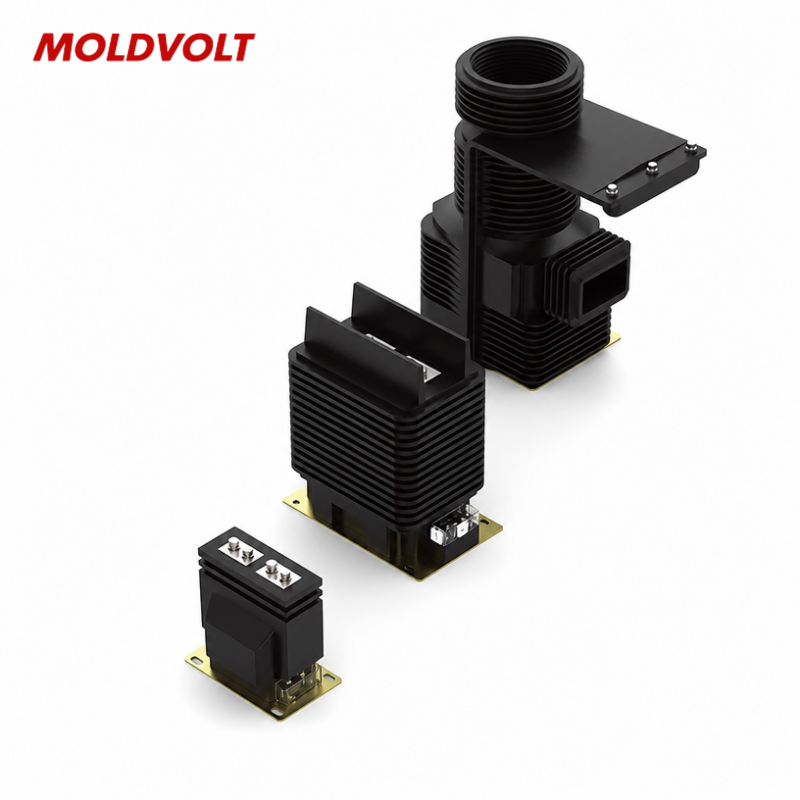
An earthing transformer creates a neutral point for grounding systems that lack an accessible neutral connection. Common configurations include zigzag and star-delta designs, selected according to network topology, zero-sequence impedance, and grounding requirements. Depending on the application, the transformer may operate with a grounding resistor to limit earth-fault current and support protective relay coordination. VoltCabinet helps buyers define project requirements for medium-voltage distribution, industrial substations, renewable energy plants, and other power infrastructure applications. Important specification details include rated voltage, frequency, grounding current, fault duration, insulation level, cooling method, and installation environment. For example, a wind or solar collection network may require a grounding transformer designed around a specified short-time fault duty. Engineers should verify these parameters through a system study before selecting equipment. Standards compliance, routine testing, documentation, and interface requirements should also be confirmed during procurement to support installation planning and long-term operational reliability.
16
Sep
19
Sep
10
Oct
27
Oct

Copyright © 2026 by ZHEJIANG XIANGHONG ELECTRIC CO., LTD - Privacy Policy
 EN