Earthing Transformer Solutions for Industrial & Utility Grounding

All Categories
Customer Feedback on Earthing Transformer Solutions

Customer Feedback on Earthing Transformer Solutions

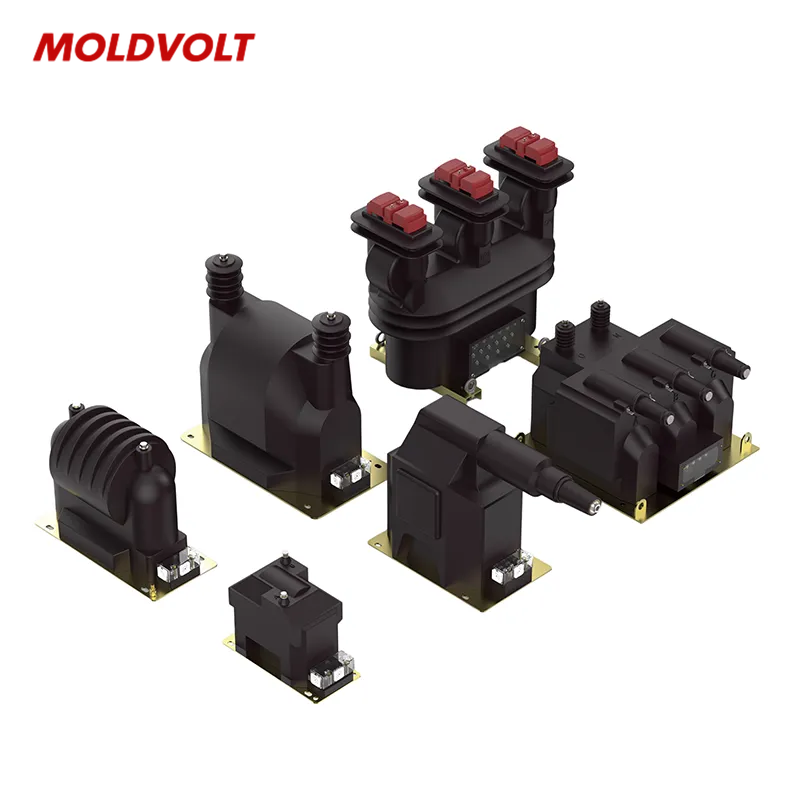
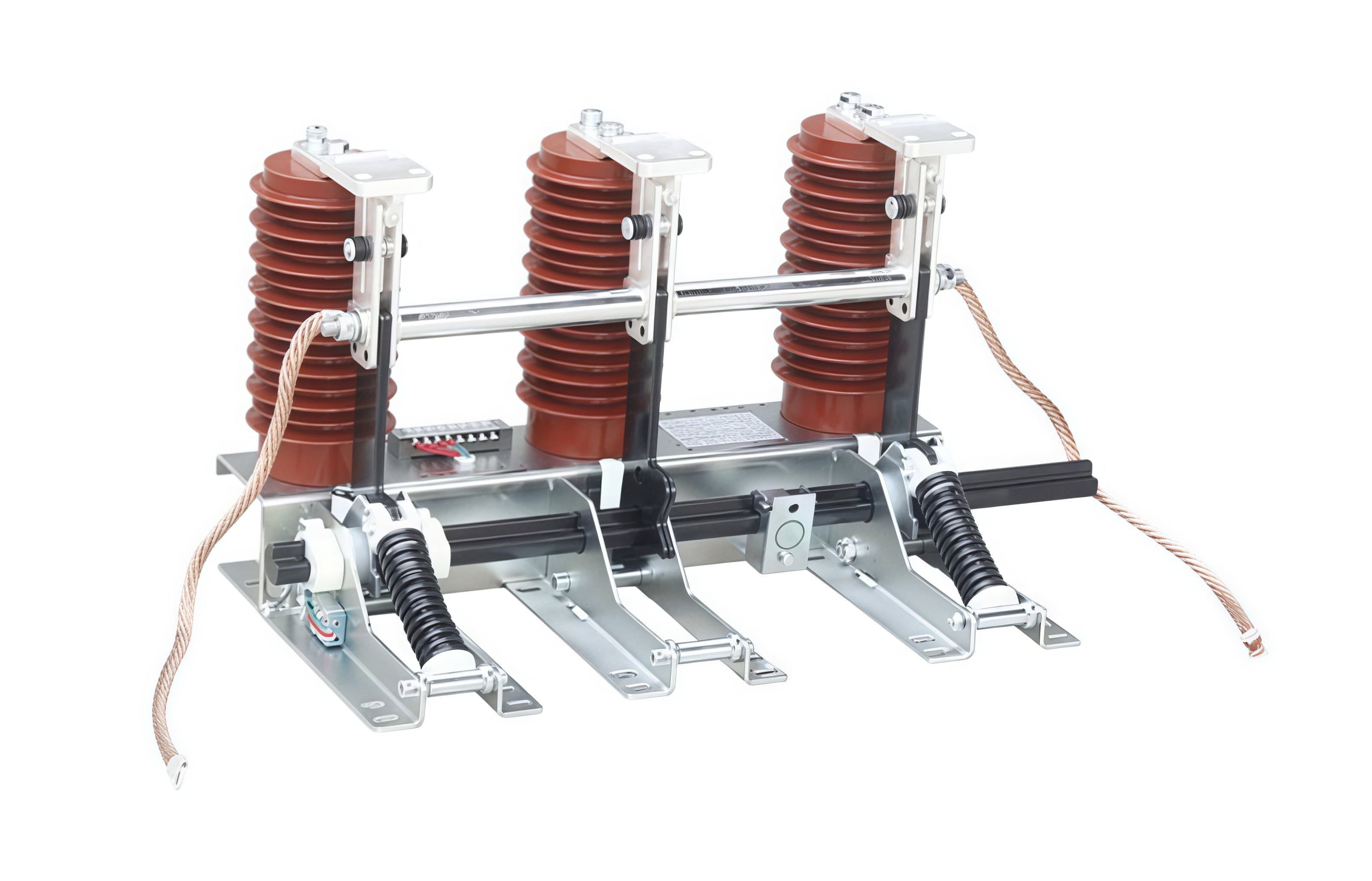
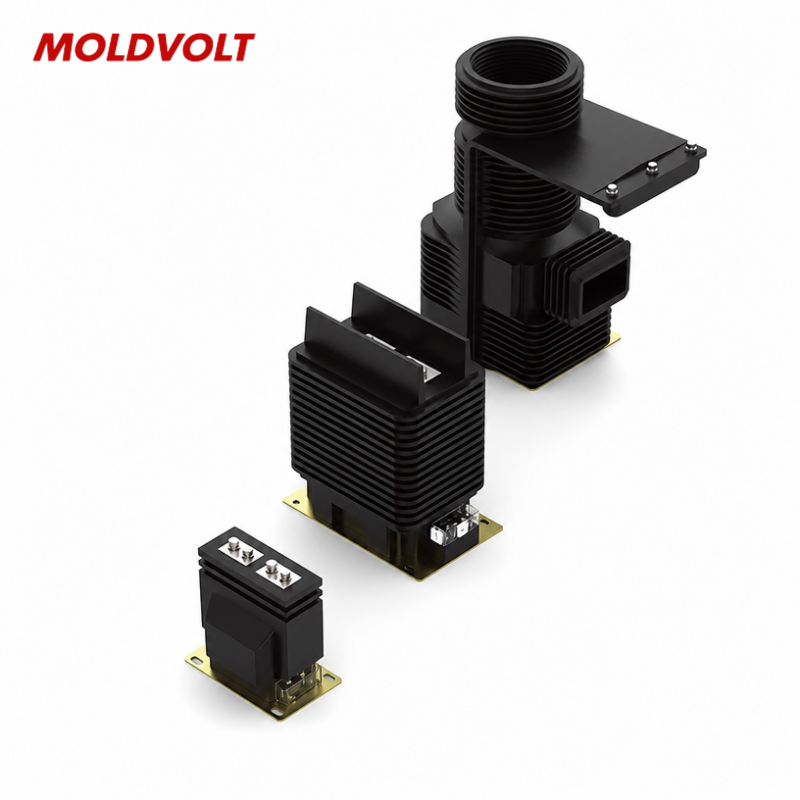
VoltCabinet provides earthing transformer solutions designed to establish a grounding point in three-phase power systems without an accessible neutral. These transformers support ground-fault current management and help protection devices identify faults in industrial plants, utility substations, renewable energy installations, and medium-voltage distribution networks. Configurations can be selected according to system voltage, grounding method, fault-current requirements, and installation conditions. For example, a solar farm operating a delta-connected collection network may require an earthing transformer to establish a neutral reference for ground-fault protection. Properly coordinated equipment helps engineers develop a practical grounding scheme, improve fault response, and support safer maintenance. Final specifications should follow the project's electrical study and applicable standards.
Get A Quote

Case Study

Grounding Support for a Solar Power Plant

A utility-scale solar project used a medium-voltage collection network without a directly accessible neutral point. The engineering team evaluated an earthing transformer to establish a suitable grounding reference and support ground-fault protection. The selection process considered the collector voltage, expected fault current, fault duration, and coordination with existing protective relays. This approach helped align the grounding arrangement with the plant's electrical design and operating requirements. For similar renewable energy projects, engineers should verify transformer impedance, thermal duty, and system grounding philosophy before procurement. A correctly specified solution can support reliable fault detection while helping operators maintain consistent protection performance across the collection network.

Neutral Grounding for an Industrial Substation

An industrial facility required a grounding solution for a distribution system supplying production equipment, auxiliary loads, and motor control centers. The project team reviewed the network configuration and selected the earthing transformer requirements around the available neutral point, fault-current limits, and protective relay settings. Particular attention was given to short-time current capability and compatibility with the facility's grounding resistor, where applicable. This engineering process provides a useful model for factories upgrading substations or expanding production capacity. By defining electrical parameters before ordering equipment, buyers can reduce specification gaps, simplify installation planning, and improve coordination between transformers, switchgear, and ground-fault protection systems.

Grounding Design for a Utility Distribution Network

A distribution operator planning a medium-voltage network extension needed to assess grounding options for sections with no accessible neutral. An earthing transformer offered a potential means of establishing a grounding point compatible with the network's protection philosophy. Engineers would evaluate the nominal voltage, zero-sequence impedance, maximum earth-fault current, and required operating duration before confirming the design. These parameters are particularly important when integrating new substations with existing feeders and circuit breakers. A project-specific specification also helps contractors coordinate cable terminations, protective relays, and grounding components. The result is a more coherent system design, with equipment selected for the network's actual electrical and operational conditions.

Related products

An earthing transformer creates a neutral point for grounding systems that lack an accessible neutral connection. Common configurations include zigzag and star-delta designs, selected according to network topology, zero-sequence impedance, and grounding requirements. Depending on the application, the transformer may operate with a grounding resistor to limit earth-fault current and support protective relay coordination. VoltCabinet helps buyers define project requirements for medium-voltage distribution, industrial substations, renewable energy plants, and other power infrastructure applications. Important specification details include rated voltage, frequency, grounding current, fault duration, insulation level, cooling method, and installation environment. For example, a wind or solar collection network may require a grounding transformer designed around a specified short-time fault duty. Engineers should verify these parameters through a system study before selecting equipment. Standards compliance, routine testing, documentation, and interface requirements should also be confirmed during procurement to support installation planning and long-term operational reliability.
Frequently Asked Questions

What is the main purpose of an earthing transformer?

An earthing transformer provides a neutral grounding point in a three-phase electrical network when the system does not have an accessible neutral. It supports earth-fault detection and protection coordination. Engineers select its configuration and electrical ratings according to network voltage, grounding method, and calculated fault-current requirements.
Start with the system's nominal voltage, frequency, grounding arrangement, and maximum expected earth-fault current. Determine how long the transformer must withstand that current, then assess impedance, insulation level, thermal duty, and installation conditions. Coordinate the final specification with protection studies and applicable electrical standards.
A zigzag transformer is commonly designed to provide a neutral grounding point with a suitable zero-sequence impedance. A star-delta transformer uses a different winding arrangement to achieve the required grounding function. The preferred design depends on network configuration, impedance requirements, fault-current duty, and the project's engineering criteria.
Yes. An earthing transformer can be connected to a neutral grounding resistor to limit earth-fault current to a defined level. The transformer, resistor, and protective relays must be coordinated for current magnitude, operating duration, insulation requirements, and system voltage to ensure the grounding arrangement performs as intended.
Typical applications include utility substations, manufacturing facilities, mining operations, wind farms, solar power plants, and medium-voltage distribution networks. They are particularly useful when a network requires a grounding point but lacks an accessible neutral. Final selection depends on electrical topology, fault duty, and operating requirements.

Related article

Cost-Effective Low Voltage Switchgear for Iraq: Compatible with Blokset, Okken & 8PT | Local Assembly Options

16

Sep

Cost-Effective Low Voltage Switchgear for Iraq: Compatible with Blokset, Okken & 8PT | Local Assembly Options

View More
What cable clamp material suits high temperature switchgear cabinets?

19

Sep

What cable clamp material suits high temperature switchgear cabinets?

Understanding High-Temperature Challenges in Switchgear CabinetsTypical Operating Temperatures and Thermal Stress Sources (Busbars, Load Cycling, Enclosure Design)Switchgear cabinets experience elevated temperatures primarily due to resistive losses ...
View More
What switchgear maintenance items prevent unexpected power outage risks?

10

Oct

What switchgear maintenance items prevent unexpected power outage risks?

Top 3 Root Causes of Switchgear-Related Power Outages Insulation degradation and partial discharge: leading precursors to cascade failure Insulation systems in switchgear degrade gradually under electrical, thermal, and environmental stress. Cracks...
View More
Cable clamp vs cable tie: which one delivers long term stability in panels?

27

Oct

Cable clamp vs cable tie: which one delivers long term stability in panels?

Mechanical Performance Under Thermal Stress Polymer creep and thermal expansion mismatch in nylon cable ties at 60–85°C Nylon 6/6 cable ties undergo measurable mechanical degradation when exposed continuously to 60–85 °C. At the...
View More

Customer Testimonials

James Wilson

Our distribution project required stable neutral grounding for a 33 kV network. The customized earthing transformer simplified protection coordination and supported reliable fault detection during commissioning.

Michael Turner

We needed a practical grounding solution for an industrial substation. The selected transformer supported our grounding design and helped integrate protection equipment with the existing distribution network.

Get a Free Quote

Our representative will contact you soon.
Email
Mobile/WhatsApp
Name
Company Name
Message
0/1000
Grounding Configurations Matched to Network Requirements

Grounding Configurations Matched to Network Requirements

Every power network has different grounding requirements, making project-specific engineering essential. Earthing transformer selection should account for nominal voltage, zero-sequence impedance, maximum earth-fault current, and the duration of fault exposure. VoltCabinet supports specification planning for applications ranging from industrial substations to renewable energy collection systems. For example, a 33 kV network may require a different grounding arrangement and insulation specification from a lower-voltage factory distribution system. Engineers should also determine whether a grounding resistor is necessary and confirm coordination with circuit breakers and protective relays. Reviewing these factors before procurement helps buyers avoid mismatched ratings, clarify technical responsibilities, and prepare a more reliable installation plan.
Practical Integration with Electrical Protection Systems

Practical Integration with Electrical Protection Systems

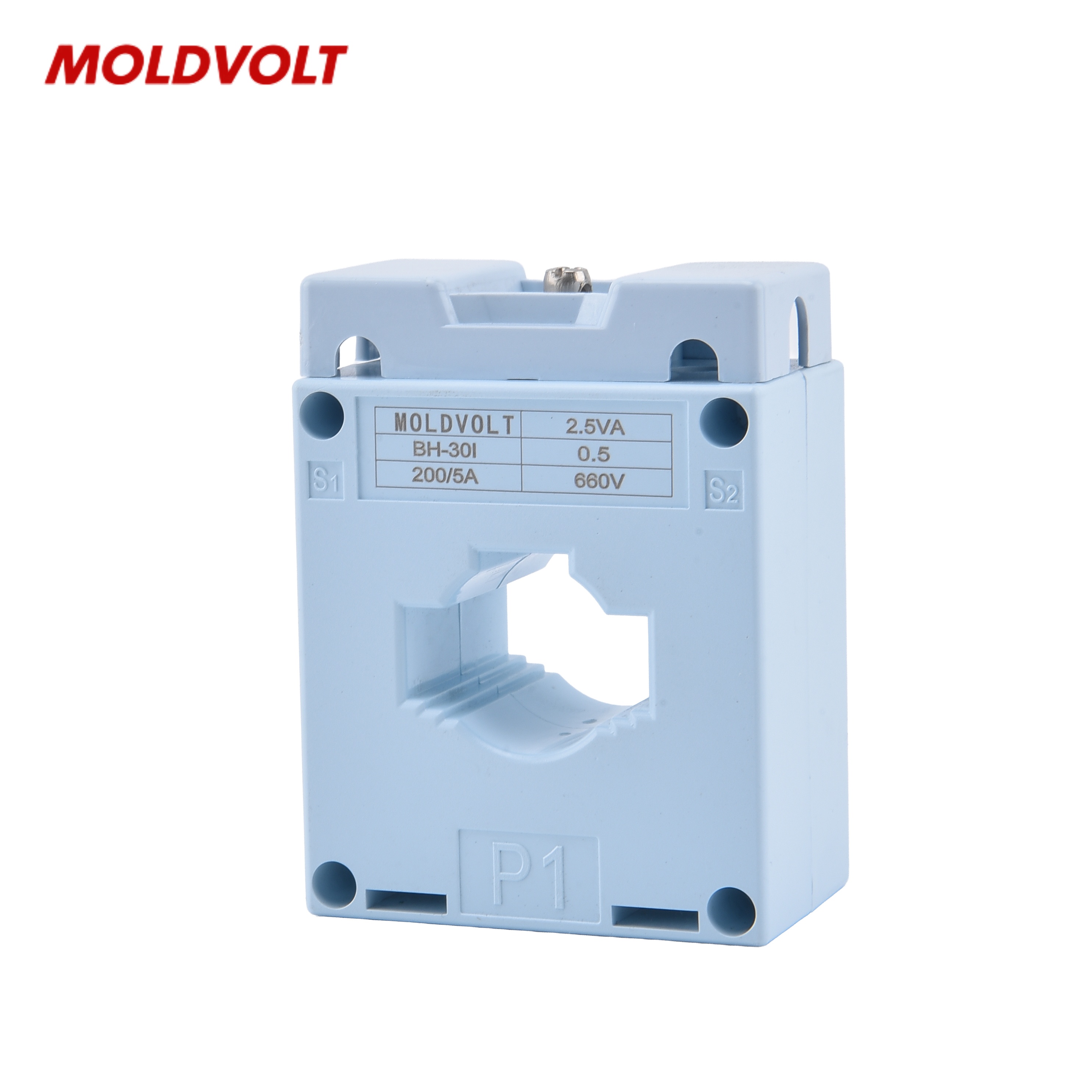
An earthing transformer is one component of a complete grounding and protection arrangement. Its performance depends on coordination with grounding resistors, current transformers, protective relays, switchgear, and the wider electrical network. During project planning, engineers should confirm fault-current limits, relay sensitivity, insulation coordination, and required short-time withstand capability. In a renewable energy substation, for instance, grounding design must align with collector-system topology and the protection strategy used to isolate faults. Clear technical documentation helps contractors verify connections and commissioning requirements. By addressing these interfaces early, project teams can reduce installation uncertainties and support dependable operation across industrial and utility power distribution applications.
Specification-Led Procurement and Project Support

Specification-Led Procurement and Project Support

Successful earthing transformer procurement begins with a clear technical specification rather than a generic power rating. Buyers should provide network voltage, frequency, grounding method, fault-current magnitude, fault duration, insulation requirements, and site conditions. Additional details, such as enclosure protection, cooling arrangements, applicable standards, and connection interfaces, may also affect equipment selection. For example, an outdoor utility substation can require different environmental protection from an indoor industrial electrical room. VoltCabinet can work from project requirements to clarify configuration and documentation needs before an order is finalized. This specification-led approach helps engineering teams compare suitable options, coordinate associated equipment, and plan installation with greater confidence.

Get a Free Quote

Our representative will contact you soon.
Email
Mobile/WhatsApp
Name
Company Name
Message
0/1000